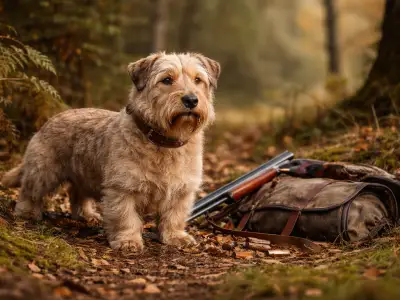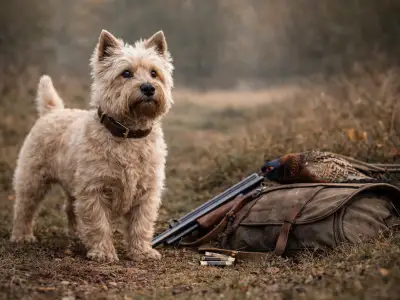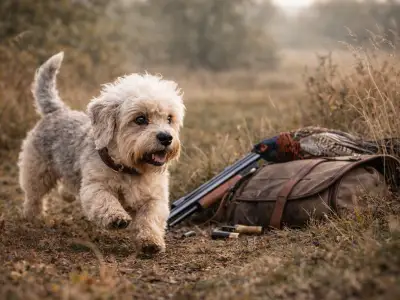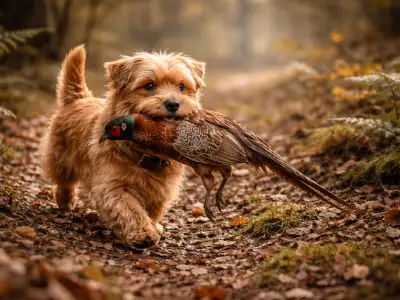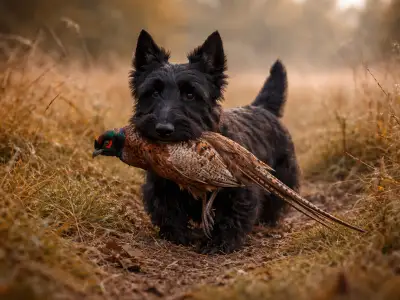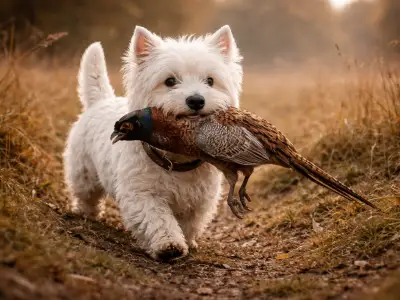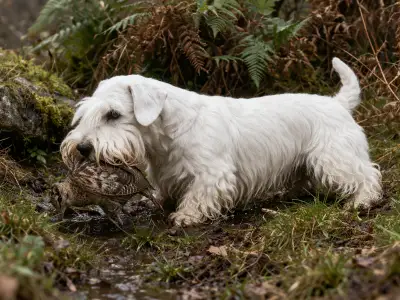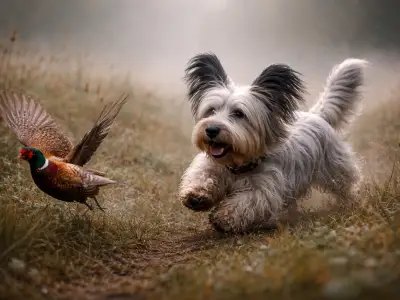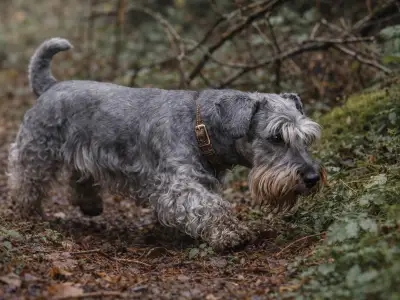
Airedale Terrier
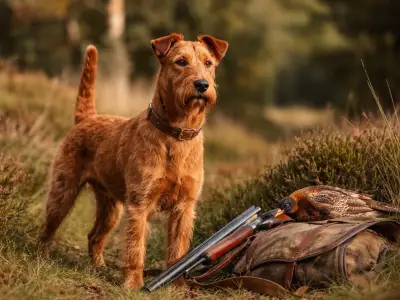
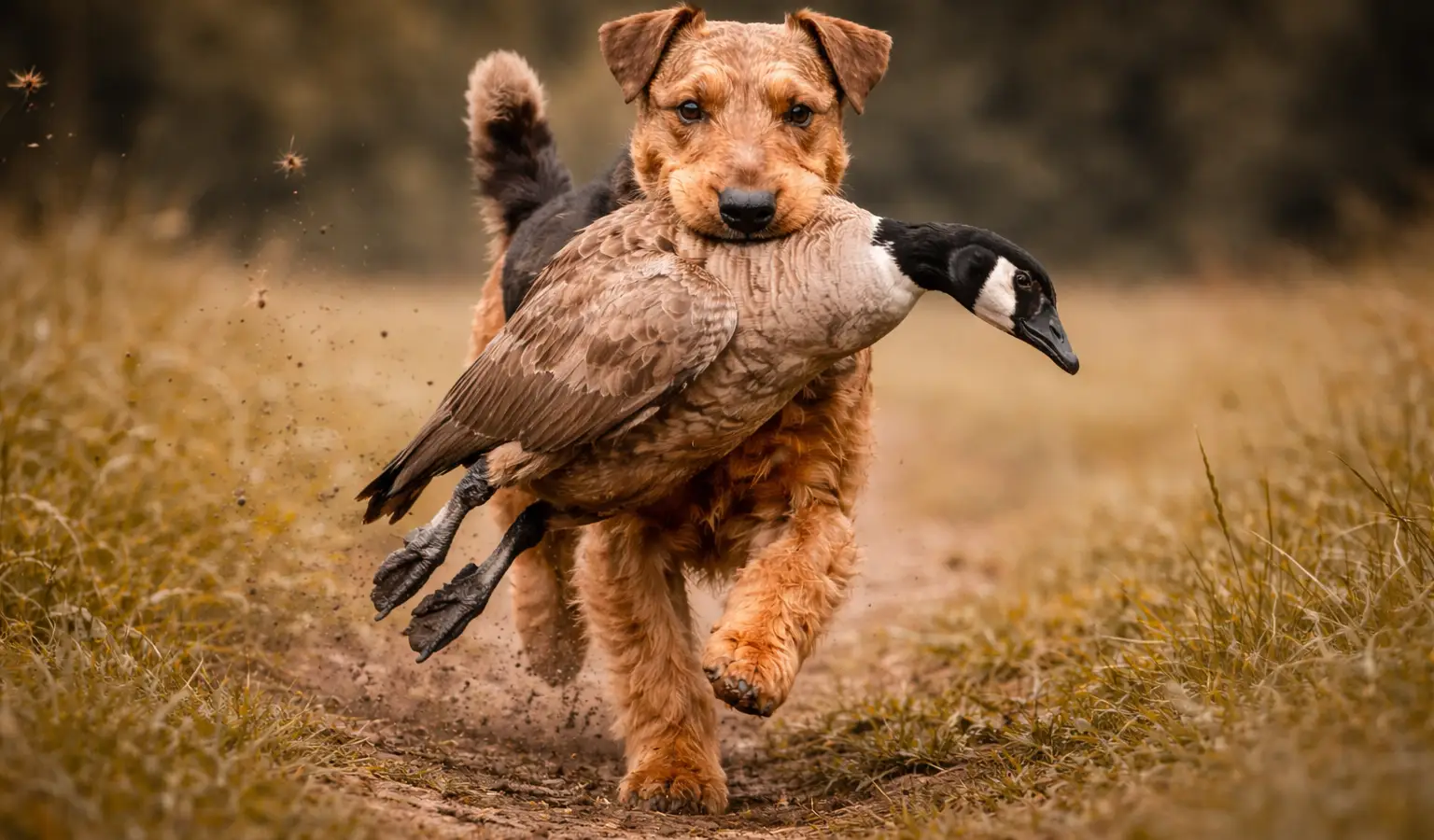
The Airedale Terrier is the largest of all terriers. Strong, intelligent and confident, it is a versatile working dog and a loyal companion.
Life expectancy
11 – 14 years
Price
1000 – 1800 €
Monthly budget
80 €
Size
Large
Profile
Airedale Terrier
Origin
United Kingdom
Year of origin
1850
Developed by
English breeders
Size
Large
Coat type
Wire coat
Owner profile
Active owner
Hypoallergenic
No
Litter size
7
Life expectancy
11 – 14 years
Price
1000 – 1800 €
Female
- Height : 56 – 59 cm
- Weight : 18 – 23 kg
Male
- Height : 58 – 61 cm
- Weight : 23 – 30 kg
Temperament & abilities
Affectionate
4/5
Calm
3/5
Independent
4/5
Intelligence
5/5
Obedience
3/5
Hunting instinct
4/5
Energy level
4/5
Good with children
4/5
Dog-friendly
3/5
Friendly with strangers
3/5
Hunting profile
Stamina
5/5
Hunting drive
3/5
Independence
4/5
Trainability
3/5
Beginner-friendly
2/5
Family compatibility
4/5
Feather game
2/5
Fur game
3/5
Underground work
3/5
Water work
3/5
These indicators help compare breeds and choose the right one for your hunting style.
Game & abilities
Estimated ability level by game type.
Budget
Purchase price
1000 – 1800 €
The price may vary depending on the breeder, bloodline, and region.
Average monthly cost
80 €
Estimated average: food, healthcare, accessories, and grooming.
Airedale Terrier as a hunting dog: versatile, bold, and demanding
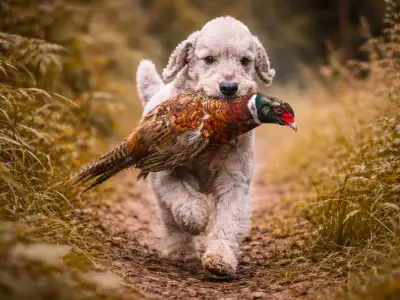
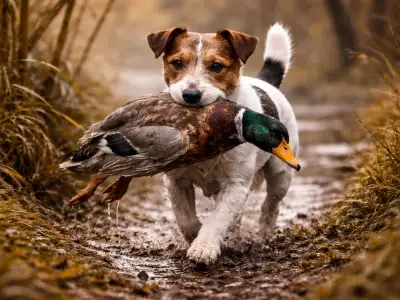
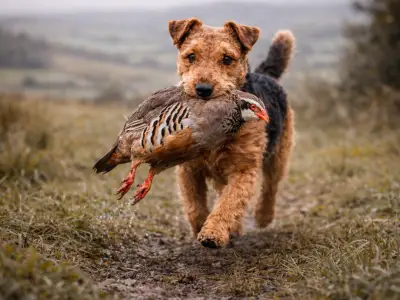
An Airedale Terrier can be a good hunting dog for the right person: it brings a strong nose, plenty of courage, and the stamina to cover ground, but it typically needs more training, structure, and thoughtful handling than many purpose-bred gundogs. In the field, many Airedales work with an independent terrier mindset—keen to investigate, quick to commit, and not always inclined to check in unless that habit is carefully built.
As a hunting terrier, the Airedale’s strengths often show up in versatile, all-around work rather than one narrow specialty. Expect a forward search pattern and a dog that enjoys using its nose in cover, hedgerows, and rough terrain. Many individuals will retrieve willingly with training, and they can handle long days thanks to athletic build and weather-resistant coat. That said, their “working style” is often more self-directed than soft-mouthed, handler-focused retrieving breeds, so polish and consistency usually come from repetition, clear rules, and a handler who can keep sessions engaging.
Where the Airedale Terrier hunting experience can feel different is in control and pacing. High energy, strong prey drive, and quick reactions are assets, but they also raise the bar for recall, steadiness, and impulse control around game. If you hunt near roads, livestock, or crowded public lands, your training plan should prioritize reliability over range. Early socialization and ongoing exposure to different terrain, water, and gunfire (introduced responsibly) can help you shape a confident, sensible partner.
For many hunters, the deciding factors are lifestyle and time. The Airedale’s daily needs don’t stop after hunting season; without meaningful exercise and mental work, they can become noisy, pushy, or creatively destructive.
- Best fit: active hunters who enjoy training, want a versatile dog for varied terrain, and appreciate a bold temperament.
- Potential challenges: independent streak, selective hearing if recall isn’t proofed, and a tendency to “do first, ask later.”
- Handler tips: keep lessons short and varied, reward check-ins, proof recall on long lines, and teach a calm off-switch at home.
Drive to push into cover
The Airedale’s terrier mindset often shows up as forward, independent cover work—useful when game holes up in brambles, reeds, or rough edges. That grit can be an asset for flushing and close-range work, but it also means you’ll want a reliable recall and clear boundaries so enthusiasm doesn’t turn into self-directed hunting.
All-day stamina for big ground
Built as a strong, athletic terrier, many Airedales can keep moving at a steady pace for long sessions, making them suited to hunters who walk a lot of country rather than stand in one spot. Conditioning matters: a fit dog tends to hunt with better focus and fewer sloppy casts, especially in warm weather or thick terrain.
Nose for track and trail
While not a dedicated scenthound, the Airedale typically has enough nose and determination to follow ground scent and work out short trails when given time. This can help on wounded-game follow-ups and in mixed terrain where scent pools and drifts. Handlers usually get the best results by encouraging methodical searching instead of constant high-speed ranging.
Versatile quarry attitude
Historically used as a general-purpose working terrier, the Airedale often shows a willingness to tackle varied jobs rather than specializing in one narrow task. Depending on lines and training, that can translate to a dog that will hunt, patrol edges, and switch gears between searching, flushing, and short retrieves. It suits practical hunters who value adaptability over perfection.
Trainable, but needs a plan
Airedales can learn field skills quickly when training is structured and consistent, but they’re rarely “auto-pilot” dogs. They respond best to sessions that feel like real work, with clear criteria and fair corrections. Many handlers find progress improves when you emphasize impulse control alongside hunting drive, especially around scent, moving game, and distractions.
Best match: hands-on hunters and active, structured households
The Airedale Terrier tends to suit hunters and outdoorsy owners who want a bold, versatile partner rather than a specialist that runs on autopilot. Historically used for varied work, many modern Airedales do best with a handler who enjoys training, can read terrier body language, and is comfortable channeling prey drive into controlled outlets. Think upland walks, tracked retrieves, pest control on property (where legal), and long, purposeful days outside—followed by clear rules at home.
In family life, the best fit is usually a busy household that can provide daily exercise, firm-but-fair boundaries, and ongoing socialization. Mismatches are common when people expect an easygoing couch dog, leave the dog under-stimulated, or prefer a soft, instantly biddable temperament. First-time owners can succeed, but only if they like structured training and don’t mind a dog with opinions.
- Great fit: active hunters, hiking households, experienced terrier or working-dog handlers, people who enjoy training games and scent work.
- Proceed with caution: homes with small pets, minimal fencing, or owners who can’t consistently manage recall and arousal around wildlife.
- Less suitable: low-activity lifestyles, long hours alone, or anyone wanting a “set-and-forget” companion.
Origins of the Airedale Terrier: a practical, all-round working dog
The Airedale Terrier’s origin is rooted in function: it was developed in northern England to be a versatile working terrier that could hunt on land and handle water work as well. Most accounts place its early development in the Aire Valley of Yorkshire in the mid-to-late 19th century, where local hunters and working people wanted one dog that could dispatch vermin, work along rivers, and still be steady enough to live alongside a busy household.
The breed is generally thought to have come from crosses between local rough-coated terriers and the Otterhound (and possibly other regional hounds and terriers, depending on the line). The likely goal wasn’t a refined show dog at first, but a hard-wearing “waterside terrier” with a strong nose, a weather-resistant coat, and enough size to tackle bigger quarry than many smaller terriers could. That combination helps explain the modern Airedale’s distinctive blend of terrier boldness and hound-like persistence: they often prefer to work problems out rather than constantly check in for guidance.
As the Airedale became more standardized and gained popularity beyond Yorkshire, breeders shaped a dog known for intelligence, courage, and adaptability. Historical records also connect the breed to various service roles—such as messenger and guard duties—though details can vary by source and era. What’s consistent is the selection for a dog that can stay composed under pressure, move efficiently over distance, and make independent choices, all traits that still show up in training today.
In practical terms, the history matters because it predicts the ownership experience. Many Airedales are energetic, physical, and mentally busy; they tend to thrive with purposeful outlets and clear rules rather than a purely passive pet lifestyle.
- Strengths: versatile hunting drive, athleticism, problem-solving ability, and a coat that can handle rough cover with regular grooming.
- Limitations: can be stubborn or selective in obedience, may have a strong prey drive, and often needs structured training to avoid self-directed “jobs.”
- Best fit: active owners or hunters who enjoy training, can provide daily exercise plus brain work, and have the space and time to channel the dog’s intensity appropriately.
Born in Yorkshire’s Aire Valley
The Airedale Terrier developed in northern England, commonly linked to the Aire Valley in Yorkshire. Early breeders wanted a tough, versatile terrier that could work along rivers and rough farmland, then live closely with people. That practical “do-it-all” origin still shows today: many Airedales combine real athleticism with a confident, people-aware presence at home.
A purposeful mix of working types
Selection history is often described as blending local terriers with larger working dogs to add size, stamina, and water ability. Exact recipes vary by source, but the goal was consistent: a dog that could hunt, track, and handle demanding conditions. For modern owners, this translates into a breed that benefits from clear jobs, varied training, and enough space to move.
Bold, clever, and independent-minded
Airedales are widely known for sharp problem-solving and a confident, sometimes stubborn streak—traits prized in working terriers. They often learn quickly, but they may test boundaries if training is repetitive or inconsistent. Best results usually come from calm structure, short skill sessions, and rewards that match the dog’s motivation, especially when distractions like scent or movement are present.
Working style: drive with versatility
As a hunting terrier type, the Airedale can show strong prey interest and a willingness to push into challenging cover. Individual lines vary, but many are more “versatile worker” than narrow specialist—comfortable switching between following scent, ranging out, and returning to check in. That flexibility suits active hunters and outdoorsy families who enjoy training a dog with initiative.
Coat and grooming: more than cosmetic
The Airedale’s wiry jacket is part of its working identity, offering practical protection in brush and wet conditions. It’s usually not a “wash-and-go” coat: to keep it comfortable and tidy, many owners rely on routine brushing and periodic stripping or clipping depending on goals. Planning for grooming time—and finding a groomer familiar with terrier coats—helps avoid matting and skin irritation.
Daily life: needs a real outlet
This is typically not a low-key companion breed. Many Airedales do best with a blend of exercise, training, and purposeful play that uses both body and brain. Without enough structure, they may invent their own entertainment—digging, chasing, or “redecorating” the house. A secure yard, regular off-leash opportunities where legal and safe, and ongoing manners work often make life smoother.
Airedale Terrier hunting & lifestyle FAQ
Is an Airedale Terrier a good hunting dog today, or mostly a companion breed?
An Airedale Terrier can still be a capable hunting partner when bred and trained with work in mind, but results vary a lot by lines and education. Historically they were valued as versatile “all-around” dogs rather than specialists, and many modern Airedales are kept primarily as companions. If your goal is a serious working dog, look for proven hunting titles, field-tested parents, and a breeder who prioritizes nerve, biddability, and stable drive. For occasional hunting and an active household, many Airedales fit well as long as you commit to training and daily outlets.
What kind of game can an Airedale Terrier hunt, and what are its strengths in the field?
Airedales are often described as versatile: they may track wounded game, work as a rough-and-tumble terrier on certain pests, and some will retrieve or work cover with enthusiasm. Their strengths tend to be toughness, persistence, and the confidence to push into brambles and cold, wet conditions—plus a good nose in many individuals. They’re usually not as naturally “patterned” as purpose-bred pointers or retrievers, so you may do more foundational training to get polished field behavior. Always match the dog to your quarry, local laws, and your own experience level.
How hard is it to train an Airedale Terrier for hunting and reliable recall?
Training can be very rewarding, but expect an independent streak: many Airedales learn quickly and then test whether the cue is worth following. Keep sessions short and structured, use clear rules, and prioritize recall and stop cues before you add heavy distraction like fresh scent or moving game. Consistent reinforcement, a long line, and carefully staged proofing typically pay off more than drilling. Harsh corrections can create avoidance or conflict in some dogs, while overly permissive handling can lead to a “selective listener” in the field.
Do Airedales have a strong prey drive, and can they live with cats or small pets?
Many Airedale Terriers have pronounced prey interest, especially with fast-moving small animals, and that can show up both on hunts and around the home. Some can live peacefully with cats or small pets, but it often depends on early socialization, individual temperament, and management rather than a guarantee. Assume you’ll need secure fencing, supervised introductions, and ongoing training around impulse control. If you keep rabbits, poultry, or small rodents, plan for physical separation and routine safety habits, even with a well-trained dog.
Are Airedale Terriers good family dogs if you also want a dog that can hunt?
In many homes, the Airedale Terrier can balance family life and field time well: they’re often affectionate, comical, and engaged with their people. That said, they can be boisterous, mouthy in adolescence, and intense about play, which may be challenging for very young kids without close supervision. The best matches are active families who enjoy training, outdoor routines, and clear house rules. If you want a calm, low-maintenance dog that’s content with short walks, an Airedale is usually a harder fit.
How much daily exercise and mental work does an Airedale Terrier realistically need?
Most Airedales do best with a mix of physical exercise and brain work, not just a quick neighborhood loop. Plan on purposeful activity—brisk walking, running, hiking, retrieving games, scentwork, or structured training—plus a job-like outlet a few times per week. Without enough engagement, some individuals look for their own entertainment through digging, chewing, nuisance barking, or pushing boundaries. The good news is they’re often up for variety, and rotating activities helps keep them steady and easier to live with.
Is an Airedale Terrier suitable for first-time owners who want to hunt?
Airedales can work for a motivated first-time owner, but they’re rarely the “easy mode” choice for hunting because they combine size, drive, and independence. If you’re new to training, budget for a quality obedience foundation, then work with a trainer who understands terriers and field distractions. Choose a puppy or adult with a stable temperament, and be honest about your schedule—consistency matters more than intensity. If you want a straightforward, highly biddable hunting partner with minimal negotiation, a more specialized gun dog breed may be a smoother start.