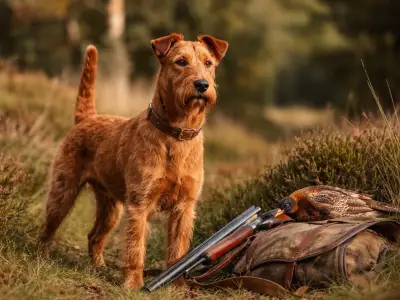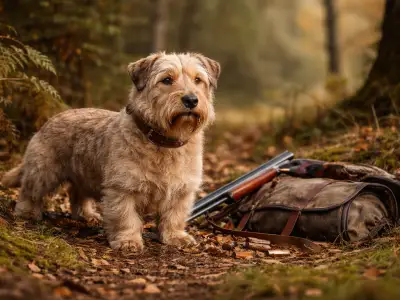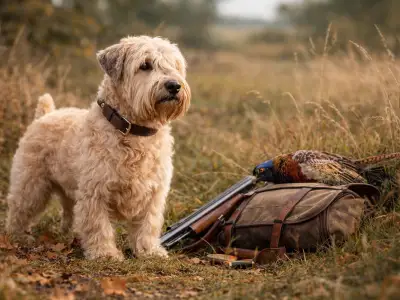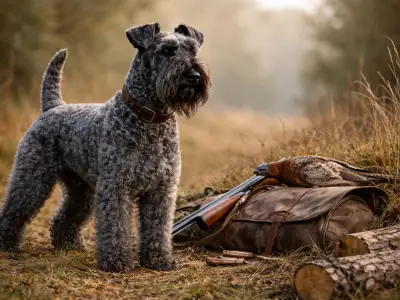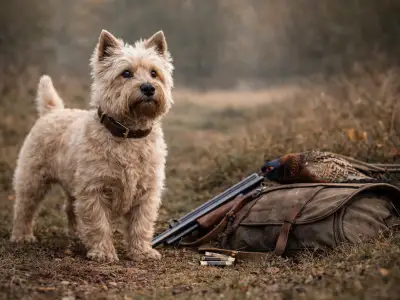
Lakeland Terrier
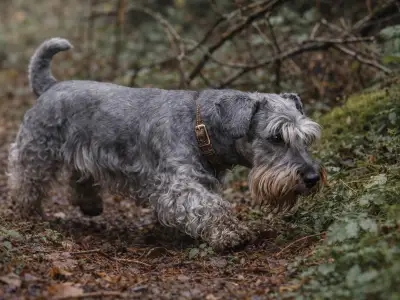
The Lakeland Terrier is a small, confident and fearless dog, originally bred for vermin hunting. Intelligent and lively, it has a strong terrier personality.

Life expectancy
12 – 15 years
Price
1000 – 1800 €
Monthly budget
65 €
Size
Small
Profile
Lakeland Terrier
Origin
United Kingdom
Year of origin
1870
Developed by
Lake District farmers
Size
Small
Coat type
Wire coat
Owner profile
Active owner
Hypoallergenic
Yes
Litter size
4
Life expectancy
12 – 15 years
Price
1000 – 1800 €
Female
- Height : 35 – 38 cm
- Weight : 6 – 7 kg
Male
- Height : 35 – 38 cm
- Weight : 7 – 8 kg
Temperament & abilities
Affectionate
4/5
Calm
2/5
Independent
4/5
Intelligence
4/5
Obedience
3/5
Hunting instinct
4/5
Energy level
4/5
Good with children
3/5
Dog-friendly
3/5
Friendly with strangers
4/5
Hunting profile
Stamina
4/5
Hunting drive
4/5
Independence
4/5
Trainability
3/5
Beginner-friendly
2/5
Family compatibility
3/5
Feather game
1/5
Fur game
4/5
Underground work
5/5
Water work
1/5
These indicators help compare breeds and choose the right one for your hunting style.
Game & abilities
Estimated ability level by game type.
Budget
Purchase price
1000 – 1800 €
The price may vary depending on the breeder, bloodline, and region.
Average monthly cost
65 €
Estimated average: food, healthcare, accessories, and grooming.
A small, bold hunting terrier with real working ability, but not the easiest match for every hunter or household.
Is the Lakeland Terrier a good hunting dog?
The Lakeland Terrier can be a good hunting dog for the right kind of work, especially where a small, game, determined terrier is valued more than range, biddability, or versatility. Traditionally associated with vermin control and hard terrier work, it tends to bring courage, quick reactions, and the willingness to enter rough cover or tight places. For hunters asking about Lakeland Terrier hunting ability, the honest answer is that this is a capable specialist rather than an all-purpose gundog.
In the field, the Lakeland usually works with intensity and confidence. It may use its nose well enough for close hunting and locating quarry, but its real hallmark is persistence rather than a sweeping search pattern. This is not typically the breed people choose for wide quartering, polished retrieve work, or highly cooperative long-distance handling. A Lakeland Terrier hunting dog is more convincing in practical, close-range jobs where toughness, alertness, and initiative matter, including rough ground, farm environments, dense cover, and some forms of earth or pest work, depending on local laws and the individual dog.
Handling is where the breed asks more of the owner. Lakeland Terrier temperament often combines intelligence with independence, and that can be a strength in demanding work but a challenge in training. Recall, steadiness, and reliable off-switch behavior usually need consistent early education and regular reinforcement. Many individuals are keen, energetic, and fast to react, so they tend to do best with handlers who appreciate terrier thinking rather than expecting spaniel-like softness or immediate compliance.
- Strengths: courage, stamina for its size, determination, agility in rough terrain, strong hunting instinct.
- Limitations: can be strong-willed, may have selective recall, not usually a natural retrieve specialist, can be intense around small animals.
- Best use cases: terrier-style hunting tasks, vermin control, active homes that want a small but serious working dog.
In everyday life, the balance is important. The Lakeland is small enough to live comfortably in many homes, but it is rarely a low-demand companion if its mind and body are underused. With enough exercise, training, and structure, it can fit family life well, especially with owners who enjoy lively, busy dogs. For someone comparing hunting breeds, the Lakeland makes the most sense when you want genuine terrier character and practical working grit in a compact package, and you are prepared for the training demands that come with that temperament.
Bold underground worker
The Lakeland Terrier was developed for hard terrier work, and its standout strength is willingness to enter tight, difficult places after quarry. That courage can be a real asset for hunters who need a small dog that does not back off easily. It also means this breed usually suits handlers who value control, steady training, and clear boundaries from an early age.
Agile on rough ground
Compact, athletic, and light on its feet, the Lakeland Terrier can move efficiently over rocky hills, walls, hedgerows, and uneven farm terrain. That practical agility matters in real hunting conditions, where a dog may need to scramble, turn quickly, and keep up without carrying the heavier frame of a larger earthdog or versatile gundog.
Persistent hunting drive
This is a terrier that often works with real determination once engaged. The Lakeland Terrier tends to stay mentally in the task, which can be valuable when searching cover, following movement, or pressing on in difficult conditions. For the owner, the same persistence means daily life is easier when the dog gets regular outlets, structured exercise, and purposeful training.
Sharp focus on quarry
Compared with softer companion breeds, the Lakeland Terrier usually brings a more intense prey focus and quicker response to scent, sound, and movement. In hunting terms, that concentration can make the dog feel alert and switched on in brambles, stone ground, and farm edges. In ordinary family life, it also means recall and impulse control deserve consistent work.
Responsive when well handled
The Lakeland Terrier is not always the easiest hunting terrier for a novice, but many individuals are quite workable with fair, consistent education. They often do best with short, clear sessions and handlers who respect terrier independence without letting standards slip. That balance can produce a dog that remains keen in the field yet manageable at home.
Useful stamina for a small terrier
Although not a long-distance specialist like some larger hunting breeds, the Lakeland Terrier often has enough stamina for active days involving steady searching, patrol work around land, or repeated bursts of effort. Its energy level is one of its practical strengths: small enough to live with more easily than many working dogs, but lively enough to need genuine daily activity.
Who the Lakeland Terrier suits best
The Lakeland Terrier tends to suit an active owner who enjoys a bold, quick-thinking dog rather than a naturally easy one. For hunting-minded homes, it often fits people who appreciate classic terrier qualities: independence, grit, persistence and a strong interest in scent and small quarry. In daily life, that usually means a dog that benefits from regular outlets, clear rules and consistent training, not just a short walk around the block. Many do well with experienced terrier owners, country households, or sporty families who like to include the dog in real activity.
It is usually less suitable for people wanting a highly biddable off-lead companion, a very quiet apartment dog, or a low-maintenance first dog. A Lakeland can be affectionate and fun, but its prey drive, sharpness and self-directed streak may be a mismatch in homes with very small pets or owners who dislike vocal, determined dogs. Best matches often include:
- hunters or outdoorsy owners who want a small but serious working-type terrier
- handlers willing to train recall, impulse control and manners patiently
- households that enjoy lively, engaged dogs with personality
- people realistic about coat care, mental stimulation and daily management
How a hard country working terrier became the sharp, lively dog people know today
Origins of the Lakeland Terrier
The Lakeland Terrier was developed in the rugged Lake District of northern England, where farmers needed a small, tough terrier able to deal with foxes that threatened sheep and lambs. Its early history overlaps with several old working terrier types from Cumberland, Westmorland, and nearby counties, so some details are not perfectly documented. What is clear is the purpose behind the breed: a compact dog with enough courage, stamina, and flexibility to hunt over rough ground, squeeze into rocky places, and keep going in difficult weather.
Unlike some terriers bred mainly for bolt work underground, the Lakeland was valued as an all-around working farm terrier. It needed to travel with people over long distances, think for itself, and stay keen without being oversized or cumbersome. Breeders appear to have selected for a dog that was agile, wiry-coated, and more leggy than some other terrier breeds, which helps explain the Lakeland Terrier’s present-day outline and movement. The hard coat was not just cosmetic; it suited a dog expected to face bramble, wet ground, and rough country.
That background still shows in the modern breed’s temperament. A well-bred Lakeland Terrier is often lively, bold, and intensely engaged with its surroundings, with the independent streak many hunting terriers retain. This can make the breed entertaining and capable, but it also means training usually works best with consistency, variety, and clear boundaries rather than endless repetition. For active owners, the Lakeland often feels bright, athletic, and highly expressive; for people wanting a soft, passive dog, it may be a challenging fit.
In practical terms, the breed’s history points to a terrier that often suits people who appreciate a smaller dog with real working character. Common traits linked to that heritage include:
- High alertness and quick reactions to movement
- Good stamina for an active household or field outings
- Strong prey interest, which may require careful management around small animals
- Independent problem-solving, useful in work but sometimes stubborn in daily life
Today, most Lakeland Terriers are kept as companions, show dogs, or active pets rather than regular hunting dogs, but the breed’s origins still matter. They help explain why the Lakeland can be both charming and intense: small enough for family life in the right home, yet carrying the determination, confidence, and mental energy of a true working terrier. For the right owner, that combination is exactly the appeal.
Born in the English fells
The Lakeland Terrier developed in the Lake District of northern England, where farmers needed a small, tough dog able to follow foxes into rough ground and rocky dens. That origin still shows in the breed today: agile movement, strong self-belief, and a practical working build rather than a purely decorative terrier outline.
A true working terrier mind
This is typically a bold, alert hunting terrier with plenty of initiative. Many Lakelands are quick to notice movement, eager to investigate scent, and ready to work independently when needed. That can be a strength in the field, but it also means recall, impulse control, and polite household habits usually need steady training from an early age.
Compact but not low-energy
The Lakeland Terrier is small enough to live comfortably in a modest home, yet it is rarely a couch-only dog. Most do best with daily activity that engages both body and brain, such as brisk walks, search games, terrier-style training, and structured play. Without enough outlets, some individuals may become noisy, restless, or too inventive indoors.
Best with confident handling
Lakelands often respond well to clear, consistent training that respects their intelligence without turning every session into a fight. Heavy-handed handling can make a terrier push back, while overly loose rules may encourage stubborn habits. They often suit owners who enjoy lively, switched-on dogs and who can combine humor, patience, and firm boundaries.
Coat care needs planning
The harsh terrier coat is practical, but it is not maintenance-free. Regular brushing helps keep the jacket tidy, and many owners use hand-stripping or specialist grooming to preserve proper texture and a neat outline. A neglected coat can matt or lose condition, so this breed usually suits people willing to keep up with routine coat care.
Suited to active country life
For hunting homes or outdoor-minded families, the Lakeland Terrier can be an engaging companion: hardy, portable, and typically keen for action. It often fits best with people who appreciate terrier character rather than expecting easygoing obedience. Around small animals, off-leash freedom, and busy social situations, management may matter as much as training, depending on the individual dog.
Practical answers on prey drive, training, home life, exercise, and owner fit
Lakeland Terrier Hunting and Daily Life FAQ
Is the Lakeland Terrier a good hunting dog today?
The Lakeland Terrier comes from working terrier stock and can still appeal to people who want a small, bold dog with genuine vermin-hunting instincts. In modern hunting use, it is usually better suited to terrier-style work, farm pest control, and active outdoor life than to broad, highly specialized gundog tasks. Individual dogs vary a lot, and drive, steadiness, and usefulness in the field often depend on bloodline, early exposure, and careful training. For someone wanting a compact hunting terrier with grit and independence, the breed can make sense, but it is not the easiest choice if you want a highly biddable, handler-focused hunting dog.
How strong is prey drive in a Lakeland Terrier?
Many Lakeland Terriers show a clear prey drive, especially toward small fast-moving animals such as rats, squirrels, and sometimes cats or backyard wildlife. That instinct can be a real asset in terrier work, but it also means recall may be less reliable when something exciting appears. Off-leash freedom often needs to be earned slowly rather than assumed, particularly in unfenced rural areas. Daily life is easier when owners use secure fencing, practice impulse control, and remember that a small terrier can be very determined once it locks onto a scent or moving target.
Are Lakeland Terriers easy to train for hunting and home life?
They are intelligent and capable, but usually not easy in the effortless sense. A Lakeland Terrier often learns quickly, yet it may also question repetition, test boundaries, and lose interest in heavy-handed drilling. Short, varied sessions with clear rewards tend to work better than long formal routines, especially when you build recall, stop cues, leash manners, and calm handling from an early age. For hunting preparation as well as family life, consistency matters more than force, because this breed often responds best to firm structure paired with fair, lively training.
Can a Lakeland Terrier live happily as a family dog if it also has hunting instincts?
In many homes, yes, provided people understand what terrier behavior looks like in real life. A well-raised Lakeland Terrier can be affectionate, entertaining, and very engaged with its family, but it is rarely a soft, low-demand lap dog all day long. It usually does best with families who appreciate a lively dog, supervise interactions with small pets, and teach children how to handle a confident terrier respectfully. If the dog's exercise, training, and mental outlets are met, the hunting instinct and family role can coexist quite well for the right household.
Is the Lakeland Terrier suitable for apartment living?
A Lakeland Terrier can adapt to apartment life better than many larger hunting breeds, but size alone does not make it easy. This is an alert, energetic terrier that may bark at noises, become restless when under-stimulated, and look for its own entertainment if daily outlets are missing. Apartment success usually depends on enough walks, structured play, training time, and clear rules about settling indoors. People in close housing should think seriously about noise tolerance, prey drive around urban wildlife, and whether they can provide regular activity in all weather.
How much exercise does a Lakeland Terrier really need?
Most Lakeland Terriers need more than a couple of short toilet walks to stay balanced. A good routine often includes brisk walks, training games, scent work, chasing toys with rules, and time to explore safely, because mental work is just as important as physical exercise for this breed. Many individuals are quite adaptable, but when they are bored, they may channel energy into barking, digging, or persistent mischief. For active owners, the breed can be a fun daily companion, though it generally suits people who enjoy engaging with the dog rather than simply letting it idle in the house or yard.
Who is the Lakeland Terrier best suited for, and who should think twice?
The breed often suits active owners who like terriers, want a small but tough dog, and are comfortable managing independence, prey drive, and a bit of attitude. It can be a strong match for people interested in country living, farm life, earthdog-style activities, or simply an energetic companion with real character. First-time owners can succeed, but usually only if they are committed to training, boundaries, and realistic expectations rather than hoping for an easygoing, naturally obedient dog. People wanting a highly social, instantly reliable off-leash companion or a very quiet apartment pet may find the Lakeland Terrier more challenging than expected.