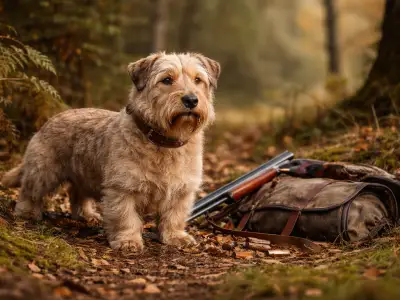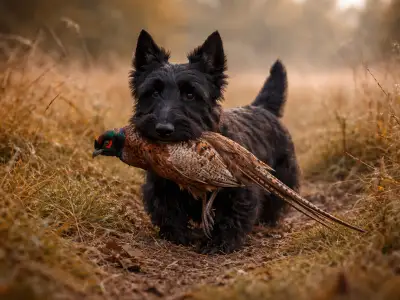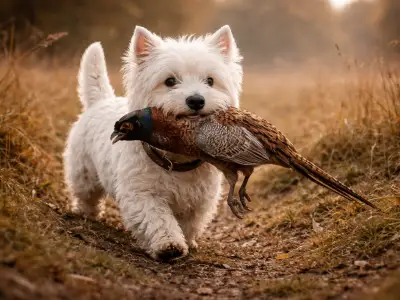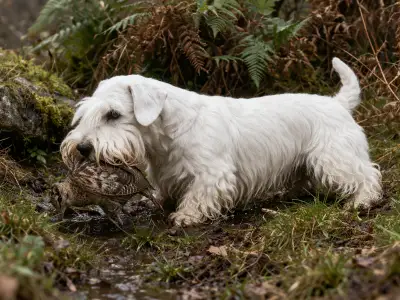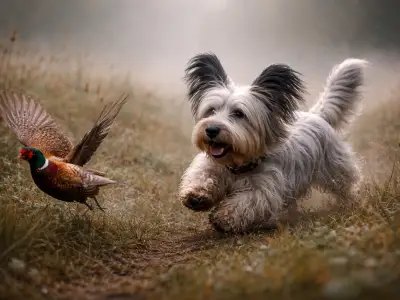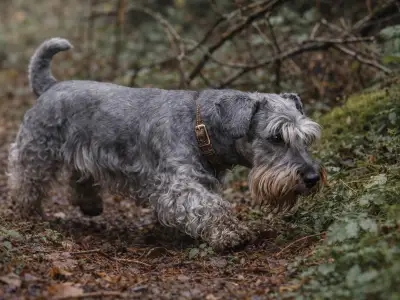
Welsh Terrier
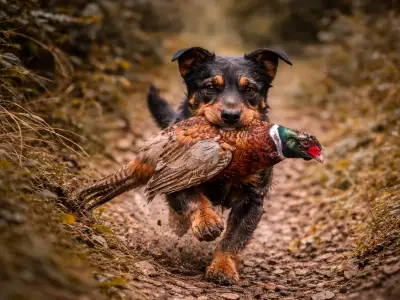
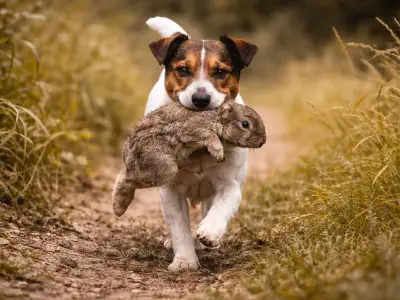
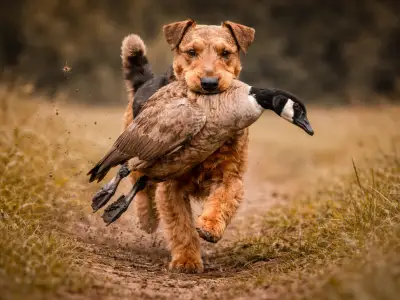
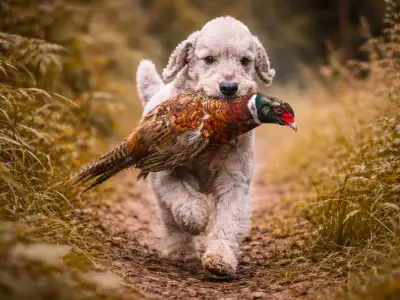
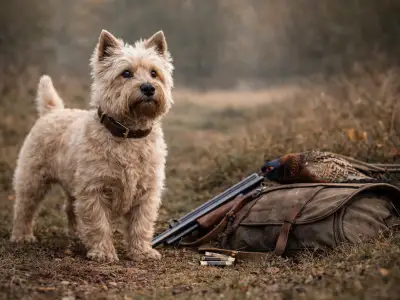
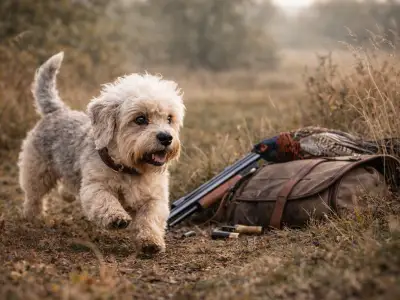
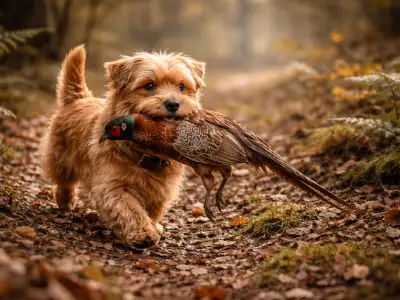
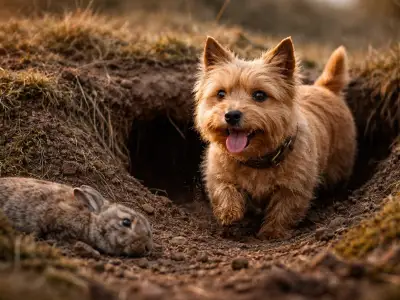
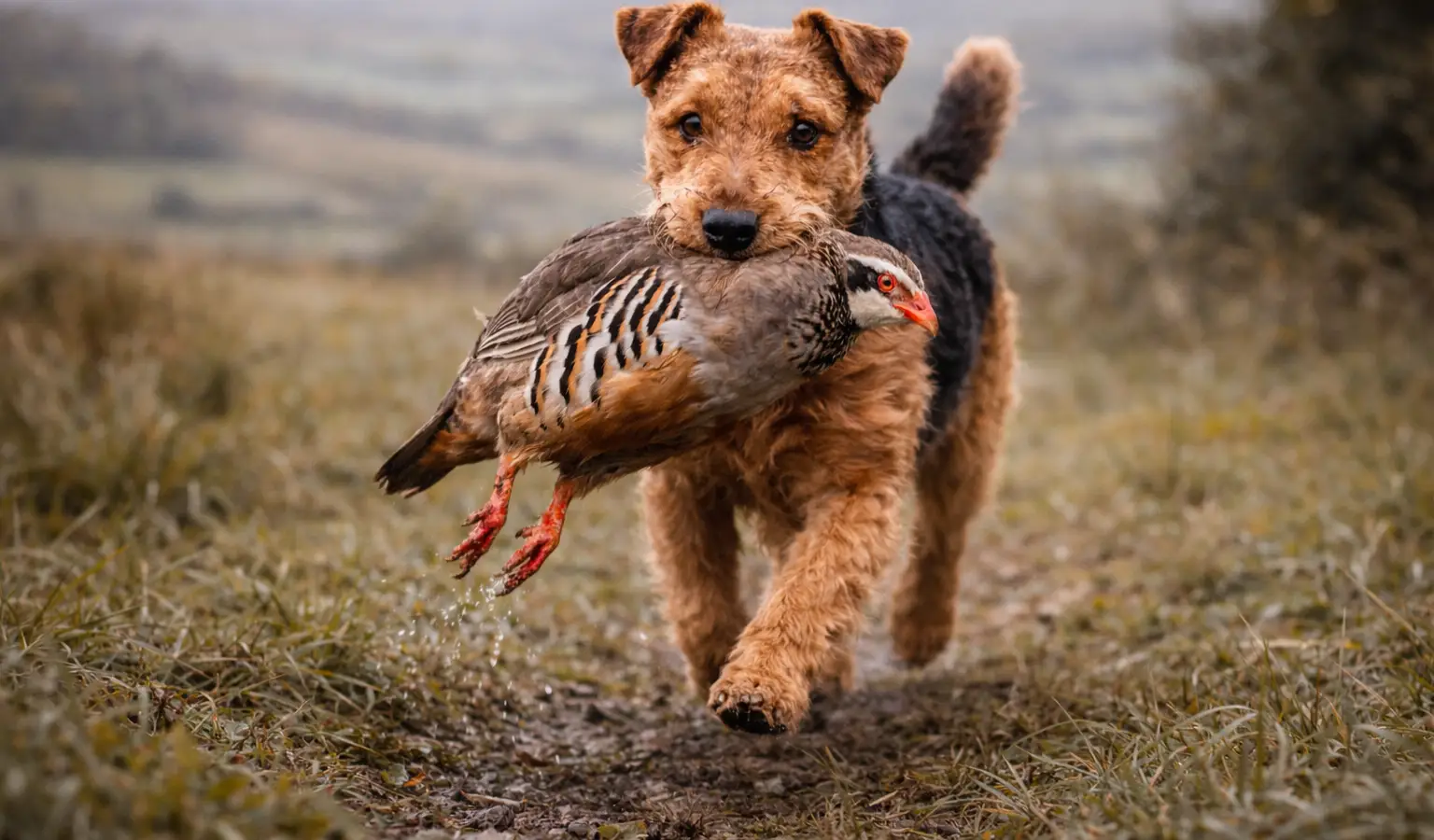
The Welsh Terrier is a sturdy, cheerful and brave dog, originally bred for vermin hunting.
Life expectancy
12 – 15 years
Price
1000 – 1800 €
Monthly budget
70 €
Size
Small
Profile
Welsh Terrier
Origin
United Kingdom
Year of origin
1700
Developed by
Welsh hunters
Size
Small
Coat type
Wire coat
Owner profile
Active owner
Hypoallergenic
Yes
Litter size
4
Life expectancy
12 – 15 years
Price
1000 – 1800 €
Female
- Height : 36 – 39 cm
- Weight : 8 – 9 kg
Male
- Height : 36 – 39 cm
- Weight : 9 – 10 kg
Temperament & abilities
Affectionate
4/5
Calm
2/5
Independent
4/5
Intelligence
4/5
Obedience
3/5
Hunting instinct
4/5
Energy level
4/5
Good with children
4/5
Dog-friendly
3/5
Friendly with strangers
4/5
Hunting profile
Stamina
4/5
Hunting drive
3/5
Independence
4/5
Trainability
3/5
Beginner-friendly
2/5
Family compatibility
4/5
Feather game
1/5
Fur game
3/5
Underground work
4/5
Water work
1/5
These indicators help compare breeds and choose the right one for your hunting style.
Game & abilities
Estimated ability level by game type.
Budget
Purchase price
1000 – 1800 €
The price may vary depending on the breeder, bloodline, and region.
Average monthly cost
70 €
Estimated average: food, healthcare, accessories, and grooming.
A small, driven terrier with real working instinct, but not the easiest fit for every hunter or household.
Is the Welsh Terrier a Good Hunting Dog?
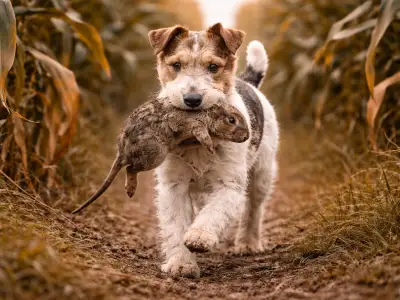
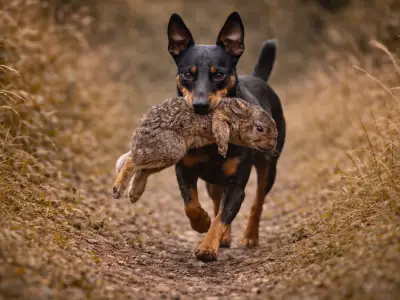
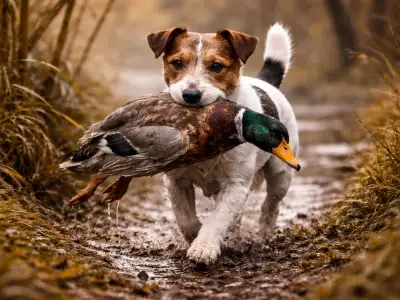
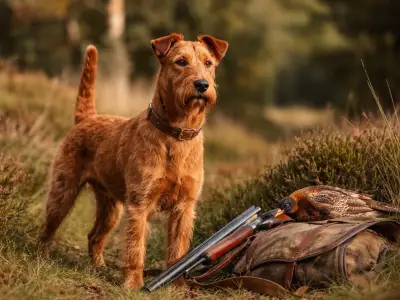
The Welsh Terrier can be a good hunting dog for the right kind of work: it is bold, energetic, game-minded, and typically keen to use its nose in rough cover. Traditionally associated with vermin control and hard terrier work, the breed often shows the courage and stamina needed for close, active hunting rather than long, methodical pointing or highly polished retriever-style tasks. In practice, a Welsh Terrier usually suits hunters who want a compact, lively dog for flushing, searching dense ground, and tackling practical small-game or pest work, while accepting that terrier independence is part of the package.
Its working style is generally busy, determined, and forward. Many Welsh Terriers hunt with intensity, covering brambles, hedgerows, woodland edges, and awkward terrain with more enthusiasm than elegance. A good dog may show a useful nose, strong persistence, and the confidence to push into cover that softer dogs might avoid. That said, the search pattern can be more self-directed than in some purpose-bred gundogs, and handling at distance is not always the breed's strongest point. Recall, steadiness, and reliable responsiveness usually need steady training rather than being taken for granted.
Trainability is best understood in terrier terms: intelligent and capable, but often independent, quick to test boundaries, and easily bored by repetitive drills. A Welsh Terrier often responds well to short, clear, consistent sessions with plenty of real-world purpose. Harsh handling can backfire, while vague rules can produce a dog that decides for itself. For a hunter who enjoys shaping drive into workable control, this can be rewarding. For someone wanting effortless compliance, there are easier hunting breeds to live and work with.
- Strengths: courage, stamina, enthusiasm in rough cover, compact size, strong prey drive, practical versatility for active terrier work.
- Limitations: independence, variable recall, not usually the most naturally biddable breed, and less suited to handlers wanting a highly formal gundog style.
- Best use cases: small-game hunting, flushing in dense terrain, farm and countryside pest control, and active owners who want a working terrier with real character.
In everyday life, this balance matters. The same energy and determination that can make Welsh Terrier hunting appealing also means the breed usually needs regular exercise, structure, and mental engagement. It can fit family life well in the right home, but it is rarely a low-maintenance companion. For people comparing hunting breeds, the Welsh Terrier makes the most sense when you genuinely want a spirited hunting terrier first and are happy to manage the drive, training demands, and lively temperament that come with it.
Bold underground worker
The Welsh Terrier was developed for hard, close work on quarry such as fox and badger, and that heritage still shows in its confident, forward style. A good individual often brings real grit in tight, pressured situations. That boldness is valuable in a hunting terrier, but it also means the dog usually needs steady control, clear boundaries, and sensible exposure from a young age.
Sharp nose on rough ground
For a compact terrier, the Welsh can make practical use of scent, especially when working hedgerows, cover, banks, and uneven terrain. It is not a specialist scenthound, but many lines show enough nose to locate game efficiently and stay engaged on fresh sign. This makes the breed useful for hunters who want a small dog that can hunt with purpose rather than simply range around at random.
Stamina beyond its size
One of the breed’s most useful strengths is how much work it can do for its size. A fit Welsh Terrier often has the endurance for long, active outings and repeated bursts of effort through dense cover. That combination of compact build and working drive suits owners who hunt on foot and want a dog that can keep going without taking up the space or handling demands of a much larger hunting dog.
Close, busy hunting pattern
Many Welsh Terriers work in a lively, energetic pattern that covers ground thoroughly without always pushing too far out. In practical hunting, that can be an advantage for handlers who prefer a dog they can watch, direct, and keep near likely holding cover. The trade-off is that their intensity can spill into everyday walks if they are underexercised or allowed to self-hunt constantly.
Trainable, but never soft
The Welsh Terrier is usually intelligent enough to learn field manners, recall, and structured hunting tasks, but it tends to respond best to consistent, confident handling rather than constant correction. Many are independent-minded and easily bored by repetitive drilling. For hunting homes, this means training should be clear, purposeful, and varied, with enough outlet for prey drive that obedience remains realistic in exciting environments.
Best for active terrier people
As a hunting prospect, the Welsh Terrier often suits people who genuinely enjoy terrier character: energetic, game, alert, and sometimes opinionated. It can be a rewarding choice for small-game work and active country life, especially where versatility and toughness matter more than polish. It is usually less suitable for owners wanting a highly biddable, low-conflict hunting companion that takes minimal daily management.
Who the Welsh Terrier suits best
The Welsh Terrier tends to suit hunters and active owners who want a small, sturdy dog with real terrier character rather than a purely easy companion. In the field, it is often best matched to people who enjoy a bold, energetic hunting terrier for vermin control, rough cover, and varied outdoor work, while understanding that independence is part of the package. At home, many Welsh Terriers do well with families who like daily walks, training, games, and close involvement with the dog instead of leaving it to entertain itself.
It is usually less suitable for very quiet households, first-time owners wanting an effortless dog, or people expecting dependable off-lead freedom with little training. Some individuals can be strong-willed, easily bored, and quick to chase small animals, so consistency matters. A good match often looks like this:
- Best for: active owners, terrier enthusiasts, hunters wanting a compact working-type dog, and families with time for exercise and structure.
- Potential mismatch: sedentary homes, highly dog-dense environments without management, or owners who dislike barking, digging, or determined terrier behavior.
- Daily life fit: thrives when given purpose, clear boundaries, and regular mental stimulation.
How a hard, compact working terrier from Wales became the alert, spirited dog people know today
Origins and development of the Welsh Terrier
The Welsh Terrier is generally understood to be one of Britain’s older working terrier types, developed in Wales for practical field use rather than for early show-ring uniformity. It was bred to go to ground after fox, badger, and other quarry, and to work with enough courage, stamina, and independence to function in rough country. Exact early records are not always complete, but the breed is widely linked to old black-and-tan rough-coated terriers kept by Welsh sportsmen and farmers. That background helps explain why the modern Welsh Terrier still tends to be lively, self-assured, and notably game for its size.
Its development was shaped by utility. A dog used for hunting in dense cover or underground needed to be small enough to maneuver, tough enough to handle difficult terrain, and sensible enough to keep working without constant direction. The harsh, dense coat also had a purpose, offering a degree of protection from weather, brush, and rough ground. Even today, many Welsh Terriers carry that classic terrier combination of boldness, quick reactions, and a strong interest in scent and movement. For owners, this means the breed often feels energetic and switched on rather than passive or overly easygoing.
As the breed became more standardized in the late nineteenth and early twentieth centuries, show breeding helped fix the Welsh Terrier’s distinctive outline and expression. Even so, it did not lose its reputation as a true working terrier as completely as some companion-oriented breeds did. That matters when judging suitability: a Welsh Terrier may be charming and compact, but it is usually not a low-drive lap dog. Many individuals still show persistence, prey interest, and a tendency to make their own decisions, which can be an advantage in hunting work but may require patient, consistent training in family life.
In practical terms, the breed’s history points to a dog that often suits people who enjoy an active, engaged companion with genuine terrier character. Its traditional selection tends to favor:
- Courage and determination in demanding work
- High energy and curiosity in daily life
- Independence, which can make training interesting rather than automatic
- Compact toughness for owners who want a small but substantial working-type dog
For hunters, that heritage can translate into enthusiasm, grit, and useful versatility in the right hands. For non-hunting homes, it means the Welsh Terrier is often happiest with regular activity, structure, and mental engagement. Its past does not dictate every individual dog, but it gives a very good clue to the breed’s present-day temperament: bright, busy, sturdy, and more serious in character than its neat appearance may first suggest.
Welsh working roots
The Welsh Terrier developed in Wales as a hardy earth and vermin dog, valued for courage, stamina, and determination in rough country. Older black-and-tan terrier types likely contributed to the breed, which was shaped to work independently while still staying useful to hunters on foot.
Bred to hunt boldly
This is a hunting terrier with a practical job history rather than a purely decorative past. Welsh Terriers were selected to pursue fox, badger, and other quarry with persistence and nerve, which helps explain their quick reactions, strong prey drive, and willingness to keep going when the work becomes difficult.
Lively, bright, and game
A well-bred Welsh Terrier is often cheerful, alert, and confident, with the spirited edge many terrier fans enjoy. That same spark can make the breed opinionated and easily bored if daily life is too quiet. Training usually goes best with short, clear sessions, consistent rules, and enough activity to engage both body and mind.
Best with active owners
The breed generally suits people who like an energetic, hands-on dog rather than a low-maintenance pet. Many Welsh Terriers can live well in a house or apartment if exercise is truly adequate, but they tend to do best with regular outings, structured play, and careful management around small animals because of their hunting instincts.
Coat care is part of ownership
The classic harsh terrier coat is weather-resistant and practical in the field, but it is not a wash-and-wear coat. To keep the jacket tidy and textured, owners often need regular brushing and professional hand-stripping or skilled home maintenance. For people who want a hunting terrier look without grooming effort, this can be a real consideration.
Daily needs beyond a walk
A brief leash walk rarely satisfies a Welsh Terrier. Many individuals need a fuller routine that channels energy and curiosity in useful ways.
- Brisk exercise
- Scent games or search work
- Training with variety
- Secure spaces for safe exploration
Practical answers for future owners, active families, and hunters considering the breed
Welsh Terrier hunting and everyday life FAQ
Is a Welsh Terrier a good hunting dog today?
The Welsh Terrier was developed as a working terrier, and many individuals still show the boldness, drive, and determination that made the breed useful in the field. It may suit people looking for a small, hardy hunting terrier with plenty of character, especially where nose, persistence, and close-range work matter. That said, modern lines vary, and not every Welsh Terrier has the same level of hunting instinct or practical ability. If hunting is a real goal rather than an occasional hobby, it is wise to look closely at breeding, early exposure, and the trainer's experience with terrier temperaments.
How easy is a Welsh Terrier to train for hunting and obedience?
A Welsh Terrier is usually intelligent and quick to understand patterns, but that does not always make training easy. Many are independent thinkers, so they respond best to clear routines, short sessions, and consistent follow-through rather than repetitive drilling. For hunting work, recall, steadiness, and impulse control often need more deliberate practice than with some softer, more handler-focused breeds. Owners who enjoy lively, engaged training often do well with the breed, while people wanting effortless compliance may find the terrier mindset frustrating.
Can a Welsh Terrier live as a family dog if it also has strong hunting instincts?
In many homes, yes, but management matters. A well-raised Welsh Terrier can be affectionate, entertaining, and very enjoyable to live with, yet the breed often keeps a strong prey drive and a busy, alert temperament. That means daily life usually goes more smoothly when the dog has structure, enough exercise, and clear rules around chasing, rough play, and off-lead freedom. Families who like active dogs and are ready to supervise interactions with small pets often find the breed rewarding, but it is rarely the easiest choice for a very relaxed household.
How much exercise does a Welsh Terrier need each day?
A Welsh Terrier typically needs more than a couple of short walks around the block. Most do best with a mix of brisk walks, free movement in a secure area, play, training tasks, and regular mental work such as scent games or problem-solving activities. Without enough outlet, some dogs become noisy, restless, or too inventive around the house. This is usually a breed for people who genuinely enjoy living with an energetic dog, not for owners hoping the dog will settle with minimal activity.
Is a Welsh Terrier suitable for apartment living?
A Welsh Terrier can adapt to apartment life if its exercise and mental needs are met consistently, but the setting is not automatically ideal. The bigger issue is usually not size but temperament: this is a lively, observant terrier that may react quickly to movement, sounds, and passing animals. Regular training for calm indoor behavior, quiet settling, and lead manners is especially important in shared buildings. A house with a secure garden can be convenient, but even then, the breed still needs real outings and engagement rather than just access to a yard.
What kind of owner is the Welsh Terrier best for?
The breed often suits an active owner who appreciates terrier character and does not expect a highly biddable, low-maintenance dog. It can be a good match for people interested in hunting, earthdog-style activities, scent work, or simply energetic outdoor life with a compact but tough companion. First-time owners sometimes succeed, but usually only if they are realistic about training, consistency, grooming, and prey drive. A Welsh Terrier tends to fit best with someone who enjoys a dog with spark, humor, and opinions, and who is prepared to channel that energy constructively.
Are Welsh Terriers good with children and other pets?
Many Welsh Terriers are good with respectful children, especially when raised with them, but the breed is generally best with families who teach both dog and child how to interact appropriately. Their play style can be enthusiastic, and some individuals are less tolerant of constant handling or chaotic behavior than people expect from a medium-small dog. With other pets, caution is sensible, particularly around small furry animals because hunting instinct may remain strong. Early socialization helps, but it does not erase breed tendencies, so introductions, supervision, and realistic expectations are important.