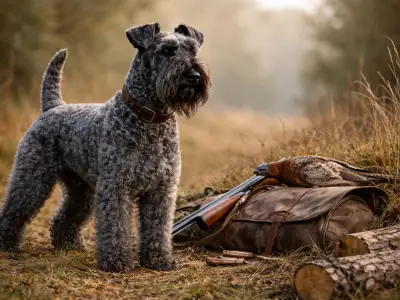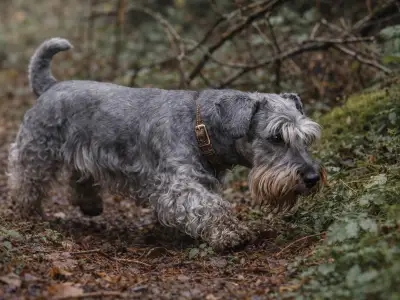
Brazilian Terrier
The Brazilian Terrier is an energetic, intelligent and friendly dog. Well-balanced and agile, it is known for its alert nature, endurance and versatility, making it an excellent companion, watchdog and hunting dog.

Life expectancy
12 – 14 years
Price
700 – 1200 €
Monthly budget
60 €
Size
Small
Profile
Brazilian Terrier
Origin
Brazil
Year of origin
1900
Developed by
Brazilian breeders
Size
Small
Coat type
Short coat
Owner profile
Active owner
Hypoallergenic
No
Litter size
5
Life expectancy
12 – 14 years
Price
700 – 1200 €
Female
- Height : 33 – 38 cm
- Weight : 7 – 9 kg
Male
- Height : 35 – 40 cm
- Weight : 8 – 10 kg
Temperament & abilities
Affectionate
4/5
Calm
2/5
Independent
4/5
Intelligence
4/5
Obedience
3/5
Hunting instinct
4/5
Energy level
4/5
Good with children
4/5
Dog-friendly
3/5
Friendly with strangers
3/5
Hunting profile
Stamina
4/5
Hunting drive
3/5
Independence
3/5
Trainability
3/5
Beginner-friendly
3/5
Family compatibility
4/5
Feather game
1/5
Fur game
3/5
Underground work
3/5
Water work
1/5
These indicators help compare breeds and choose the right one for your hunting style.
Game & abilities
Estimated ability level by game type.
Budget
Purchase price
700 – 1200 €
The price may vary depending on the breeder, bloodline, and region.
Average monthly cost
60 €
Estimated average: food, healthcare, accessories, and grooming.
Hunting ability and working style
The Brazilian Terrier can be a genuinely useful hunting dog for small-game and vermin work—especially for hunters who want a quick, bold terrier that hunts close, searches actively, and stays responsive to the handler. It is not a specialist pointing or trailing breed, but in the right hands it can shine as a practical “farm-and-field” helper: alert, fast to investigate scent, and willing to go where larger dogs hesitate.
In the field, the breed’s strengths tend to be initiative and intensity. Many Brazilian Terriers show a lively nose for fresh ground scent and a busy search pattern, quartering with short bursts, checking cover, and reacting quickly to movement. That makes them well-suited to flushing and pursuing small quarry in scrub, edges, and mixed terrain, and to ratting-style work around yards, barns, and outbuildings. Their courage is a real asset, but it also means they may push into thick cover or confront something they shouldn’t if boundaries and impulse control aren’t trained from the start.
Handling is where this terrier can be either a joy or a challenge. They are typically smart, fast learners with high food or toy drive, but they are also independent-minded and easily reinforced by the thrill of the chase. A reliable recall is not optional for hunting; it usually takes structured training, long-line work, and ongoing reinforcement in distracting environments. Expect an energetic dog that needs both physical outlets and “thinking work” to stay focused and polite at home.
For a hunter comparing breeds, the Brazilian Terrier generally fits best if you want:
- High energy and stamina for short, intense hunts and active days
- Close-to-medium range hunting with frequent check-ins when trained
- Boldness in cover for vermin, pest control, and small-game flushing
- Trainability with structure, but not a naturally “soft” or biddable temperament
Limitations to consider: their prey drive can be strong around cats, poultry, and wildlife, and some individuals can be vocal or pushy if under-exercised. With consistent rules, enough daily activity, and field-minded training, they can balance real working enthusiasm with an adaptable family life—but they are rarely a low-effort hunting companion.
Fast, agile cover worker
The Brazilian Terrier is typically at its best in close, busy cover where quick feet and tight turns matter. Its light, athletic build helps it slip through brush, corners, and farmyard obstacles, keeping pressure on small game. This style often suits hunters who like an active, moving dog rather than a wide-ranging, slow quartering pattern.
Bold terrier drive
Many Brazilian Terriers show the classic terrier mindset: confident, persistent, and hard to discourage once engaged. That boldness can be an advantage when a dog needs to push into noisy vegetation or stand its ground around a feisty quarry. It also means you’ll want calm, consistent control work so enthusiasm doesn’t turn into reckless decision-making.
Sharp eyes and quick reactions
This breed tends to be highly alert and visually “on,” reacting fast to sudden movement. In practical hunting terms, that can translate to quick location of runners in short grass, hedgerows, and around buildings, plus rapid direction changes when scent or sight cues shift. A clear stop/recall and a reward history help channel that reactivity productively.
Handler-focused trainability
Compared with some more independent terriers, the Brazilian Terrier is often described as responsive to people and eager to work with a familiar handler. That can make it easier to build structured field manners—check-ins, recalls, and patterning—especially with short, upbeat sessions. Harsh corrections tend to backfire; precision comes faster with timing, consistency, and games that feel like hunting.
Stamina for active days
Despite its compact size, the Brazilian Terrier usually carries good stamina for long, active outings when conditioned properly. It’s the kind of dog that can keep hunting-style engagement for stretches, then bounce back quickly after short breaks. Plan for warm-up, hydration, and gradual fitness building—small, fast dogs can overheat or overdo it if you let excitement set the pace.
Who the Brazilian Terrier suits best
The Brazilian Terrier (Terrier brésilien) tends to suit hands-on, active people who enjoy doing things with a dog—not just owning one. As a hunting terrier type, it often excels with owners who like short, frequent training sessions, field walks, and structured games that channel prey drive into recall, scent work, and controlled chasing. In the right home, it can be a bright, funny companion that switches from “on” outdoors to relaxed indoors—provided its daily exercise and mental work are taken seriously.
It’s usually a better match for households that can offer routine, supervision, and clear rules than for very busy homes where the dog must self-entertain. Common mismatches include people wanting an off-leash dog with minimal training, or owners expecting a quiet, low-stimulation pet in a small space with limited outlets.
- Great fit: active families, sport/training-minded owners, small-game/varmint-minded hunters who value responsiveness and grit.
- Think twice if: you’re away long hours, dislike barking and “busy” terrier behavior, or have small pets that can’t be managed with separation and training.
Origins of the Brazilian Terrier: a farm-and-town ratter shaped by travel
The Brazilian Terrier traces back to early 20th-century Brazil, shaped by a practical goal: a small, quick dog that could control rats and other pests around homes, stables, and smallholdings. Most accounts agree that terrier-type dogs similar to the Jack Russell and Fox Terrier arrived with travelers and returning Brazilians from Europe, then were crossed locally and selected over generations for toughness in heat, sharp senses, and an “always on” working attitude. The exact mix varies by source, so it’s best viewed as a purpose-bred landrace that later became a standardized breed.
Brazil’s mix of urban neighborhoods, farms, and expansive countryside favored a dog that could switch jobs quickly: hunt vermin in outbuildings, follow a scent line for small game, or act as a vocal early warning system at the gate. That background helps explain the Brazilian Terrier’s present-day temperament: alert, bold, fast to react, and often highly engaged with movement and sound. In the field, many work with a tight, busy searching pattern rather than a slow, methodical track, which can be an advantage for flushing or locating pests but may feel intense for handlers who prefer a calmer hunting terrier.
The breed’s development also reflects the reality of living closely with people. Selection tended to reward dogs that were manageable in a household yet persistent when “on the job.” In everyday family life, that can translate into a dog that bonds strongly, learns quickly, and enjoys interactive training, while still needing clear rules and consistent outlets. Without enough structured activity, the same initiative that made it a capable ratter can show up as nuisance barking, dismantling toys, or opportunistic chasing.
Prospective owners and hunters often do best when they plan around the breed’s historical strengths and limits:
- Strengths: energetic vermin drive, agility, keen alertness, and a generally trainable, game attitude with the right motivation.
- Limitations: can be too quick-triggered for fully relaxed off-leash freedom in unfenced areas; may challenge small pets and can test boundaries if training is inconsistent.
- Best fit: active households, hobby hunters, and hands-on trainers who enjoy short, frequent sessions and can provide daily mental work as well as exercise.
Brazilian roots, European terrier influence
The Brazilian Terrier (Terrier brésilien) is a modern national breed shaped in Brazil, likely influenced by small European terriers brought by travelers and settlers. Over time, practical selection favored a compact, athletic dog that could cope with heat, property life, and active days outdoors. Records vary by line, so details can differ, but the overall type is clearly a lively, utility-minded terrier.
Selected as a farm and vermin worker
More than a show creation, this breed is often described as a general-purpose farm dog—useful around buildings, yards, and outbuildings. The classic terrier job is pest control, and many Brazilian Terriers retain a strong chase instinct and quick reactions. For hunters, that often translates into determination and grit, but it also means you’ll want solid recall and boundary training early.
Bold, bright, and always “on”
Expect a confident, curious temperament with a busy brain. Many individuals are fast learners, but they can also test limits if rules are inconsistent. In family life, the breed tends to enjoy being involved—moving from room to room and reacting to sounds—so it suits households that like an alert companion. Good socialization helps channel that terrier intensity into stable, polite behavior.
Working style: quick feet and a strong nose
In the field or on a property, the Brazilian Terrier typically works close and fast, using both sight and scent to investigate movement and cover. It’s not a slow, methodical tracker; it’s more of a “check everything” dog with bursts of speed. That style can be great for flushing pests or exploring edges, but it benefits from structured outlets and clear stop cues.
Daily needs: exercise plus a job
This is an energetic hunting terrier, and a simple leash walk rarely feels like enough on its own. Most thrive with a mix of physical exercise and problem-solving—short training sessions, scent games, and safe off-leash running where legal and secure. Without enough activity, some may invent their own entertainment, such as digging, chasing, or nuisance barking, especially in understimulating homes.
Easy coat, not always “easy mode”
Coat care is usually straightforward, but the handling side can be more demanding than people expect from a small dog. A Brazilian Terrier often benefits from early manners work: calm greetings, leash skills, and a reliable recall around distractions. They typically do best with owners who enjoy training and can be firm yet fair, rather than those seeking a low-effort companion.
Practical answers on prey drive, training, daily management, and who this lively terrier suits best.
Brazilian Terrier hunting & home life: FAQ
Is the Brazilian Terrier a good hunting dog, or mainly a companion?
The Brazilian Terrier is often described as a versatile farm and vermin-control terrier, and many individuals have strong instincts for locating, flushing, and dispatching small pests. That said, “good for hunting” depends heavily on the dog’s lines, early exposure, and how you define hunting—ratting and barn work are a more natural fit than formal gundog-style work. They tend to work close to the handler and use speed and boldness rather than long-range quartering. If your goal is a dedicated, highly specialized hunting partner, you’ll want to evaluate parents, temperament, and drive carefully, not just the breed label.
What kind of hunting or pest control work suits a Brazilian Terrier best?
Most Brazilian Terriers are best suited to practical, close-range work: yard and farm pest control, ratting, and helping clear out sheds, stables, and outbuildings. Their quick reactions and curiosity can make them enthusiastic flushers of rabbits or similar small game, but reliability and steadiness vary by individual. In the field, they generally do better with a clear job, short sessions, and lots of repetition than with long, slow hunts. For hunters, they can be a useful “busy little helper,” especially where agility and grit matter more than silent, methodical tracking.
How strong is the Brazilian Terrier’s prey drive, and can it be managed off-leash?
Prey drive is commonly present and can be intense in some Brazilian Terriers, particularly toward fast-moving small animals. Management starts with rehearsing a strong recall and emergency stop in low-distraction areas before attempting freedom near wildlife. Even with training, off-leash reliability can be situational: scent, movement, and novelty can override obedience in a terrier mindset. Many owners do best with a long line for hikes, secure fencing at home, and structured outlets like scent games or controlled chasing (for example, flirt-pole sessions) to meet the dog’s needs without creating risky habits.
Are Brazilian Terriers easy to train for hunting skills and household manners?
They’re typically bright, fast learners, but they often test boundaries and can become selective if training feels repetitive or unclear. For hunting-related skills, focus on fundamentals first: recall, disengagement (“leave it”), impulse control, and calm crating or kennel habits before encouraging high arousal work. Keep sessions short and reward-driven, and avoid harsh corrections that can create resistance or avoidance. A helpful approach is to channel their “problem-solver” nature into tasks—search games, controlled retrieves, and structured obedience—so you’re building cooperation rather than just trying to suppress terrier energy.
Can a Brazilian Terrier live happily with children or other pets?
With sensible supervision and good socialization, many Brazilian Terriers do well in active families and enjoy play, especially with older children who understand respectful handling. They can be bouncy and mouthy when excited, so teaching both dog and kids calm greetings is important. With other dogs, they often do fine, but same-sex tension or pushy play can appear without guidance. Small pets (rabbits, hamsters, poultry) can be challenging because instinct may kick in; secure separation and careful introductions are usually necessary, and in some homes it may not be a realistic match.
What does daily life with a Brazilian Terrier look like—exercise, barking, and boredom?
Expect a lively, involved dog that needs both physical exercise and mental work to stay easy to live with. A brisk daily routine—walks plus short training games, scent work, or problem-solving toys—usually helps prevent nuisance behaviors. If under-stimulated, some Brazilian Terriers become vocal, dig, or invent their own “jobs,” like patrolling the yard or chasing movement at windows. Consistent house rules, a predictable schedule, and teaching a settle cue can make a noticeable difference, especially in busy households where the dog might otherwise stay on high alert.
Who is the Brazilian Terrier best for: first-time owners, hunters, or apartment living?
This breed often suits people who like training, structure, and an energetic companion—whether that’s a hunter wanting a handy small terrier for farm tasks, or an active family that enjoys daily interaction. First-time owners can succeed if they’re committed to consistent reinforcement-based training and management of prey drive and alert barking. Apartment living can work, but only with enough exercise, quiet training, and realistic expectations about a terrier’s tendency to notice and comment on sounds. If you want an easygoing dog that’s content with minimal activity, a Brazilian Terrier may feel like “too much dog” day to day.