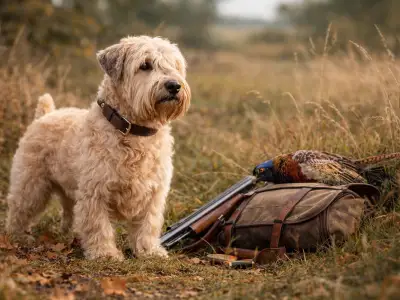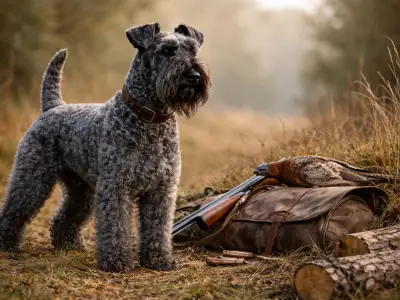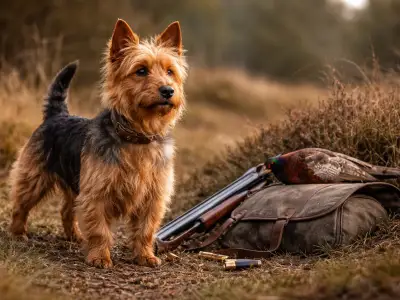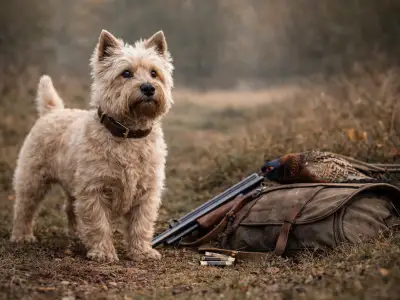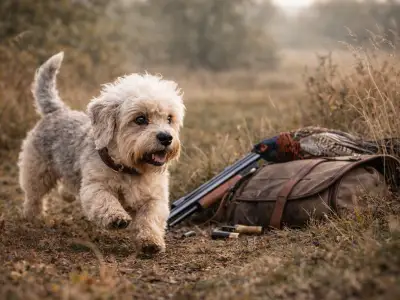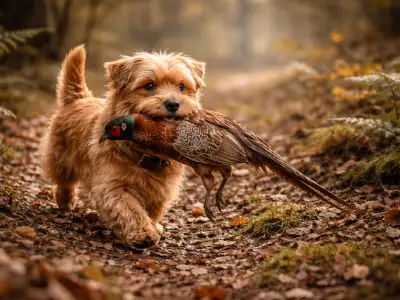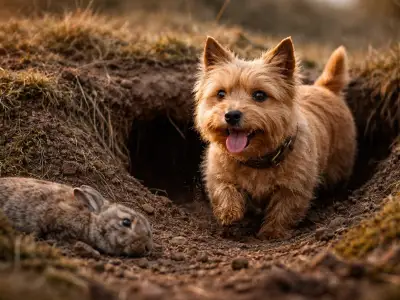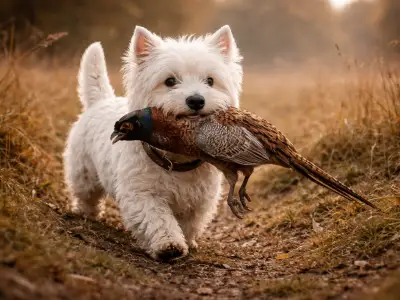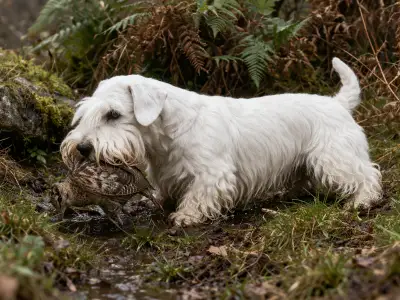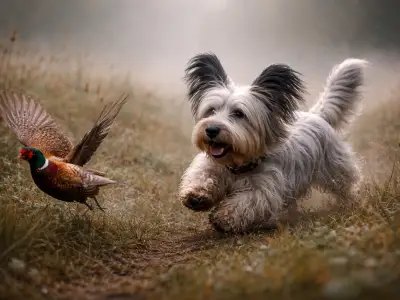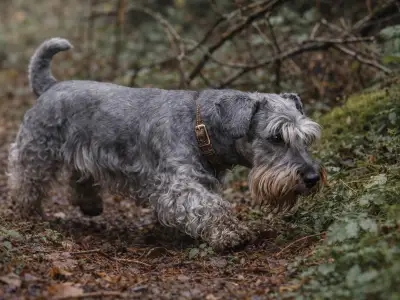
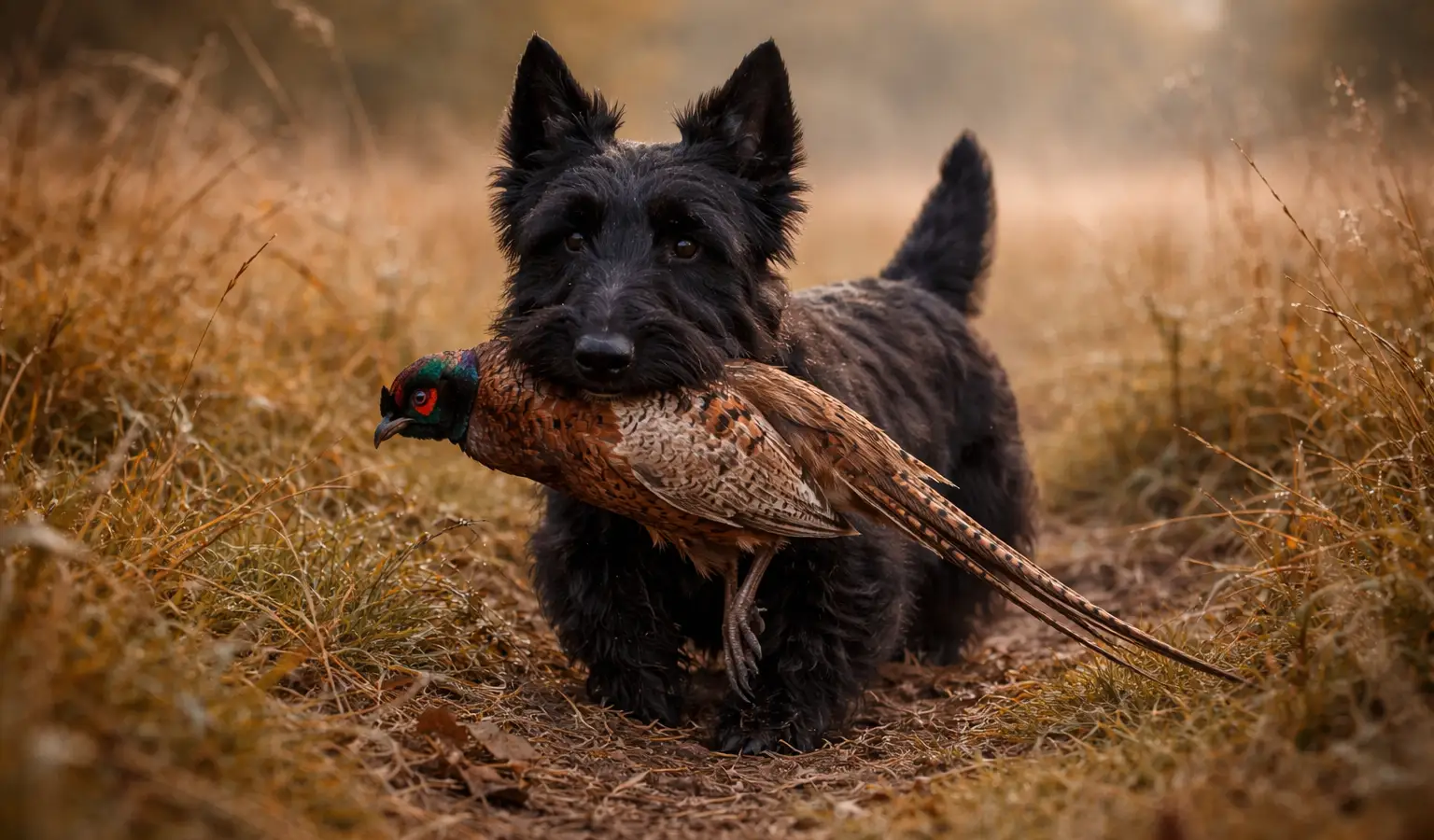
Scottish Terrier
The Scottish Terrier is an independent, dignified and brave dog, known for its strong personality.
Life expectancy
11 – 13 years
Price
1000 – 1800 €
Monthly budget
70 €
Size
Small
Profile
Scottish Terrier
Origin
United Kingdom
Year of origin
1800
Developed by
Scottish breeders
Size
Small
Coat type
Wire coat
Owner profile
Calm owner
Hypoallergenic
Yes
Litter size
4
Life expectancy
11 – 13 years
Price
1000 – 1800 €
Female
- Height : 25 – 28 cm
- Weight : 8 – 9 kg
Male
- Height : 25 – 28 cm
- Weight : 9 – 10 kg
Temperament & abilities
Affectionate
3/5
Calm
4/5
Independent
4/5
Intelligence
4/5
Obedience
3/5
Hunting instinct
4/5
Energy level
2/5
Good with children
3/5
Dog-friendly
2/5
Friendly with strangers
2/5
Hunting profile
Stamina
3/5
Hunting drive
3/5
Independence
5/5
Trainability
2/5
Beginner-friendly
2/5
Family compatibility
3/5
Feather game
0/5
Fur game
3/5
Underground work
4/5
Water work
0/5
These indicators help compare breeds and choose the right one for your hunting style.
Game & abilities
Estimated ability level by game type.
Budget
Purchase price
1000 – 1800 €
The price may vary depending on the breeder, bloodline, and region.
Average monthly cost
70 €
Estimated average: food, healthcare, accessories, and grooming.
A small, determined earthdog with real grit, but a specialized style and clear limits.
Is the Scottish Terrier a Good Hunting Dog?
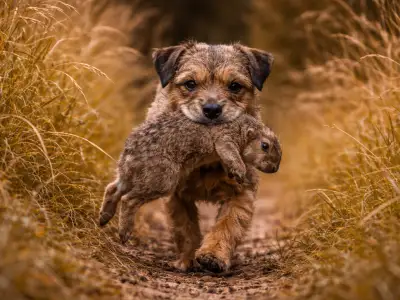
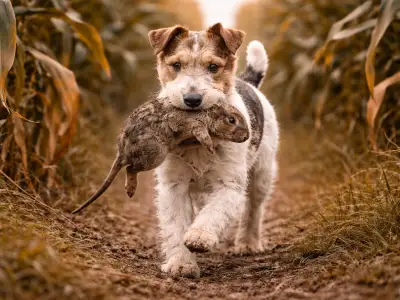
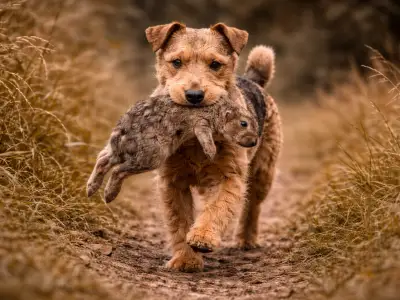
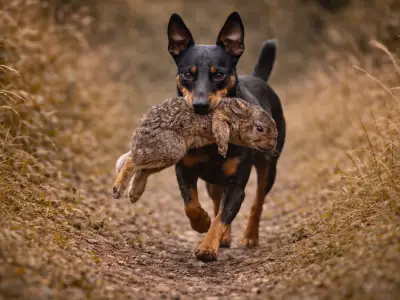
The Scottish Terrier can be a legitimate hunting dog, but in a specific terrier sense rather than as a versatile all-round gundog. Historically associated with vermin control and hard, close work, the breed is best understood as a bold hunting terrier with courage, independence, and the willingness to confront quarry in tight places. For readers asking about Scottish Terrier hunting ability, the short answer is that it can be effective for pest work and some earthdog-type tasks, but it is not the obvious choice for hunters wanting range, biddability at distance, or polished retrieving work.
Its strengths come from classic terrier qualities: determination, strong prey drive, alertness, and a practical nose for finding scent at close quarters. A Scottish Terrier often works in a compact search pattern, using cover well and showing confidence in rough ground, brush, farm edges, and places where rats or similar pests may hide. Courage is part of the breed's appeal, but that same self-belief can make handling more demanding than with more compliant hunting breeds. Recall, steadiness, and calling the dog off game usually require patient, consistent training, especially if the individual dog is intense and quick to commit once interested.
In terms of handling and trainability, the Scottish Terrier is usually intelligent but not especially eager to obey for its own sake. This is a dog that tends to respond best to clear routines, short productive sessions, and fair, firm guidance rather than repetitive drilling. Energy level is moderate compared with many purpose-bred field dogs, yet the breed can be surprisingly persistent when working. Stamina is generally enough for bursts of active hunting or regular pest control, but the Scottie is not built for long days covering large expanses of open country. Retrieve work may be possible in some individuals, though it is not a core breed strength.
As a practical choice, the Scottish Terrier makes the most sense for an owner who wants a small, hardy, self-contained dog with real terrier temperament and some useful hunting instinct, especially around rural property or for traditional small-scale vermin work. It is less coherent for someone seeking a highly handler-focused dog for formal shooting days or broad, flexible hunting duties.
- Best fit: vermin control, farmyards, smallholding life, dense cover, close hunting
- Main strengths: courage, prey drive, compact working style, independence, practical nose
- Main limitations: recall under distraction, variable trainability, limited retrieve instinct, less suited to wide-ranging field work
- Daily-life balance: often manageable in the home if exercised and mentally engaged, but still very much a terrier in attitude
Bold below ground
The Scottish Terrier was developed for hard, close work on vermin and other quarry in tight spaces. Its real hunting value is not flashy speed but a willingness to enter cover, work in dark places, and keep pressing when the situation feels uncomfortable. That courage can be a genuine asset for earthdog-style work and pest control, provided the dog has stable nerves and sensible handling.
Focused on the job
Many Scotties show the classic terrier ability to lock onto a task and stay with it. In hunting terms, that concentration helps when working scent near walls, roots, stone piles, or dense brush where game may hide. The upside is persistence; the downside is that once engaged, they may ignore casual calls, so recall and stop cues need patient, early training.
Useful nose at close range
The Scottish Terrier is not a specialist scenthound, but it can use its nose effectively in practical, close-quarter hunting. It tends to be most convincing when following fresh ground scent, checking holes, or locating movement in heavy cover rather than casting widely over open country. For handlers wanting a compact terrier for local vermin work, that kind of nose can be very useful.
Compact stamina
Its short-legged build does not make it a long-distance pursuit dog, yet a fit Scottish Terrier often has solid working endurance for its size. It can keep searching methodically through gardens, farm edges, rough banks, and hedgerows without needing constant encouragement. This is more about steady effort than athletic range, which suits hunters who value persistence in a small, manageable package.
Independent but trainable
A Scottish Terrier often learns hunting routines well when training is clear, fair, and consistent, but it rarely feels as naturally biddable as some gundog breeds. That independence can help a dog solve problems in cover, yet it also means handling must be deliberate. It generally suits owners who enjoy shaping terrier instincts rather than expecting automatic obedience in the field.
Best for vermin and close cover
The breed’s strengths are fairly specialized. A Scottish Terrier makes more sense for vermin control, barn and yard work, and short-range hunting around dense cover than for retrieving, wide quartering, or all-day mixed shooting work. For the right owner, that specialization is a benefit: you get a determined small hunting terrier, not a general-purpose field dog.
Who the Scottish Terrier suits best
The Scottish Terrier tends to suit an owner who likes a compact dog with real character, clear opinions, and a genuine terrier mindset. In a hunting context, it makes the most sense for someone drawn to traditional earthdog or vermin-control work rather than long days behind fast-ranging gundogs. Many Scotties are bold, determined, and surprisingly serious for their size, but they are not usually the easiest choice for handlers who want instant recall, high sociability with unfamiliar dogs, or a soft, highly biddable temperament.
In daily life, this breed often fits a structured household that enjoys regular walks, short training sessions, and firm but calm boundaries. It can work well for active adults or families who respect a dog that sometimes prefers dignity over constant fuss. It is often less suitable for homes expecting an easygoing dog-park companion, a highly tolerant playmate for very young children, or an owner who leaves the dog mentally under-stimulated.
- Best fit: patient, consistent owners who appreciate independence and terrier drive
- Less suitable: people wanting a highly obedient, off-leash-focused dog
- Good to know: grooming, management, and early social education matter a great deal
How a rugged Highland earthdog became the confident, self-possessed Scottie of today
Origins of the Scottish Terrier
The Scottish Terrier developed in Scotland as a small, hard, determined working terrier bred to go to ground after vermin and other quarry. Like several old Scottish terrier types, its early history is not perfectly tidy; for a long time, rough-coated terriers from different regions were grouped together rather loosely. What seems clear is that the dogs behind the modern Scottie were valued less for appearance than for practical field ability: courage underground, a weather-resistant coat, strong jaws, and the independence to work in tight cover or rocky terrain with limited help from the handler.
As the breed became more clearly defined in the nineteenth century, breeders selected for a compact, low-to-ground dog that could push through brush, enter dens, and cope with harsh Scottish conditions. That development helps explain the breed’s present-day outline and character. The Scottish Terrier is not built for speed over open country like a running hound, but for purposeful, efficient work close to the ground. The same historical selection also helps explain its temperament: bold, composed, often very self-directed, and not always eager to obey in the soft, instantly compliant way some owners expect from more biddable breeds.
In hunting terms, the Scottie belongs to the earthdog tradition rather than the modern image of a versatile all-round gun dog. Its strengths historically lay in determination, persistence, and the confidence to confront quarry in confined spaces. That background can still show up in daily life through a strong prey drive, keen alertness, and a tendency to make its own decisions. For the right owner, this can be deeply appealing; for the wrong one, it can feel stubborn. Training usually goes best with calm consistency, clear boundaries, and respect for the breed’s independent working style.
Today, many Scottish Terriers are kept primarily as companions, but their history still matters when judging suitability. They often fit people who appreciate a dog with character, moderate but real exercise needs, and a terrier’s lively interest in scents, movement, and small animals. They may be less natural for owners wanting highly social, easygoing dog-park behavior or instant off-leash reliability. Understanding the breed’s origin makes the modern Scottie easier to read: dignified, game, sturdy, and shaped by generations of practical hunting work rather than by fashion alone.
Scottish roots
The Scottish Terrier comes from the rough Highlands of Scotland, where small, hard-working terriers were valued for dealing with fox, badger, and rats around farms and estates. Over time, breeders shaped a more distinct type: compact, sturdy, weather-resistant, and built to work close to the ground in difficult terrain.
Bred for going to ground
This is a classic earthdog rather than a wide-ranging gundog. The breed was selected for courage, determination, and the ability to investigate burrows and tight cover. In hunting terms, that often means a dog better suited to vermin control, quarry work, and independent searching than to long, highly cooperative field patterns.
Bold, not soft
Scottish Terriers are often described as self-possessed, serious, and confident. They can be deeply loyal, but they are not usually a breed that tries to please every stranger. That terrier character can make them very engaging to live with, yet it also means training usually works best with consistency, patience, and clear boundaries.
Small dog, strong opinions
The compact size makes the breed easier to manage in the home than many larger hunting dogs, but daily life is not effortless. A Scottie often needs mental engagement, routine, and sensible handling around other dogs or small pets. Owners who enjoy a confident, characterful terrier usually find the breed more rewarding than those wanting an easygoing follower.
Exercise with purpose
Energy level is moderate rather than extreme, but the breed still benefits from regular walks, scent games, short training sessions, and chances to investigate the environment. Many Scottish Terriers are not built for endless endurance work, yet they can become bored and stubborn if daily activity is too limited or repetitive.
Coat care matters
The harsh outer coat and dense undercoat helped protect the breed in rough weather and brush, but that practical jacket needs upkeep. Regular brushing helps limit tangles and debris, and many owners use hand-stripping or careful trimming to keep the classic outline. Grooming is a real part of Scottish Terrier ownership, not an occasional extra.
Practical answers on hunting ability, training, exercise, family life, and owner fit
Scottish Terrier hunting and daily life FAQ
Is a Scottish Terrier still a good hunting dog today?
The Scottish Terrier comes from working terrier stock, and many individuals still show the boldness, prey drive, and persistence that made the breed useful for vermin control and earth work. In modern life, however, not every Scottie is bred, raised, or trained for practical hunting, so ability can vary quite a bit between lines and individuals. A well-bred, well-conditioned dog may be keen on rats and other small quarry, but this is not usually the first breed hunters choose when they want a highly specialized working terrier. For someone who values terrier character, manageable size, and a strong instinct for small game, the Scottish Terrier can still make sense, especially in informal pest control rather than demanding field work.
Are Scottish Terriers easy to train for hunting or basic obedience?
Scottish Terriers are intelligent, but they are rarely described as easy in the same way as a highly biddable gundog. They tend to think for themselves, notice movement quickly, and test whether a command is truly worth following, so training usually works best when it is calm, consistent, and purposeful. For hunting-related work, early exposure, good recall foundations, and impulse control matter because prey drive can easily override attention. They often respond better to short, clear sessions than repetitive drilling, and heavy-handed handling can make them shut down or become more stubborn. Owners who enjoy firm but fair terrier training usually do better than people expecting instant compliance.
Can a Scottish Terrier live happily as a family dog if it has strong hunting instincts?
In many homes, yes, but management matters. A Scottish Terrier can be affectionate, loyal, and entertaining with its family while still remaining quite serious about squirrels, rodents, and other fast-moving animals outdoors. That means daily life often involves secure fencing, lead control in unfenced areas, and careful introductions around small pets. With respectful children and clear household rules, many Scotties fit well into family life, but they are usually not the most tolerant breed for rough handling or chaotic interaction. They often suit families who appreciate a dog with personality and boundaries rather than a constantly easygoing companion.
Do Scottish Terriers need a lot of exercise, or are they fine in an apartment?
Scottish Terriers do not usually need extreme amounts of exercise, but they are not couch ornaments either. Most do well with steady daily walks, chances to sniff and explore, and regular mental stimulation such as training games, scent work, or controlled digging outlets. Apartment living can work if the dog gets enough structured activity and is taught how to settle, though the breed's watchdog tendencies may need attention in shared buildings. A house with a secure yard is convenient, but it does not replace walks or engagement. This breed often does best with owners who understand that terrier energy is more about determination and alertness than nonstop running.
Is the Scottish Terrier a good choice for first-time owners?
For some first-time owners, yes, but only if they are realistic about terrier temperament. A Scottie is compact and often very devoted, yet it may also be independent, selective in its social responses, and less forgiving of inconsistent training than a more straightforward beginner breed. First-time owners who like structure, enjoy learning about dog behavior, and are prepared to manage prey drive can do well. Those wanting a highly social, easy-to-read, eager-to-please dog may find the breed more challenging than expected. It is usually a better fit for people drawn specifically to terriers rather than those simply looking for a small dog.
How does a Scottish Terrier usually get along with other dogs and small animals?
This depends on the individual dog, socialization, and household setup, but the breed can be assertive. Many Scottish Terriers can live peacefully with other dogs when introductions are handled well, though some are not especially interested in dog-park style socializing and may prefer a smaller circle. Around rabbits, pet rodents, and similar animals, caution is sensible because the breed's hunting background can remain very relevant. Cats are more variable; some Scotties live well with them, especially if raised together, while others remain too intense or too quick to chase. Owners should not assume a small terrier will automatically be safe with smaller household pets.
What kind of owner or hunter is the Scottish Terrier best suited to?
The Scottish Terrier tends to suit people who genuinely like terriers: independent minds, strong opinions, and a practical streak. As a hunting companion, it is better matched to someone interested in traditional terrier qualities, small-game instinct, and controlled pest work than to a hunter wanting range, speed, or broad versatility across many tasks. In family life, the ideal owner is consistent, observant, and happy to set boundaries without turning daily life into a battle. This breed often rewards patient handling with deep loyalty and character, but it is usually less suitable for owners who want a highly submissive dog or a carefree off-leash companion in high-distraction areas.