Jack Russell Terrier
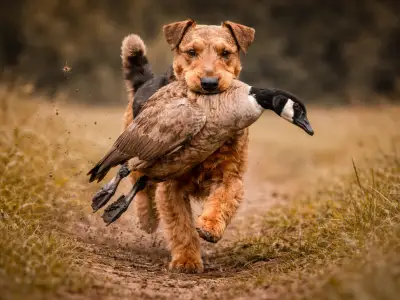
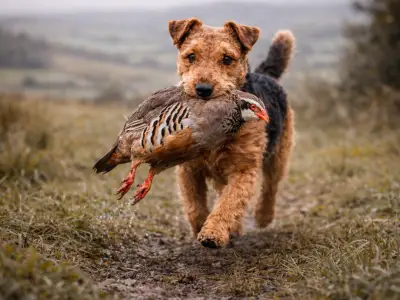
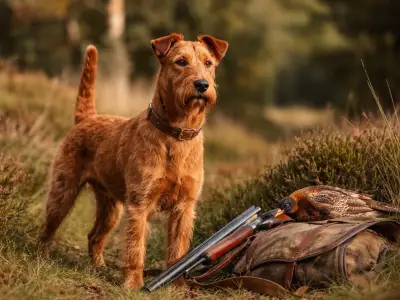
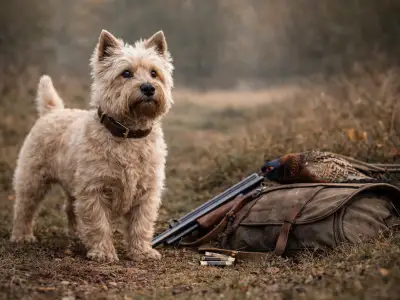
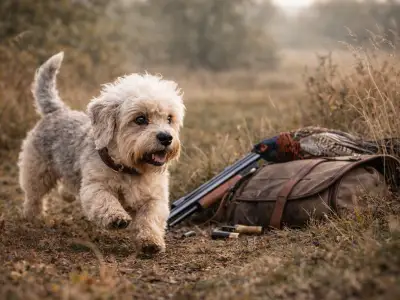
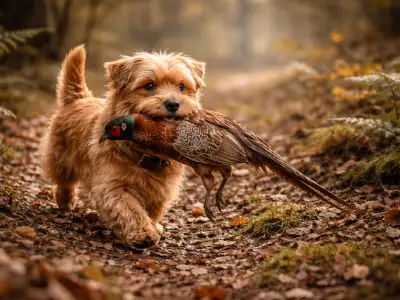
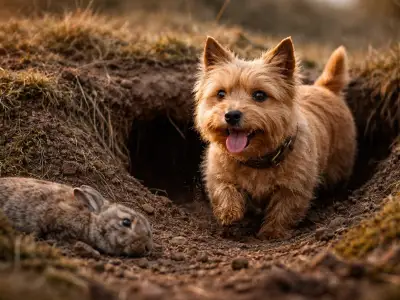
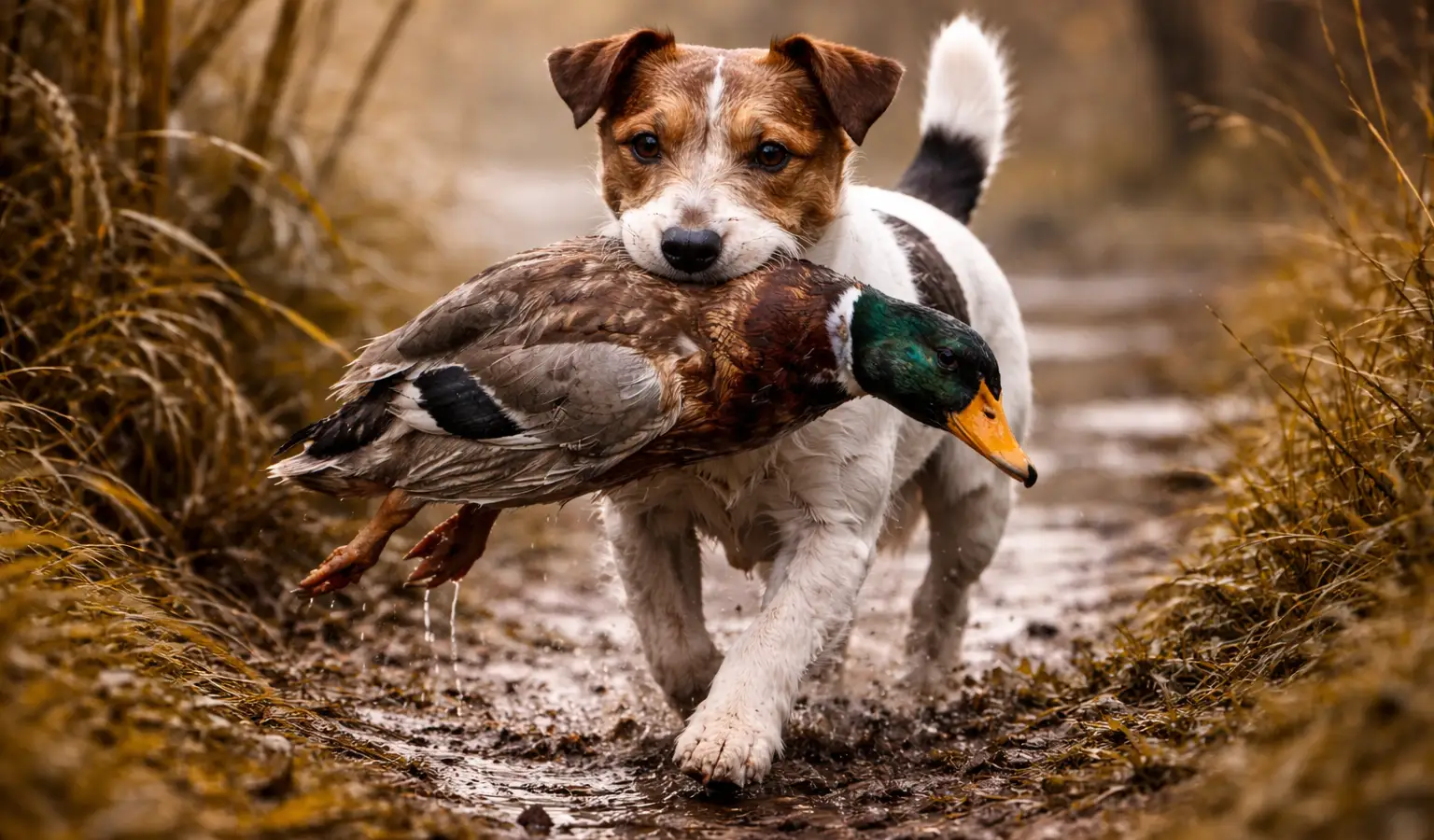
The Jack Russell Terrier is a highly energetic, intelligent and fearless dog, bred for fox hunting.
Life expectancy
13 – 16 years
Price
700 – 1200 €
Monthly budget
60 €
Size
Small
Profile
Jack Russell Terrier
Origin
United Kingdom
Year of origin
1800
Developed by
Reverend John Russell
Size
Small
Coat type
Short coat
Owner profile
Active owner
Hypoallergenic
No
Litter size
5
Life expectancy
13 – 16 years
Price
700 – 1200 €
Female
- Height : 25 – 30 cm
- Weight : 5 – 7 kg
Male
- Height : 25 – 30 cm
- Weight : 6 – 8 kg
Temperament & abilities
Affectionate
4/5
Calm
1/5
Independent
4/5
Intelligence
4/5
Obedience
3/5
Hunting instinct
5/5
Energy level
5/5
Good with children
3/5
Dog-friendly
3/5
Friendly with strangers
4/5
Hunting profile
Stamina
4/5
Hunting drive
4/5
Independence
4/5
Trainability
3/5
Beginner-friendly
3/5
Family compatibility
4/5
Feather game
1/5
Fur game
4/5
Underground work
5/5
Water work
1/5
These indicators help compare breeds and choose the right one for your hunting style.
Game & abilities
Estimated ability level by game type.
Budget
Purchase price
700 – 1200 €
The price may vary depending on the breeder, bloodline, and region.
Average monthly cost
60 €
Estimated average: food, healthcare, accessories, and grooming.
A bold earth terrier with real working ability, but not an easy fit for every hunter or household.
Is the Jack Russell Terrier a Good Hunting Dog?
The Jack Russell Terrier can be a very effective hunting dog for the right kind of work, especially where drive, courage, persistence, and agility matter more than size. Traditionally associated with fox and other vermin work, it is best understood as a small hunting terrier rather than a general-purpose gundog. A good Jack Russell Terrier often shows a sharp nose, intense search style, and the confidence to enter tight cover or go to ground, but that same intensity means it needs experienced handling, serious training, and enough daily outlet to stay manageable at home.
In the field, the breed typically works close but with great speed and determination. Many Jack Russells are quick to hunt hedgerows, brush, farm edges, stone piles, and rough terrain where larger dogs lose efficiency. Their stamina is impressive for their size, and their courage is one of the breed's defining traits. This makes them coherent for pest control, bolting work, and certain forms of terrier hunting where a compact, relentless dog is useful. They are less coherent if you want a calm, highly biddable retriever-type partner or a dog expected to quarter wide in a classic pointing or flushing pattern.
Training demands are often underestimated. A Jack Russell Terrier may be intelligent and highly trainable, but it is not usually soft or naturally compliant. Recall, impulse control, and steadiness around scent, movement, and game must be taught carefully and maintained consistently. Many individuals have strong prey drive, and without structure they can become self-employed hunters. Handling is usually best with someone who is fair, clear, and persistent rather than heavy-handed. The breed often responds well to varied, practical work, but repetition without purpose can lose its attention.
- Best use cases: vermin control, farm work, rough cover, earthdog-style tasks, active hunters wanting a small but serious worker
- Main strengths: courage, stamina, agility, intensity, compact size, determination in difficult terrain
- Main limitations: high energy level, strong prey drive, variable retrieve instinct, demanding recall training, not the easiest off-switch indoors
For everyday life, the balance between field performance and home life is the key question. A well-bred, well-trained Jack Russell Terrier can be an entertaining, capable companion, but it is rarely a low-maintenance pet. This breed tends to suit active owners who genuinely enjoy training and can provide hunting, sport, or meaningful daily activity. If you want a small hunting dog with grit and personality, the Jack Russell Terrier deserves serious consideration; if you want an easier family dog with modest exercise needs, other breeds may be a more comfortable match.
Bold earth-dog courage
The Jack Russell Terrier is best known for going to ground with confidence. In suitable working lines, it may show the nerve to enter tight spaces, pressure quarry, and keep working despite darkness, noise, and close contact. That courage is a real hunting asset, but it also means this breed needs careful control, sensible introductions, and handlers who can read drive before it turns into recklessness.
Fast, efficient nose work
Many Jack Russells use their nose actively and with purpose rather than hunting in a loose, unfocused way. They can be quick to pick up fresh scent, check cover thoroughly, and stay interested where game has recently moved. They are not a specialist scent hound, but for a compact hunting terrier, the combination of nose, speed, and initiative is often very practical.
High stamina in a small frame
This is a tough, energetic dog that can keep going far longer than its size suggests. A fit Jack Russell Terrier often handles long walks, repeated searches through rough cover, and stop-start hunting days without fading early. That endurance suits active hunters and busy households alike, but daily life is easier when the dog gets regular physical work and structured outlets for its intensity.
Tight focus on quarry
Once engaged, the Jack Russell Terrier can show impressive concentration. It tends to work with determination, stay mentally locked on the task, and push through distractions that stop softer dogs. In hunting, that persistence is useful around dense cover, holes, and difficult terrain. In everyday life, the same trait means recall, impulse control, and calm off-switch training should start early and stay consistent.
Practical trainability for terrier work
The breed is intelligent and often learns quickly, especially when training is clear, active, and rewarding. It can become a very handy working partner for owners who enjoy shaping behaviors and maintaining standards. At the same time, this is not usually a naturally compliant dog. Terrier independence is part of the package, so results depend heavily on consistency, timing, and giving the dog a job worth doing.
Versatile small-game helper
The Jack Russell Terrier suits hunters who want a compact, agile dog for varied small-game situations rather than a single narrow specialty. Depending on line and training, it may work around farms, hedgerows, brush, and earths with real usefulness. It is less about polished retrieving or wide-ranging search patterns and more about sharp, close, determined terrier work that fits hands-on handlers.
Who the Jack Russell Terrier suits best
The Jack Russell Terrier usually suits an active owner who genuinely enjoys training, walking, problem-solving and managing a clever dog that notices everything. For hunting homes, it tends to fit people looking for a compact, bold terrier with strong drive, quick reactions and the confidence to work close to the handler, especially in rough ground or terrier-style work where determination matters. Daily life is often easiest with someone who can provide both physical exercise and regular mental tasks, not just a short outing.
It is often less suitable for owners wanting a calm, low-maintenance companion or an easy off-switch from day one. Many Jack Russells are bright and trainable, but they can also be intense, vocal, independent and persistent if boundaries are unclear. They may be a poor match for very sedentary households, homes with fragile small pets, or people who dislike digging, chasing instincts and lively terrier behaviour. In the right hands, this breed can be hugely rewarding; in the wrong setup, common mismatches show up quickly as frustration, nuisance barking or constant restlessness.
How fox-hunting roots shaped this bold, tireless little working terrier
Origins of the Jack Russell Terrier
The Jack Russell Terrier developed in England as a small, agile hunting terrier selected to work alongside mounted fox hunts. The breed is closely associated with the Reverend John Russell in the 19th century, who is widely credited with shaping a type of terrier valued for courage, stamina, and the ability to go to ground after foxes without losing the speed to keep up with horses and hounds. Exact historical details vary between sources, but the central idea is consistent: this was bred first and foremost as a functional working dog, not a decorative companion.
That origin still explains much of the Jack Russell Terrier’s modern temperament. This is typically a dog bred to think independently, react quickly, and stay intensely engaged with scent, movement, and underground quarry. In practical terms, many Jack Russells remain energetic, persistent, and highly game, with a strong prey drive that can be challenging in homes with small pets. Their confidence and determination are part of the breed’s appeal, but they also mean the dog usually needs structure, training, and meaningful daily activity rather than a casual walk around the block.
Historically, selection focused less on a rigid show outline and more on working usefulness: a body narrow enough for earthwork, enough leg to travel over rough country, and a weather-resistant coat suited to outdoor use. That functional background is one reason the breed can feel bigger than its size suggests. A good Jack Russell Terrier often combines compact build with remarkable endurance, sharp awareness, and a willingness to push into difficult cover or confined spaces. For hunting, that can make the breed effective on fox, vermin, and other small quarry, depending on local law, terrain, and the individual dog’s training and line.
For modern owners, the history matters because it predicts daily life surprisingly well. People drawn to the breed for its small size alone may underestimate the mental and physical demands that come with a true hunting terrier. The Jack Russell Terrier tends to suit active handlers who enjoy training, consistency, and direct engagement with the dog, whether in hunting, earthdog-style work, farm pest control, or high-energy companion life. In the right home, its working heritage can be a major strength; in an under-stimulating environment, the same traits may show up as frustration, noise, digging, or relentless mischief.
Fox-hunting roots
The Jack Russell Terrier was developed in England as a small, agile working terrier associated with fox hunting. Rather than overpowering quarry, these dogs were valued for locating, pursuing, and pressuring foxes in tight ground. That background helps explain the breed’s boldness, stamina, and intense interest in movement, scent, and underground spaces.
Bred for function first
Historically, type mattered less than working ability. Breeders tended to favor courage, athleticism, voice, and the ability to keep up with horses and hounds, which is why the breed can vary more in look than some purely show-oriented dogs. In practical terms, many Jack Russells still carry a very task-focused, independent terrier mind.
Small dog, big drive
This is a compact dog with unusually high mental and physical energy. Many Jack Russells are lively, quick to react, and eager to investigate anything that runs, rustles, or digs back. Their charm comes with intensity: owners often find that a bored Jack Russell invents its own entertainment, which may include barking, digging, chasing, or dismantling household routines.
Terrier temperament at home
Jack Russell Terriers can be affectionate and funny, but they are rarely low-maintenance house dogs. They often do best with handlers who appreciate strong opinions, consistent rules, and active daily engagement. Some live well with children and other pets, but outcomes depend heavily on the individual dog, early socialization, impulse control, and how well the home manages prey drive.
Daily needs are non-negotiable
A short walk is seldom enough for this breed. Most need regular exercise, training, and problem-solving games to stay manageable. Useful outlets can include structured play, scent work, earthdog-style activities where available, recall practice, and controlled fetch. Without that routine, their intelligence and persistence can become difficult to live with in a suburban or urban setting.
Best suited to active handlers
For hunting, barn work, or very active companionship, the Jack Russell Terrier can be impressive in skilled hands. For a quiet household wanting an easygoing lap dog, it is often a poor match. The breed tends to suit people who enjoy training, secure management, and a dog with real working instincts rather than a purely decorative companion temperament.
Practical answers on hunting ability, training, exercise, family fit, and life at home.
Jack Russell Terrier hunting and daily life FAQ
Is a Jack Russell Terrier actually a good hunting dog?
The Jack Russell Terrier was developed as a working terrier, and many individuals still show the boldness, speed, and prey drive that made the breed useful in the field. It is usually best suited to terrier-style work such as locating, flushing, and pursuing small quarry, rather than the broader all-purpose role expected from many gundogs. In practice, hunting quality varies a lot with bloodline, early exposure, training, and the handler’s skill. A well-bred, well-managed Jack Russell can be a very effective little hunting dog, but not every pet-bred dog will have the same level of working instinct or steadiness.
Can a Jack Russell Terrier be trained for hunting if it starts as a family pet?
Sometimes, yes, but the outcome depends on the individual dog and how much natural drive it has retained. A family-raised Jack Russell can still learn scent work, recall, control around game, and practical field manners if training is structured and consistent. The biggest challenge is often channeling intensity rather than creating it, because many Jack Russells already have plenty of initiative and excitement. Start with obedience, reliable recall, and impulse control before expecting useful hunting behavior, and keep expectations realistic if the dog comes from mainly companion lines.
Are Jack Russell Terriers easy to train, or are they too stubborn?
They are usually intelligent and quick to learn, but they are not typically effortless dogs for inexperienced handlers. Many Jack Russells are independent, fast-reacting, and highly motivated by movement, scent, and self-rewarding behavior, which can make them seem stubborn when training lacks structure. They tend to respond best to short, clear sessions, consistent rules, and handlers who are calm but firm. If you want a dog that naturally checks in and works softly at all times, this breed may feel challenging; if you enjoy active training and setting boundaries, it can be very rewarding.
Can a Jack Russell Terrier live happily as a family dog if it has hunting instincts?
Often yes, provided the household understands what those instincts look like in daily life. A Jack Russell can be affectionate, playful, and very engaging with its people, but prey drive may show up as chasing, digging, barking at movement, or intense interest in small animals. Families usually do best when they offer regular exercise, mental work, and clear household rules instead of expecting the dog to settle itself. Supervision matters around pets such as rabbits, hamsters, or backyard poultry, and compatibility with cats depends a lot on the individual dog and early management.
Is a Jack Russell Terrier suitable for apartment living?
It can live in an apartment, but that does not automatically make it an easy apartment dog. This breed is small, yet many individuals are energetic, vocal, alert to noise, and prone to boredom if under-exercised, so the real issue is lifestyle rather than floor space. A Jack Russell usually needs daily activity that includes brisk walks, play, training, and problem-solving, not just quick toilet breaks. Apartment life tends to work best for owners who are very consistent, provide outlets for energy, and can prevent nuisance barking before it becomes a habit.
How much exercise does a Jack Russell Terrier really need every day?
Most need more than people expect from a small dog. A typical Jack Russell benefits from substantial daily movement plus mental engagement, such as training games, scent work, retrieving, controlled off-lead time where safe, or terrier-appropriate activities that let it use its brain. Simply walking around the block is often not enough for a young or high-drive individual, especially if the dog also has strong working instincts. The exact amount varies with age, temperament, and breeding, but many owners find that a well-exercised Jack Russell is far easier to live with than one that is physically tired only in short bursts.
Who is the Jack Russell Terrier best suited for, and who should think twice?
This breed often suits active owners who enjoy training, structure, and a dog with plenty of personality rather than a laid-back companion. It can be a strong match for country households, sport-minded owners, and some hunters who want a small, gritty terrier with real drive. People who prefer a quiet, easily managed dog, leave the dog alone for long hours, or keep fragile small pets may find the breed demanding. First-time owners can succeed, but usually only if they are realistic about energy level, terrier behavior, and the need for consistent management from the start.