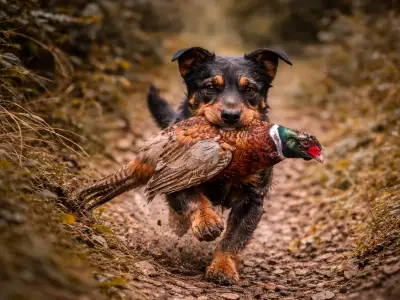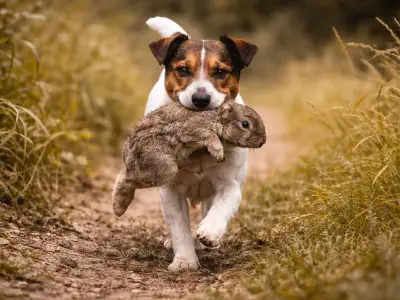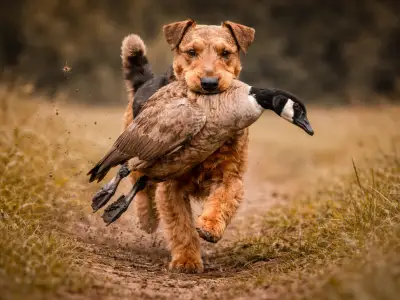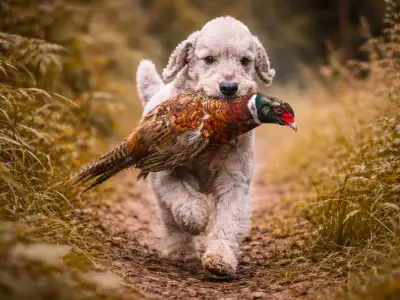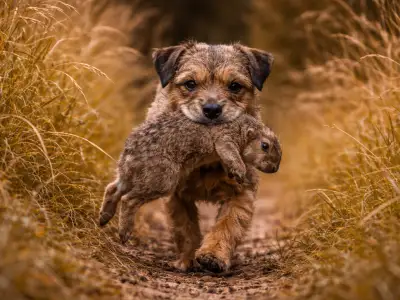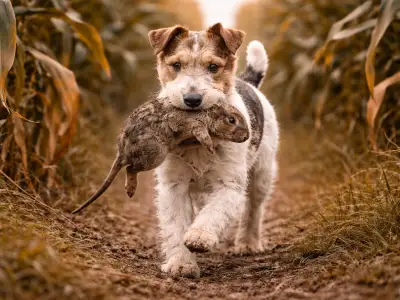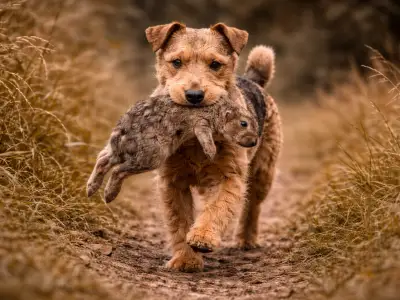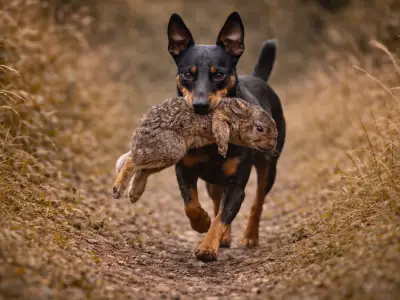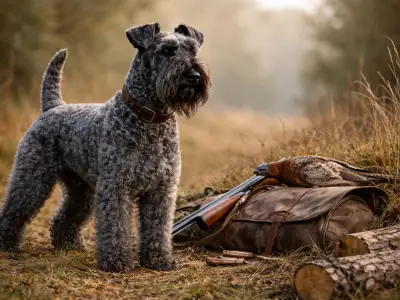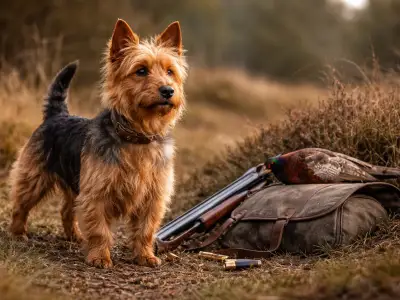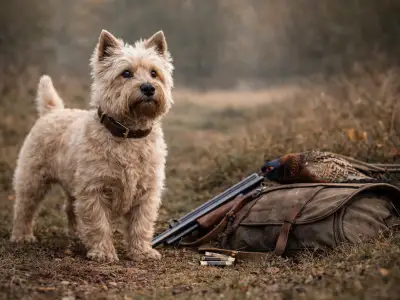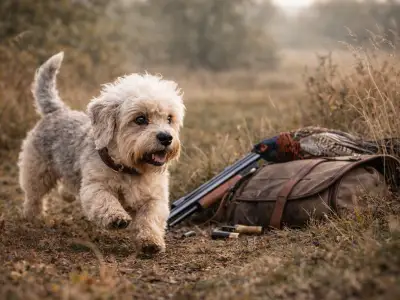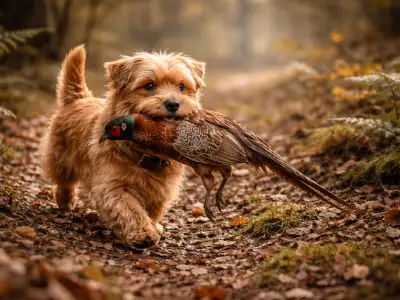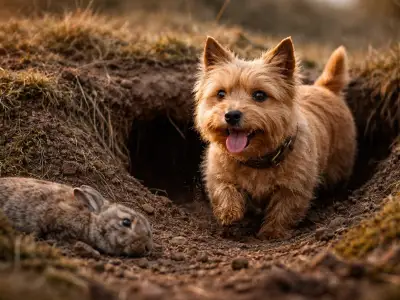
Irish Terrier
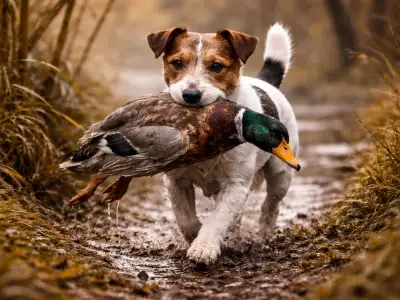
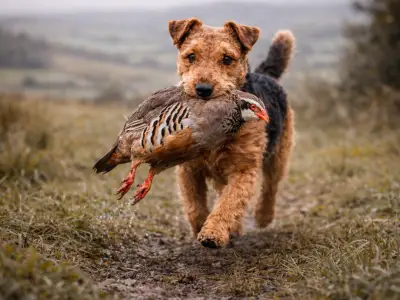
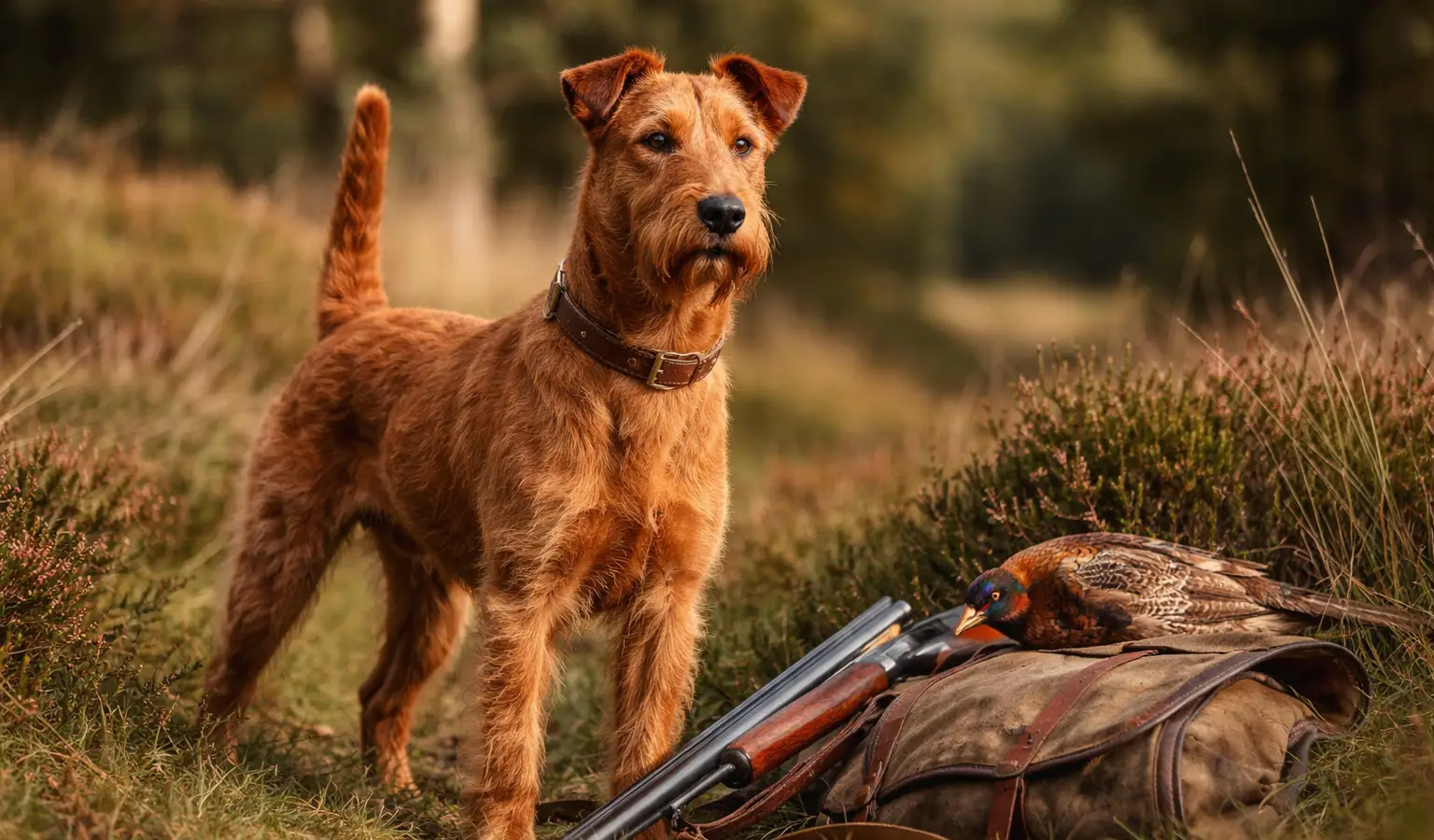
The Irish Terrier is a courageous, loyal and energetic dog, known for its strong character and devotion.
Life expectancy
12 – 15 years
Price
1000 – 1800 €
Monthly budget
75 €
Size
Medium
Profile
Irish Terrier
Origin
Ireland
Year of origin
1700
Developed by
Irish farmers
Size
Medium
Coat type
Wire coat
Owner profile
Active owner
Hypoallergenic
Yes
Litter size
6
Life expectancy
12 – 15 years
Price
1000 – 1800 €
Female
- Height : 43 – 46 cm
- Weight : 10 – 12 kg
Male
- Height : 45 – 48 cm
- Weight : 12 – 14 kg
Temperament & abilities
Affectionate
4/5
Calm
2/5
Independent
4/5
Intelligence
4/5
Obedience
3/5
Hunting instinct
4/5
Energy level
4/5
Good with children
4/5
Dog-friendly
3/5
Friendly with strangers
4/5
Hunting profile
Stamina
5/5
Hunting drive
3/5
Independence
4/5
Trainability
3/5
Beginner-friendly
2/5
Family compatibility
4/5
Feather game
1/5
Fur game
3/5
Underground work
4/5
Water work
1/5
These indicators help compare breeds and choose the right one for your hunting style.
Game & abilities
Estimated ability level by game type.
Budget
Purchase price
1000 – 1800 €
The price may vary depending on the breeder, bloodline, and region.
Average monthly cost
75 €
Estimated average: food, healthcare, accessories, and grooming.
Bold, energetic, and capable in the right hands, but not the easiest all-round choice.
Is the Irish Terrier a Good Hunting Dog?
The Irish Terrier can be a good hunting dog for certain jobs, especially where courage, drive, and quick reactions matter more than highly polished cooperation. Traditionally associated with vermin control and rough, close work, it tends to bring determination, stamina, and a very game attitude. For a hunter asking whether the Irish Terrier is suitable for regular field use, the honest answer is that it can be effective, but it usually makes more sense as a spirited terrier with hunting ability than as the easiest specialist for modern, highly structured shooting days.
In the field, the Irish Terrier often shows an alert nose, an eager search style, and the confidence to enter cover without much hesitation. It can be useful for flushing light cover, ratting, farm pest control, and some practical rough shooting situations where initiative is valued. Its working style is often active and forward rather than naturally methodical, and that matters: compared with more handler-focused gundogs, the Irish Terrier may work with more independence and less built-in tendency to check back. Courage is a real strength, but it needs to be balanced with control.
That balance depends heavily on training. Recall, steadiness, and reliable handling usually require more effort than with breeds developed primarily for close cooperation. An Irish Terrier is intelligent and trainable, but it is rarely a dog that thrives on repetitive drilling without variety or fairness. Harsh handling can easily reduce responsiveness, while inconsistent rules may produce a bold dog that decides for itself. For hunters who enjoy shaping a strong-minded dog and can invest time in obedience, impulse control, and exposure to game, the breed can be rewarding.
- Best use cases: pest control, rough cover work, smallholding life, active homes that value a terrier with practical working instinct.
- Main strengths: courage, stamina, enthusiasm, agility, and useful natural sharpness for terrier-type tasks.
- Main limitations: independent temperament, variable retrieve instincts, and a level of energy that needs regular outlet.
In everyday life, this is an energetic, characterful dog that usually needs more than a short walk and a backyard. A well-managed Irish Terrier can combine family life with occasional hunting or working use, but it generally suits active owners who appreciate terrier temperament rather than people wanting a very easy off-switch or effortless handling. As a comparison breed, it is often most coherent for someone who wants a lively hunting terrier first and a conventional gundog second, not the other way around.
Bold earth-dog courage
The Irish Terrier has long been valued for the kind of determination needed around fox, badger, and other difficult quarry. In practical terms, that means a dog that is often notably brave, quick to enter cover, and not easily discouraged by pressure. That courage is a real asset in hunting terrier work, but it also needs steady handling so boldness does not turn into recklessness.
Fast, ground-covering stamina
This is a hard, athletic terrier that can stay active for long outings when properly conditioned. The Irish Terrier tends to move with purpose rather than waste energy, which suits rough ground, farm edges, and mixed cover. For hunters and active owners alike, that endurance is one of the breed’s most useful qualities, especially where a smaller but tireless dog is preferred over a heavier type.
Useful all-round versatility
Unlike very narrow specialists, the Irish Terrier is often appreciated as a capable general-purpose hunting dog. Depending on the individual line and training, it may work vermin, hunt around dense cover, accompany a gun, and even show some retrieving willingness. That flexibility makes the breed appealing to people who want one rugged dog for country life rather than a kennel full of separate specialists.
Sharp focus in thick cover
A good Irish Terrier usually works with intent and concentration, especially where brambles, hedges, or farm outbuildings demand persistence. It is often alert to movement and quick to investigate scent, sound, or disturbance. This makes the breed particularly handy for practical pest control and close-range hunting, where a distracted dog is less useful than one that stays mentally engaged with the job.
Responsive with firm training
The breed is intelligent and often very willing when it respects the handler, but it is rarely a soft, automatic follower. In hunting situations, that means training should be clear, fair, and consistent from the start. An Irish Terrier can become a highly usable field companion for someone who enjoys shaping drive into disciplined work, while novice handlers may find the terrier mindset more challenging than expected.
Who the Irish Terrier suits best
The Irish Terrier tends to suit an experienced or highly committed owner who enjoys a bold, energetic dog with strong opinions and plenty of drive. For hunting, it often fits people looking for a versatile terrier for vermin control, rough cover work, and an all-weather companion that brings courage and initiative rather than a soft, easygoing style. In family life, it usually does best with active households that like daily walks, training, play, and clear rules. Many individuals are affectionate and deeply loyal, but they are rarely low-maintenance dogs.
It is generally less suitable for owners wanting a quiet, highly biddable dog, long hours alone at home, or a dog park social butterfly. Its terrier instincts can mean persistence, chasing behavior, and occasional intolerance of other animals, especially if socialization and handling are inconsistent. The best match is often a home that appreciates character, can channel energy into useful activity, and understands that an Irish Terrier may be clever, trainable, and willing, yet still independent enough to test boundaries.
How an old Irish working terrier shaped the breed seen today
Origins and development of the Irish Terrier
The Irish Terrier is generally considered one of the oldest terrier breeds from Ireland, developed as a versatile farm and hunting dog rather than a specialist created for a narrow task. Its early history is not perfectly documented, but most breed historians agree that it emerged from rough-coated Irish terrier stock selected for courage, speed, soundness, and usefulness in everyday rural life. That practical beginning still helps explain the modern Irish Terrier: alert, intense, quick to react, and often very committed once given a job.
In the countryside, these dogs were valued for controlling vermin, tackling rats and other pests, and working around holdings where toughness and independence mattered. They were also used as earth-working terriers in some contexts, with the drive to pursue quarry and the nerve to face pressure in confined spaces. Unlike a heavier, more purely underground specialist, the Irish Terrier developed as an all-rounder. That background helps explain a dog that tends to combine terrier determination with more leg, more pace, and a notably active, forward style of movement.
As the breed became more standardized in the late nineteenth century, fanciers fixed the distinctive red coat and the cleaner outline that now defines the Irish Terrier. Even with that shift toward a recognizable show breed, the best lines kept the essentials of a working terrier: sharp awareness, resilience, and a bold temperament. For hunters and active owners, this history matters. An Irish Terrier may be highly engaging, athletic, and trainable, but it is rarely a passive companion. It often does best with clear structure, regular exercise, and handling that respects its intelligence without allowing self-employment.
Today, the breed’s history points to a dog that can suit people who want a lively, game little hunter and family companion in one package, provided they are realistic about terrier traits.
- Strengths: brave, energetic, responsive, and typically very willing in active daily life.
- Limitations: can be strong-willed, easily bored by repetitive training, and sometimes intense with small prey or other dogs.
- Best fit: owners who enjoy training, outdoor activity, and a dog with real character rather than constant easy compliance.
That mix of farm utility, hunting instinct, and close partnership with people is the key to understanding the Irish Terrier today. It is not only a handsome red terrier with history behind it; it is a breed shaped by practical work, and that heritage still shows in its energy level, confidence, and everyday handling needs.
Rural Irish roots
The Irish Terrier developed in Ireland as a tough, versatile farm and village dog. Early examples were valued less for uniform looks than for usefulness: controlling vermin, sounding the alarm, and helping with small game. That practical background still helps explain the breed’s mix of speed, grit, and strong self-confidence.
A true hunting terrier
Among hunting terriers, the Irish Terrier is generally seen as active, game, and willing to work through rough ground. It was historically used for vermin control and may also have been expected to tackle fox or similar quarry depending on region and line. The style is typically energetic, determined, and not especially hesitant.
Bold but sensitive
This breed often combines terrier fire with close attachment to its people. Many Irish Terriers are alert, brave, and quick to react, yet they can also be emotionally perceptive and responsive to fair handling. Harsh training may create friction, while calm consistency, clear rules, and early socialization usually bring out a more reliable companion.
Best with active owners
An Irish Terrier usually suits owners who enjoy an involved, hands-on dog rather than a low-maintenance pet. Daily life tends to go best when the dog gets movement, structured training, and things to investigate. Without enough outlets, some individuals may become noisy, pushy, or too eager to chase whatever moves.
Home life and handling
In the house, the breed is often lively, watchful, and deeply present in family routines. It can adapt to many homes if exercise and supervision are serious priorities, but it is not always the easiest choice for multi-pet living. A strong prey drive and a tendency toward same-sex tension can appear in some dogs.
Coat and daily upkeep
The harsh, wiry coat is practical in bad weather and brambles, but it does need regular care to stay functional and tidy. Brushing helps, and hand-stripping is often preferred if owners want to preserve coat texture and classic appearance. Beyond grooming, this breed benefits most from daily walks, training sessions, and purposeful play.
Practical answers on hunting ability, training, exercise, home life, and owner suitability
Irish Terrier hunting and family life FAQ
Is the Irish Terrier a good hunting dog today?
The Irish Terrier can still be a capable hunting terrier, especially where a bold, agile dog with strong prey drive is useful. Historically, terriers of this type were valued for versatility, and many Irish Terriers still show determination, curiosity, and a willingness to work in rough cover. That said, modern individuals vary a lot: some come from lines selected more for companionship or shows than for field use. If hunting ability matters to you, look closely at the breeder's dogs, temperament, nerve, recall, and how the dog handles game scent, excitement, and pressure.
What kind of hunting is the Irish Terrier best suited for?
The breed is generally better suited to terrier-style work than to highly specialized pointing or retrieving roles. An Irish Terrier may be useful for vermin control, flushing in dense cover, and certain forms of small game work, depending on local practice and the dog's individual aptitude. Some can also accompany hunters as alert, energetic all-rounders, but they are not usually the first choice for people wanting a classic gundog pattern. In practical terms, they tend to suit owners who appreciate initiative, grit, and versatility more than formal precision in the field.
Are Irish Terriers easy to train for hunting and obedience?
Irish Terriers are intelligent and often quick to learn, but they are not typically a soft, automatically compliant breed. Many have an independent streak, and training usually goes best with clear structure, short sessions, and consistent rules rather than repetition for its own sake. For hunting use, recall, impulse control, steadiness around movement, and a reliable stop cue deserve early attention because prey drive can be strong. They often respond well to confident, fair handling, while heavy-handed methods may create resistance or reduce cooperation.
Can an Irish Terrier live happily as a family dog if it also has hunting instincts?
In many homes, yes, provided those instincts are managed rather than ignored. The Irish Terrier is often affectionate with its people, lively in the house, and very engaged with family life, but it usually needs outlets for energy, curiosity, and chase behavior. A dog with strong hunting drive may be more challenging around small pets, wildlife, or unsecured outdoor areas, so supervision and training matter. Families who enjoy walks, games, training, and a dog with character often find the breed rewarding, while very sedentary households may struggle.
How much exercise does an Irish Terrier really need every day?
This is an active, athletic terrier that usually needs more than a quick walk around the block. Most adults do best with a combination of brisk physical exercise, free movement in a secure area when possible, and mental work such as scent games, training drills, or problem-solving activities. Without enough to do, some Irish Terriers become noisy, restless, destructive, or overly reactive simply because they are under-stimulated. A good routine often includes at least one meaningful outing each day plus regular interaction, not just yard access.
Is the Irish Terrier suitable for apartment living or does it need a rural home?
An Irish Terrier can adapt to apartment living better than many people expect, but only if its exercise, training, and supervision are taken seriously. The breed does not necessarily need a farm or large property, yet it does need a lifestyle that includes movement, structure, and enough stimulation to prevent frustration. In a city, leash manners, recall foundations, tolerance of other dogs, and the ability to settle indoors become especially important. Rural life can suit the breed well, but open space alone is not enough if the dog is left to entertain itself.
Who is the Irish Terrier best for, and who may find it difficult to live with?
The Irish Terrier often suits active owners who want a lively, characterful dog and are prepared to train consistently. It can be a strong match for people interested in country walks, scent work, terrier activities, or practical hunting use, especially if they enjoy a dog with initiative rather than constant deference. First-time owners are not automatically excluded, but they usually do better if they are realistic about energy, prey drive, and the need for boundaries. People wanting an easy, low-maintenance, highly dog-social companion may find the breed more challenging than expected.