Norwich Terrier
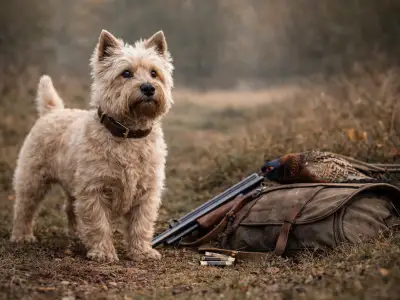
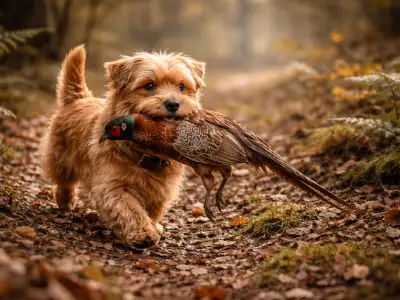
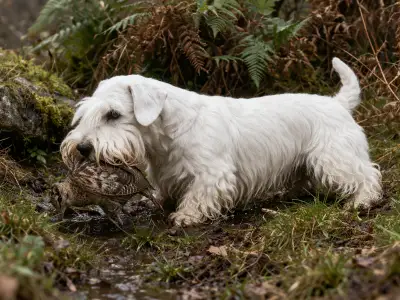
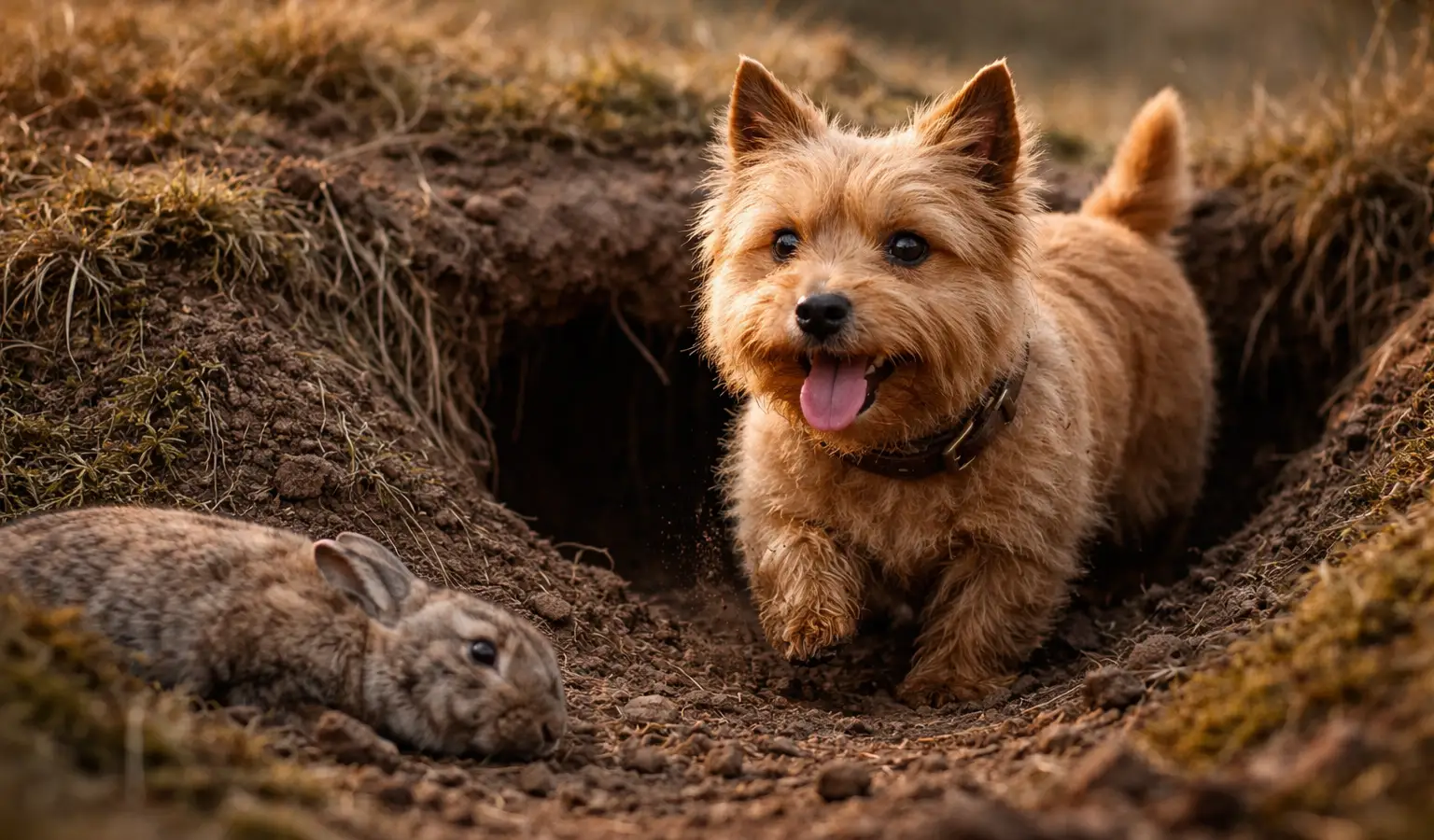
The Norwich Terrier is a small, brave and affectionate dog with a cheerful personality.
Life expectancy
12 – 15 years
Price
1200 – 2200 €
Monthly budget
65 €
Size
Small
Profile
Norwich Terrier
Origin
United Kingdom
Year of origin
1900
Developed by
English breeders (Norwich)
Size
Small
Coat type
Wire coat
Owner profile
Active owner
Hypoallergenic
No
Litter size
3
Life expectancy
12 – 15 years
Price
1200 – 2200 €
Female
- Height : 23 – 26 cm
- Weight : 5 – 6 kg
Male
- Height : 23 – 26 cm
- Weight : 5 – 6 kg
Temperament & abilities
Affectionate
4/5
Calm
3/5
Independent
3/5
Intelligence
4/5
Obedience
4/5
Hunting instinct
4/5
Energy level
3/5
Good with children
4/5
Dog-friendly
4/5
Friendly with strangers
4/5
Hunting profile
Stamina
3/5
Hunting drive
3/5
Independence
4/5
Trainability
3/5
Beginner-friendly
3/5
Family compatibility
4/5
Feather game
0/5
Fur game
3/5
Underground work
4/5
Water work
0/5
These indicators help compare breeds and choose the right one for your hunting style.
Game & abilities
Estimated ability level by game type.
Budget
Purchase price
1200 – 2200 €
The price may vary depending on the breeder, bloodline, and region.
Average monthly cost
65 €
Estimated average: food, healthcare, accessories, and grooming.
A small terrier with real working instinct, but a specific job profile
Is the Norwich Terrier a good hunting dog?
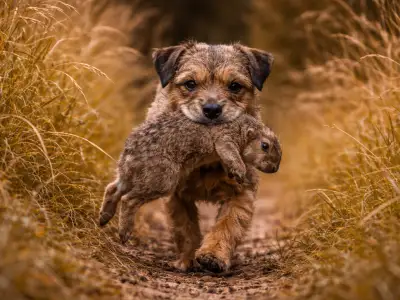
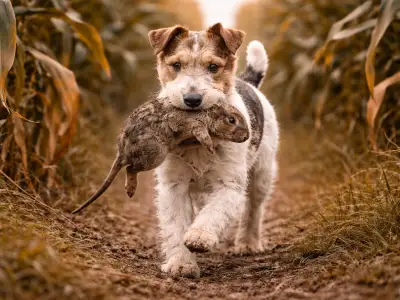
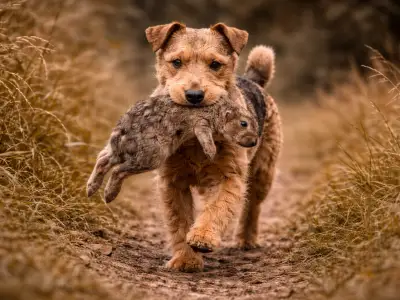
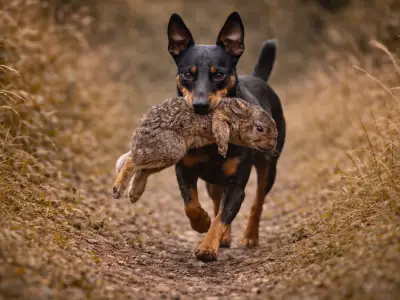
The Norwich Terrier can be a capable hunting dog, but in a narrow, terrier-specific sense rather than as a general all-round gun dog. Bred as a small, game little worker, it is best understood as a compact hunting terrier with courage, quick reactions, and a strong instinct to search out vermin and other small quarry. For the right owner, Norwich Terrier hunting ability is genuine; for the wrong expectations, it can feel limited. This is not the breed to choose for big ground coverage, formal retrieving, or highly polished long-distance handling.
In the field, the Norwich Terrier typically brings boldness, persistence, and a practical nose for close-range work. Its hunting style is more about active searching, flushing, and pursuing quarry in tight cover, farm settings, hedgerows, and rough edges than sweeping large open country. The breed often shows the classic terrier mix of intensity and independence, which can be an asset when courage is needed but can also make handling less effortless than with more biddable hunting breeds. Recall, steadiness, and reliable stop-and-turn work usually need patient training and regular reinforcement.
Energy level is high for the breed’s size, and daily life with a Norwich Terrier is usually easier when that energy has a job. A good individual may enjoy scent games, ratting-type work where legal and appropriate, barn hunt activities, and active walks with structured training. Stamina is respectable, but the dog’s small frame sets obvious limits in harsh terrain, dense bramble, extreme weather, and long hunting days compared with larger working terriers or versatile gundogs.
- Strengths: courage, lively search pattern at close range, practical vermin-hunting instinct, portable size, engaging temperament.
- Demands: consistent recall training, management of prey drive, enough exercise and mental work, realistic expectations about range and retrieve.
- Best use cases: small game and pest-control contexts, active rural homes, owners who want a spirited little dog with authentic terrier character.
As a family companion, the Norwich Terrier often offers an appealing balance: alert and energetic outdoors, then more manageable at home than many larger hunting dogs, provided it gets regular outlets. It tends to suit people who want a true terrier temperament in a small package and who understand that trainability is usually good, but not soft or automatic. If you are comparing breeds, the Norwich makes most sense as a compact hunting terrier for close work and lively everyday companionship, not as a substitute for a spaniel, retriever, or broad-purpose field dog.
Bold in tight cover
The Norwich Terrier was developed to tackle quarry in cramped, awkward places, and that heritage still shows in many dogs. Its compact build, strong attitude, and willingness to push into brush, hedges, and farm outbuildings make it especially useful for close-range terrier work where a larger dog may struggle to get in cleanly.
Sharp vermin instinct
This breed often has the quick reactions and prey awareness people look for in a working terrier. Many Norwich Terriers are naturally alert to rats and other small pests, with a style that suits pest control on smallholdings, stables, and rural properties. As always, intensity varies with breeding, experience, and training.
Game little worker
A good Norwich Terrier tends to show real grit without needing a lot of size. That can be valuable in practical hunting situations where confidence matters as much as speed. The best examples are brave and committed, but still manageable in hand, which suits owners who want terrier determination in a smaller, easier-to-live-with package.
Steady stamina for the day
Norwich Terriers are not marathon gundogs, but many have the energy to stay active through a long, busy day of walking fields, checking cover, or working around buildings. Their stamina is often most useful in bursts of repeated effort rather than in wide-ranging distance work, which fits practical terrier jobs better than expansive hunting patterns.
Responsive with fair training
Compared with some harder, more independent terriers, the Norwich can be relatively cooperative when training is clear and consistent. That helps with recall, stop-start control, and settling between periods of action. It is still a terrier, so reliability is rarely automatic, but many owners find the breed more biddable than its bold personality first suggests.
Useful off-switch at home
One of this breed’s practical strengths is that its working spark can sit alongside companionable daily life. For hunters or rural owners who want a dog that can stay keen outdoors but live comfortably in the house, the Norwich Terrier can be a sensible fit. That balance depends on enough exercise, structure, and chances to use its brain.
Who the Norwich Terrier suits best
The Norwich Terrier tends to suit people who want a compact dog with real terrier character rather than a purely easygoing lap companion. For hunters and country-minded owners, it can fit best as a bold little earthdog-type partner with strong curiosity, quick reactions, and the confidence to work around cover, farm buildings, and rough ground. In family life, it often does well with active households that enjoy walks, games, training, and close day-to-day involvement. Its small size is convenient, but its mind and instincts are usually more substantial than many first-time owners expect.
Less suitable matches are homes looking for a highly biddable off-switch outdoors, very low prey drive, or long hours of inactivity. Norwich Terriers may be charming and affectionate, but many still carry the independence, vocal alertness, and digging or chasing tendencies associated with hunting terriers. They usually suit owners who appreciate terrier grit, can provide clear boundaries, and will not underestimate a small dog with a working background.
How an East Anglian ratter became a compact, bold working terrier
Origin and development of the Norwich Terrier
The Norwich Terrier developed in eastern England, especially around Norfolk and the city of Norwich, where small, hard terriers were valued for practical work rather than appearance alone. They were used to control rats around stables and farms and, in some cases, to bolt foxes from cover. Exact early crosses are not fully documented, but the breed appears to have been shaped from several small British terrier types selected for courage, weather resistance, and a size that let them work close to the ground without losing toughness.
For many years, dogs now known as Norwich Terriers and Norfolk Terriers were treated as one type, with ear carriage being the most visible difference. Breeders eventually separated the prick-eared Norwich from the drop-eared Norfolk, but both shared the same basic working background: active, game little terriers bred to be useful companions around horse yards, hunts, and rural households. That history matters today, because the Norwich still tends to combine a terrier’s determination with a somewhat steadier, more sociable character than some sharper, more quarrelsome earthdog breeds.
Its original selection helps explain the breed’s present-day style. The Norwich Terrier is small enough for easy daily handling, yet it was never meant to be fragile or ornamental. A good representative is alert, busy, and confident, with strong prey interest and a willingness to investigate movement, scent, and tight spaces. That can make the breed very engaging for owners who enjoy training, scent games, and an active small dog, but it also means recall, impulse control, and polite behavior around small pets often need deliberate work.
As a hunting terrier, the Norwich is best understood as a compact, versatile worker rather than a specialist built for extreme size, range, or pressure. In modern life, many are kept primarily as companions, yet the breed’s roots still show in its energy, curiosity, and readiness to stay involved in whatever the household is doing. For people who want a small dog with real substance, terrier character, and a fairly adaptable format for town or country, the Norwich Terrier often makes sense. It may be less suitable for owners expecting a quiet lapdog with little training or outlet needs.
Small terrier, old roots
The Norwich Terrier developed in England as a compact working terrier, valued for going to ground after small quarry and for clearing vermin around farms and stables. Its exact early mix is discussed by breed historians, but the type was shaped for courage, handiness, and practicality rather than for ornament.
Bred for grit
This breed was selected to be bold and game without being oversized, which helps explain its distinctive balance: lively, confident, and ready to engage, yet portable and manageable in daily life. In hunting terms, the Norwich Terrier suits close work and determined terrier tasks more than wide-ranging pursuit over large distances.
Alert and sociable
Compared with some terrier breeds, the Norwich is often described as notably cheerful and people-oriented. That does not make it soft or passive. Many individuals are still quick, opinionated, and highly alert, with a strong instinct to investigate movement, scent, and noise. Early training and steady boundaries usually matter more than sheer firmness.
Good fit for active homes
The Norwich Terrier can adapt well to town or country if it gets regular exercise, mental stimulation, and close contact with its people. A large property is not essential, but inactivity is a poor match. This breed often suits owners who want a small dog with real character, working heritage, and enough energy for daily outings.
Coat and upkeep
The harsh outer coat was meant to offer practical protection in rough conditions, and it needs more than occasional brushing to stay in proper texture. Many owners choose hand-stripping rather than clipping when coat quality matters. Routine care is otherwise fairly straightforward, but the breed benefits from consistent nail, ear, and dental maintenance.
Daily needs and handling
Expect a dog that enjoys short training sessions, scent games, brisk walks, and chances to use its brain. The Norwich Terrier is small, but it is rarely a fragile lap dog in temperament. It generally does best with owners who appreciate terrier independence, can manage prey interest sensibly, and enjoy an engaged, busy companion.
Practical answers about prey drive, training, home life, exercise, and owner fit
Norwich Terrier hunting and family life FAQ
Is a Norwich Terrier actually a good hunting dog?
The Norwich Terrier was developed as a small working terrier, and many still show the boldness, curiosity, and prey drive that made terriers useful around farms and on vermin. In practical terms, this breed is usually better suited to small-game and pest-control style work than to large-scale hunting roles. A good individual may work enthusiastically in dense cover, follow scent with determination, and stay engaged in rough ground for its size. That said, hunting ability varies a lot with bloodline, early exposure, training, and the dog’s confidence. People looking for a compact hunting terrier often appreciate the Norwich for its size and attitude, but not every pet-bred dog will have the same working intensity.
How strong is the Norwich Terrier’s prey drive in daily life?
Many Norwich Terriers have a noticeable instinct to chase moving animals, especially rodents and other small creatures. In everyday life, that can mean quick reactions in the yard, strong interest in hedges and burrows, and less reliability off lead if wildlife is nearby. Some live peacefully with other household pets, but introductions should be managed carefully, especially with small mammals. Early training helps, yet instinct does not simply disappear because the dog is friendly at home. Owners do best when they expect a lively terrier brain rather than assuming this is a purely decorative small dog.
Are Norwich Terriers easy to train for hunting or recall?
They are intelligent and usually eager to engage, but they are still terriers, which means training often works best when it is consistent, upbeat, and very clear. A Norwich Terrier can learn recall, scent games, and practical field manners, yet prey distractions may still challenge obedience in real-world conditions. Short sessions, rewards that matter to the dog, and gradual proofing around movement and scent are more effective than drilling. Harsh handling tends to reduce trust or create resistance rather than improve reliability. For hunting-minded owners, the breed often responds best when training feels like a job with purpose instead of repetitive obedience for its own sake.
Can a Norwich Terrier live in an apartment, or does it need a country home?
A Norwich Terrier can adapt well to apartment living if its exercise, mental stimulation, and terrier instincts are taken seriously. The main issue is not square footage but whether the dog gets enough structured activity, chances to sniff and explore, and clear household routines. Because this breed can be alert and vocal, neighbors may be a consideration in poorly managed setups. A house with a secure yard is convenient, but a yard alone is not enough if the dog is left to entertain itself. Many Norwich Terriers do well in town with committed owners, while rural living can suit them nicely if boundaries and recall are handled realistically.
Is the Norwich Terrier a good family dog with children?
In many homes, the Norwich Terrier is affectionate, cheerful, and more people-oriented than some expect from a hard little terrier. It can be a very enjoyable family companion when children are taught to handle a small dog respectfully and not treat it like a toy. This breed often enjoys being involved in daily life, but it may not tolerate rough grabbing or chaotic interactions as patiently as a very placid breed. Supervision matters, especially with younger children, toys, food, and high-excitement play. For active families who like walks, games, and a dog with personality, the Norwich can be a strong fit.
How much exercise does a Norwich Terrier need if it is not used for hunting?
Even as a companion, the Norwich Terrier usually needs more than a brief walk around the block. Most do well with daily walks, opportunities to sniff, active play, and some form of problem-solving such as scent games, basic training, or small search tasks. Because the breed is compact, people sometimes underestimate how much engagement it needs to stay settled indoors. A bored Norwich may dig, bark, patrol the home, or invent its own entertainment. The ideal routine combines physical activity with mental work, which often produces a calmer and easier dog than exercise alone.
Who is the Norwich Terrier best suited for, and who may struggle with this breed?
The Norwich Terrier tends to suit owners who want a small dog with real drive, confidence, and working-terrier character rather than a low-effort lap dog. It can be a good match for active singles, couples, or families who enjoy training, walks, and a dog that is involved in everyday life. It may also appeal to people interested in earthdog activities, scent work, or light practical hunting with a compact breed. Owners who want perfect off-lead reliability around wildlife, a very quiet dog, or a dog that is content with minimal stimulation may find the breed frustrating. In the right home, the Norwich often feels robust and entertaining; in the wrong one, it can seem busy, stubborn, and under-occupied.