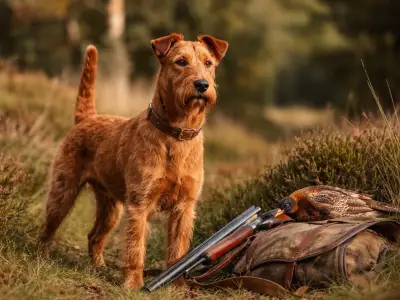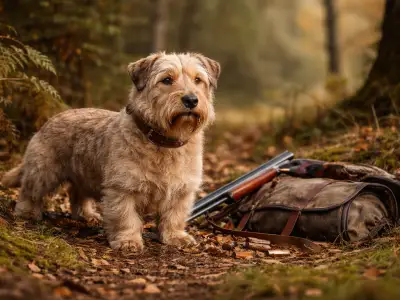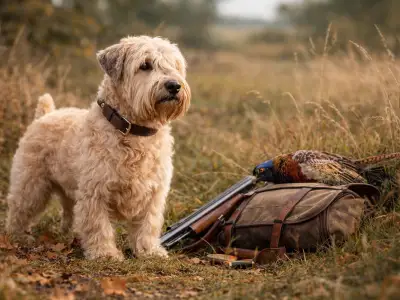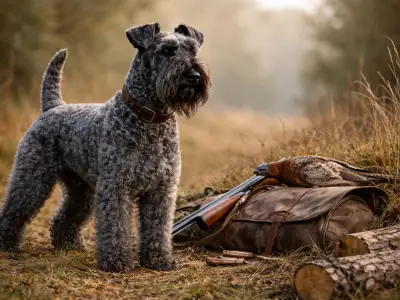
Bedlington Terrier
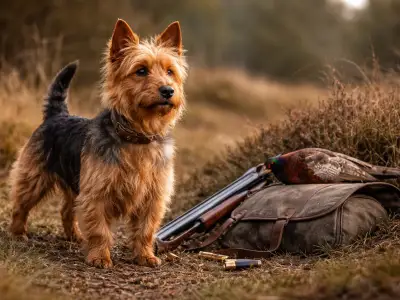
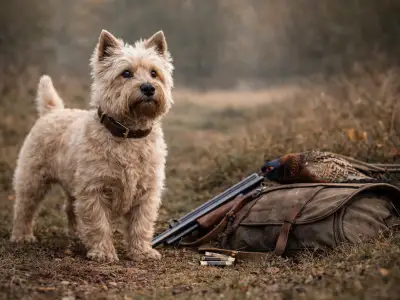
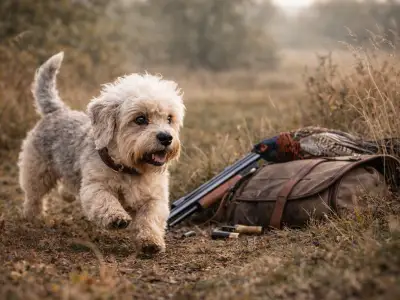
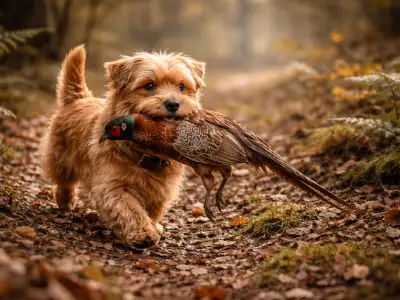
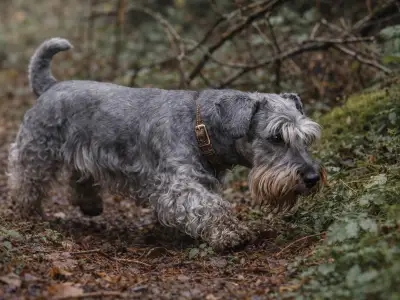
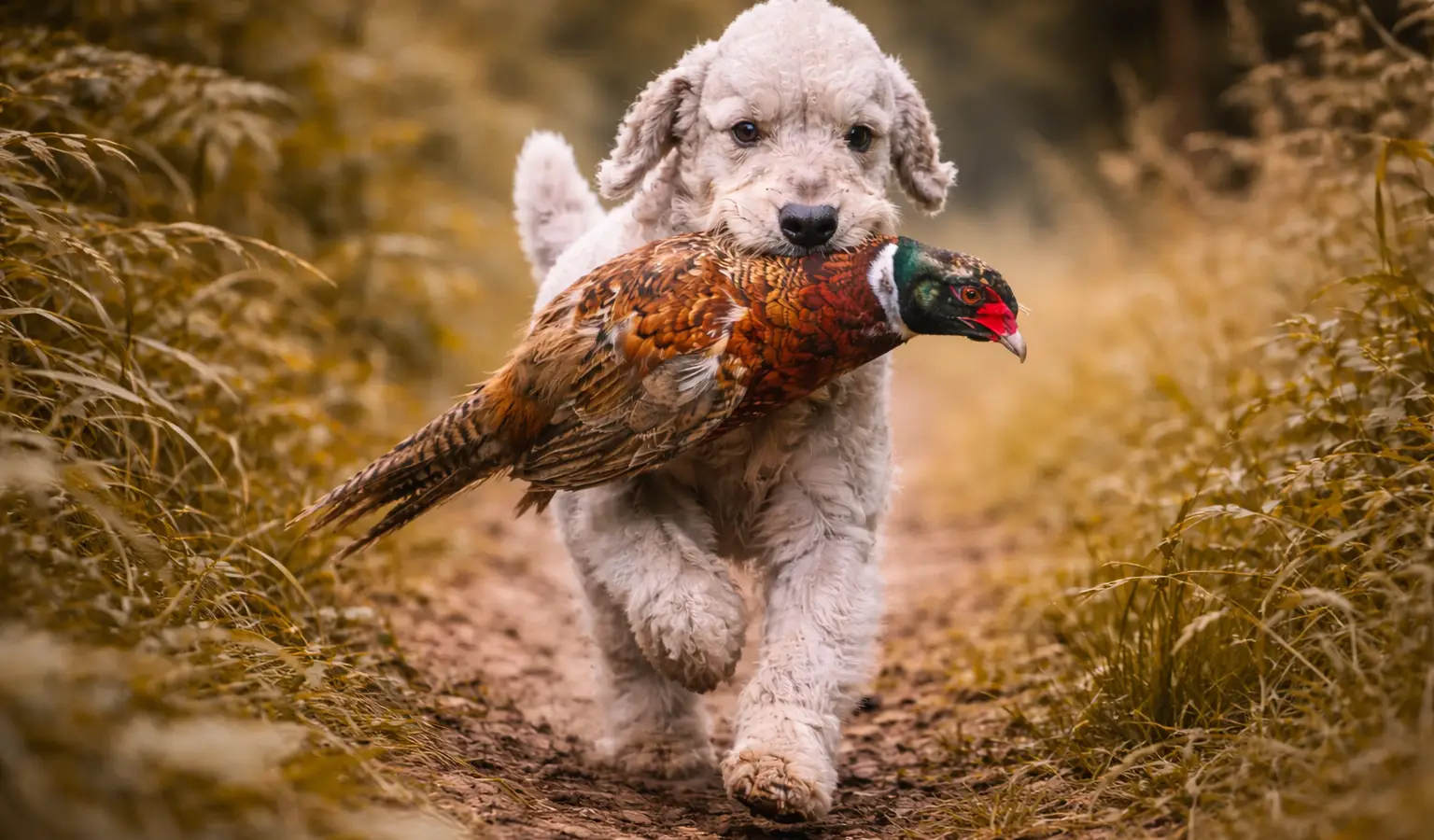
The Bedlington Terrier is a graceful and unique dog, known for its lamb-like appearance. Despite its gentle look, it is a true terrier: brave, fast and resilient, with a loving and loyal temperament.
Life expectancy
12 – 14 years
Price
1000 – 1800 €
Monthly budget
65 €
Size
Small
Profile
Bedlington Terrier
Origin
United Kingdom
Year of origin
1820
Developed by
English miners
Size
Small
Coat type
Curly coat
Owner profile
Calm owner
Hypoallergenic
Yes
Litter size
4
Life expectancy
12 – 14 years
Price
1000 – 1800 €
Female
- Height : 38 – 42 cm
- Weight : 7 – 9 kg
Male
- Height : 38 – 44 cm
- Weight : 8 – 10 kg
Temperament & abilities
Affectionate
4/5
Calm
4/5
Independent
3/5
Intelligence
4/5
Obedience
4/5
Hunting instinct
3/5
Energy level
3/5
Good with children
4/5
Dog-friendly
3/5
Friendly with strangers
4/5
Hunting profile
Stamina
4/5
Hunting drive
3/5
Independence
4/5
Trainability
3/5
Beginner-friendly
3/5
Family compatibility
4/5
Feather game
1/5
Fur game
3/5
Underground work
4/5
Water work
1/5
These indicators help compare breeds and choose the right one for your hunting style.
Game & abilities
Estimated ability level by game type.
Budget
Purchase price
1000 – 1800 €
The price may vary depending on the breeder, bloodline, and region.
Average monthly cost
65 €
Estimated average: food, healthcare, accessories, and grooming.
Bedlington Terrier Hunting Ability: A Quick, Gritty Worker With Terrier Priorities
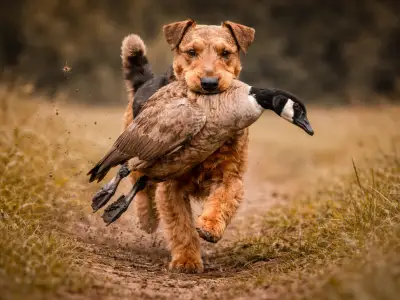
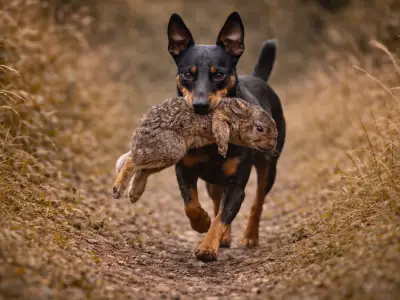
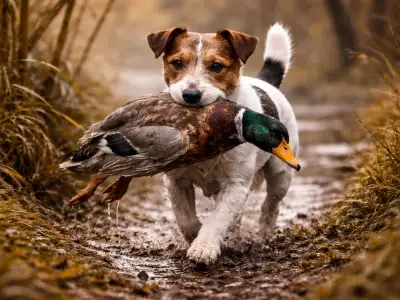
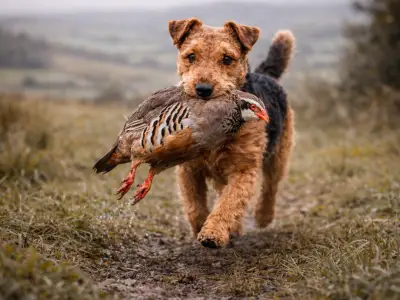
A Bedlington Terrier can be a good hunting dog for the right kind of work—think traditional terrier jobs like dispatching rats and other vermin, working around farms and outbuildings, and pushing into rough cover—rather than long, methodical search or steady retriever duties. In the field, many show the classic terrier mix of courage, speed, and determination, with a style that favors quick bursts and bold engagement over slow, cooperative tracking.
As a hunting terrier, the Bedlington’s strengths often show up in close-to-mid range hunting where independence is an asset. Expect an energetic dog that will investigate hedgerows, stone walls, brambles, and thick vegetation with enthusiasm. Individual dogs vary, but many have enough nose to follow interesting scent and enough grit to stay with a problem, which is exactly what makes them effective on small quarry—and also what can make them “busy” to handle if you want a calm, handler-focused pattern.
Training and handling are where the breed’s hunting value is won or lost. Bedlingtons are typically smart and quick to learn, yet they may question repetition and can be impulsive when prey drive kicks in. A reliable recall is essential and usually takes thoughtful, consistent work with high-value rewards and clear boundaries. In practical terms, they tend to suit hunters who enjoy active handling and who don’t mind reinforcing basics year-round, not just during season.
Compared with purpose-bred gundogs, limitations can include less natural steadiness, less emphasis on retrieve, and a stronger tendency to self-direct when something exciting moves. They may also be more sensitive to harsh corrections than some hard-driving terrier types, so a fair, upbeat approach often gets better results.
For someone weighing breeds, the Bedlington Terrier is most at home when you want a spirited, athletic companion that can still do real work:
- Best fit: vermin control, rough cover work, short hunts, active outdoor homes
- Key demands: recall training, impulse control, daily exercise and mental outlets
- Less ideal for: long-range quartering, water retrieves, highly formal field expectations
Fast, agile small-game worker
The Bedlington Terrier is built for quick acceleration and nimble footwork, which can be useful when quarry breaks cover and turns sharply. Many individuals move with a light, springy gait and can adjust direction fast, helping them work rough ground, edges of fields, and hedgerows. This “burst and pivot” style suits short, intense efforts more than long, slow plods.
Real terrier grit when it matters
Bedlingtons are known for a tough, determined attitude—one reason they earned a working reputation historically. In hunting terms, that can translate to staying engaged in the search and not quitting easily when things get noisy, tight, or frustrating. That same boldness needs thoughtful handling, though: clear rules and reliable recall help keep courage from turning into risky decision-making.
Keen prey drive and sharp focus
Many Bedlington Terriers “switch on” quickly when they detect movement or scent, showing an intense, locked-in concentration that’s valuable for flushing and short-range pursuit. They often work best with structured outlets—planned hunts, controlled exercises, and clear start/stop cues—so the dog learns when to hunt and when to disengage. Consistent reinforcement makes that focus more practical in real scenarios.
Scenting plus eyes-up hunting
While not a dedicated scent hound, a Bedlington can use its nose effectively at close range and then confirm with sight, especially in patchy cover where game darts and doubles back. This combination can be handy for locating where an animal moved through and reacting quickly once it’s seen. Expect best results in tighter, more immediate tracking rather than long-distance trailing.
Handles well with the right training style
Bedlingtons often respond well to calm, consistent training and short, purposeful sessions—ideal for building field manners like recall, “leave it,” and directional handling. They can be sensitive to heavy-handed corrections, so many handlers get better reliability using rewards, clear boundaries, and repetition in varied environments. A well-timed release cue can also help channel excitement into controlled hunting effort.
Who the Bedlington Terrier suits best
The Bedlington Terrier tends to suit an active owner who wants a small-to-medium hunting terrier with real drive, but also values a dog that can settle in the house when its needs are met. Historically used for vermin work and small game in its home region, many still show quick reactions, a strong chase instinct, and a bold, curious approach—great for keen walkers, countryside households, and people who enjoy training games that channel prey drive into controlled work.
It’s often a good match if you like a sensitive, people-oriented terrier and can offer consistent boundaries, recall training, and safe outlets for speed. Less suitable profiles include households expecting a “low-effort” pet, owners who can’t manage off-leash temptation around wildlife, or very busy homes where rough play with small pets is likely. If you want a terrier that’s eager but not constantly yapping, and you’re comfortable supervising introductions and reinforcing calm manners, the Bedlington can be a rewarding partner.
History and Origins of the Bedlington Terrier
The Bedlington Terrier’s origin is rooted in working need: a quick, game little terrier developed in northern England to deal with vermin and to hunt small quarry. Most accounts place its early development around Northumberland and County Durham, with the village of Bedlington lending the breed its name. While some details are pieced together from local records and sporting lore, the broad picture is consistent—this was a practical dog shaped by tough country, hard jobs, and owners who valued results over looks.
Early Bedlingtons (sometimes associated with the older “Rothbury Terrier” type) were prized for their speed and determination. They were used on rats, rabbits, and other small pests, and they could be expected to work in places where a larger dog struggled—dense cover, stone walls, and tight ground. That blend of agility and grit helps explain why modern Bedlingtons often feel “lighter on their feet” than many terriers, yet still show classic terrier resolve when something triggers their prey drive.
As the breed became more established, selection also started to reward a distinctive outline and coat—features that later made the Bedlington a standout in the show ring. This shift didn’t necessarily erase working instincts, but it can mean that intensity and hunt style vary notably between lines and individual dogs. If you’re looking for a Bedlington Terrier for hunting or active field use today, it’s worth seeking breeders who prioritize stable temperaments, sound structure, and real-world drive rather than appearance alone.
That working background shows up in daily life in ways future owners should recognize:
- Energy and play style: often bursts of speed and enthusiasm, followed by an “off switch” indoors when needs are met.
- Trainability: typically bright and responsive, but can be independent—clear rules and short, rewarding sessions work best.
- Management: prey interest may appear on walks; reliable recall usually requires thoughtful training and safe outlets.
In the home, many Bedlingtons combine affection with a certain terrier self-confidence. They tend to suit people who enjoy an athletic, interactive dog—one that can hike, train, and possibly work—but who also appreciate a companion that can settle when properly exercised and mentally engaged.
Northern England roots
The Bedlington Terrier developed in Northumberland, near the mining town of Bedlington, where hardy little dogs had to earn their keep. The breed is commonly linked with old working terriers and local crosses chosen for speed, grit, and a coat that coped with rough country. That practical background still shows in their athletic build and quick reactions outdoors.
A terrier built to chase
Despite the lamb-like outline, the Bedlington is very much a hunting terrier: fast, agile, and keen to pursue. Historically they were used for vermin control and, in some lines and contexts, for running quarry where quick acceleration mattered. Expect a dog that can switch on in the field, with a strong interest in movement and scent.
Temperament: soft at home, bold outside
Many Bedlingtons are affectionate and fairly calm indoors once their exercise needs are met, yet show classic terrier confidence when something exciting appears. They can be sensitive to harsh handling but still stubborn when motivated, which is why steady, reward-based training tends to work best. Early socialization helps channel feistiness into good manners.
Coat and grooming reality
The distinctive coat is a real identity marker—and a commitment. It’s often described as low-shedding, but it still needs regular maintenance to prevent matting and to keep the trademark shape comfortable and clean. Most owners do best with a consistent routine.
- Brush/comb several times a week
- Professional trim or skilled home clipping every few weeks
- Check ears and feet after field time
Best fit for modern hunting life
The Bedlington suits an owner who likes an active, responsive dog and can provide both exercise and structure. They often enjoy games that mimic work—tracking, controlled chase, and obedience under distraction—but they may test boundaries if under-stimulated. A secure yard, reliable recall training, and clear rules around small pets are practical day-to-day considerations.
Practical answers on hunting instincts, training, and day-to-day fit
Hunting & Lifestyle FAQ: Bedlington Terrier
Are Bedlington Terriers good hunting dogs today?
Bedlington Terriers come from working terrier roots and many still show strong prey drive and determination, which can translate well to certain types of hunting and pest control. In modern settings they’re more commonly kept as companions, so hunting ability can vary a lot by bloodline, early exposure, and training. They’re typically best suited to close-range work where you can manage the environment—think controlled outings, den work with experienced handlers where legal, or practical vermin control on property. They’re not a specialist gun dog in the same way as a retriever or pointing breed, and most won’t naturally offer the same level of cooperation at distance without structured training. If hunting is your main goal, it’s worth seeking breeders who value working temperament and being honest about the time you’ll invest.
What game or quarry are Bedlington Terriers most suited for?
Historically, Bedlingtons were used as versatile terriers for small game and vermin, with the speed and grit to pursue quarry in rough cover. In practical modern use, they’re often most realistic for rats and other pests, and for controlled small-game pursuits depending on local laws and access. Their athletic build can make them quick on short chases, but that same speed can become a liability if you need steady, long-distance handling. If you’re considering them for field use, plan for plenty of recall work, safe containment in transit, and clear rules around wildlife to prevent unwanted chasing. Always match the dog’s role to legal, ethical hunting practices in your area.
How strong is a Bedlington Terrier’s prey drive, and can it be managed?
Many Bedlington Terriers have a noticeable prey drive—quick movement can trigger chase, especially with squirrels, rabbits, and outdoor cats. Prey drive isn’t “trained out,” but it can be managed with proactive habits: long-line training, rehearsed recalls, and structured outlets like scent games or controlled ratting-style activities where permitted. Good fencing and careful door/gate routines matter, because a terrier that slips out can cover ground fast. Some individuals are more laid-back, but it’s safer to assume you’ll need management around small pets and wildlife until the dog proves otherwise. A clear, consistent plan beats hoping maturity will fix it.
Are Bedlington Terriers easy to train for recall and off-leash reliability?
They’re intelligent and often learn quickly, but terrier independence can make reliability a long-term project rather than a quick win. Many respond best to short, upbeat sessions, high-value rewards, and a sense that coming back to you ends well—not with an immediate leash and the fun stopping every time. Proofing recall around distractions is essential; start with a long line and gradually build difficulty in different locations. Expect setbacks during adolescence, and plan management (leash, long line, fenced areas) even if training is going well. For hunting-style outings, a whistle recall and a strong “leave it” can be more practical than relying on verbal cues alone.
Do Bedlington Terriers make good family dogs, and how are they with children?
In many homes, Bedlingtons are affectionate, playful, and enjoy being part of family routines, but they’re still terriers with opinions and a need for respectful handling. They often do best with children who can follow rules—no grabbing, no chasing the dog, and giving the dog space to rest. Supervision matters, especially during high-energy play, because excitement can tip into nipping or roughness if boundaries aren’t taught on both sides. Early socialization and reward-based training help them become steady companions in busy households. If you want an easygoing “anything goes” dog for chaotic environments, another breed might be a smoother fit.
What kind of owner is the Bedlington Terrier best for—hunter, active family, or first-time owner?
The best match is usually an owner who enjoys an active, engaged dog and is willing to train consistently—someone who can provide daily exercise plus mental work, not just backyard time. For hunters, they can suit people who like terrier-style work and can control the setup, rather than those needing a highly biddable dog working at distance. Active families often do well if they’re organized about training, socialization, and calm downtime, because Bedlingtons can switch from sporty to snuggly when needs are met. First-time owners can succeed, but should be prepared for terrier traits like persistence, selective hearing, and a tendency to chase. If you value a naturally obedient, low-management off-leash dog, consider a more handler-focused sporting breed.