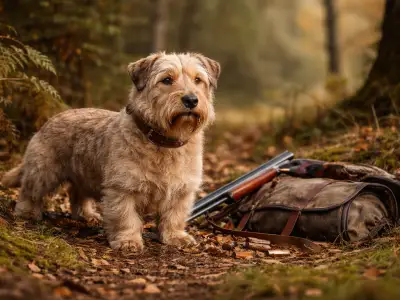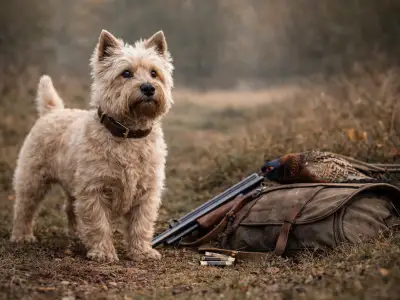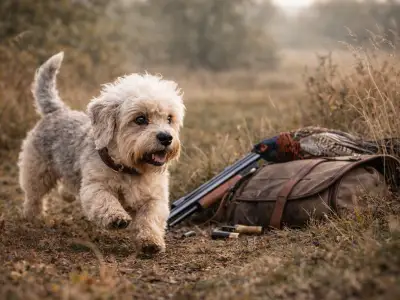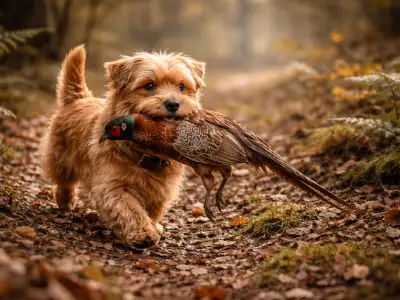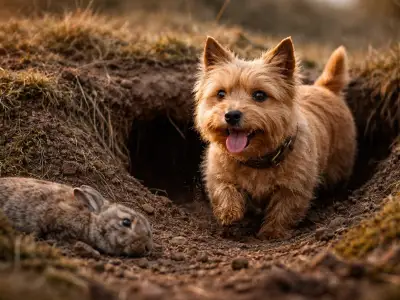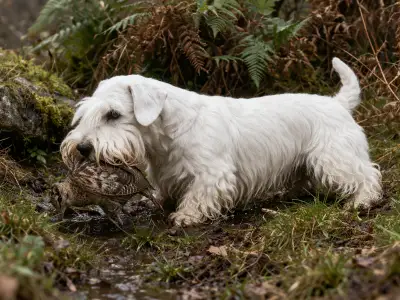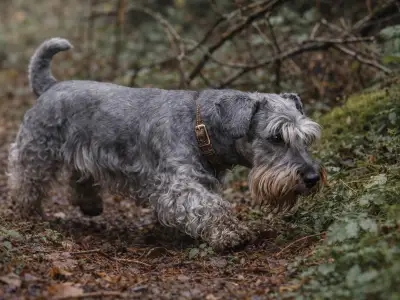
Soft Coated Wheaten Terrier
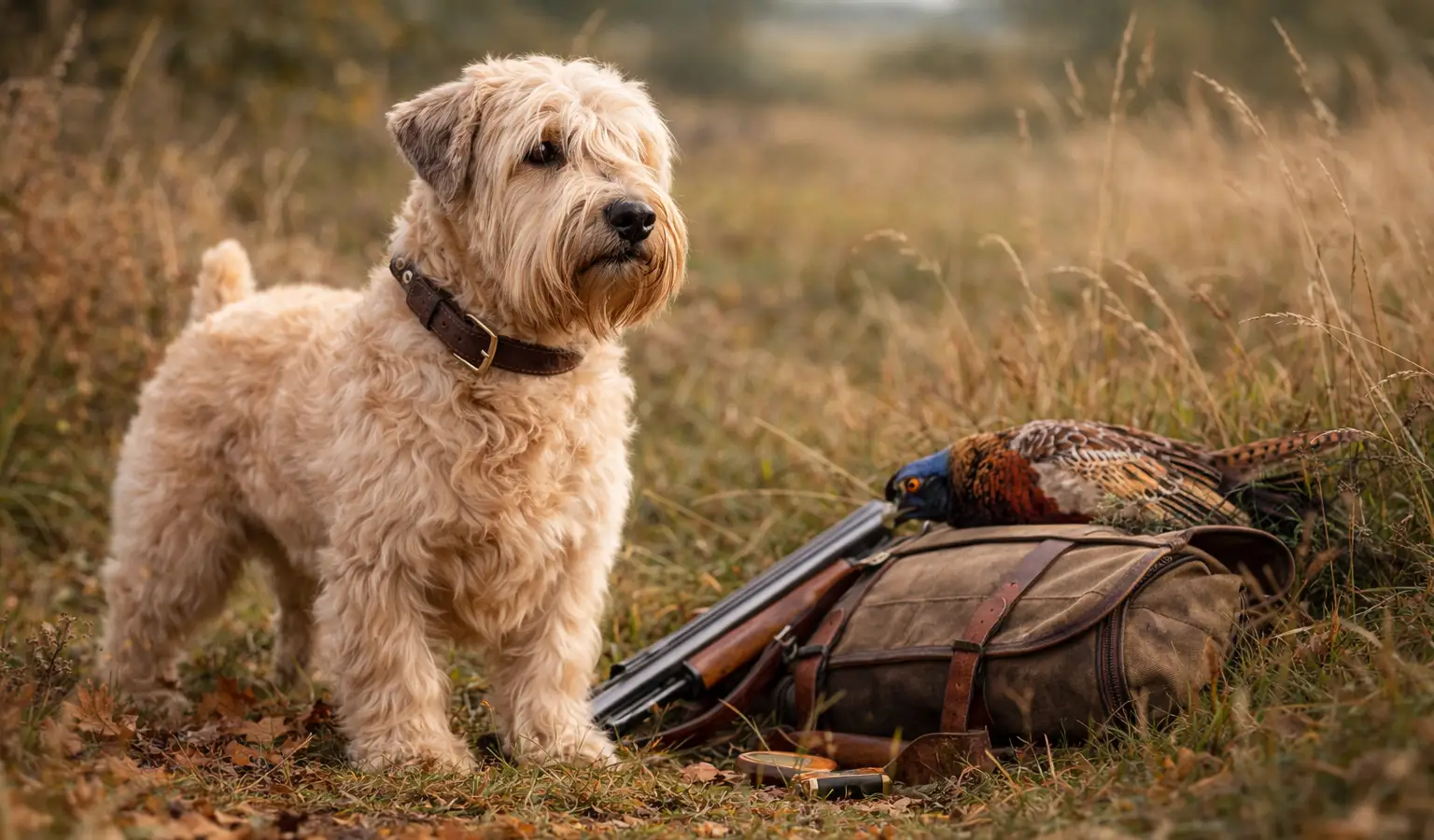
The Soft Coated Wheaten Terrier is a friendly, cheerful and affectionate dog, known for its silky coat and sociable temperament.
Life expectancy
12 – 15 years
Price
1200 – 2200 €
Monthly budget
75 €
Size
Medium
Profile
Soft Coated Wheaten Terrier
Origin
Ireland
Year of origin
1800
Developed by
Irish farmers
Size
Medium
Coat type
Long coat
Owner profile
Active owner
Hypoallergenic
Yes
Litter size
5
Life expectancy
12 – 15 years
Price
1200 – 2200 €
Female
- Height : 43 – 46 cm
- Weight : 14 – 17 kg
Male
- Height : 46 – 48 cm
- Weight : 17 – 20 kg
Temperament & abilities
Affectionate
5/5
Calm
3/5
Independent
3/5
Intelligence
4/5
Obedience
4/5
Hunting instinct
3/5
Energy level
4/5
Good with children
5/5
Dog-friendly
4/5
Friendly with strangers
5/5
Hunting profile
Stamina
4/5
Hunting drive
2/5
Independence
3/5
Trainability
3/5
Beginner-friendly
3/5
Family compatibility
5/5
Feather game
1/5
Fur game
2/5
Underground work
2/5
Water work
1/5
These indicators help compare breeds and choose the right one for your hunting style.
Game & abilities
Estimated ability level by game type.
Budget
Purchase price
1200 – 2200 €
The price may vary depending on the breeder, bloodline, and region.
Average monthly cost
75 €
Estimated average: food, healthcare, accessories, and grooming.
A versatile terrier with real working instinct, but not the easiest fit for every hunter
Is the Soft Coated Wheaten Terrier a Good Hunting Dog?
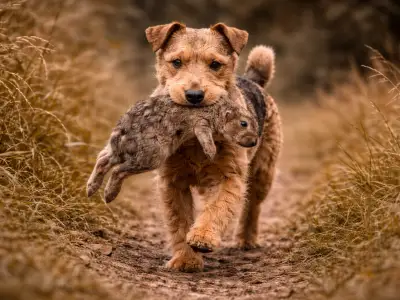
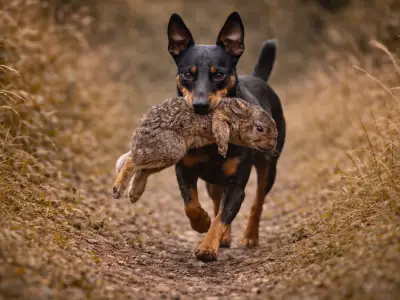
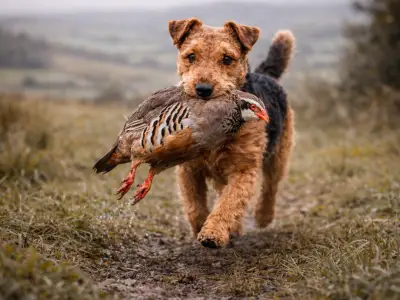
The Soft Coated Wheaten Terrier can be a capable hunting dog in the right hands, especially for vermin control, rough farm work, and some forms of close-range terrier hunting. It has the courage, alertness, nose, and stamina typical of a working terrier, but it is not usually the first choice for hunters who want highly specialized field performance, very polished handling, or effortless recall at distance. In practical terms, this breed makes the most sense for someone who values a lively, game little worker that can also live closely with the family.
In the field, the Wheaten tends to work with energy and initiative rather than the highly structured pattern seen in many purpose-bred gundogs. Its hunting style is generally more terrier-like: searching actively, investigating cover, reacting quickly to movement, and showing determination when faced with difficult ground or stubborn quarry. That can make it useful around farms, hedgerows, small cover, and mixed rural terrain. A good individual may show decent scenting ability and plenty of persistence, but handling can be less automatic than with breeds selected more strongly for cooperative work at range.
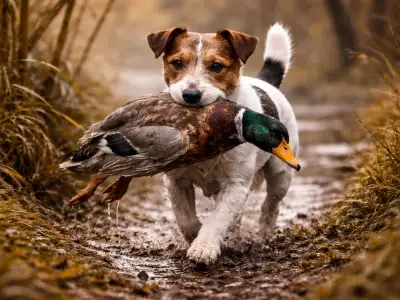
Training matters a great deal with this breed. A Soft Coated Wheaten Terrier is intelligent and often willing, yet it may also be independent, easily stimulated, and inclined to make its own decisions when excited. Recall, steadiness, and reliable response around game usually require patient, consistent work from a young age. Harsh handling is rarely productive; clear structure, repetition, and well-managed outlets for energy tend to produce better results. Some dogs may retrieve willingly, but retrieve work is not the breed's clearest natural specialty.
- Strengths: courage, lively nose, determination, stamina, versatility, and an easier family temperament than some harder terriers.
- Limitations: variable recall, independent working style, less precision than specialist hunting breeds, and a need for regular training to stay manageable.
- Best use cases: pest control, informal hunting, active rural homes, and owners wanting a terrier that can work and still fit into everyday family life.
For daily life, the balance is appealing if expectations are realistic. The Soft Coated Wheaten Terrier usually brings a high energy level, a cheerful temperament, and a strong need for activity, interaction, and mental engagement. It often suits active owners better than occasional hunters looking for a purely field-driven dog. Compared with more dedicated hunting breeds, it may give up some polish and consistency, but it can offer a rewarding mix of working instinct, personality, and companionable home life.
Ground-covering stamina
The Soft Coated Wheaten Terrier is an active, athletic worker that can keep going for long sessions when properly conditioned. In practical hunting terms, that means useful endurance for rough cover, mixed terrain, and busy days outdoors. It is not a heavy, slow terrier; many individuals show a lively, springy way of moving that helps them stay effective over time.
Bold in thick cover
One of the breed’s most valuable field qualities is its willingness to push into brambles, hedges, and awkward cover where game may hold tight. That terrier courage can be very useful for flushing and close work, especially when a hunter wants a dog that does not hesitate in tight, messy ground. Steadiness still depends heavily on training and individual temperament.
Versatile farm-hunt mindset
Historically, the Wheaten was often described as a practical all-around farm dog rather than a narrowly specialized hunting breed. For some owners, that is a real strength: it may suit mixed work better than highly specialized dogs. Many Wheatens are at their best with varied tasks such as pest control, light flushing, watchfulness, and active country living alongside regular family life.
Responsive with fair handling
Compared with some harder, more headstrong terriers, the Soft Coated Wheaten Terrier often responds well to consistent, calm training. This can make it easier to channel drive without constant conflict. For hunting homes, that matters in recall, patterning, and basic control around livestock or non-target animals. Harsh handling is usually counterproductive, while clear repetition tends to work better.
Fast reactions at close range
The breed’s terrier background often shows in quickness, alertness, and a sharp response to movement. Those traits are useful in close, opportunistic hunting situations where game may break suddenly from cover. Rather than relying on long-distance pointing or big-ranging search, many Wheatens are more convincing as lively, near-to-medium range workers that stay engaged with the action around them.
Best for active, hands-on owners
As a hunting companion, this breed usually suits people who want a spirited, trainable dog with real working instincts but also a strong place in family life. Its strengths are most visible when it gets regular exercise, structure, and purposeful outlets. Hunters looking for highly specialized scent-trailing or polished retrieving performance may prefer another type, but for flexible country use it can be appealing.
Who the Soft Coated Wheaten Terrier suits best
The Soft Coated Wheaten Terrier tends to suit an active owner who enjoys a bright, energetic dog with real terrier initiative rather than automatic obedience. In a hunting context, it is usually a better match for someone who wants a versatile, small-to-medium working companion for rough ground, pest control, and general farm or rural life than for a specialist expecting the steadiness of a dedicated gundog. Many Wheatens do best with consistent training, clear boundaries, and enough daily activity to keep their mind and body engaged.
It can also fit a lively family home if exercise, structure, and supervision are part of everyday life. The breed is often less suitable for very sedentary households, owners who dislike barking, chasing, or muddy coats, or first-time handlers hoping for an easy, low-maintenance terrier. A Soft Coated Wheaten Terrier may frustrate hunters who want long-distance range, highly polished recall under heavy distraction, or a dog that works in a very predictable, biddable way every time.
How an Irish farm terrier became the cheerful, versatile Wheaten known today
Origins of the Soft Coated Wheaten Terrier
The Soft Coated Wheaten Terrier is generally understood to be one of Ireland’s old native terriers, shaped less by formal early kennel breeding than by practical farm work. For generations, dogs of this type were valued by small farmers for being useful rather than fashionable: they helped control vermin, guarded property, and could turn a paw to many everyday jobs around the holding. Exact records from the earliest period are limited, so some details of its development remain partly inferred, but the broad picture is consistent: the Wheaten grew out of a working Irish terrier tradition that rewarded toughness, adaptability, and a manageable size.
That background helps explain the breed’s modern character. Unlike a highly specialized gundog or a heavy earth terrier bred for one narrow task, the Soft Coated Wheaten Terrier developed as an all-purpose farm dog with terrier instincts. It tends to combine alertness, initiative, and prey interest with a more sociable, people-oriented nature than some harder, sharper terrier lines. Many Wheatens still show enthusiasm for chasing small game, investigating scent, and reacting quickly to movement, which can make them entertaining and capable in active homes, but it also means recall and impulse control usually need real training rather than assumption.
The soft, wheaten-colored coat is one of the breed’s defining features today, yet the dog’s historical value would have rested far more on working ability than appearance. Over time, as the breed became more standardized and entered the show world, type and coat quality naturally received greater attention. Even so, the best modern Wheatens still reflect the old balance that made them useful: athletic enough for long walks and busy daily life, bold enough to engage with the environment, and generally adaptable when given structure. For hunters or country owners, that heritage can be appealing, but this is not typically a specialist hunting terrier in the same way as some intensely quarry-focused working strains.
In practical terms, the breed’s history points toward the kind of owner it suits best. A Soft Coated Wheaten Terrier often does well with people who enjoy an upbeat, energetic dog and are prepared for terrier independence, grooming commitment, and steady training. Its past suggests strengths in versatility, watchdog awareness, and everyday companionship, but also limitations for anyone wanting a very biddable, low-maintenance dog or a highly specialized hunting partner. The breed’s roots on Irish farms still show through most clearly in its lively working spirit: cheerful, capable, curious, and usually happiest when it has both close human contact and something purposeful to do.
Irish farm roots
The Soft Coated Wheaten Terrier developed in Ireland as an all-purpose farm dog rather than a highly specialized kennel creation. It was valued for versatility, helping with vermin control, watchdog duties, and general farm life. That background still helps explain the breed’s practical mindset, athletic build, and readiness to stay busy when given meaningful work.
A terrier with hunting instincts
As one of the hunting terriers, the Wheaten carries the alert, forward nature typical of dogs expected to notice movement and react quickly. Individuals can vary, but many show strong prey interest, persistence, and curiosity in rough cover. This can suit owners who enjoy an active dog, though it also means recall and impulse control usually need steady training.
Livelier than it looks
The soft coat and friendly expression can make this breed seem easier than it is, but daily life is often fairly energetic. Most Wheatens do best with regular exercise, structured play, and mental engagement rather than a short walk alone. Without enough activity and guidance, some may become bouncy, noisy, or too easily interested in chasing small animals.
Warm with people, still independent
Many Soft Coated Wheaten Terriers are affectionate, sociable dogs that enjoy close contact with their family, yet they do not usually lose the independent streak common in terriers. Training tends to work best when it is clear, consistent, and engaging. Heavy-handed handling is rarely helpful, while patient repetition and good timing often bring better results.
Coat care is real work
The breed’s hallmark coat is one of its attractions, but it comes with regular maintenance. A soft, growing coat can tangle if neglected, especially on an active dog moving through grass, mud, and brush. Prospective owners should expect frequent brushing and routine grooming, because this is not a truly wash-and-wear terrier for hard outdoor life.
Best for active, involved owners
This breed often suits people who want a companion with genuine terrier character but a more people-oriented feel than some harder, sharper working lines. It can fit family life well when exercise, training, and coat care are taken seriously. For hunters or outdoorsy owners, it is generally better seen as a versatile, lively companion than a specialist hunting dog.
Practical answers on hunting ability, training, exercise, home life, and owner fit
Soft Coated Wheaten Terrier hunting and lifestyle FAQ
Is a Soft Coated Wheaten Terrier a good hunting dog?
The Soft Coated Wheaten Terrier comes from working terrier stock, so it often has real hunting instincts, especially for vermin control, alerting, and close-range work. It is not usually the first breed people choose for specialized modern hunting compared with more purpose-bred gundogs or hard-driving earth terriers, but some individuals can be keen, brave, and very useful in the field. Much depends on bloodline, prey drive, training, and the type of hunting expected. For someone wanting a versatile, lively dog with genuine terrier character, it can make sense, but it is usually a better match for practical all-around country life than for highly technical hunting work.
What kind of hunting or field work suits a Soft Coated Wheaten Terrier best?
This breed is generally better suited to informal pest control, farm life, and active outdoor work than to highly specialized bird hunting or long-distance tracking. A Wheaten may enjoy searching rough ground, flushing small quarry from cover, or working around barns and rural property where quick reactions and confidence matter. Its terrier style tends to be energetic and opportunistic rather than methodical in the way many scent hounds or pointing breeds are. If you want a dog for occasional hunting use alongside family life, that can be a realistic goal, but expectations should stay practical and individual-dog based.
Are Soft Coated Wheaten Terriers easy to train for recall and control around prey?
Recall and impulse control can take real work because many Wheatens are lively, curious, and easily excited by movement. They are intelligent and often learn quickly, but terrier independence means they do not always offer automatic off-lead reliability without consistent training. Short, upbeat sessions, strong reinforcement, and early exposure to distractions usually help more than heavy-handed handling. Owners who want a dog safe around rabbits, squirrels, or livestock need to treat recall as an ongoing skill, not something finished in puppyhood. In hunting contexts, control is possible, but it often requires more management than with naturally handler-focused breeds.
Can a Soft Coated Wheaten Terrier live happily as a family dog if it also does some hunting?
In many homes, yes. The breed is often valued because it can be affectionate and lively indoors while still enjoying purposeful outdoor activity, which appeals to people who want one dog for family life and country pursuits. That said, a Wheaten usually needs daily engagement, clear rules, and enough exercise to prevent restless or unruly behavior. Families should also remember that an excited terrier can be bouncy and intense, especially when young. With sensible training and supervision, many do well in active households, but they are rarely a low-effort companion.
Is the Soft Coated Wheaten Terrier suitable for apartment living?
Apartment life can work for some Wheatens, but only if their exercise and mental needs are taken seriously every day. This is an energetic terrier, and a small home does not reduce the need for brisk walks, play, training, and chances to use its brain and nose. Owners should also consider excitability, greetings, and alert barking, which may need training in close living situations. A house with a secure yard is often easier, especially for highly active individuals, but the key issue is not square footage alone. A bored Wheaten in an apartment is usually much harder to live with than a well-managed one in a modest space.
How much exercise does a Soft Coated Wheaten Terrier really need?
Most need more than a quick walk around the block. A typical adult does best with a solid daily routine that includes energetic walks, free movement in a secure area, training games, and some problem-solving activity. Many also enjoy scent games, short retrieving sessions, or structured play that gives them a job instead of just physical outlet. Young adults can be especially busy and may seem tireless if they are only physically exercised without enough mental work. For hunting-minded owners, this breed usually benefits from varied activity rather than repetitive exercise alone.
Who is the Soft Coated Wheaten Terrier best suited for?
This breed usually suits owners who like terrier personality and can live with energy, initiative, and a bit of opinion. It often fits active families, rural households, and people who enjoy training and outdoor life more than those wanting an easy, highly biddable dog. A Wheaten can be a rewarding choice for someone who appreciates a cheerful companion with working roots, but it may be frustrating for first-time owners expecting instant obedience or low daily involvement. As a hunting companion, it tends to suit practical users with flexible expectations rather than specialists seeking a single-purpose field dog.