Kerry Blue Terrier
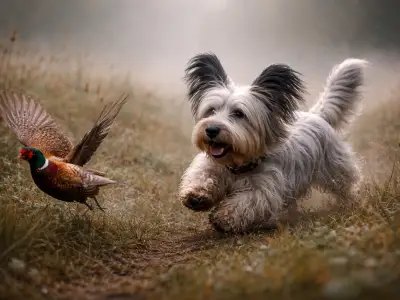
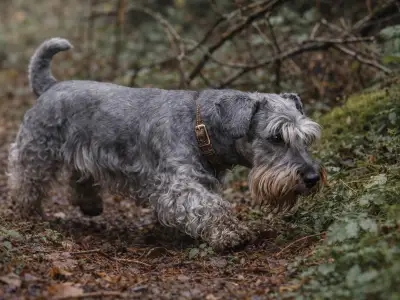
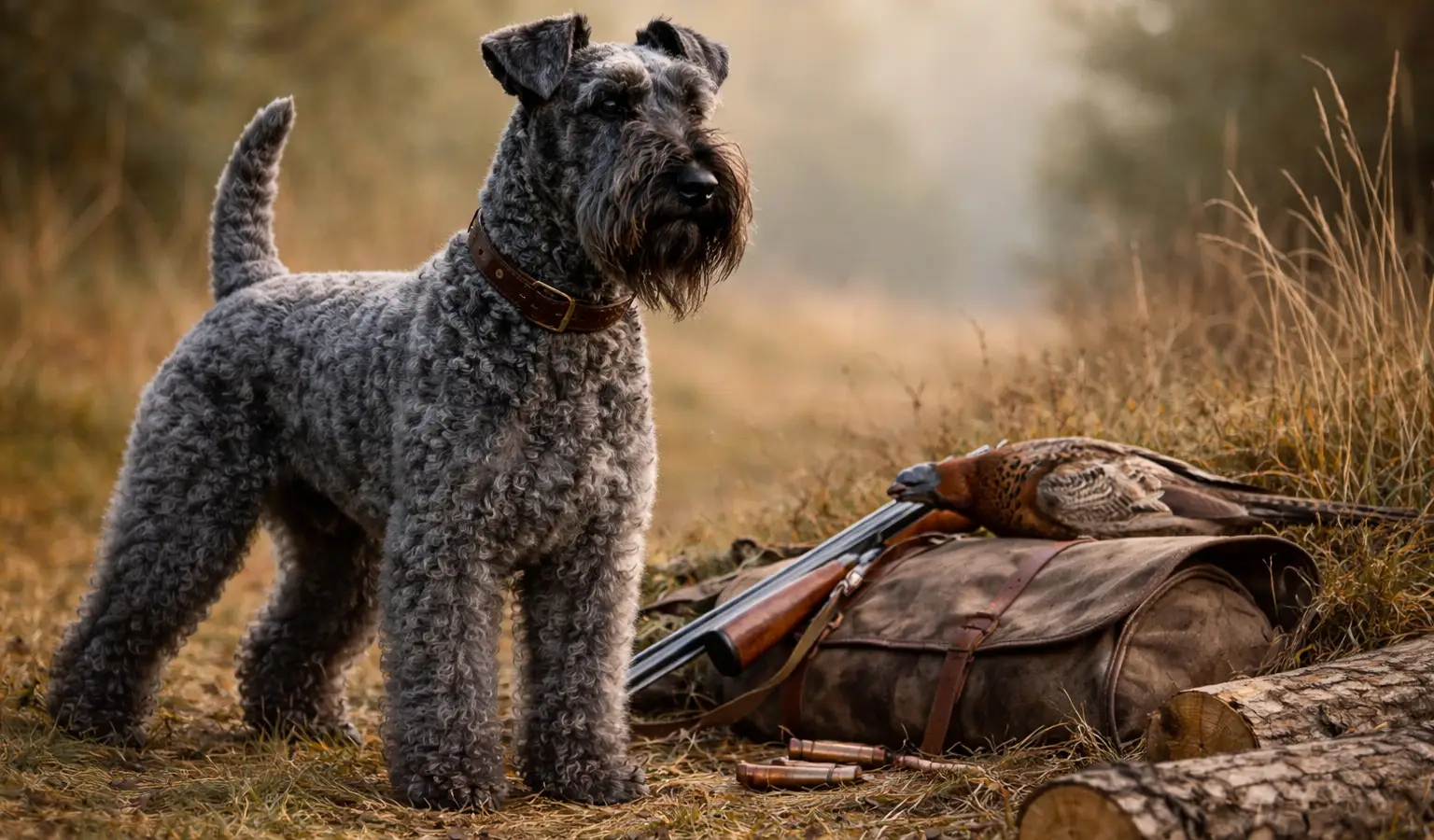
The Kerry Blue Terrier is an intelligent, energetic and versatile dog, known for its distinctive blue-gray coat.
Life expectancy
12 – 15 years
Price
1200 – 2200 €
Monthly budget
80 €
Size
Medium
Profile
Kerry Blue Terrier
Origin
Ireland
Year of origin
1900
Developed by
Irish breeders (Kerry)
Size
Medium
Coat type
Curly coat
Owner profile
Active owner
Hypoallergenic
Yes
Litter size
5
Life expectancy
12 – 15 years
Price
1200 – 2200 €
Female
- Height : 44 – 46 cm
- Weight : 14 – 17 kg
Male
- Height : 46 – 49 cm
- Weight : 15 – 18 kg
Temperament & abilities
Affectionate
4/5
Calm
3/5
Independent
4/5
Intelligence
5/5
Obedience
3/5
Hunting instinct
3/5
Energy level
4/5
Good with children
4/5
Dog-friendly
3/5
Friendly with strangers
3/5
Hunting profile
Stamina
4/5
Hunting drive
2/5
Independence
4/5
Trainability
3/5
Beginner-friendly
2/5
Family compatibility
4/5
Feather game
1/5
Fur game
3/5
Underground work
2/5
Water work
2/5
These indicators help compare breeds and choose the right one for your hunting style.
Game & abilities
Estimated ability level by game type.
Budget
Purchase price
1200 – 2200 €
The price may vary depending on the breeder, bloodline, and region.
Average monthly cost
80 €
Estimated average: food, healthcare, accessories, and grooming.
A bold, versatile terrier with real working ability, but not the easiest fit for every hunter or household.
Is the Kerry Blue Terrier a Good Hunting Dog?
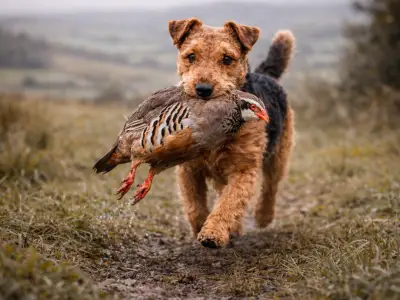
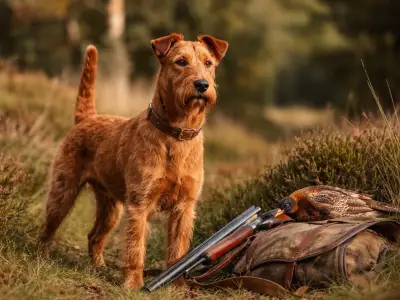
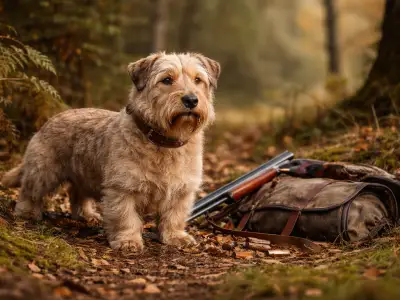
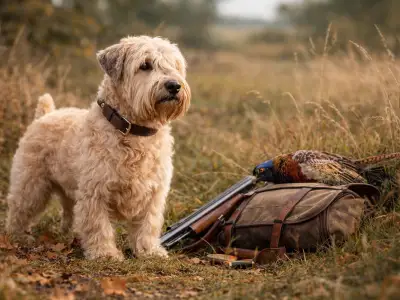
The Kerry Blue Terrier can be a capable hunting dog in the right hands, especially for terrier-style work that calls for courage, initiative, and persistence. It is not usually the first choice for hunters wanting a highly specialized pointing dog, scenthound, or soft-mouthed retriever, but it can suit practical vermin control, rough shooting support, and general-purpose work where a tough, energetic dog is useful. In other words, Kerry Blue Terrier hunting ability is real, but it tends to shine most with an experienced handler who appreciates an independent working style rather than constant close cooperation.
In the field, the breed often brings intensity, stamina, and plenty of self-belief. A good Kerry may use its nose well enough for close searching and problem-solving, and it typically has the boldness needed for difficult cover, awkward terrain, and determined quarry. That said, the working style can be strong-minded. Many Kerry Blues are not naturally easy, biddable dogs in the way some gundog breeds are, so recall, steadiness, and clean handling usually require patient training and regular reinforcement. If a hunter wants a dog that checks in constantly and takes soft direction at distance, this may not be the most natural match.
Its most coherent use cases are usually those that reward versatility and terrier character rather than polished specialization.
- Best suited for: vermin control, farm and smallholding work, rough ground, and active owners who want a tough all-round dog with working instincts.
- Less ideal for: handlers seeking a highly consistent retrieve, very soft temperament, or the cooperative pattern of a classic gundog.
- Training priority: recall, impulse control, calmness around other animals, and reliable response when arousal rises.
Energy level is high enough that daily life matters as much as field performance. A Kerry Blue Terrier usually needs meaningful exercise, training, and structure; without that, its drive can spill into frustration, nuisance barking, pushing boundaries, or overexcitement. With the right outlet, however, many live well as active family dogs, provided the household is comfortable with a lively terrier temperament and consistent boundaries. For someone comparing hunting breeds, the Kerry Blue is best seen as a game, robust, characterful worker with genuine abilities, but one that asks for more handling skill and more day-to-day management than easier, more naturally compliant hunting dogs.
Bold vermin hunter
The Kerry Blue Terrier was developed to tackle difficult quarry with real determination, and that terrier grit still shapes the breed. In practical hunting terms, this often means a dog willing to enter rough cover, pressure vermin, and stay engaged when the work gets noisy, muddy, or physically demanding. That courage can be a real asset, but it also needs steady control from the handler.
Useful all-round versatility
Unlike some terriers bred for a very narrow job, the Kerry Blue has long been described as a more versatile working dog. Depending on the line and training, individuals may handle ratting, farm pest control, rough shooting support, and general utility work better than many purely companion terriers. For hunters who value adaptability over extreme specialization, that flexibility is one of the breed's most practical strengths.
Athletic stamina in rough ground
This is an active, springy terrier with enough endurance for long walks, busy days outdoors, and repeated bursts of effort through dense cover. A fit Kerry Blue can stay effective in hedgerows, fields, and farm terrain where a softer or less driven dog might fade. It is better suited to handlers who enjoy regular exercise and consistent outdoor work than to occasional weekend activity only.
Responsive when well trained
The breed often combines terrier independence with a noticeably trainable side, which can make it more manageable than some harder-headed earthdog types. With clear rules, repetition, and fair handling, many Kerry Blues learn hunting routines, recall, and steadier field manners well. They are rarely dogs to drill mechanically, so success usually comes from engaged training rather than harsh pressure or endless repetition.
Sharp focus on moving quarry
Kerry Blue Terriers tend to notice movement quickly and commit to the job with intensity, a trait that can be very useful around vermin, rabbits, or other fast targets where legal and appropriate. That concentration helps in messy real-world conditions, especially around brush piles, outbuildings, and broken ground. The flip side is obvious: prey drive must be channeled carefully in daily family life and around smaller animals.
Best with an active, hands-on owner
One of the breed's real hunting advantages is not just instinct, but how well it suits a person who wants an involved working companion. The Kerry Blue tends to do best with owners who will train regularly, set boundaries, and give it meaningful outlets. For the right home, that produces a dog that can switch between lively field work and engaged family life more smoothly than its tough terrier reputation might suggest.
Who the Kerry Blue Terrier suits best
The Kerry Blue Terrier usually suits an experienced, hands-on owner who wants an energetic terrier with real character rather than an easygoing companion. For hunting-minded homes, it tends to fit someone who appreciates a bold, driven dog for active country life, vermin control, and varied outdoor work, while also wanting a dog that can live closely with the family. It often does best with people who enjoy training, setting rules, and giving the dog regular outlets for its brain and body. A Kerry Blue can be very rewarding, but it is rarely a low-effort breed.
It is less suitable for first-time owners expecting automatic obedience, for very sedentary households, or for people who want a dog that is naturally neutral with every dog it meets. As with many terriers, handling consistency matters, and prey drive, assertiveness, and boredom can become everyday problems if exercise and training are too light. In practical terms, this breed tends to suit:
- active owners who like structured walks, training, and purposeful play
- rural or suburban homes that can provide regular mental stimulation
- hunters or country households wanting a sharp, versatile terrier type
- families who can supervise interactions and maintain clear boundaries
How the breed’s history helps explain its confidence, drive, and adaptability today
Origins of the Kerry Blue Terrier: from Irish farm dog to versatile terrier
The Kerry Blue Terrier is generally understood to have developed in County Kerry, in southwest Ireland, where practical farm dogs were expected to do many jobs rather than specialize in just one. Exact early records are limited, so some details of the breed’s formation remain uncertain, but the broad picture is consistent: this was a hard-working Irish terrier shaped to control vermin, tackle small predators, guard property, and cope with rough ground and wet weather. That background still shows in the modern Kerry Blue’s bold temperament, problem-solving style, and strong need for purposeful activity.
Unlike some hunting breeds selected for a single task, the Kerry Blue seems to have been valued as an all-around country dog. Historical accounts often link it with ratting, farm protection, and occasionally work on badger or otter, though the extent of that use likely varied by region and by individual dog. What matters for today’s owner is the type of dog this selection tends to produce: energetic, determined, and often very confident in its own decisions. In the field, that can mean useful initiative and persistence; in daily life, it also means the breed usually benefits from early structure, clear handling, and consistent training.
Its rise from local working terrier to recognized breed came in the early 20th century, when Irish dog fanciers began formalizing type and presenting the Kerry Blue in shows and trials. As happens with many breeds, exhibition breeding and companion breeding gradually changed some lines, while working ability, toughness, and terrier intensity remained more visible in others. That is why present-day Kerry Blue Terriers can differ noticeably in drive, biddability, and sharpness, depending on bloodline and upbringing. Anyone considering one for hunting or active country life should look beyond appearance and ask specific questions about temperament, prey drive, and day-to-day manageability.
In practical terms, the breed’s history points to a dog best suited to owners who like a lively, engaged partner rather than an easy, low-input pet. A well-bred, well-handled Kerry Blue can be athletic, highly interactive, and rewarding to train, with the stamina and confidence that many terrier enthusiasts appreciate. The same heritage can also bring intensity, independence, and a tendency to test boundaries if under-stimulated. For hunters and active families alike, its past as a multipurpose Irish working terrier remains the key to understanding the breed today.
Irish working roots
The Kerry Blue Terrier is strongly associated with County Kerry in Ireland, where terriers were valued for versatile farm and hunting work. Early dogs were expected to control vermin, tackle small game, and serve as alert all-round companions. That practical background still helps explain the breed’s confidence, initiative, and lively working attitude.
Bred for versatility
Unlike some terriers developed for a single narrow task, the Kerry Blue was shaped as a multipurpose dog. Depending on line and region, it may have been used for ratting, den work, watchdog duties, and general farm help. For modern owners, that heritage often means a dog with drive, curiosity, and a strong desire to stay busy.
Bold, quick-minded temperament
This breed is often described as spirited, intelligent, and self-assured. Many Kerry Blue Terriers learn quickly, but they do not always respond well to repetitive or inconsistent handling. They tend to suit owners who enjoy active training, clear boundaries, and a terrier with opinions of its own rather than a soft, naturally biddable hunting dog.
A hunter’s terrier style
In the field, the Kerry Blue Terrier typically brings the classic terrier mix of intensity, persistence, and readiness to investigate cover. It may appeal to people who want a compact hunting terrier with presence and determination. At the same time, prey drive, sharpness toward small animals, and independent decision-making can require thoughtful training and control.
Coat care is part of ownership
The soft, curly coat is one of the breed’s signature features, but it is not low-maintenance in practice. Regular brushing, careful clipping, and routine grooming are usually needed to keep the coat tidy and comfortable. Prospective owners drawn to the elegant blue outline should also be ready for steady hands-on coat care throughout the dog’s life.
Best with an active household
Daily life with a Kerry Blue Terrier is usually easiest when the dog has both physical exercise and structured mental work. Many individuals can adapt well to family life, yet they are rarely a good fit for passive homes. They tend to suit experienced or engaged owners who want a lively terrier companion, not just a decorative dog.
Practical answers about prey drive, training, family life, housing, and owner suitability
Kerry Blue Terrier hunting and lifestyle FAQ
Is the Kerry Blue Terrier a good hunting dog today?
The Kerry Blue Terrier comes from working terrier roots and may still suit some forms of practical hunting or vermin control, especially in lines that have kept strong drive and solid nerve. That said, it is not one of the most commonly chosen hunting breeds today, so quality and instinct can vary more from dog to dog than in breeds bred almost exclusively for field work. Many Kerry Blues show boldness, initiative, and a willingness to engage with difficult terrain, but they also need careful training and a handler who understands terrier independence. For a hunter who wants a compact, tough, energetic dog and is realistic about training time, the breed can be interesting. For someone wanting a highly standardized, easy-to-read hunting specialist, another breed may be simpler.
What kind of hunting work can a Kerry Blue Terrier be used for?
Historically, the breed has been associated with vermin work and general farm utility, and some individuals may also be used around rough cover where courage and persistence matter. In practical terms, a Kerry Blue Terrier is more likely to fit pest control, flushing-type support, or informal small game work than highly specialized modern field roles. Success depends heavily on the individual dog, early exposure, steadiness around game, and whether the breeder values working ability. A Kerry Blue is not usually the first choice for hunters wanting a predictable pointing, retrieving, or pack-hound pattern. It tends to suit people who appreciate a versatile, strong-willed terrier rather than a narrowly specialized hunting machine.
Are Kerry Blue Terriers easy to train for hunting and recall?
They are intelligent and capable of learning fast, but easy is not always the right word. The Kerry Blue Terrier often combines problem-solving ability with a terrier's independent streak, which means recall, impulse control, and steadiness around scent trails usually require consistent repetition. Harsh handling can create conflict, while soft, unclear handling often gets ignored, so the best results usually come from calm structure, short focused sessions, and meaningful rewards. Early work on engagement, release cues, and switching from drive to control is especially important if the dog will hunt. A novice owner can succeed, but this is generally easier with coaching and realistic expectations.
Can a Kerry Blue Terrier live happily as a family dog if it also has hunting instincts?
In the right home, yes. Many Kerry Blue Terriers are affectionate with their people, lively in the house, and enjoyable companions, but they are rarely a low-input breed. A dog with strong prey drive still needs clear household rules, reliable outlets for energy, and careful supervision around smaller pets. Families often do best when they enjoy training, walks with purpose, and interactive play rather than expecting the dog to simply entertain itself in the yard. With good socialization and enough daily structure, the breed can balance family life and working instinct quite well.
Is the Kerry Blue Terrier suitable for apartment living or does it need land?
A large property is helpful, but it is not the deciding factor. A Kerry Blue Terrier can live in an apartment if the owner is committed to daily exercise, training, and mental work, because this breed's main need is not just space but active handling. Without enough structured activity, boredom can show up as restlessness, barking, destructive habits, or overreaction to movement. A house with a secure yard makes management easier, especially for a dog with prey interest, but the yard should not replace walks, games, and training. This breed usually suits active owners better than passive ones, regardless of home size.
How much exercise does a Kerry Blue Terrier really need each day?
Most adults need more than a quick walk around the block. A typical Kerry Blue Terrier does best with a mix of brisk walks, off-lead freedom where safe and legal, training drills, scent games, and regular tasks that engage its brain as well as its body. Many owners find that one longer activity period plus shorter sessions throughout the day works better than a single outing. Young dogs especially need guidance so excitement does not become constant over-arousal. If you want a calm dog at home, planned activity and consistent routines usually matter far more than occasional intense exercise.
Who is the Kerry Blue Terrier best suited to: hunters, sport owners, or active families?
The breed often fits best with people who genuinely enjoy handling a smart, energetic terrier and do not mind a dog with opinions. It can suit an active family, a sport-oriented owner, or a practical hunter, but usually not someone looking for a very easy first dog or a naturally compliant companion. Owners tend to do well when they value training, can read canine arousal levels, and are prepared to manage prey drive and social behavior thoughtfully. For hunting homes, choosing from lines with proven working ability is especially important. For family homes, the best match is usually a household that wants involvement, not just ownership.