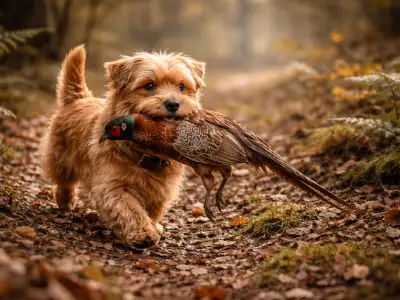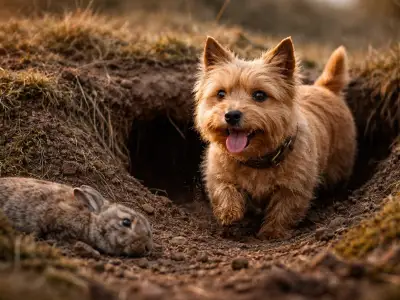
Jagdterrier
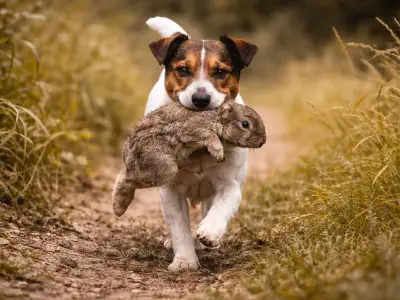
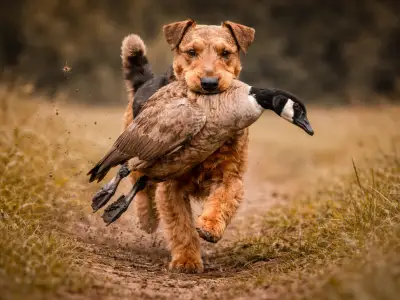
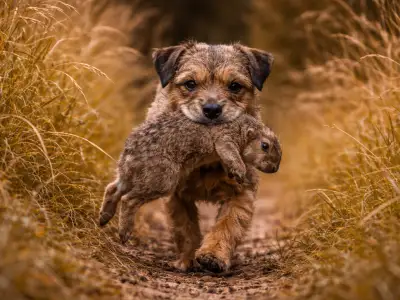
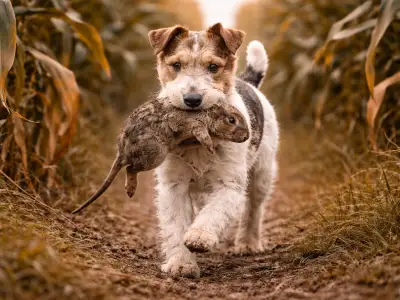
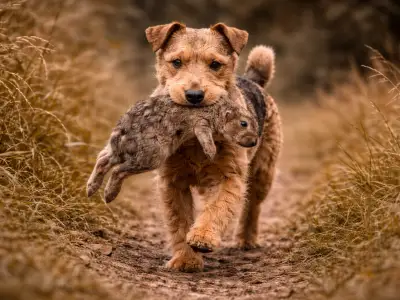
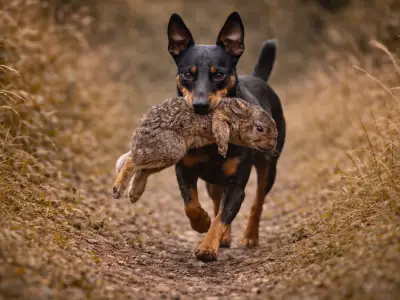
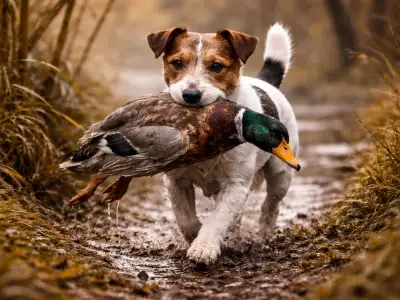
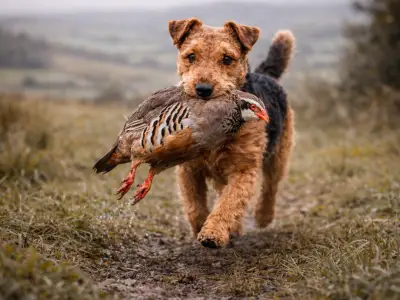
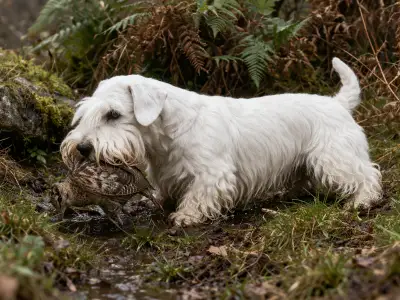
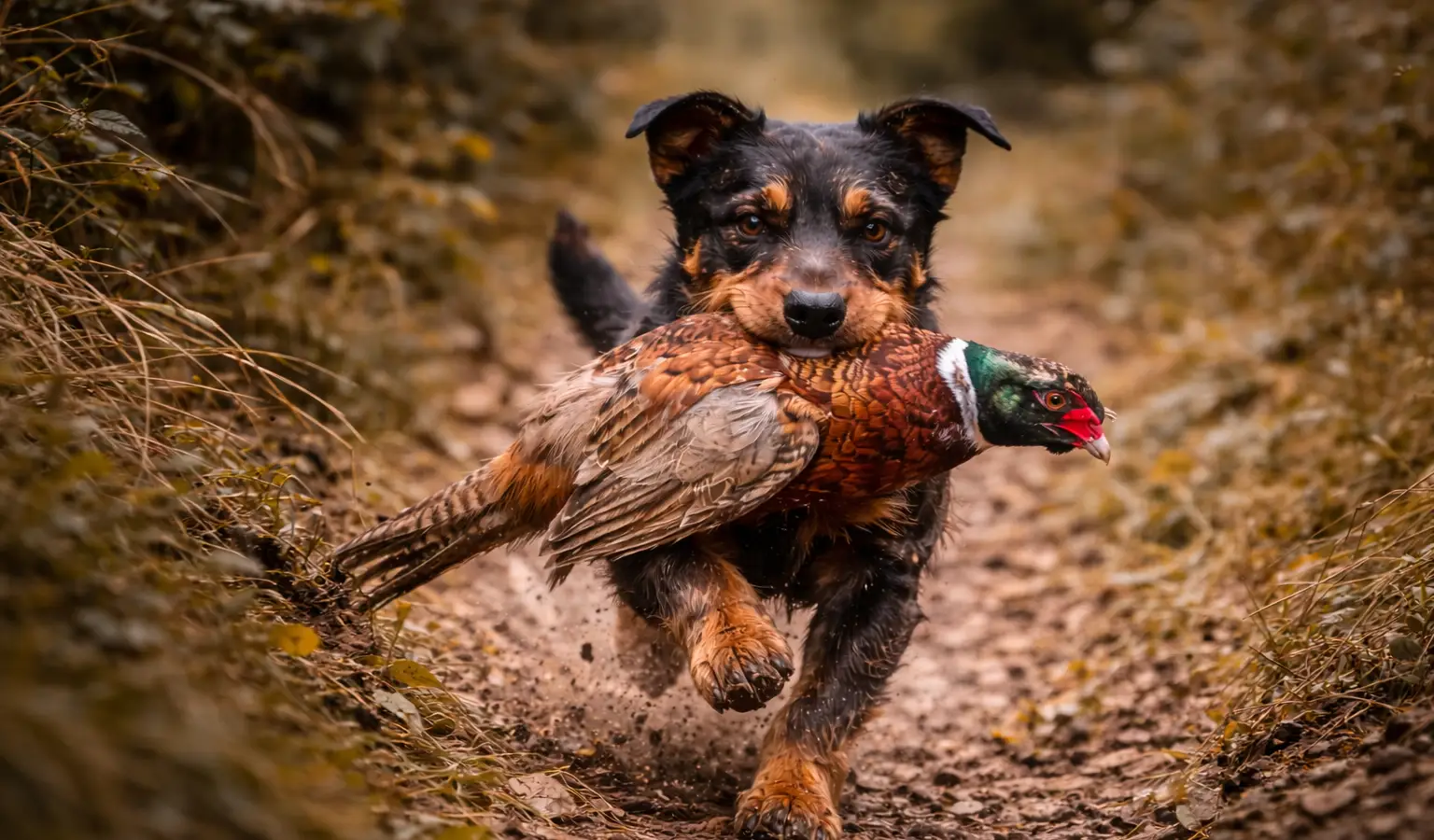
The Jagdterrier is a small but powerful hunting dog, bred specifically for underground work and game hunting. Compact, muscular and well-balanced, it is known for its courage, stamina and high prey drive. Its movement is free and energetic, with strong drive from the hindquarters.
Life expectancy
12 – 14 years
Price
800 – 1400 €
Monthly budget
65 €
Size
Small
Profile
Jagdterrier
Origin
Germany
Year of origin
1920
Developed by
German hunters
Size
Small
Coat type
Wire coat
Owner profile
Experienced owner
Hypoallergenic
No
Litter size
5
Life expectancy
12 – 14 years
Price
800 – 1400 €
Female
- Height : 33 – 40 cm
- Weight : 7 – 9 kg
Male
- Height : 33 – 40 cm
- Weight : 8 – 10 kg
Temperament & abilities
Affectionate
2/5
Calm
1/5
Independent
5/5
Intelligence
4/5
Obedience
3/5
Hunting instinct
5/5
Energy level
5/5
Good with children
2/5
Dog-friendly
2/5
Friendly with strangers
2/5
Hunting profile
Stamina
5/5
Hunting drive
5/5
Independence
5/5
Trainability
2/5
Beginner-friendly
1/5
Family compatibility
2/5
Feather game
1/5
Fur game
5/5
Underground work
5/5
Water work
2/5
These indicators help compare breeds and choose the right one for your hunting style.
Game & abilities
Estimated ability level by game type.
Budget
Purchase price
800 – 1400 €
The price may vary depending on the breeder, bloodline, and region.
Average monthly cost
65 €
Estimated average: food, healthcare, accessories, and grooming.
Hunting ability and working style
Yes—when bred and trained for work, the Jagdterrier is widely regarded as a very capable hunting dog, valued for gritty determination, strong drive, and the stamina to keep going in rough cover. It is not a pointing dog and typically won’t “point” game; instead, you’ll see an energetic search pattern with plenty of initiative, using nose and persistence to locate, pressure, and flush. Many hunters use the breed for small game and as an all-around utility terrier where boldness and toughness matter, especially in dense terrain.
Handling is the make-or-break piece. A Jagdterrier often works fast and can push distance if allowed, so recall and steady response to the handler should be treated as core skills from day one, not optional polish. Training is usually most successful when it’s structured, consistent, and job-focused—short sessions, clear criteria, and frequent reinforcement of whistle recall, stop, and returning promptly. Retrieving can be taught, but it’s not always as natural or as tidy as in dedicated retriever breeds, so expectations should fit the individual dog and the line.
- Strengths in the field: intensity, courage, strong prey drive, and endurance in thick cover and challenging terrain.
- Common handling needs: reliable recall, impulse control around quarry, and a workable search range that stays connected to the handler.
- Day-to-day balance: these dogs usually need meaningful outlets beyond a casual walk—regular training, scent work, and clear rules at home help them switch off and live more comfortably as family companions.
Intense prey drive
Bred as a working terrier, the Jagdterrier is known for a high level of hunt motivation and persistence. In the field, that drive often translates into energetic searching and a willingness to stay engaged on a track longer than many small breeds.
Bold in tight cover
This is a tough, forward terrier that typically pushes into brambles, reed beds, and rough ground with little hesitation. That confidence can be valuable when game holds tight or when conditions are wet, noisy, and distracting.
Strong nose for a terrier
Many Jagdterriers show solid scenting ability and a practical, methodical way of working scent on the ground. While individuals vary by lines and training, the breed is often appreciated for combining terrier grit with useful nose work.
Versatile use across game
Depending on local tradition and the dog’s schooling, Jagdterriers may be used for several tasks rather than just one specialty. Handlers often value them for being adaptable to different terrain and changing hunting scenarios.
Compact, agile athlete
Their size makes them easy to manage in dense vegetation and practical to transport, while their athletic build supports quick turns, short bursts of speed, and steady stamina. In challenging ground, that agility can be as important as raw speed.
Best fit: a hands-on hunter or highly active home
The Jagdterrier is built for people who want a small, tough hunting partner with serious drive. It tends to thrive with an owner who enjoys structured work—regular time in the field, clear rules at home, and training that channels intensity into purposeful tasks.
- Hunters who stay active: often best suited to those who regularly hunt and appreciate a gritty, persistent terrier, typically used for tasks like tracking or work around cover and den-like terrain (depending on local laws and training).
- Sport-focused owners: a strong match for experienced handlers who can provide advanced obedience and outlets such as scent work, tracking, or terrier-style field training.
- Busy, outdoorsy households: works best in homes that can offer daily mental work and firm boundaries; not ideal for a low-activity routine or long hours without engagement.
- Homes with other pets: can be manageable with careful socialization and supervision, but many individuals have a strong prey drive that may complicate life with small animals.
Jagdterrier history: a purpose-built German hunting terrier
The Jagdterrier (German Hunting Terrier) was developed in Germany in the early 20th century with a clear goal: a small, tough, highly driven terrier for practical hunting work. Breeders aimed for a dog that could reliably go to ground after fox and badger, track wounded game, and work in dense cover—more about performance in the field than show-ring style.
The breed’s foundation is generally linked to dark-coated terriers and targeted crosses involving working Fox Terriers and other hunting terrier types of the period, shaped under the influence of German hunting clubs. Over time, selection emphasized courage, sharpness, stamina, and a hard, weather-resistant coat, leading to the compact, athletic Jagdterrier known today. While individual lines can differ, the breed’s history is consistently tied to serious hunting use and a strong working temperament.
German working-bred roots
The Jagdterrier (German Hunting Terrier) was developed in early 20th-century Germany with a clear goal: a small, hard-driving terrier for practical hunting. Breeders focused less on show traits and more on a dog that would go to ground, track, and handle rough cover—so bloodlines can vary in style depending on whether they were shaped for fox, boar work, or general utility.
Temperament: intense and purposeful
This breed is typically bold, highly prey-driven, and quick to commit to a task. In day-to-day family life, that often shows up as high energy, strong opinions, and a need for clear boundaries. With consistent training and fair handling, many Jagdterriers are steady with their people, but they’re rarely casual, go-with-the-flow pets.
Living setup that suits them
Jagdterriers usually do best in homes that can offer structured outlets rather than “a long walk and hope for the best.” Secure fencing, predictable routines, and meaningful work—hunting, tracking games, scentwork, or vigorous training—help prevent frustration. In multi-pet households, especially with small animals, careful management is often needed because prey instincts can be strong.
Care and follow-up priorities
The coat is generally low-fuss, but the lifestyle isn’t. Plan for regular conditioning, nail and paw checks (especially after brush and rocky ground), and ongoing training refreshers to keep drive channeled. Because working lines can be very determined, early socialization and periodic re-checks on recall, leash manners, and impulse control tend to pay off over the dog’s lifetime.
Practical questions for hunters and first-time owners
Hunting FAQ: Jagdterrier
Is a Jagdterrier a good choice for a beginner hunter or first-time dog owner?
It can be a challenging first breed because many Jagdterriers have intense drive, high stamina, and a strong independent streak. Beginners often do best when they have a mentor, a structured training plan, and safe places to work the dog regularly. If your household prefers an easygoing pet with minimal management, this breed may feel demanding.
What type of hunting is the Jagdterrier best suited for?
Many are used for tough, close-range work where grit and persistence matter, and they’re commonly associated with quarry like fox or wild boar in some regions. Some individuals also do solid tracking and recovery work on wounded game when trained carefully. The best fit depends on the dog’s lines, early exposure, and the kind of hunting you realistically do.
How much training and exercise does a Jagdterrier need to stay manageable?
Plan on daily physical exercise plus regular mental work; a quick walk typically won’t be enough for this breed. Short, frequent training sessions with clear rules usually work better than long drills, and many owners benefit from structured outlets like tracking practice or controlled tug and retrieve. Without enough work, frustration behaviors like constant scanning, vocalizing, or pushing boundaries can become more noticeable.
Can a Jagdterrier be trusted off-leash in the field?
Off-leash reliability varies a lot, and strong prey drive can overpower recall if foundations aren’t solid. Many handlers use long lines early on, build recall with high-value rewards, and add distance and distractions gradually. In open areas with game present, careful judgment and appropriate gear matter, especially during adolescence.
Do Jagdterriers get along with other dogs and family pets?
Some can live well with other dogs when raised and managed thoughtfully, but same-sex tension and scrappiness can occur, particularly between confident adults. Small pets are often risky because prey drive can be strong, and “getting used to it” isn’t something to rely on. Early socialization helps, but ongoing supervision and sensible boundaries are still important.
What should I look for in a breeder or hunting lines if I want a working Jagdterrier?
Ask for clear information on what the parents actually do in the field, how they’re handled, and what traits the breeder prioritizes (hunt, voice, hardness, biddability). A good breeder can explain typical strengths and challenges in their line and match you with a pup that fits your experience level and hunting style. It’s also reasonable to ask about health screening, temperament, and how pups are started and socialized.