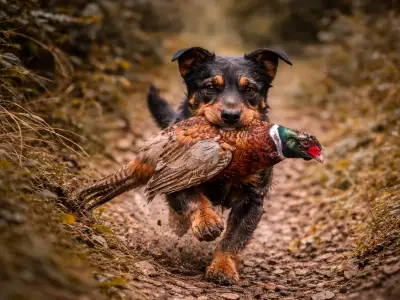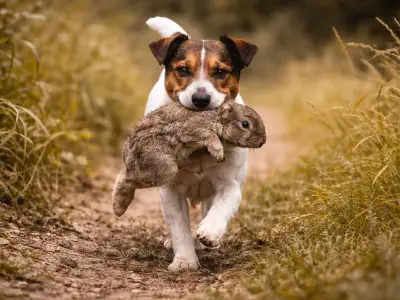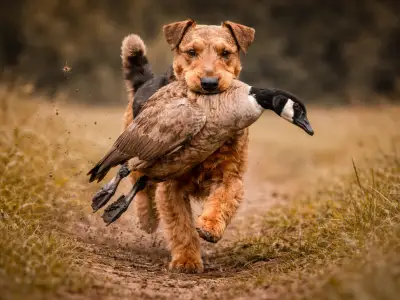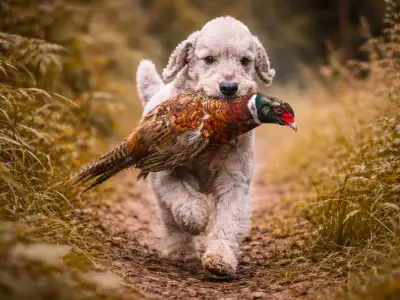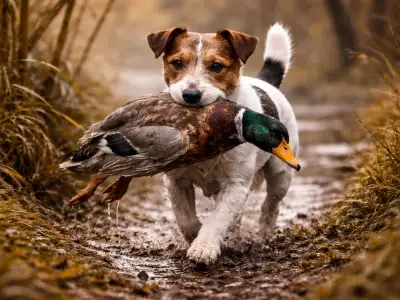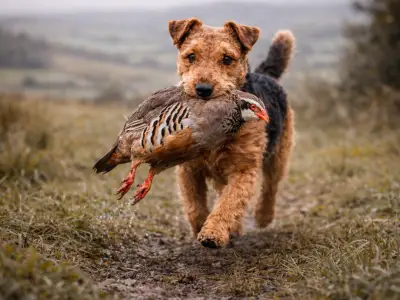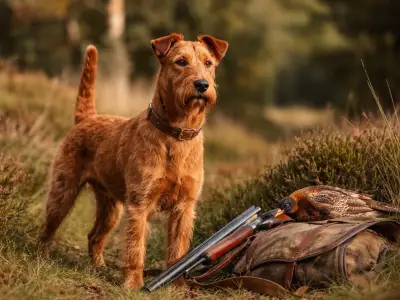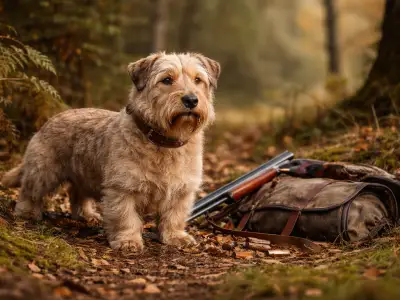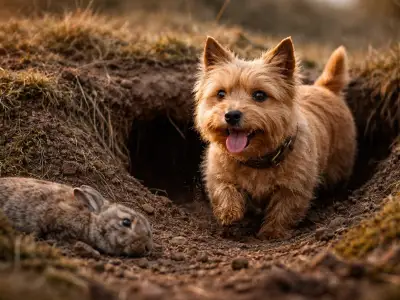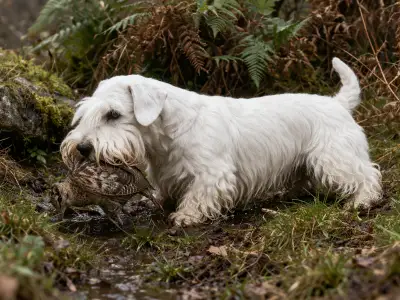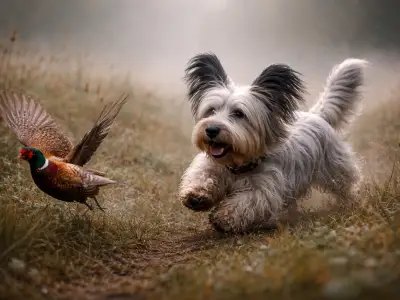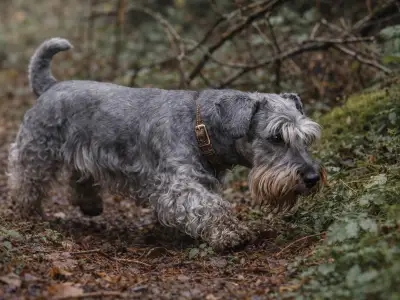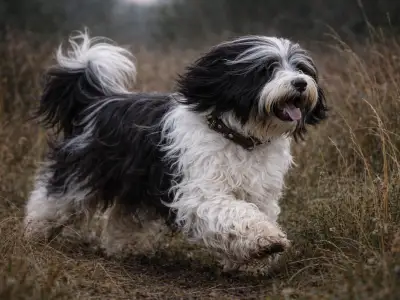
Norfolk Terrier
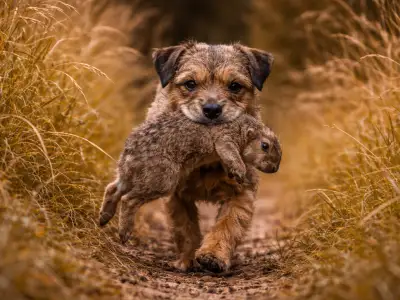
The Norfolk Terrier is a small, brave and friendly dog, known for its cheerful temperament.
Life expectancy
12 – 15 years
Price
1200 – 2200 €
Monthly budget
65 €
Size
Small
Profile
Norfolk Terrier
Origin
United Kingdom
Year of origin
1900
Developed by
English breeders (Norfolk)
Size
Small
Coat type
Wire coat
Owner profile
Active owner
Hypoallergenic
No
Litter size
3
Life expectancy
12 – 15 years
Price
1200 – 2200 €
Female
- Height : 23 – 26 cm
- Weight : 5 – 6 kg
Male
- Height : 23 – 26 cm
- Weight : 5 – 6 kg
Temperament & abilities
Affectionate
4/5
Calm
3/5
Independent
3/5
Intelligence
4/5
Obedience
4/5
Hunting instinct
4/5
Energy level
3/5
Good with children
4/5
Dog-friendly
4/5
Friendly with strangers
4/5
Hunting profile
Stamina
3/5
Hunting drive
3/5
Independence
4/5
Trainability
3/5
Beginner-friendly
3/5
Family compatibility
4/5
Feather game
0/5
Fur game
3/5
Underground work
4/5
Water work
0/5
These indicators help compare breeds and choose the right one for your hunting style.
Game & abilities
Estimated ability level by game type.
Budget
Purchase price
1200 – 2200 €
The price may vary depending on the breeder, bloodline, and region.
Average monthly cost
65 €
Estimated average: food, healthcare, accessories, and grooming.
A small hunting terrier with real grit, but a very specific job profile
Is the Norfolk Terrier a good hunting dog?
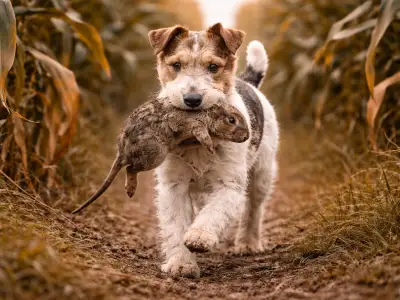
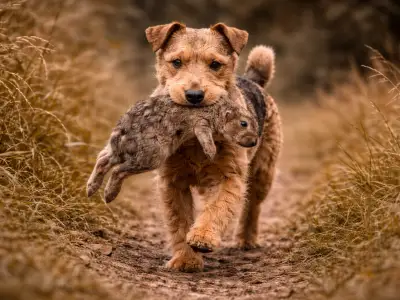
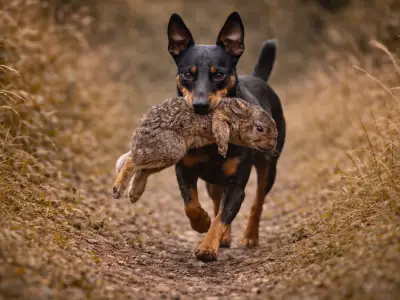
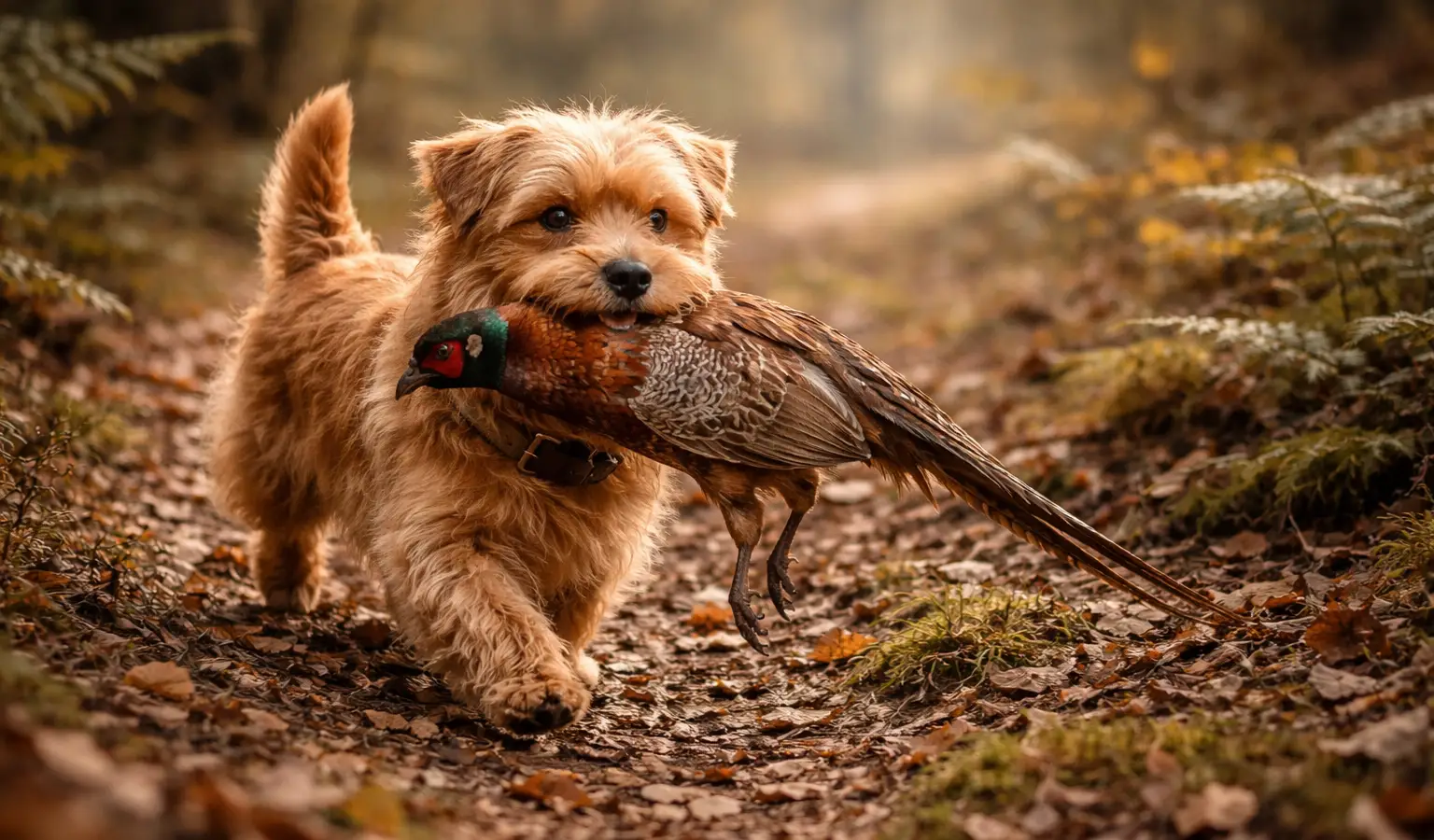
The Norfolk Terrier can be a good hunting dog, but mainly in the traditional terrier role rather than as a versatile all-round gun dog. This breed was developed for bold, close-range work on vermin and small quarry, with the courage, quick reactions, and determination that many people expect from a working terrier. For someone asking about Norfolk Terrier hunting ability, the honest answer is that it can be very effective in the right context, especially for pest control, ratting, and some types of earthdog-style work, but it is not the obvious choice for large-scale game work, long retrieves, or handlers wanting a highly biddable, wide-ranging hunting partner.
In the field, the Norfolk Terrier typically works with intensity rather than range. Its nose is useful, but its greatest assets are often persistence, confidence in tight spaces, and a practical search pattern suited to hedgerows, barns, farmyards, brushy edges, and other compact terrain. This is a dog that may shine where agility, toughness, and determination matter more than speed over distance. Stamina is respectable for its size, though the breed is still a small terrier and usually makes more sense for short, purposeful outings than for full days of demanding rough shooting.
Handling is where expectations need to stay realistic. Like many hunting terriers, the Norfolk Terrier can be keen, independent-minded, and strongly motivated once it locks onto scent or movement. That can make recall, steadiness, and off-switch training especially important. Trainability is often good when sessions are consistent and engaging, but this is not usually a breed that works with the same natural compliance as a typical gundog. Early exposure, clear boundaries, and regular practice around distractions matter if you want a Norfolk Terrier that is useful in the field and pleasant in daily life.
- Best fit: pest control, farm and yard vermin work, terrier-style hunting in close cover, active owners who enjoy training a small but driven dog
- Less ideal for: long retrieves, waterfowl work, big running days, or handlers wanting a highly cooperative distance worker
- Daily life balance: lively, entertaining, and generally manageable in size, but still energetic enough to need structure, outlets, and mental engagement
For many households, the Norfolk Terrier makes the most sense as a compact companion with authentic working instincts rather than as a specialist hunting dog for every task. It can suit people who want terrier temperament, real courage, and enough control to enjoy both country life and home life. Compared with larger hunting breeds, it asks for less space, but not necessarily less commitment. The most coherent use case is an owner who values a small, game little dog for practical vermin work and active everyday living, and who accepts that terrier character brings both charm and training demands.
Bold in tight quarters
The Norfolk Terrier was developed for traditional terrier work, and its biggest hunting asset is often its willingness to engage in cramped, high-pressure places. Many individuals show the courage and determination needed for vermin control around barns, hedges, and earths, while still being small enough to move where larger dogs cannot.
Sharp nose at close range
Although not a scenthound, the Norfolk Terrier can use its nose effectively in practical hunting situations. It often excels at locating fresh scent, checking cover methodically, and pinpointing where quarry is hiding. That makes it especially useful for close, hands-on work rather than wide-ranging search over large expanses of ground.
Compact but tireless
This is a small hunting terrier with surprising stamina. A fit Norfolk can stay active through long walks, repeated searches of rough cover, and busy days on a smallholding without seeming fragile. Its size is an advantage for transport and handling, but it still needs regular conditioning to perform well in real working conditions.
Focused on the job
Good Norfolk Terriers tend to lock onto the task in front of them, which is valuable in ratting and other short-range hunting jobs where persistence matters. That concentration can help them keep pressure on hidden quarry, though it also means recall and stop cues need steady training so drive does not override handler control.
Trainable with a fair handler
The breed can be responsive and quick to learn, especially when training is consistent, lively, and reward-based. Norfolk Terriers usually do best with handlers who respect terrier independence rather than trying to suppress it. For hunting use, they often respond well to clear routines, practical exposure, and short sessions that keep enthusiasm high.
Best suited to terrier work
The Norfolk Terrier is most convincing as a specialist for vermin control and close-cover hunting, not as an all-purpose gundog. It may show versatility in active country life, but expectations should stay realistic: its strengths are quarry location, pressure, and persistence at short range, especially for owners wanting a small, game little working companion.
Who the Norfolk Terrier suits best
The Norfolk Terrier tends to suit people who genuinely enjoy living with a busy, bold little dog rather than simply owning a small companion. For hunting-minded owners, it is often a better match for informal terrier work, vermin control, farm life, and active country routines than for handlers seeking a highly specialized large-game or wide-ranging hunting dog. Its size is convenient, but the terrier temperament is not soft or passive: many Norfolk Terriers are alert, game, curious, and ready to investigate every hedge, shed, and scent trail.
In family life, the breed usually fits best with households that can provide daily walks, play, training, and sensible boundaries. It may work well for active families, couples, or older owners who still want a lively dog and are comfortable managing prey drive, digging, and a strong independent streak. It is often less suitable for very sedentary homes, people who want an instantly obedient dog, or households full of fragile small pets unless introductions and management are especially careful. The best match is an owner who likes terrier character: cheerful, sturdy, entertaining, and a little determined.
How a small East Anglian ratter became a bold, companionable working terrier
Origins of the Norfolk Terrier
The Norfolk Terrier developed in eastern England, especially around Norfolk and the wider East Anglia region, where small, game little terriers were valued for practical farm and stable work. They were bred to dispatch rats and other vermin, and in some cases to go to ground after foxes or similar quarry when a compact, courageous dog was needed. As with many old working terriers, the early history is not perfectly tidy on paper, but the breed appears to have emerged from a local mix of small terrier stock selected less for looks than for usefulness, grit, and a manageable size.
For a period, the prick-eared and drop-eared dogs were often treated as closely related varieties, and they shared ancestry with what later became the Norwich Terrier. The modern Norfolk Terrier is the drop-eared version, formally recognized as a separate breed in the 20th century. That distinction matters because it reflects a broader shift from loosely defined working terriers toward more standardized breed types, while still preserving much of the original temperament: alert, self-confident, and keen to engage with its surroundings.
That background helps explain the Norfolk Terrier today. This is usually a lively, determined dog with a strong interest in scent, movement, and small animals, but also a notably sociable side for a terrier. Compared with some harder, more confrontational terrier types, many Norfolks are considered easier to live with day to day, though they still need clear training, outlets for curiosity, and sensible management around wildlife and pocket pets. Their working heritage tends to show as persistence rather than sheer size or intensity.
For hunters and active owners, the Norfolk Terrier makes the most sense as a small vermin-control terrier or an energetic companion with genuine earthdog instincts, not as a specialist for heavy work beyond its build. Its history points to a dog best suited to people who appreciate terrier independence but want a format that is portable, personable, and generally adaptable. In family life, that same past often translates into a dog that enjoys being involved, stays busy, and can fit well into a compact home, provided daily activity and training are not treated as optional.
East Anglia roots
The Norfolk Terrier developed in eastern England, especially around Norfolk and nearby farming country, where small, hard terriers were valued for controlling rats and bolting foxes from cover. It shares early history with the Norwich Terrier, and the two were separated mainly by ear carriage, with the Norfolk recognized as the drop-eared variety.
Bred for practical work
This is a small hunting terrier shaped by usefulness rather than ornament. Breeders generally favored courage, weather-resistant coat texture, agility in tight places, and enough voice to signal action without creating a fragile toy-sized dog. In the field, that often translates to a keen earthdog instinct and a bold, forward attitude.
Game little character
Norfolk Terriers are often described as lively, confident, and sociable for a working terrier, but they still carry real grit. Many are affectionate with their people and easier to live with than some sharper terrier types, yet they may be stubborn, excitable, or quick to chase small animals if training and boundaries are inconsistent.
Best suited to active homes
The breed usually fits owners who want a compact dog with genuine terrier energy, not a decorative lap dog. A Norfolk can adapt to country life or town living if given daily activity, training, and mental outlets. It tends to suit people who enjoy interactive walks, games, and close day-to-day companionship rather than a highly independent kennel dog.
Small hunter, busy mind
Despite its size, the Norfolk Terrier typically needs more than a quick stroll around the block. Regular walks, scent games, short training sessions, and opportunities to explore help keep behavior manageable. Many individuals enjoy earthdog-style tasks or controlled hunting exposure, while boredom may show up as barking, digging, or determined household mischief.
Coat and handling needs
The harsh, wiry coat was meant to protect the dog in rough cover and damp conditions, and it needs steady upkeep to stay functional. Many owners rely on hand-stripping rather than routine clipping to preserve texture. The breed is usually trainable with clear, upbeat handling, but harsh methods can reduce cooperation without softening terrier determination.
Practical answers for people considering the Norfolk Terrier as a working terrier, companion, or both.
Norfolk Terrier hunting and everyday life FAQ
Is a Norfolk Terrier a good hunting dog or mostly a companion today?
The Norfolk Terrier comes from working terrier roots, and many still show the traits that made small earthdogs useful: boldness, curiosity, persistence, and a strong interest in scent and movement. In practice, most modern Norfolk Terriers are kept primarily as companions, but some lines may retain more working drive than others. They are not a general-purpose hunting dog in the same sense as a retriever or hound, yet they can suit owners interested in traditional terrier work, vermin control, and active outdoor life. If hunting ability matters to you, it is worth looking closely at pedigree, temperament, and the breeder's understanding of working traits rather than assuming every Norfolk will perform the same way.
What kind of prey drive does a Norfolk Terrier usually have?
Many Norfolk Terriers have a noticeable prey drive, especially toward rats, mice, and other small fast-moving animals. That instinct can make them lively and enthusiastic outdoors, but it also means recall should never be taken for granted, particularly around hedgerows, barns, and fields. Some individuals are more manageable than others, and early training helps, but instinct often remains strong. For daily life, owners should think in practical terms: secure fencing, thoughtful leash use, and controlled introductions to small pets are usually more realistic than expecting the dog to simply ignore movement.
Are Norfolk Terriers easy to train for hunting and everyday obedience?
Norfolk Terriers are generally intelligent and capable, but they tend to think like terriers rather than dogs that are bred to work in constant close cooperation. That means training often goes best when it is clear, consistent, and interesting, with short sessions and strong motivation rather than repetitive drilling. For hunting-related work, channeling natural drive matters as much as teaching commands, and some dogs may mature into steadier workers than others. In everyday obedience, they can learn well, but owners should expect moments of independence and should put real effort into recall, impulse control, and polite lead manners from an early age.
Can a Norfolk Terrier live happily with a family and children?
In many homes, the Norfolk Terrier does very well as a family dog because it is small, sturdy for its size, and often sociable and engaging. It usually suits families who want an active little dog involved in walks, play, and daily routines rather than one that is content to be decorative. As with any terrier, success around children depends on supervision, respectful handling, and teaching both dog and child good boundaries. A well-bred, well-socialized Norfolk can be affectionate and cheerful, but families should still be prepared for terrier traits such as excitability, barking at activity, and a willingness to chase small animals.
Is the Norfolk Terrier a good choice for apartment living?
A Norfolk Terrier can adapt to apartment life better than many larger hunting breeds, but size alone does not make the breed easy. This is a lively, alert terrier that usually needs daily activity, mental engagement, and enough routine to prevent boredom from turning into barking, digging, or general busyness. Apartment living tends to work best when the dog gets purposeful walks, sniffing time, play, and some training or puzzle work every day. People looking for a very quiet, low-maintenance small dog may find the Norfolk more demanding than expected, while active owners often find it manageable and enjoyable.
How much exercise does a Norfolk Terrier really need?
The Norfolk Terrier is small, but it is not a minimal-exercise breed. Most need a solid daily rhythm of walks, free movement in a secure area when possible, and tasks that let them use their nose and brain, not just a quick trip outside. Many are happiest when they get varied activity such as trail walks, games, short training sessions, and opportunities to explore. The exact amount depends on age, temperament, and line, but people should expect a dog that wants regular engagement and can become noisy or restless if its energy and instincts are consistently underused.
Who is the Norfolk Terrier best suited to, and who may struggle with this breed?
The Norfolk Terrier usually suits owners who like terrier character: lively, observant, game, and sometimes a little opinionated. It can be a strong match for active households, experienced small-dog owners, country or village homes, and people who appreciate a compact dog with genuine working heritage. It may be less suitable for someone wanting effortless off-lead reliability, a very soft or placid temperament, or a dog that will ignore wildlife and small moving animals. First-time owners can succeed, but they generally do best when they are realistic about training, management, and the fact that a small hunting terrier often behaves like a true terrier, not a toy breed.