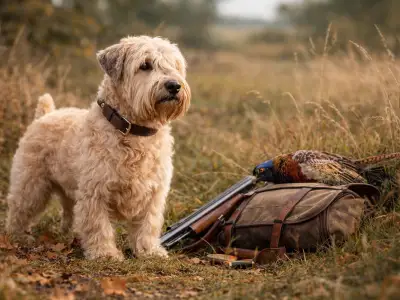
Sealyham Terrier
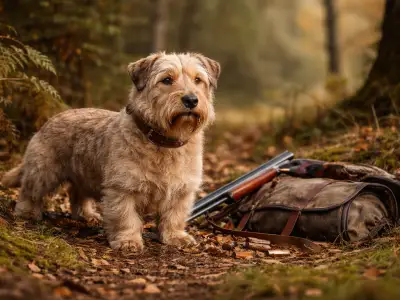
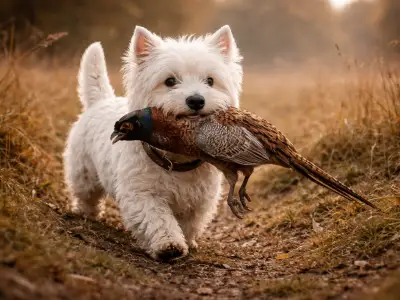
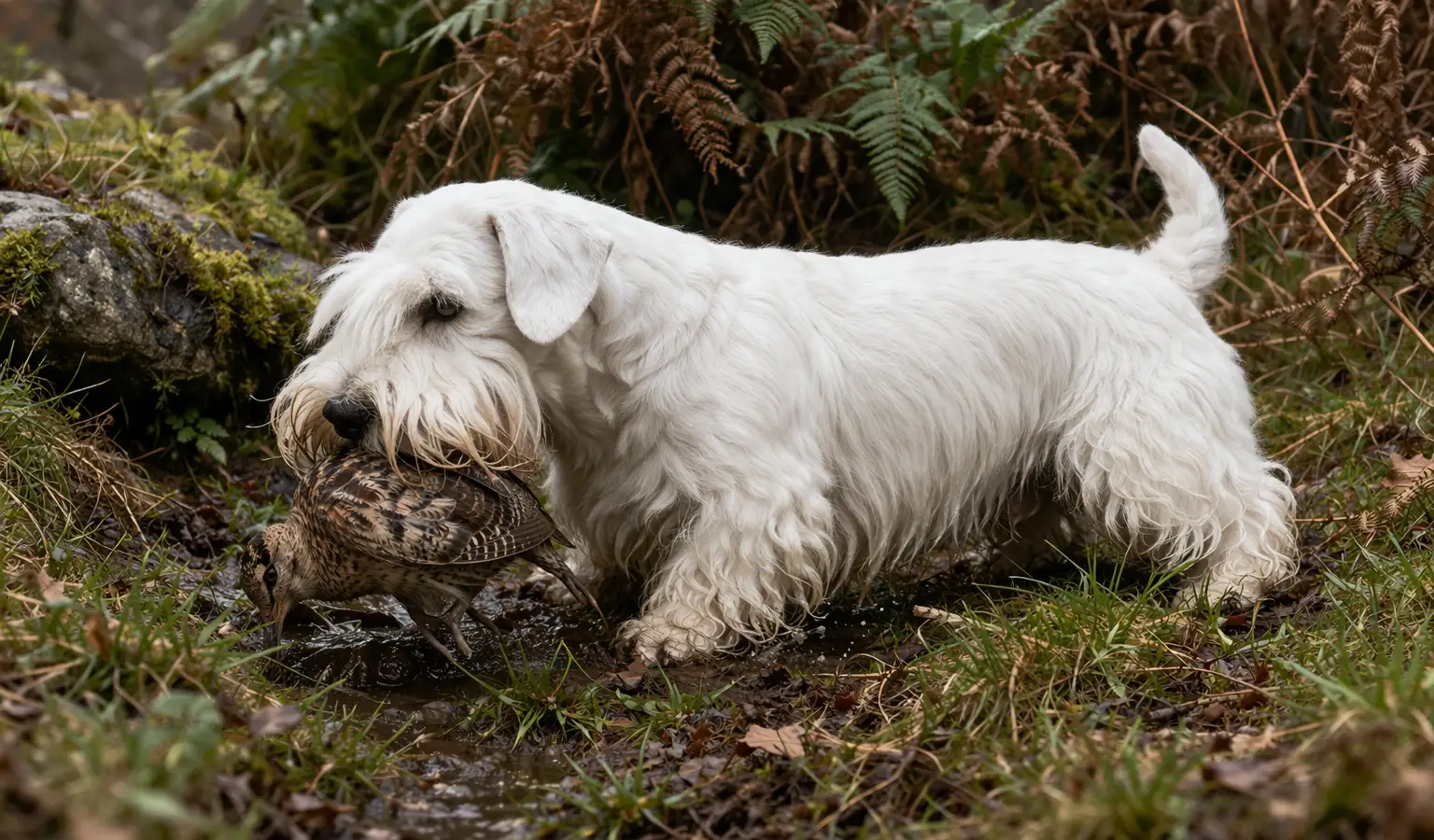
The Sealyham Terrier is a small, sturdy and courageous terrier. Once used for vermin hunting, it is now valued as a calm, affectionate companion with a confident terrier spirit.
Life expectancy
12 – 14 years
Price
1200 – 2200 €
Monthly budget
70 €
Size
Small
Profile
Sealyham Terrier
Origin
United Kingdom
Year of origin
1850
Developed by
Captain John Edwardes
Size
Small
Coat type
Wire coat
Owner profile
Calm owner
Hypoallergenic
Yes
Litter size
4
Life expectancy
12 – 14 years
Price
1200 – 2200 €
Female
- Height : 25 – 31 cm
- Weight : 8 – 9 kg
Male
- Height : 25 – 31 cm
- Weight : 9 – 11 kg
Temperament & abilities
Affectionate
4/5
Calm
4/5
Independent
3/5
Intelligence
4/5
Obedience
4/5
Hunting instinct
3/5
Energy level
2/5
Good with children
4/5
Dog-friendly
3/5
Friendly with strangers
3/5
Hunting profile
Stamina
2/5
Hunting drive
2/5
Independence
4/5
Trainability
3/5
Beginner-friendly
3/5
Family compatibility
4/5
Feather game
0/5
Fur game
2/5
Underground work
3/5
Water work
0/5
These indicators help compare breeds and choose the right one for your hunting style.
Game & abilities
Estimated ability level by game type.
Budget
Purchase price
1200 – 2200 €
The price may vary depending on the breeder, bloodline, and region.
Average monthly cost
70 €
Estimated average: food, healthcare, accessories, and grooming.
A compact working terrier with real courage, but a fairly specific hunting profile
Is the Sealyham Terrier a Good Hunting Dog?
The Sealyham Terrier can be a capable hunting dog for the right kind of work, especially traditional terrier tasks involving close cover, vermin control, and determined ground work. It is not usually the first choice for hunters seeking range, speed, or versatile all-round field performance, but it does bring classic terrier qualities: courage, persistence, a practical nose, and the willingness to push into tight, rough terrain. In modern terms, Sealyham Terrier hunting ability makes the most sense for people who want a small, tough dog for focused work rather than a broad-spectrum hunting companion.
Its working style is typically more methodical than flashy. A Sealyham often searches at relatively close range, which can make handling easier than with harder-driving terriers, but that does not mean it is soft or automatically obedient. Like many hunting terriers, it may show strong independence, selective hearing when excited, and a readiness to engage with quarry if not carefully trained. Recall, steadiness, and control around scent and movement usually need deliberate work from an early age. A reliable retrieve is possible in some individuals, but it is not a defining breed strength in the way it is for gundogs.
In the field, the breed tends to suit dense cover, farm environments, hedgerows, and practical pest control more than big-country hunting days. Its compact size can be an advantage in awkward spaces, and its stamina is often solid for its build, though it is not an endurance specialist built to cover vast distances all day. The best use cases are usually coherent, small-scale working situations where boldness, persistence, and manageable size matter more than speed or wide search.
- Strengths: courage, close working style, good determination, useful in thick cover and around holdings
- Limitations: not a classic versatile gundog, recall may require serious work, retrieve is variable, range and pace are moderate
- Handling: benefits from calm, consistent training and clear boundaries rather than harsh correction
- Daily life: often easier to live with than a large high-drive hunting breed, but still needs outlets, structure, and mental engagement
For a hunter or country owner comparing breeds, the Sealyham Terrier is most convincing when chosen for specific terrier work and for its balance between field character and everyday companionship. It can fit family life better than some more intense working terriers if well bred and well managed, but it still has genuine terrier temperament. In other words, this is a breed for someone who appreciates controlled toughness in a smaller package, not for someone wanting a highly biddable, multipurpose hunting dog.
Bold in tight cover
The Sealyham Terrier was developed for going after quarry in cramped, difficult places, and that heritage still shows in many lines. It tends to be notably game for its size, with the kind of courage that suits earthwork, dense hedgerows, and rough cover where a softer dog may hesitate. Good judgment from the handler still matters, because boldness can tip into overcommitment if training is weak.
Useful working nose
Although not a specialist scenthound, the Sealyham often offers a practical, honest nose for a terrier. It can be effective at locating scent in broken ground, farm edges, and mixed cover, then following up with determined close work. For hunters who want a small dog that can hunt with purpose rather than simply dash about, this is a meaningful strength.
Steady, close-range worker
One of the breed’s more appealing field qualities is that it may work in a compact, manageable pattern compared with some more frantic terriers. That can make the Sealyham easier to keep within gun range and easier to monitor around boundaries, livestock, or roads. For owners who value control and a dog that stays engaged with the team, this temperament can be especially useful.
Strong focus on the job
When switched on, a good Sealyham can show impressive concentration for a small terrier. Rather than constantly changing task or range, it may lock onto scent, cover, or a specific patch of ground and work it thoroughly. That kind of persistence is valuable in practical vermin control and traditional terrier hunting, especially when patience matters as much as speed.
Compact but durable
The Sealyham is not built for endless, high-mileage pursuit like some larger hunting dogs, but it often combines a sturdy frame with enough stamina for purposeful sessions in the field. Its size is an advantage where a smaller, robust dog is needed to get into awkward places, travel easily, and still cope with demanding terrain over the course of a hunt.
Trainable with firm consistency
This is not usually a terrier that thrives on harsh handling, yet many respond well to calm, consistent training and clear routines. That matters in hunting, where recall, steadiness, and controlled drive are more valuable than raw excitement. The breed often suits an owner who wants genuine working character in a smaller package, but who is also prepared to channel independence carefully.
Who the Sealyham Terrier suits best
The Sealyham Terrier tends to suit an owner who wants a small but substantial dog with real terrier character rather than a purely ornamental companion. For active households, it can be an appealing fit when people enjoy regular walks, structured play, and consistent training, but do not necessarily want the relentless intensity seen in some harder-driving working terriers. As a hunting terrier, it is generally better matched to someone interested in the breed’s traditional earthdog and vermin-control background than to a hunter seeking a wide-ranging specialist for demanding modern field work.
In family life, the breed often suits people who appreciate a confident, amusing dog with a mind of its own and enough presence to feel like a full-sized personality in a compact body. It is less suitable for owners expecting effortless off-lead reliability, very soft responsiveness, or a dog that will happily accept rough, chaotic handling. Homes that provide calm structure, patient education, grooming upkeep, and daily companionship usually make more sense than highly absent owners or households wanting an ultra-low-maintenance dog.
How a Welsh hunting terrier became the sturdy, self-possessed dog people know today
Origin and development of the Sealyham Terrier
The Sealyham Terrier was developed in Wales, most closely associated with the Sealyham estate in Pembrokeshire during the 19th century. It is generally credited to Captain John Edwardes, who is said to have shaped a compact, hard-working terrier for practical country use rather than for show. The aim appears to have been a dog small enough to go to ground after quarry such as badger and fox, yet strong, brave, and steady enough to cope with rough terrain and demanding work. That background helps explain why the breed still tends to combine terrier determination with a more measured, less frantic style than some lighter-built working terriers.
As with many older breeds, the exact mix of foundation dogs is not fully certain, and different historical accounts mention various terrier types and possibly other small hunting dogs. What seems clear is the selection goal: a low, powerfully made terrier with substance, weather resistance, and enough independence to work underground, but with the sense to remain manageable above ground. The Sealyham’s distinctive harsh coat and robust frame were not just cosmetic features in origin; they were useful traits for a dog expected to push through cover, face difficult quarry, and work in cold, wet conditions.
Over time, the breed moved from a specialist hunting terrier into a more widely recognized companion and show dog, especially in the early 20th century. That shift likely softened working emphasis in some lines, which matters for modern owners. Today, a Sealyham Terrier may still show classic terrier instincts such as confidence, persistence, prey interest, and a willingness to investigate independently, but often in a calmer household package than people expect from the terrier group. This does not make the breed effortless: training usually benefits from patience, consistency, and a handler who respects the dog’s self-directed streak rather than trying to overpower it.
For hunters and active homes, the breed’s history suggests both strengths and limits. A Sealyham can suit someone who values a sturdy, game little dog with character, moderate daily exercise needs, and genuine working heritage. At the same time, modern individuals vary, and not every dog will have the same drive, sharpness, or suitability for serious earthwork. In family life, that old working background often translates into alertness, resilience, and a strong sense of its own space, making the breed best suited to owners who appreciate a terrier that is thoughtful, bold, and compact rather than soft, highly biddable, or endlessly busy.
Welsh working roots
The Sealyham Terrier was developed in Wales, where it was valued as a compact, sturdy terrier for going to ground after quarry such as badger and otter. Like many old hunting terriers, its exact early selection history is not always documented in modern detail, but the breed’s shape, courage, and practical coat all reflect a dog bred for hard country work rather than ornament.
Built for close work
This is not a leggy galloping terrier made for covering huge distances. The Sealyham’s traditional working style was closer, tighter, and more methodical, with enough substance to handle rough cover and enough confidence to face pressure underground. For hunters and active owners, that often translates into a dog that enjoys purposeful outings, scent games, and tasks with a clear objective.
Bold but often steadier
Compared with some sharper, more hectic terrier breeds, the Sealyham Terrier is often described as more composed in the house while still keeping the classic terrier backbone. That does not mean soft or passive. Many individuals remain determined, funny, independent-minded dogs that benefit from calm, consistent handling and early social education, especially around other pets and stimulating environments.
Suited to smaller homes
One reason the breed still appeals outside hunting circles is that it can adapt well to daily family life when exercise and engagement are taken seriously. A Sealyham Terrier does not usually need endless mileage, but it does need regular walks, chances to sniff, and time with its people. Apartment living can work if barking habits, boredom, and terrier stubbornness are managed early.
Coat care is part of ownership
The harsh white coat is a strong part of the breed’s identity, but it comes with maintenance. Even in a pet home, regular brushing and tidy grooming help prevent matting and keep the outline practical and neat. Owners considering a Sealyham should see coat care as routine, not optional, especially if they want a dog that stays comfortable after country walks or muddy weather.
Best with thoughtful owners
The Sealyham Terrier tends to suit people who like character, humor, and a bit of grit in a smaller package. It can be a rewarding choice for someone who wants a compact dog with genuine terrier history, but usually not the easiest match for owners expecting instant obedience. Training often goes best when sessions are clear, varied, and fair rather than repetitive or heavy-handed.
Practical answers on hunting ability, training, exercise, home life, and owner fit
Sealyham Terrier hunting and family life FAQ
Is a Sealyham Terrier still a good hunting dog today?
The Sealyham Terrier comes from working terrier stock, and many individuals still show the boldness, nose, and determination that made the breed useful for vermin control and earth work. That said, in modern life it is more often kept as a companion than as a regularly hunted terrier, so actual hunting ability can vary quite a bit by line, upbringing, and training. It may suit owners who want a small hunting-type dog with real terrier character, but it is not always the first choice for people seeking a highly specialized modern hunting dog. If hunting use matters to you, it is worth asking breeders very specifically about working instinct, drive, recall, and steadiness outdoors.
What kind of prey drive does a Sealyham Terrier usually have?
Many Sealyham Terriers have a noticeable prey drive, especially toward small moving animals, scent trails, and sudden movement in undergrowth. In daily life, that can mean strong interest in rodents, rabbits, and backyard wildlife, even in dogs that are not actively hunted. Prey drive is not identical to obedience problems, but it does mean recall and impulse control should be trained early and practiced often. Around cats or other small pets, some individuals adapt well with careful management and early socialization, while others remain more difficult to trust off lead or in exciting environments.
Are Sealyham Terriers easy to train for hunting or everyday obedience?
The breed is generally intelligent and capable, but like many terriers, it often brings an independent streak that can make training feel less straightforward than with more handler-focused breeds. Short, clear sessions tend to work better than repetitive drilling, and food, play, and access to interesting activity can all be useful rewards. For hunting-related work, a Sealyham may need especially patient work on recall, self-control, and responsiveness when aroused by scent or movement. Owners who enjoy consistent training and calm structure often do better than those expecting automatic compliance just because the dog understands the cue.
How much exercise does a Sealyham Terrier need if it is not used for hunting?
A Sealyham Terrier usually does well with moderate daily exercise rather than extreme mileage, but it still needs more than a few quick toilet walks. A good routine often includes brisk walks, time to sniff and explore, short training sessions, and some mentally engaging games such as scent work or problem-solving play. Many individuals are quite adaptable in the house once their physical and mental needs are met, which can make them easier to live with than some more intense terrier types. Without enough activity and structure, boredom may show up as barking, digging, stubbornness, or general household mischief.
Can a Sealyham Terrier live happily in an apartment or small home?
Yes, a Sealyham Terrier can often adapt to apartment life or a smaller home, provided its exercise, training, and stimulation needs are handled well. Size alone makes the breed practical indoors, but terrier instincts still matter: some dogs can be vocal, alert, and quick to react to sounds or movement. Regular walks, clear routines, and early work on settling quietly indoors make a big difference. A secure outdoor area is helpful but not essential, and if you do have a garden, it is wise to expect some interest in digging and patrolling.
Is the Sealyham Terrier good with children and family life?
The Sealyham Terrier can make a charming family companion, often combining affection and comic personality with a sturdier build than some toy-sized dogs. Many do well with respectful children, especially when they are raised with them and the household sets clear rules around handling and play. As with other terriers, tolerance levels vary by individual, and some may be less patient with rough grabbing, chaotic chasing games, or constant disturbance. The breed tends to suit families who want a small dog with character and confidence, not a soft, endlessly accommodating temperament.
Who is the Sealyham Terrier best suited for as a hunting or companion dog?
This breed often suits people who appreciate terrier traits and want a compact dog with presence, confidence, and a genuine working heritage. It can be a good match for owners who enjoy training, can manage a dog with some independence, and want an active but not overwhelmingly demanding companion. For hunting, it may appeal more to people interested in traditional terrier character and practical field ability than to those seeking a highly standardized specialist. First-time owners can succeed, but usually do best when they are realistic about prey drive, grooming needs, and the fact that a charming terrier still needs firm, fair guidance.