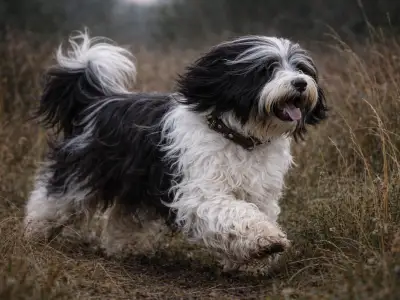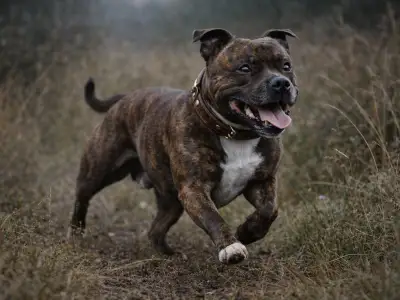
Bull Terrier
The Bull Terrier is a strong and muscular dog, instantly recognizable by its egg-shaped head. Playful, courageous and deeply loyal, it is an energetic companion with a distinctive personality.

Life expectancy
11 – 13 years
Price
1000 – 1800 €
Monthly budget
75 €
Size
Medium
Profile
Bull Terrier
Origin
United Kingdom
Year of origin
1860
Developed by
James Hinks
Size
Medium
Coat type
Short coat
Owner profile
Experienced owner
Hypoallergenic
No
Litter size
6
Life expectancy
11 – 13 years
Price
1000 – 1800 €
Female
- Height : 45 – 55 cm
- Weight : 20 – 30 kg
Male
- Height : 45 – 55 cm
- Weight : 24 – 35 kg
Temperament & abilities
Affectionate
4/5
Calm
2/5
Independent
3/5
Intelligence
3/5
Obedience
3/5
Hunting instinct
2/5
Energy level
4/5
Good with children
4/5
Dog-friendly
3/5
Friendly with strangers
3/5
Hunting profile
Stamina
4/5
Hunting drive
1/5
Independence
3/5
Trainability
3/5
Beginner-friendly
2/5
Family compatibility
4/5
Feather game
0/5
Fur game
2/5
Underground work
1/5
Water work
1/5
These indicators help compare breeds and choose the right one for your hunting style.
Game & abilities
Estimated ability level by game type.
Budget
Purchase price
1000 – 1800 €
The price may vary depending on the breeder, bloodline, and region.
Average monthly cost
75 €
Estimated average: food, healthcare, accessories, and grooming.
What this bold terrier can do in the field, and where its limits show
Is the Bull Terrier a Good Hunting Dog?
The Bull Terrier is not usually the first choice for a modern hunting dog, but it can show some useful hunting abilities in the right hands. It tends to bring courage, determination, physical toughness, and a very committed working style, which historically made this type of terrier relevant for hard, close-range work rather than polished gun-dog tasks. For a hunter comparing breeds, the key point is simple: a Bull Terrier may suit practical vermin control, rough farm work, or certain earthdog-style instincts, but it is rarely the easiest option for structured hunting, long-distance searching, or highly cooperative field handling.
In terms of working style, many Bull Terriers are more forceful than methodical. They may use nose and eyesight together, but they are not generally known for the broad, efficient search pattern of specialist hunting breeds. Their strengths often lie in boldness, persistence, and willingness to engage with challenging terrain or stubborn quarry at close quarters. Stamina can be good for short to moderate periods, especially when the dog is fit, but this is not usually a breed selected for elegant retrieve work, soft mouth, or steady performance under the gun.
Handling is where the breed often asks more from the owner. Bull Terrier temperament can be affectionate and entertaining at home, yet in work it may come with independence, intensity, and selective responsiveness if training has not been built carefully from an early age. Recall, impulse control, and calm obedience around distractions matter a great deal. A Bull Terrier hunting prospect typically needs consistent training, fair structure, and an owner who understands terrier persistence rather than expecting automatic compliance.
- Best fit: experienced owners wanting a bold, energetic terrier-type companion with some practical working instincts
- Less ideal for: hunters needing a reliable all-round gundog, polished retrieve, or easy off-lead handling
- Daily life: benefits from exercise, training, and mental outlets; boredom can amplify stubborn or destructive behavior
For everyday living, the balance matters as much as field ability. A well-managed Bull Terrier can be fun, loyal, and highly engaging, but it is usually better viewed as a strong-willed terrier companion with possible working use than as a specialist hunting breed. If your priority is versatile hunting performance, other breeds are generally more coherent choices. If you specifically value courage, character, and hands-on training, a Bull Terrier may appeal, provided your expectations are realistic.
Close-range determination
The Bull Terrier is best understood as a gritty, close-working terrier rather than a wide-casting hunting dog. Its traditional value lies in persistence, physical commitment, and the willingness to stay engaged when work gets rough. For hunters dealing with tight cover, farm pests, or short-distance flushing, that determined style can be more useful than elegant range.
Bold under pressure
One of the breed’s clearest assets is courage. A well-bred, well-managed Bull Terrier may show notable nerve around difficult quarry, noisy environments, and physically demanding situations. That mental toughness can be an advantage in real field work, but it also means the dog needs thoughtful handling, clear boundaries, and enough control to keep bravery from tipping into recklessness.
Power in dense cover
Compact, muscular, and hard to intimidate, the Bull Terrier can push through brush, rough ground, and awkward footing with more authority than many lighter terriers. That strength helps in practical jobs where the dog must force its way into cover or stay effective in physically messy terrain. It is less about speed over distance and more about forceful, energetic effort.
Short-burst stamina
This breed often brings intense energy in bursts, which can suit active terrier-style hunting sessions better than long all-day ranging. Many Bull Terriers can keep working enthusiastically when properly conditioned, but they are not usually the first choice for hunters wanting a tireless specialist for prolonged field coverage. Their best work tends to come in focused, high-drive periods.
Useful prey drive
A strong prey drive can make the Bull Terrier keen, animated, and genuinely interested in quarry-related work. In the right hands, that instinct can be channeled into pest control, rough shooting support at very close range, or informal hunting tasks. The trade-off is that recall, impulse control, and calm behavior around other animals usually need more training than with softer, more biddable breeds.
Best for experienced handlers
As a hunting companion, the Bull Terrier generally suits owners who appreciate terrier independence and can train with patience, firmness, and consistency. It may respond well to engaging, reward-based work, but it is rarely a plug-and-play field dog. Hunters looking for precision handling, polished retrieving, or strong distance control often prefer more specialized hunting breeds.
Who the Bull Terrier Suits Best
The Bull Terrier tends to suit an experienced, hands-on owner who enjoys training, structure, and daily interaction rather than someone looking for an easy, naturally cooperative hunting terrier. While bold, athletic, and often very game, the breed is better matched to active households that want a strong-willed companion with terrier intensity than to hunters expecting polished field work or high off-lead reliability. In family life, Bull Terriers often do best with people who appreciate their clownish character but can set calm, consistent boundaries from the start.
- Best match: confident active owners, older families, and people committed to supervision, training, and vigorous exercise.
- Potential hunting fit: owners interested in a tough, driven dog for informal earthdog-type activities or scent-based games, with realistic expectations.
- Less suitable for: first-time dog owners, highly sedentary homes, households wanting a very biddable dog, or situations with frequent dog-to-dog tension.
- Common mismatch: people drawn only to the breed's look who underestimate its persistence, strength, and need for mental engagement.
Origins, selection, and what that history still means in daily life
Bull Terrier history: how the breed was shaped
The Bull Terrier was developed in 19th-century Britain from crosses that likely involved old-style bulldogs and various terriers, with later refinement by breeders seeking a more uniform type. Early breeding aimed to combine determination, athleticism, and quick reactions with a cleaner, more agile outline than the heavier bulldog of the time. As with many older breeds, some details of the exact crosses and timelines are debated, but the broad picture is clear: the Bull Terrier was shaped as a tough, energetic, highly engaged dog with strong physical courage and a distinctly terrier-like intensity.
That background helps explain the modern Bull Terrier’s temperament. Even when kept purely as a companion today, many individuals still show a bold, forward style, a high tolerance for physical activity, and a tendency to commit fully once aroused or interested. This is not a classic versatile hunting breed in the way some terriers or scenthounds are used in organized field work, but its history within the terrier group helps explain traits that can appeal to active owners: stamina, persistence, and a willingness to investigate, chase, and interact with the environment. At the same time, those same qualities can make handling more demanding if the dog is under-trained, overexcited, or insufficiently occupied.
As the breed developed, selection increasingly emphasized a distinctive look and a more standardized companion animal, especially as organized dog breeding and exhibition culture grew. That shift matters for anyone asking whether a Bull Terrier is a practical hunting dog today. Some individuals may retain strong prey interest and useful grit, but the breed is generally better understood as an athletic, powerful companion with terrier roots rather than a specialist hunting terrier bred consistently for modern field performance. Bloodline, early socialization, and training have a major influence on how those instincts appear in real life.
For daily living, the breed’s history points to both strengths and limits. A well-managed Bull Terrier can be lively, affectionate, funny, and deeply involved with its people, but it often suits owners who are comfortable with structure, impulse-control training, and regular physical and mental activity. People drawn to the breed because of its toughness should also understand that its real appeal is more nuanced: not effortless obedience or easy dog-park sociability, but an intense, characterful dog that often thrives with confident handling, clear routines, and an active household.
Bull-and-terrier roots
The Bull Terrier developed in 19th-century Britain from bull-and-terrier stock, later shaped with more uniform breeding to create a distinctive type. Although often grouped with terriers, it is not a classic earthdog in the same mold as smaller working terriers. Its background helps explain the breed’s courage, persistence, and strong physical presence.
Selected for grit
Early selection appears to have favored determination, pain tolerance, and a willingness to stay engaged under pressure. Those traits can still show up today as tenacity, intensity, and a dog that does not always back down easily. For owners interested in a hunting terrier profile, this matters more as a temperament clue than as proof of broad modern hunting usefulness.
Bold, clownish, strong-willed
A well-bred Bull Terrier is often affectionate and entertaining at home, but rarely soft or highly biddable in the traditional sense. Many are playful, people-oriented, and funny, yet they can also be stubborn, excitable, and pushy if boundaries are unclear. This is usually a better fit for confident handlers who enjoy training and can stay calm, consistent, and fair.
Not an easy multi-dog choice
Some Bull Terriers live well with other dogs, especially with careful socialization and sensible management, but same-sex tension or assertive behavior is not unusual in the breed. Small pets may also trigger chase or grab instincts in some individuals. Daily life tends to be smoother in homes that understand supervision, structure, and thoughtful introductions rather than assuming every dog will be naturally social.
Exercise with a job
This breed usually needs more than a short walk around the block. Many Bull Terriers do best with a mix of physical activity, training games, chewing outlets, and close interaction with their people. They are often less suited to repetitive off-leash freedom than to structured routines that channel energy, build manners, and prevent boredom-driven behavior in the home.
Practical care and handling
Coat care is simple, but daily management is not always effortless. The Bull Terrier’s compact, muscular build calls for sensible exercise, lead manners, and early impulse control because an unruly adult can be very hard to handle. In family life, they often thrive when treated as active companions with clear rules, regular contact, and enough stimulation to settle well indoors.
Practical answers about hunting ability, training, exercise, housing, and everyday suitability
Bull Terrier hunting and family life FAQ
Is a Bull Terrier a good hunting dog today?
A Bull Terrier has terrier roots and can show boldness, persistence, and a strong interest in movement, scent, and small animals. That said, it is not usually the first modern choice for specialized hunting work in the way some purpose-bred terriers, hounds, or versatile gundogs are. Whether an individual Bull Terrier is useful in the field depends a great deal on breeding, drive, handling, and training history. For someone seeking a dedicated hunting partner, there are often more predictable options, but some Bull Terriers can still enjoy controlled working-style activities and scent-based tasks.
Can a Bull Terrier be trained for ratting, vermin control, or earthdog-style work?
Some Bull Terriers have the prey drive and determination for vermin control, but results can vary more than many people expect. Their enthusiasm may be there, yet steadiness, recall, and handler focus are not automatic and need patient training from an early age. They are generally better suited to controlled prey-drive outlets and supervised pest-control situations than to highly technical underground work. Anyone considering this kind of use should prioritize safety, legality, and a dog that can disengage when asked.
Are Bull Terriers easy to train for hunting and obedience?
Bull Terriers are intelligent, but they often have an independent streak that can make training feel more like negotiation than simple compliance. Many learn well with short, clear sessions, reward-based methods, and consistent rules, while heavy-handed handling can create resistance or conflict. For hunting-related training, recall, impulse control, leash manners, and a reliable stop cue matter as much as drive. They tend to suit owners who enjoy hands-on training and can stay calm, structured, and persistent.
How much exercise does a Bull Terrier need if it is not used for hunting?
Most Bull Terriers need meaningful daily activity rather than a quick walk around the block. A good routine often includes brisk walks, structured play, training games, and mental work such as scent games, problem-solving tasks, or obedience practice. Without enough outlet, some individuals can become frustrated, overexcited, destructive, or pushy in the home. They are often happiest with owners who can provide both physical exercise and clear daily engagement, not just occasional bursts of activity.
Can a Bull Terrier live in an apartment or small home?
A Bull Terrier can live in an apartment if its exercise, training, and supervision needs are met consistently. Space matters less than routine, because an under-stimulated Bull Terrier in a large house can be more difficult than a well-managed one in a smaller home. Owners should expect a strong, active dog that needs daily outings, solid manners around doors and hallways, and enough enrichment to settle indoors. Shared housing can be challenging if the dog is noisy, reactive, or poorly exercised, so early social training is especially important.
Is a Bull Terrier good with children and family life?
Many Bull Terriers are affectionate, funny, and deeply involved in family life, but they are not always effortless household dogs. Their strength, enthusiasm, and sometimes boisterous play style mean they usually do best with active families who teach boundaries on both sides. Supervision is important with young children, especially during excited play, greetings, or resource-related situations. In the right home, they can be loyal and engaging companions, but families should be honest about time, consistency, and training skill before choosing the breed.
Who is the Bull Terrier best suited for: hunters, active owners, or first-time dog owners?
The Bull Terrier often suits active, confident owners who want a strong personality and are prepared to train consistently. It may appeal to people interested in terrier character, prey-drive management, scent games, and outdoor activity, but it is not usually the simplest choice for a beginner seeking easy obedience or a highly specialized hunting dog. First-time owners can succeed with one, though the learning curve may be steeper than with more biddable breeds. In practical terms, the best match is someone who enjoys structure, can provide daily outlets, and is realistic about managing a determined dog.