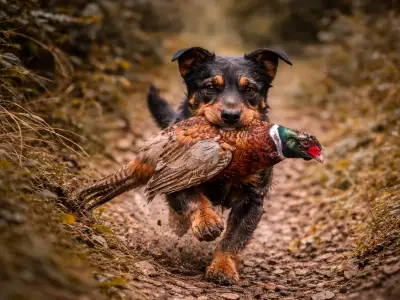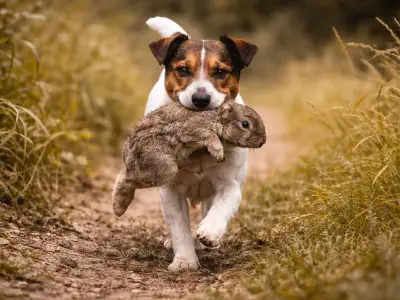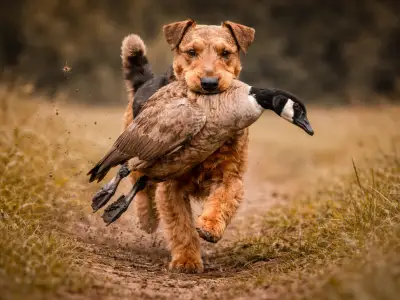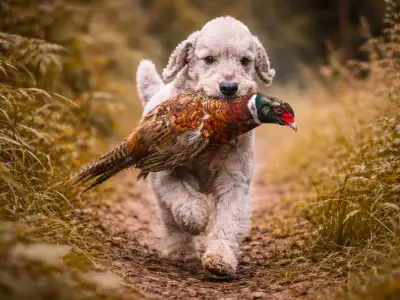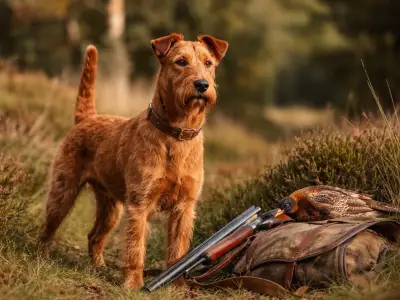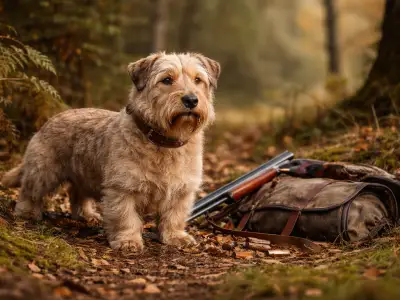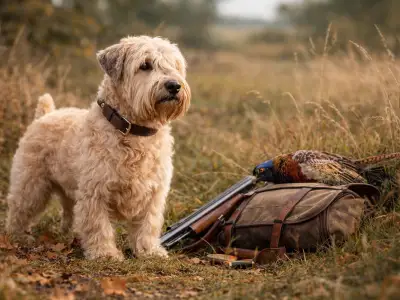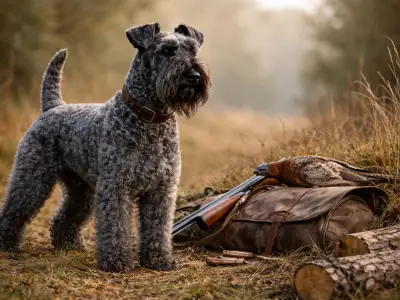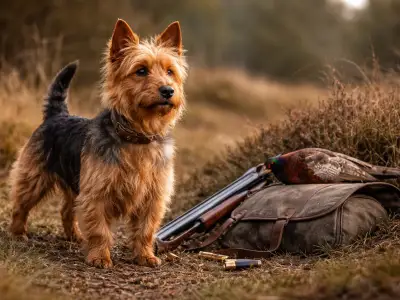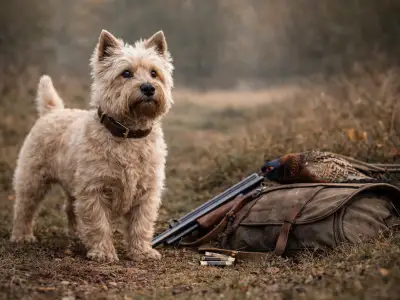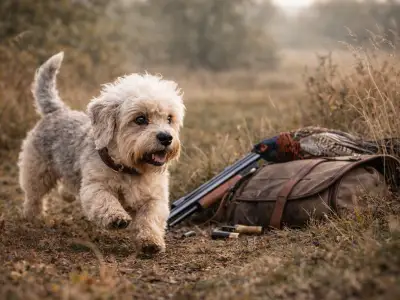
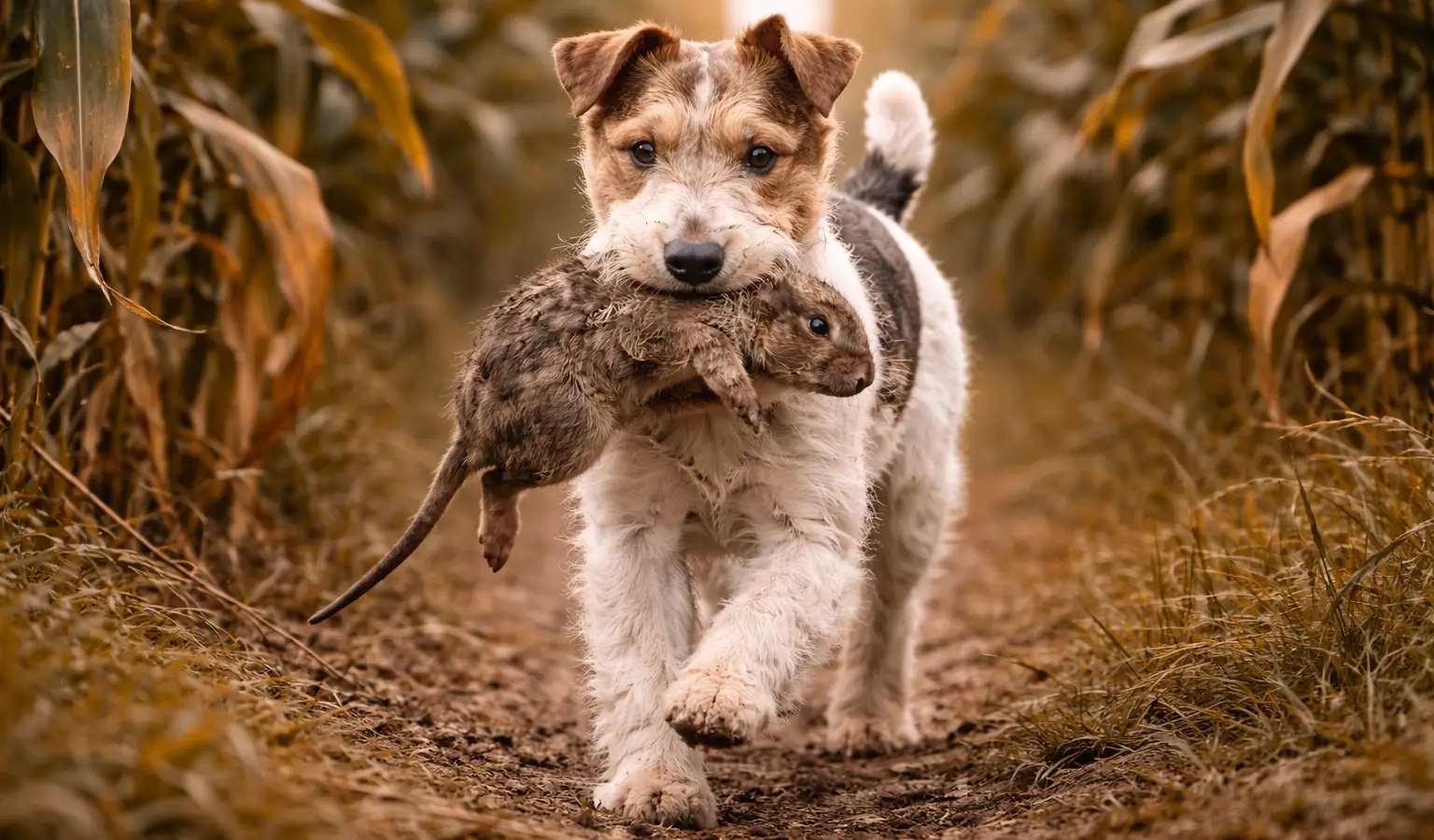
Fox Terrier
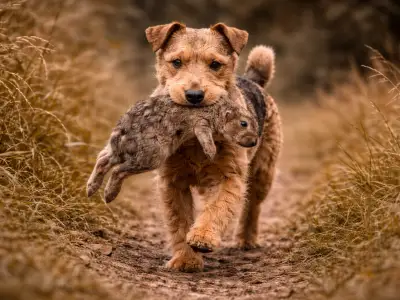
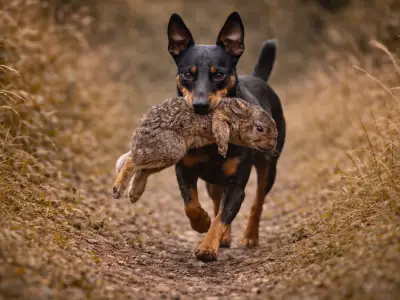
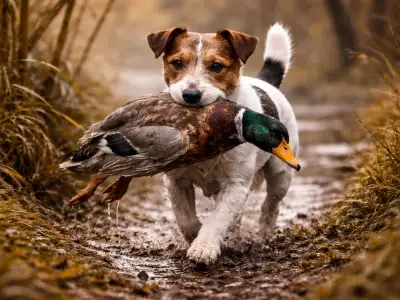
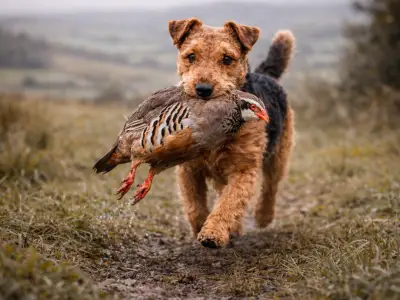
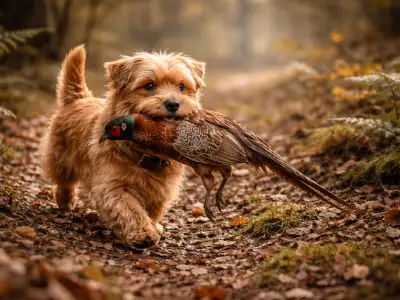
The Fox Terrier is a lively, intelligent and fearless dog originally bred for fox hunting. Today, it is appreciated as an energetic and loyal companion.
Life expectancy
13 – 15 years
Price
900 – 1500 €
Monthly budget
65 €
Size
Small
Profile
Fox Terrier
Origin
United Kingdom
Year of origin
1850
Developed by
English fox hunters
Size
Small
Coat type
Wire coat
Owner profile
Active owner
Hypoallergenic
Yes
Litter size
5
Life expectancy
13 – 15 years
Price
900 – 1500 €
Female
- Height : 33 – 39 cm
- Weight : 6 – 7 kg
Male
- Height : 35 – 39 cm
- Weight : 7 – 8 kg
Temperament & abilities
Affectionate
3/5
Calm
1/5
Independent
4/5
Intelligence
4/5
Obedience
3/5
Hunting instinct
5/5
Energy level
5/5
Good with children
3/5
Dog-friendly
3/5
Friendly with strangers
4/5
Hunting profile
Stamina
4/5
Hunting drive
4/5
Independence
4/5
Trainability
3/5
Beginner-friendly
2/5
Family compatibility
3/5
Feather game
1/5
Fur game
4/5
Underground work
5/5
Water work
1/5
These indicators help compare breeds and choose the right one for your hunting style.
Game & abilities
Estimated ability level by game type.
Budget
Purchase price
900 – 1500 €
The price may vary depending on the breeder, bloodline, and region.
Average monthly cost
65 €
Estimated average: food, healthcare, accessories, and grooming.
Bold, fast, and highly driven, but best suited to specific work and committed handling.
Is the Fox Terrier a good hunting dog?
The Fox Terrier is a genuine hunting dog, especially for terrier work that calls for courage, speed, persistence, and a strong desire to find and pressure quarry. In the right hands, a Fox Terrier can be very effective on vermin, fox-related earth work in places where that use is legal and practiced, and general farm or rough-ground pest control. It is not the most versatile all-round gundog, and it is usually not chosen for soft-mouthed retrieving or highly biddable, wide-ranging bird work, but for compact, intense hunting tasks it can be impressively capable.
Its working style is typically energetic, close to medium in range, and very animated. Many Fox Terriers hunt with obvious urgency: they use their nose, eyes, and movement together, search actively, and tend to commit hard once they believe they have found scent or quarry. That intensity is a major strength, but it also shapes handling. A Fox Terrier often needs careful recall training, steady exposure to distractions, and consistent rules from a young age. Compared with some more naturally cooperative hunting breeds, the breed can be more independent, more reactive to movement, and less forgiving of inconsistent training.
In the field, stamina and boldness are often strong points for the breed’s size. A good Fox Terrier can cover rough ground enthusiastically and keep working after larger dogs begin to lose focus. The trade-off is that this is usually a high-energy terrier with a quick brain and a low tolerance for boredom. Daily life with one tends to be easiest for people who enjoy training, structure, and regular activity. Without enough outlet, the same traits that make Fox Terrier hunting ability attractive can show up as restlessness, noise, digging, or chasing behavior.
- Best fit: experienced owners wanting a lively hunting terrier for pest control, den work where appropriate, and active outdoor life.
- Less ideal for: hunters seeking a highly tractable retriever, a very calm house dog, or an easy off-switch without substantial exercise and training.
- Key decision point: choose the breed for its terrier temperament and working style, not just for its size or look.
For someone comparing hunting breeds, the Fox Terrier makes most sense when you want determination, sharpness, and compact athleticism more than softness, range, or effortless handling. Well selected and well trained, it can be a very capable little worker. But it is usually at its best with an owner who appreciates terrier intensity and can balance field performance with firm, thoughtful everyday management.
Bold to ground
The Fox Terrier was developed for close, committed work on fox and other quarry, and that heritage still shows in many lines. A good individual often brings the confidence needed for tight spaces, pressure, and fast decisions underground. That courage can be a real asset in earthdog-style work, but it also means the dog needs steady handling and clear control.
Fast reactions
One of the breed’s most practical hunting strengths is sheer quickness. Fox Terriers tend to react rapidly to movement, changing scent, and sudden breaks from cover, which can make them effective in close-range flushing or vermin control situations. In everyday life, that same sharpness means they usually do best with owners who enjoy active training rather than a laid-back approach.
Compact field stamina
Despite their relatively small size, Fox Terriers often have a big engine. Many can stay busy for long periods when conditioned properly, covering rough ground with enthusiasm and little hesitation. That mix of stamina and portability suits hunters who want a dog that is easy to transport and manage, yet still intense enough for demanding outings.
Tenacious prey focus
The breed is known for staying mentally locked onto the job once aroused by scent, movement, or a known target area. That concentration can be very useful in hedgerows, brush, farm buildings, and similar places where persistence matters. The trade-off is that recall and impulse control usually require consistent work, especially around small animals and high-distraction environments.
Trainable with firm structure
Fox Terriers are intelligent and often learn routines quickly, but they are not always soft or automatically compliant. They usually respond best to training that is clear, lively, and fair, with repetition that keeps them engaged. For a hunter or active owner, that can be a strength: once channelled well, the breed often works with real purpose instead of needing constant encouragement.
Best for close, active hunting
This is not typically a specialist for wide-ranging, methodical scent work in the way some hounds or pointing breeds are. The Fox Terrier’s stronger niche is close, energetic hunting where boldness, agility, and determination matter most. It generally suits people who want a hands-on, high-drive terrier and who are comfortable managing both intensity in the field and high energy at home.
Who the Fox Terrier suits best
The Fox Terrier tends to suit an active owner who enjoys a fast, alert, highly involved dog rather than a relaxed companion. In a hunting context, it often fits people looking for a bold, handy terrier for earth work, vermin control, or energetic field outings, especially where drive, curiosity, and determination are valued. At home, the best match is usually a household that can offer daily exercise, structured training, and close supervision, because this breed often notices everything and likes to act on it.
It is usually less suitable for owners wanting an easy first dog, a quiet apartment lifestyle, or a dog that will reliably ignore movement, scent trails, and small animals. Some Fox Terriers live very well with children and other pets, but compatibility depends a lot on the individual dog, early socialization, and consistent boundaries. A good fit is someone who enjoys managing a clever terrier mind: lively walks, games, recall practice, and clear routines. A common mismatch is an owner who underestimates the breed's stamina, prey drive, and taste for mischief when bored.
How a compact earth dog became a bold, fast-thinking hunter and energetic companion
Origins and development of the Fox Terrier
The Fox Terrier was developed in Britain as a practical hunting terrier, bred to follow foxes and other quarry into cover or underground and force them out for hounds and riders. Exact early crosses are not fully documented, which is common with old working breeds, but breeders appear to have selected for courage, agility, a hard but manageable temperament, and a body shape suited to tight spaces. That background helps explain why the modern Fox Terrier often combines intense curiosity, quick reactions, and a strong desire to investigate movement, scent, and small animals.
Historically, the breed took shape alongside mounted fox hunting, where a terrier needed enough speed to keep up, enough grit to face pressure, and enough biddability to be handled around people, horses, and other dogs. Over time, two coat varieties became established: Smooth Fox Terrier and Wire Fox Terrier. They share much of the same working heritage, although individual lines may differ in sharpness, drive, and emphasis on show or working qualities. In both cases, selection favored a dog that was alert, animated, and confident rather than heavy, slow, or overly soft.
That history still shows in daily life. A Fox Terrier is often not content to be a decorative pet; many retain the terrier habit of scanning the environment, reacting quickly, and inventing their own activities if under-stimulated. For hunting-minded owners, this can be a real advantage: the breed is typically lively, game, and mentally engaged. For family life, it means training and management matter. Early boundaries, recall work, constructive outlets, and a sense of routine usually make a noticeable difference, especially in homes with small pets or in areas rich in wildlife.
As a hunting terrier, the Fox Terrier tends to suit people who appreciate initiative as much as obedience. The breed can be highly trainable, but often in a terrier way: intelligent, responsive, and opinionated rather than mechanically compliant. That makes its history especially useful for today’s owner. Anyone considering a Fox Terrier should expect a dog shaped by generations of selection for boldness, stamina, and close-contact work with humans, but also for independent problem-solving. In the right hands, that mix can produce a lively, capable companion with genuine working character.
Built for going to ground
The Fox Terrier was developed in Britain as a bold, agile earthdog used to locate and pressure foxes and other quarry in difficult cover. That background helps explain the breed’s quick reactions, tight movement, and notable self-confidence. Even in modern companion lines, many Fox Terriers still show the alert, busy mindset typical of traditional hunting terriers.
Brave, sharp, and busy
This is usually not a laid-back dog. A Fox Terrier often combines curiosity, intensity, and a strong opinion of its surroundings. Many are cheerful and entertaining with their family, but they can also be vocal, excitable, and quick to investigate movement. Owners who enjoy an active, engaged dog tend to appreciate the breed far more than those wanting a calm, low-input companion.
A hunting style with initiative
As a hunting terrier, the Fox Terrier was valued less for long-distance pointing or retrieving and more for determination, speed, and willingness to work independently in tight spaces. That can translate into a dog that thinks for itself. In the field or during scent games, many individuals show persistence, prey interest, and fast problem-solving, though steadiness varies with line and training.
Exercise is not optional
A short walk rarely satisfies this breed. Most Fox Terriers do best with a real outlet for energy every day, such as brisk walks, structured play, training drills, or dog sports that use their brain as well as their body. Without enough activity, some become noisy, restless, destructive, or overly fixated on chasing small moving things.
Train with structure and variety
Fox Terriers are intelligent, but they are not always eager to comply just because they were asked. Training usually works best when it is consistent, upbeat, and clear, with short sessions that prevent boredom. Recall, impulse control, and polite behavior around other animals often deserve early attention. Harsh handling can create conflict, while fair boundaries generally produce better cooperation.
Best for hands-on homes
Daily life with a Fox Terrier often suits owners who enjoy involvement rather than passivity. The breed can fit family life well when exercise, supervision, and training are taken seriously, but it may be a demanding match in very quiet homes or for people away for long hours. Secure fencing, mental stimulation, and realistic expectations are especially important with this lively terrier type.
Practical answers about temperament, hunting potential and compatibility with family life.
Fox Terrier FAQ: hunting, training and everyday life
Is the Fox Terrier a good hunting dog today?
By its build and temperament, the Fox Terrier remains a lively, courageous hunting terrier with a strong drive to pursue. It can show genuine working qualities, particularly where a small, fast, bold and responsive dog is wanted. Its effectiveness nevertheless depends greatly on bloodlines, training, socialization and the type of hunting involved. It is not a dog to handle without preparation: its instincts, energy and initiative require a consistent handler who can channel its enthusiasm without suppressing it.
Is the Fox Terrier easy to train for hunting and recall?
The Fox Terrier learns quickly, but it is not always obedient in the conventional sense. It is intelligent, energetic and often very self-confident, which can make recall and obedience less reliable when training lacks consistency. The best results come from early, short, repeated and motivating sessions, stable rules and good management of excitement. Both in hunting and everyday life, particular attention is needed for recall, self-control and the ability to settle down.
Does the Fox Terrier suit a family with children?
When well socialized, the Fox Terrier can live very happily with a family and be playful, affectionate and lively. It often enjoys active homes where it genuinely participates in daily life rather than serving merely as a decorative companion. Its liveliness and terrier temperament nevertheless require supervised interactions, especially with young children, who need to learn to respect its space and rest. It generally suits an active, available and consistent family better than a very passive or disorganized home.
Can a Fox Terrier live in an apartment or in a city?
Apartment living is possible, but succeeds only when the dog's physical and mental needs are taken seriously. A Fox Terrier without enough activity can become noisy, restless, destructive or highly reactive to movement and outside stimulation. City life calls for several daily outings, training, scent activities and careful management of recall and encounters with other animals. In practice, it tends to thrive with available, active owners or people deeply committed to keeping the dog occupied.
How much daily exercise does a Fox Terrier need?
The Fox Terrier is not satisfied by a brief toilet walk. It needs a real mix of physical activity, mental stimulation and structured interaction to remain balanced. Depending on age, temperament and lifestyle, owners generally need to provide active outings, controlled play, scent work, learning and, where possible, a regular activity that gives the dog structure. A very energetic dog whose enthusiasm is properly channeled is often easier to live with than an under-occupied terrier that invents its own activities.
Is the Fox Terrier a good choice for a first-time owner?
The Fox Terrier is not necessarily the easiest first dog, particularly for someone wanting a very adaptable, naturally calm companion. Its energy, tenacity, chase instinct and sometimes assertive temperament can surprise an inexperienced owner. This does not mean a beginner cannot succeed with the breed, but they need to be well informed, consistent and ready to invest time in training and exercise. It is better suited to an active, patient person able to establish a clear framework from the beginning.
Does the Fox Terrier need much care, and what budget should owners expect?
Everyday care is generally manageable, but varies with coat type and the desired level of grooming. A wire-coated dog may require more technical care to maintain a functional, well-kept coat, while a simpler routine can suit a purely family companion. The budget should cover purchase, food, equipment, training, routine care and, where relevant, hunting-related activities or travel. Actual cost therefore depends less on the dog's size than on the owner's level of commitment.