Dandie Dinmont Terrier
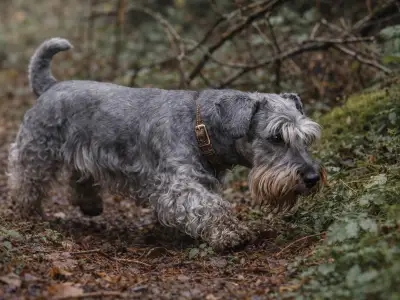
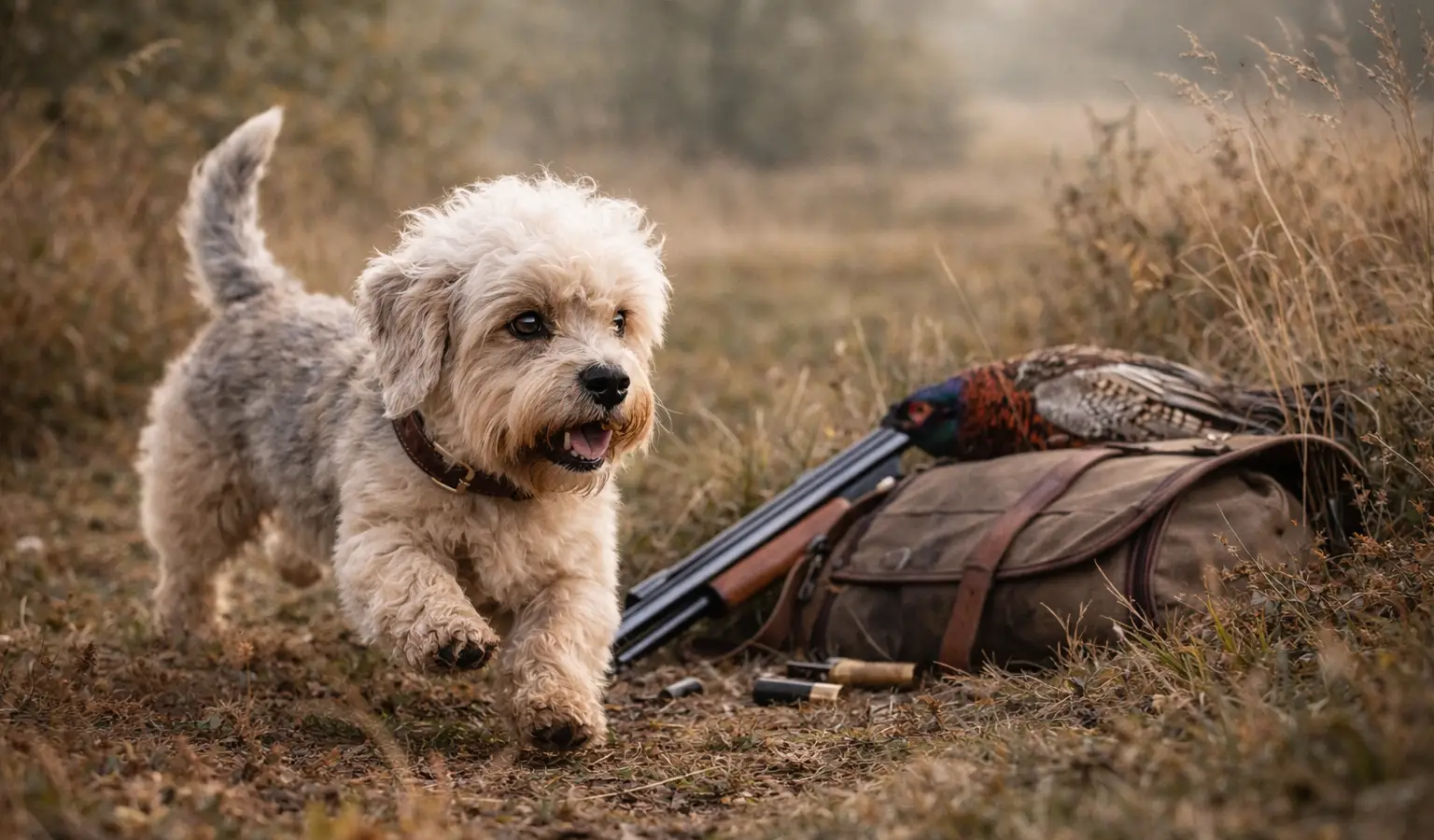
The Dandie Dinmont Terrier is a distinctive dog with a long body and short legs, known for its calm and affectionate nature.
Life expectancy
12 – 14 years
Price
1200 – 2200 €
Monthly budget
70 €
Size
Small
Profile
Dandie Dinmont Terrier
Origin
United Kingdom
Year of origin
1700
Developed by
Border region breeders
Size
Small
Coat type
Long coat
Owner profile
Calm owner
Hypoallergenic
No
Litter size
4
Life expectancy
12 – 14 years
Price
1200 – 2200 €
Female
- Height : 20 – 28 cm
- Weight : 8 – 10 kg
Male
- Height : 20 – 28 cm
- Weight : 9 – 11 kg
Temperament & abilities
Affectionate
4/5
Calm
4/5
Independent
4/5
Intelligence
4/5
Obedience
3/5
Hunting instinct
3/5
Energy level
2/5
Good with children
4/5
Dog-friendly
3/5
Friendly with strangers
3/5
Hunting profile
Stamina
2/5
Hunting drive
2/5
Independence
4/5
Trainability
3/5
Beginner-friendly
3/5
Family compatibility
4/5
Feather game
0/5
Fur game
2/5
Underground work
3/5
Water work
0/5
These indicators help compare breeds and choose the right one for your hunting style.
Game & abilities
Estimated ability level by game type.
Budget
Purchase price
1200 – 2200 €
The price may vary depending on the breeder, bloodline, and region.
Average monthly cost
70 €
Estimated average: food, healthcare, accessories, and grooming.
A small, game terrier with real working instinct, but a fairly specific fit for modern hunters
Is the Dandie Dinmont Terrier a good hunting dog?
The Dandie Dinmont Terrier can be a capable hunting dog for certain types of work, especially traditional terrier tasks involving vermin control and close-range earthdog-style hunting. It is not the first choice for most people seeking a versatile modern gun dog, but it does bring genuine hunting ability: a good nose for its type, notable courage, determination in tight cover, and a deliberate working style that suits hunters who value control over speed. In practical terms, the breed makes the most sense for someone looking for a compact hunting terrier rather than an all-purpose field dog.
Historically associated with work on otter and badger in some lines and regions, the Dandie is best understood today as a low-set, sturdy hunting terrier with enough grit to take on difficult scent and den work, but without the leg, range, or pace of larger hunting breeds. Its search pattern is usually closer and more methodical than that of a wide-casting dog. That can be an advantage in hedgerows, rough banks, stone walls, farm edges, and smaller patches of cover where a careful terrier can work thoroughly. Retrieve is not a headline strength, and anyone expecting polished retriever-style delivery or broad upland quartering will usually be better served by another type of dog.
Handling is an important part of the equation. The Dandie Dinmont Terrier temperament often combines affection and steadiness at home with a terrier's independent streak outdoors. Recall, stop cues, and calm control around quarry need patient training from an early age. Trainability is real, but it tends to respond best to fair, consistent handling rather than repetitive drilling. This is a breed that may think for itself when scent, movement, or underground game triggers instinct, so success depends heavily on foundation work and realistic expectations.
In everyday life, the Dandie is often easier to live with than many more intense working terriers, but that does not mean low commitment. Energy level is moderate rather than extreme, yet the dog still needs regular activity, structured outlets, and mentally engaging work to stay balanced. For the right owner, its appeal lies in the balance: enough hunting instinct and toughness for authentic terrier work, combined with a more composed home life than some harder, busier earth breeds. It suits a person who wants a small hunting dog with character, manageable exercise needs, and traditional terrier abilities, while accepting clear limits in speed, range, and broad hunting versatility.
Determined earthdog courage
The Dandie Dinmont Terrier was developed for serious vermin and small game work, and that heritage shows in its willingness to enter tight places and stay engaged. In practical hunting terms, this often means real resolve around fox, otter historically, or other quarry where a timid dog would back off. It suits handlers who value grit but still want a dog they can physically manage.
Useful nose on close scent
Unlike some terriers that rely mostly on speed and excitement, the Dandie is often described as more deliberate with scent. That can be helpful when working hedgerows, walls, drains, and rough cover where game leaves a fresh but complicated line. It is not a classic long-distance scenthound, but for close hunting and locating hidden quarry, the nose can be a real asset.
Low build for dense cover
The long, low body lets a Dandie Dinmont Terrier push through bramble edges, banks, and awkward ground that can slow taller dogs. That shape is especially practical for hunting in thick cover where visibility is poor and game holds tight. The same build also means owners should think less about big jumping effort and more about controlled, purposeful work on uneven terrain.
Steady focus over frantic pace
A good Dandie often works with concentration rather than constant, noisy overdrive. For many hunters, that is a strength: the dog can stay on task, investigate methodically, and avoid wasting energy in every direction at once. This style may suit people who prefer a thoughtful working terrier instead of an extremely hectic one, though drive still varies with breeding and training.
Compact and easier to handle
For a hunting terrier, the Dandie offers useful substance without being large or difficult to transport. That makes day-to-day handling simpler on foot, in a vehicle, or around farm buildings and small holdings. Hunters who want a working-minded dog that is easier to lift, carry, or manage at close quarters may find this breed especially practical.
Best for specialized terrier work
The Dandie Dinmont Terrier is usually strongest as a specialist in close, controlled terrier tasks rather than as an all-purpose gundog. Expect more value in locating, pressing, and confronting quarry in cover than in wide-ranging search or polished retrieving. For the right owner, that clear specialization is a benefit, because the breed’s instincts make the job profile easier to understand from the start.
Who the Dandie Dinmont Terrier suits best
The Dandie Dinmont Terrier tends to suit an owner who wants a small hunting terrier with real purpose but not the all-day intensity of some harder, sharper earth dogs. In practical terms, this breed often fits active people who enjoy regular walks, scent games, basic training, and a dog that can switch from alert outdoor work to calm home life. For hunters, it is better matched to those interested in traditional terrier qualities, close-range work, and a bold little dog with independence, rather than someone seeking a highly versatile gundog or a fast-ranging field companion.
It is usually less suitable for households expecting effortless obedience, very low prey drive, or long periods of inactivity. The Dandie can be thoughtful, stubborn, and quite self-directed, so first-time owners may do well if they are patient, consistent, and realistic about terrier instincts. It often works best in homes that appreciate a small but sturdy dog, can provide daily mental engagement, and do not mind managing interest in small animals. If you want a quiet ornament or an intensely biddable hunting partner, this may be a mismatch.
How an old border terrier became a distinctive hunting companion with a calm but determined style
Origins of the Dandie Dinmont Terrier
The Dandie Dinmont Terrier comes from the border country between Scotland and England, where small, tough terriers were valued for going to ground after otter, badger, fox, and other quarry. The breed as we know it developed from older working terrier stock in the Borders, especially around the Cheviot Hills. Some details of its early ancestry are debated, but its purpose is much clearer: this was a dog bred for courage, persistence, and the ability to work in rough country without needing a large frame.
Its unusual outline was not created for ornament alone. The long body, strong forequarters, large head, and low stance likely reflect selection for squeezing into tight places, using power rather than speed, and holding its nerve when working underground or along riverbanks. That heritage still helps explain the modern Dandie’s character. Compared with some more frenetic terriers, it often comes across as steadier and more thoughtful in the house, yet it can still show classic terrier independence, prey interest, and real determination when something triggers its hunting instincts.
The breed takes its name from a fictional character, Dandie Dinmont, in Sir Walter Scott’s novel Guy Mannering, published in the early nineteenth century. That literary connection helped fix the name, but the dogs themselves were already established as practical working terriers before they became recognizable as a distinct breed. As the breed moved from purely functional hunting use into the show world and companion homes, breeders generally tried to preserve its substance and self-possession rather than turn it into a delicate lapdog.
For a modern owner, that history matters. The Dandie Dinmont Terrier may suit someone who wants a smaller hunting terrier or an old-fashioned companion with genuine character, but not usually a dog that thrives on repetitive drilling or harsh handling. It often responds best to calm, consistent training and clear boundaries. In daily life, many Dandies are more manageable indoors than high-octane terriers, yet they still benefit from regular activity, scent-rich walks, and sensible management around small animals. Its past helps explain both its appeal and its limits: compact, brave, often composed, but still very much a terrier at heart.
Border-country roots
The Dandie Dinmont Terrier developed in the border region between Scotland and England, where practical terriers were valued for courage, scenting ability, and the determination to work underground. Unlike many modern companion terriers, it carries a strong sense of old field utility, even if today many individuals are kept primarily as household dogs.
Bred for vermin and otter work
Historically, the breed is associated with hunting small predators and pest species, and some accounts also link it to otter work. That background helps explain its low-slung build, strong forequarters, and serious attitude when following scent or investigating cover. It is not a speed terrier in open ground so much as a persistent, close-working one.
Calm but still terrier-minded
One of the breed’s most distinctive qualities is its combination of composure and resolve. Many Dandie Dinmont Terriers are less restless than some other terriers in the house, yet they still tend to keep an independent streak, a noticeable prey drive, and a willingness to make their own decisions if handling is unclear or inconsistent.
Best for thoughtful owners
This breed often suits people who want a small hunting terrier with character rather than nonstop motion. Training usually benefits from patience, repetition, and fair boundaries instead of heavy pressure. A Dandie can learn well, but it may not respond with the instant compliance seen in more biddable breeds, especially around scent, movement, or quarry.
Manageable exercise needs
Daily life with a Dandie Dinmont Terrier is often easier than with more hyperactive terriers, but it should not be mistaken for a sedentary dog. Regular walks, scent games, and structured exploration help keep it balanced. Many do well in smaller homes if they get meaningful activity, though secure outdoor space is still a practical advantage.
Coat care with purpose
The distinctive topknot and crisp coat give the breed its unmistakable look, but grooming is more than cosmetic. Regular brushing and breed-appropriate trimming or hand-stripping help maintain texture and reduce matting. Prospective owners should also remember the long body and short legs when planning daily handling, stairs, jumping, and general household management.
Practical answers about hunting ability, training, daily life, and family fit
Dandie Dinmont Terrier hunting and ownership FAQ
Is a Dandie Dinmont Terrier still a good hunting dog today?
The Dandie Dinmont Terrier comes from working terrier stock and was historically valued for going to ground and tackling small quarry with courage. In modern life, many individuals are kept mainly as companions, so hunting ability can vary quite a bit depending on bloodline, drive, and training. A well-bred Dandie may still show strong scent interest, determination, and a willingness to work independently, but it is not usually the first breed chosen for highly demanding hunting programs today. For someone interested in light terrier work, ratting, or controlled hunting activities, the breed can be appealing if expectations are realistic and training is thoughtful.
What kind of hunting was the Dandie Dinmont Terrier bred for?
The breed is generally associated with traditional terrier work, especially locating and pursuing small quarry such as otter and badger in earlier periods, though historical use could differ by region and owner. Like many hunting terriers, it was expected to be bold, persistent, and able to work in rough country without constant guidance. That background helps explain the breed's alert nature, strong prey interest, and independent streak. Even if a modern Dandie never hunts, those instincts can still show up during walks, scent games, and encounters with wildlife in the garden.
Are Dandie Dinmont Terriers easy to train for hunting or everyday obedience?
They are intelligent dogs, but they are not usually described as mechanically obedient. A Dandie often responds best to short, clear sessions with consistent rules and enough variety to keep it engaged. Harsh handling can make some dogs shut down or become more stubborn, while calm repetition and reward-based training tend to produce better results. For hunting-related work, recall, impulse control, and steady exposure to scent and terrain matter more than drilling endless commands. Owners who enjoy patient training usually do better with this breed than people expecting instant compliance.
Can a Dandie Dinmont Terrier live happily as a family dog if it has hunting instincts?
In many homes, yes. The Dandie Dinmont Terrier is often appreciated for being affectionate with its people and more settled indoors than some faster, more hectic terriers. That said, hunting instinct does not disappear just because the dog is living as a pet, so small pets may need careful management and introductions should never be casual. Families who provide structure, regular walks, play, and supervised interaction usually find the breed charming, but it is still a terrier and may not tolerate rough handling from children as patiently as some larger, softer breeds.
Is the Dandie Dinmont Terrier suitable for apartment living or a small house?
The breed can adapt surprisingly well to smaller living spaces if its daily needs are met. A Dandie does not usually require the endless high-output exercise of some larger hunting breeds, but it still needs purposeful walks, mental stimulation, and opportunities to sniff and explore. Apartment life is more realistic when the dog has good house manners, is taught to settle, and is not left under-stimulated day after day. A secure outdoor area is helpful but not essential, while access to safe walking routes matters a great deal.
How much exercise does a Dandie Dinmont Terrier really need?
Most need moderate daily exercise rather than extreme workloads. A good routine often includes a couple of walks, some sniffing time, short training sessions, and games that let the dog use its nose and terrier curiosity. Many Dandies enjoy exploring fields, woodland paths, and varied ground more than repetitive, purely athletic exercise. Because individual stamina and structure can differ, owners should build fitness sensibly and pay attention to how the dog moves and recovers. Mental activity is just as important as physical exercise for keeping this breed satisfied.
Who is the Dandie Dinmont Terrier best suited to: hunters, experienced terrier owners, or first-time dog owners?
The best match is often someone who wants a small but characterful dog with genuine terrier instincts and who enjoys training without expecting perfect precision. The breed can suit an experienced owner very well, especially one who values independence, practical intelligence, and manageable size. A first-time owner may also succeed if they are realistic about prey drive, patient with training, and ready to set boundaries early. For dedicated hunters, the Dandie is more of a specialist or heritage terrier choice than a mainstream working option, so it tends to suit people drawn to the breed itself rather than those simply seeking maximum field efficiency.