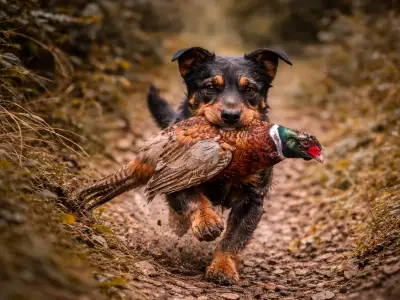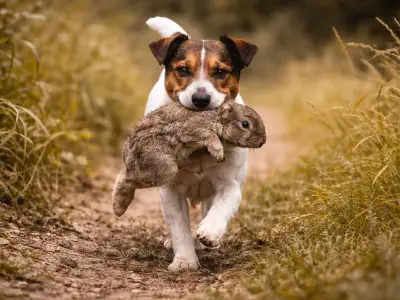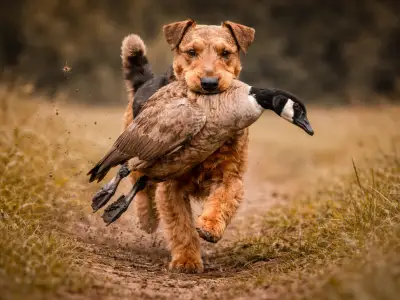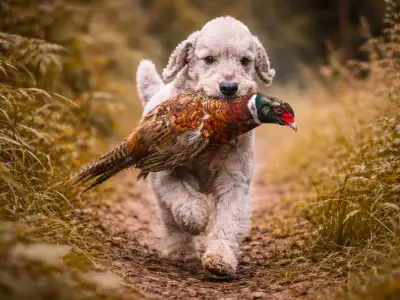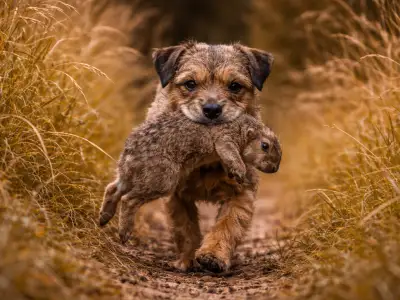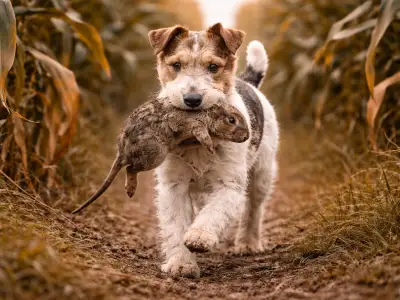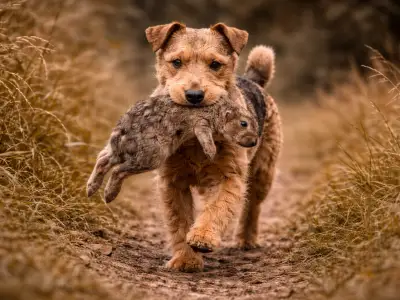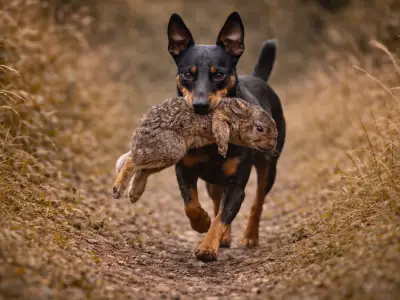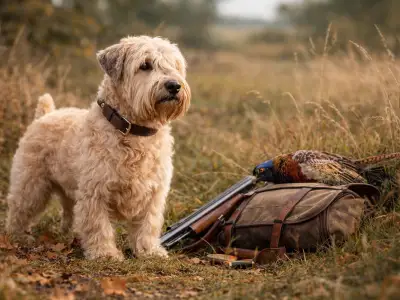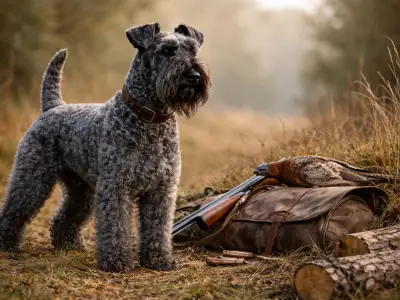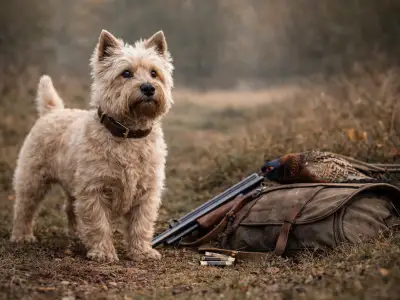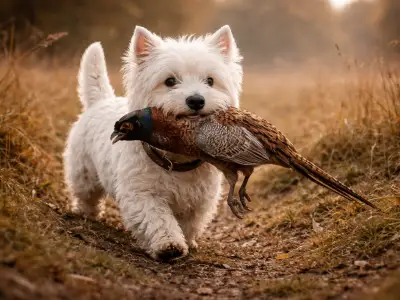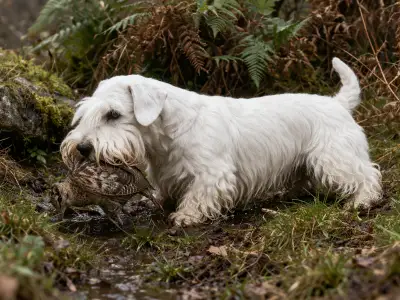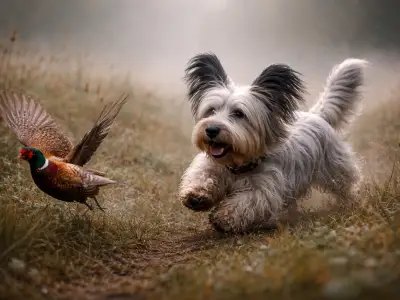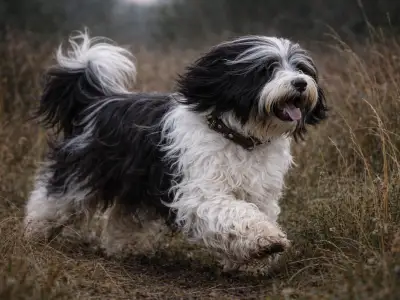
Cesky Terrier
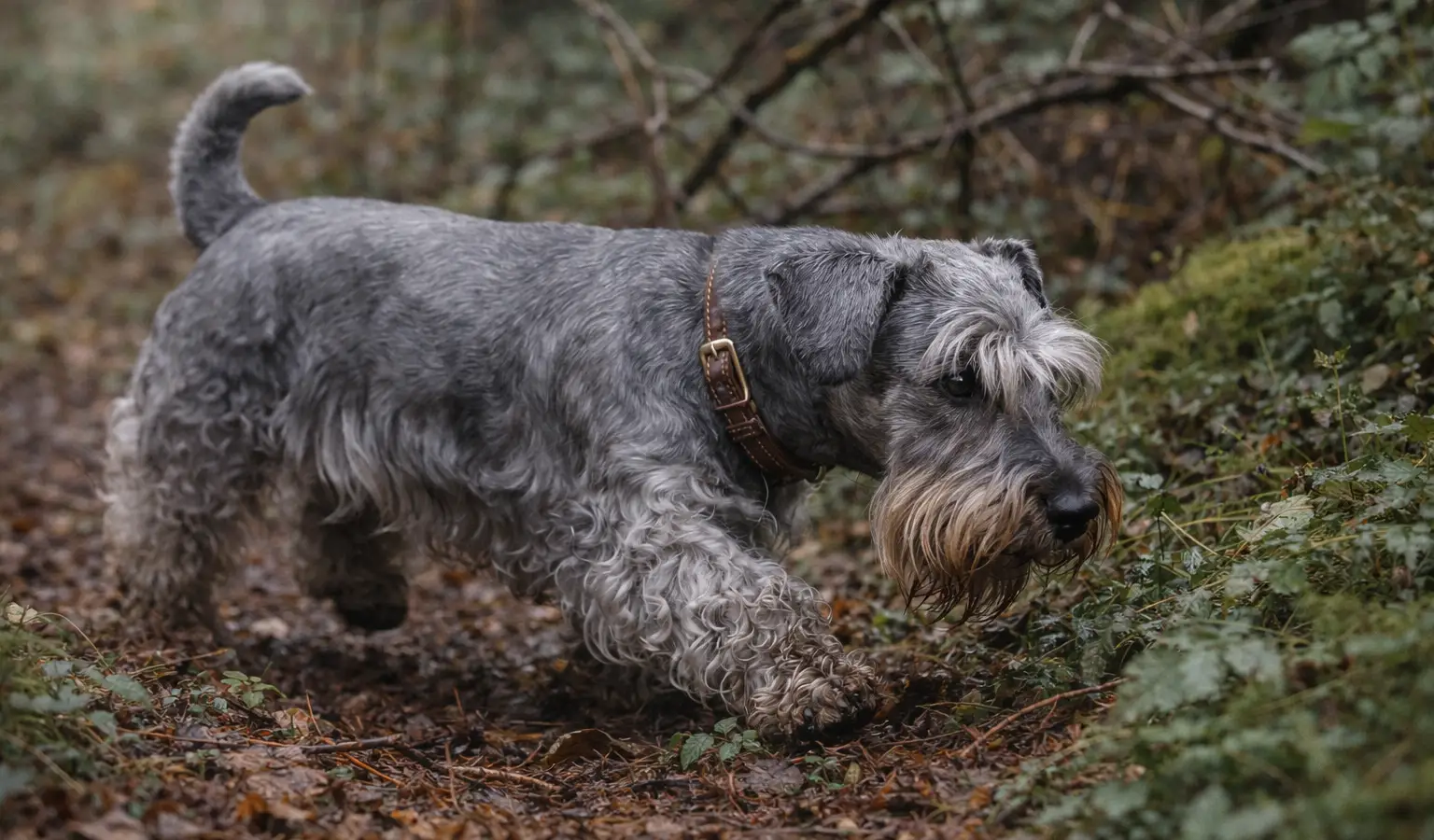
The Cesky Terrier is a calm, intelligent and adaptable terrier, generally softer in temperament than many other terriers. Bred in the Czech Republic, it is affectionate, resilient and family-friendly.
Life expectancy
12 – 15 years
Price
1200 – 2200 €
Monthly budget
65 €
Size
Small
Profile
Cesky Terrier
Origin
Czech Republic
Year of origin
1949
Developed by
František Horák
Size
Small
Coat type
Long coat
Owner profile
Calm owner
Hypoallergenic
Yes
Litter size
4
Life expectancy
12 – 15 years
Price
1200 – 2200 €
Female
- Height : 25 – 30 cm
- Weight : 6 – 9 kg
Male
- Height : 28 – 30 cm
- Weight : 7 – 10 kg
Temperament & abilities
Affectionate
4/5
Calm
4/5
Independent
3/5
Intelligence
4/5
Obedience
4/5
Hunting instinct
3/5
Energy level
3/5
Good with children
4/5
Dog-friendly
4/5
Friendly with strangers
3/5
Hunting profile
Stamina
3/5
Hunting drive
3/5
Independence
3/5
Trainability
4/5
Beginner-friendly
4/5
Family compatibility
4/5
Feather game
1/5
Fur game
3/5
Underground work
4/5
Water work
0/5
These indicators help compare breeds and choose the right one for your hunting style.
Game & abilities
Estimated ability level by game type.
Budget
Purchase price
1200 – 2200 €
The price may vary depending on the breeder, bloodline, and region.
Average monthly cost
65 €
Estimated average: food, healthcare, accessories, and grooming.
A steady, manageable hunting terrier with real working instinct and a more adaptable home life than many hard terriers.
Is the Cesky Terrier a good hunting dog?
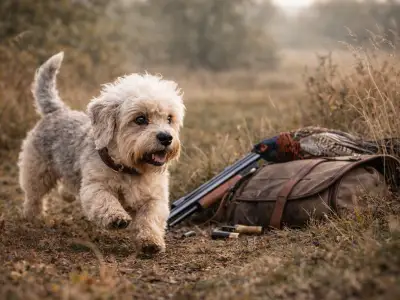
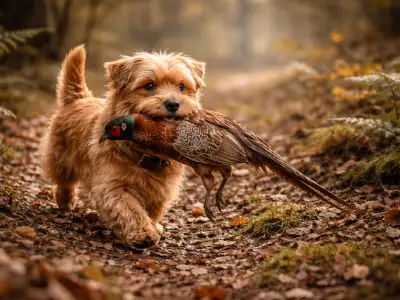
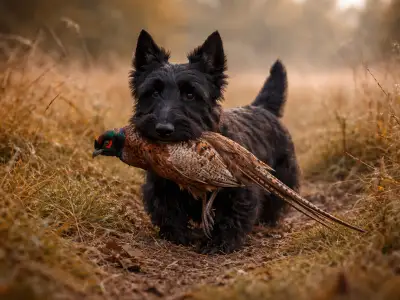
The Cesky Terrier can be a good hunting dog for the right kind of work, especially if you want a small terrier with genuine earthdog roots, a usable nose, and a more cooperative temperament than many sharper terrier breeds. In practice, it is usually best suited to hunters who value controlled work, close handling, and versatility over extreme grit or all-day intensity. It can make sense for den work, pest control, and practical small-game use, but it is not usually the first choice for those seeking a very hard, relentless specialist.
Its hunting style tends to be more measured than explosive. Many Cesky Terriers work at a sensible pace, using nose and persistence rather than pure aggression, which can make them easier to handle in mixed terrain and around a family routine. That balance is one of the breed's main attractions: enough prey drive and courage to be useful, but often with better off-switch potential than more fiery hunting terriers. Stamina is generally respectable for a small dog, though conditioning, individual line, and training matter a great deal.
For handling, the breed often appeals to owners who want a terrier that remains trainable. Recall, steadiness, and cooperation still need real work, because a hunting terrier that catches scent or goes to ground can become very self-directed. Early exposure to quarry scent, terrain, and calm obedience is important. Harsh handling is rarely the smart route; this breed usually responds better to clear, consistent training that protects enthusiasm while building control.
The most coherent use cases are practical and realistic rather than romantic. A Cesky Terrier may suit someone who wants:
- a compact hunting dog for light terrier work and vermin control
- a breed with enough hunting instinct to stay useful without overwhelming daily life
- a smaller dog that can live comfortably as a companion when exercised and mentally engaged
- a manageable working terrier for owners who prioritize handling and trainability
Compared with more intense hunting terriers, the Cesky Terrier is often easier to live with, but that comes with limits. Some individuals may lack the hardness, range, or pressure style that dedicated working-terrier enthusiasts want. As a result, it often fits best with hunters and active owners who need a sensible balance between field performance and family life, rather than maximum terrier intensity at any cost.
Strong nose on close game
The Cesky Terrier is generally valued for using its nose well on ground scent, especially when working at a sensible distance rather than racing far ahead. For hunters who want a terrier that can help locate rabbits, fox, or similar quarry without creating constant chaos, that measured scenting style can be a real advantage.
Built for den work
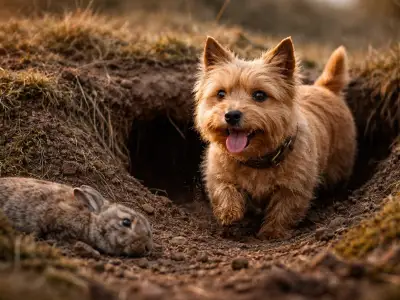
This breed was developed with practical earth work in mind, and its lower, flexible build can suit underground hunting better than heavier or more exaggerated terriers. In the right lines and with careful preparation, a Cesky Terrier may show the courage and persistence needed to enter cover, press game, and keep working in tight spaces.
Steady rather than reckless
One of the Cesky Terrier’s more useful field qualities is that it is often less fiery and less confrontational than some hard-driving terrier breeds. That can make it easier to handle during a hunt, easier to call off, and better suited to hunters who want determination without nonstop over-arousal or needless self-endangering behavior.
Good handler focus
Compared with many independent terriers, the Cesky Terrier often responds well to structured training and regular contact with its handler. That matters in hunting because a dog that checks in, accepts direction, and settles between bursts of work is usually more practical on mixed ground and easier to live with once the day in the field is over.
Useful all-day stamina
The Cesky Terrier is not typically a high-octane specialist that needs endless speed, but it can offer honest endurance for walking hunts and repeated searches through brush, hedgerows, and rough cover. For many owners, that balance is appealing: enough stamina for real work, yet often easier to manage at home than a much more intense hunting terrier.
Versatile small hunter
At its best, the Cesky Terrier can appeal to people who want one compact dog for several roles rather than a narrow specialist. Depending on the individual dog, this may include scent-based searching, flushing from cover, and some earth work. It tends to suit thoughtful handlers who value cooperation, portability, and a calmer daily-life temperament.
Who the Cesky Terrier suits best
The Cesky Terrier tends to suit an owner who wants a compact hunting terrier with a more measured style than many harder, louder terriers. It can be a good fit for someone interested in small-game work, light earthdog activity, scent-based outings, and regular country walks, rather than a handler expecting a highly intense, all-day kennel terrier. In family life, this breed often suits people who want an alert, trainable companion with real working roots but a more manageable household presence, provided daily exercise, structured play, and consistent training are part of the routine.
It is usually less suitable for households wanting a very low-maintenance dog, for owners who dislike coat care, or for first-time handlers drawn only by the breed’s size and appearance. A Cesky Terrier may also frustrate hunters seeking maximum grit, extreme range, or a dog that thrives with rough handling and little guidance. Best matches usually include patient owners who enjoy shaping behavior, offering clear boundaries, and giving the dog a job, even if that job is not formal hunting every week.
How a carefully planned Czech hunting terrier became the calm, workable dog many owners know today
Origin and development of the Cesky Terrier
The Cesky Terrier originated in what is now the Czech Republic in the mid-20th century, when breeder Frantisek Horak set out to create a small hunting terrier that would be easier to handle than some harder, sharper terriers. Historical accounts generally agree that he worked primarily from Scottish Terrier and Sealyham Terrier stock, selecting for a dog able to go to ground after fox or badger while remaining biddable enough to work closely with people. That origin helps explain why the breed is still often described as a more moderate terrier: determined and game, but usually less confrontational and less hectic than many classic earthdog types.
The breed was developed with practical hunting use in mind rather than pure show qualities. In dense woodland, rough cover, and burrow work, a hunter needed a compact dog with courage, persistence, and enough flexibility in temperament to be managed around other dogs and daily family life. The Cesky Terrier's longer body, shorter legs, and softer outline were not accidental style choices; they reflect selection for a dog that could move through cover, enter underground dens, and still be carried, handled, and lived with more easily than some fiercer terriers. As with many working breeds, exact emphasis could vary by line and period, so not every modern Cesky Terrier shows the same degree of hunting drive.
That breeding history still shapes the breed's present-day character. Many Cesky Terriers tend to be alert, intelligent, and willing to work, but often in a steadier, less explosive way than high-voltage terriers. For someone interested in a hunting terrier for occasional earth work, tracking, or practical vermin control, this can be appealing. For family life, it often means a dog that may settle more readily in the house, provided it still gets outlets for scenting, exploring, and structured activity. It is not usually the best match for owners wanting a purely decorative companion with minimal training demands, because terrier independence and prey interest are still part of the package.
In practical terms, the Cesky Terrier often suits people who want a smaller hunting-bred dog with a workable off-switch, moderate exercise needs, and a generally cooperative nature. That does not make it effortless. Early socialization, recall work, and calm, consistent handling matter, especially if the dog will live with other pets or divide its time between countryside outings and home life. The breed's history suggests a useful middle ground: not a soft lapdog, not typically the most hard-edged terrier either, but a purposeful little hunter shaped to be more manageable in real daily life.
A modern Czech hunting terrier
The Cesky Terrier was developed in former Czechoslovakia in the mid-20th century, generally credited to breeder Frantisek Horak. He aimed to create a workable hunting terrier that could go to ground while being easier to manage than some harder, more confrontational terrier types. That origin still helps explain the breed’s balanced reputation today.
Selected for practical field work
This breed was shaped for hunting in varied terrain, often with a focus on small game and underground work. Compared with many classic terriers, the Cesky is often described as more measured in style, with enough drive for scenting and pursuit but a somewhat softer handling profile. As always, working ability can vary with line, training, and opportunity.
Terrier spirit, usually in a calmer package
The Cesky Terrier still carries clear terrier instincts: curiosity, persistence, alertness, and a tendency to investigate movement and scent. Many owners find it less sharp-edged than some other hunting terriers, which can make daily life easier. Even so, it is not a decorative lap dog; it usually does best with structure, engagement, and clear household rules.
Good fit for active but not extreme homes
In family life, the Cesky Terrier often suits people who want a small to medium dog with real character but more day-to-day flexibility than a very intense working terrier. Regular walks, play, and short training sessions are usually important. It can adapt well to house living, including smaller homes, provided mental stimulation and outdoor time are not neglected.
Coat care is part of ownership
The breed’s silky, slightly wavy coat is distinctive, but it also means grooming is not optional. Many Cesky Terriers need regular brushing and routine trimming to stay comfortable and tidy, especially around the legs and underside. For prospective owners, this is a practical point: the coat is often easier to live with when grooming is planned rather than improvised.
Best with patient training and outlets
The Cesky Terrier tends to respond well to calm, consistent training, especially when sessions are varied and rewarding. Harsh handling can be counterproductive, while boredom may bring stubborn or mischievous behavior. It often suits handlers who appreciate a thoughtful, sporting companion rather than a dog bred only for speed, intensity, or constant high-drive work.
Practical answers about working ability, trainability, home life, and owner fit
Cesky Terrier hunting and family life FAQ
Is a Cesky Terrier a good hunting dog or mainly a companion?
The Cesky Terrier was developed as a working terrier, so it is more than just a companion dog. It has roots in earthdog and small-game work, and many individuals still show useful traits such as scent interest, persistence, and willingness to work close to the handler. That said, modern Cesky Terriers vary, and not every dog will have the same hunting drive or practical field ability. If you want a dog for regular hunting use, it is wise to look closely at bloodlines, early exposure, and the breeder's priorities rather than relying on breed reputation alone.
What type of hunting is the Cesky Terrier best suited for?
The Cesky Terrier is generally associated with traditional terrier work, especially hunting that calls for a small, agile dog able to move through dense cover or work in tight spaces. Depending on the individual dog and local hunting culture, it may suit small game, earthwork, tracking wounded game over short distances, or flushing cover in a controlled way. It is not usually the first choice for hunters seeking extreme speed, great range, or the hard intensity seen in some more driven terrier lines. In practical terms, it tends to appeal most to people who want a compact hunting terrier that can also settle into ordinary family life.
Are Cesky Terriers easy to train for hunting and obedience?
They are often considered trainable, but they are still terriers, which means independence can appear if the training lacks clarity or motivation. Many respond best to short, consistent sessions that mix obedience, recall work, scent games, and controlled exposure to real environments. Harsh handling can reduce cooperation, while soft but firm structure usually gives better results. For hunting preparation, early foundation matters: recall, impulse control, confidence in rough ground, and comfort around noise and transport are often more important at first than rushing into advanced field work.
Can a Cesky Terrier live happily as a family dog if it also hunts?
In many homes, yes. One of the breed's attractions is that it can combine working-terrier character with a calmer, more manageable presence indoors than some people expect from a terrier. A Cesky Terrier that gets enough activity, structure, and mental engagement may switch well between outdoor work and family routine. The main caution is prey drive: smaller pets, garden wildlife, and fast-moving animals can trigger chasing in some dogs, so management and training still matter even if the dog is affectionate and steady with people.
Is the Cesky Terrier suitable for apartment living or a small house?
A Cesky Terrier can adapt to apartment living better than many people assume, provided its exercise and mental needs are met consistently. Size alone does not make a dog easy to keep; what matters more is whether the owner can provide daily walks, sniffing opportunities, training, and some purposeful activity. This breed usually does best with a predictable routine and enough outdoor time to use its nose and natural curiosity. If left under-stimulated, a Cesky Terrier may become noisy, bored, or inventive in the wrong ways, which is often harder in close living spaces.
How much exercise does a Cesky Terrier really need day to day?
Most Cesky Terriers need more than a couple of short toilet walks, but they do not always require the relentless output of a high-powered working dog. A sensible daily plan often includes brisk walks, free movement in a secure area, training games, and regular chances to sniff and explore. Many individuals benefit from activities that use both body and brain, such as scent work, recall drills, or basic earthdog-style games where appropriate. Owners who want a dog that can hike, train, and stay engaged without being overwhelming often find the breed's energy level relatively balanced, though individual variation can be noticeable.
Who is the Cesky Terrier best suited for: first-time owners, experienced hunters, or active families?
The best match is often an owner who wants a small but capable dog and is realistic about terrier instincts. A thoughtful first-time owner can do well with a Cesky Terrier if they are consistent, interested in training, and willing to manage recall, prey drive, and grooming. Experienced hunters may appreciate the breed most when they want a compact hunting terrier with a potentially easier household temperament than some harder terrier types. Active families can also be a good fit if they want a sturdy, engaged dog and can supervise interactions, provide routine, and avoid treating it like a purely decorative pet.