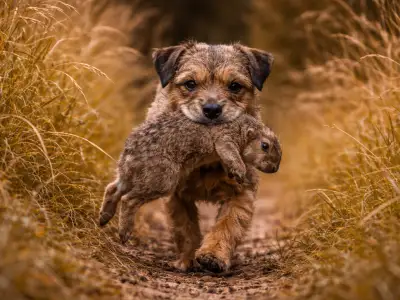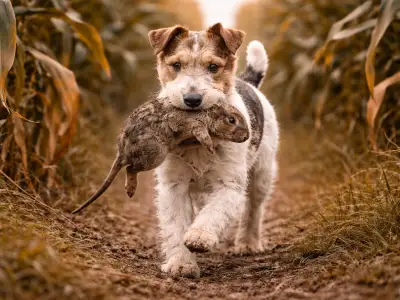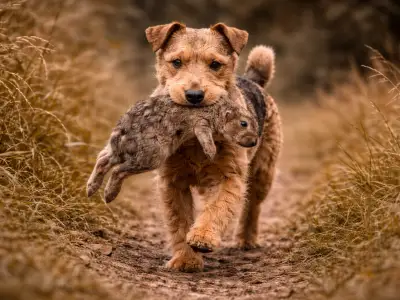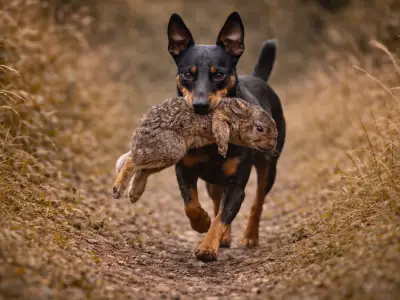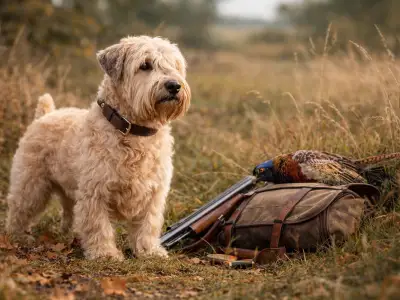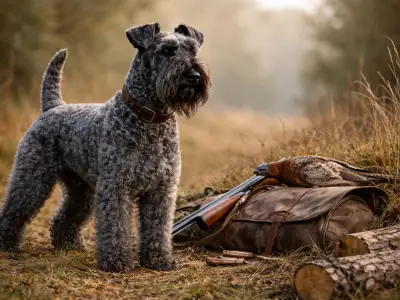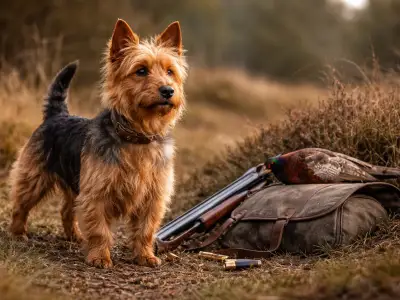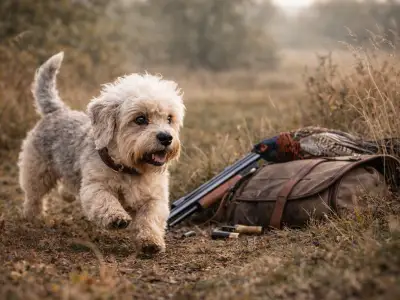
Cairn Terrier
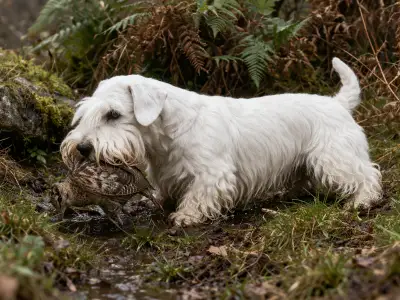
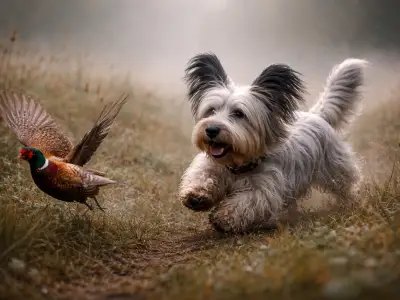
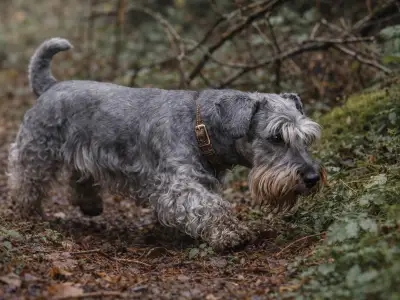
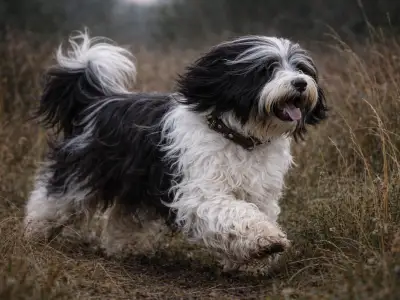
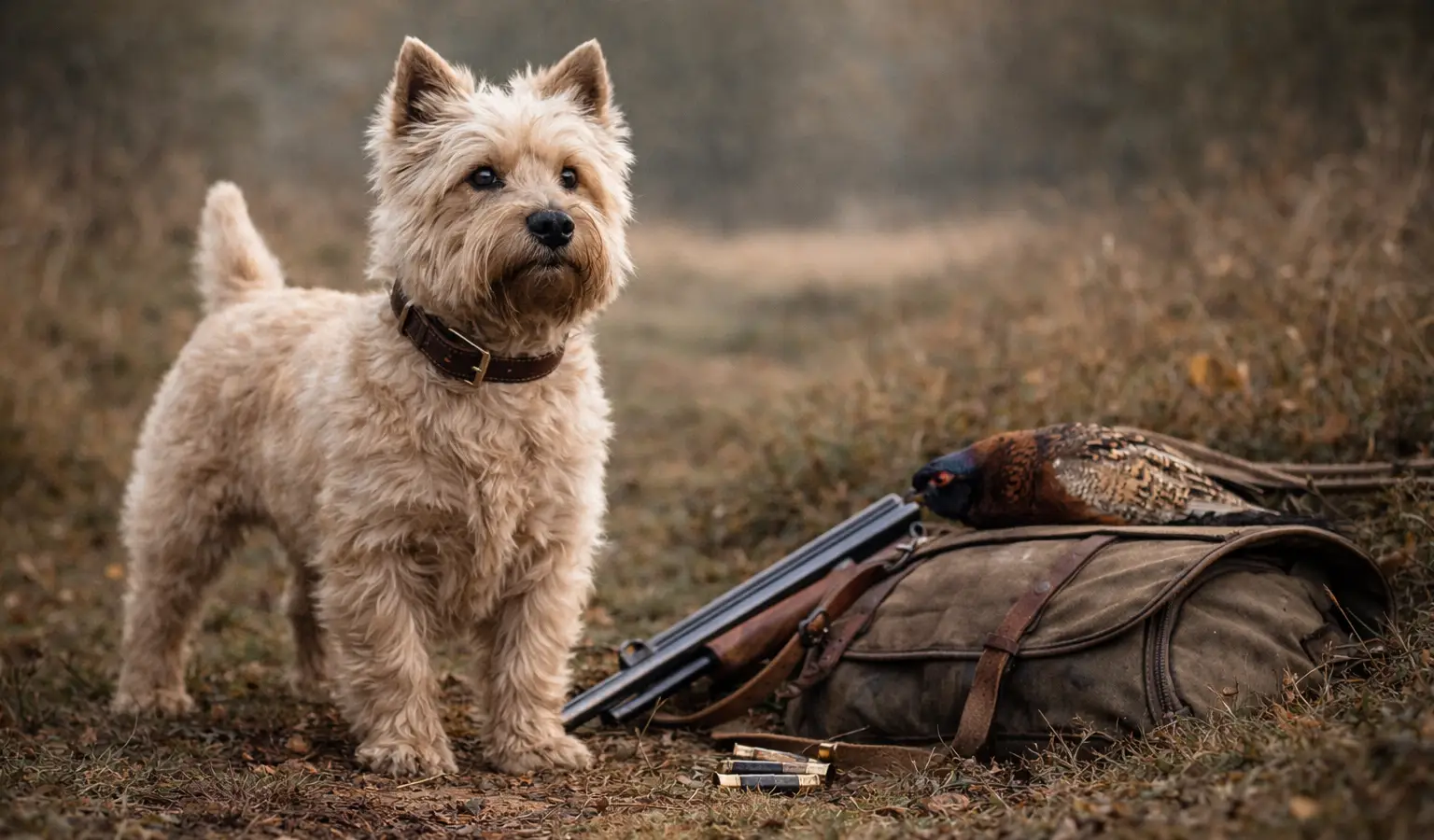
The Cairn Terrier is a small, sturdy and fearless dog, originally bred in Scotland for hunting vermin.
Life expectancy
13 – 15 years
Price
900 – 1500 €
Monthly budget
60 €
Size
Small
Profile
Cairn Terrier
Origin
United Kingdom
Year of origin
1900
Developed by
Scottish breeders
Size
Small
Coat type
Wire coat
Owner profile
Active owner
Hypoallergenic
No
Litter size
4
Life expectancy
13 – 15 years
Price
900 – 1500 €
Female
- Height : 25 – 31 cm
- Weight : 5 – 7 kg
Male
- Height : 28 – 31 cm
- Weight : 6 – 8 kg
Temperament & abilities
Affectionate
4/5
Calm
2/5
Independent
4/5
Intelligence
4/5
Obedience
3/5
Hunting instinct
4/5
Energy level
3/5
Good with children
4/5
Dog-friendly
3/5
Friendly with strangers
4/5
Hunting profile
Stamina
3/5
Hunting drive
3/5
Independence
4/5
Trainability
3/5
Beginner-friendly
3/5
Family compatibility
4/5
Feather game
0/5
Fur game
3/5
Underground work
4/5
Water work
0/5
These indicators help compare breeds and choose the right one for your hunting style.
Game & abilities
Estimated ability level by game type.
Budget
Purchase price
900 – 1500 €
The price may vary depending on the breeder, bloodline, and region.
Average monthly cost
60 €
Estimated average: food, healthcare, accessories, and grooming.
Small, bold, and useful in the right kind of work
Is the Cairn Terrier a good hunting dog?
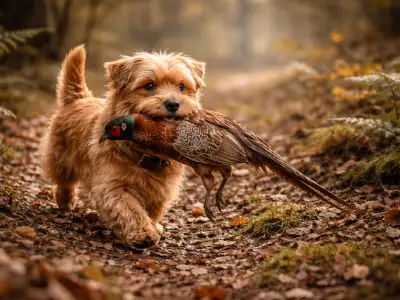
The Cairn Terrier can be a good hunting dog, but in a very specific terrier sense rather than as a general-purpose gun dog. This is a small, gritty hunting terrier developed for finding and pressuring vermin and quarry in rough ground, stone piles, and tight cover. A well-bred, well-handled Cairn Terrier often brings courage, sharp awareness, and a determined search style, but it is usually best suited to close work, pest control, and informal small-game use rather than broad, highly structured hunting roles.
In the field, the Cairn tends to work with energy and initiative. Its strengths usually include a keen nose for its size, quick reactions, and the confidence to enter dense cover where a larger dog may hesitate. This breed often hunts with a busy, self-driven pattern, checking hedges, brush, rocky edges, and other likely hiding places. That makes the Cairn Terrier interesting for hunters or landowners who want a compact dog for rats, rabbits in some contexts, and general farm or property vermin work. Stamina is respectable for such a small dog, but stride length and size naturally limit range, speed over open country, and power on larger game.
Handling is where expectations need to stay realistic. Like many hunting terriers, the Cairn can be intelligent and trainable while still being notably independent once scent, movement, or quarry excitement takes over. Recall, steadiness, and controlled search need patient repetition, and some individuals will always show a stronger hunting instinct than biddability. This is not usually the easiest choice for someone wanting a highly handler-focused dog with polished retrieve work or effortless off-lead control around active game.
- Best fit: close-range hunting, vermin control, rough cover, small properties, active rural homes
- Main strengths: courage, alertness, persistence, compact size, willingness to enter tight terrain
- Main limits: independence, selective recall under drive, modest retrieve instinct, limited suitability for larger-scale hunting tasks
For everyday life, that working temperament matters. A Cairn Terrier often fits best with an owner who enjoys training, secure exercise, and a lively dog that likes having a job. It can adapt well to family life if given outlets for energy and instinct, but it is rarely a decorative lap dog in temperament. Compared with more specialized hunting breeds, the Cairn offers character, grit, and practical utility in a small package, though it makes the most sense for people who specifically want a hunting terrier rather than an all-round field dog.
Strong vermin focus
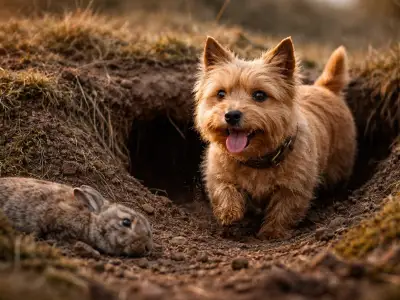
The Cairn Terrier was developed to seek out small quarry in rough places, and that instinct still matters. Many individuals show quick reactions to movement, determination around rodents, and a natural willingness to investigate holes, stone piles, and dense cover. For ratting or informal pest control, that focused prey drive is often one of the breed’s clearest working assets.
Bold in tight spaces
A good Cairn often brings the classic terrier mix of courage and persistence. This is useful when a dog needs to enter cramped, awkward ground cover without hesitation. The same trait can make the breed impressive on small quarry, but it also means handlers usually need solid control and judgment, especially around larger game or risky terrain.
Agile on rough ground
Compact, balanced, and notably nimble, the Cairn Terrier is well suited to uneven terrain where a bigger dog may be less practical. It can scramble over rocks, work around roots, and turn quickly in brushy areas. That agility supports the breed’s traditional job and also makes it handy for hunters who want a small dog that can stay active underfoot.
Good stamina for size
Despite its small frame, the Cairn Terrier is often tougher and more enduring than newcomers expect. Many can stay busy for long walks, repeated searches, and active days outdoors when properly conditioned. It is not a specialist endurance hound, but for a working terrier this steady energy is a real advantage in day-to-day hunting life.
Independent but trainable
The Cairn Terrier usually learns quickly, especially when training is clear, varied, and fair. In hunting terms, that can translate into useful responsiveness without losing the initiative terriers are valued for. The challenge is that many Cairns think for themselves, so recall, stop cues, and steady handling around prey often require consistent practice rather than casual obedience work.
Best for close-range work
This breed generally suits hunters who want a small, hands-on dog for nearby cover, farm pest control, and practical terrier work rather than wide-ranging search patterns. It is usually most convincing when allowed to hunt close, investigate thoroughly, and use its natural intensity in short bursts. For the right owner, that makes the Cairn Terrier engaging, useful, and easy to live with between outings.
Who the Cairn Terrier suits best
The Cairn Terrier tends to suit an active owner who likes a small dog with real working-terrier character. It often fits people who enjoy walks, games, basic training, and a dog that stays mentally switched on rather than simply lounging all day. For hunters or country-minded owners, the breed makes most sense as a lively earthdog-type companion with strong instinct, boldness, and curiosity, not as a versatile large-game or long-range gundog. In family life, many Cairns do well in homes that appreciate a cheerful, sturdy little dog and can manage barking, digging, and a quick response to movement.
Less suitable matches include very sedentary households, owners wanting instant off-leash reliability, or anyone expecting a soft, highly biddable temperament. A Cairn Terrier can be affectionate and trainable, but the breed often keeps an independent streak and may test limits if routines are inconsistent. It is usually a better fit for people who enjoy terrier personality than for owners seeking a calm, low-drive lap dog. Homes with small pets also need extra caution, since prey interest can be strong in some individuals.
A small Highland earthdog developed for hard, close work among rocks and rough ground
Origins of the Cairn Terrier and How Its Past Still Shapes the Breed
The Cairn Terrier comes from the old working terriers of the Scottish Highlands and islands, where small, tough dogs were valued for clearing foxes, otters, badgers, and rats from rocky ground and farm property. The name is linked to stone cairns, the piles of rocks under and around which vermin often hid, and that image explains a great deal about the breed: this was not a decorative terrier in origin, but a compact, agile hunter bred to go where larger dogs could not and to keep working in difficult terrain.
Like several native Scottish terriers, the Cairn developed before breed records were especially tidy, so exact early distinctions between local terrier types were not always fixed in the modern sense. Dogs of similar background were once grouped more loosely, particularly in the West Highlands and on the Isle of Skye. Over time, breeders selected more consistently for the traits that suited rough country work: weather-resistant coat, quick reactions, confidence around rock crevices and burrows, and the independence to search actively without waiting for constant direction. Formal recognition came in the early 20th century, but the breed’s working character was established long before show standards were written.
That history still shows in the modern Cairn Terrier’s temperament. A well-bred Cairn is often alert, bold, curious, and busy-minded, with a strong instinct to investigate movement, scent, and small prey. This helps explain why many Cairns remain lively diggers, energetic walkers, and enthusiastic earthdog-type companions even when kept mainly as family pets. It also explains some of the breed’s limits: recall can require real work, off-leash reliability varies by individual, and a passive household may find the dog more persistent and inventive than expected.
For hunting-minded owners, the Cairn Terrier makes the most sense as a small vermin-control terrier or as an active companion for people who appreciate terrier initiative rather than strict, mechanical obedience. For family life, the same heritage can be a strength if the dog gets enough activity, handling, and structured training. Cairns are generally small enough to live comfortably in many homes, but they are rarely best treated as lapdogs first and terriers second. Their background favors owners who enjoy a bright, game little dog with character, resilience, and a genuine taste for work.
Scottish earthdog roots
The Cairn Terrier developed in Scotland, where small, rugged terriers were used to go after vermin among rocky ground and farm outbuildings. The name is linked to stone cairns, and that image fits the breed well: compact, weather-tough, and built to work close to the earth rather than cover huge distances.
Selected for grit, not glamour
Its early selection focused on courage, quick reactions, and the willingness to investigate tight spaces where prey could hide. That working history still shows in many Cairns today. Even in a family setting, they often keep a strong terrier outlook: curious, alert, independent-minded, and very ready to chase small moving animals if training and management are loose.
Small dog, busy mind
A Cairn Terrier is rarely just a lap dog. This breed often combines cheerful companionship with a lively, problem-solving brain that likes activity and variety. Many are trainable when sessions stay short and consistent, but they may question repetitive drills. Owners usually do best with reward-based handling, clear boundaries, and outlets for sniffing, searching, and interactive play.
Hunting style in miniature
As a hunting terrier, the Cairn is better understood as a close-range worker than as an all-purpose gun dog. Its natural strengths tend to be vermin control, sharp alertness, and determination in rough cover. Size is an advantage in tight places, but it also means this breed is not designed for heavy retrieves or long days of large-scale field work.
Practical home life
The breed can adapt well to smaller homes if daily exercise and mental stimulation are taken seriously. A Cairn often suits active owners who enjoy walks, games, and regular engagement rather than a very quiet routine. Secure fencing matters, and homes with pet rodents or free-roaming small animals may need extra caution because prey drive can remain strong.
Low fuss, regular upkeep
Care is usually straightforward, but this is not a zero-maintenance coat or a self-exercising dog. The harsh outer coat needs regular brushing and periodic grooming to stay tidy and weather-resistant. Just as important, daily needs include movement, training, and constructive outlets for digging, scent interest, and watchdog tendencies so energy does not turn into nuisance behavior.
Practical answers on prey drive, training, daily living, and owner fit
Cairn Terrier hunting and family life FAQ
Is a Cairn Terrier actually a good hunting dog?
The Cairn Terrier comes from a working terrier background and was developed to search out small quarry in rough ground, so the breed often retains real hunting instincts. In practice, that usually means boldness, curiosity, a strong nose, and determination out of proportion to its small size. That said, modern individuals vary a lot: some are mainly lively companions, while others show stronger prey drive and more serious working interest. For earthwork or pest control contexts, a well-bred, well-trained Cairn may be useful, but it is not usually chosen today in the same way as more specialized hunting lines. It tends to suit owners who want a small, game little terrier with genuine working character rather than a highly standardized modern hunting dog.
Can a Cairn Terrier be trained for hunting without becoming impossible to manage at home?
Often yes, but the balance depends heavily on early training and daily consistency. A Cairn Terrier usually benefits from clear rules, recall work from puppyhood, impulse control around movement, and structured outlets for searching, sniffing, and chasing instincts. If hunting drive is encouraged without also teaching calm behavior, the dog can become noisy, highly reactive, or too quick to self-reward by ignoring cues. The best results usually come from short, frequent sessions, fair boundaries, and realistic expectations rather than harsh correction. Many Cairns can switch between active work outdoors and settled home life when that pattern is taught early and maintained.
How much exercise does a Cairn Terrier need if it is not used for hunting?
Most Cairn Terriers need more than a brief walk around the block, even though they are small. A good routine often includes brisk walks, sniffing time, play, and short training sessions that make the dog think as well as move. Without enough activity, some Cairns become destructive, vocal, restless, or overly interested in digging and chasing anything that moves. They do not usually need extreme endurance work, but they do need regular engagement almost every day. For many households, a mix of physical exercise and terrier-style problem solving is what keeps the breed pleasant to live with.
Is a Cairn Terrier a good family dog with children and other pets?
With respectful handling and proper socialization, a Cairn Terrier can be a cheerful, entertaining family dog. It often does best with children who understand that a small terrier is not a toy and may not tolerate constant grabbing or rough play. Around other dogs, many Cairns are social enough, but terrier confidence can lead to pushy interactions if manners are not taught. Small pets such as rodents or rabbits can be more challenging because prey drive may remain strong even in a well-loved companion dog. In family life, the breed usually suits homes that enjoy an active, spirited dog and are ready to supervise interactions instead of assuming everything will sort itself out.
Can a Cairn Terrier live happily in an apartment or small home?
A Cairn Terrier can adapt to apartment living surprisingly well if its mental and physical needs are met outside the home. Size is not usually the main issue; boredom, barking, and frustration are the bigger concerns. This breed often notices hallway sounds, moving animals, and daily neighborhood activity, so owners should work on calmness, quiet cues, and routine from the start. Access to safe walks, sniffing opportunities, and regular training matters more than having a large house. In a small home, a well-exercised Cairn can be charming and manageable, but an under-stimulated one may feel much larger than it looks.
Is the Cairn Terrier a good choice for first-time owners or novice hunters?
It can be a good choice for the right beginner, but it is rarely the easiest small breed if someone wants effortless obedience. The Cairn Terrier is intelligent and often quick to learn, yet it also tends to think independently and test whether commands are truly worth following. For first-time owners who enjoy training, appreciate terrier character, and can be consistent without becoming heavy-handed, the breed can be very rewarding. For novice hunters, it may be a better fit as an introduction to terrier instincts than as a highly specialized working partner. It generally suits people who want personality, drive, and involvement in daily training rather than a naturally compliant dog.
What kind of owner is the Cairn Terrier best suited to?
The breed usually suits active owners who like a dog with spark, humor, and a bit of grit. A Cairn Terrier tends to do best with people who enjoy walking, training, playing scent games, and managing prey drive in a practical way. It may be less suitable for owners who want a very quiet lap dog, an off-leash dog with minimal training, or a pet that ignores wildlife and garden movement. Hunters or outdoorsy owners may appreciate its alertness and natural terrier boldness, while families often enjoy its compact size and lively presence. The best match is someone who sees the Cairn not just as a small dog, but as a real terrier with working roots and daily needs to match.