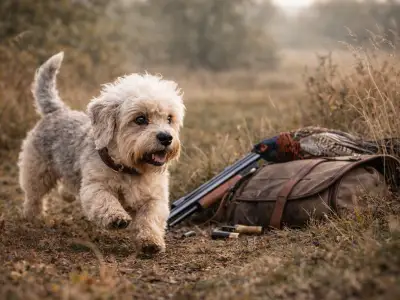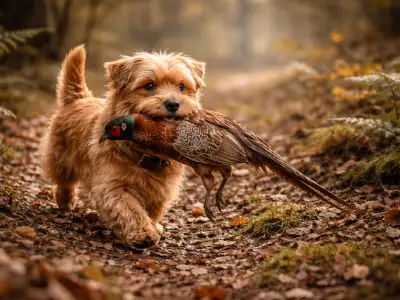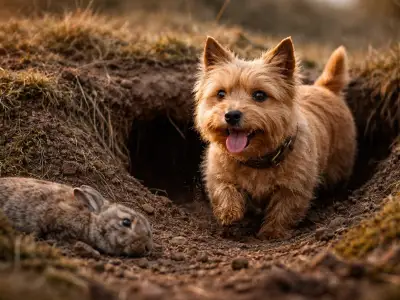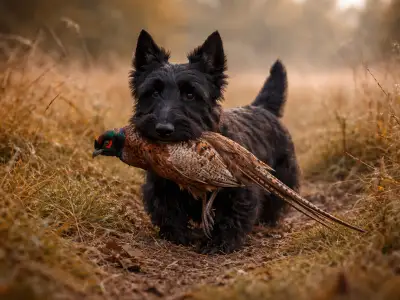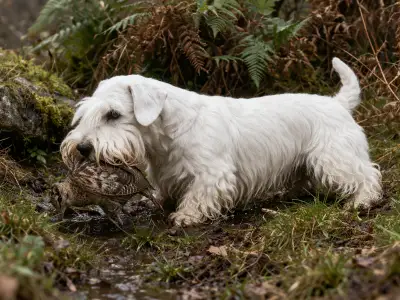
Skye Terrier
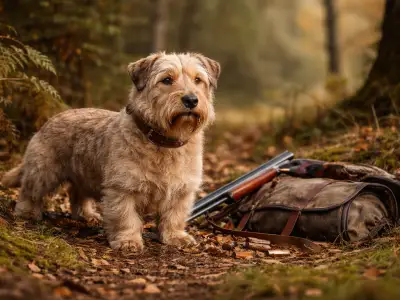
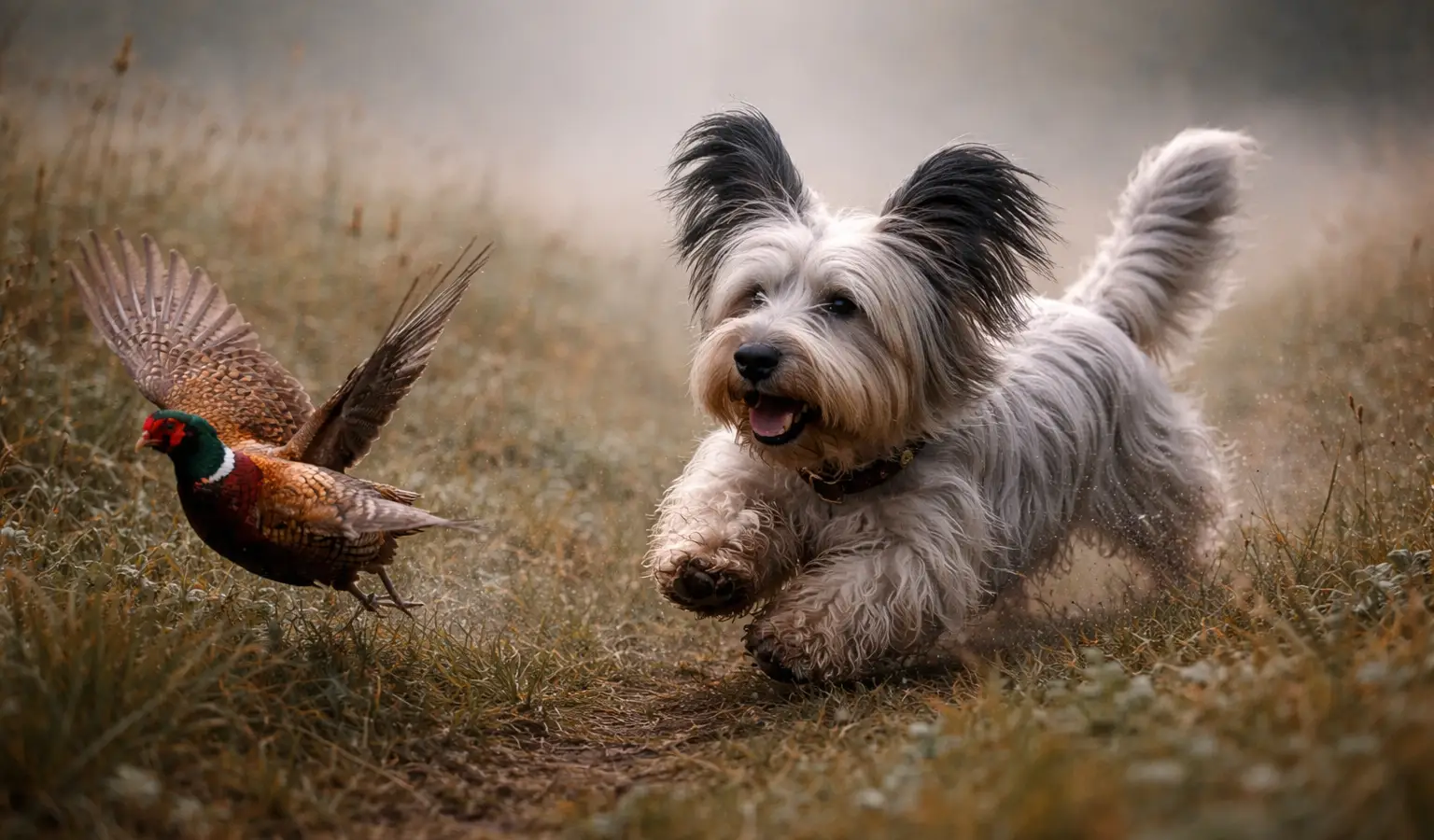
The Skye Terrier is a Scottish terrier with a long body and a flowing coat. Loyal and devoted, it can be reserved with strangers and shows classic terrier courage and determination.
Life expectancy
12 – 14 years
Price
1200 – 2200 €
Monthly budget
70 €
Size
Small
Profile
Skye Terrier
Origin
United Kingdom
Year of origin
1600
Developed by
Scottish breeders (Isle of Skye)
Size
Small
Coat type
Long coat
Owner profile
Calm owner
Hypoallergenic
No
Litter size
4
Life expectancy
12 – 14 years
Price
1200 – 2200 €
Female
- Height : 23 – 26 cm
- Weight : 11 – 14 kg
Male
- Height : 25 – 26 cm
- Weight : 15 – 18 kg
Temperament & abilities
Affectionate
3/5
Calm
4/5
Independent
4/5
Intelligence
4/5
Obedience
3/5
Hunting instinct
3/5
Energy level
2/5
Good with children
3/5
Dog-friendly
2/5
Friendly with strangers
2/5
Hunting profile
Stamina
2/5
Hunting drive
2/5
Independence
4/5
Trainability
2/5
Beginner-friendly
2/5
Family compatibility
3/5
Feather game
0/5
Fur game
2/5
Underground work
3/5
Water work
0/5
These indicators help compare breeds and choose the right one for your hunting style.
Game & abilities
Estimated ability level by game type.
Budget
Purchase price
1200 – 2200 €
The price may vary depending on the breeder, bloodline, and region.
Average monthly cost
70 €
Estimated average: food, healthcare, accessories, and grooming.
A bold earth terrier with real working roots, but a specialized fit for modern hunters
Is the Skye Terrier a Good Hunting Dog?
The Skye Terrier can be a capable hunting dog in the right role, but it is best understood as a traditional terrier rather than a versatile all-round gundog. Historically associated with quarry work, it brings courage, determination, and a close-range working style that can suit vermin control and some forms of earth work. For a hunter comparing breeds, the key point is simple: a Skye Terrier has genuine hunting instincts, but it is not the obvious choice for someone wanting wide-ranging search, steady retrieving, or easy off-lead handling over big country.
In the field, the breed’s strengths tend to be terrier strengths. A good Skye Terrier may use its nose well at short distance, work with persistence in rough cover, and show the confidence needed for quarry that fights back. Its search pattern is usually tighter and more methodical than that of larger hunting dogs, which can be useful in hedgerows, farm buildings, dense edges, and practical pest control situations. Stamina is often respectable for its size, but the breed is not designed for high-speed, all-day ranging across open ground.
Handling and training are where expectations matter. The Skye Terrier is intelligent, but often independent-minded, and that affects recall, responsiveness, and trainability under distraction. This is not necessarily a breed that works to please in the same way as many retrievers or spaniels. Consistent early training, a strong relationship with the handler, and realistic goals are important. If a line has retained stronger working character, the dog may show excellent grit and focus, but also more stubbornness and more self-directed decision-making.
- Best use cases: close-range hunting, vermin control, farm and smallholding work, and owners who value classic terrier character
- Less suited to: retrieving-heavy work, long-distance quartering, frequent off-lead hunting in difficult recall situations, or handlers wanting very soft, biddable temperaments
In everyday life, this balance is important. A Skye Terrier usually does best with regular activity, purposeful mental engagement, and owners who appreciate a dog with opinion and presence. Its energy level is often manageable in a home if exercised well, but its hunting drive, alertness, and terrier boldness still need thoughtful channeling. For the right person, the Skye Terrier offers authentic hunting terrier abilities and strong character; for others, especially those seeking a more versatile or easier-to-handle hunting dog, another breed may be the more coherent choice.
Bold in tight cover
The Skye Terrier was developed as a working terrier, and one of its most useful hunting qualities is the willingness to go where many dogs hesitate. In rough cover, stone piles, banks, and cramped places, a good Skye often shows notable courage and persistence. That said, this toughness is best managed by a calm handler who can keep determination from tipping into unnecessary risk.
Sticks with the job
Rather than flashy speed, the Skye Terrier’s strength is often steady commitment. When interested in a trail, hiding place, or problem to solve, many Skyes work with patient concentration instead of rushing. This can be valuable for vermin control and close, methodical hunting where careful checking matters more than covering ground fast.
Useful nose at short range
The breed is not usually discussed like a specialist scent hound, but a well-bred and well-schooled Skye Terrier can use its nose effectively in close quarters. It may be especially suited to locating scent in hedgerows, farm buildings, brush, and denning areas where practical detection matters more than long-distance tracking.
Independent terrier mind
A Skye Terrier often thinks for itself, which is a real working asset when the dog must investigate, persist, and make decisions in cover. The trade-off is that trainability is usually more terrier-like than biddable gundog-like. Clear repetition, consistent boundaries, and early channeling of prey drive tend to matter more than force or constant correction.
Controlled energy over raw speed
For hunters wanting a compact terrier that can stay engaged without the frantic feel some fast, ultra-reactive dogs bring, the Skye Terrier may appeal. Its hunting style is generally better described as deliberate and workmanlike than explosive. In daily life, that can translate into a dog that still needs activity and purpose, but not always endless all-out exercise.
Best for specialized terrier work
The Skye Terrier makes the most sense for owners who value traditional terrier qualities: resolve, close-range hunting instinct, and practical pesting or earthdog-type ability. It is less likely to be the first choice for broad hunting versatility, retrieving, or high-volume shooting days. For the right person, though, that specialization is exactly the appeal.
Who the Skye Terrier suits best
The Skye Terrier usually suits an owner who appreciates a strong-minded, close-bonding terrier rather than a highly biddable all-purpose dog. In a hunting context, it tends to fit someone interested in the old terrier style of work around vermin and den game, and who understands that courage, independence, and persistence often come with a selective attitude to training. Daily life is often easiest with a calm but engaged household that can provide regular walks, mental stimulation, and steady handling without harshness.
It is often a better match for people who like character and loyalty than for those wanting an easy first dog, a dog-park social butterfly, or a fast-paced endurance partner. Some Skyes can be reserved with strangers and opinionated with other dogs, so they usually do best with early socialization and owners who can manage terrier instincts sensibly. Less suitable profiles include very busy homes with little time for one-to-one attention, owners expecting instant recall off lead, or households wanting a carefree rough-and-tumble dog for small pets. For the right person, the appeal is a dignified, devoted companion with real terrier depth.
How an old island terrier’s history still shapes its character and working style
Origin and development of the Skye Terrier
The Skye Terrier is generally understood to have developed on the Isle of Skye in Scotland, where terriers were valued for practical work rather than appearance alone. Its early job was to go to ground after foxes, badgers, and otters, and to deal with vermin around rough country estates and farms. Some details of the breed’s earliest formation are not perfectly documented, but most accounts agree that the Skye was shaped for courage, persistence, and the ability to work in difficult terrain while staying close to its handler.
That background helps explain the breed’s distinctive build. The long, low body was useful for entering tight spaces and moving through rocky ground or dense cover, while the strong forequarters and determined temperament suited hard terrier work. The heavy coat, so striking today, also had a practical side in Scotland’s wet, windy climate, offering protection rather than simple ornament. In other words, the Skye Terrier was not originally a decorative companion with a hunting past attached later; it was a serious working terrier that happened to develop a very recognizable outline.
As the breed became known beyond Scotland, especially in the nineteenth century, it also entered the world of dog shows and companion ownership. That shift likely preserved the Skye Terrier, but it also narrowed how often the breed was used in everyday field work. Modern Skyes often still show the old terrier qualities: independence, intensity, loyalty to their own people, and a somewhat reserved attitude with strangers. For a potential owner, this history matters. A Skye Terrier may be calmer indoors than some smaller terriers, but it is rarely soft or casual in temperament.
For hunting or country life, the breed’s past suggests clear strengths and limits. It was bred for determination and close-range work, not for covering huge distances like a hound or versatile gundog. In daily life, that often means a dog that benefits from consistent training, firm but fair handling, and enough mental engagement to prevent stubborn habits from taking over. The Skye Terrier can suit an owner who appreciates an old-style terrier with substance and character, but it is usually a better match for someone who understands independent hunting breeds than for a first-time dog owner expecting easygoing compliance.
Island roots
The Skye Terrier is closely linked with the Isle of Skye in Scotland, where hardy terriers were valued for dealing with foxes, badgers, otters and other vermin in rough country. Its long, low body and substantial coat are usually understood as practical adaptations to difficult terrain and wet, windy conditions rather than mere ornament.
Built for earth work
Although many people now know the breed as a rare companion dog, the Skye Terrier comes from serious hunting terrier stock. It was developed to work independently, follow scent and confront quarry in confined spaces with notable courage. Compared with some faster, more hectic terriers, its working style is often described as determined and deliberate rather than flashy.
Reserved, not soft
A well-bred Skye Terrier is typically loyal and deeply attached to its people, yet often more reserved with strangers than the average pet terrier. That can make the breed feel dignified and calm at home, but early socialization matters. Many Skyes prefer respectful handling and clear boundaries over constant bustle, rough play or chaotic households.
Daily life and exercise
This breed usually does not need marathon exercise, but it does need regular walks, mental engagement and a chance to use its nose. A Skye Terrier can fit a quieter home better than some high-octane terriers, provided boredom is avoided. Short training sessions, scent games and steady routines often suit the breed better than repetitive drilling.
Coat and upkeep
The long double coat is one of the breed’s defining features, and it asks for consistent maintenance. Owners should expect routine brushing to limit tangles and keep the coat clean, especially around the legs and underside. Grooming is not only cosmetic here; it is part of comfortable daily care and should be built into the weekly routine.
Best match for owners
The Skye Terrier tends to suit owners who appreciate terrier character without wanting nonstop intensity. It can be a rewarding choice for someone patient, observant and willing to train with tact rather than force. For hunting use, success may depend heavily on individual lines and education, but the breed’s heritage still shows in its confidence, nose and persistence.
Practical answers about hunting ability, training, home life, exercise, and owner fit
Skye Terrier hunting and family life FAQ
Is a Skye Terrier still a good hunting dog today?
The Skye Terrier comes from old working terrier stock and was historically valued for courage, persistence, and the ability to go after small quarry. In modern life, however, many Skye Terriers are kept primarily as companions, so hunting ability can vary a lot between individuals and bloodlines. A well-bred dog may still show strong prey drive, sharp awareness, and determination, but that does not automatically make it a practical choice for every hunter. For someone specifically seeking an active hunting terrier, it is wise to ask breeders about working aptitude, steadiness, and real-world temperament rather than relying only on breed history.
What kind of hunting instinct does a Skye Terrier usually have?
Many Skye Terriers retain classic terrier instincts: noticing movement quickly, investigating scent, and showing persistence once something interests them. Their instinct often appears more in alerting, searching, and engaging with small-animal scent trails than in highly cooperative, long-range work. Because they are independent-minded, some may prefer to solve problems on their own rather than wait for direction. In daily life, that can mean chasing wildlife in the yard, intense focus on rodents or similar animals, and a need for reliable recall training before allowing freedom in open areas.
Are Skye Terriers easy to train for hunting or obedience?
Skye Terriers are intelligent, but they are not usually described as effortless dogs to train. They often respond best to calm, consistent handling and short, purposeful sessions rather than repetitive drilling. Heavy-handed methods can make some individuals resistant or shut down cooperation, while fair structure and good timing usually work better. For hunting-style training, early exposure, recall work, impulse control, and confidence around terrain matter more than rushing into advanced tasks. They can learn well, but they often suit handlers who appreciate a terrier's independent streak instead of expecting instant compliance.
Can a Skye Terrier live happily as a family dog if it is not used for hunting?
Yes, many Skye Terriers adapt well to family life when their exercise, mental engagement, and boundaries are handled properly. They are often deeply loyal and may form especially strong attachments to their own people, though some are naturally reserved with strangers. That can make them appealing for owners who want a devoted companion rather than an overly social dog. Families should still respect the breed's terrier traits, including prey drive, alertness, and a certain stubbornness. A Skye Terrier usually does best in a home that enjoys daily involvement with the dog rather than a very hands-off routine.
Do Skye Terriers do well in apartments or small homes?
A Skye Terrier can live in an apartment or smaller house if its daily needs are met, but size of home is less important than structure, exercise, and noise management. This breed does not need endless space indoors, yet it does need regular walks, opportunities to sniff and explore, and training to prevent nuisance barking or overreaction to sounds. Their alert nature can be a benefit, but in close living situations it needs guidance. Access to safe outdoor time helps, and owners should be realistic about grooming and cleaning if the dog spends time in wet grass, brush, or muddy areas.
How much exercise does a Skye Terrier need each day?
Most Skye Terriers do best with moderate daily exercise rather than extreme endurance work. A combination of walks, sniffing time, play, and small training tasks is often more useful than simply trying to tire the dog out physically. Many individuals enjoy exploring varied ground and using their nose, which fits their terrier background well. Without enough activity and engagement, some may become bored, vocal, or overly fixated on movement in the environment. For many homes, consistent daily routines matter more than occasional intense outings.
Who is the Skye Terrier best suited for: hunters, active owners, or first-time dog owners?
The Skye Terrier often suits owners who want a characterful, loyal dog with genuine terrier instincts and who are comfortable with a bit of independence in training. It may appeal to someone interested in the breed's working heritage, but it is not automatically the easiest or most versatile choice for a modern hunting role. For active companion homes, it can be a strong match when the owner values routine, patient training, and close day-to-day interaction. First-time owners can succeed, but the breed is usually easier for people who are ready for selective listening, grooming commitment, and firm but thoughtful handling.