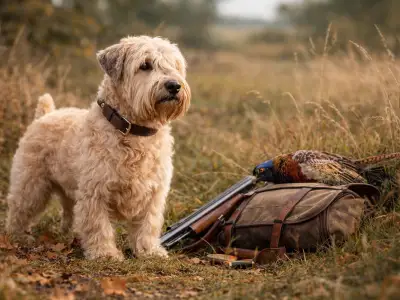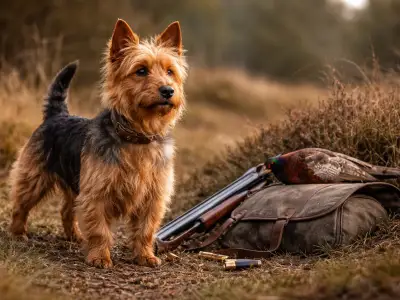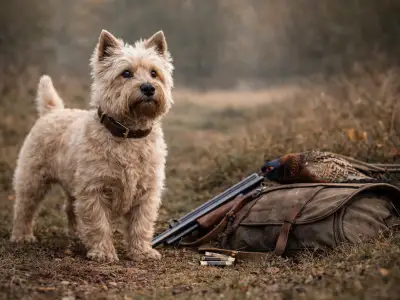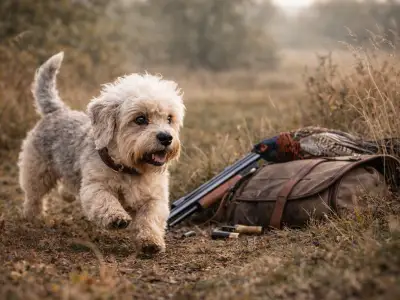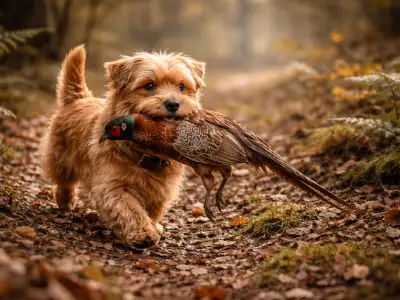
West Highland White Terrier
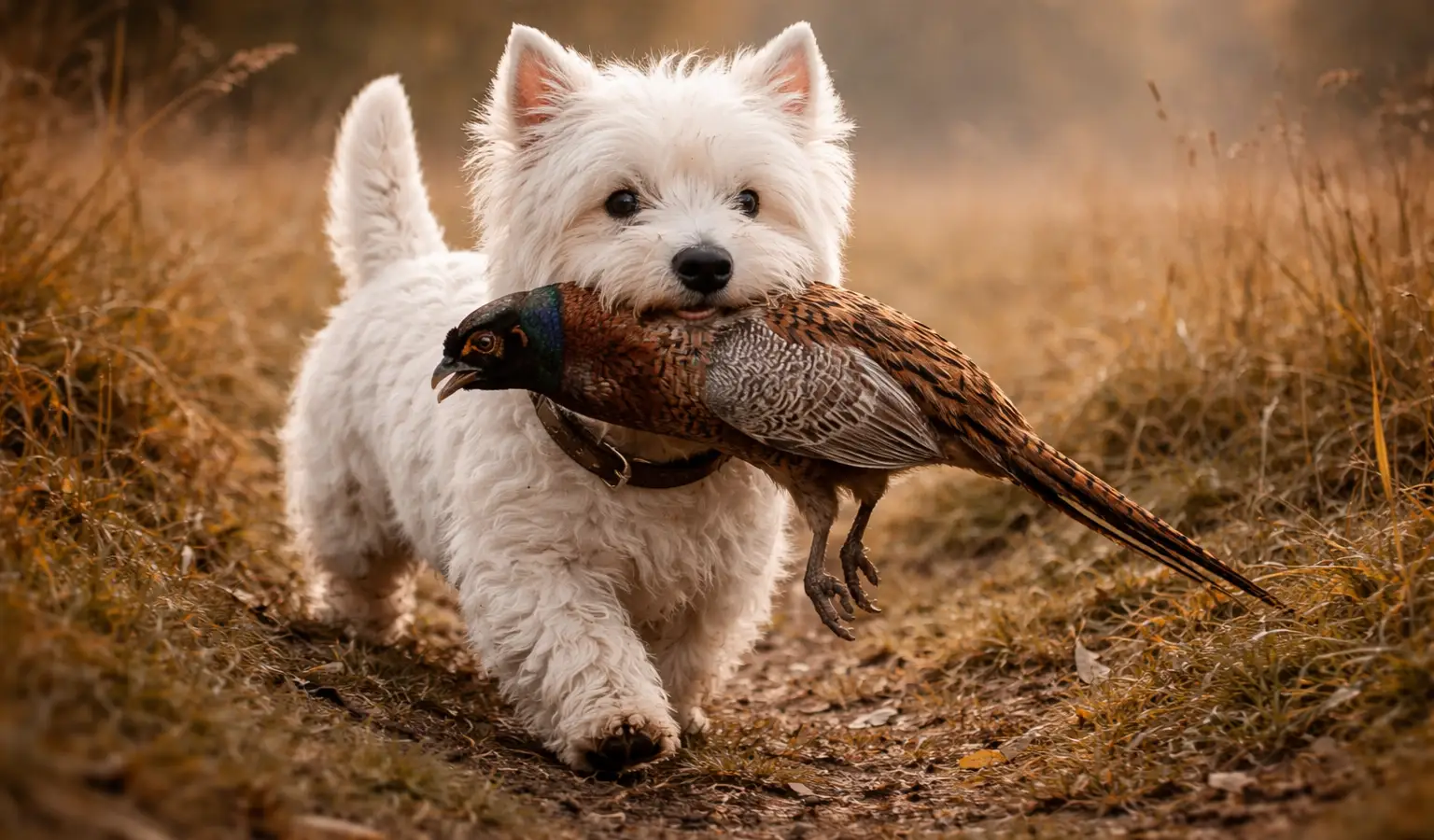
The West Highland White Terrier is a lively, friendly and confident dog.
Life expectancy
12 – 16 years
Price
900 – 1500 €
Monthly budget
65 €
Size
Small
Profile
West Highland White Terrier
Origin
United Kingdom
Year of origin
1900
Developed by
Scottish breeders
Size
Small
Coat type
Wire coat
Owner profile
Active owner
Hypoallergenic
Yes
Litter size
4
Life expectancy
12 – 16 years
Price
900 – 1500 €
Female
- Height : 25 – 28 cm
- Weight : 6 – 7 kg
Male
- Height : 26 – 28 cm
- Weight : 7 – 10 kg
Temperament & abilities
Affectionate
4/5
Calm
3/5
Independent
3/5
Intelligence
4/5
Obedience
4/5
Hunting instinct
4/5
Energy level
3/5
Good with children
4/5
Dog-friendly
3/5
Friendly with strangers
4/5
Hunting profile
Stamina
3/5
Hunting drive
3/5
Independence
4/5
Trainability
3/5
Beginner-friendly
3/5
Family compatibility
4/5
Feather game
1/5
Fur game
3/5
Underground work
4/5
Water work
0/5
These indicators help compare breeds and choose the right one for your hunting style.
Game & abilities
Estimated ability level by game type.
Budget
Purchase price
900 – 1500 €
The price may vary depending on the breeder, bloodline, and region.
Average monthly cost
65 €
Estimated average: food, healthcare, accessories, and grooming.
A compact terrier with real hunting roots, but a very specific kind of worker
Is the West Highland White Terrier a good hunting dog?
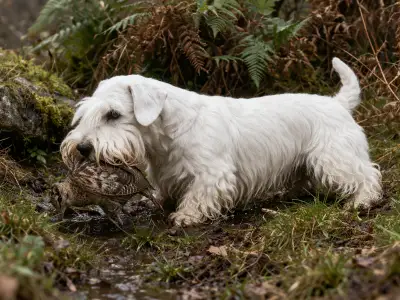
The West Highland White Terrier can be a capable hunting dog for the kind of work terriers were developed to do: searching close, entering tight cover, and showing courage on small quarry and vermin. In a modern hunting context, the Westie is not a general-purpose gundog and is rarely the first choice for larger-scale field work, but it can still suit hunters who want a small, bold, energetic dog with a keen nose, plenty of determination, and a practical size for rough ground and farm use.
Its working style is typically terrier-like rather than wide-ranging. A West Highland White Terrier often hunts with intensity over short distances, using nose, curiosity, and persistence to investigate cover, brush piles, edges, and holes. That makes the breed more coherent for pest control, informal small-game work, and active country life than for classic retrieving or highly structured pointing tasks. Courage is a genuine strength, but that same boldness can make handling more demanding if the dog becomes too self-directed or overly excited on scent.
Training matters a great deal with this breed. Many Westies are intelligent and willing, but they are not usually effortless to handle in the way a softer, more biddable hunting breed may be. Recall, steadiness, and impulse control need patient repetition from an early age, especially if the dog will be worked around livestock, roads, or distracting scent. A Westie may learn quickly, yet still test boundaries, so success often depends on clear routines, consistent expectations, and enough physical and mental activity to prevent frustration.
- Strengths: courage, compact size, good stamina for its size, practical nose use, enthusiasm in dense cover, lively temperament
- Limitations: independent streak, variable recall under distraction, limited suitability for retrieve-based work, less specialized than larger purpose-bred hunting dogs
- Best use cases: vermin control, small-scale rough shooting support, farm and smallholding life, active owners who want a terrier with genuine working instinct
For everyday life, the balance is appealing for the right home. A West Highland White Terrier is small enough to live comfortably in many settings, but it is rarely a low-effort dog if its terrier temperament is strong. Daily walks alone may not be enough; scent games, training, and purposeful activity help a great deal. For someone comparing hunting breeds, the Westie makes most sense as a spirited hunting terrier and lively companion, not as an all-round hunting specialist.
Sharp vermin focus
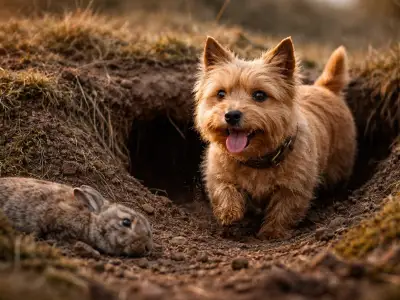
The West Highland White Terrier was developed as a small hunting terrier, and one of its clearest strengths is its instinctive interest in small ground game and pests. Many Westies show quick visual detection, fast reaction speed, and a natural willingness to investigate cover, stone piles, sheds, and brush where rats or similar quarry may hide.
Bold in tight places
A good Westie often brings the classic terrier combination of nerve and determination. That can be useful when a dog is asked to work around burrows, dense cover, or awkward terrain where hesitation slows the hunt. The same boldness needs steady handling, because courage in a small terrier can easily tip into overcommitment if training and control are neglected.
Compact, agile worker
The breed’s small frame is a practical advantage in real hunting conditions. A Westie can move through narrow gaps, rough edges, woodland scrub, and farm outbuildings more easily than many larger dogs. That agility makes the breed especially useful for close-range pest control and informal hunting jobs where maneuverability matters more than speed across open country.
Lively stamina for short hunts
Westies are energetic little dogs with more staying power than their size suggests. For many owners, that means a dog capable of repeated searches, active walks, and several bursts of intense work during the day. They are not usually chosen for long-distance pursuit, but they can be persistent and busy in shorter, practical hunting sessions.
Trainable with firm consistency
The breed can learn hunting routines, recall, and search patterns well, especially when training is started early and kept clear and consistent. A Westie is often intelligent and engaged, but still very much a terrier, so independence is part of the package. They tend to suit handlers who enjoy regular practice and fair boundaries rather than heavy-handed correction.
Best for close-range work
In hunting terms, the West Highland White Terrier is usually at its most convincing in specialist terrier roles rather than broad all-round gundog tasks. It is generally better suited to locating, flushing, and pest-oriented work than to soft-mouthed retrieving or highly polished distance handling. For the right owner, that specialization is a strength, not a weakness.
Who the Westie Suits Best
The West Highland White Terrier often suits an owner who wants a compact dog with real terrier drive rather than a purely decorative companion. In hunting-minded homes, it tends to fit best with people who appreciate boldness, curiosity, and a dog that was developed to work vermin and go to ground. A Westie can suit an active walker, country household, or small-game enthusiast who enjoys training, supervision, and giving the dog constructive outlets for scenting, searching, and problem-solving.
It is usually less suitable for owners expecting effortless obedience, a very soft temperament, or a low-maintenance lap dog. Many Westies are bright and trainable, but they can also be independent, quick to react, and strongly interested in movement, scent, and digging. They often do best with consistent boundaries, regular activity, and people who find terrier character charming rather than frustrating. Homes that dislike barking, messy gardens, or lively prey interest may find the breed a mismatch, especially if daily stimulation is limited.
How a small Scottish earthdog became the confident, hardy Westie seen today
Origin and development of the West Highland White Terrier
The West Highland White Terrier developed in Scotland as a compact hunting terrier used to go to ground after quarry such as fox, badger, and vermin. Like several Scottish terrier types, the breed emerged from local working dogs rather than from a single clean origin story, so some details vary between sources. What is broadly accepted is that breeders in the western Highlands selected for a tough, weather-resistant, agile little dog that could work independently in rough terrain while still remaining manageable around people. That early job helps explain the modern Westie’s alertness, bold attitude, and strong sense of self.
The white coat, now the breed’s defining feature, was likely preserved for practical reasons as well as fashion. A pale terrier was easier to distinguish from quarry on moorland and among rocks, reducing the risk of confusion during a hunt. Over time, breeders refined this small white working terrier into a more consistent type, especially in the late nineteenth and early twentieth centuries, when formal breed development and kennel club recognition became more established. Even then, the Westie was not created as a decorative lapdog first; its frame, expression, and temperament were shaped by function.
That functional background still shows in the breed today. A well-bred West Highland White Terrier is often lively, self-assured, curious, and surprisingly determined for its size. Many retain a strong prey drive, quick reactions, and a willingness to investigate every scent, hole, or movement in the garden. This can make the breed entertaining and capable in earthdog-style activities or informal vermin control, but it also means training needs patience and consistency. The Westie usually learns well, yet it may not respond like a highly biddable gundog; terrier independence is part of the package.
For modern owners, the breed’s history offers a realistic picture of daily life. The Westie often suits people who want a small dog with real character, stamina, and outdoor enthusiasm rather than a fragile companion breed. It can adapt well to family life when given structure, exercise, and clear boundaries, but its hunting-terrier roots may show up in barking, digging, and chasing small animals. In other words, the breed’s past is not just interesting background: it still shapes how the West Highland White Terrier moves through the world, works, plays, and lives at home.
Scottish earthdog roots
The West Highland White Terrier developed in Scotland as a small, tough terrier used to go to ground after foxes, badgers, and other quarry. Its compact frame, weather-resistant coat, and bold attitude were shaped by rough terrain and practical work, not by ornament. That heritage still shows in the breed’s confidence, curiosity, and readiness to investigate every hole, scent, and movement.
Why the white coat matters
The breed’s white color was not chosen only for looks. It is often said that a pale dog was easier for handlers to distinguish from quarry in dense cover, which could have reduced mistakes during a hunt. Whether every line followed the same path or not, visibility in the field became one of the Westie’s defining identity markers.
Brave, lively, and opinionated
A good Westie usually combines terrier courage with a cheerful, alert presence in the home. Many are affectionate and funny without becoming soft or passive. They tend to think for themselves, which can make training very rewarding but not always effortless. Owners often do best with clear routines, fair boundaries, and short, engaging sessions rather than repetitive drilling.
Hunting style in brief
As a hunting terrier, the Westie is better understood as a determined small game and vermin dog than as an all-purpose gundog. Many individuals show sharp prey interest, strong scent curiosity, and real persistence once engaged. In modern homes, that can translate into chasing, digging, and intense focus outdoors, so recall and impulse control deserve consistent early work.
Adaptable home life
The West Highland White Terrier can adapt well to town or country life if daily activity is taken seriously. Size makes the breed manageable in smaller homes, but temperament means it is rarely a low-effort companion. Most Westies thrive with regular walks, sniffing time, play, and household involvement. They often suit active families or individuals who enjoy a bright, sturdy little dog with character.
Coat care and daily upkeep
The Westie’s harsh double coat needs routine maintenance to stay tidy and functional. Even pet dogs benefit from regular brushing and consistent grooming, and some coats keep a more typical terrier texture with hand-stripping rather than simple clipping. Day to day, care is usually straightforward, but this is not a breed for owners who want a dog with almost no grooming or terrier-style management.
Practical answers on hunting ability, training, exercise, home life, and owner fit
Westie hunting and daily life FAQ
Is a West Highland White Terrier actually a good hunting dog?
The West Highland White Terrier was developed as a small hunting terrier, especially for going to ground after quarry such as rats, foxes, and similar pests in difficult terrain. That background usually gives the breed boldness, persistence, and a strong desire to investigate scent, movement, and burrows. In modern terms, a Westie is better understood as a small earthdog-type terrier with real instinct rather than a broad all-purpose hunting dog. Some individuals retain very strong working drive, while others are more companion-oriented, so suitability depends a lot on line, experience, and training. For pest control or instinct-based terrier work, the breed can be very capable in the right hands.
Can a Westie be trained for hunting or earthdog work if it is mainly a pet?
Many pet Westies can enjoy beginner hunting-style activities, especially scent games, barn-style rat sports, and earthdog work where available. The breed often responds best to short, lively sessions with clear rewards, because terriers tend to lose interest if training becomes repetitive or overly heavy-handed. A solid recall, impulse control around movement, and comfort with tunnels, brush, and novel environments are more useful than trying to force advanced work too early. Not every Westie will want the same level of intensity, but many can channel their natural drive into structured work while still living as happy household dogs.
Are West Highland White Terriers easy to train, or are they stubborn?
Westies are usually intelligent and quite capable of learning, but they are not typically the kind of dog that obeys in a soft, automatic way without question. Their terrier character often shows up as independence, selectiveness, and a tendency to follow their own nose if training is inconsistent. They usually do best with calm repetition, clear boundaries, food rewards, and games that make the task feel worthwhile. Harsh handling can create resistance, while overly lax handling can create pushy habits. For most owners, the breed is best described as trainable but not effortless.
How much exercise does a Westie need if it is not used for hunting?
A Westie usually needs more than a quick walk around the block, even though it is a small dog. Most do well with daily walks, chances to sniff and explore, short play sessions, and some kind of mental work such as scent games, basic training, or puzzle feeding. Without enough activity, some Westies become noisy, busy, or overly interested in digging and chasing small movement. The good news is that their exercise needs are generally manageable for active households, and they often fit well with owners who want a compact dog that still feels lively and outdoorsy.
Can a Westie live in an apartment, or does it need a house with land?
A West Highland White Terrier can live well in an apartment if its exercise, training, and mental stimulation are taken seriously. Size is not the main issue; the bigger question is whether the dog has an outlet for terrier behaviors like searching, patrolling, barking at novelty, and reacting to small animals. A house with a secure yard can be helpful, but it is not a complete substitute for walks, supervision, and training. In flats or dense neighborhoods, owners should be realistic about noise management and recall, because some Westies are quite alert and can become vocal if under-stimulated.
Is a Westie a good family dog with children and other pets?
Many Westies are cheerful, affectionate family dogs and often do well with respectful children, especially when they are raised with clear boundaries and calm handling. They are usually sturdier and more confident than very delicate toy breeds, which some families appreciate. With other pets, the picture is more mixed because a terrier may have a strong prey drive, particularly toward small mammals and fast movement. Careful introductions matter, and trust should not be assumed simply because the dog is small. For families who want a bright, funny dog and can manage terrier instincts, the breed can be a rewarding fit.
What kind of owner is the West Highland White Terrier best suited to?
The Westie often suits owners who enjoy a dog with personality, curiosity, and a bit of working grit rather than a passive lap dog. It tends to be a strong match for people who can provide daily structure, regular outdoor time, and patient training without expecting perfect off-switch behavior at all times. Hunters or country owners may appreciate the breed's natural interest in scent and vermin, while active town owners may value its compact size and robust temperament. It may be less suitable for someone who wants an instantly obedient dog, ignores grooming, or cannot tolerate barking, digging, and terrier independence.