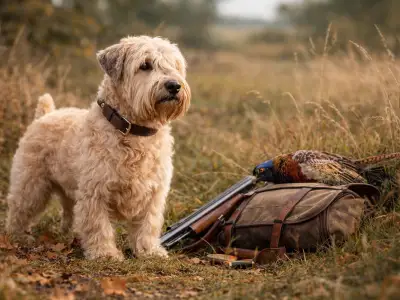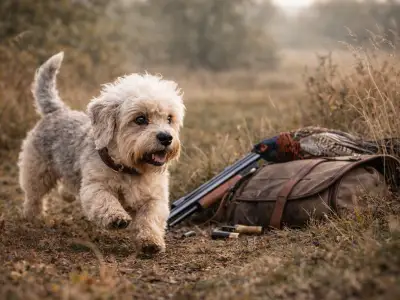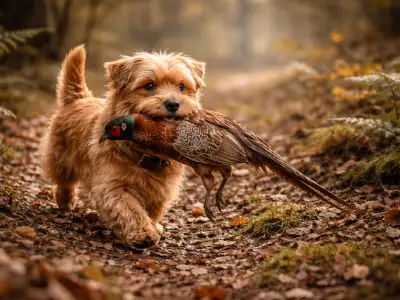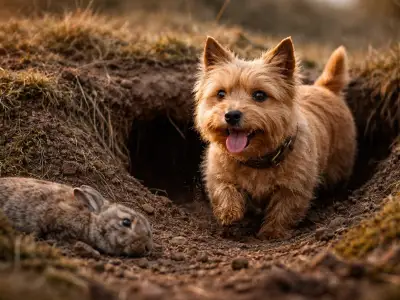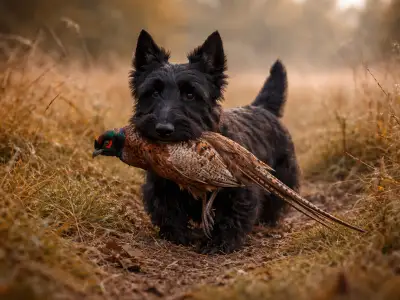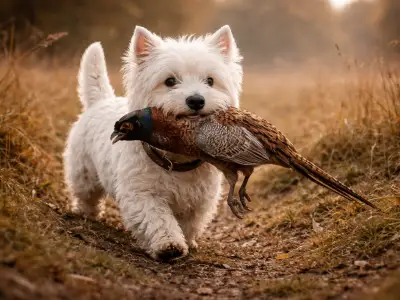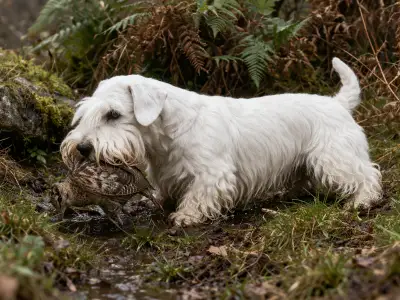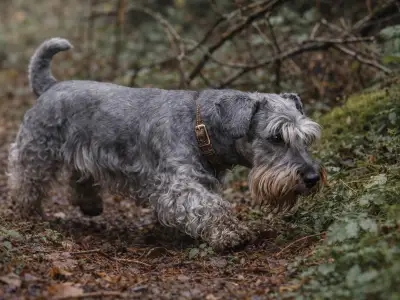
Glen of Imaal Terrier
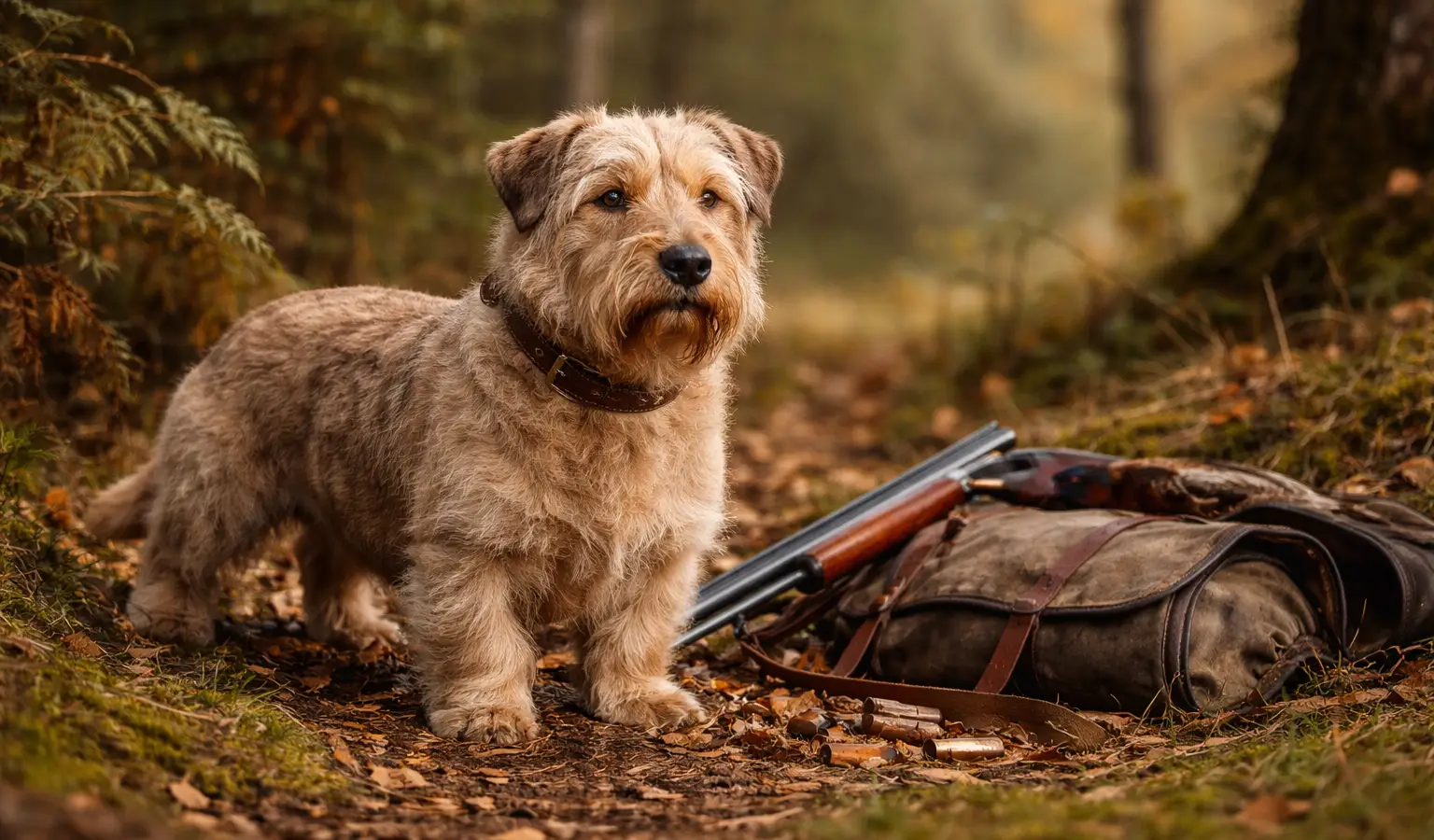
The Glen of Imaal Terrier is a strong, calm and determined dog, known for its resilience and loyalty.
Life expectancy
12 – 15 years
Price
1200 – 2000 €
Monthly budget
70 €
Size
Small
Profile
Glen of Imaal Terrier
Origin
Ireland
Year of origin
1700
Developed by
Irish farmers (Wicklow)
Size
Small
Coat type
Wire coat
Owner profile
Calm owner
Hypoallergenic
No
Litter size
4
Life expectancy
12 – 15 years
Price
1200 – 2000 €
Female
- Height : 32 – 36 cm
- Weight : 14 – 16 kg
Male
- Height : 34 – 36 cm
- Weight : 16 – 18 kg
Temperament & abilities
Affectionate
4/5
Calm
4/5
Independent
4/5
Intelligence
4/5
Obedience
3/5
Hunting instinct
4/5
Energy level
3/5
Good with children
4/5
Dog-friendly
3/5
Friendly with strangers
3/5
Hunting profile
Stamina
3/5
Hunting drive
3/5
Independence
4/5
Trainability
3/5
Beginner-friendly
3/5
Family compatibility
4/5
Feather game
0/5
Fur game
3/5
Underground work
4/5
Water work
0/5
These indicators help compare breeds and choose the right one for your hunting style.
Game & abilities
Estimated ability level by game type.
Budget
Purchase price
1200 – 2000 €
The price may vary depending on the breeder, bloodline, and region.
Average monthly cost
70 €
Estimated average: food, healthcare, accessories, and grooming.
A steady, courageous earth terrier with practical hunting ability and a calmer home life than many people expect
Is the Glen of Imaal Terrier a good hunting dog?
The Glen of Imaal Terrier can be a good hunting dog for the right kind of work, especially if you want a small, sturdy terrier with real courage, a strong nose, and a more deliberate working style than many flashier terriers. Traditionally associated with vermin control and earth work, the breed is better understood as a gritty, close-range hunting terrier than as a fast, wide-ranging dog for covering large ground. For hunters asking whether the Glen of Imaal Terrier is suitable for hunting, the most coherent answer is that it fits practical terrier jobs, pest control, and some rough-cover work better than modern high-speed, high-volume hunting scenarios.
In the field, the Glen typically works with determination rather than frantic intensity. It tends to hunt close, use cover intelligently, and show the kind of courage that made working terriers valuable around farms and in difficult terrain. Its compact build and stamina can suit thick cover, rocky ground, and jobs where persistence matters more than speed. That said, this is not usually the first choice for handlers wanting a long-casting dog, a polished retriever, or a highly versatile all-round gundog. The working style is more terrier than retriever: independent-minded, practical, and often at its best when the task is clear and close.
Handling and training are where expectations need to stay realistic. A Glen of Imaal Terrier may be trainable and responsive with patient, consistent work, but it is rarely a breed that lives to take repetitive direction. Recall, steadiness, and cooperative control usually need careful early training, especially if prey drive is strong. Many individuals are quite sensible in daily life, but in hunting situations the terrier temperament can show through in persistence, selectiveness, and a willingness to make its own decisions. That can be an asset in some field conditions and a limitation for handlers who prefer immediate, highly compliant responses.
- Best use cases: vermin control, earth-dog type work, practical farm terrier duties, rough cover where a close-working dog makes sense
- Main strengths: courage, toughness, useful nose, close search pattern, stamina, manageable size
- Main limitations: not a specialist retriever, not built for big running days, can be independent, needs serious recall training
For everyday life, the Glen often offers a more balanced compromise than many people expect from a hunting terrier. Energy level is usually moderate to moderately high rather than extreme, though this depends on line and individual temperament. With enough activity, structure, and training, many can settle well at home and live comfortably as both companion and working dog. The breed generally suits someone who wants authentic terrier hunting ability without the constant edge of a hotter, busier type, and who accepts that field performance and household ease will always depend on breeding, education, and the individual dog in front of them.
Bold in close cover
The Glen of Imaal Terrier was developed for tough, close work, and that shows in its willingness to enter dense cover and stay engaged under pressure. It tends to suit hunters who want a small, sturdy dog with real nerve rather than a flashy, wide-ranging worker. In the field, that courage is most useful when paired with sensible control and careful introduction.
Strong concentration
One of the breed’s more useful working qualities is its ability to stay on task without the constant fizz some terriers bring. Many Glens appear more deliberate than frantic, which can help in tight hunting situations where accuracy matters more than speed. For handlers, that often translates into steadier work around cover, boundaries, and repeated searches of the same patch.
Built for persistence
Low to the ground, heavily boned, and notably robust, the Glen often brings physical staying power rather than explosive pace. It is not the terrier for covering huge distances at top speed, but it can keep working methodically through rough ground and awkward terrain. That makes it appealing to people who value endurance, grit, and a practical day’s work over showy action.
Useful nose at short range
This is not usually described as a specialist scent hound, yet many Glen of Imaal Terriers make sensible use of their nose in close quarters. Their strength is often in working nearby cover carefully rather than ranging far ahead. For rough shooting or vermin control, that close-range scenting style can be easier to follow and manage than a more expansive hunting pattern.
More manageable than many terriers
Compared with some sharper, more hectic terrier breeds, the Glen can come across as calmer and more biddable, although individuals still vary. That matters in hunting because a dog that settles between bursts of work is often easier to handle safely and live with at home. It generally suits owners who want working ability without nonstop intensity every hour of the day.
Versatile country helper
The breed’s traditional image is not that of a one-dimensional hunter. Depending on line, training, and local use, a Glen may fit practical jobs around the countryside, from hunting in cover to general farm-dog duties. Its best quality here is not extreme specialization, but a compact, capable temperament that can switch between work, daily family life, and a more grounded routine.
Who the Glen of Imaal Terrier suits best
The Glen of Imaal Terrier tends to suit an owner who likes a compact, strong hunting terrier with a more measured style than many other terriers. In the right hands, it can appeal to someone interested in earthdog work, vermin control, or a tough little companion for active country life rather than a fast, flashy all-purpose sporting dog. Many Glens are affectionate at home and less frantic indoors than people expect from a terrier, but they still need regular exercise, clear rules, and consistent training to manage independence, prey drive, and stubborn moments.
This breed usually fits best with people who enjoy handling a determined dog and who can provide structure, outlets, and supervision around smaller pets. It is often less suitable for owners wanting instant off-leash reliability, a highly biddable first dog, or a tireless jogging partner. Some households love the Glen's calm, comical side; others underestimate its strength, digging instinct, and tenacity. For the right active owner, especially one who values a grounded terrier temperament over constant speed, the Glen can be an unusually rewarding match.
How a remote Irish working terrier became the steady, low-set hunter known today
Origin and development of the Glen of Imaal Terrier
The Glen of Imaal Terrier comes from the rugged Glen of Imaal in County Wicklow, Ireland, where farmers needed one dog that could do several jobs well. Rather than being shaped for fashion or speed alone, the breed appears to have been developed as a practical working terrier for controlling vermin and tackling quarry underground, with some historical accounts also linking it to badger and fox work. As with many old rural breeds, parts of its early history are not perfectly documented, but its purpose is clear: this was a tough, useful dog bred for stamina, courage, and efficiency in difficult terrain.
That background helps explain why the Glen is different from many more animated terriers. It was selected less for flashy movement or constant excitability and more for determination, physical strength, and a measured, economical working style. The breed’s low, sturdy build, powerful front end, and substantial bone reflect a dog expected to dig, push through rough ground, and stay effective in close work. In the field, that often translates into a terrier that can be bold and serious without always being frantic, which is one reason some owners describe the Glen as calmer at home than they expected from a terrier.
Over time, the Glen of Imaal Terrier moved from a purely local farm worker to a recognized pedigree breed, but its historic function still matters when judging temperament today. A well-bred Glen often combines independence with a surprisingly steady household manner, yet that should not be mistaken for an easy, low-effort dog. Terrier instincts remain strong, prey drive can be significant, and training usually works best with calm consistency rather than heavy-handed handling. For hunters and active owners, the breed may suit those who appreciate a compact, robust dog with grit, patience, and less pointless fuss than some other terriers.
In practical terms, the Glen’s history points to a dog that tends to suit a specific kind of home:
- owners who want terrier character without nonstop motion
- people able to manage prey drive and independent decision-making
- hunters or country households that value toughness and composure over sheer speed
- families prepared for a solid, strong-minded dog that needs structure and purposeful activity
That blend of old-fashioned utility, restraint, and resolve is what still defines the breed. The modern Glen of Imaal Terrier is not simply a smaller rough-country pet with Irish roots; it is a specialist terrier shaped by hard work, and its present-day temperament makes the most sense when viewed through that working history.
An Irish valley terrier
The Glen of Imaal Terrier comes from a remote valley in County Wicklow, Ireland, where dogs were expected to be practical workers rather than fashionable show animals. That background helps explain the breed’s sturdy frame, weather-resistant coat, and matter-of-fact attitude. It is widely regarded as one of the more substantial Irish terriers, built for usefulness over flash.
Bred for hard ground work
This breed was developed for demanding vermin control and, historically, for going to ground after quarry such as badger and fox in some working contexts. Compared with leggier terriers, the Glen often works with a lower, powerful build and a steady approach. It is less about frantic motion and more about determination, strength, and persistence when a task is worth doing.
A calmer kind of terrier
Many owners are drawn to the Glen of Imaal Terrier because it often feels more measured than the typical high-voltage terrier. It can still be bold, independent, and ready to stand its ground, but it is frequently described as quieter and more even-tempered at home. That combination can suit people who want terrier character without constant intensity.
Best with thoughtful handling
The breed is intelligent and capable, but training usually goes best with calm consistency rather than repetition or heavy pressure. A Glen may question pointless drills and can be selective about cooperation, especially if early education is uneven. Clear boundaries, reward-based work, and good social exposure matter if you want a reliable companion that is manageable around everyday distractions.
Compact, but not low-maintenance
Its smaller height can mislead people into expecting an easy apartment dog. In reality, the Glen of Imaal Terrier still needs regular exercise, mental engagement, and sensible outlets for prey drive. Daily life is often easiest with secure outdoor space, structured walks, and owners who understand terrier instincts. The rough coat also needs routine upkeep to stay tidy and functional.
Who the breed suits
This terrier tends to suit people who appreciate a tough little working dog with a steadier indoor presence than some other hunting terriers. It can fit active family life if children and dog are both well guided, but it is rarely ideal for hands-off ownership. Hunters and country-minded owners often value its grit, while casual pet homes may underestimate its drive and firmness.
Practical answers for future owners, working homes, and people considering this rare terrier
Glen of Imaal Terrier hunting and daily life FAQ
Is a Glen of Imaal Terrier a good hunting dog today?
The Glen of Imaal Terrier comes from working terrier stock and may still show useful hunting instincts, especially for earth work, vermin control, and determined scenting in rough cover. That said, modern individuals vary a lot, and not every Glen is bred, started, or handled for real field use. Compared with some sharper, faster terriers, the Glen is often described as more measured and less hectic, which can be an advantage for owners who want a steady dog rather than constant intensity. If hunting is a serious goal, look for proven working lines, honest breeder guidance, and early, structured exposure rather than assuming instinct alone will do the job.
How easy is a Glen of Imaal Terrier to train for hunting and everyday life?
A Glen is usually intelligent and capable, but training is rarely a matter of simple repetition and instant obedience. Many have an independent terrier mind, so they respond best to calm, consistent handling, clear rules, and short sessions with a purpose. Heavy-handed methods often reduce cooperation, while fair structure and good timing tend to get better results. For hunting preparation, recall, steadiness, lead manners, and controlled arousal matter just as much as prey interest, because a strong little dog without control can become difficult to manage in the field and at home.
Does the Glen of Imaal Terrier need a lot of exercise?
The breed usually needs regular, meaningful activity, but not always the nonstop output people expect from a small terrier. Most Glens do well with daily walks, training games, sniffing opportunities, and some strength-building play rather than endless high-speed exercise. Mental work is especially important, because a bored Glen may become stubborn, vocal, or too interested in chasing small animals. Many settle well indoors once their needs are met, but they are not a decorative couch dog and generally do best when given a job, routine, and a reason to engage with their owner.
Is a Glen of Imaal Terrier good with children and family life?
In the right home, a Glen of Imaal Terrier can be a solid family dog: sturdy, affectionate, and often less frantic than some other terriers. They may suit families who want a smaller dog with substance and character, but supervision still matters, especially with young children who may handle a dog roughly or ignore boundaries. Early socialization and everyday manners make a real difference, because terriers are not always endlessly tolerant when pushed. The best match is usually a family that enjoys training, respects the dog's working background, and can provide structure rather than expecting automatic patience.
Can a Glen of Imaal Terrier live in an apartment or small house?
A Glen can adapt to apartment or small-house living if exercise, training, and daily management are taken seriously. Size alone makes people think this breed is easy indoors, but terrier traits such as alertness, persistence, and prey drive still need an outlet. Good routines, quiet-settling practice, and enough outdoor time are important, especially in shared buildings where barking or frustration can become an issue. A secure leash habit is useful too, because some Glens may fixate on cats, rodents, or other moving animals and make poor choices if simply left to self-regulate.
What kind of owner is the Glen of Imaal Terrier best for?
This breed often suits people who like terrier character but want something more grounded than the busiest, most reactive types. A good owner is patient, observant, and consistent enough to set rules without turning every interaction into a confrontation. Hunters and active country owners may appreciate the breed's toughness and practicality, while non-hunters can also do well if they genuinely enjoy training, walking, and giving the dog constructive outlets. It is usually a weaker fit for owners who want instant off-leash reliability, very soft temperament, or a dog that accepts boredom without finding its own entertainment.
Is the Glen of Imaal Terrier a good choice for first-time dog owners?
For some first-time owners, the Glen can work, but it is not the easiest beginner breed. The challenge is not extreme size or exercise demands; it is the combination of strength, determination, and terrier independence in a compact dog. A motivated beginner who plans training early, learns how to manage prey drive, and chooses a stable, well-bred puppy may do well. Someone looking for a highly biddable dog that naturally checks in, greets every animal politely, and forgives inconsistent handling might find another breed easier to live with day after day.