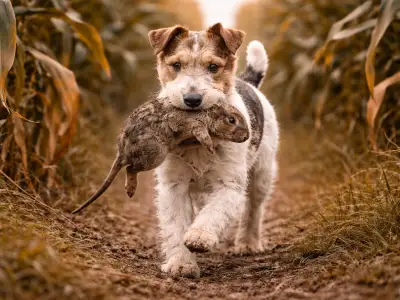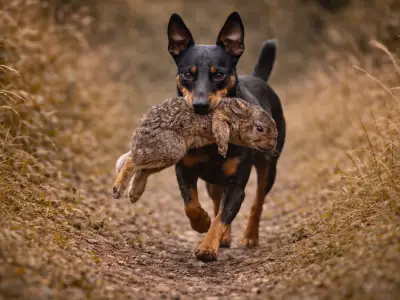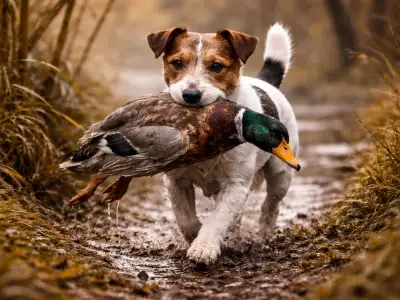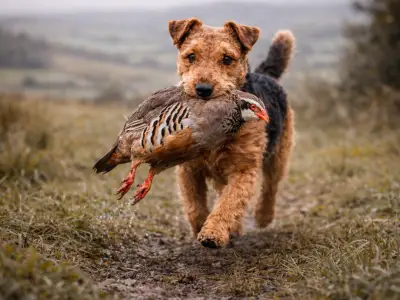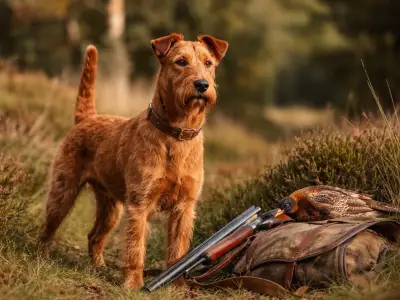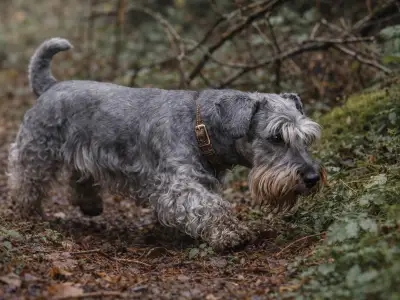
Australian Terrier
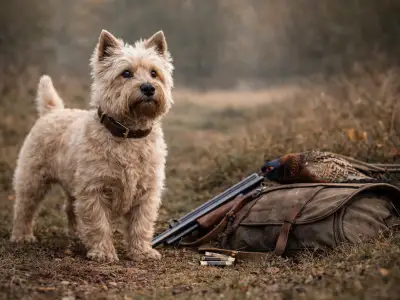
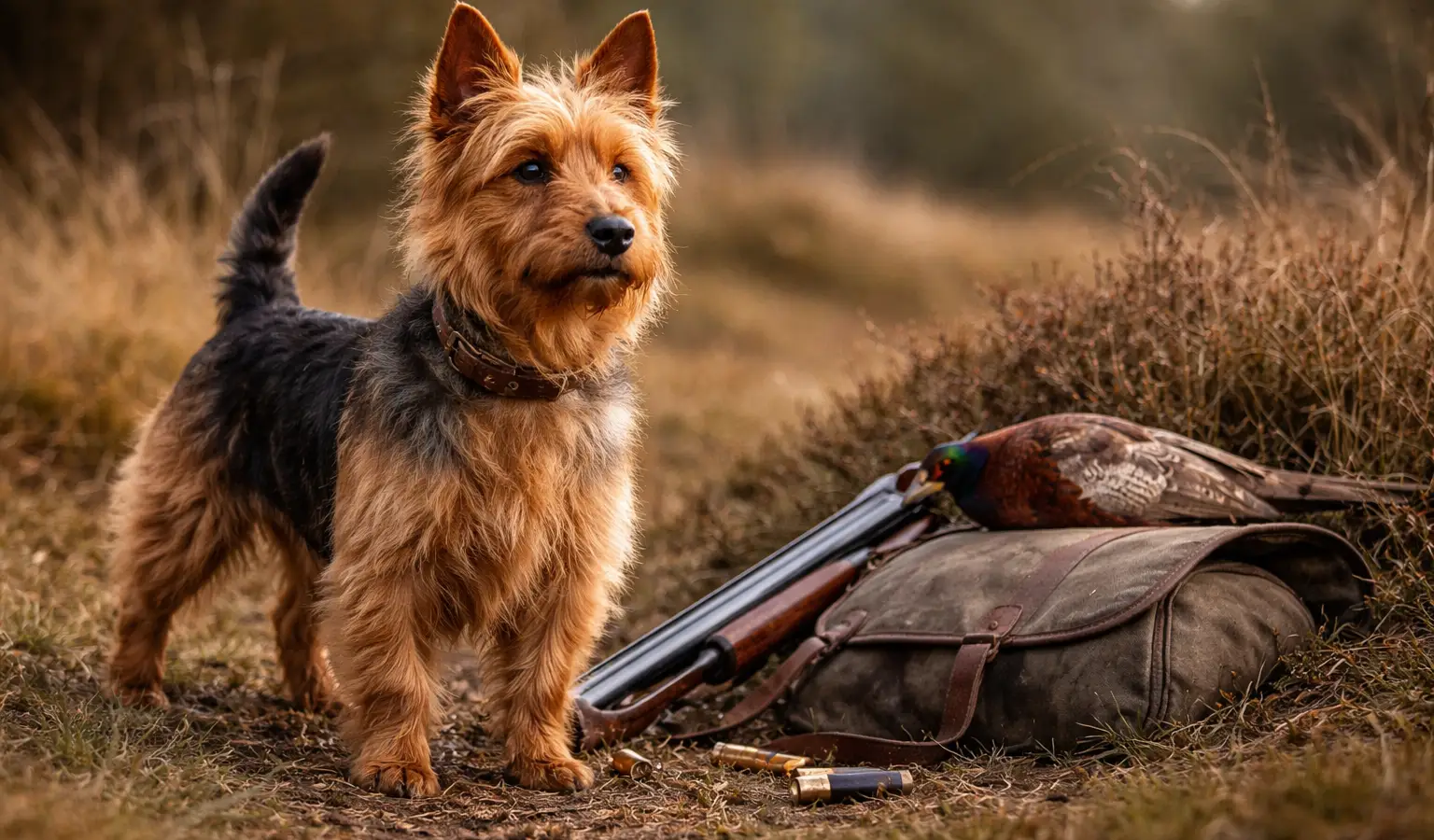
The Australian Terrier is a small, sturdy and alert dog with a loyal and affectionate nature.
Life expectancy
12 – 15 years
Price
900 – 1600 €
Monthly budget
60 €
Size
Small
Profile
Australian Terrier
Origin
Australia
Year of origin
1850
Developed by
Australian settlers
Size
Small
Coat type
Wire coat
Owner profile
Active owner
Hypoallergenic
No
Litter size
4
Life expectancy
12 – 15 years
Price
900 – 1600 €
Female
- Height : 23 – 28 cm
- Weight : 5 – 6 kg
Male
- Height : 23 – 28 cm
- Weight : 6 – 7 kg
Temperament & abilities
Affectionate
4/5
Calm
3/5
Independent
3/5
Intelligence
4/5
Obedience
4/5
Hunting instinct
4/5
Energy level
3/5
Good with children
4/5
Dog-friendly
3/5
Friendly with strangers
3/5
Hunting profile
Stamina
3/5
Hunting drive
3/5
Independence
4/5
Trainability
3/5
Beginner-friendly
3/5
Family compatibility
4/5
Feather game
0/5
Fur game
3/5
Underground work
4/5
Water work
0/5
These indicators help compare breeds and choose the right one for your hunting style.
Game & abilities
Estimated ability level by game type.
Budget
Purchase price
900 – 1600 €
The price may vary depending on the breeder, bloodline, and region.
Average monthly cost
60 €
Estimated average: food, healthcare, accessories, and grooming.
Small, game, and capable in the right kind of work
Is the Australian Terrier a good hunting dog?
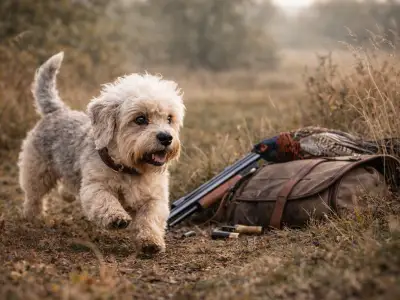
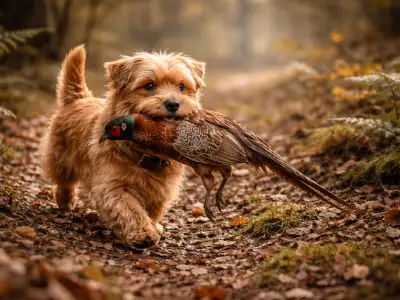
The Australian Terrier can be a useful hunting dog, but in a specific, realistic sense rather than as an all-round field specialist. This is a small hunting terrier with true grit, quick reactions, and enough nose and persistence for vermin work, rough cover searches, and some close-range flushing tasks. For readers asking about Australian Terrier hunting ability, the honest answer is that the breed is generally better suited to small quarry, farm pest control, and energetic terrier-style work than to large-scale hunting days or highly polished gun-dog jobs.
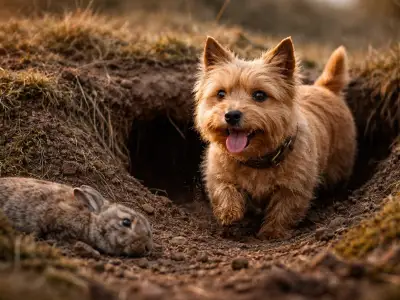
Its working style is typically bold, busy, and independent-minded. Many Australian Terriers show the classic terrier mix of courage, curiosity, and determination, which can make them effective around sheds, hedgerows, bramble, stone piles, and other tight spaces where a small dog can move easily. They often hunt close enough to stay connected, but handling can vary with breeding and training. Recall and steadiness should not be taken for granted, especially when scent, movement, or underground game triggers that strong prey drive.
In practical terms, the breed makes the most sense for owners who want a compact, lively dog that can do real work without needing the scale or range of a larger hunting breed. Coherent use cases may include:
- ratting and general vermin control on rural properties
- flushing or searching light to moderate cover at short range
- an active companion for walkers, smallholders, and country homes who value working terrier instincts
There are also clear limitations. The Australian Terrier is not usually the first choice for sustained big-terrain searches, formal retrieve work, waterfowl duties, or highly collaborative hunting that demands long-distance handling. Stamina is good for its size, but size still matters in difficult ground, heavy bramble, cold wet conditions, and physically punishing days. Trainability is often solid when sessions are consistent and fair, yet terrier temperament means the dog usually responds best to engaged, regular training rather than repetitive drilling.
In everyday life, this balance is important. The same energy, alertness, and courage that help in hunting can also mean a dog that needs outlets, boundaries, and meaningful activity. For the right owner, the Australian Terrier offers a credible mix of working instinct and manageable family life: small enough to live with comfortably, keen enough to stay useful, and spirited enough that it still feels like a true terrier rather than just a decorative companion.
Sharp vermin instinct
The Australian Terrier was developed as a small working terrier, and its strongest hunting asset is often its natural drive to locate and press small quarry. In practical terms, that means quick reactions, strong interest in scent and movement, and real determination around rats, rabbits, and other pests. For owners wanting a compact dog with genuine earthdog character, this instinct is a major point in its favor.
Bold beyond its size
One of the breed’s most useful traits is courage. A good Australian Terrier often works with a level of confidence that seems larger than the dog itself, which is valuable in rough cover, tight spaces, and challenging pest-control situations. That said, boldness needs direction. Sensible training and steady handling help turn natural grit into controlled, useful hunting behavior instead of reckless overexcitement.
Stamina for long outings
Although small, this terrier is typically hardy and energetic. Many individuals can stay active for long walks, repeated searches around farm buildings, or a day of mixed outdoor activity without fading quickly. This makes the breed appealing to hunters and country owners who want a dog that is portable and house-friendly, yet still capable of sustained field effort when properly conditioned.
Useful scent awareness
The Australian Terrier is not a classic scent hound, but many dogs use their nose well enough to support practical hunting and vermin work. They often notice fresh tracks, hidden movement, and scent pockets in brush or around outbuildings. For everyday pest control, that combination of nose, alertness, and quick investigation can be more useful than raw speed alone, especially in close-range work.
Focused in close cover
This breed often shines in the kind of hunting where concentration matters more than range. Australian Terriers tend to work relatively close to their person, check cover thoroughly, and stay mentally engaged when there is active scent or movement nearby. That makes them better suited to controlled, hands-on terrier tasks than to wide-ranging search patterns across big open ground.
Trainable with clear structure
An Australian Terrier can be very workable when training is consistent, brief, and purposeful. Many learn routines quickly and respond well to fair boundaries, which helps with recall, stop-and-start control, and steadier work around distractions. The limitation is classic terrier independence: if training is repetitive or unclear, some dogs will start making their own decisions. They usually suit handlers who enjoy engaged, active training rather than constant correction.
Who the Australian Terrier suits best
The Australian Terrier tends to suit people who want a compact but genuinely lively terrier rather than a decorative small dog. It can be a good match for an active owner, keen walker, or hobby hunter who appreciates alertness, grit, and a dog that likes to investigate scents, movement, and small quarry. In family life, it often fits best with households that enjoy daily interaction, clear routines, and terrier-style training: short, consistent, and fair. Its size makes it easier to live with than many larger hunting breeds, but its mindset is still that of a working terrier.
It is usually less suitable for people wanting a very easygoing, highly biddable dog, or for homes that leave a dog bored for long stretches. Strong prey drive, quick reactions, and a tendency to vocalize or patrol can be part of the package. It may suit experienced first-time terrier owners, but not everyone enjoys the independence, persistence, and watchful nature that often come with the breed. The best fit is someone who wants a small, robust companion with hunting-terrier instincts and is realistic about training, management, and daily activity.
How a tough colonial earthdog became a compact companion with real working instincts
Origin and development of the Australian Terrier
The Australian Terrier was developed in 19th-century Australia as a small, hard-working terrier suited to rough conditions, scattered settlements, and a practical need for vermin control. Early breeders appear to have drawn on several British terrier types brought by settlers, likely including rough-coated working terriers related to Cairn, Skye, Dandie Dinmont, Yorkshire, or early Scotch terrier strains. Exact breed contributions are not always documented with certainty, but the goal is clear enough: create a compact dog with enough courage, weather resistance, and persistence to deal with rats, mice, and other small pests while adapting to frontier life.
That background helps explain the Australian Terrier’s modern temperament. Even today, the breed often combines a keen, alert expression with strong self-belief and quick reactions. It was not shaped as a decorative lap dog first, but as a useful little worker expected to patrol yards, stables, stores, and homesteads. As a result, many Australian Terriers still show the classic hunting terrier pattern: high interest in movement, determination around small quarry, and a tendency to investigate every corner with real purpose.
Unlike some larger hunting terriers bred for more specialized earthwork, the Australian Terrier developed as an all-around practical dog for daily colonial life. That usually means a versatile character rather than extreme specialization. In family life, this often translates into a dog that is lively, watchful, and strongly attached to its people, but not always effortless to manage if its terrier instincts are underestimated. Many individuals are trainable and responsive, yet they typically do best with consistent boundaries, short engaging sessions, and enough activity to satisfy both brain and body.
For owners interested in the breed’s hunting roots, its historical strengths still matter:
- Vermin control instinct: many lines retain strong prey drive toward rodents and small moving animals.
- Compact toughness: the breed was selected to be sturdy, portable, and resilient rather than fragile.
- Independent problem-solving: useful in a working terrier, but sometimes mistaken for stubbornness in pet homes.
- High everyday alertness: valuable as a watchdog, though it can mean a tendency to react quickly to noise or movement.
In practical terms, the Australian Terrier tends to suit people who appreciate a small dog with genuine terrier character, not merely a small size. Its history points to a breed that can fit family life well when given structure, companionship, and outlets for its energy, but it is usually happiest with owners who enjoy an active, engaged little dog with a real working heritage.
Built in colonial Australia
The Australian Terrier is generally understood to have developed in 19th-century Australia from several rough-coated British terrier types brought by settlers. Breeders wanted a small, hardy dog able to cope with rough ground, variable weather, and practical farm life. That background still helps explain the breed’s toughness, alert expression, and no-nonsense terrier outlook.
A small dog with a job
This breed was not shaped as a lapdog first. It was selected to hunt vermin, work around holdings, and act as an early-warning watchdog. In practical terms, that means an Australian Terrier often combines compact size with real determination, quick reactions, and a willingness to investigate movement, scent, and noise rather than ignore them.
Terrier mind-set
The typical temperament is lively, bold, and self-assured, with more grit than its size suggests. Many Australian Terriers are affectionate with their people, but they usually keep a strong independent streak. For owners, that often means training works best when it is consistent, upbeat, and clear, because this is a clever breed that may test limits if handling is vague.
Hunting style and limits
As a hunting terrier, the Australian Terrier is better suited to vermin control, flushing, and close practical work than to large-scale pursuit. Its small frame is an advantage in tight spaces, yet it also sets obvious limits in range and physical power. For someone seeking a compact working terrier with strong prey interest, it can be a very sensible match.
Manageable, not low-drive
Daily life is often easier than with larger hunting breeds, but this is not a truly low-energy dog. Most individuals need regular walks, play, and brief training or scent games to stay settled. Without enough stimulation, barking, digging, or busy terrier habits can become more noticeable, especially in homes that expect a quiet companion with little structured activity.
Coat, care, and home fit
The harsh, weather-resistant coat was part of the breed’s practical design and usually needs steady brushing and periodic tidying rather than heavy clipping. In the home, the Australian Terrier often suits active people who like a small, robust dog with personality. It can adapt well to family life when given boundaries, socialization, and respectful outlets for its alert terrier instincts.
Practical answers on prey drive, training, exercise, housing, and owner fit
Australian Terrier hunting and family life FAQ
Is the Australian Terrier a good hunting dog or mainly a companion?
The Australian Terrier comes from working terrier stock, so it often retains the alertness, courage, and prey drive that made small vermin-hunting dogs useful around farms and settlements. In practical terms, it is usually better described as a small earthdog-type terrier with real hunting instincts than as a modern specialist hunting breed. Many individuals are keen on rats, mice, and similar quarry, and some may show strong enthusiasm for scent trails and flushing small pests. Whether a particular dog is truly effective in hunting situations depends a great deal on line, early exposure, training, and the handler's goals. For owners wanting a compact dog with genuine terrier instincts and an easier family footprint than many larger working dogs, it can be a very appealing compromise.
Can an Australian Terrier be trained for ratting and small pest control?
Many Australian Terriers are well suited to ratting and general pest control because the breed often combines quick reactions, persistence, and a natural interest in movement and scent. That said, instinct alone is not enough: reliable recall, steady handling, and the ability to work around people, livestock, or other dogs matter just as much as prey drive. Training usually goes best when sessions are short, varied, and reward-based, with clear boundaries so excitement does not turn into uncontrolled chasing. A dog with excellent toy drive and confidence may progress faster, but not every individual will have the same level of hunting intensity. Owners should also remember that a dog encouraged to hunt pests may become more interested in pursuing garden wildlife unless that difference is trained carefully.
Are Australian Terriers easy to train, or are they too independent?
The Australian Terrier is often bright and responsive, but like many terriers it may also be self-directed, quick to test limits, and less interested in repetitive drilling than some gundog breeds. This does not make the breed untrainable; it means the handler usually needs consistency, timing, and enough variety to keep the dog mentally engaged. Harsh corrections can make some terriers push back or shut down, while clear routines and calm, firm expectations tend to produce better results. Recall, impulse control, and polite leash manners are worth starting early because prey drive can easily override obedience in distracting environments. For many owners, the breed feels manageable rather than easy, especially if they enjoy active, hands-on training.
How much exercise does an Australian Terrier really need every day?
Despite its small size, the Australian Terrier is not usually a low-effort dog. Most do best with a mix of brisk walks, free movement in a secure area, play, sniffing opportunities, and short training sessions that give the brain something to do. A quick spin around the block is rarely enough day after day, particularly for young adults with strong terrier energy. If exercise and mental stimulation are too limited, owners may see more barking, digging, chasing, or restless behavior indoors. For active households wanting a compact dog that still enjoys adventure, the breed can fit very well, but it generally suits people who like engaging with their dog rather than simply housing one.
Can an Australian Terrier live happily in an apartment or small house?
An Australian Terrier can adapt to apartment living surprisingly well if its daily needs are met, but small housing does not cancel out terrier energy, curiosity, or watchdog tendencies. The biggest questions are usually not square footage but noise control, routine, and access to meaningful exercise. A dog that receives regular walks, training, scent games, and calm structure may settle nicely indoors, while an under-stimulated terrier in a flat can become vocal or hard to switch off. Secure outdoor access is helpful, though not strictly essential if the owner is committed. Prospective owners in shared buildings should take barking management seriously from puppyhood, because the breed is often alert and quick to report activity.
Is the Australian Terrier a good family dog with children and other pets?
In the right home, the Australian Terrier can be a lively, affectionate family companion that enjoys being involved in daily life. It often does best with respectful children who understand how to handle a small dog gently and who do not turn interactions into rough teasing or chaotic chasing games. With other pets, compatibility varies more: many individuals can live well with other dogs if socialized properly, but small furry pets may trigger prey instincts. Early supervision, sensible introductions, and ongoing management matter more here than optimistic assumptions about breed alone. Families who want a sturdy little dog with personality often appreciate the breed, but they should be comfortable with a terrier's assertive streak and need for structure.
Who is the Australian Terrier best suited for: first-time owners, active families, or hunters?
The Australian Terrier often suits active owners who want a small dog with real character, working roots, and enough energy for training, walks, and outdoor life. It can work for a thoughtful first-time owner, but usually not for someone expecting a naturally biddable, low-maintenance companion that trains itself. For active families, it may be a strong fit if the home values routine, supervision, and consistent boundaries. For hunters or people interested in vermin control, the breed can be appealing as a compact terrier with genuine instinct, though it is not the most specialized choice for every hunting purpose. In broad terms, it tends to fit people who enjoy terrier temperament and are prepared to channel it productively.