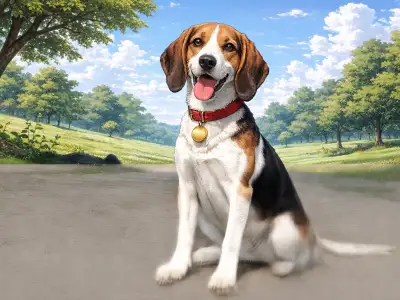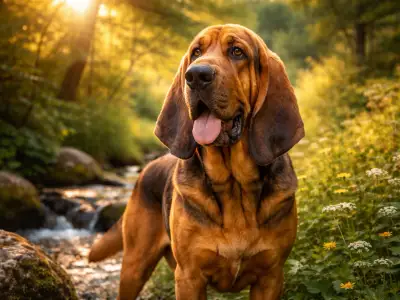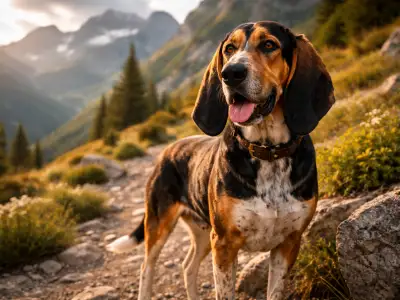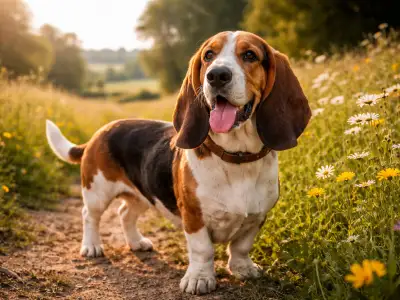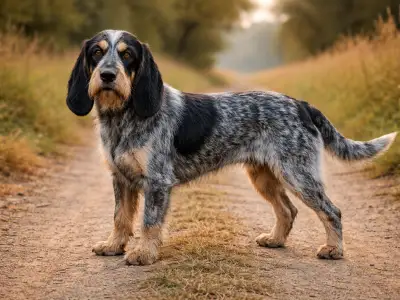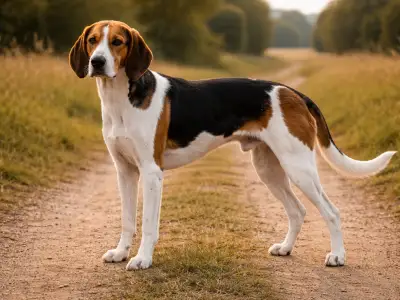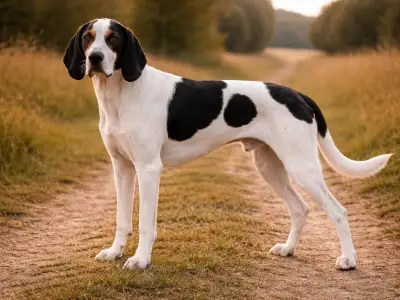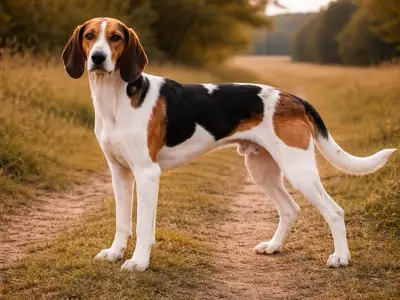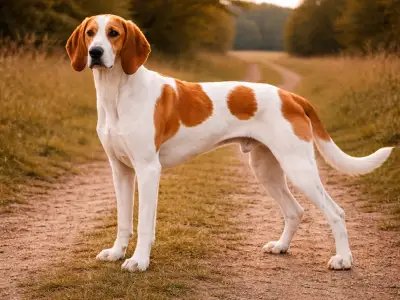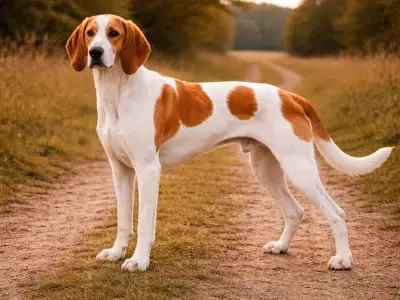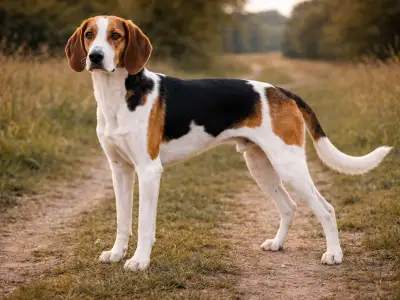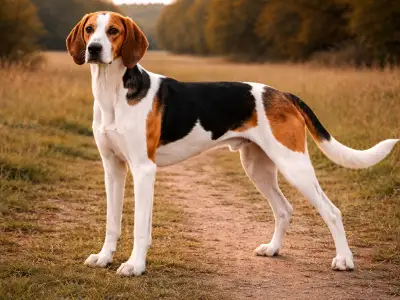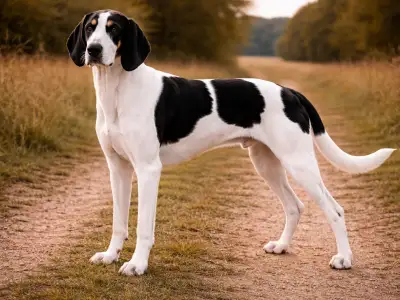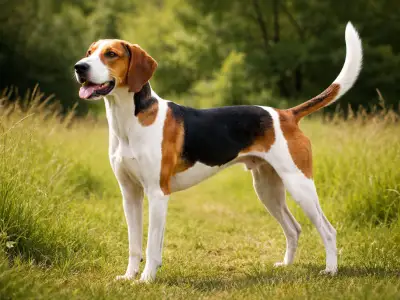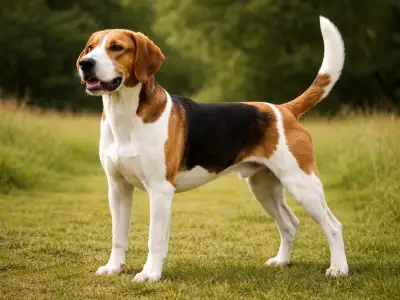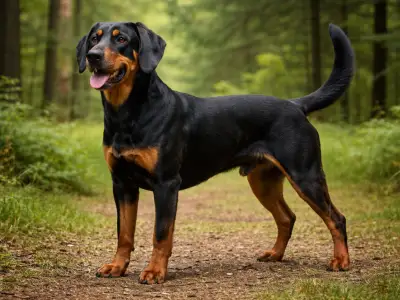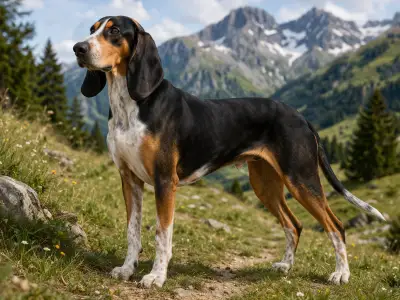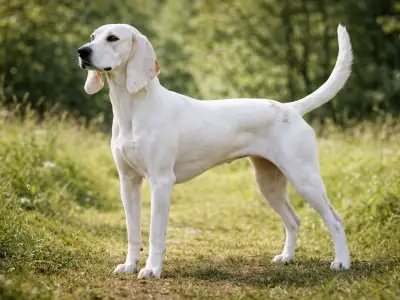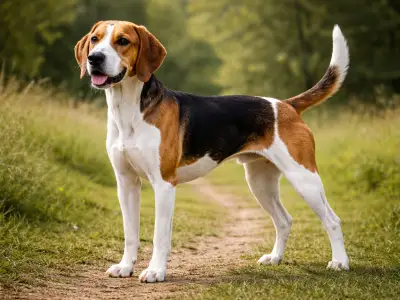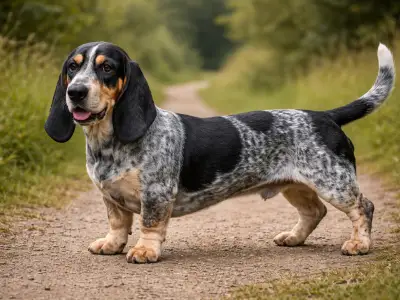
Bavarian Mountain Scent Hound
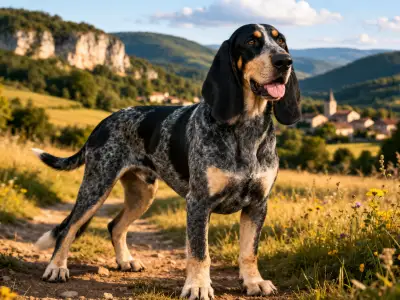
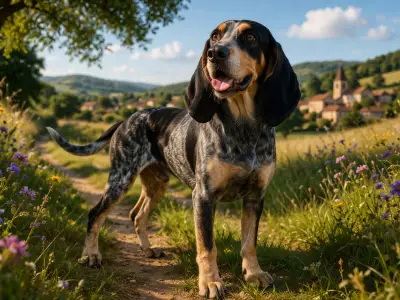
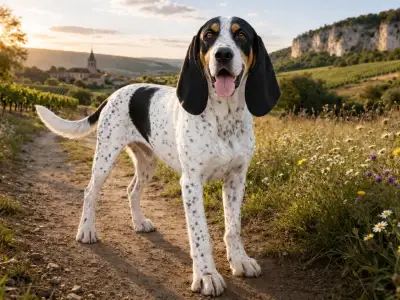
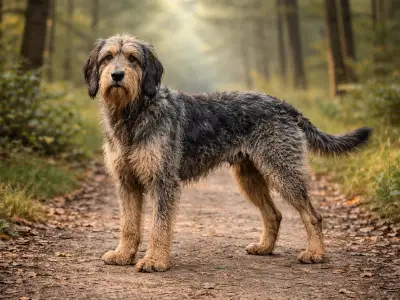
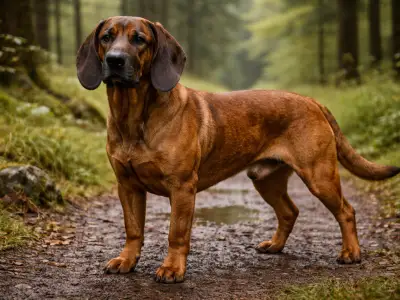
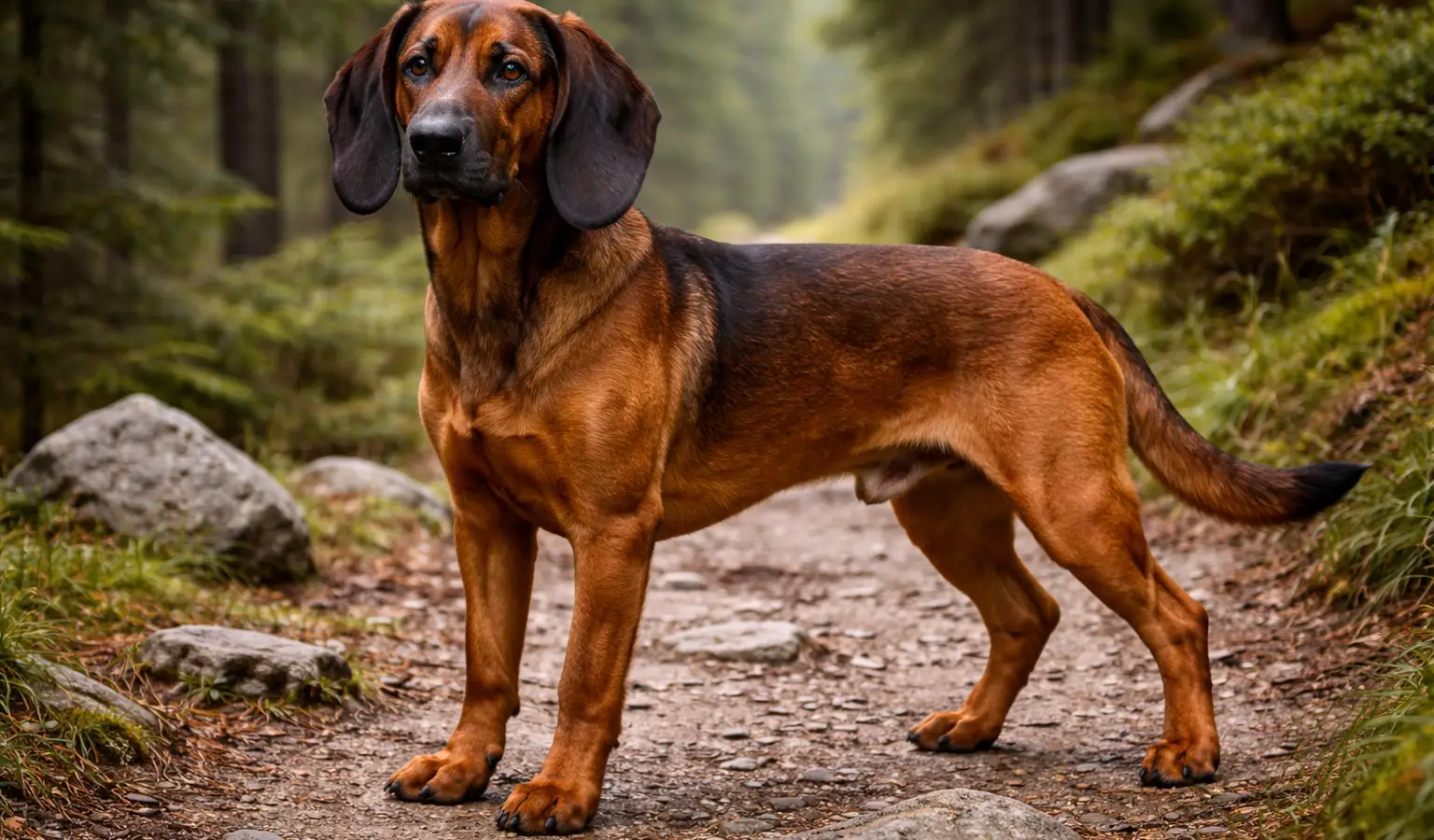
The Bavarian Mountain Scent Hound is a specialist blood-trailing dog, bred to follow wounded game in demanding, mountainous terrain. Calm, focused and strongly bonded to its handler, it stands out for an excellent nose, steady persistence and the ability to work for long periods without losing concentration. Sensitive and thoughtful, it does best with fair, consistent training, plenty of time outdoors and regular tracking activities.
Life expectancy
12 – 14 years
Price
900 – 1500 €
Monthly budget
75 €
Size
Medium
Profile
Bavarian Mountain Scent Hound
Origin
Germany
Year of origin
1870
Developed by
Bavarian hunters
Size
Medium
Coat type
Short coat
Owner profile
Experienced owner
Hypoallergenic
No
Litter size
6
Life expectancy
12 – 14 years
Price
900 – 1500 €
Female
- Height : 44 – 48 cm
- Weight : 20 – 25 kg
Male
- Height : 47 – 52 cm
- Weight : 25 – 30 kg
Temperament & abilities
Affectionate
3/5
Calm
3/5
Independent
4/5
Intelligence
4/5
Obedience
3/5
Hunting instinct
5/5
Energy level
4/5
Good with children
3/5
Dog-friendly
3/5
Friendly with strangers
2/5
Hunting profile
Stamina
4/5
Hunting drive
3/5
Independence
3/5
Trainability
5/5
Beginner-friendly
3/5
Family compatibility
4/5
Feather game
0/5
Fur game
5/5
Underground work
0/5
Water work
0/5
These indicators help compare breeds and choose the right one for your hunting style.
Game & abilities
Estimated ability level by game type.
Budget
Purchase price
900 – 1500 €
The price may vary depending on the breeder, bloodline, and region.
Average monthly cost
75 €
Estimated average: food, healthcare, accessories, and grooming.
A specialist hunting dog with a calm, serious working style
The Bavarian Mountain Scent Hound is a very capable hunting dog, but it is best understood as a specialist rather than an all-rounder. Its strongest use is tracking wounded game on scent, especially in difficult ground where a precise nose, patience, and controlled handling matter more than speed or flashy range. For hunters asking whether the Bavarian Mountain Scent Hound is good for hunting, the short answer is yes, particularly for blood tracking and calm, methodical work after the shot.
In the field, this breed is valued for a fine nose, steady concentration, and the ability to work in challenging terrain such as forest, hills, and mountain country. Its search pattern is typically close and deliberate rather than wide and expansive. That makes it less suited to hunters wanting a fast-ranging dog for covering large open areas, but highly coherent for handlers who need careful line work, stamina, and composure under pressure. Courage is often present, yet the breed usually performs best when that courage is paired with an experienced handler and a clear job.
Training and handling are important. The Bavarian Mountain Scent Hound is often intelligent and willing in its own serious way, but it is not usually a breed that thrives on harsh, repetitive drilling. Recall, lead work, tracking discipline, and calm exposure to game scents are more valuable than trying to turn it into something it is not. Many individuals bond closely with one handler, which can be an advantage in hunting work, but may also mean early socialization and consistent boundaries are important in daily life.
For everyday living, this is generally not the easiest choice for a purely casual pet home. Its energy level is manageable compared with some more explosive hunting breeds, yet it still needs regular purposeful activity, scent work, and mental engagement. In the right home, it can be steady and composed indoors, but that balance usually depends on enough structured exercise and meaningful outlets.
- Best use case: tracking wounded deer and other hoofed game
- Best terrain: woodland, steep country, broken ground, dense cover
- Less ideal for: wide-ranging bird work, high-volume retrieving, or owners wanting a low-demand companion
- Best match: a hunter or active owner who appreciates controlled handling, nose work, and a serious working temperament
Cold trail specialist
The Bavarian Mountain Scent Hound is best known for following the scent of wounded game with patience and precision, even when the track is old or difficult. Rather than hunting in a flashy, wide-ranging style, it typically excels in methodical blood tracking work where a calm nose and careful line control matter more than speed alone.
Sure-footed in rough ground
Developed for mountainous and forested terrain, this breed is generally agile, balanced, and efficient on steep slopes, broken woodland, and dense cover. That makes it particularly useful for hunters who need a dog that can keep working where footing is awkward and visibility is poor, without becoming reckless or chaotic in its movement.
Deep concentration on the line
One of its most practical strengths is sustained focus. A good Bavarian Mountain Scent Hound often settles into the job with impressive mental commitment, sticking to the track instead of constantly checking out distractions. For real tracking work, that concentration can be more valuable than raw drive, especially with a handler who prefers quiet, disciplined teamwork.
Controlled courage
When used on wounded big game, the breed is often appreciated for a brave but measured temperament. It is not meant to be a reckless brawler; the better quality is composed nerve under pressure. That balance can suit hunters who need a dog able to stay engaged around difficult game while still remaining manageable and responsive to direction.
Built for long, steady work
This is usually a dog with real working stamina rather than explosive burst. On a long tracking job, that matters: it can keep moving, thinking, and scenting without burning out too quickly. In daily life, the same trait means it tends to suit active owners best, especially those who can provide regular exercise, purposeful training, and outdoor time.
Close partnership with one handler
The breed often shows a strong bond with its main person, which can be a real advantage in the field. Many hunters value that close handler focus because it supports cleaner communication on the lead and steadier work during tracking. Training is usually most successful when it is calm, consistent, and based on trust rather than heavy-handed pressure.
Who the Bavarian Mountain Scent Hound suits best
The Bavarian Mountain Scent Hound is usually best suited to an experienced hunter or highly active owner who values a calm, serious working dog over a playful all-purpose pet. This breed was developed for tracking wounded game, so it often fits people who appreciate patient scent work, quiet handling, and long outings in rough country. In daily life, many do best with one main handler, a steady routine, and meaningful work rather than casual exercise alone.
It can also suit a rural household that wants a close-bonded, sensible dog and understands hound independence. Less suitable profiles include first-time owners looking for easy off-lead reliability, very social dog-park lifestyles, or homes where the dog is left alone for long hours with little mental stimulation. The common mismatch is expecting a relaxed suburban companion when what you really have is a specialized tracking hound that may be reserved, determined, and happiest when its nose has a job.
How a specialist tracking dog from the Alps became the calm, intense worker known today
Origin and development of the Bavarian Mountain Scent Hound
The Bavarian Mountain Scent Hound was developed in southern Germany as a specialist dog for following the blood trail of wounded game in difficult country. Its roots are generally linked to older German tracking hounds, especially the Hanoverian Scent Hound, but hunters in Bavaria needed a lighter, more agile dog that could work steep forests and mountain terrain with greater flexibility. Over time, breeders selected for a hound that could keep an exceptionally cold trail, move with care rather than haste, and stay closely connected to its handler instead of ranging widely like some pack-oriented scent hounds.
That history helps explain the breed’s modern temperament. A good Bavarian Mountain Scent Hound is often serious, observant, and highly scent-driven, with a quiet intensity that makes sense in a dog bred for patient recovery work rather than flashy field performance. Many are affectionate with their family, but they are not usually carefree, easygoing dogs for every household. Their traditional role rewarded concentration, nerve, endurance, and measured decision-making, so they often do best with calm, consistent handling and an owner who understands that trust and cooperation matter as much as obedience drills.
Breed development was also shaped by practical hunting culture. In parts of Central Europe, tracking wounded hoofed game was treated as a disciplined responsibility, not simply an extra task after the shot. That encouraged selection for dogs that could work on a line, discriminate old scent from fresh disturbance, and remain effective in woodland cover, rough ground, and changing weather. While exact historical details can vary by source, the general picture is clear: this is a purpose-bred leash tracker, not a generalist gundog and not merely a pet-bred scenthound.
For today’s owner or hunter, the breed’s past still shows up in daily life:
- Strengths: excellent nose, persistence, composure on track, strong bond with one handler.
- Limitations: less suited to casual ownership if its working instincts are ignored.
- Handling style: usually responds best to patient, steady training rather than heavy pressure.
- Lifestyle fit: often happiest with meaningful outdoor work, structured scent activities, and a relatively quiet home.
In other words, the Bavarian Mountain Scent Hound was shaped by selective breeding for difficult tracking work, and that heritage still defines the breed. People drawn to its noble appearance should also be prepared for a thoughtful, driven dog that may be deeply rewarding in the right hands, but is typically best suited to serious hunters or experienced owners who value purpose, partnership, and time outdoors.
Bred for wounded game tracking
The Bavarian Mountain Scent Hound was developed in Germany for a very specific job: following the blood trail of wounded big game over difficult ground. It emerged from older scenthound stock, with breeders favoring a lighter, more agile dog than heavier tracking hounds. That origin still explains the breed’s serious nose, stamina, and measured working style.
Calm, close-working hunter
Unlike flashy, high-noise hunting dogs, this breed is generally valued for concentration, composure, and close cooperation with its handler. Many Bavarian Mountain Scent Hounds work methodically rather than at speed for its own sake. In practice, that often suits hunters who want a deliberate tracking dog that can stay mentally engaged under pressure.
Reserved but loyal temperament
At home, the breed is often described as devoted to its people and somewhat reserved with strangers. It is not usually the most demonstrative or socially pushy dog, which many owners appreciate. Early socialization matters, though, because a naturally cautious hound can become harder to read or handle if it grows up with too little exposure.
Not ideal for every household
This is rarely a casual pet for a very sedentary home. A Bavarian Mountain Scent Hound tends to do best with regular outdoor activity, scent-based work, and calm, consistent handling. It may adapt to family life, but usually fits best with experienced owners, rural living, or people able to provide meaningful tracking, searching, or structured exercise.
Exercise is mental as well as physical
Daily life with this breed is not just about long walks. The dog was selected to solve scent problems, so mental effort matters as much as movement. Useful outlets can include tracking practice, scent games, controlled field work, and purposeful hikes. Without enough stimulation, some individuals may become restless, overly independent, or difficult to motivate indoors.
Low-frills care, serious handling
Coat care is usually straightforward, with basic brushing and routine ear, nail, and skin checks often being enough. The bigger challenge is training and management: this hound benefits from patient guidance, clear recall work, and responsible lead control around wildlife. It is generally more rewarding for owners who respect its instincts rather than trying to suppress them.
Practical answers about hunting ability, training, exercise, family life, and owner fit
Bavarian Mountain Scent Hound FAQ
Is the Bavarian Mountain Scent Hound a good hunting dog for beginners?
The Bavarian Mountain Scent Hound can be an excellent hunting dog, but it is not always the easiest first hunting breed. It was developed for careful scent work, especially tracking wounded game, so it often performs best with handlers who value patience, quiet control, and methodical work rather than speed or flashy obedience. A beginner who has access to a good mentor, structured training, and real tracking opportunities may do very well with the breed. Without that guidance, some owners find its independent nose, sensitivity, and need for meaningful work harder to manage than expected.
What kind of hunting is the Bavarian Mountain Scent Hound best suited for?
This breed is most closely associated with blood tracking and recovery work, particularly in difficult terrain such as forests, hills, and mountain country. Its strength is usually not wide-ranging pursuit like some pack hounds, but focused tracking on a line of scent with persistence and composure. In practical terms, it tends to suit hunters who need a calm, reliable dog for recovering wounded deer, boar, or similar game, depending on local traditions and regulations. Individual dogs vary, but the breed is generally valued more for precision, stamina, and nose quality than for versatility across every form of hunting.
Are Bavarian Mountain Scent Hounds easy to train off leash and at home?
They are trainable, but easy is not always the right word. Many Bavarian Mountain Scent Hounds are intelligent, cooperative with their person, and capable of learning strong house manners, yet their scent drive can override casual recall training if it has not been built carefully. Off-leash reliability often depends on early habit-building, consistent boundaries, and realistic expectations, especially in wildlife-rich areas. At home, they usually respond best to calm, fair handling and repeated routines rather than harsh corrections or constant drilling.
Can a Bavarian Mountain Scent Hound be a good family dog as well as a working dog?
In the right home, yes. Many are affectionate, loyal, and steady with their family, and they often form a particularly close bond with one main handler while still living well with the household. They are usually better matched to families who appreciate a serious, active dog than to homes looking for a carefree, highly social companion for constant bustle. Good socialization, supervision with children, and enough daily exercise matter a great deal, because a dog bred for tracking work can become restless or withdrawn if its needs are ignored.
Can this breed live in an apartment, or does it need a rural home?
A rural setting can be helpful, but it is not the only possible option. The more important question is whether the dog gets enough structured exercise, scent-based activity, and calm decompression time outside, because this breed is not usually satisfied by a quick walk around the block. Apartment living may work for a quiet, well-managed individual if the owner is committed to daily outings and understands that mental work is just as important as physical movement. For many owners, however, a home with easier access to nature and room for routine tracking practice is a more natural fit.
How much exercise and mental stimulation does a Bavarian Mountain Scent Hound need?
This is generally an active working breed that needs more than casual pet exercise. Most individuals benefit from daily walks, regular opportunities to use their nose, and purposeful activities such as tracking exercises, trail work, or controlled field practice. A simple game of fetch is rarely enough on its own, because the breed is often most fulfilled when it can solve scent problems and move through varied terrain. When under-stimulated, some dogs may become noisy, frustrated, or difficult to settle, even if they seem calm indoors between outings.
Who is the Bavarian Mountain Scent Hound really best for?
This breed tends to suit hunters, trackers, and very active owners who want a serious scent hound rather than an easygoing all-purpose pet. It often fits people who enjoy patient training, quiet handling, and long-term relationship building, and who can give the dog regular work or realistic substitutes for work. It may be less suitable for owners who are away for long hours, want effortless off-leash freedom, or prefer a highly biddable dog that lives to please in every situation. The best match is usually someone who respects the breed's strong nose, working heritage, and need for a thoughtful daily routine.