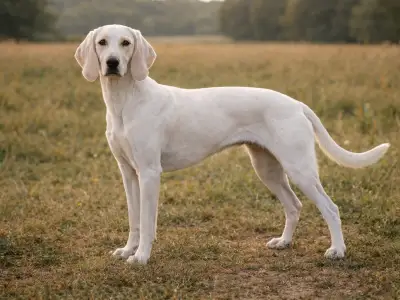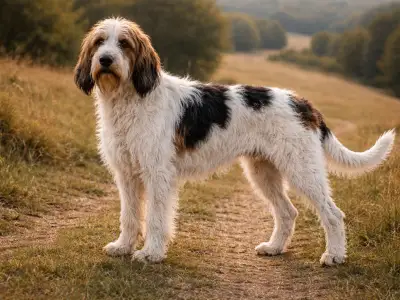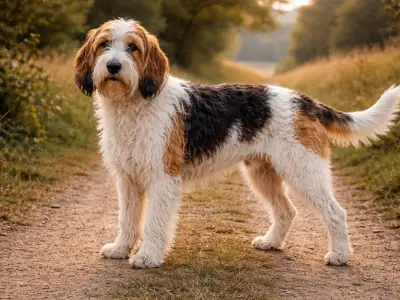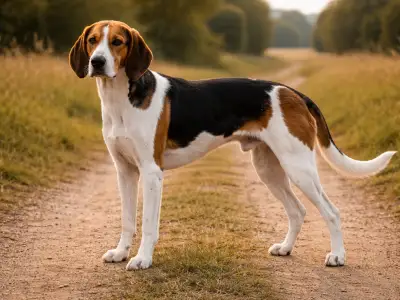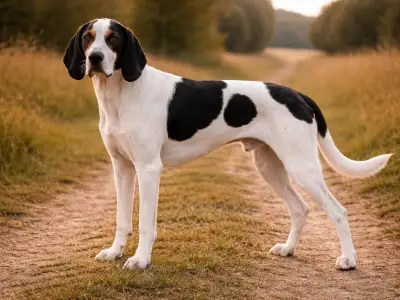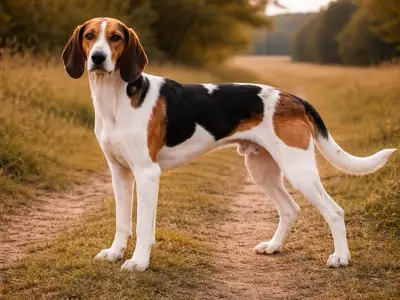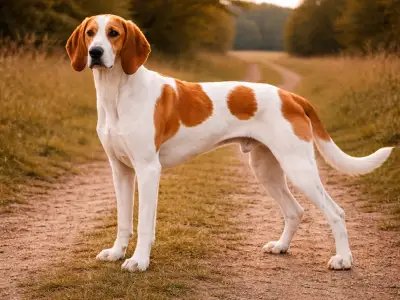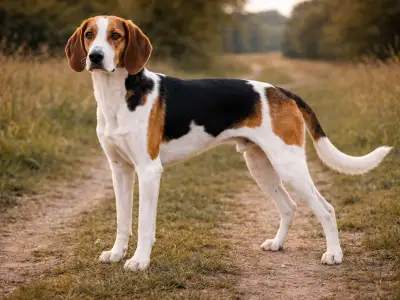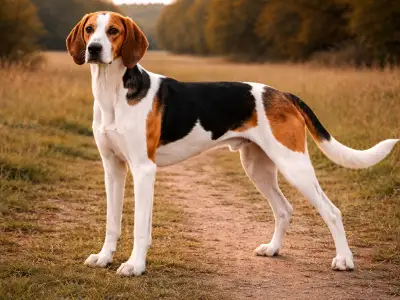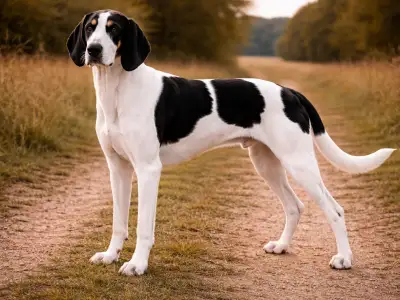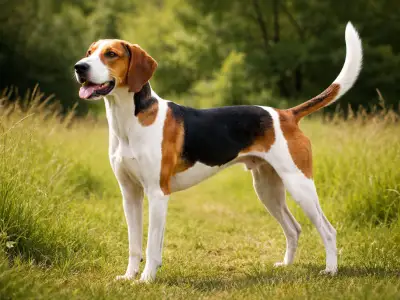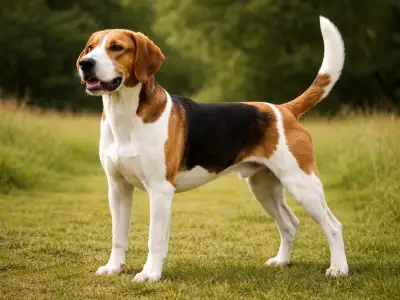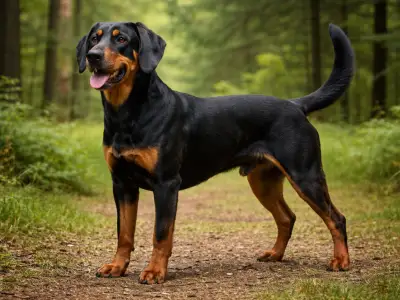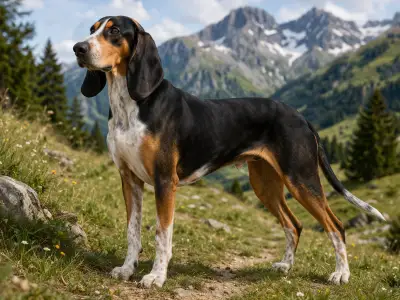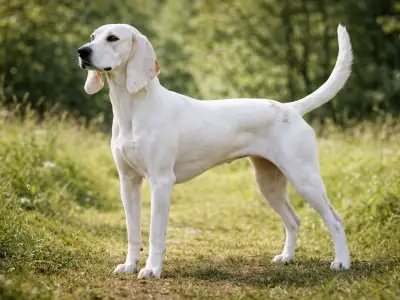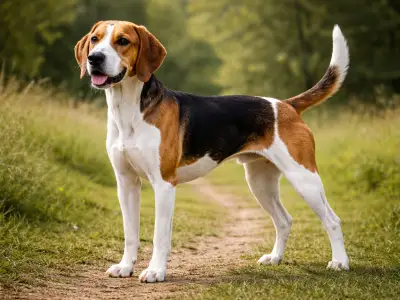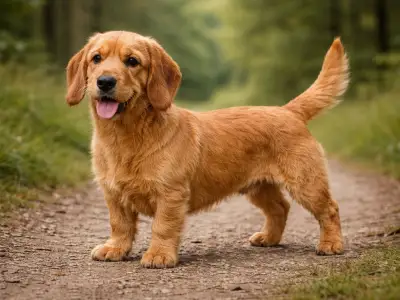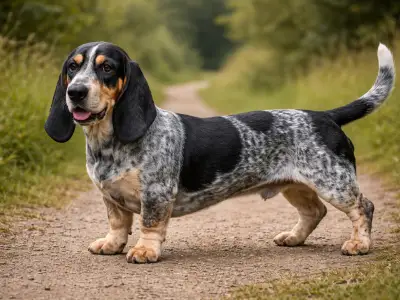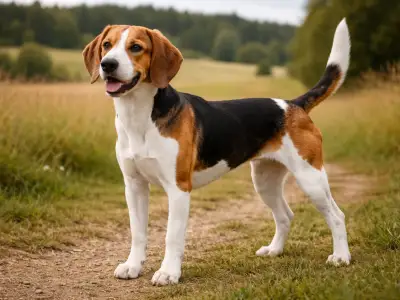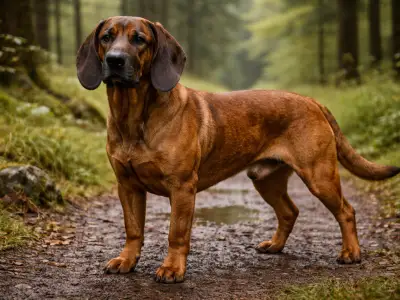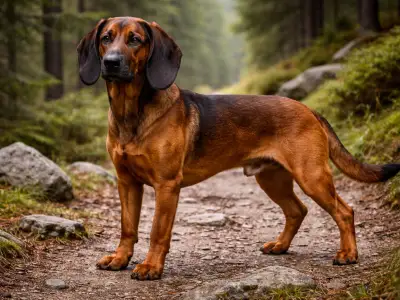
Griffon Fauve de Bretagne
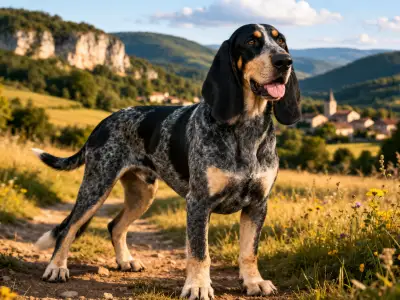
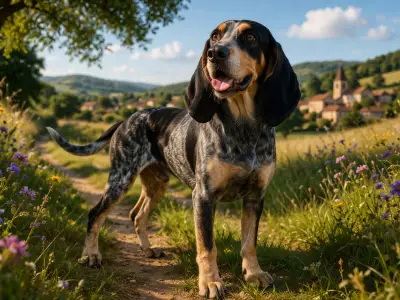
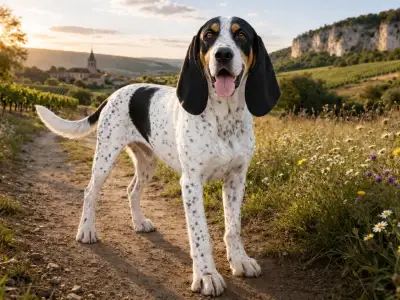
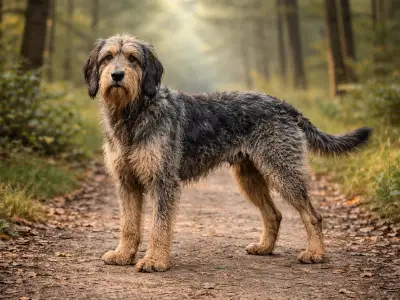
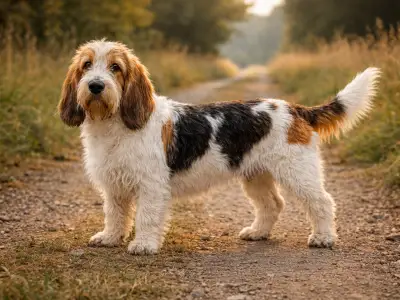
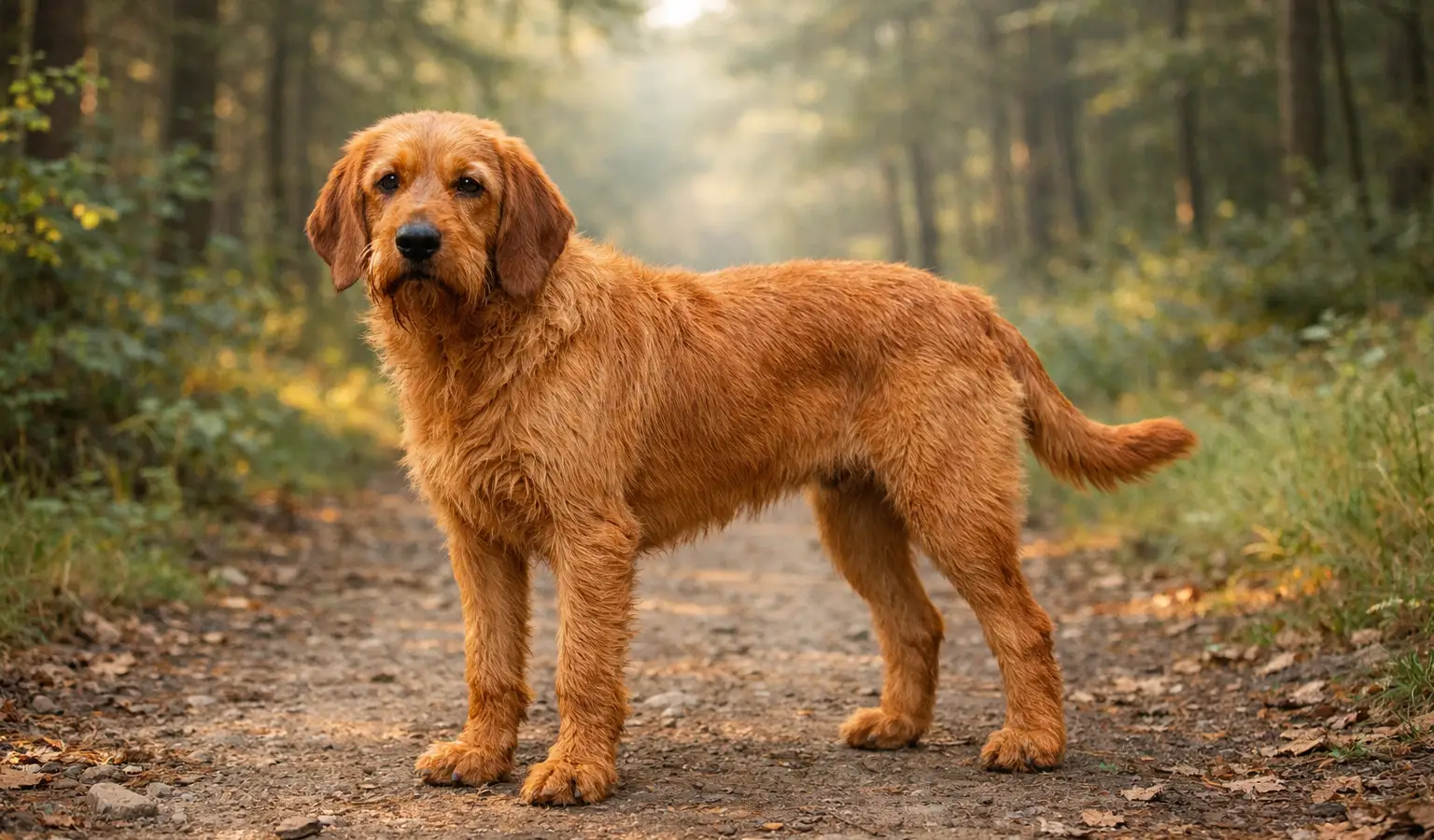
The Griffon Fauve de Bretagne is a hardy French scenthound known for its rough fawn coat, strong nose and stamina. Traditionally used for boar and game hunting, it is brave and persistent on the trail. Social and affectionate with its people, it still needs plenty of exercise, scent work and consistent training.
Life expectancy
10 – 14 years
Price
900 – 1500 €
Monthly budget
70 €
Size
Medium
Profile
Griffon Fauve de Bretagne
Origin
France
Year of origin
2004
Developed by
French hunting breeders
Size
Medium
Coat type
Wire coat
Owner profile
Active owner
Hypoallergenic
No
Litter size
6
Life expectancy
10 – 14 years
Price
900 – 1500 €
Female
- Height : 48 – 56 cm
- Weight : 22 – 23 kg
Male
- Height : 48 – 56 cm
- Weight : 22 – 23 kg
Temperament & abilities
Affectionate
4/5
Calm
3/5
Independent
4/5
Intelligence
4/5
Obedience
3/5
Hunting instinct
5/5
Energy level
4/5
Good with children
3/5
Dog-friendly
4/5
Friendly with strangers
3/5
Hunting profile
Stamina
5/5
Hunting drive
5/5
Independence
4/5
Trainability
3/5
Beginner-friendly
3/5
Family compatibility
4/5
Feather game
0/5
Fur game
4/5
Underground work
0/5
Water work
0/5
These indicators help compare breeds and choose the right one for your hunting style.
Game & abilities
Estimated ability level by game type.
Budget
Purchase price
900 – 1500 €
The price may vary depending on the breeder, bloodline, and region.
Average monthly cost
70 €
Estimated average: food, healthcare, accessories, and grooming.
A driven small French scenthound with courage, nose, and stamina, but not a low-maintenance companion
Is the Griffon Fauve de Bretagne a Good Hunting Dog?
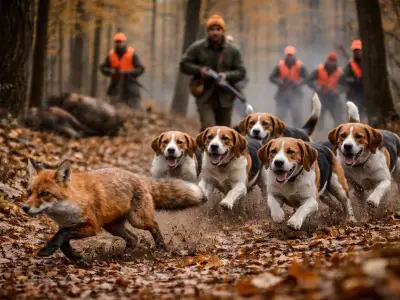
The Griffon Fauve de Bretagne is widely regarded as a capable hunting dog, especially for hunters who want a compact, hardy scenthound with plenty of determination. Bred for following scent rather than working in close visual contact, it typically shows a strong nose, good perseverance on game, and the courage to tackle difficult cover. For the right owner, it can be an effective hunting partner on hare, fox, wild boar in some contexts, and other scent-driven work, but it is usually best suited to people who genuinely value hound behavior rather than expecting the easy handling of a more biddable gun dog.
In the field, the Griffon Fauve de Bretagne often works with energy and intent. Its hunting style tends to be active, honest, and nose-led, with a search pattern shaped more by scent conditions and terrain than by constant reference to the handler. That can be a real strength in thick cover, rough ground, and varied countryside where persistence matters. The trade-off is handling: recall, steadiness, and close control may require more work than with breeds selected for tight cooperation. This is a dog that usually benefits from early, consistent training and a handler who understands how scent hounds think when they are on game.
As a hunting breed, its strengths are often clearest in a few practical areas:
- Nose and tracking drive: generally well suited to following scent over challenging ground.
- Courage and toughness: often confident in dense cover and demanding terrain.
- Stamina: usually able to work with enthusiasm for long outings when properly conditioned.
- Voice and hound temperament: appealing to hunters who like traditional scenthound work.
Its limitations are just as important for comparison. The Griffon Fauve de Bretagne is not usually the first choice for someone wanting a highly polished retriever, a very handler-dependent pointing dog, or a quiet, easygoing pet that is satisfied with modest exercise. Trainability is real, but it often comes with independence, prey drive, and selective hearing when scent excitement takes over. Daily life therefore needs structure: regular exercise, scent-based outlets, secure boundaries, and patient work on recall and impulse control.
For many homes, the best fit is an active owner who appreciates a lively, rugged hound and can balance field performance with everyday management. Given enough work, training, and mental stimulation, the breed can be enjoyable to live with, but it tends to make the most sense for people who truly want a hunting-oriented scenthound rather than simply the look of one.
Persistent cold nose
The Griffon Fauve de Bretagne is widely valued as a scent hound that can stay committed to a line instead of giving up when scenting gets difficult. In practical hunting, that persistence matters on older tracks, broken ground, and wet or tangled cover where a less determined dog may lose focus too quickly.
Brave in dense cover
This breed has a reputation for entering thick bramble, rough hedgerows, and hard country with real determination. That courage is one reason hunters have long appreciated it on challenging game. It is not just about boldness, though; the useful quality is a willingness to keep pushing where visibility, footing, and scent conditions are awkward.
Built for long outings
The Griffon Fauve de Bretagne is generally an energetic, hardy working hound that can handle active hunting days when properly conditioned. Its strength is less explosive speed than durable effort over time. For hunters who want a dog that can keep hunting without fading early, that steady stamina is a meaningful advantage.
Useful voice on trail
Like many scent hounds, this breed is appreciated for giving tongue in a way that can help the handler follow the action when the dog is out of sight. In wooded or enclosed terrain, that audible tracking style can make hunts easier to read and can improve coordination, especially for owners who enjoy traditional hound work.
Versatile small-game hound
The breed is often associated with hunting hare, fox, rabbit, and sometimes tougher quarry depending on the individual dog, local tradition, and training. That versatility makes it attractive to hunters who do not want an overly narrow specialist. It tends to suit people looking for a practical scenthound rather than a highly stylized field competitor.
Best with experienced handling
Its hunting qualities are strongest in the hands of someone who understands hound behavior. The Griffon Fauve de Bretagne can be keen, independent, and very committed to scent, which is excellent in the field but may require patient recall work and consistent handling. It often suits active owners who value drive and realism over instant obedience.
Who the Griffon Fauve de Bretagne Suits Best
The Griffon Fauve de Bretagne tends to suit a hunter or very active owner who wants a compact but determined scent hound with real drive, a strong nose, and the stamina for regular field work. It often fits people who enjoy hunting on foot, tracking in rough cover, and living with a dog that is lively, vocal, and engaged rather than purely ornamental. In family life, it usually does best with owners who like an outdoorsy routine, consistent training, and a dog that needs both exercise and purposeful mental work.
It is usually less suitable for households expecting an easy, low-maintenance companion or a dog content with brief walks and long quiet days indoors. First-time owners can do well with one, but only if they are realistic about scent hound independence, recall challenges around game, and the need for steady boundaries. Common mismatches include very sedentary homes, people sensitive to barking, and handlers who want instant off-lead reliability without ongoing training. For the right home, the breed can be cheerful, hardy, and rewarding; for the wrong one, it may become noisy, frustrated, and difficult to manage.
How a rough-coated Breton hound’s past still shapes its nose, voice, stamina, and everyday character
Origin and Development of the Griffon Fauve de Bretagne
The Griffon Fauve de Bretagne comes from Brittany in western France, where hunters needed a hardy scent hound able to work difficult ground, thick cover, and variable weather. The breed is generally linked to older rough-coated French hounds once used on larger game, though some historical details are not perfectly documented. What is clearer is the type that emerged: a compact, rugged, keen-nosed dog valued less for elegance than for usefulness in the field. That practical selection helps explain why the modern Griffon Fauve de Bretagne is still known for determination, a lively hunting instinct, and an energetic, workmanlike style.
Over time, as hunting practices changed and larger game populations shifted, the breed appears to have been adapted toward smaller game work as well, especially hare, fox, and wild boar depending on region and line. Breeders and hunters seem to have favored dogs that could move boldly through bramble and rough country, carry scent with persistence, and stay functional rather than delicate. The harsh coat, animated expression, and strong voice are not just breed hallmarks on paper; they reflect a dog developed to be seen, heard, and relied on in active hunting conditions.
That history still shows in the breed’s temperament today. Many Griffon Fauve de Bretagne dogs are sociable and cheerful at home, especially when well raised, but they were not created to be sedentary companion animals first. They often bring a high activity level, a strong nose, and a tendency to follow scent with real commitment. For owners, this means the breed can be very rewarding if daily life includes meaningful exercise, training, and structured outlets, but less easy if the household expects a quiet, low-drive dog that is satisfied with brief walks.
Its development also helps explain the breed’s typical handling profile:
- Independent hunting mind: often capable and bold, but not always eager to work in constant close contact like some more handler-focused breeds.
- Good field stamina: usually suited to active hunters or outdoorsy homes that can provide regular movement and scent-based activity.
- Expressive voice and enthusiasm: appealing in traditional hound work, though not ideal for every suburban setting.
- Robust, practical build: generally better matched to people who appreciate function, resilience, and real-world working ability over polish alone.
In short, the Griffon Fauve de Bretagne is best understood as a traditional French scent hound shaped by utility, terrain, and hunting need. Its past gives context to its present: spirited, persistent, adaptable in the right hands, and often happiest when life includes both close human company and a serious outlet for its instincts.
Brittany roots
The Griffon Fauve de Bretagne is an old French scenthound from Brittany, developed for rough country and practical hunting. The breed is closely tied to regional packs and traditional game pursuit, especially where stamina, voice, and determination mattered more than elegance. Its rustic look and weather-resistant coat still reflect that working background.
Built to follow scent
This is a true scent hound, bred to hunt with its nose and keep pressure on a line through dense cover. Many individuals show persistence, courage, and a lively hunting voice. In the field, the breed often suits handlers who appreciate an active, forward hound rather than a dog that constantly checks back for direction.
Bold but companionable
At home, the Griffon Fauve de Bretagne is often described as cheerful, hardy, and affectionate without being clingy. It can fit family life well when given enough activity and structure, but its hound instincts remain strong. Early socialization and calm, consistent training usually matter if you want a dog that is both pleasant indoors and manageable outdoors.
Needs room and purpose
This breed is rarely at its best with a sedentary routine. Daily exercise should go beyond a short walk and ideally includes tracking games, long outings, or regular hunting work. A rural or semi-rural setting often suits it better than a cramped urban lifestyle, especially for dogs from very driven working lines.
Rustic, not low-maintenance
The harsh coat is practical rather than decorative, but it still needs regular brushing to remove debris and dead hair. Ears, feet, and skin should be checked after work in thick cover. The breed is generally valued for toughness, yet that does not mean owners can overlook conditioning, recovery, and basic grooming throughout the season.
Best for active handlers
The Griffon Fauve de Bretagne tends to suit owners who enjoy an energetic, vocal, scent-driven dog and understand hound behavior. It may be a rewarding choice for hunters wanting a compact but determined worker, or for very active homes that like outdoor life. People seeking an easy off-lead pet may find its nose and independence more demanding than expected.
Practical answers on hunting ability, training, exercise, home life, and owner fit
Griffon Fauve de Bretagne hunting and daily life FAQ
Is the Griffon Fauve de Bretagne a good hunting dog for beginners?
The Griffon Fauve de Bretagne can suit a beginner hunter, but usually not a casual or unprepared owner. It is a driven scent hound with real tracking instinct, stamina, and a tendency to follow its nose with determination, so early handling matters. A newcomer who has access to experienced hunters, structured training, and safe hunting ground may do well with this breed. Someone wanting an easy off-switch and automatic recall may find it more demanding than expected. In practice, it often fits best with active owners who respect hound behavior and enjoy steady training rather than quick obedience results.
What game is the Griffon Fauve de Bretagne usually used for?
This breed is traditionally associated with scent work on game such as rabbit, hare, fox, and wild boar, depending on local hunting culture, bloodline, and individual dog. Some dogs are used more as versatile small-pack hounds, while others are handled in ways that emphasize tracking or pursuit on specific quarry. Its strengths generally include persistence on scent, courage, and willingness to work through rough cover. The exact style and suitability can vary quite a bit, so it is wise to ask breeders and handlers what their lines are actually doing in the field. For a serious hunting home, practical field experience matters more than breed reputation alone.
Are Griffon Fauve de Bretagne dogs easy to train off lead and for recall?
Recall is often one of the biggest challenges with any scent hound, and the Griffon Fauve de Bretagne is no exception. When scent drive switches on, food rewards and basic obedience may compete with a very powerful natural instinct to trail. That does not mean training is futile, but it usually means recall must be practiced consistently, started young, and managed realistically with long lines, fenced areas, and repetition. Many owners can achieve a useful everyday recall, though reliability around wildlife may remain variable. Clear boundaries, calm consistency, and regular exposure to controlled distractions usually help more than harsh correction.
Can a Griffon Fauve de Bretagne be a good family dog as well as a hunting breed?
In the right home, this breed can be an affectionate and lively family companion, especially with people who enjoy an active outdoor routine. Many hounds are friendly, social, and attached to their household, but daily life is easier when their exercise and mental needs are genuinely met. Families should expect a dog that may be vocal, scent-driven, and excitable outdoors rather than naturally calm in every situation. Good early socialization is important around children, visitors, and other animals. It tends to suit families who appreciate a robust working dog personality more than those wanting a highly biddable, low-maintenance pet.
How much exercise does a Griffon Fauve de Bretagne need when it is not hunting regularly?
This is not a breed that is usually satisfied with a few short walks around the block. On non-hunting days, most individuals need substantial physical exercise plus scent-based mental work, such as tracking games, long walks in safe areas, structured training, or search activities. Without enough outlet, some dogs may become noisy, restless, or harder to manage indoors. The exact amount varies with age, fitness, and breeding, but owners should plan for a consistently active routine rather than occasional bursts of activity. A home that enjoys hiking, country walks, and regular engagement will usually suit the breed better than a sedentary lifestyle.
Can a Griffon Fauve de Bretagne live in an apartment or in the city?
It can be possible in some cases, but it is rarely the easiest setup for this breed. A Griffon Fauve de Bretagne often does best where it has regular access to outdoor space, varied exercise, and a lifestyle that accommodates scent work and movement. In urban housing, the main issues are not just size but noise, frustration, limited freedom, and the challenge of safely meeting its tracking instincts. A very committed owner may manage apartment life with excellent routine and training, but many dogs of this type are more comfortable in a rural or semi-rural environment. Prospective owners should think about practical daily management, not only square footage.
Who is the Griffon Fauve de Bretagne best suited for?
This breed is generally best for active owners who want a real hound, not just the look of one. It often suits hunters, experienced scent hound enthusiasts, or outdoorsy people who enjoy training, long exercise sessions, and managing a dog with independent instincts. It may be less suitable for first-time owners seeking easy obedience, very quiet indoor behavior, or dependable off-lead freedom in wildlife-rich areas. The ideal match is usually someone patient, consistent, and realistic about prey drive. If the owner enjoys the breed's toughness, energy, and nose rather than fighting those traits, daily life tends to work much better.