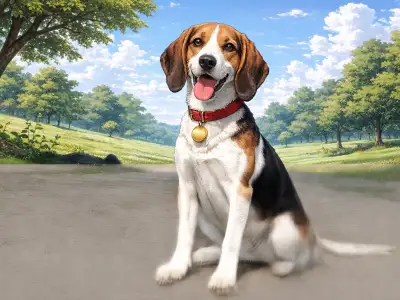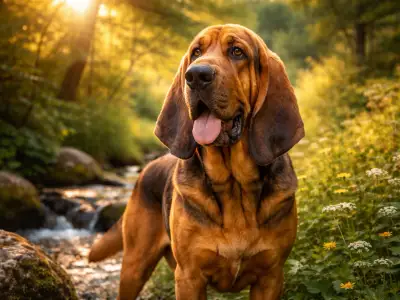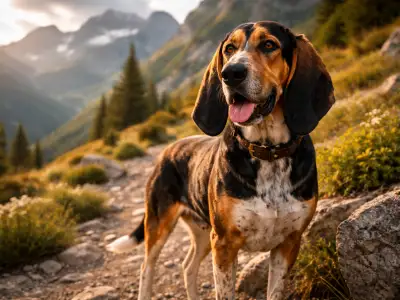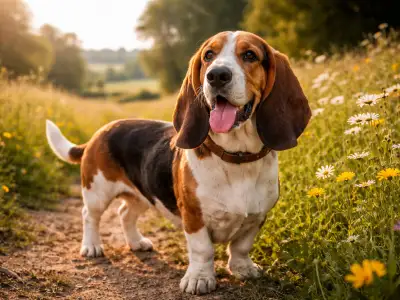
Swiss Hound
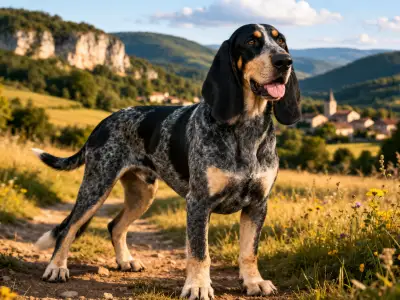
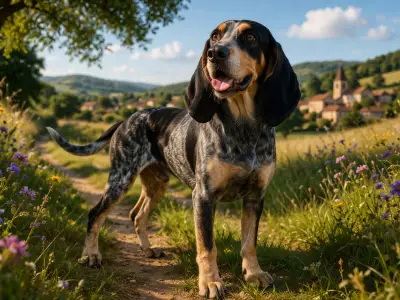
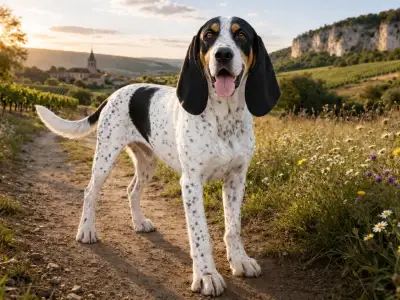
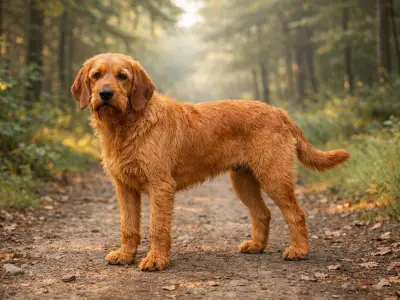
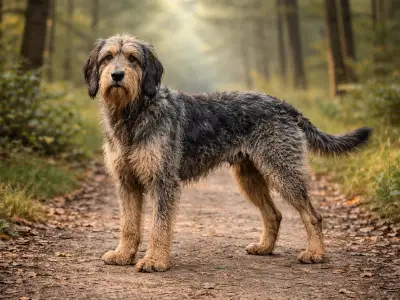
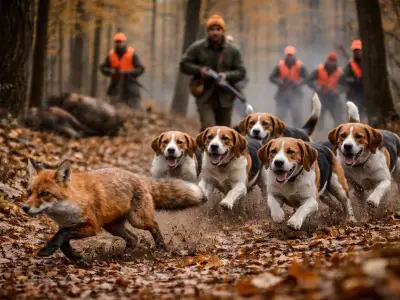
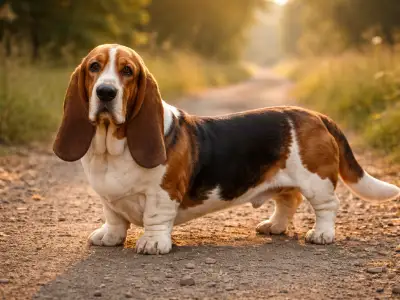
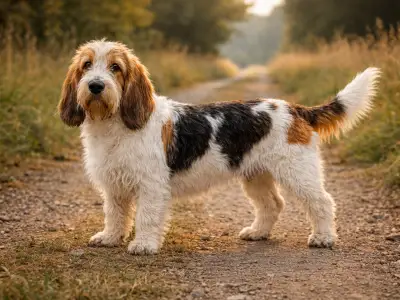
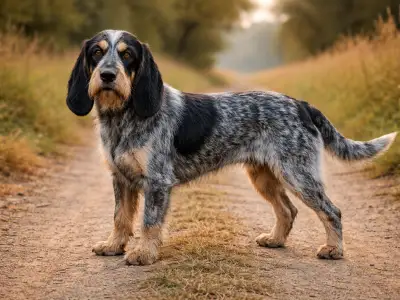
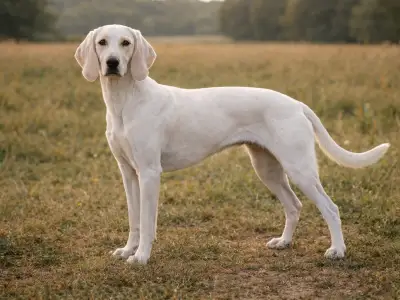
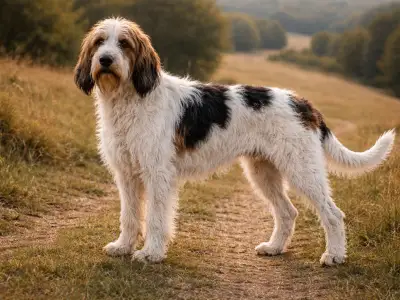
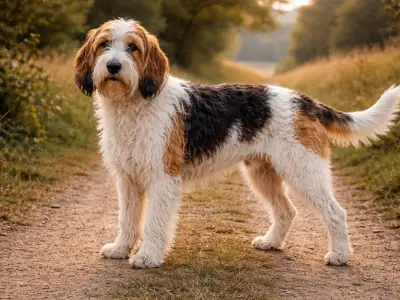
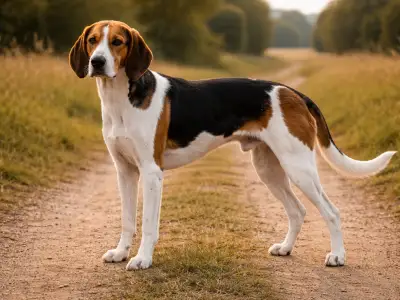
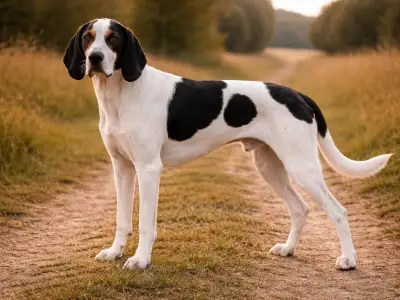
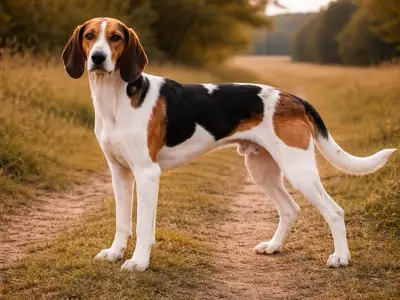
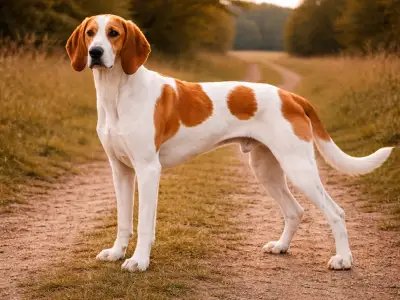
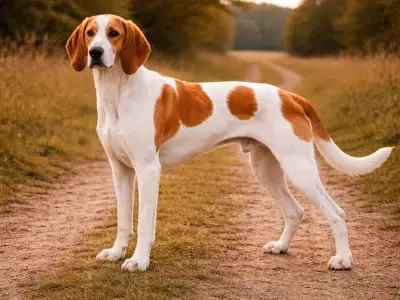
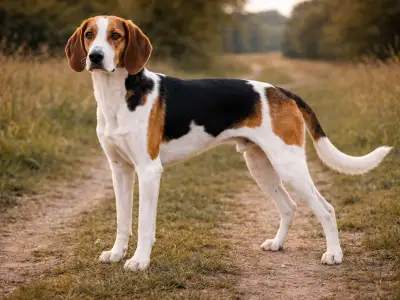
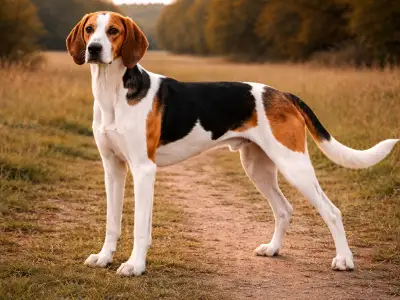
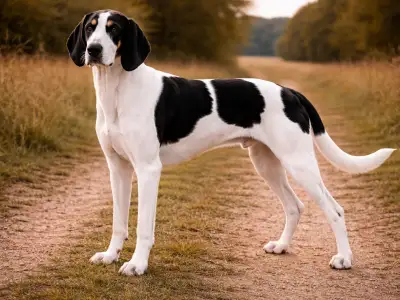
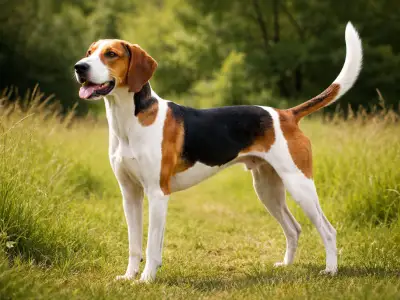
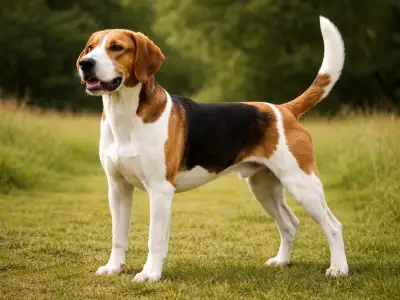
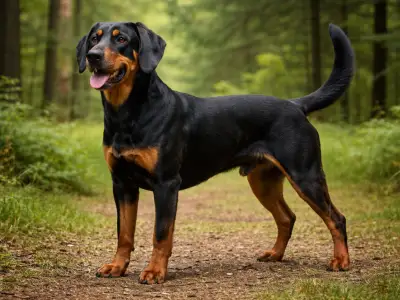
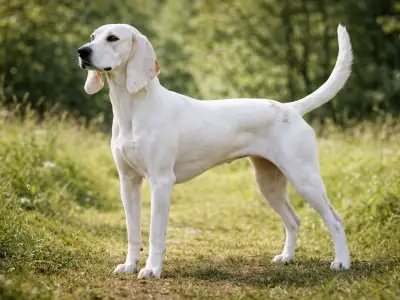
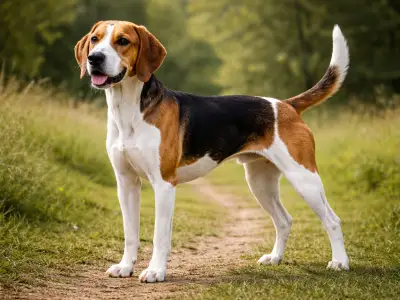
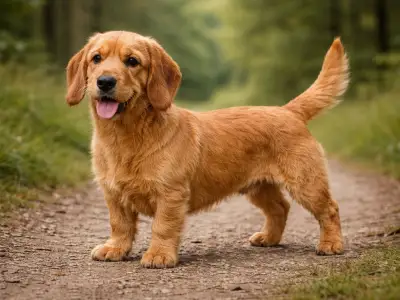
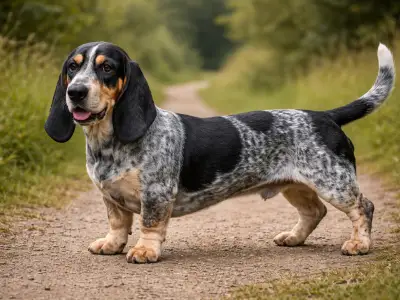
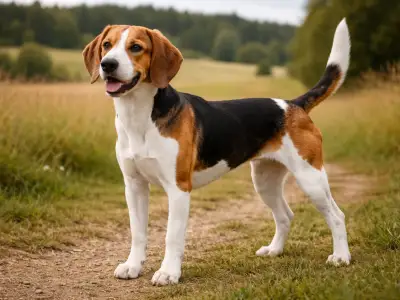
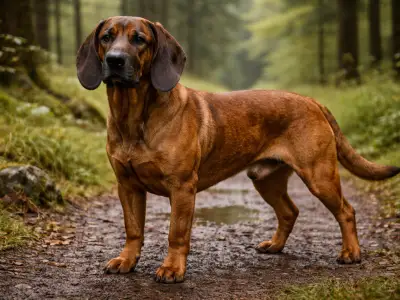
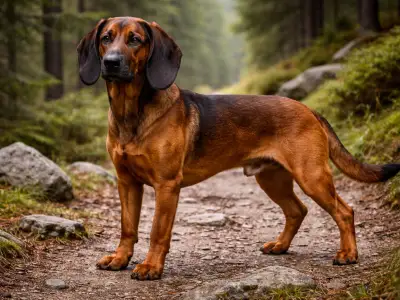
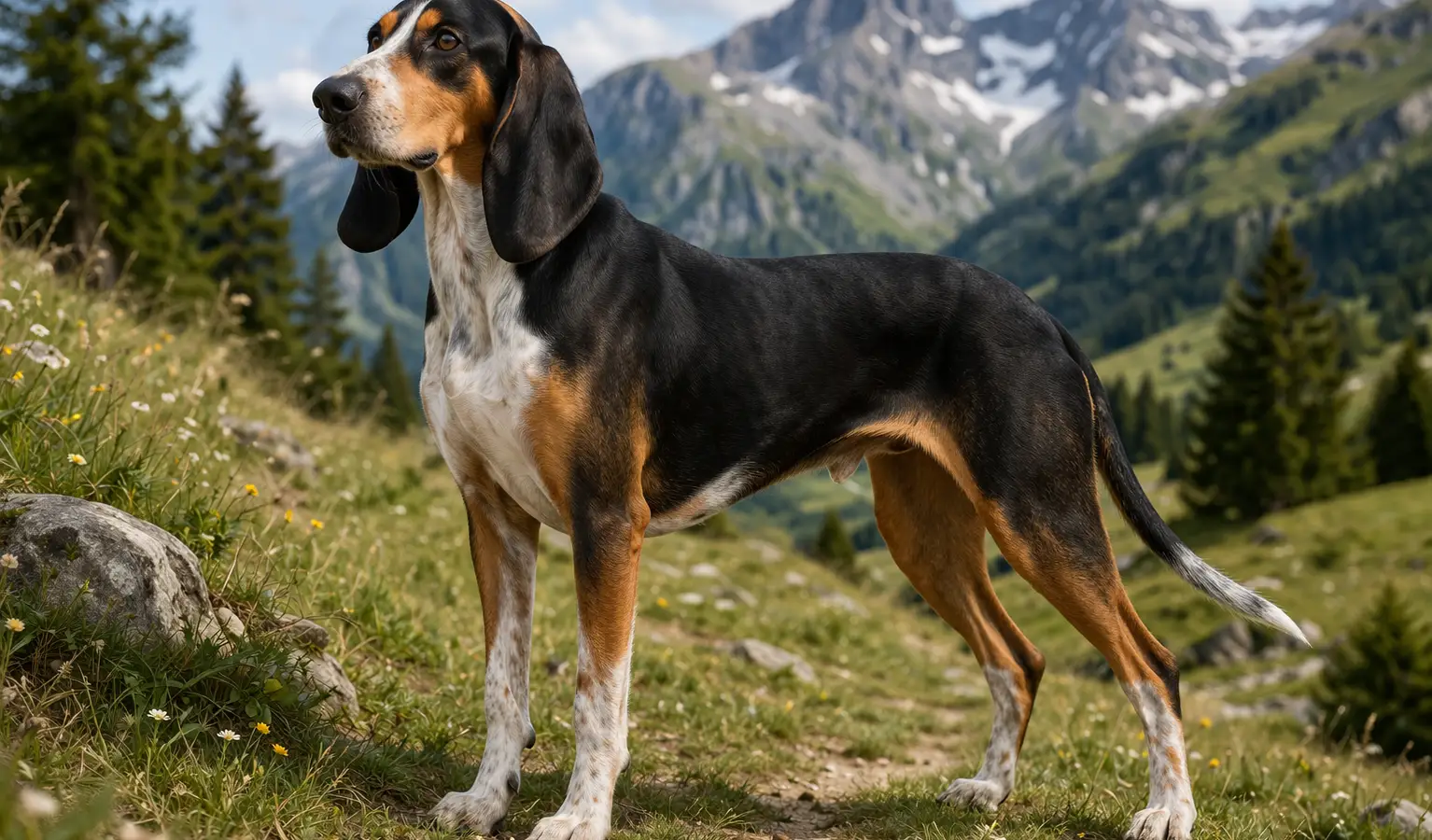
The Swiss Hound refers to several varieties of Swiss scenthounds (including Bernese, Bruno Jura, Lucerne and Schwyz types) developed for hunting, especially hare and fox. They are known for excellent noses, a clear voice and strong stamina, often working well across varied terrain. Affectionate and social, they are still keen hunters who need long outings, scent enrichment and patient, consistent training.
Life expectancy
12 – 14 years
Price
800 – 1300 €
Monthly budget
65 €
Size
Medium
Profile
Swiss Hound
Origin
Switzerland
Year of origin
1900
Developed by
Swiss hunters
Size
Medium
Coat type
Short coat
Owner profile
Active owner
Hypoallergenic
No
Litter size
6
Life expectancy
12 – 14 years
Price
800 – 1300 €
Female
- Height : 45 – 53 cm
- Weight : 18 – 22 kg
Male
- Height : 47 – 59 cm
- Weight : 20 – 25 kg
Temperament & abilities
Affectionate
3/5
Calm
3/5
Independent
4/5
Intelligence
4/5
Obedience
3/5
Hunting instinct
5/5
Energy level
4/5
Good with children
3/5
Dog-friendly
4/5
Friendly with strangers
3/5
Hunting profile
Stamina
4/5
Hunting drive
4/5
Independence
4/5
Trainability
3/5
Beginner-friendly
3/5
Family compatibility
4/5
Feather game
0/5
Fur game
4/5
Underground work
0/5
Water work
0/5
These indicators help compare breeds and choose the right one for your hunting style.
Game & abilities
Estimated ability level by game type.
Budget
Purchase price
800 – 1300 €
The price may vary depending on the breeder, bloodline, and region.
Average monthly cost
65 €
Estimated average: food, healthcare, accessories, and grooming.
A classic scent hound with stamina, voice, and a serious nose
Is the Swiss Hound a good hunting dog?
The Swiss Hound is generally a very capable hunting dog for hunters who want a true scent hound rather than an all-purpose gun dog. Bred to work game by nose, it is valued for its tracking ability, endurance, and typically expressive voice on a trail. In practical terms, Swiss Hound hunting strengths are most coherent in scent-driven work over varied ground, especially for people who appreciate a methodical hound that can pursue game with commitment instead of constantly checking back like a close-working companion breed.
Its hunting style is usually defined by nose first, then stamina and rhythm. A good Swiss Hound often works with a purposeful search pattern, picks up scent carefully, and can stay engaged on older or more difficult lines than many less specialized dogs. That makes it attractive for hare and similar quarry, and in some lines it may also suit other traditional hound work depending on terrain, local practice, and the individual dog. The breed tends to show courage and persistence, but it is not typically chosen for retrieve-focused work. If your idea of a hunting dog centers on finding, trailing, and driving game by scent, its abilities make more sense than if you want a versatile retriever-hunter combination.
Handling is where expectations need to be realistic. Like many scent hounds, the Swiss Hound can be independent when scent is strong, and recall may never feel as effortless as with a highly handler-focused breed. Trainability is real, but it usually depends on patient repetition, early obedience, and consistent exposure to field situations. This is not usually the easiest option for a novice who wants instant responsiveness off lead in every environment. It often suits hunters who enjoy reading hound behavior, giving the dog room to work, and managing energy and control without trying to turn it into something it is not.
In everyday life, the balance between field performance and family living is manageable for the right home, but not effortless. The Swiss Hound generally needs substantial exercise, mental stimulation, and opportunities to use its nose. Without that outlet, its energy level and working instincts can become difficult in a quiet household. For the right owner, though, it can be a rewarding choice:
- Best suited to: hunters wanting a traditional scent hound for tracking and pursuing game by nose
- Less suited to: people seeking a highly biddable, close-working, retrieve-oriented hunting dog
- Daily life fit: active homes with space, structure, and acceptance of a vocal, driven hound temperament
Compared with more versatile hunting breeds, the Swiss Hound is narrower in specialization but often stronger in pure hound work. It makes the most sense for someone who values nose, stamina, and authentic scent-hound temperament, and who can live comfortably with the training demands and independent working style that come with those strengths.
Accurate cold nose
The Swiss Hound is valued first for scent work. In suitable lines, it can follow older ground scent with notable care, making it useful when game is not moving strongly or conditions are less straightforward. For hunters who want a methodical scenthound rather than a fast, loose chaser, that steady nose is one of the breed’s clearest assets.
Clear trailing voice
A well-bred Swiss Hound is traditionally appreciated for giving tongue clearly on the line. That voice helps the hunter read the progress of the chase, judge direction, and stay connected to the dog even in broken country or woodland. In practical hunting, this is more than style: it improves tracking of the work when the dog is out of sight.
Patient line control
Rather than relying only on speed, the Swiss Hound often shows concentration on the actual scent line. This matters on turns, checks, and changing ground, where a dog that keeps its head and works out the problem can be more useful than one that overruns. It generally suits hunters who appreciate precision and consistency over dramatic pace.
Built for long outings
This is a hound with real endurance. When properly conditioned, many Swiss Hounds can stay effective through extended hunts in hilly terrain, which fits the breed’s traditional use in demanding country. That stamina also means daily life is easier with active owners who can provide regular exercise, tracking games, and enough mental work between hunting days.
Best on hare and fox
The breed is most closely associated with classic European scent-hound work, especially on hare and fox. It is not the most all-purpose hunting dog if someone wants strong retrieving, pointing, or versatile gun-dog tasks in one package. It tends to shine most when allowed to do what it was made for: careful pursuit of running game by scent.
Responsive with calm handling
The Swiss Hound can be trainable in experienced hands, but it usually responds best to calm, consistent handling rather than heavy pressure. Hunters who enjoy building reliable routines, recall foundations, and steady field habits often get the best from the breed. For novice owners, its nose and independence can be rewarding, but they do require thoughtful management.
Who the Swiss Hound suits best
The Swiss Hound tends to suit an active owner who genuinely enjoys living with a driven scent hound, not just admiring one. It is often a good fit for hunters who want a musical, energetic dog able to work scent methodically over varied ground, and for rural or semi-rural households that can offer long outings, structure, and patient handling. Daily life usually goes best with people who understand that a hound may follow its nose with real determination and may not offer effortless off-lead reliability in unfenced areas.
It is usually less suitable for first-time owners expecting an easy, highly biddable dog, for homes that leave the dog under-stimulated, or for apartment living without serious exercise and scent-based enrichment. Families can do well with a well-raised Swiss Hound, but the best match is a calm, active household that accepts voice, stamina, and a hunting mindset as part of the package.
- Best match: active hunters, experienced hound owners, countryside lifestyles
- Possible mismatch: sedentary homes, inconsistent training, frequent off-lead expectations
- Daily reality: exercise, nose work, patient recall training, and sensible management matter
How a traditional Alpine scent hound was shaped by terrain, game, and practical hunting needs
Origin and development of the Swiss Hound
The Swiss Hound, or Chien courant suisse, developed in Switzerland as a specialist scent hound built for tracking game by nose over difficult country. Historical references to hound-type dogs in the region go back many centuries, and paintings and written accounts suggest that Swiss packs were already valued for their scenting ability long before modern breed standards existed. While some details of the early breeding history are not fully documented, the breed was clearly shaped by a practical goal: producing a keen-nosed, enduring hunting dog able to work methodically on natural scent trails in valleys, forests, and broken Alpine terrain.
Its development reflects the hunting culture of Switzerland, where regional strains were selected more for function than for uniform appearance. Hunters needed dogs that could search independently, carry a trail with persistence, and give clear voice while in pursuit. That heritage still helps explain the Swiss Hound’s present-day style. This is generally not a frenetic, purely speed-driven hound; it is better understood as a thoughtful, determined tracker that works with concentration and stamina. The long ears, balanced build, and expressive voice are not just breed features in a show description, but part of a classic scenthound package designed for locating and following game over time.
As the breed became more standardized, several color varieties were recognized, yet the essential type remained that of a versatile running hound for hare, fox, and in some contexts other game. Selection for hunting use tends to have preserved a dog that is energetic outdoors but often more settled at home when its needs are met. For modern owners, this history matters. A Swiss Hound may be affectionate and manageable in family life, but it was not created to be a decorative companion. It usually suits people who appreciate hound behavior: independence, strong interest in scent, and a need for regular, purposeful exercise rather than a short walk around the block.
In practical terms, the breed’s background points to a few likely strengths and challenges in daily life:
- Strengths: excellent nose, endurance, musical voice, and the ability to work steadily without constant handler input.
- Limitations: recall can be complicated by scent drive, training may require patience, and boredom often shows quickly in under-stimulated dogs.
- Best fit: hunters, active rural owners, or experienced dog keepers who enjoy scent work and can offer time, structure, and space.
That historical balance between independence and cooperation is central to understanding the Swiss Hound today. It is a breed whose old purpose still shows in temperament: capable, eager in the field, and often pleasant at home, but usually happiest with a lifestyle that respects its hunting origins rather than trying to erase them.
Deep Swiss roots
The Swiss Hound is an old scent hound type shaped in Switzerland for practical field use rather than fashion. Historically, regional varieties were valued for their nose, voice, and stamina on difficult terrain. That heritage still explains the breed’s balanced build, purposeful movement, and strong instinct to follow game scent with patience.
Bred to hunt by scent
This breed was selected to work methodically with its nose, often over long distances and changing ground conditions. A good Swiss Hound is typically appreciated for tracking accuracy, perseverance, and a clear, expressive voice that helps handlers follow the chase. It is better understood as a serious scent hound than as a flashy all-purpose gun dog.
Gentle but independent
At home, the Swiss Hound often comes across as affectionate, even-tempered, and pleasant with familiar people, but its hound mindset usually remains intact. Many individuals are cooperative without being blindly obedient, which matters in training. Recall, leash manners, and focus around wildlife often require steady practice because scent can easily override distraction control.
Needs room and purpose
Daily life is easiest when this breed has space, regular movement, and meaningful nose work. A Swiss Hound may struggle in a sedentary household or in an urban routine built around short walks only. It tends to suit active owners, rural homes, or hunters who appreciate a dog that needs both physical exercise and mental engagement.
Practical care profile
Coat care is usually straightforward, with routine brushing and normal attention to ears, feet, and condition after time outdoors. The bigger challenge is often management rather than grooming: keeping the dog fit, fulfilled, and safely handled when scent drive switches on. For many owners, the breed is easy to maintain physically but not low-demand in lifestyle terms.
Best for patient handlers
The Swiss Hound generally suits people who enjoy hounds for what they are: thoughtful, driven, and not always eager to work in a highly controlled way. It can be rewarding for hunters and experienced active owners who value nose work, consistency, and realistic expectations. Those wanting instant off-leash reliability may find the breed more challenging than expected.
Practical answers about hunting ability, training, family life, housing, exercise, and owner fit
Swiss Hound hunting and lifestyle FAQ
Is the Swiss Hound a good hunting dog for modern hunters?
The Swiss Hound was developed as a scent hound, so tracking game by nose is one of its natural strengths. In the right hands, it can suit hunters who value methodical scent work, stamina, and a dog that stays engaged on a trail rather than relying on speed alone. That said, suitability depends on the individual dog, local terrain, game species, and how much structured field training it receives. It tends to fit hunters who enjoy working with a hound and understanding hound behavior, not those expecting instant off-leash precision.
What kind of game and hunting style does a Swiss Hound usually suit best?
This breed is generally associated with scent-driven hunting and can appeal to people looking for a dog that follows a track carefully and persistently. It is often considered better matched to hunters who appreciate trailing and steady work over highly versatile, all-purpose gundog tasks. In practical terms, a Swiss Hound may be most rewarding for someone who wants to let a hound use its nose properly and who is comfortable managing voice, range, and drive in the field. Bloodline and training make a major difference, so it is worth asking breeders and handlers about the specific working style of their dogs.
Are Swiss Hounds easy to train, especially for recall and off-leash control?
They are usually intelligent and capable learners, but scent hounds are not always the easiest breed when a strong scent is present. A Swiss Hound may understand recall perfectly in quiet settings and still become very focused outdoors once it picks up a trail. Training usually works best with early habits, repetition, calm consistency, and rewards that matter to the dog, rather than heavy-handed correction. Many owners find that reliable management, a long line, and realistic expectations are just as important as obedience work.
Can a Swiss Hound live as a family dog if it is not used for hunting?
It can, but this is rarely a low-maintenance companion breed. A Swiss Hound typically needs substantial exercise, regular scent-based activities, and enough daily structure to prevent frustration or restless behavior. In a family setting, many individuals can be affectionate and pleasant, especially when well socialized, but they often do best with owners who genuinely enjoy active outdoor life. If the dog will not hunt, owners usually need to replace that outlet with tracking games, long walks, and purposeful training rather than relying on a fenced yard alone.
Is the Swiss Hound suitable for apartment living?
Apartment living is possible in some cases, but it is not the easiest match for the breed. This is an active hound that generally benefits from space, frequent outdoor time, and a routine that allows it to move, sniff, and decompress properly. Potential owners should also consider that scent hounds may be vocal, which can matter in close housing. A very committed, experienced owner might make apartment life work, but a rural or suburban setting with easy access to safe exercise areas is often a more natural fit.
How much exercise does a Swiss Hound really need each day?
Most Swiss Hounds need more than a couple of short leash walks. They usually thrive on a mix of physical exercise and mental work, especially scent-based activities that let them use the abilities they were bred for. For many dogs, the better question is not only how long they are exercised, but whether the routine includes meaningful sniffing, tracking, and training opportunities. Owners who want a calm dog at home often get the best results when they provide steady daily outlets instead of trying to make up for boredom with occasional intense sessions.
Who is the Swiss Hound best suited for, and who should probably choose another breed?
The Swiss Hound tends to suit hunters, active rural owners, and people who genuinely like hounds with independent minds and strong noses. It is often a better match for someone patient, consistent, and realistic about management than for a first-time owner wanting easy off-leash reliability and effortless obedience. People who enjoy long walks, tracking work, and breed-specific behavior may find it deeply rewarding. Those wanting a quiet, highly biddable, low-exercise family dog will often be happier with a different type of breed.