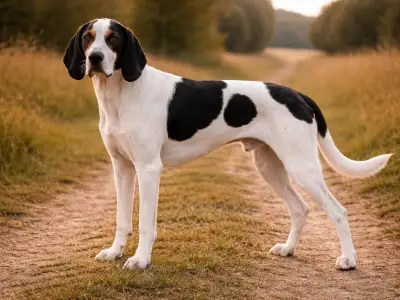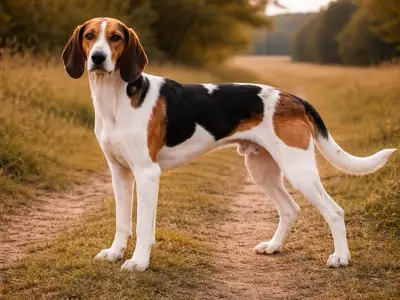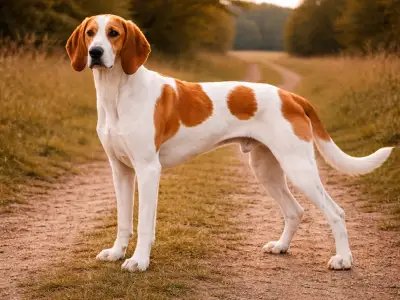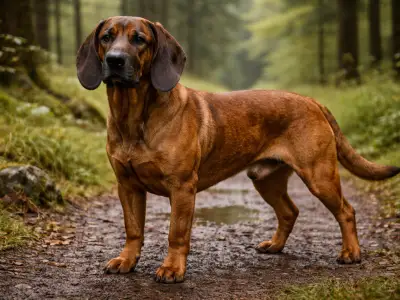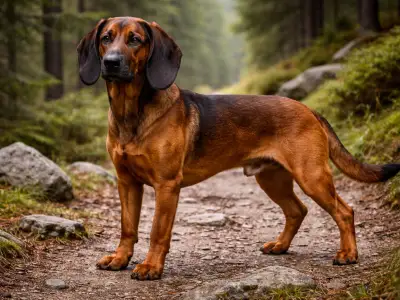
Basset Hound
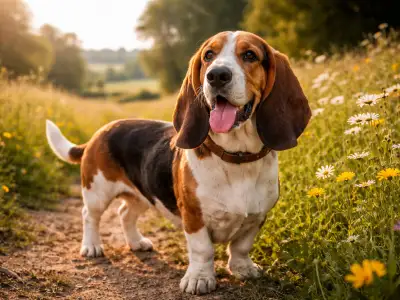
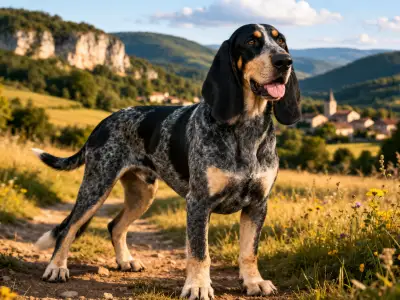
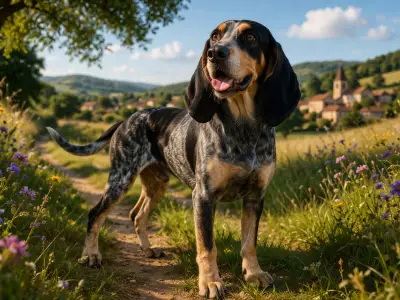
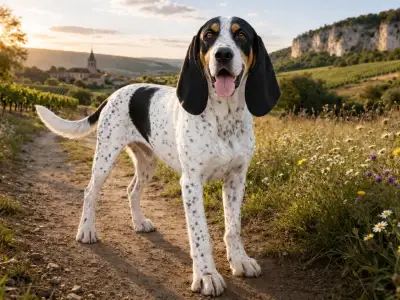
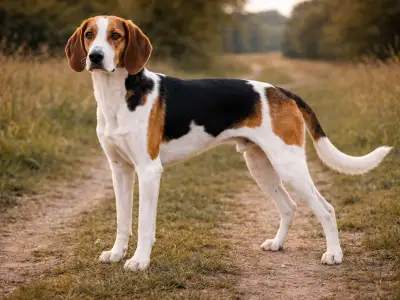
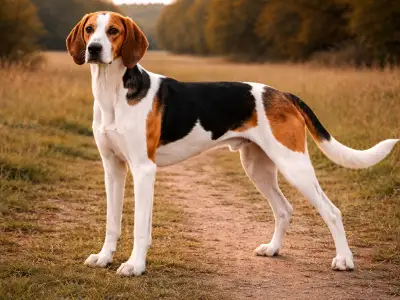
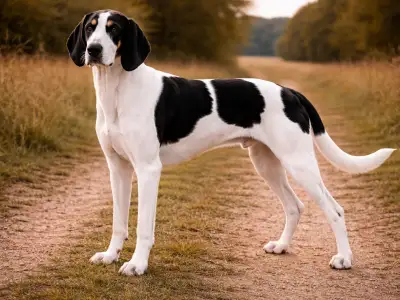
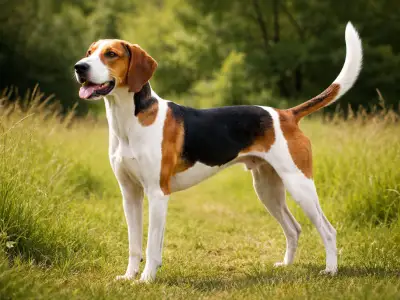
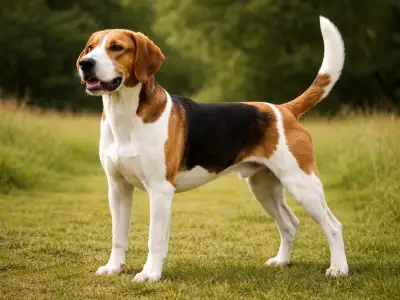
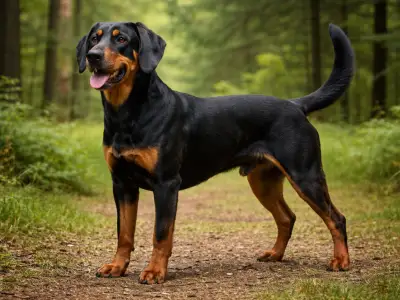
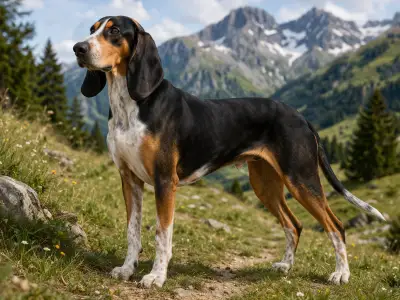
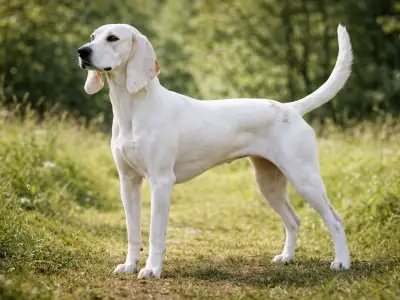
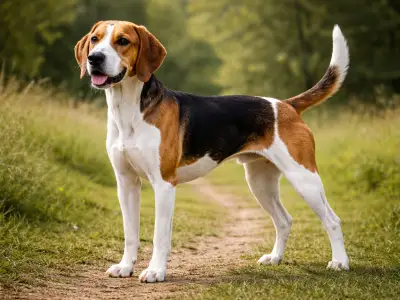
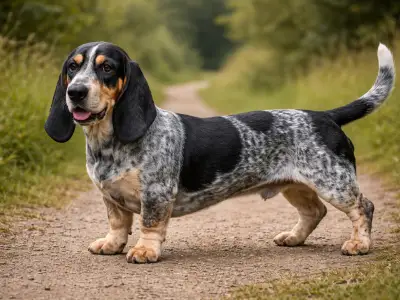
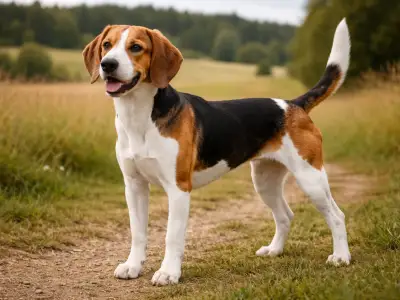
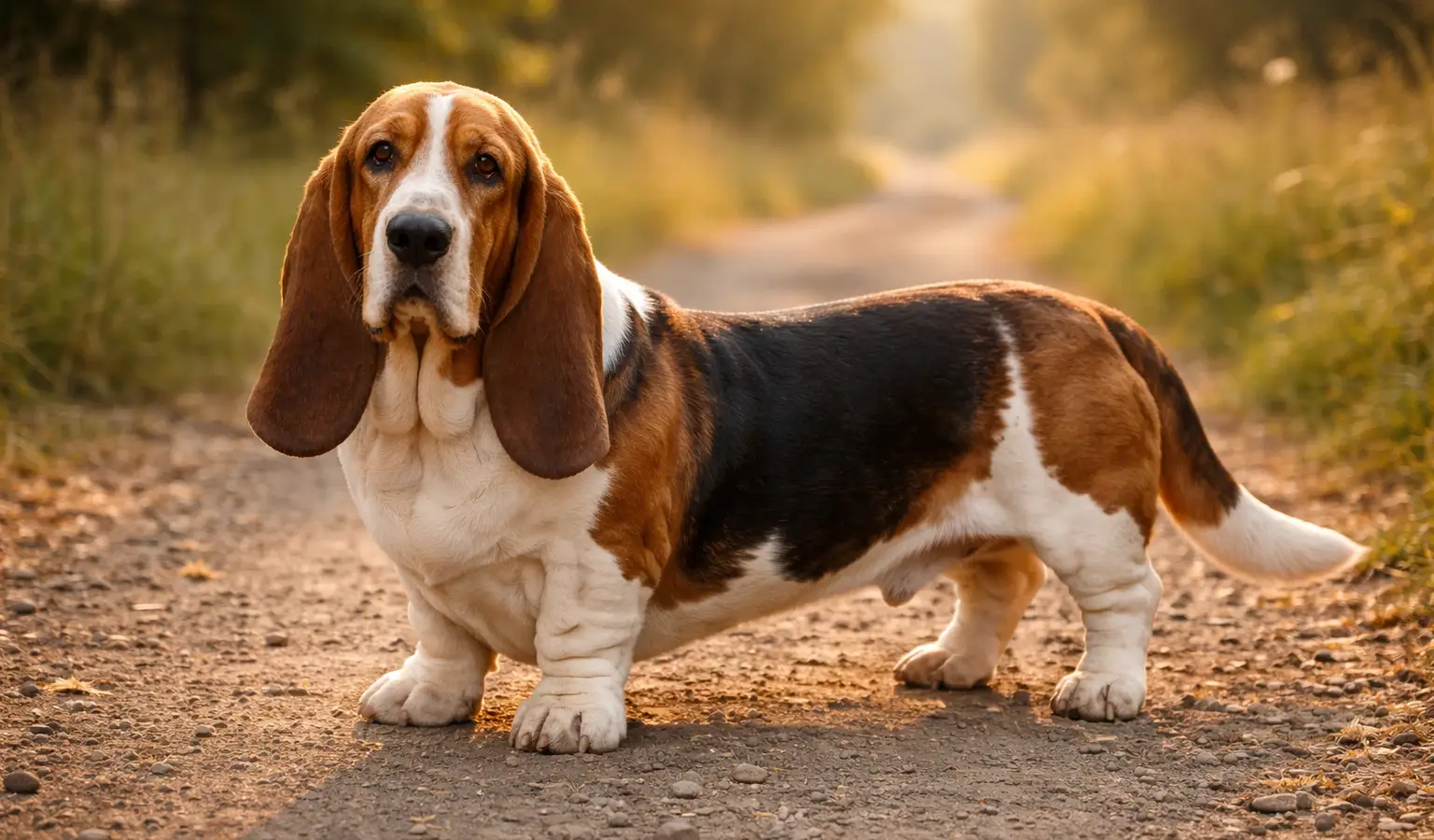
The Basset Hound is a low-slung scenthound famous for its long ears and powerful nose. Gentle and easygoing, it can be stubborn and very determined when following scents. It needs regular walks, patient training and careful weight control, as it can be prone to gaining weight.
Life expectancy
10 – 12 years
Price
800 – 1300 €
Monthly budget
70 €
Size
Medium
Profile
Basset Hound
Origin
France
Year of origin
1800
Developed by
French breeders
Size
Medium
Coat type
Short coat
Owner profile
Calm owner
Hypoallergenic
No
Litter size
7
Life expectancy
10 – 12 years
Price
800 – 1300 €
Female
- Height : 33 – 36 cm
- Weight : 20 – 25 kg
Male
- Height : 35 – 38 cm
- Weight : 25 – 30 kg
Temperament & abilities
Affectionate
4/5
Calm
4/5
Independent
4/5
Intelligence
3/5
Obedience
2/5
Hunting instinct
5/5
Energy level
2/5
Good with children
4/5
Dog-friendly
4/5
Friendly with strangers
4/5
Hunting profile
Stamina
3/5
Hunting drive
2/5
Independence
3/5
Trainability
2/5
Beginner-friendly
4/5
Family compatibility
5/5
Feather game
0/5
Fur game
4/5
Underground work
0/5
Water work
0/5
These indicators help compare breeds and choose the right one for your hunting style.
Game & abilities
Estimated ability level by game type.
Budget
Purchase price
800 – 1300 €
The price may vary depending on the breeder, bloodline, and region.
Average monthly cost
70 €
Estimated average: food, healthcare, accessories, and grooming.
A slow, methodical scent hound with real nose power and very specific field strengths
Is the Basset Hound a Good Hunting Dog?
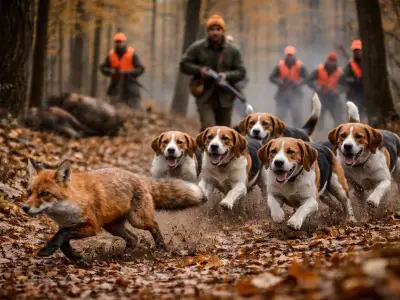
The Basset Hound is a genuine hunting dog, but not in the all-purpose sense many buyers imagine. It was developed to follow scent carefully and persistently, and its best work is typically on ground game where a slow, deliberate search pattern is an advantage. For someone asking about Basset Hound hunting, the short answer is that this breed can be very effective as a trailing and scenting hound, especially in conditions where nose, patience, and close-range handling matter more than speed, athletic jumping, or broad-ranging pursuit.
Its biggest asset is the nose. A good Basset Hound can stay on odor with impressive concentration, often working methodically rather than explosively. That style can suit hunters who want to follow the dog on foot and read the work as it develops. The breed is also often steady in temperament, which can make daily handling pleasant. At the same time, the same calm, independent nature can make trainability feel uneven compared with more handler-focused sporting breeds. Recall, off-lead control, and responsiveness under distraction usually need patient repetition rather than quick results.
In the field, the Basset Hound is most coherent for hunters who value scent work over pace. It is not usually the breed people choose for fast, hard-driving work across difficult terrain, nor for jobs that demand a polished retrieve. The body shape, shorter legs, and moderate speed naturally limit range and mobility in heavy cover, steep ground, deep mud, or long days that require a lot of physical reach. Stamina can be respectable in its own rhythm, but this is still a hound that generally works best when the job fits the build and working style.
- Strengths: excellent scenting ability, persistence on trail, calm handling, useful close-working style
- Limitations: slower pace, variable recall, less suited to rough terrain, not a natural fit for every hunting role
- Best use cases: hunters wanting a methodical scent hound for ground game and measured foot hunting rather than speed or versatility
For everyday life, that balance can appeal to the right owner. The Basset Hound often has a moderate energy level indoors, but it still needs regular outlets for scenting and structured exercise to stay satisfied. Families may appreciate the breed’s generally easygoing temperament, while hunters should be realistic about the training demands and physical limits. In practical terms, this is a specialized hound for people who genuinely value nose work, patience, and a slower field partnership.
Powerful ground scent nose
The Basset Hound’s standout asset is its ability to follow ground scent with impressive persistence. Bred as a scent hound, it can stay focused on an older trail and work methodically rather than rushing. For hunters tracking rabbit or hare in dense cover, that careful nose is often more valuable than outright speed.
Slow, readable tracking pace
Unlike faster hounds that may range far ahead, the Basset usually works at a pace many handlers can follow on foot. That makes its line easier to read and its movements easier to manage in thick brush, hedgerows, and small hunting grounds. For practical field use, this controlled style can be a real advantage.
Strong concentration on a trail
When a Basset Hound locks onto scent, it often shows deep concentration and a stubborn willingness to stay with the job. That trait can help on difficult tracks where lighter-minded dogs lose interest. The flip side is that recall may weaken once the nose takes over, so handling usually benefits from steady early training.
Endurance over long outings
The breed is not built for explosive speed, but many Basset Hounds can keep working for a long time at a measured rhythm. This steady stamina suits hunters who prefer patient tracking over fast pursuit. In everyday life, it also means they usually need regular sniff-heavy exercise, not just a short walk around the block.
Useful voice on scent
Many Bassets are valued for their deep, carrying voice when actively working a line. In hunting, that vocal quality can help handlers follow the dog’s progress when visibility is poor or cover is thick. It is a classic hound trait, though in family life the same tendency may need thoughtful management if the dog becomes excited or bored.
Pack-friendly hunting temperament
Basset Hounds have traditionally worked in groups, and many individuals retain a sociable, cooperative style around other dogs. That can make them a practical choice for hunters who value a steady pack hound rather than a hard-driving solo specialist. Their temperament often suits calm, patient handlers better than owners expecting sharp, instant obedience.
Who the Basset Hound suits best
The Basset Hound tends to suit an owner who enjoys a slower, methodical hound rather than a fast, highly responsive all-round hunting dog. This breed is often a better fit for people interested in trailing, rabbit work, nose-led outings, and traditional scent hound behavior than for hunters wanting speed, range, or instant recall. In family life, many Bassets do well with calm, consistent households that appreciate a sociable dog with a strong nose, a streak of independence, and moderate exercise needs.
Less suitable profiles include very tidy homes that will be frustrated by drool, shedding, muddy ears, and a dog that follows scent over human plans. The breed may also disappoint owners who expect sharp off-leash obedience, endurance running, or intense canine sport drive. A Basset Hound often fits best with patient handlers, secure fencing, regular walks, and realistic expectations: this is usually a charming, determined scent hound that rewards understanding more than strict control.
From French hunting roots to modern companion life, the breed’s history still explains its pace, nose, and temperament.
Origins of the Basset Hound: Why This Low-Slung Scent Hound Works the Way It Does
The Basset Hound was developed as a scent hound built to work close to the ground, and its history helps explain almost everything owners notice today. The breed is generally traced to France, where short-legged hounds were valued for trailing small game, especially hare, at a steady, manageable pace. The word basset itself comes from a French term linked to low stature. Exact early lineage is not perfectly documented, but the breed appears to have been shaped from low-built hounds selected for scenting ability, endurance, and a slower hunting style that people on foot could follow.
That original purpose still shows in the modern Basset Hound. This is not a fast, flashy hunting dog bred for big range or explosive speed. Instead, it was developed to keep its nose down, work methodically, and stay on scent with determination. The long ears, substantial bone, and deep body are part of the breed’s distinctive outline, but they also reflect a dog designed for ground scent work rather than sprinting. In practical terms, this history helps explain the breed’s patient pace, strong nose, and tendency to become deeply focused when it finds an interesting trail.
As the breed spread from France to Britain and later became more established in the English-speaking world, selection appears to have emphasized both hunting usefulness and a recognizable type. Over time, the Basset Hound became known not only as a working scenthound but also as a companion with a notably gentle, sociable character. That said, the hunting background never disappeared. Many Bassets still show a pronounced independent streak, which is common in hounds bred to follow scent with some autonomy rather than constantly checking back for instruction.
For a modern owner or hunter, the breed’s development suggests a very specific fit:
- Strengths: excellent nose, steady tracking style, calm household presence, and a temperament that is often affectionate and good-natured.
- Limitations: less speed and agility than many other hunting breeds, and training can require patience because scent often outranks obedience in the dog’s mind.
- Best match: people who appreciate a slower, deliberate hound, whether for trailing work, scent activities, or family life with realistic expectations about recall and independence.
In that sense, the Basset Hound’s past is not just historical background; it is a practical guide to daily life with the breed. Owners who expect a tireless athlete or highly responsive off-leash partner may find the breed frustrating. Those who value a strong-nosed, characterful hound with an old-fashioned hunting style often understand the Basset much better once they know where it came from.
French scent-hound roots
The Basset Hound developed from French low-slung hounds bred to follow scent at a steady pace over difficult ground. Its name comes from the French word bas, meaning low. Later refined in Britain, the breed kept its strong nose and deliberate tracking style, making it one of the most recognizable scent hounds in the world.
Built to trail, not sprint
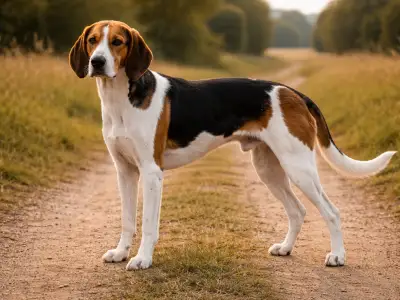
This breed was shaped for patient scent work rather than speed. Heavy bone, short legs, long ears, and loose skin all contribute to the classic outline, while the powerful nose remains the real working tool. In hunting terms, a Basset Hound is better suited to slow, methodical tracking and close-range work than fast pursuit across open country.
Gentle but independent
Basset Hounds are often affectionate, tolerant, and easygoing at home, which helps explain their popularity as family dogs. At the same time, many retain the independent streak common in scent hounds. Training usually goes best with calm repetition, food motivation, and realistic expectations, especially when an interesting scent competes for the dog’s attention.
A practical home companion
Many Basset Hounds adapt well to quieter households because their energy level is usually moderate rather than intense. That said, they are not decorative couch dogs. They still need daily walks, scent-rich outings, and careful weight management. Owners should also be comfortable with a loud voice, some drool, and a dog that may follow its nose with determination.
Care shaped by structure
The breed’s distinctive build brings very practical care needs. Long ears and skin folds benefit from regular cleaning, and the dense body on short legs means extra pounds can make daily movement harder. Many Basset Hounds do best with steady exercise, sensible conditioning, and owners who avoid too many stairs, rough jumping, or long periods of inactivity.
Best for patient handlers
For hunters and pet owners alike, the Basset Hound tends to suit people who appreciate a slower, thoughtful working style. It can be a rewarding breed for those who enjoy watching a dog puzzle out scent step by step. It is usually less suitable for handlers seeking sharp off-leash precision, high speed, or intense trainability in every situation.
Practical answers about hunting ability, training, exercise, home life, and owner fit
Basset Hound hunting and family life FAQ
Is a Basset Hound actually a good hunting dog?
The Basset Hound was developed as a scent hound, and its strongest hunting asset is its nose rather than speed. In the field, many Bassets can track ground scent with persistence and a deliberate, methodical style that suits rabbit and similar game in some hunting traditions. They are generally better matched to slower-paced trailing work than to fast, high-pressure hunting that demands quick acceleration or jumping difficult terrain. For a hunter who values scenting ability, voice, and a manageable pace on foot, a well-bred and well-trained Basset can be a genuinely useful partner.
Can a Basset Hound be trained for hunting if it will also live as a family dog?
Often, yes, provided expectations are realistic and training is consistent. A Basset Hound can switch between house life and field work, but the breed usually responds best to patient repetition, clear routines, and rewards that keep motivation high. Harsh handling tends to reduce cooperation, while scent games, recall practice, and controlled exposure to trails can build useful working habits over time. The key is to accept that many Bassets mature into reliable workers more through steady practice than through flashy, highly driven training sessions.
Are Basset Hounds easy to train, or are they too stubborn for most owners?
Basset Hounds are trainable, but they are rarely the breed people choose for instant obedience. Their independent streak comes from hound heritage, and once a scent captures their attention, they may seem to stop listening altogether. Many owners do best when they treat training as a long-term habit instead of a short boot camp, focusing on recall, leash manners, settling in the home, and food-based reinforcement. They are often a better fit for patient owners who can laugh at a little hound stubbornness than for people who want sharp, precision-focused performance.
How much exercise does a Basset Hound need if it is not used for hunting regularly?
A Basset Hound usually needs daily activity, but not the same kind of output required by more intense sporting breeds. Regular walks, sniff-heavy outings, and short tracking or scent games are often more satisfying than repetitive high-speed exercise. Most individuals benefit from consistent moderate movement to help manage weight, maintain muscle, and prevent boredom, especially because the breed can appear lazy while still becoming frustrated if under-stimulated. In everyday life, a good routine is often less about miles covered and more about giving the dog time to use its nose.
Can a Basset Hound live happily in an apartment or small house?
In many cases, yes, if the home routine is realistic. A Basset Hound does not need a huge property to be content, but it does need daily walks, regular sniffing opportunities, and owners who can manage the breed's voice, shedding, and tendency to follow scent if given the chance. Apartment living is usually easier with people who are home enough to provide structure and who do not expect a silent, ultra-tidy dog. Secure outdoor access matters because a scent hound that catches an interesting trail may be less reliable off lead than first-time owners expect.
Are Basset Hounds good with children and other pets?
Many Basset Hounds are affectionate, tolerant dogs that fit well into family life, especially in homes that prefer a steady, less intense companion. They often do well with children who are taught respectful handling, and many also live peacefully with other dogs thanks to the breed's sociable hound background. Small pets can be more variable because scent hound instincts may still be present, so introductions and management should be thoughtful rather than casual. As with any breed, temperament depends partly on the individual dog, upbringing, and how well the home matches the dog's natural style.
Who is the Basset Hound best suited for as a hunting and family companion?
The Basset Hound tends to suit people who appreciate a calm, characterful dog and do not need speed, sharp competitive obedience, or high-intensity outdoor performance. For hunters, the breed often makes most sense for those who enjoy scent work at a slower pace and want to follow the dog rather than constantly push it. As a household companion, it can be a strong match for families, older owners, or first-time hound owners who are patient, consistent, and comfortable with some drool, some noise, and a mind of its own. It is usually a weaker fit for owners who want an off-leash hiking dog with instant recall or a highly responsive all-purpose sporting partner.