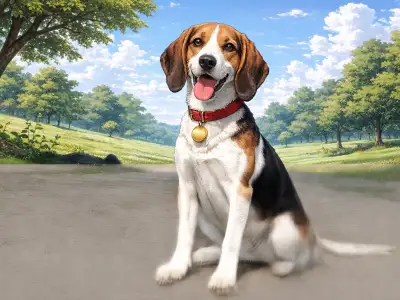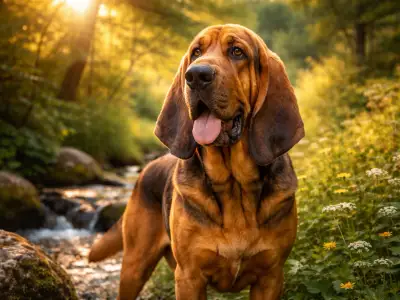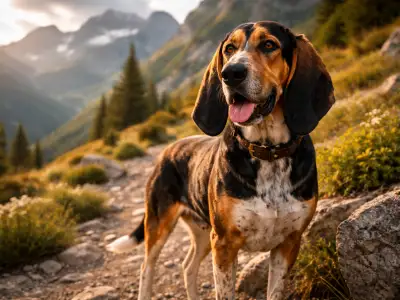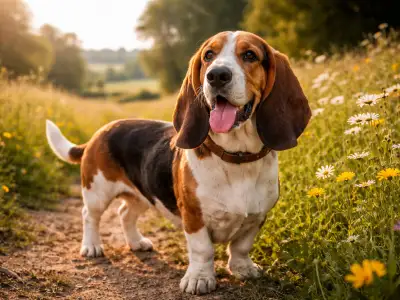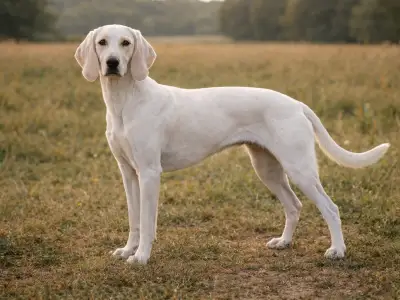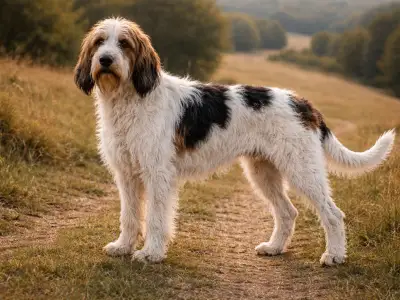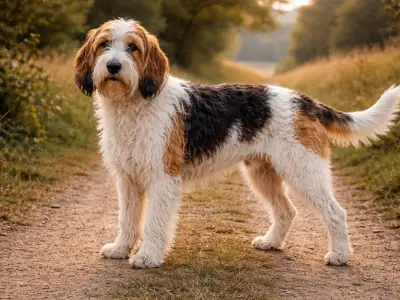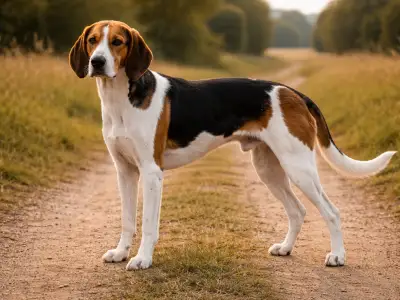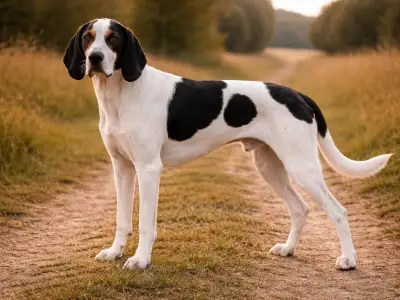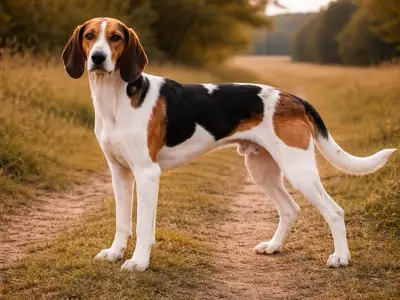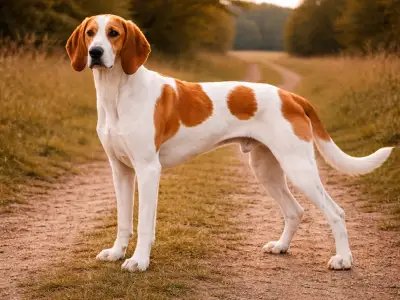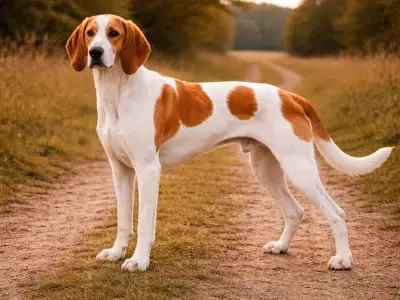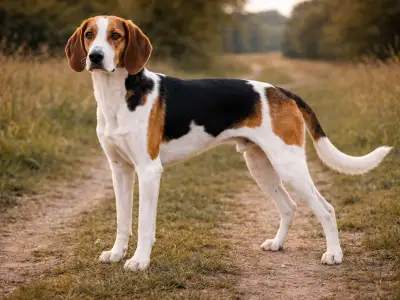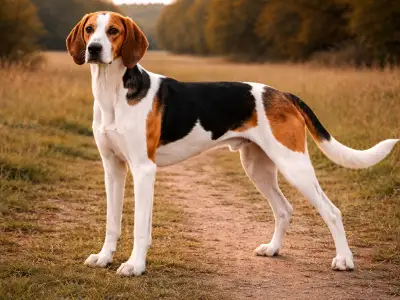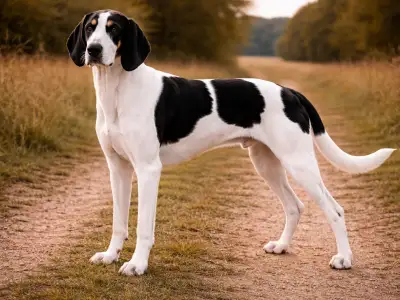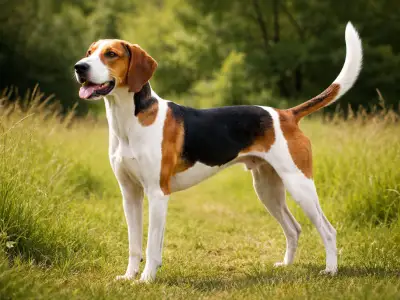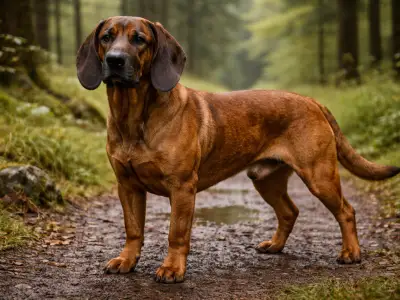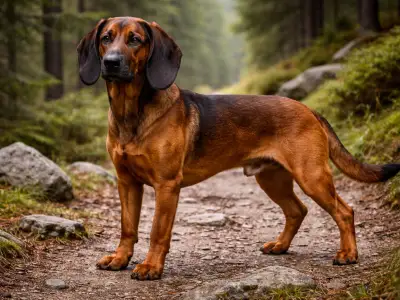
Gascon Saintongeois
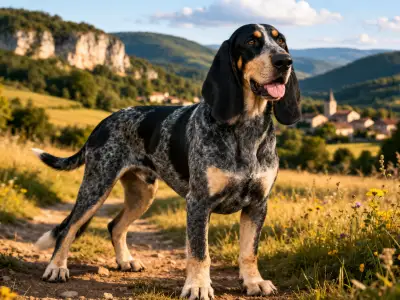
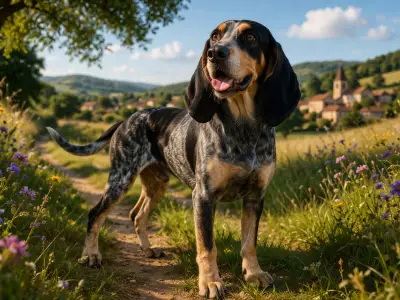
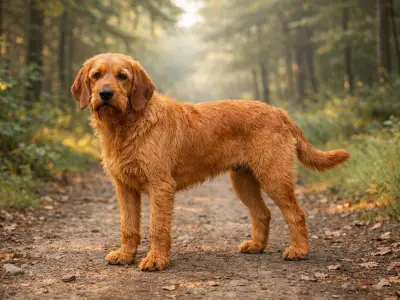
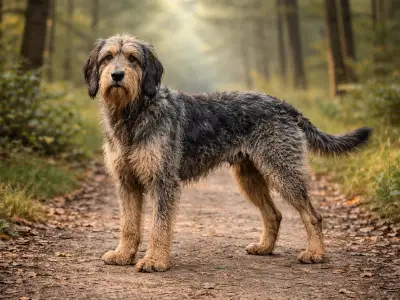
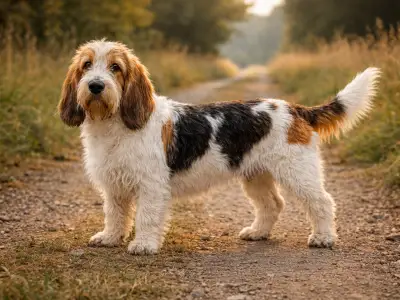
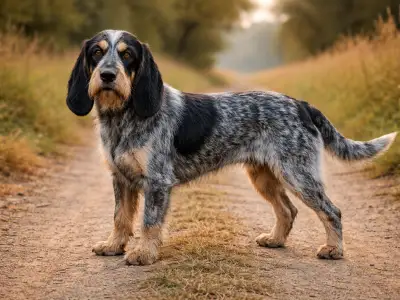
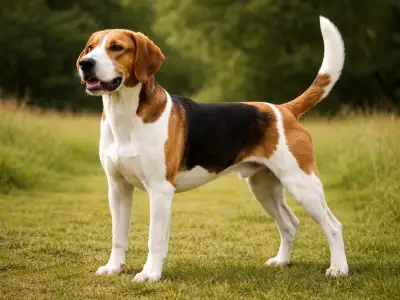
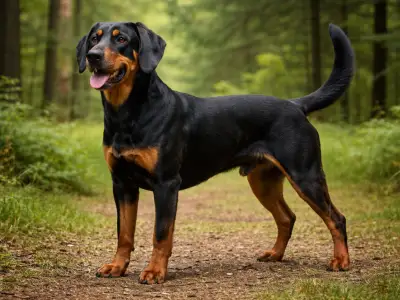
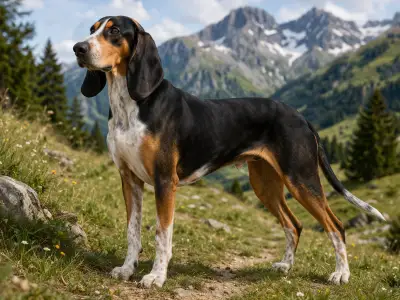
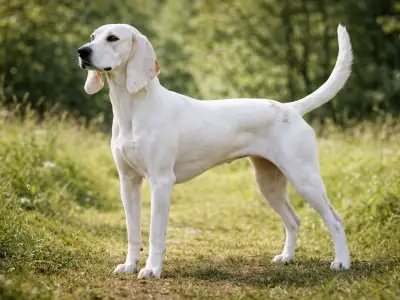
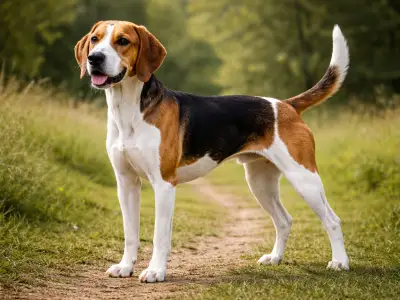
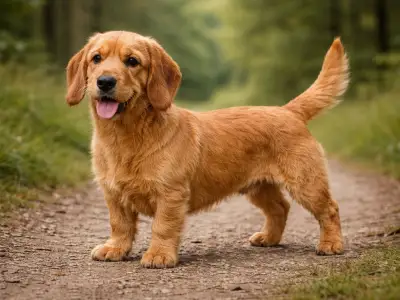
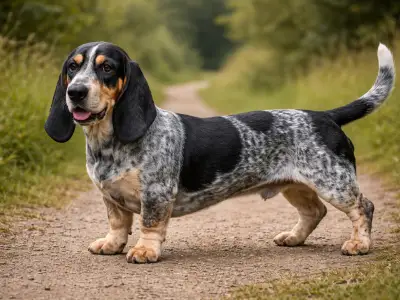
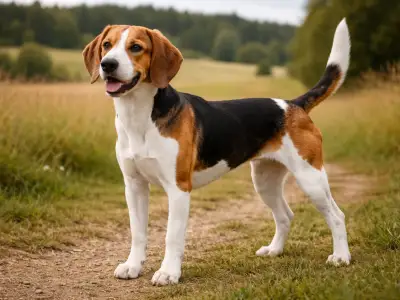
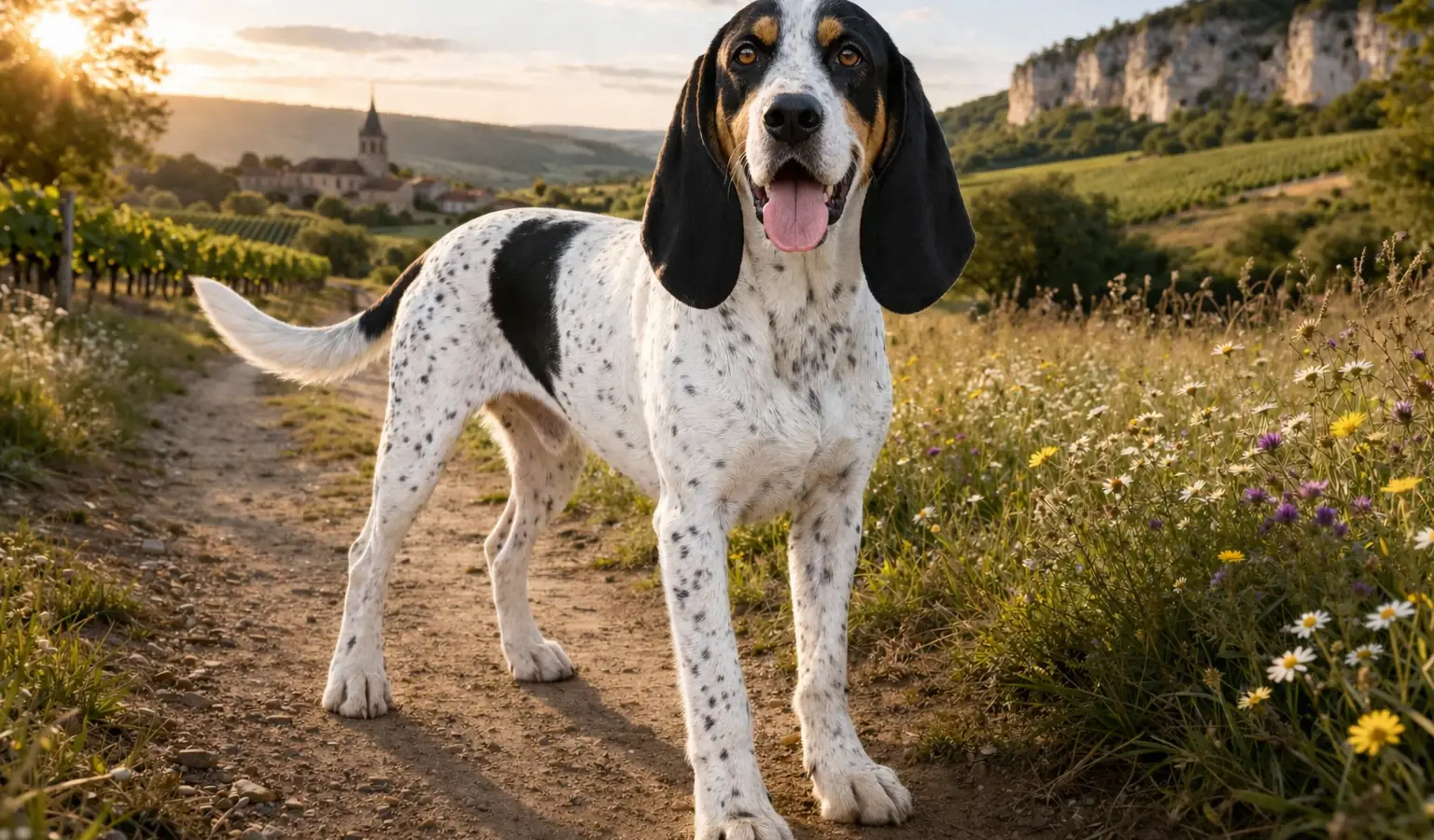
The Gascon Saintongeois is a French scenthound valued for an excellent nose, a clear voice and strong stamina. It comes in two varieties (Grand and Petit), traditionally used for pack hunting. Social with other dogs and steady on the trail, it needs plenty of exercise, space and consistent handling.
Life expectancy
11 – 13 years
Price
900 – 1600 €
Monthly budget
80 €
Size
Large
Profile
Gascon Saintongeois
Origin
France
Year of origin
2023
Developed by
French hunting breeders
Size
Large
Coat type
Short coat
Owner profile
Active owner
Hypoallergenic
No
Litter size
7
Life expectancy
11 – 13 years
Price
900 – 1600 €
Female
- Height : 54 – 68 cm
- Weight : 24 – 36 kg
Male
- Height : 56 – 72 cm
- Weight : 26 – 38 kg
Temperament & abilities
Affectionate
3/5
Calm
3/5
Independent
4/5
Intelligence
4/5
Obedience
3/5
Hunting instinct
5/5
Energy level
4/5
Good with children
3/5
Dog-friendly
4/5
Friendly with strangers
3/5
Hunting profile
Stamina
5/5
Hunting drive
5/5
Independence
4/5
Trainability
3/5
Beginner-friendly
2/5
Family compatibility
3/5
Feather game
0/5
Fur game
5/5
Underground work
0/5
Water work
0/5
These indicators help compare breeds and choose the right one for your hunting style.
Game & abilities
Estimated ability level by game type.
Budget
Purchase price
900 – 1600 €
The price may vary depending on the breeder, bloodline, and region.
Average monthly cost
80 €
Estimated average: food, healthcare, accessories, and grooming.
A powerful scent hound for traditional hunting, with real working depth and real day-to-day demands.
Is the Gascon Saintongeois a good hunting dog?
The Gascon Saintongeois is widely considered a very capable hunting dog for hunters who want a true scent hound rather than an all-purpose gundog. Its main strengths are nose, stamina, voice, and the ability to work game methodically over distance. In the field, it tends to make the most sense for tracking and pursuing scent in traditional hound work, especially where endurance and steady scenting matter more than close, highly handler-dependent work. For the right hunter, the breed can be impressive; for the wrong home, it can feel too driven, too vocal, and too demanding.
As a hunting breed, the Gascon Saintongeois is generally valued for a searching style built around scent rather than speed alone. It often works with persistence, covers ground efficiently, and can stay engaged for long outings in varied terrain. This gives it clear appeal for hunters who appreciate a dog that can follow a line with determination and not lose heart when conditions become difficult. It is less obviously suited to owners looking for a compact, highly versatile dog that switches easily between house life, casual exercise, and occasional hunting weekends.
Handling can be the key question. Like many scent hounds, the Gascon Saintongeois may be independent in work, strongly motivated by odor, and not naturally inclined to constant check-ins once it is on scent. That does not mean it is untrainable, but recall, steadiness, and everyday obedience usually require patient repetition and realistic expectations. This is not typically the easiest breed for first-time handlers who want instant responsiveness. It often does better with someone who understands hound temperament, manages freedom carefully, and enjoys shaping cooperation rather than demanding tight control.
In daily life, the same qualities that support Gascon Saintongeois hunting ability also create responsibilities at home. The breed usually needs substantial exercise, mental engagement, and room to move, and it is often better suited to a rural or semi-rural setting than a sedentary urban routine. A well-managed individual can be calm indoors after proper work, but without enough outlet it may become noisy, restless, or hard to live with. In practical terms, this breed fits best with experienced hound people, active hunters, or households that genuinely want a working scent hound first and a pet second.
Cold-nose tracking
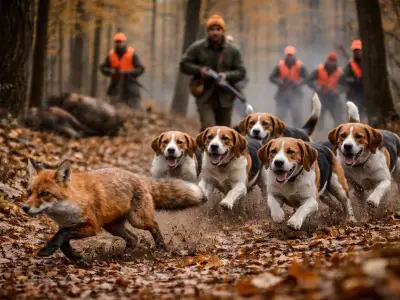
The Gascon Saintongeois is valued first and foremost as a scent hound with a serious nose. It is generally appreciated for following older ground scent with patience rather than rushing the line, which helps on difficult terrain, after weather changes, or when game has moved well ahead of the dogs.
Built for long hunts
This is a hound type associated with endurance more than explosive speed. A well-conditioned Gascon Saintongeois can keep working for long stretches, making it appealing to hunters who want a dog that stays useful over a full outing instead of fading after the first hard push.
Strong pack cooperation
The breed is traditionally linked with pack hunting, and that heritage still matters. Many individuals work best when they can settle into a collective rhythm, honor other dogs on the line, and contribute steady pressure on game rather than hunting as flashy, highly independent solo specialists.
Clear trailing voice
A good Gascon Saintongeois is often appreciated not just for scenting ability, but for being audible on the track. That voice can help hunters follow the progress of the chase in cover or broken country, which is especially useful when visual contact with the dogs is limited for long periods.
Calm, methodical pursuit
Rather than hunting in a frantic, scattered style, this breed often shows a more settled and organized approach. That methodical concentration can be a real advantage for handlers who prefer hounds that stay mentally on task, hold a line honestly, and do not waste as much energy on careless overexcitement.
Best for experienced hound homes
Its hunting qualities are strongest in homes that understand scent hounds: patient training, plenty of exercise, and room for the dog to use its nose. For the right hunter, that means a capable working companion; for a casual pet owner, the same drive may feel demanding in daily life.
Who the Gascon Saintongeois suits best
The Gascon Saintongeois usually suits a hunter who wants a traditional pack-style scenthound with stamina, a strong nose, and the patience to let the dog work scent methodically. It tends to fit best with people who enjoy long outings, have access to rural space, and understand hound behavior: independence, vocal communication on trail, and a workmanlike rather than highly handler-focused style. In daily life, this is often a better match for an active country household than for a suburban owner looking for an easy, low-maintenance companion.
It may also suit experienced active owners who do not hunt but can provide serious exercise, scent work, and calm structure. Less suitable profiles include first-time dog owners, people wanting tight off-leash reliability in busy public places, or households expecting a quiet dog content with short walks. Without enough activity and purpose, some individuals may become frustrated, noisy, or difficult to manage.
- Best match: experienced hunters, rural homes, very active owners who value scent work
- Possible match: non-hunters with space, time, and a real plan for daily mental and physical work
- Common mismatch: apartment living, low-activity households, owners wanting a highly obedient, instantly responsive pet
How this French scent hound’s history still shapes its voice, stamina, and hunting style
Origin and development of the Gascon Saintongeois
The Gascon Saintongeois is a French scenthound developed from older regional hound traditions, especially the Grand Bleu de Gascogne and hounds associated with Saintonge. Most breed histories trace its modern formation to the nineteenth century, when French breeders aimed to preserve a powerful, elegant pack hound after local lines had declined. As with many historic hunting breeds, exact details can vary by source, but the broad picture is consistent: this dog was selected for nose, endurance, voice, and the ability to work seriously over varied terrain.
That background helps explain the breed’s present-day temperament and working style. The Gascon Saintongeois was bred first and foremost as a scent hound, which usually means an independent mind, strong tracking drive, and a natural tendency to follow odor with determination. In practical terms, this is often a dog that works best with room to move, clear handling, and a daily life built around exercise and purpose. Its history as a pack hunter also tends to support a sociable nature with other dogs, while not necessarily producing the instant off-switch or close, constant attentiveness that some owners expect from a companion breed.
Traditionally used on game such as hare, roe deer, and wild boar depending on line and region, the breed was valued less for flashy obedience than for reliable hunting function. Breeders generally favored hounds that could carry scent over distance, stay steady in pursuit, and communicate through a resonant voice that handlers could follow in the field. Those traits remain relevant today, whether the dog is kept for active hunting or as a working-bred companion in a very outdoors-oriented home.
For modern owners, the history of the Gascon Saintongeois gives useful clues about suitability:
- Strengths: stamina, scenting ability, persistence, and a typically genuine pack-hound character.
- Limitations: high exercise needs, distraction by scent, and training that may require patience rather than repetition-heavy drilling.
- Best fit: experienced hound owners, hunters, or very active households with space, structure, and realistic expectations.
In other words, the breed’s past is not just a museum detail. It still shows up in daily life: the long nose-led walks, the need for secure handling, the enjoyment of outdoor work, and the calm satisfaction many individuals show when they are allowed to use the abilities they were originally developed for.
French hunting roots
The Gascon Saintongeois is a traditional French scenthound developed from older regional hound lines, with the aim of producing a powerful, elegant dog able to follow game over long distances. It is most often associated with pack hunting, and that heritage still matters when judging the breed’s drive, voice, and need for purposeful activity.
Bred to work by nose
This breed was selected first and foremost for scenting ability, stamina, and cooperation in the field rather than for a highly biddable pet-dog style. Many Gascon Saintongeois dogs are more independent than owners of retrievers or herding breeds may expect, which can make recall and off-lead control a serious training point.
Calm indoors, driven outside
Well-exercised individuals can often be steady and pleasant at home, but that calmer side should not be mistaken for low energy. Outdoors, the breed may switch quickly into work mode when it catches scent. Daily life tends to go best with owners who enjoy long walks, structured outings, and management that respects the dog’s hunting instincts.
Pack-minded temperament
Because the breed has long been used in groups, many individuals are generally social with other dogs, especially when properly raised. That said, social tolerance is not the same as softness or passivity. A Gascon Saintongeois often suits handlers who can offer calm consistency, fair boundaries, and enough space to avoid frustration building up.
Best fit for rural life
The Gascon Saintongeois is usually easier to manage in the countryside than in a busy urban setting. Size, stamina, and a loud hound voice can make close-quarter living more complicated. Secure outdoor space helps, but it does not replace exercise; this is a breed that typically needs time moving, sniffing, and working its brain every day.
Practical upkeep
Coat care is relatively simple, but ownership is not especially low-maintenance overall. Long ears, outdoor activity, and sustained exercise mean regular routine checks are sensible after walks or hunting days. The bigger challenge is usually not grooming but meeting the breed’s mental and physical needs in a way that keeps the dog settled and manageable.
Practical answers on hunting ability, training, exercise, home life, and owner fit
Gascon Saintongeois hunting FAQ
Is the Gascon Saintongeois a good hunting dog for modern hunters?
The Gascon Saintongeois is generally considered a capable hunting hound, especially for hunters who value nose work, stamina, and pack-style pursuit. It was developed as a scent hound, so it often shows strong tracking instinct and the ability to work over varied ground for long periods. In practice, it tends to suit hunters who enjoy following hounds and listening to the work rather than expecting close, highly handler-focused performance at all times. Its usefulness depends a lot on bloodline, early exposure, and how the dog is started and managed in the field.
What kind of game and hunting style does a Gascon Saintongeois usually suit best?
This breed is most often associated with traditional scent hunting, where endurance, voice, and determination on a line matter more than speed alone. Many hunters look at the Gascon Saintongeois for hare, deer, wild boar, or similar quarry, although the exact fit varies by country, local regulations, and breeding background. It is usually better matched to hunters who want a true hound experience than to those seeking a versatile pointing or flushing dog. If your hunting style requires frequent close control, silent work, or constant off-lead redirection, another type of hunting dog may be easier to live with.
Is the Gascon Saintongeois easy to train for recall and obedience?
Recall and everyday obedience can be more challenging than with breeds bred for close cooperation, because a scent hound may become deeply committed to an interesting trail. That does not mean the Gascon Saintongeois is untrainable, but training usually works best when it is consistent, calm, and started early. Food rewards, repetition, long-line work, and carefully managed distractions are often more effective than harsh correction. Many owners find that reliable house manners are realistic, while off-lead freedom in unfenced areas may always require caution.
Can a Gascon Saintongeois live as a family dog if it is not used for hunting every week?
It can in some homes, but this breed is rarely the easiest choice for a purely casual pet household. A Gascon Saintongeois typically needs substantial physical exercise, regular scent-based activity, and enough structure to prevent boredom from turning into noise, roaming, or frustration. In a home that enjoys long walks, tracking games, rural routines, and hound temperament, it may settle well and be pleasant company. In a sedentary household or small-space urban lifestyle, daily life can become difficult quite quickly.
Are Gascon Saintongeois dogs good with children and other dogs?
Many scent hounds can be sociable with other dogs, especially when they are well raised and used to pack or group living, and the Gascon Saintongeois may share that tendency. With children, success usually depends less on the breed label alone and more on supervision, training, and whether the dog's exercise needs are truly being met. A well-managed individual may be gentle and steady at home, but a large energetic hound can still be too boisterous for very young children. Around small pets, caution is sensible because prey drive may be significant.
Does a Gascon Saintongeois need a big house or countryside to be happy?
Space helps, but the bigger issue is not square footage alone. This is a substantial active hound that usually does best with regular access to secure outdoor space, long walks, and opportunities to use its nose in a meaningful way. A rural or semi-rural setting is often easier, partly because scent hounds may vocalize and may be strongly motivated to follow interesting trails. Apartment life is possible only in unusually committed hands, and even then it can be a demanding project rather than a natural fit.
Who is the Gascon Saintongeois best suited for, and who should probably choose another breed?
The best match is often an experienced hound owner, an active hunting home, or someone who genuinely enjoys independent working dogs rather than expecting constant obedience and easy off-switch behavior. This breed tends to make more sense for people with time, secure space, and realistic expectations about scent drive, voice, and training pace. First-time owners may find it impressive but harder to manage than expected, especially if they live in a dense neighborhood or want a dog that is naturally biddable off lead. If your priority is simple pet obedience, compact living, or low daily effort, another breed will often be a better choice.