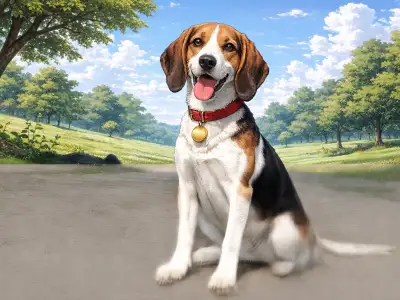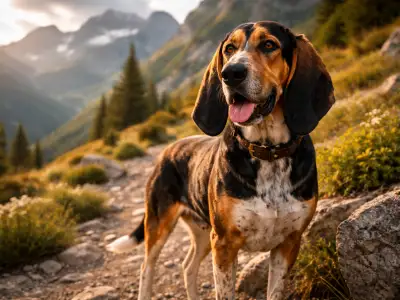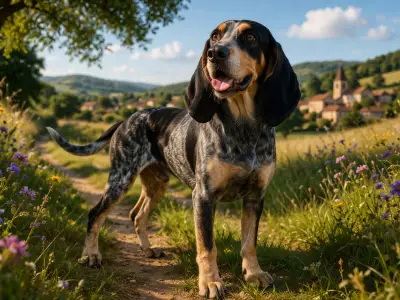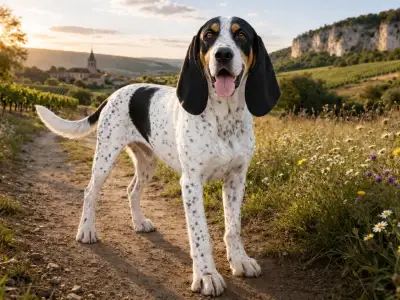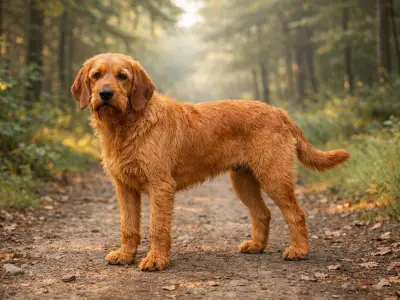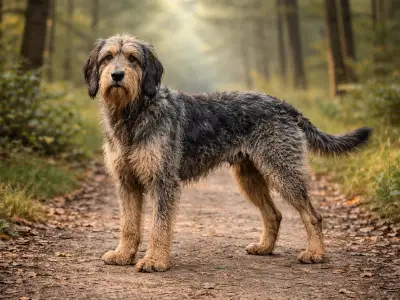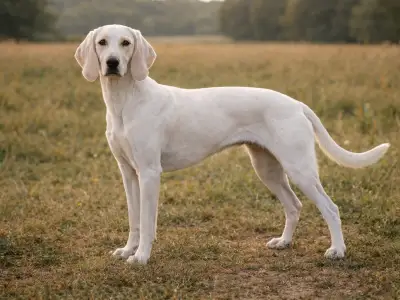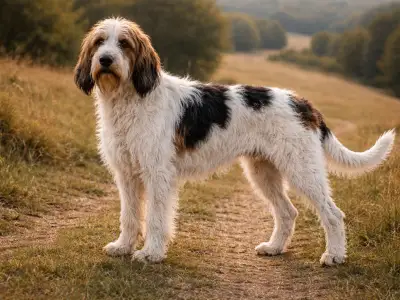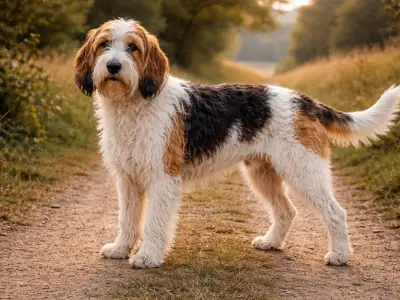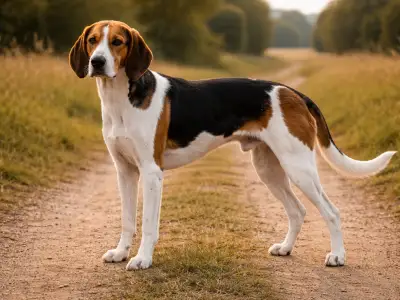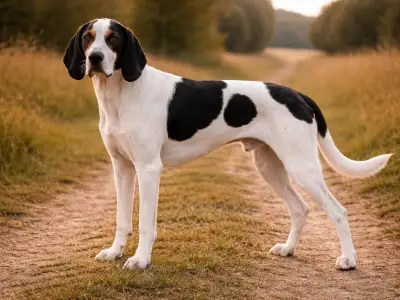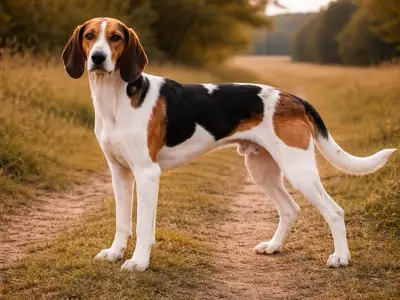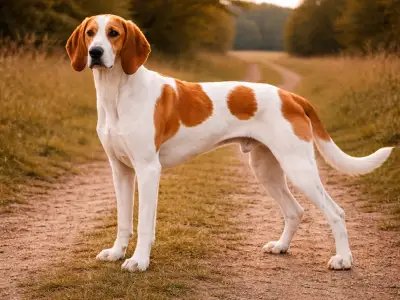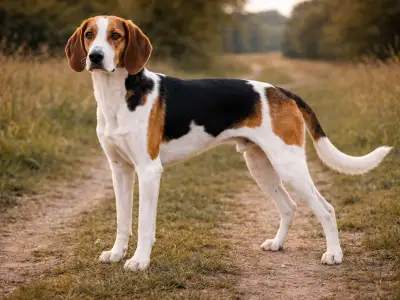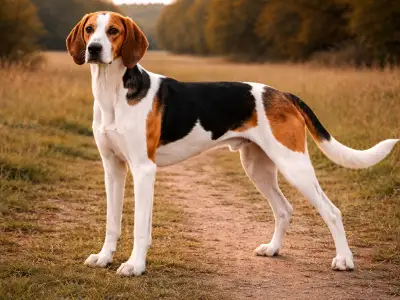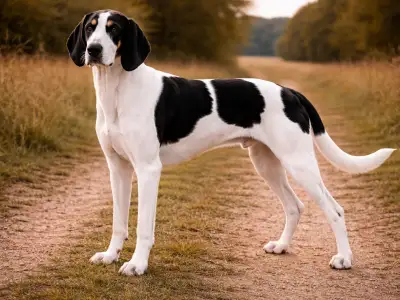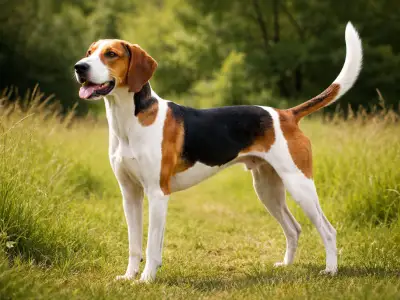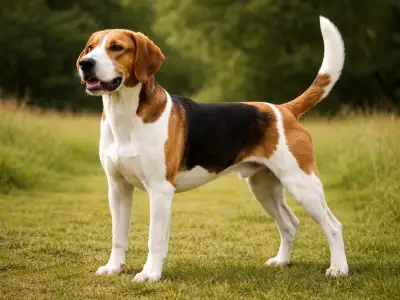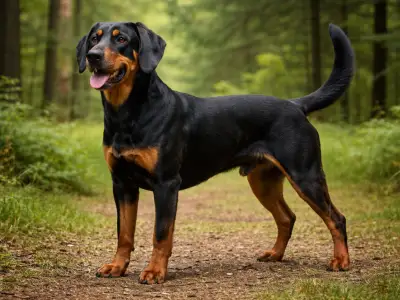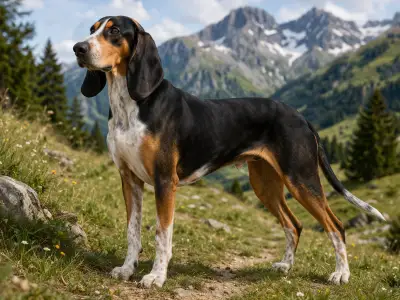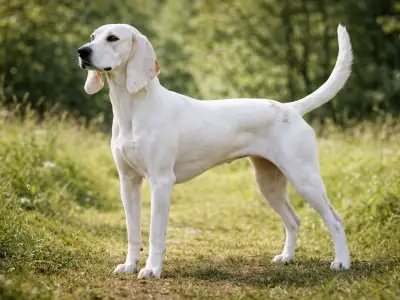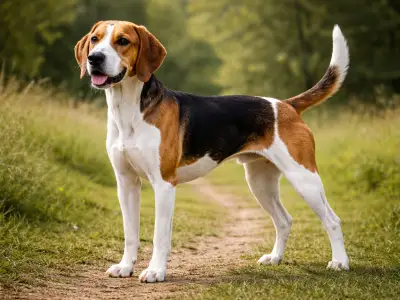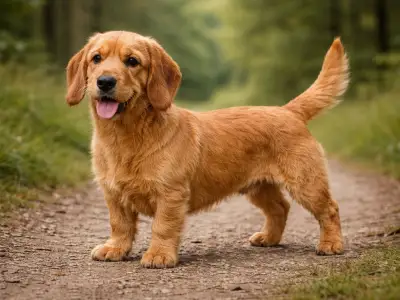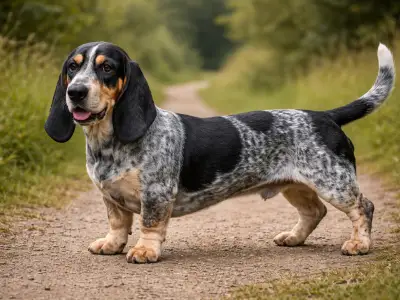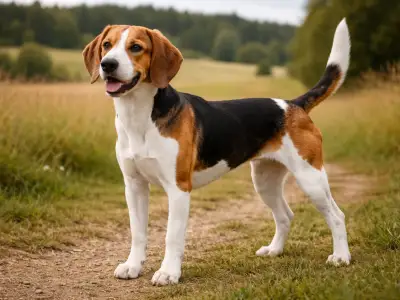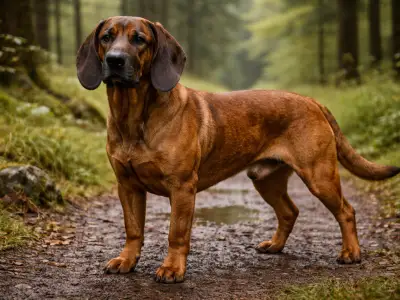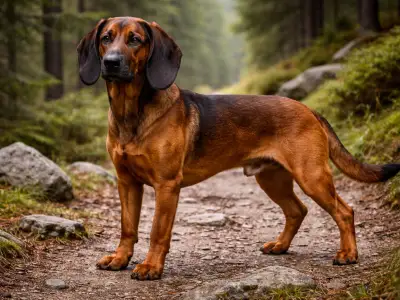
Basset Artesian Normand
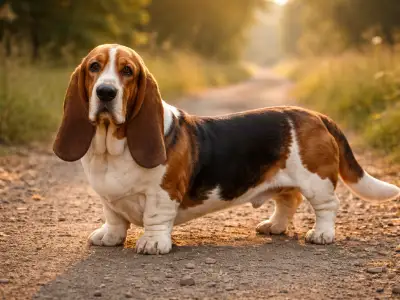
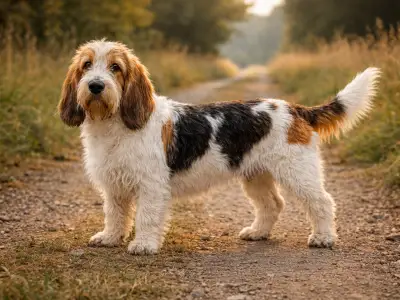
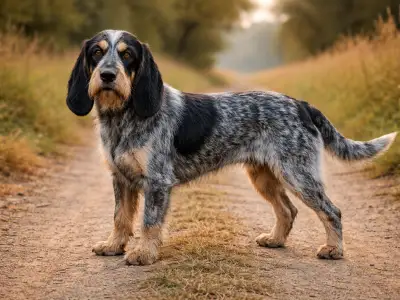
The Basset Artesian Normand is a low-set French scenthound bred for small game. It combines stamina, a good nose and a melodious voice. Affectionate at home, it can be stubborn, so it benefits from patient, consistent training and regular walks to meet its needs.
Life expectancy
12 – 14 years
Price
800 – 1400 €
Monthly budget
65 €
Size
Medium
Profile
Basset Artesian Normand
Origin
France
Year of origin
2023
Developed by
French breeders
Size
Medium
Coat type
Short coat
Owner profile
Calm owner
Hypoallergenic
No
Litter size
6
Life expectancy
12 – 14 years
Price
800 – 1400 €
Female
- Height : 30 – 36 cm
- Weight : 15 – 19 kg
Male
- Height : 30 – 36 cm
- Weight : 16 – 20 kg
Temperament & abilities
Affectionate
4/5
Calm
4/5
Independent
3/5
Intelligence
3/5
Obedience
3/5
Hunting instinct
4/5
Energy level
2/5
Good with children
4/5
Dog-friendly
4/5
Friendly with strangers
4/5
Hunting profile
Stamina
3/5
Hunting drive
3/5
Independence
3/5
Trainability
3/5
Beginner-friendly
4/5
Family compatibility
4/5
Feather game
0/5
Fur game
4/5
Underground work
0/5
Water work
0/5
These indicators help compare breeds and choose the right one for your hunting style.
Game & abilities
Estimated ability level by game type.
Budget
Purchase price
800 – 1400 €
The price may vary depending on the breeder, bloodline, and region.
Average monthly cost
65 €
Estimated average: food, healthcare, accessories, and grooming.
A practical look at its scenting ability, working style, trainability, and everyday livability
Is the Basset Artesian Normand a Good Hunting Dog?
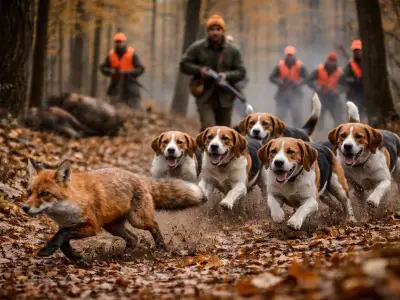
The Basset Artesian Normand is a genuinely capable hunting dog for the right kind of work, especially for hunters who want a methodical, close-working scent hound rather than a fast, wide-ranging pursuit dog. Its strengths usually lie in nose work, steady tracking, and manageable handling on foot. In practical terms, this breed is often best suited to small game hunting in terrain where a slower, deliberate search pattern is an advantage and where the hunter wants to follow the dog closely.
As a scenthound, the Basset Artesian Normand is built to hunt with its nose. It typically works with persistence rather than speed, using a careful search pattern and enough voice to help the handler follow the line. That style can be very useful in dense cover, hedgerows, mixed farmland, and woods where game may twist and double back. Compared with taller, faster hounds, it generally offers easier visibility and closer handling, but it is not the breed to choose if you want explosive pace, long-distance ranging, or highly versatile retriever-style work.
Temperament matters as much as instinct here. Many Basset Artesian Normands are affectionate, sociable dogs, but like many scent hounds they can be independent when following an interesting trail. That means recall, lead manners, and patient repetition in training are important from an early age. Trainability is often good in a practical sense, yet not always in the eager-to-please style seen in some gundog breeds. Consistent handling, clear routines, and regular exposure to scent work tend to bring out the best in them.
- Best use cases: small game hunting, close-range tracking, slower-paced hunts on foot, and hunters who value control over speed
- Main strengths: nose, persistence, steady working style, manageable size, and generally pleasant family temperament
- Main limitations: less speed, less range, potentially selective recall on scent, and limited suitability for work that depends on strong retrieving drive
In everyday life, the balance is one of this breed's biggest appeals. The Basset Artesian Normand often fits better into family life than more intense hunting dogs, provided it still gets regular exercise, scent-based outlets, and structured training. Energy level is moderate rather than extreme, but that should not be mistaken for laziness: a bored hound may become stubborn or overly focused on its own entertainment. For someone comparing hunting breeds, this dog makes the most sense for a hunter or active home seeking a calm, personable companion with real field ability, especially where nose, patience, and practical handling matter more than raw speed.
Methodical scent tracking
The Basset Artesian Normand is valued for a careful, ground-level nose that can work old scent with patience rather than speed. That makes it especially useful for hunters who prefer a steady hound able to sort out tricky lines in damp cover, hedgerows, and mixed farmland where rabbits and hare may double back.
Controlled pace on the line
One of this breed’s practical hunting advantages is its moderate rhythm. Instead of overrunning scent as some faster hounds can, it often follows game at a more readable pace, giving the handler time to listen, reposition, and understand the chase. For small-game hunting, that control can be as useful as raw drive.
Clear voice in pursuit
Like many scent hounds, the Basset Artesian Normand is appreciated for giving tongue on the track. A well-voiced dog helps the hunter follow progress through dense cover without constant visual contact. In practical terms, that audible work can make the hunt easier to read, especially when the dog is working bramble, woodland edges, or rough grass.
Strong for rabbit and hare
This breed is best known as a small-game scenthound, particularly for rabbit and, in some lines or regions, hare. Its build, nose, and hunting style suit close, detailed work more than wide-ranging pursuit. Hunters looking for a specialist in fur rather than a highly versatile all-purpose gun dog often find that focus appealing.
Works well in a small pack
The Basset Artesian Normand has traditionally been used alone or with other hounds, and many individuals show good cooperation in the field. In a small pack, its steady style can help keep the chase organized rather than chaotic. That said, pack manners still depend heavily on breeding, early socialization, and consistent handling.
Manageable hunting companion
For hunters who want a capable scenthound without the intensity or size of larger pack hounds, this breed can be a practical choice. It generally combines real hunting instinct with a more compact format that is easier to transport, house, and handle day to day. The trade-off is that it is not built for high-speed, all-day hard-driving work.
Who the Basset Artesian Normand suits best
The Basset Artesian Normand tends to suit hunters and active owners who want a steady, close-working scent hound rather than a fast, hard-driving dog. It often fits people who enjoy walking fields, hedgerows, and woodland edges at a measured pace, especially for small game work where nose, persistence, and clear voice matter more than speed. In family life, it usually does best with households that appreciate a sociable hound temperament, can provide daily outings and scent-based enrichment, and do not expect instant off-leash reliability.
Less suitable matches are easy to predict. This is rarely the best choice for someone wanting a highly biddable, intensely handler-focused dog, a jogging partner, or a breed that copes happily with a very sedentary routine. Some individuals can be independent on a scent, vocal, and determined, so first-time owners may need patience and consistency. It often suits owners who enjoy training with realism: calm repetition, secure spaces, practical recall work, and a home that accepts a hunting hound's nose-led habits.
How an old French scenthound became a steady, low-slung rabbit and hare hound with an easy household manner
Origin and development of the Basset Artésien Normand
The Basset Artésien Normand is a French scenthound developed from the old basset-type hounds of Normandy and Artois, regions with a long tradition of hunting on foot. In practical terms, the breed was shaped to follow game methodically at a pace a hunter could keep up with, rather than to run fast like taller hounds. That history still helps explain the modern dog: a keen nose, a deliberate working style, a strong interest in scent, and generally less frantic energy than many longer-legged hunting breeds.
Its development is usually linked to the 19th century, when French breeders refined short-legged hounds for small-game hunting, especially hare and rabbit. Historical sources do not always agree on every stage of that process, but the broad picture is consistent: breeders selected for a low, functional frame, good voice on trail, persistence, and the ability to work in varied countryside. The result was not simply a shortened hound, but a dog intended to move through cover efficiently while staying close enough for practical handling by hunters on foot.
That selective history matters for daily life today. The Basset Artésien Normand tends to be more patient and measured than some high-octane hounds, yet it remains very much a working nose-first dog. Many individuals are affectionate and pleasant in the home, but they can also be independent when following a scent. Owners often find that training goes best with calm repetition, clear routines, and enough outdoor activity to satisfy the breed’s natural tracking instincts. This is usually not the ideal choice for someone expecting instant off-leash reliability or a highly mechanical obedience style.
For hunters, the breed’s background points to a specific profile rather than an all-purpose specialist. It often suits people who value careful scent work, manageable pace, and a hound that can be followed on foot in real terrain. For family life, the same heritage can be appealing if expectations are realistic.
- Strengths: excellent nose, steady trailing style, moderate household energy when well exercised, generally companionable temperament.
- Limitations: scent-driven independence, variable recall, and a build that favors measured work over speed or jumping ability.
- Best match: owners who enjoy regular walks, scent games, and patient training, or hunters looking for a traditional small-game scenthound.
Seen in that light, the breed’s history is not just a museum detail. It explains why the Basset Artésien Normand can feel both gentle and determined: a compact French hound created to work close to the ground, think through scent, and stay useful to people moving at a human pace.
French basset roots
The Basset Artesian Normand comes from old French short-legged hound lines developed in Normandy and Artois. It was shaped as a practical scenthound that could work close to the hunter on foot, especially in thick cover where a lower, slower dog was easier to follow than a faster long-legged hound.
Selected for rabbit hunting
This breed is strongly associated with small game, particularly rabbit and hare. Breeding appears to have favored a fine nose, clear voice, and steady tracking style rather than speed alone. For many hunters, that combination remains the breed’s main appeal: it is methodical, readable in the field, and suited to close, controlled work.
Gentle but scent-driven
At home, the Basset Artesian Normand is often described as affectionate, sociable, and fairly easy to live with when its exercise needs are met. Outside, scent can quickly take priority over handler requests. That means recall and focus may need patient, repeated training, especially in young dogs or lines with strong hunting drive.
Best for active, close-contact owners
This is usually not the right match for people wanting a highly obedient off-leash dog with little training effort. It tends to suit owners who enjoy regular walks, scent-based activities, and calm handling. Hunters on foot often appreciate its manageable pace, while non-hunters should still plan for daily outlets that engage the nose as well as the body.
Compact build, specific care
The long body and short legs give the breed its classic outline, but they also call for sensible daily management. Weight control matters, and repeated jumping from furniture or vehicles is best limited when possible. Coat care is generally straightforward, though the ears should be kept clean and checked routinely, especially after time outdoors.
A steady worker, not a sprinter
In working style, the Basset Artesian Normand is valued more for consistency than raw speed. It tends to hunt with persistence and enough voice to help the hunter follow the track. That makes it attractive to people who prefer a traditional scenthound that works thoroughly and keeps the action at a more measured pace.
Practical answers for future owners, handlers, and hunters
Basset Artesian Normand hunting and family life FAQ
Is the Basset Artesian Normand a good hunting dog for beginners?
It can be a very approachable hunting breed for beginners, especially for people interested in scent hound work rather than fast, hard-driving pursuit. The Basset Artesian Normand is generally valued for its nose, steady pace, and manageable size, which can make it easier to follow on foot than some larger hounds. That said, a beginner still needs patience, consistency, and access to proper field experience, because scent hounds do not usually work like highly handler-focused dogs. In the right hands, it often suits hunters who enjoy methodical tracking and a more traditional, close-working style.
What game is the Basset Artesian Normand usually used for?
This breed has traditionally been associated with small game hunting, particularly rabbit and hare, where a careful nose and steady trailing style are useful. Depending on the line, country, and hunting culture, some individuals may also be used on other scent-based work, but small game is the most typical reference point. Its lower stature and moderate speed often make it a dog for deliberate scent work rather than explosive range. For a hunter, that means the appeal is usually precision, perseverance, and readable work rather than sheer speed.
How easy is a Basset Artesian Normand to train for recall and obedience?
Recall and everyday obedience are possible, but they usually require realistic expectations because this is an independent scent hound. When the dog is on an interesting scent, the nose can easily outrank the handler, so recall should be practiced early, often, and in gradually more distracting environments. Short, clear sessions with rewards tend to work better than drilling or harsh correction. A well-bred, well-socialized dog can become pleasant and cooperative in daily life, but most owners should not expect the instant off-leash responsiveness of a breed developed for close directional control.
Can a Basset Artesian Normand live as a family dog if it is not used for hunting?
Many can adapt well to family life without active hunting, provided they still get enough mental stimulation, scent-based activities, and regular exercise. This is not usually a breed that thrives on a quick walk around the block and then complete inactivity, because hounds tend to enjoy using their nose and moving with purpose. In the home, they are often described as affectionate and companionable, but they may also have a stubborn streak and a strong interest in following scents. For non-hunting homes, tracking games, long walks, and structured routines often make daily life much easier.
Is the Basset Artesian Normand good with children and other dogs?
In many cases, yes, especially when the dog has been well socialized and the household is respectful and predictable. The breed often fits family life better than some people expect because it is typically social, people-oriented, and accustomed to working around other dogs. Even so, children should be taught how to handle a low, long-backed hound gently, without rough play or repeated climbing and grabbing. With other dogs, compatibility is often a strength, but smaller pets may require more caution because scent hounds can vary in prey interest.
Can a Basset Artesian Normand live in an apartment or small house?
It can, but only if the owner is committed to meeting its daily needs outside the home. A smaller living space is less important than access to regular walks, sniffing time, and a routine that prevents boredom. One practical issue is voice: like many hounds, some individuals can be quite vocal, which may matter in close housing. Apartment life is usually most realistic for owners who enjoy structured exercise, use leads or secure areas carefully, and understand that scent hounds are often mentally busiest when they are allowed to investigate the world through their nose.
Who is the Basset Artesian Normand best suited to as an owner or hunter?
This breed often suits people who appreciate hounds for what they are: independent thinkers, scent-led workers, and steady companions rather than highly robotic obedience dogs. It can be a good match for hunters on foot, rural owners, and families who want a sociable dog with real working heritage, as long as they accept the breed's nose-driven nature. It may be less ideal for someone who wants effortless recall, very high athletic intensity, or a dog that lives for formal precision work. The best owner is usually patient, consistent, and genuinely happy to build life around a hound's instincts instead of constantly fighting them.