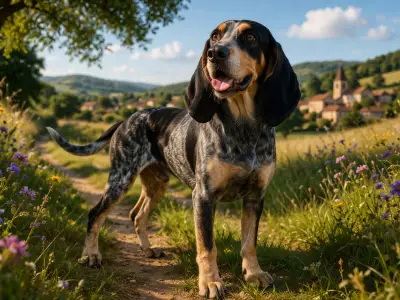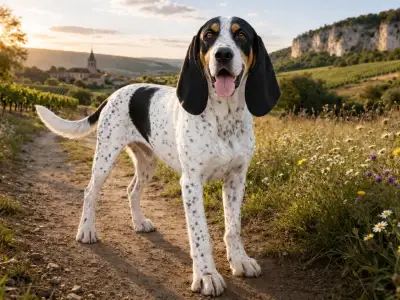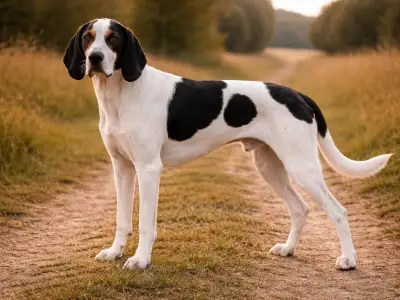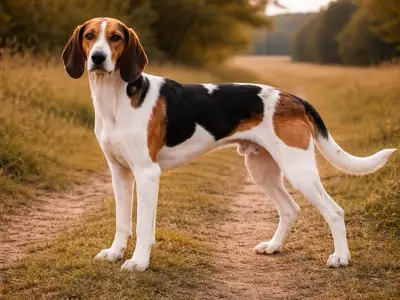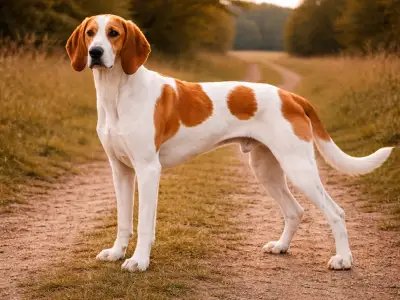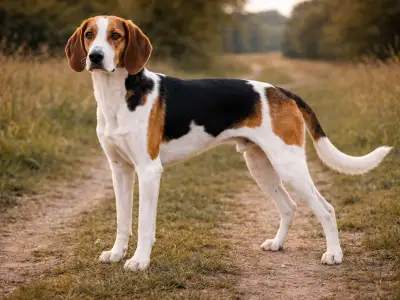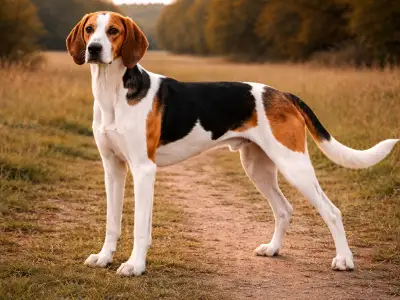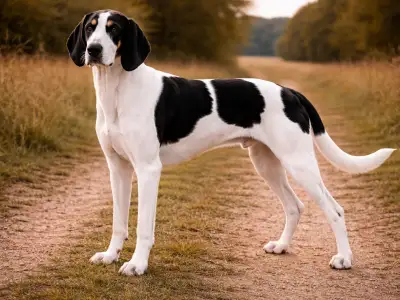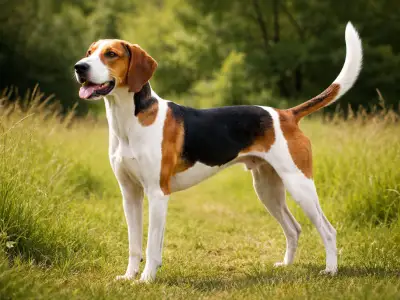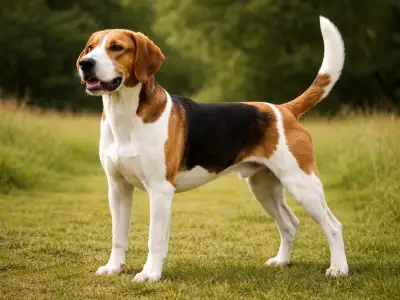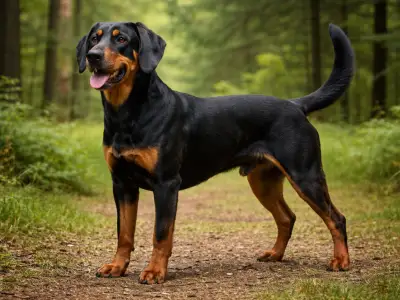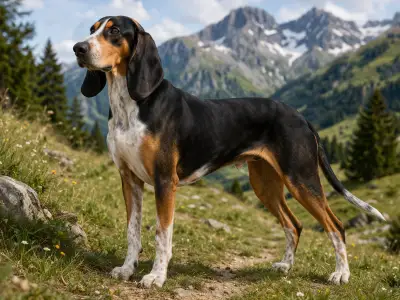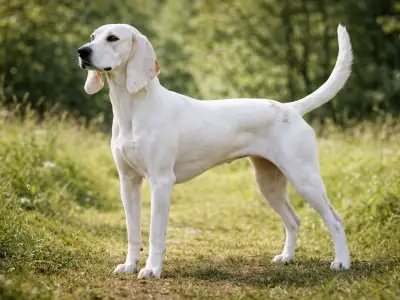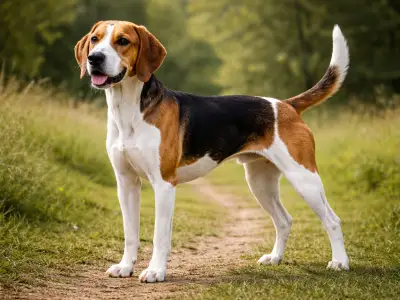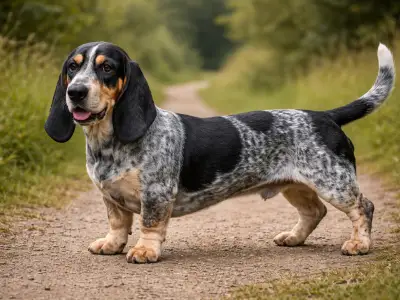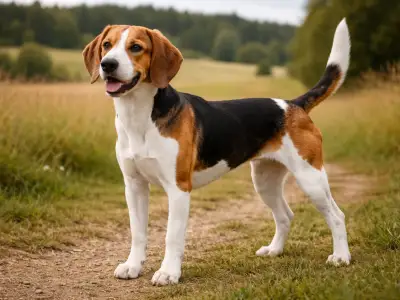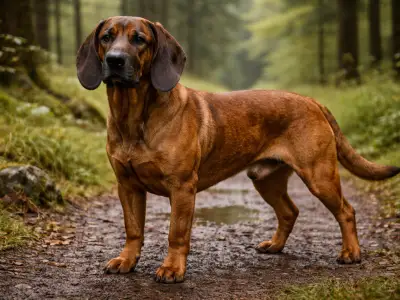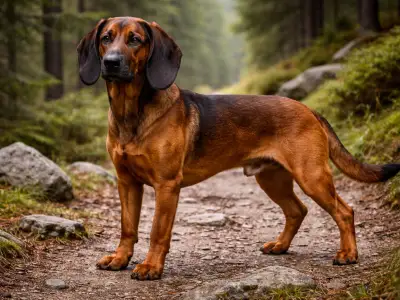
Bloodhound
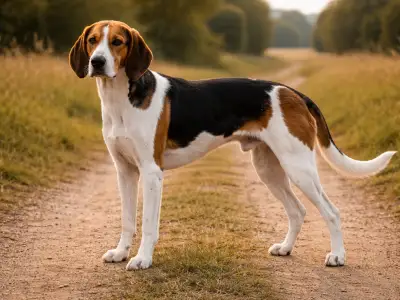
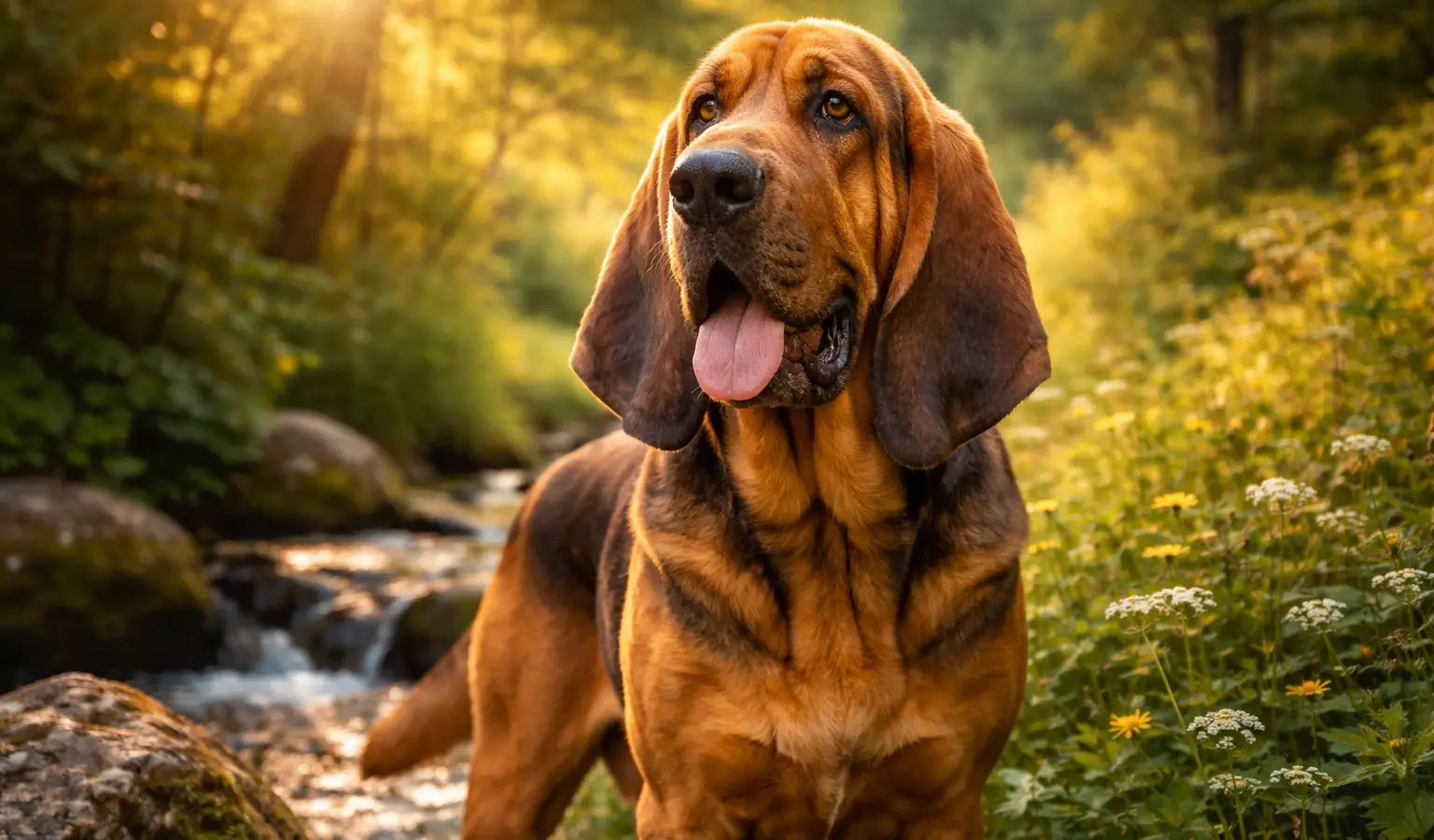
The Bloodhound is a large scenthound famous for an extraordinary sense of smell and tracking ability. Gentle and affectionate at home, it can be stubborn and single-minded once it catches a scent. It needs long walks, scent games and patient, reward-based training to stay balanced.
Life expectancy
10 – 12 years
Price
900 – 1500 €
Monthly budget
80 €
Size
Large
Profile
Bloodhound
Origin
Belgium
Year of origin
1000
Developed by
Monks of Saint-Hubert
Size
Large
Coat type
Short coat
Owner profile
Experienced owner
Hypoallergenic
No
Litter size
8
Life expectancy
10 – 12 years
Price
900 – 1500 €
Female
- Height : 58 – 63 cm
- Weight : 36 – 45 kg
Male
- Height : 63 – 68 cm
- Weight : 40 – 50 kg
Temperament & abilities
Affectionate
4/5
Calm
4/5
Independent
5/5
Intelligence
4/5
Obedience
2/5
Hunting instinct
5/5
Energy level
3/5
Good with children
4/5
Dog-friendly
4/5
Friendly with strangers
3/5
Hunting profile
Stamina
5/5
Hunting drive
3/5
Independence
4/5
Trainability
3/5
Beginner-friendly
2/5
Family compatibility
4/5
Feather game
0/5
Fur game
5/5
Underground work
0/5
Water work
0/5
These indicators help compare breeds and choose the right one for your hunting style.
Game & abilities
Estimated ability level by game type.
Budget
Purchase price
900 – 1500 €
The price may vary depending on the breeder, bloodline, and region.
Average monthly cost
80 €
Estimated average: food, healthcare, accessories, and grooming.
A specialist nose hound with exceptional tracking ability, but not a versatile choice for every hunter.
Is the Bloodhound a good hunting dog?
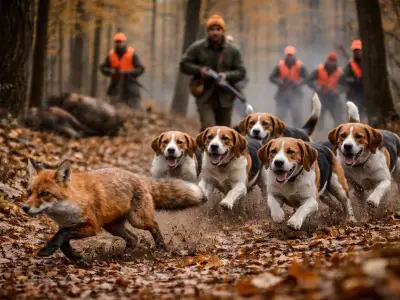
The Bloodhound is a very capable hunting dog when the job is tracking scent over distance, especially on older ground trails that many breeds would struggle to hold. In practical terms, Bloodhound hunting is less about fast, wide-ranging game pursuit and more about patient, methodical scent work. Its greatest strength is its nose, paired with persistence and stamina, which makes it especially coherent for trailing wounded game, finding lost animals, or any work where accuracy on a line matters more than speed, agility, or a stylish retrieve.
Its working style is typically deliberate, nose-down, and highly scent-led. A good Bloodhound often follows odor with impressive concentration, even through difficult terrain, changing conditions, and contamination from other scents. That said, this is not a breed known for light handling or instant responsiveness at a distance. Once committed to a trail, a Bloodhound can become very focused on the scent picture in front of it, so recall and off-lead control may be less reliable than with more handler-oriented hunting breeds. For many owners, the breed works best on a line and with a calm, experienced person who understands how to read hound behavior rather than constantly interrupt it.
Training demands are real. Bloodhound temperament is usually gentle and steady, but trainability is not the same as obedience speed. They tend to mature slowly, can be independent, and usually respond better to consistent structure than to pressure. This is not the easiest breed for someone wanting a highly biddable all-round hunting dog. It can shine in specialized tracking work, but it is less naturally suited to roles that require sharp directional handling, quick retrieves, or a close quartering search pattern in front of the gun.
- Best use cases: wounded game tracking, long cold trails, methodical scent work, search-oriented field tasks
- Less suited to: versatile gundog work, rapid retrieves, close handler-dependent hunting, fast-paced rough shooting
- Everyday life balance: moderate energy indoors if well exercised, but mentally demanding because the nose constantly wants a job
For daily life, the Bloodhound is often more manageable in the house than its size suggests, but it is not a low-effort dog. It needs space, structured exercise, scent-based outlets, and patient handling. For a hunter comparing breeds, the Bloodhound makes most sense as a specialist tracking hound rather than a general hunting companion. In the right hands and for the right work, its abilities can be remarkable; in the wrong setup, its independence, strength, and training demands may feel like hard work.
Exceptional cold nose
The Bloodhound is widely respected for its ability to work old scent with unusual precision. For hunters and tracking handlers, that means a dog that can stay on a line after time, weather, and ground conditions have weakened the trail. This is one of the breed’s defining assets and the reason it has long been valued for trailing work more than fast pursuit.
Patient, methodical trailing
Rather than rushing and overrunning scent, the Bloodhound tends to work in a steady, deliberate way. That style can be especially useful when accuracy matters more than speed, such as following wounded game or sorting out a difficult line through cover. It suits handlers who appreciate careful progress and can let the dog work without constant interference.
Long-range endurance
This breed was built to stay on task for extended periods, and many Bloodhounds show impressive stamina on the track. In practical hunting terms, that can make them effective on long recoveries and drawn-out scent work. They are not explosive sprinters, but they often excel when the job calls for persistence, time, and physical staying power.
Strong track commitment
Once engaged on a scent trail, a Bloodhound can become intensely focused and difficult to distract. That concentration is a real working advantage when conditions are messy or the line crosses areas full of competing smells. The trade-off is handling: this is usually not a hound for someone who expects instant obedience once the dog is committed to scent.
Honest scent specialist
The Bloodhound is best understood as a true scent specialist, not a versatile all-purpose hunting dog. It is generally most at home in tracking and trailing rather than retrieving, pointing, or quick flushing work. For the right owner, that specialization is a strength: few breeds are so naturally suited to serious scent-led recovery and follow-up work.
Best with a calm handler
The breed often performs best for hunters or tracking enthusiasts who are patient, organized, and realistic about training pace. Bloodhounds can learn well, but they are usually independent thinkers and respond better to consistent handling than pressure. In daily life and in the field, they tend to suit people who value working instinct, structure, and a measured approach.
Who the Bloodhound suits best
The Bloodhound tends to suit a hunter or active owner who values nose work above speed, precision obedience, or easy off-lead control. This is a powerful scent hound with an exceptional tracking instinct, so it often fits people interested in trailing, mantrailing, recovery work, or long slow days following scent rather than fast-paced shooting over dogs. Daily life is usually easiest with someone patient, physically capable, and realistic about management: a Bloodhound can be affectionate and gentle at home, but it may also be stubborn, strong on lead, and very selective about when a recall matters once a scent takes over.
- Best suited to: experienced or committed owners who enjoy training through scent games, have space, and do not mind a large, drooly, scent-driven dog.
- Less suited to: people wanting a highly biddable hunting companion, a neat low-maintenance house dog, or an urban pet with minimal exercise and handling demands.
- Common mismatch: first-time owners who underestimate the breed's size, persistence, vocal tendencies, and need for secure fencing and consistent guidance.
In family life, many Bloodhounds are steady and affectionate, but they usually do best in homes that accept their hound nature rather than trying to turn them into an always-responsive all-purpose dog.
From monastic tracking dog to modern scent specialist
Origins of the Bloodhound and How History Shaped the Breed
The Bloodhound, known in French as the Chien de Saint-Hubert, is generally linked to very old scent hounds developed in the Ardennes region of present-day Belgium. Historical accounts often connect the breed to the Abbey of Saint-Hubert, where hunting dogs were reportedly bred with a strong focus on nose, stamina, and the ability to follow game over difficult ground. Some details are hard to verify with complete certainty, but the broad picture is consistent: this is an ancient scenthound shaped less for speed than for relentless, methodical trailing.
As these hounds spread into Britain and later developed under different hunting traditions, selection appears to have reinforced the qualities people still associate with the Bloodhound today: an exceptional sense of smell, a serious working attitude, and the patience to stay on a track for a long time. Unlike more explosive or highly reactive hunting breeds, the Bloodhound was valued for careful scent work rather than quick flushes or fast pursuit. That history helps explain the breed’s present-day temperament. Many Bloodhounds are thoughtful, persistent, and independent in the field, which can make them impressive tracking dogs but not always the easiest dogs for owners expecting instant obedience.
The modern Bloodhound’s loose skin, long ears, and deep muzzle are often mentioned in discussions of scenting ability, although the breed’s effectiveness comes above all from generations of selection for olfactory talent and concentration. In practical terms, this background still shows in daily life. A Bloodhound often wants to investigate the environment with its nose first, and once engaged in a scent trail, it may become surprisingly single-minded. That can be a strength for tracking wounded game or human scent, but it also means training, recall, and leash handling usually need patience and consistency.
For hunters and active homes, the breed’s history offers a useful reality check. The Bloodhound is best suited to people who appreciate slow, deliberate work, can manage a large and powerful dog, and do not mistake calm indoor moments for low overall demand. This is not typically a hound bred for frantic activity, but it does need meaningful outlet, structured handling, and room to use its nose. Its historical development makes it especially compelling for tracking-focused work, while family life tends to go best with owners who understand the breed’s size, drool, independence, and strong scent-driven instincts.
Ancient tracking roots
The Bloodhound, also known as the Chien de Saint-Hubert, is widely linked to old scent hound lines developed in medieval Europe. Over time, it became famous for following human and game scent over long distances. That heritage still shapes the breed today: less explosive than some hounds, but remarkably persistent once it locks onto an odor trail.
Built to follow scent
Everything about the Bloodhound suggests a specialist tracker. Its nose is the main tool, supported by a steady gait, endurance, and a working style focused on method rather than speed. For hunting or trailing work, this is a dog for patient handlers who value accuracy, cold tracking ability, and determination more than flashy responsiveness.
Gentle, but not easy
In daily life, the Bloodhound is often described as mild, affectionate, and tolerant, especially with familiar people. That said, softness does not equal obedience. Many individuals are independent, distracted by scent, and slow to mature. Training usually works best with calm repetition, clear routines, and handlers who can guide a powerful dog without turning every session into a battle.
Space and structure matter
This is a large scent hound that generally does better in a home with room to move than in a cramped routine with little outdoor time. A secure area is important, because a strong scent can override recall. The best match is often an owner who enjoys long walks, accepts mud and drool, and can provide consistent boundaries.
Low glamour, real upkeep
Bloodhound care is not difficult in a complicated sense, but it is hands-on. The coat is fairly simple, yet the ears, skin folds, paws, and overall cleanliness need regular attention, especially after wet or rough ground. Prospective owners should think beyond brushing alone and be realistic about slobber, odor control, and the practical side of managing a very substantial dog.
Best for patient hunters
As a hunting companion, the Bloodhound suits people who appreciate deliberate trailing work and can read hound behavior well. It may be especially appealing for tracking wounded game or for handlers who want a serious nose rather than a fast-ranging all-rounder. The breed is less about quick handling and more about trust, preparation, and letting the dog work with purpose.
Practical answers about tracking ability, training, family life, housing, exercise, and owner fit
Bloodhound hunting and daily life FAQ
Is a Bloodhound a good hunting dog for modern hunters?
A Bloodhound can be an excellent hunting companion for people who value scent trailing above speed, range, or versatility. The breed is especially known for following cold tracks and sorting out complex ground scent, which can be useful in tracking wounded game or locating animals over long distances. It is less often chosen by hunters who want a fast-flushing, pointing, or all-purpose gun dog. In practice, a Bloodhound tends to suit patient handlers who appreciate methodical work, careful line handling, and a dog that may stay deeply focused on scent rather than on constant handler direction.
What kind of hunting work is a Bloodhound best suited for?
The Bloodhound is generally best suited to trailing and recovery work rather than the broad range of tasks expected from many bird dogs or versatile hunting breeds. In many settings, its strongest role is following the scent of wounded deer, boar, or other game after the shot, especially when the track is old, crossed by other scent, or spread over difficult terrain. Some individuals are also used in organized mantrailing or search work because of the same scenting strengths. The breed is usually not the first choice for hunters wanting a dog to quarter fields, retrieve extensively, or work at high speed all day.
Are Bloodhounds easy to train for tracking and obedience?
Bloodhounds are highly gifted in scent work, but that does not always mean they feel easy to train in the everyday sense. Many learn tracking tasks very well because the work matches their natural instincts, yet formal obedience can require patience, consistency, and a handler who does not rely on force or repetition alone. They often respond best to calm structure, clear routines, and rewards that matter to the individual dog, especially food and scent-based motivation. A novice owner can succeed, but the breed usually feels easier in experienced hands that understand independent hounds and accept slower, steadier progress.
Can a Bloodhound live happily as a family dog if it also does hunting or scent work?
Many Bloodhounds can live well as family dogs when their exercise, scent needs, and handling requirements are taken seriously. They are often affectionate, substantial, and gentle in the home, but daily life is easier when owners are prepared for size, drool, strong scent drive, and a dog that may follow its nose with remarkable determination. Early training matters because an adult Bloodhound is powerful and not easy to physically manage if manners are poor. In families who enjoy long walks, structured activities, and regular training, the breed can be rewarding, but it is rarely a low-maintenance choice.
Do Bloodhounds need a big yard, or can they live in a house or apartment?
A large fenced space can be very helpful, but the key issue is not square footage alone. Bloodhounds need secure management, steady exercise, and opportunities to use their nose, because a strong scent trail can quickly override their interest in staying close. A house with a well-fenced yard is often easier than apartment living, mainly because of the breed's size, voice, and handling needs rather than hyperactive energy. Apartment life may be possible for a committed owner, but only if the dog gets regular outdoor work, careful leash management, and enough mental activity to prevent frustration and restlessness.
How much exercise does a Bloodhound really need every day?
A Bloodhound usually needs more than a couple of short walks, but the answer is not simply about hard physical exercise. Most do best with a mix of steady movement, time to investigate scent, and structured tasks such as tracking games, trail work, or long controlled walks. Endless high-impact activity is not necessarily the goal; many Bloodhounds thrive on purposeful work that engages the brain and nose. If they receive too little outlet, some may become noisy, stubborn, hard to settle, or more likely to drag the handler toward every interesting scent.
Who is the Bloodhound best for, and who should probably choose another breed?
The Bloodhound often fits patient owners, serious tracking enthusiasts, and hunters who want a specialist scent hound rather than a highly biddable all-round dog. It can be a strong choice for people who enjoy long walks, practical training, and working with a dog that solves problems through scent rather than through constant eye contact with the handler. It may be a poor fit for very tidy households, first-time owners wanting easy obedience, or people who cannot manage size, drool, voice, and determined pulling power. Those wanting an off-leash hiking dog with rapid recall in high-distraction areas may find another breed more straightforward.