
Hunt Rexia

Big game

Roe deer

Capreolus capreolus

A widespread small deer in Europe, valued for its meat and population management.

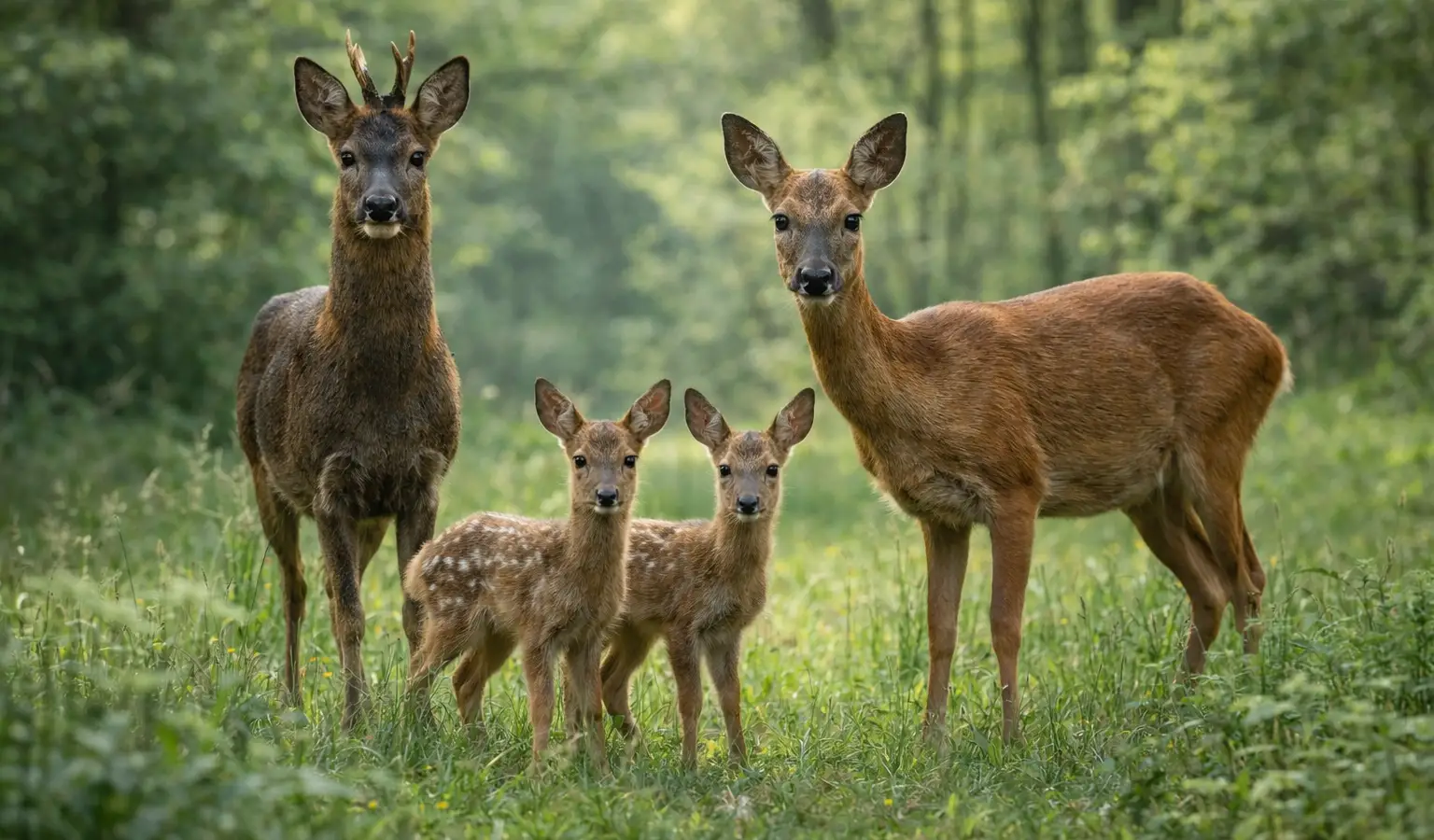
Roe deer (Capreolus capreolus) in its natural habitat

Type

Large mammal

Lifespan

12 years

Hunting season

Juillet à février selon quotas

Edible

Yes

Fact sheet

Roe deer

Scientific name

Capreolus capreolus

Type

Large mammal

Meat quality

Fine and tender meat

Edible

Yes

Lifespan

12 years

Gestation

290 days

Size

95-135 cm

Weight

20-30 kg

Diet

Herbivore: leaves, buds, young shoots, brambles

Status

Huntable depending on local regulations

Hunting season

Juillet à février selon quotas

Breeding season

7 / 8

Lifestyle and behaviour

Behaviour : Diurnal and crepuscular, discreet, solitary or in small groups

Social structure : Solitary, pairs or small family groups depending on season

Migration : Limited seasonal movements, stable home range

Habitat

  • Forest
  • Plains

Natural predators

  • Wolf
  • Fox

Hunting methods

  • Blinds
  • Stalking

Health risks

  • Parasitic diseases
  • Piroplasmosis

Ecosystem role

  • Seed dispersal
  • Vegetation regulation

Signs of presence

  • Footprints
  • Droppings

Introduction

General description

The roe deer, Capreolus capreolus, is one of the most familiar and widespread wild deer in Europe. Although it belongs to the big game category in hunting and wildlife management, it is the smallest native deer species across much of its range. Light, agile, and notably discreet, it thrives in a wide variety of landscapes, from mixed woodland and agricultural mosaics to hedgerow country, plains, and forest edges. Its success comes largely from its adaptability, selective feeding habits, and ability to use cover efficiently.

For many people, roe deer are the deer most often seen at dawn or dusk in fields, rides, clearings, and young woodland. They are valued by wildlife observers for their elegant behavior and by hunters for their challenging, careful stalking and for high-quality venison. In areas where populations are healthy and predators are limited, roe deer can become an important management species because browsing pressure may influence forest regeneration, crop margins, and understory vegetation.

Ecologically, roe deer occupy an important middle position in the food web. They shape plant communities through browsing, disperse plant material, and serve as prey for large carnivores where those predators persist. Their abundance, behavior, and body condition can also reflect habitat quality, disturbance, and seasonal food availability, making them a useful indicator species in many temperate landscapes.

Morphology

Morphology

Roe deer are compact, lightly built deer with a short body, relatively long legs, a small head, and large mobile ears. Adults usually measure about 95 to 135 cm in body length and commonly weigh around 20 to 30 kg, though local conditions, sex, and age can influence size. The coat is reddish-brown in summer and turns greyer or dull brown in winter, helping the animal blend into seasonal vegetation and woodland shade.

One of the clearest field marks is the prominent pale rump patch, often called the mirror, which contrasts strongly with the darker surrounding coat. Unlike larger deer, roe deer have a very short tail that is barely visible. Males, known as bucks, carry short antlers, usually with up to three tines per side in mature animals, though antler form varies with age, nutrition, and condition. Females, or does, lack antlers.

In motion, roe deer often appear springy and elevated, bounding away with quick, elastic leaps when alarmed. The head profile is shorter and more delicate than that of red deer, and the overall silhouette is finer and more compact. Young fawns are spotted at birth, a camouflage pattern that helps them remain concealed during the first weeks of life.

Habitat and distribution

Habitat and distribution

Habitat

Roe deer prefer structurally diverse habitats that combine feeding areas with immediate access to cover. They are especially associated with woodland edges, coppice, young plantations, scrub, hedgerows, bushy farmland, river margins, and broken landscapes where forest, fields, and rough ground meet. This edge-rich biotope provides both browse and security.

They are not confined to dense forest. In many regions, roe deer do very well in open agricultural country as long as there are hedges, ditches, thickets, small woods, reedbeds, or other sheltered zones for bedding and escape. They also use lowland plains, foothills, and in some places upland habitats, though they generally avoid very exposed terrain with little cover.

Habitat quality for roe deer depends heavily on the availability of tender vegetation at browsing height, low disturbance during resting periods, and a mosaic of seasonal resources. Young regrowth, bramble patches, forest regeneration, herb-rich clearings, and ecotones are particularly valuable. Where cover is sparse or disturbance is frequent, roe deer often become more nocturnal and harder to observe.

Distribution

Capreolus capreolus is widely distributed across most of Europe and occurs from Atlantic landscapes to large parts of central, northern, and eastern Europe, extending into parts of western Asia. It is absent from some islands and from areas where habitat is unsuitable, but overall it is one of the continent's most successful wild ungulates.

Its local density varies greatly according to habitat productivity, winters, predation, agricultural structure, forestry practices, and hunting management. In fertile lowland mosaics with abundant edges and winter food, roe deer can be relatively common. In harsher climates, very fragmented landscapes, or heavily disturbed areas, numbers may be lower and animals more secretive.

Within its range, occurrence is often patchy at the fine scale rather than uniform. A territory that looks empty during the day may still hold roe deer using cover, field margins, or nocturnal feeding routes. For field observation, understanding local landscape structure is often more important than broad distribution maps.

Lifestyle

Lifestyle and behaviour

Diet

Roe deer are selective herbivores and classic browsers rather than heavy grazers. Their diet commonly includes leaves, buds, young shoots, herbs, brambles, forbs, agricultural crops, and soft woody growth. They usually choose plant parts that are nutrient-rich, digestible, and low in structural fiber, which is why they often target fresh regrowth and tender vegetation.

Season strongly influences feeding. In spring and early summer, they take advantage of lush new growth, woodland herbs, emerging crops, and shrub tips. During summer, they continue feeding on leaves, bramble, broadleaf plants, and field-edge vegetation. In autumn and winter, they shift toward buds, twigs, evergreen material where available, mast, and any accessible nutritious browse, although severe weather or snow can restrict options.

Because of this selective feeding strategy, roe deer can have a noticeable impact on forestry and natural regeneration, especially where population density is high. Browsing pressure often concentrates on young trees, coppice shoots, and attractive broadleaf species. Their feeding sign is usually neat and targeted rather than rough or bulk-consuming.

Behaviour

Roe deer are mainly diurnal and crepuscular, with peaks of activity around dawn and dusk, though local disturbance can shift movement toward night-time. They spend much of the day alternating between short feeding bouts, slow movement through cover, grooming, vigilance, and resting in sheltered bedding places. Their behavior is generally discreet, and they often rely on stillness and concealment before choosing flight.

They are highly alert animals with well-developed hearing, smell, and sensitivity to movement. A roe deer that detects suspicion may freeze, stare, stamp, bark, or slip away quietly rather than immediately bolt. When strongly alarmed, it typically escapes in rapid bounds toward cover, often using known routes through hedges, woodland edges, or scrub corridors.

Daily use of the landscape often follows a pattern: secure bedding cover during brighter hours, then movement toward feeding areas under lower light. Wind direction, weather, human presence, agricultural activity, and hunting pressure can all influence how visible they are. In heavily pressured areas, roe deer may remain hidden for long periods and feed more cautiously along edge habitat.

Social structure

Roe deer are relatively solitary compared with some larger deer species. For much of the year, adults are often seen alone, in pairs, or in small family groups. This social structure reflects their selective feeding ecology and use of patchy cover rather than open-country herd living.

During the breeding season, territorial behavior in bucks becomes more pronounced, and the social landscape changes. A mature buck may defend a small area against rival males while associating with receptive females within or around that range. Does are typically accompanied by fawns after birth, forming the most consistent small family unit during the summer months.

In winter, where food is concentrated and disturbance is low, roe deer may gather in loose temporary groups, but these aggregations are usually modest compared with the larger herds formed by other cervids. Grouping tendency varies with climate, habitat openness, and local population density.

Migration

Roe deer are generally considered sedentary and often maintain a relatively stable home range rather than undertaking long-distance migration. Most individuals use a familiar network of bedding sites, feeding zones, edge habitat, and cover routes throughout the year. Seasonal shifts do occur, but they are usually limited in scale.

In agricultural landscapes, movement may reflect crop cycles, harvest, human disturbance, and the changing availability of cover. In forested regions, deer may adjust their range according to mast years, regrowth, snow cover, or hunting pressure. In colder or more mountainous areas, some populations make modest altitudinal or seasonal movements, but these are not usually true large migrations.

Young animals, especially dispersing juveniles, may travel farther when establishing their own range. Even so, the species is best understood as a deer of local attachment, using habitat familiarity as a key part of its survival strategy.

Reproduction

Reproduction

The reproductive cycle of the roe deer is unusual among European deer. Mating generally occurs in summer, often from July into August depending on region and season. During this rut, bucks pursue does intensely, sometimes creating visible circular tracks or flattened vegetation in grass or young crops as they chase receptive females.

Roe deer are well known for delayed implantation, also called embryonic diapause. After fertilization, embryo development pauses for several months before active growth resumes, so the total gestation period is long, roughly around 290 days. This adaptation helps ensure that fawns are born in late spring or early summer, when cover and food conditions are more favorable.

Most does give birth to one or two fawns, with twins being common in productive habitats. Newborn fawns are hidden separately in vegetation during the first days or weeks of life while the doe returns periodically to nurse them. This strategy reduces detection by predators. Juvenile survival depends on weather, predation, disturbance during the hiding phase, and the nutritional condition of the mother.

Field signs

Field signs

Roe deer field signs are often subtle but consistent once learned. Tracks are small, narrow, and pointed compared with those of larger deer, usually showing the two main hooves in a tidy heart-like shape on soft ground. On firm substrates, prints may be faint, so muddy field edges, forest paths, rides, ditch margins, and damp crossings are the best places to look.

Droppings are another useful sign. They typically appear as small dark pellets, though shape can vary somewhat with diet and moisture. Fresh droppings in feeding areas, along edge habitat, or near bedding cover often indicate current use rather than random passage.

Other signs include browsing on buds and shoots, narrow game trails through grass or scrub, hair caught on fences or rough vegetation, and beds pressed into tall grass, bracken, or sheltered woodland cover. During the rut, circular chase marks and trampled patches may be especially noticeable. In areas with regular roe deer presence, repeated use of the same crossing points and concealed access routes is often more informative than a single track.

Ecology and relationships

Ecology and relationships

Ecological role

Roe deer play a significant role in temperate ecosystems as medium-sized browsers. By feeding selectively on shrubs, herbs, buds, and young tree shoots, they influence plant composition, regeneration patterns, and the structure of woodland understory. In balanced systems, this browsing can contribute to habitat dynamism; where densities are too high, it can suppress regeneration and alter vegetation diversity.

They also contribute to seed dispersal, both externally through contact with vegetation and indirectly through movement across varied habitats. Their trails and repeated use of edge zones can shape small-scale habitat use by other species. As prey, roe deer are an important food source for large carnivores such as wolves where predator populations are present, and fawns may also be vulnerable to foxes and other opportunistic predators.

Because roe deer respond quickly to changes in habitat quality, disturbance, and food resources, they are often relevant to wider discussions of forestry, farmland biodiversity, predator return, and ungulate management. Their ecological role is therefore both direct, through browsing, and indirect, through the way they connect plant communities, predators, and human land use.

Human relationships

Roe deer have a close and sometimes complicated relationship with people. They are widely appreciated as a graceful and emblematic wild animal, often seen from roadsides, field margins, and woodland tracks. Wildlife watchers value them for accessible observation opportunities, especially at dawn and dusk, while photographers often focus on rutting behavior, fawns, and bucks in summer coat.

At the same time, roe deer can come into conflict with forestry and agriculture. Browsing on young trees may affect forest regeneration, and feeding in crops or market gardens can create local damage. Vehicle collisions are also a practical concern, particularly where feeding grounds and cover are separated by roads.

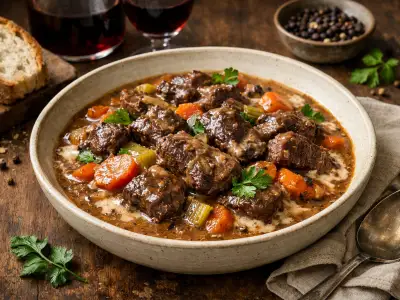
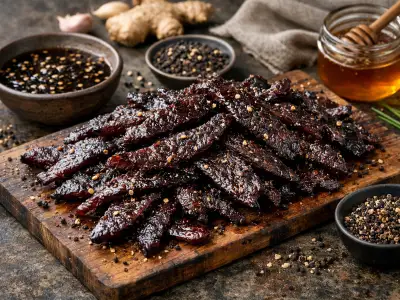
In hunting culture, roe deer are an important and respected game species across much of Europe. They are commonly hunted by stalking or from blinds, depending on local tradition, terrain, and regulation. Because they provide edible venison and require careful population management, they occupy a central place in discussions about sustainable harvest, habitat capacity, age structure, and sex ratio.

Health considerations include parasites and some tick-borne or blood-related diseases such as piroplasmosis in certain contexts, though relevance varies by region and should be assessed locally. Good carcass handling, observation of body condition, and reporting of abnormalities remain important in wildlife health surveillance.

Legal framework and management

Legal framework and management

Legal status

The roe deer is generally a huntable species in many parts of its range, but legal status depends entirely on national and local regulations. Open seasons, quotas, sex and age class rules, permitted methods, and mandatory checks vary widely between countries and even between management units. The hunting period may extend from summer into winter, and in some regions it is commonly described as running roughly from July to February depending on quotas and local frameworks.

Protected areas, urban fringes, disease restrictions, firearm rules, night-use limitations, and transport or tagging requirements may all affect how the species is managed. In some places, harvest planning is tied closely to forest objectives or crop damage prevention, while elsewhere management is more conservative due to lower densities or different ecological pressures.

Anyone seeking to observe, manage, or hunt roe deer should rely on current local legislation, official hunting calendars, and regional wildlife authority guidance. Regulatory details change, and broad generalizations should never replace site-specific legal verification.

Management tips

Effective roe deer management begins with reading the habitat, not just counting occasional sightings. Areas that combine secure bedding cover, quiet edge structure, and year-round browse usually hold the most consistent activity. Observation is often best at first and last light, especially where forest blocks meet crops, meadows, rides, or regenerating woodland.

For land managers, browsing pressure should be monitored in relation to habitat goals. Repeated damage to young trees, coppice, or sensitive regeneration may indicate that local density exceeds what the site can sustain. In contrast, low-density populations in large, disturbed, or predator-influenced landscapes may require a different interpretation. Good management is therefore context-based and should integrate habitat condition, body condition, recruitment, crop impact, and local ecological objectives.

  • Focus on edge habitat: transition zones often reveal movement, feeding, and preferred access routes.
  • Check for seasonal change: crop growth, harvest, mast, and winter cover can shift activity patterns quickly.
  • Interpret signs together: tracks, droppings, browse, and bedding areas are more useful as a pattern than as isolated clues.
  • Avoid over-reliance on daylight sightings: discreet animals may be present even when rarely seen.
  • Follow local regulations and health guidance: management and harvest decisions should always align with current legal and sanitary requirements.

Fun facts

Fun facts

  • Roe deer have delayed implantation: after summer mating, embryo development pauses before resuming later, helping fawns arrive in spring when conditions are better.
  • They are Europe's small deer with big importance: despite their modest size, roe deer are one of the continent's most influential and closely managed wild ungulates.
  • Bucks shed and regrow antlers every year: antler timing differs from many people expect, and regrowth begins well before the next breeding season.
  • Fawns rely on concealment rather than flight: very young roe deer often remain motionless in cover while the doe stays away for long periods between visits.
  • The bark is a classic clue: roe deer can produce a sharp, dog-like alarm call that experienced field observers quickly learn to recognize.