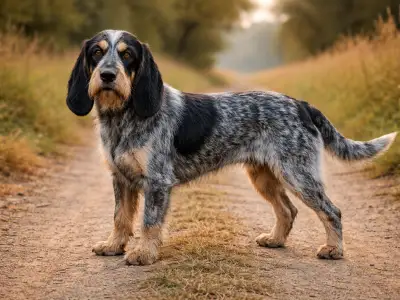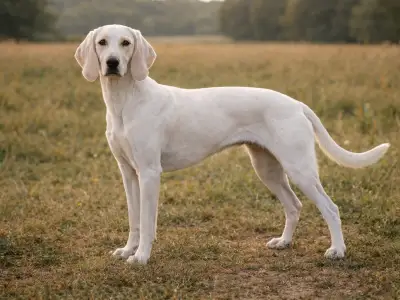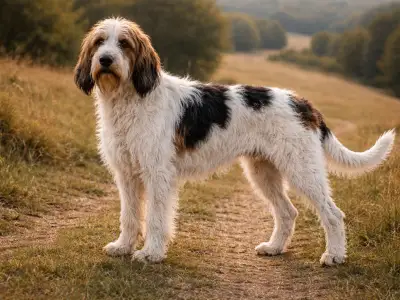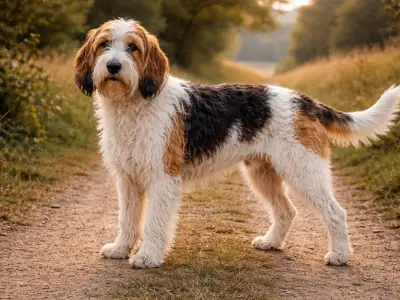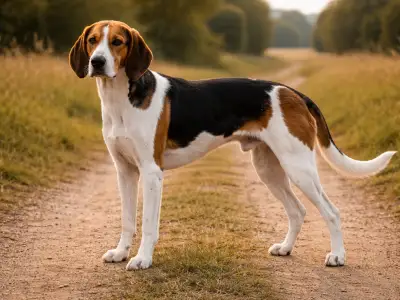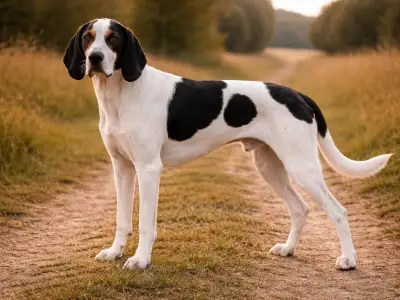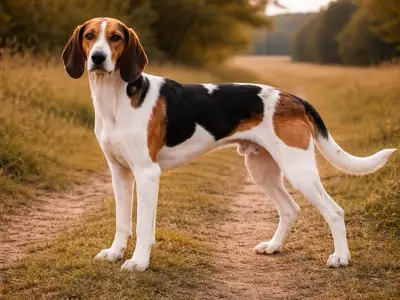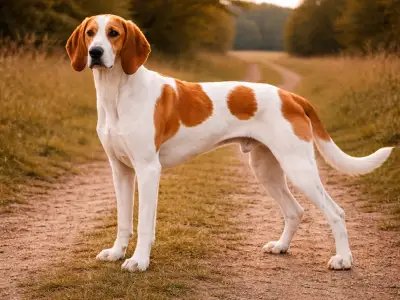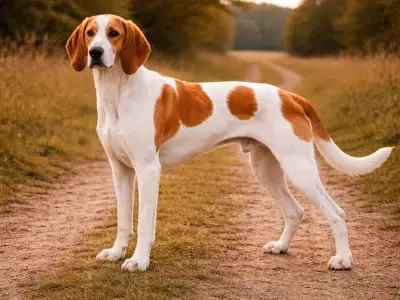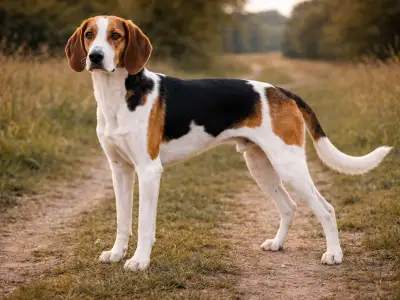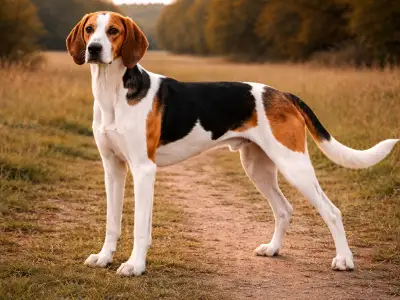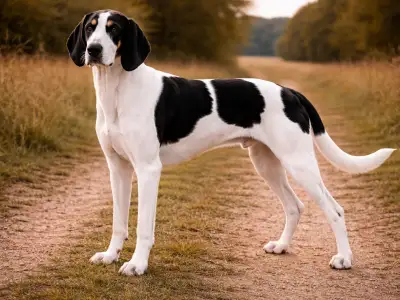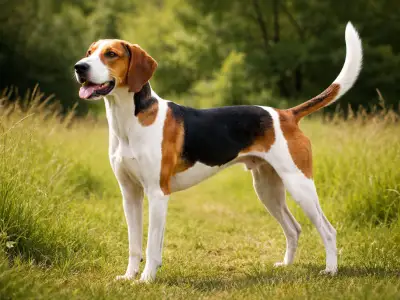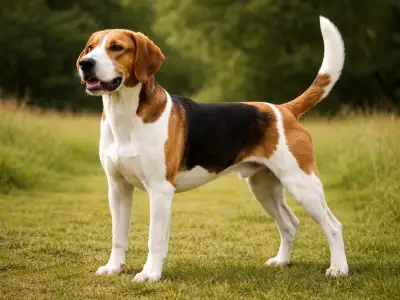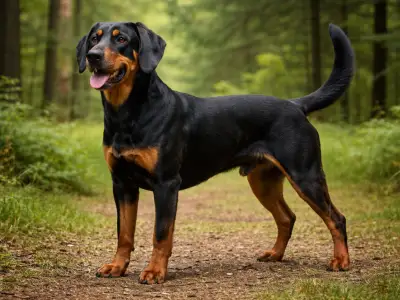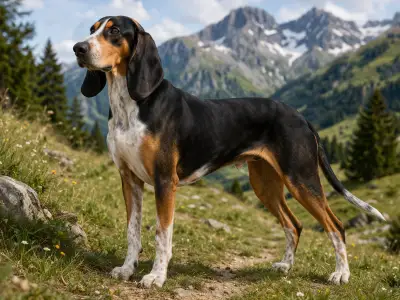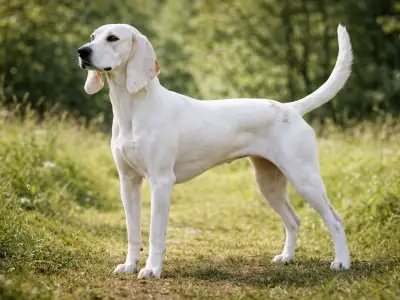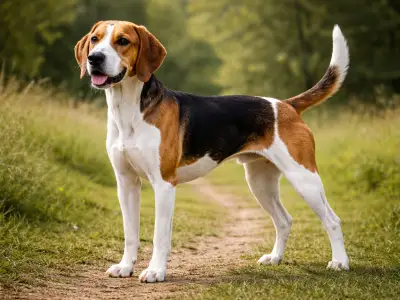
Hanoverian Scenthound
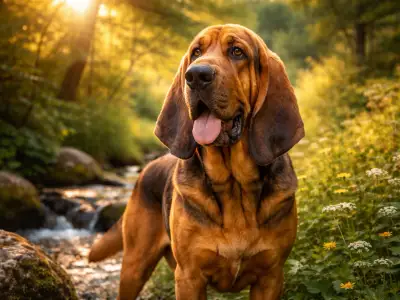
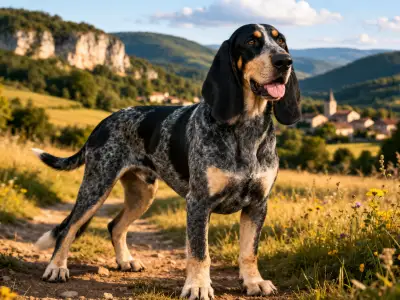
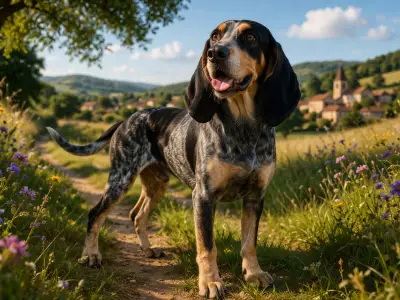
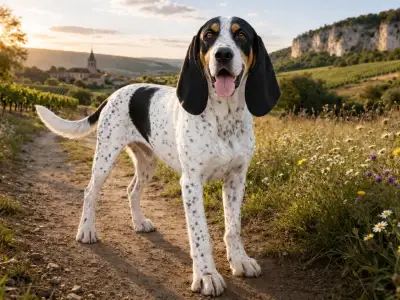
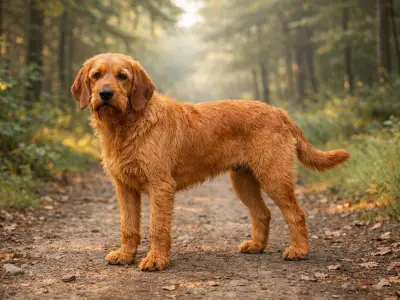
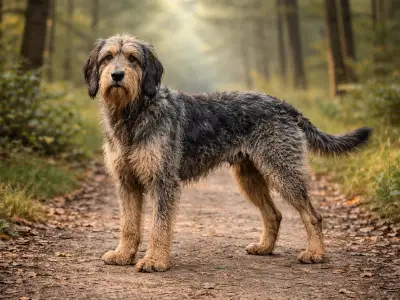
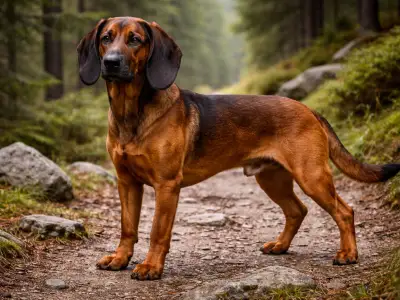
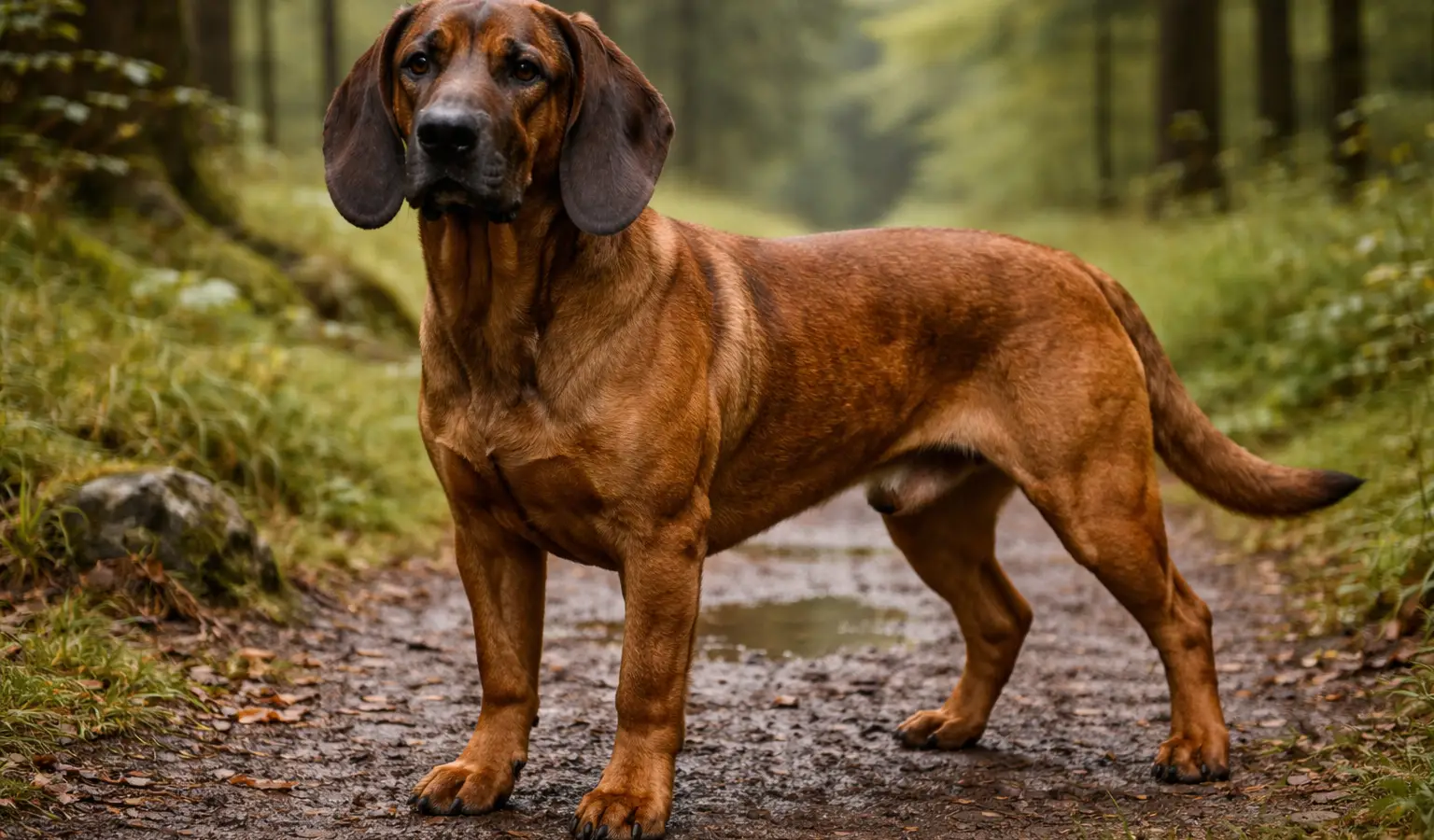
The Hanoverian Scenthound is a powerful, calm and highly persistent blood-tracking dog used to follow wounded game. With an outstanding nose and strong concentration, it works methodically on sometimes old tracks, even in difficult terrain. Loyal to its handler yet often reserved, it benefits from careful socialization, steady training and—most importantly—regular tracking and scent-work activities suited to a true working hound.
Life expectancy
11 – 13 years
Price
1000 – 1600 €
Monthly budget
80 €
Size
Large
Profile
Hanoverian Scenthound
Origin
Germany
Year of origin
1650
Developed by
German foresters
Size
Large
Coat type
Short coat
Owner profile
Experienced owner
Hypoallergenic
No
Litter size
6
Life expectancy
11 – 13 years
Price
1000 – 1600 €
Female
- Height : 48 – 52 cm
- Weight : 30 – 35 kg
Male
- Height : 50 – 55 cm
- Weight : 35 – 40 kg
Temperament & abilities
Affectionate
3/5
Calm
3/5
Independent
4/5
Intelligence
4/5
Obedience
3/5
Hunting instinct
5/5
Energy level
4/5
Good with children
3/5
Dog-friendly
3/5
Friendly with strangers
2/5
Hunting profile
Stamina
5/5
Hunting drive
3/5
Independence
4/5
Trainability
4/5
Beginner-friendly
2/5
Family compatibility
4/5
Feather game
0/5
Fur game
5/5
Underground work
0/5
Water work
0/5
These indicators help compare breeds and choose the right one for your hunting style.
Game & abilities
Estimated ability level by game type.
Budget
Purchase price
1000 – 1600 €
The price may vary depending on the breeder, bloodline, and region.
Average monthly cost
80 €
Estimated average: food, healthcare, accessories, and grooming.
A specialist tracker with serious field ability and equally serious handling needs
Is the Hanoverian Scenthound a Good Hunting Dog?
The Hanoverian Scenthound is a very capable hunting dog, but it is not a general-purpose gundog for every hunter. Its strongest use is tracking wounded game by scent, where its calm nose, persistence, and methodical working style can be outstanding in the right hands. If you are looking at Hanoverian Scenthound hunting ability, the key point is simple: this breed is built for deliberate, demanding tracking work rather than fast, flashy, wide-ranging hunting.
In the field, the Hanoverian Scenthound typically works with concentration, stamina, and a deep commitment to the line of scent. It tends to suit hunters who value accuracy, composure, and control over speed for its own sake. In difficult terrain, on older tracks, or when a cool-headed dog is needed after the shot, this breed can make a lot of sense. It is usually less relevant for people wanting a versatile retriever, a high-drive flushing dog, or a breed selected primarily for big casts and rapid ground coverage.
Handling matters. This is often a serious, sensitive, strong-willed scent hound that benefits from experienced training and consistent structure from an early age. Recall can be challenging if scent drive is strong, and trainability should be judged in the context of hound independence rather than obedience-breed precision. A good Hanoverian Scenthound handler generally needs patience, steady leadership, and realistic expectations about how a scent specialist thinks and works.
- Best fit: tracking wounded deer or other game, especially for hunters who want a focused specialist
- Main strengths: nose, determination, stamina, courage, and composed work on difficult scent
- Main limitations: not the easiest breed for novice owners, not ideal as a casual pet without serious outlets, and not a classic all-round hunting dog
Daily life should not be overlooked. The Hanoverian Scenthound is not usually hyper in the way some hunting breeds are, but it still needs meaningful work, mental engagement, and steady routine to stay balanced. In a family setting, it may be devoted and calm indoors when well exercised and well managed, yet it often suits quieter homes and people who genuinely respect the breed's working temperament. For the hunter or tracking enthusiast wanting a specialized scent hound rather than a multipurpose companion, the fit can be excellent.
Exceptional blood-tracking nose
The Hanoverian Scenthound is best known for following wounded game on a blood trail with impressive precision. It is a specialist rather than an all-round gundog, and its value shows most clearly when the track is old, sparse, crossed by other scents, or laid over difficult ground where a less focused hound may struggle.
Calm, methodical trailing
This breed usually works in a measured, deliberate way instead of rushing ahead. That steady style is highly useful for handlers who want a dog that reads the line carefully, checks itself when scent weakens, and keeps pressure low on wounded deer or boar rather than turning the search into a chaotic chase.
Strong concentration under pressure
A good Hanoverian Scenthound often shows deep focus once on task. In practical hunting terms, that can mean better commitment on long recoveries, fewer distractions from fresh game scent, and more reliable work in woodland, thick cover, or damp terrain where scent conditions change from one section of the track to the next.
Stamina for difficult recoveries
Blood tracking can be slow, technical, and physically demanding, and this breed is built for that kind of sustained effort. It typically has the endurance for extended searches over hills, forest rides, and dense cover, especially when conditioned properly. That makes it well suited to hunters who need persistence more than explosive speed.
Brave but not reckless
When used on larger wounded game, the Hanoverian Scenthound is valued for nerve and determination. Well-bred, well-handled individuals may show the confidence needed to stay engaged in tense situations, yet the breed’s real strength is not blind aggression. It is the combination of courage, control, and willingness to work closely with the handler.
Best for specialized tracking handlers
This is a particularly strong choice for hunters who want a dedicated leash-tracking dog rather than a versatile retriever or flushing breed. Its hunting strengths shine most in recovery work, careful line handling, and serious tracking practice. For the right owner, that specialization is a major advantage; for others, it may feel too narrow.
Who the Hanoverian Scenthound suits best
The Hanoverian Scenthound tends to suit a serious hunter or very active owner who values patient, methodical work more than flashy speed. This is a specialist tracking dog, traditionally associated with following wounded game, and it often fits best with handlers who can give it regular scent work, calm structure, and close one-to-one handling. In daily life, many individuals are steady and devoted with their people, but they are usually not the easiest choice for households wanting a carefree, highly social dog that adapts to anything.
It is often a better match for experienced owners, rural or semi-rural homes, and people who enjoy training through purpose rather than constant repetition. Less suitable profiles include first-time dog owners, very busy urban households, families expecting an easy off-lead dog in every setting, or anyone drawn mainly to the breed's rare, noble appearance. Without enough tracking outlets, patient training, and sensible exercise, a Hanoverian Scenthound may become difficult to manage, independent, or frustrated. For the right hunter or scent-focused owner, though, it can be an exceptionally serious, close-working companion.
How a specialist tracking dog from Germany became the calm, determined worker known today
Origin and development of the Hanoverian Scenthound
The Hanoverian Scenthound traces back to Germany, where it was developed as a specialist dog for tracking wounded big game by scent. Its roots are usually linked to older medieval hunting hounds kept by gamekeepers, then shaped more deliberately in the Hanover region as hunting practices changed. Rather than being bred for speed in a large pack, this dog was selected for cold-nose scenting ability, patience on difficult tracks, and the steadiness needed to work closely with a handler after the shot. That history helps explain why the breed is still known for a serious, methodical working style rather than flashy speed or easygoing versatility.
Over time, the Hanoverian Scenthound appears to have been refined from heavier tracking hounds into a more controlled and practical leash-working dog for forests and rough terrain. Hunters valued a dog that could follow sparse blood trails, stay focused under pressure, and show clear indications on game without becoming chaotic. Those priorities likely shaped the breed’s modern temperament: composed, persistent, often reserved with strangers, and deeply committed when given a real task. In the field, this usually means a dog that works with concentration and stamina; at home, it often means a calmer companion than many people expect, provided its mental and physical needs are genuinely met.
This background also explains some of the breed’s limitations for the average pet home. The Hanoverian Scenthound was not primarily developed to be a casual family dog or an all-purpose off-lead companion. It tends to think through scent first, can be independent in a hound-like way, and may need patient, consistent training rather than repetitive drilling. Owners who appreciate its history generally do best when they respect its natural tracking instincts, give it structured work, and avoid expecting the instant responsiveness sometimes seen in breeds selected more heavily for obedience.
For hunters, the breed’s heritage remains its strongest guide to suitability:
- Best suited to: handlers who want a deliberate, reliable tracking dog for wounded game.
- Key strengths: concentration, scent discrimination, endurance, and calm pressure handling.
- Possible challenges: independence, strong prey and scent drive, and a need for purposeful activity.
- Daily life implications: it often fits better with experienced owners, rural living, and a household that understands working hounds.
Although exact historical lines and breeding stages are not always described in identical detail across sources, the broad picture is consistent: the Hanoverian Scenthound was shaped for disciplined blood tracking, not for showy all-round performance. That origin still matters today. Anyone considering the breed should see its history not as background trivia, but as the clearest explanation for its reserved nature, measured energy, and exceptional value in specialist hunting work.
German tracking roots
The Hanoverian Scenthound, also known as the Chien de rouge du Hanovre, was developed in Germany as a specialist in tracking wounded big game. It is generally linked to older European leash hounds that were valued for cold-nose scenting and steady work after the shot. That heritage still shapes the breed’s serious, methodical character today.
Built for blood tracking
This is not a flashy, wide-ranging hound bred to cover country at speed. The Hanoverian Scenthound is prized for concentration, persistence, and the ability to follow a difficult scent trail with care. For hunters, that often means a dog better suited to disciplined tracking work than to fast, high-drive hunting styles that demand constant casting.
Calm but very determined
In daily life, many Hanoverian Scenthounds come across as reserved, balanced, and closely bonded to their handler or family. They are often not naturally demonstrative with strangers, and their seriousness can be mistaken for softness. In the field, however, that calm exterior usually gives way to notable determination, scent focus, and mental stamina.
Best with experienced owners
This breed tends to suit people who appreciate hound behavior and can channel it constructively. Training usually benefits from patience, repetition, and real purpose rather than heavy pressure. A Hanoverian Scenthound may be easier to live with than some more excitable scenthounds indoors, but it still needs structure, tracking outlets, and consistent handling to stay balanced.
Country life fits better
A quiet rural setting often suits this breed better than a busy urban routine. The Hanoverian Scenthound can adapt to family life, but small spaces and limited outdoor access are rarely ideal for a working-bred tracking dog. It usually does best where it can enjoy calm surroundings, regular scent work, and enough room to move without constant overstimulation.
Needs more than exercise
Physical activity matters, but this breed’s daily balance depends just as much on mental engagement and scent-based tasks. Simple walks alone may not fully satisfy a dog selected for careful nose work. Regular tracking practice, controlled exploration, and close handler interaction are often more valuable than high-intensity exercise for keeping the Hanoverian Scenthound settled and fulfilled.
Practical answers about hunting ability, training, home life, exercise, and owner suitability
Hanoverian Scenthound FAQ
Is the Hanoverian Scenthound a good hunting dog for modern hunters?
The Hanoverian Scenthound is widely regarded as a serious tracking dog rather than a general-purpose hunting breed. It has been developed for following wounded game by scent, often with great persistence and concentration, which makes it especially relevant to hunters who need a calm, methodical dog after the shot. In the right hands, it can be extremely effective on blood tracks, but it is not usually the best fit for someone wanting a flashy all-round dog for many different hunting styles. Its strengths tend to show most clearly with patient handling, structured field exposure, and work that respects its natural tracking style.
How easy is a Hanoverian Scenthound to train for tracking and everyday obedience?
This breed is usually intelligent and capable, but training is not always effortless in the way some highly biddable breeds can be. Many Hanoverian Scenthounds work best with calm, consistent guidance and clear routines rather than repetitive drilling or heavy-handed handling. For tracking, their natural nose is a major asset, but steadiness, leash manners, recall, and controlled starts still need deliberate practice. In daily life, owners often get better results when they combine patient obedience work with meaningful scent-based activities, because motivation tends to stay higher when the dog feels it has a real job.
Can a Hanoverian Scenthound live as a family dog, or is it only for hunters?
A Hanoverian Scenthound can live as a family dog in some homes, but it is usually best suited to people who genuinely understand working hounds. Many individuals are loyal, calm indoors, and strongly bonded to their household once mature, yet they often remain intense, serious dogs with pronounced scent drive. That means family life tends to go best when the dog also has structured work, tracking practice, or other demanding nose activities. For a very casual pet home with little training and limited outdoor time, this breed may feel too specialized and mentally underused.
Is the Hanoverian Scenthound good with children and other pets?
With children, much depends on the individual dog, early socialization, and how respectfully the household is managed. Many can be steady and dependable with their own family, but they are generally not a breed chosen mainly for easygoing, tolerant clownish behavior. Around other pets, caution is sensible because a scent hound bred for game tracking may show strong interest in animal scents and movement. Careful introductions, supervision, and solid handling matter, especially with cats or small animals, and households usually do best when they do not assume good behavior will happen automatically.
Does a Hanoverian Scenthound need a big house or can it live in an apartment?
The breed does not necessarily need a huge home, but it does need a lifestyle that meets its physical and mental needs. An apartment can be possible for a well-managed adult dog if the owner provides substantial daily exercise, scent work, and calm structure, though this is often more demanding than people expect. What usually matters more than square footage is access to regular outdoor work, thoughtful training, and secure management when the dog catches an interesting scent. A house with safe outdoor space is often easier, but even then, a yard is not a substitute for real activity.
How much exercise does a Hanoverian Scenthound need when it is not actively hunting?
This is typically not a breed that is satisfied by a few short walks around the block. Most Hanoverian Scenthounds benefit from a combination of physical exercise and mentally demanding scent-based work, because their mind is often as important as their legs. Long walks, controlled hikes, tracking practice, and search games usually make more sense than endless ball throwing or purely chaotic play. A dog from stronger working lines may need notably more purposeful activity, and when under-stimulated, some individuals can become frustrated, restless, or hard to manage.
Who is the Hanoverian Scenthound really best suited for?
This breed is usually best for an experienced owner, active handler, or hunter who values a focused tracking dog and is realistic about hound behavior. It often suits people who appreciate independence, patience, and methodical work more than instant obedience or easy off-switch convenience. First-time dog owners may find the breed challenging if they are not prepared for scent drive, training consistency, and the need for meaningful daily outlets. In practical terms, the Hanoverian Scenthound tends to fit best with people who want to live with a working dog, not simply own a rare one.