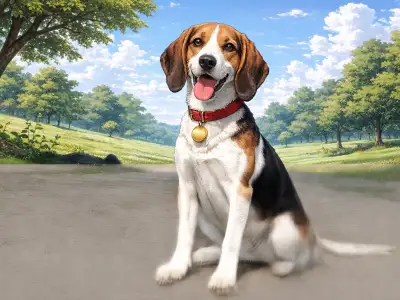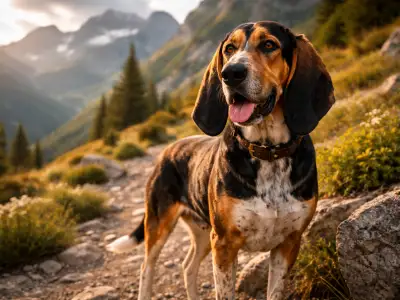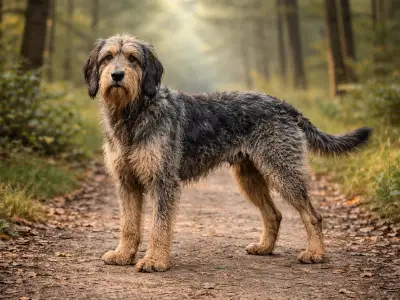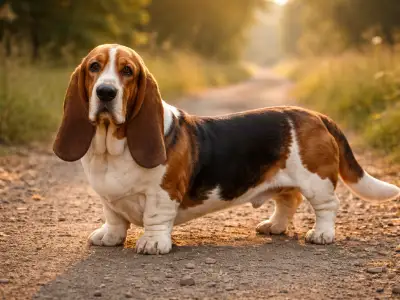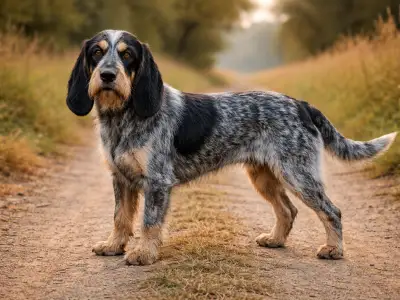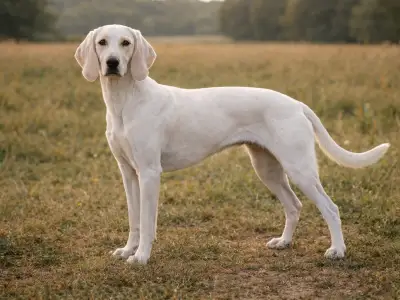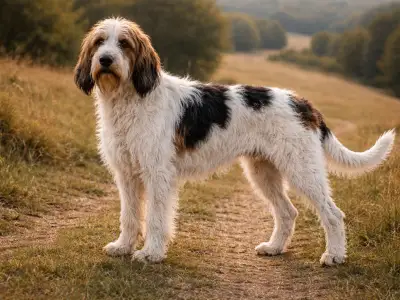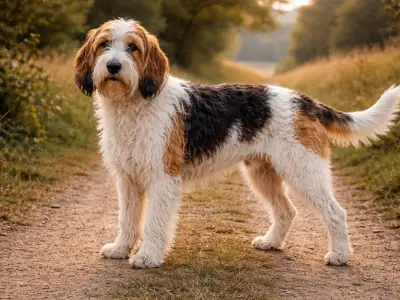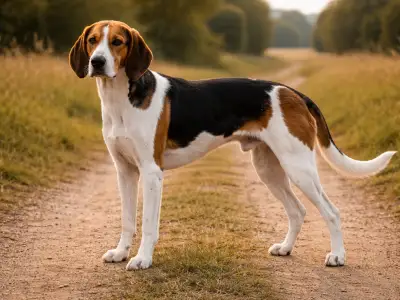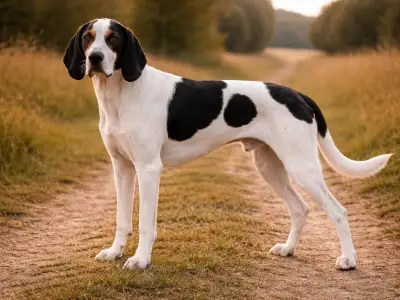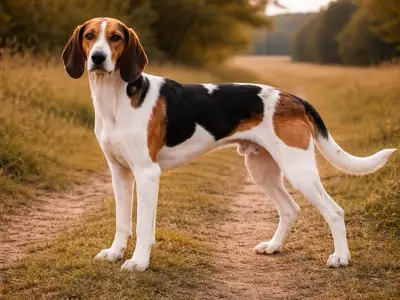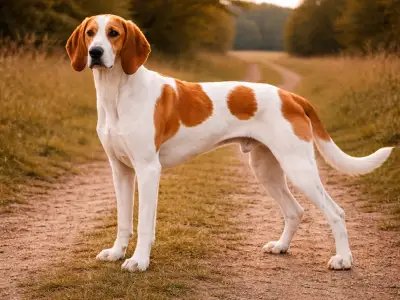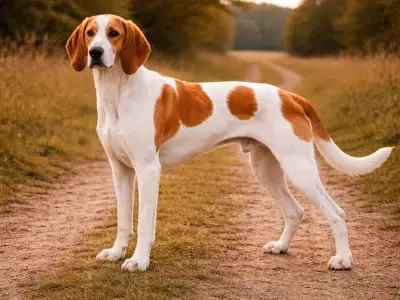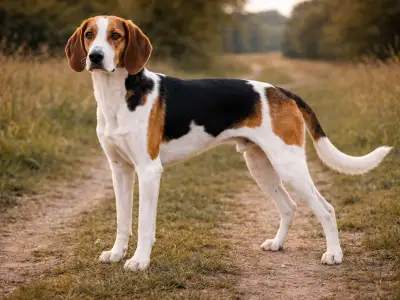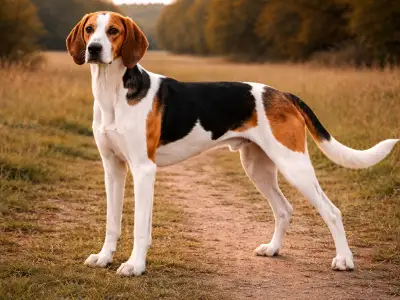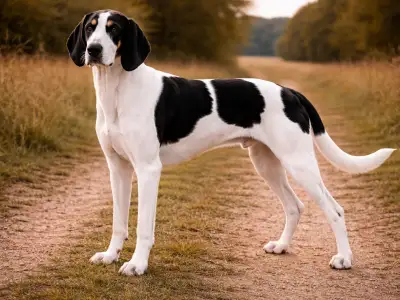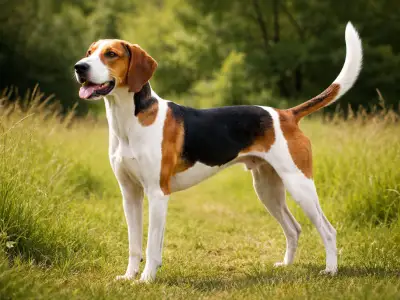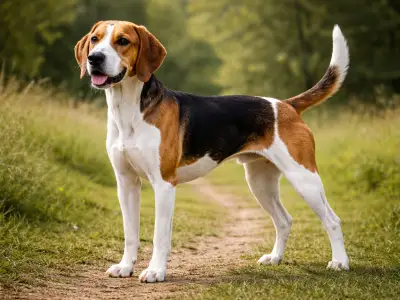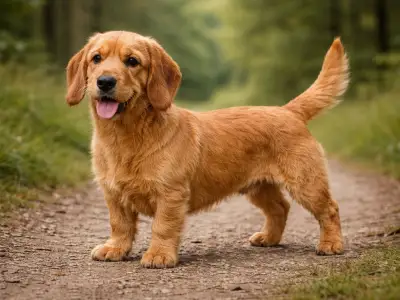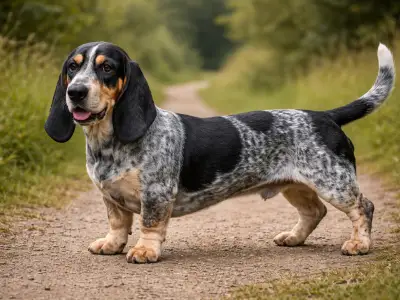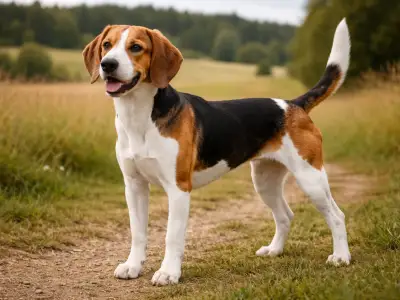
Grand Basset Griffon Vendéen
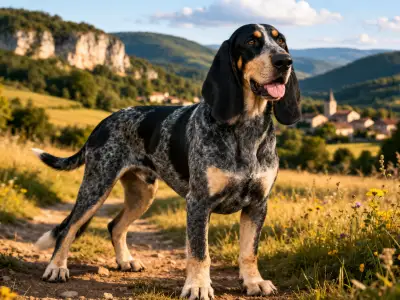
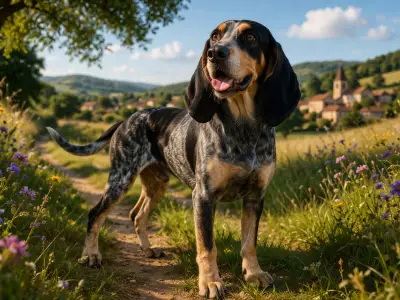
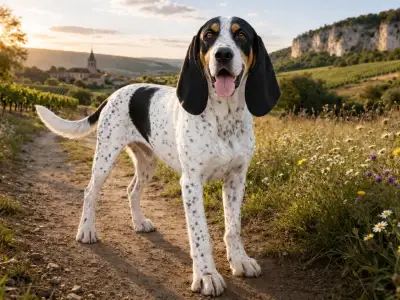
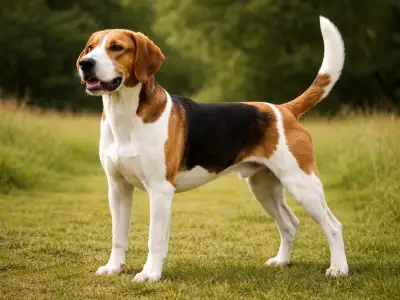
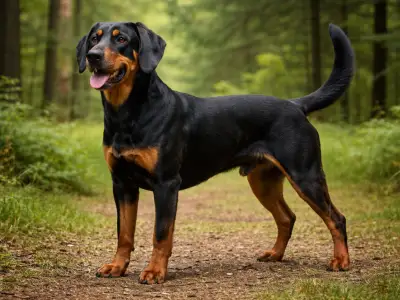
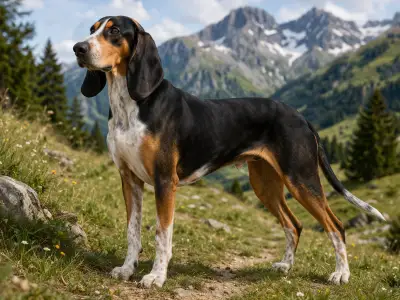
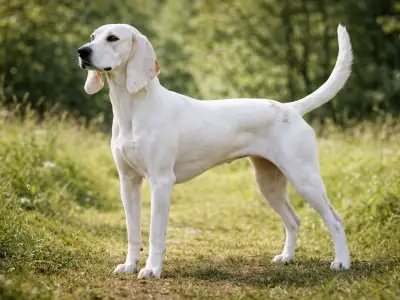
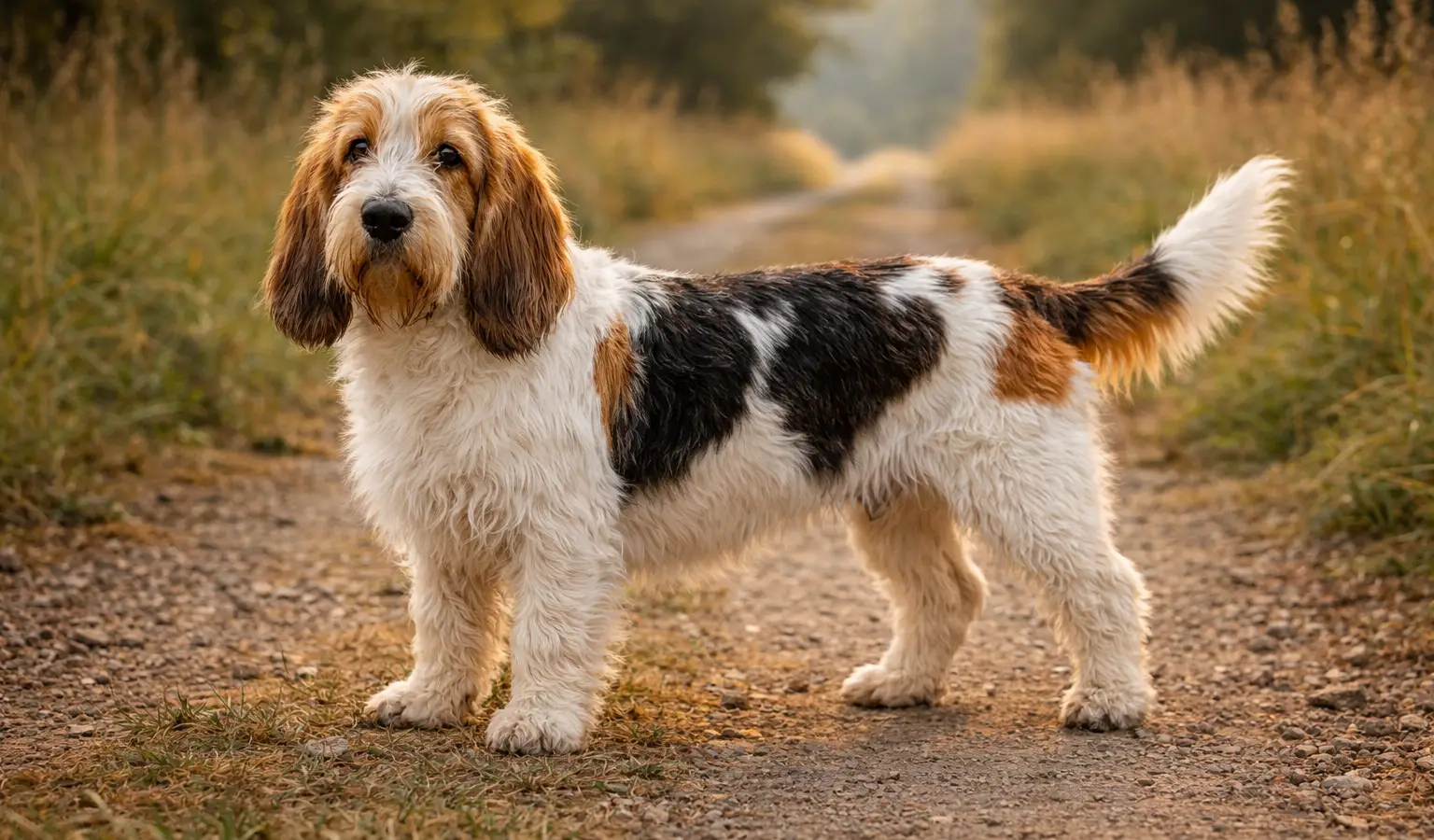
The Grand Basset Griffon Vendéen is a medium-sized French scenthound known for toughness, stamina and strong determination on the trail. Taller than the Petit Basset Griffon Vendéen, it keeps an excellent nose and a real hunting drive, often used on hare. Friendly and cheerful at home, it still needs consistent training, reliable recall work and regular scent activities to channel its instincts.
Life expectancy
12 – 14 years
Price
900 – 1500 €
Monthly budget
70 €
Size
Medium
Profile
Grand Basset Griffon Vendéen
Origin
France
Year of origin
1970
Developed by
Vendée breeders
Size
Medium
Coat type
Wire coat
Owner profile
Active owner
Hypoallergenic
No
Litter size
6
Life expectancy
12 – 14 years
Price
900 – 1500 €
Female
- Height : 39 – 44 cm
- Weight : 18 – 22 kg
Male
- Height : 40 – 45 cm
- Weight : 20 – 24 kg
Temperament & abilities
Affectionate
4/5
Calm
3/5
Independent
4/5
Intelligence
4/5
Obedience
3/5
Hunting instinct
5/5
Energy level
4/5
Good with children
4/5
Dog-friendly
4/5
Friendly with strangers
4/5
Hunting profile
Stamina
5/5
Hunting drive
4/5
Independence
4/5
Trainability
3/5
Beginner-friendly
3/5
Family compatibility
4/5
Feather game
0/5
Fur game
4/5
Underground work
0/5
Water work
0/5
These indicators help compare breeds and choose the right one for your hunting style.
Game & abilities
Estimated ability level by game type.
Budget
Purchase price
900 – 1500 €
The price may vary depending on the breeder, bloodline, and region.
Average monthly cost
70 €
Estimated average: food, healthcare, accessories, and grooming.
A capable scent hound with drive, stamina, and a lively mind
Is the Grand Basset Griffon Vendéen a Good Hunting Dog?
The Grand Basset Griffon Vendéen is generally a very capable hunting dog for hunters who want a true scent hound with a strong nose, honest voice, and the stamina to work game methodically over varied ground. It is best understood as a tracking and pursuit hound rather than a highly handler-focused all-purpose gundog. For the right owner, Grand Basset Griffon Vendéen hunting ability can be impressive; for the wrong home, its independence, energy level, and scent-driven temperament can feel demanding.
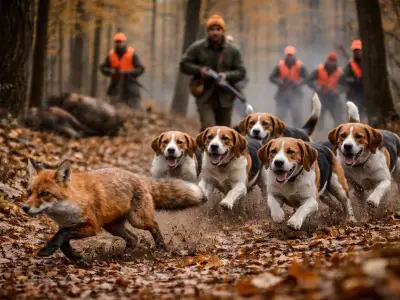
In the field, this breed is valued for nose work, persistence, and a search pattern that often combines purpose with enough range to cover country without feeling frantic. It was developed for hunting by scent, and that heritage still shows in many dogs. A Grand Basset Griffon Vendéen hunting dog usually works best where careful scenting, steady pressure on game, and confidence in rough terrain matter more than speed alone. It can suit rabbit and hare work especially well, and may appeal to hunters who enjoy following hounds that hunt with voice and determination.
Its strengths come with clear handling considerations. This is not usually the easiest breed for instant recall or close, constant obedience once scent takes over. Trainability is real, but it tends to be hound trainability: consistent repetition, fair boundaries, and patient work rather than sharp, mechanical precision. Early recall training, exposure to the right environments, and regular structured exercise make a major difference. Owners comparing breeds should know that the Grand Basset Griffon Vendéen temperament often blends sociability and cheerfulness with a stubborn streak and a strong instinct to follow its nose.
- Best fit: hunters wanting a traditional scent hound for tracking and pursuit work
- Main assets: nose, stamina, courage, voice, and determination in mixed terrain
- Main demands: recall work, daily activity, mental engagement, and tolerant handling
- Less ideal for: people wanting a highly biddable dog, a polished retriever, or a low-energy family companion
In everyday life, the balance is important. A well-managed Grand Basset Griffon Vendéen can be affectionate, entertaining, and good company, but it usually needs more than a simple walk around the block. It tends to suit active homes that appreciate hound behavior and can provide secure spaces, regular outings, and training that channels its instincts rather than trying to suppress them. For someone choosing between hunting breeds, this dog makes the most sense when you genuinely want a cheerful, hard-working scent hound and are prepared to live with the independence that comes with that package.
Reliable trailing nose
The Grand Basset Griffon Vendéen is valued first for scent work. Bred as a scenthound, it typically shows the patience to follow older ground scent rather than relying on speed alone. For hunters, that means a dog that can stay engaged on a line in mixed conditions, especially where game has moved through cover, brush, or uneven terrain.
Endurance over long hunts
This is a hound built to keep going. Its moderate size, strong frame, and determined temperament often translate into good stamina on foot hunts that last for hours. It is usually better suited to steady, persistent work than explosive bursts, which makes it appealing to hunters who want a dog that can maintain effort through a full day afield.
Works rough cover well
The breed’s rustic build and low, substantial outline help it move through dense vegetation where taller, leggier dogs may overshoot scent or struggle to stay close to the line. In practical terms, the Grand Basset Griffon Vendéen is often appreciated for hunting rabbits and similar game in bramble, hedgerow, and broken country where methodical pressure matters.
Clear voice on the track
Like many French scenthounds, this breed is known for using its voice while working. A clear, honest tongue can be a real advantage in hunting, helping handlers follow the progress of the dog when visibility is poor. For people who enjoy traditional hound work, that audible tracking style is part of the breed’s practical appeal as well as its character.
Strong pack-hound instinct
The Grand Basset Griffon Vendéen has historically been used as a pack hound, and many individuals still show a natural ease working with other dogs. That can be useful for hunters who run multiple hounds and want cooperation rather than constant competition. It may be less ideal for someone seeking a highly independent one-dog style unless training and selection support that goal.
Best for patient handlers
This breed is intelligent and enthusiastic, but not always mechanically obedient. In the field, that often means it hunts with initiative, which experienced hound people may appreciate. The trade-off is that recall, steadiness, and day-to-day control usually benefit from consistent training. It tends to suit owners who enjoy managing a real working scent hound rather than a highly handler-focused dog.
Who the Grand Basset Griffon Vendéen suits best
The Grand Basset Griffon Vendéen tends to suit an active owner or hunter who appreciates an independent scenthound rather than a dog that constantly checks in for direction. It often fits people who like long walks, varied terrain, and practical training built around scent work, recall, and steady handling. In the field, it is generally better matched to hunters who enjoy methodical tracking and the music of a hound at work than to those wanting a highly biddable, instantly responsive dog. At home, many do best with families who enjoy a cheerful, busy dog and can provide daily exercise, company, and clear boundaries.
- Best match: active households, rural or semi-rural living, hunters interested in scent hounds, owners who enjoy training with patience.
- Less suitable: very sedentary homes, people wanting an off-leash dog with easy recall, or owners expecting quiet, low-maintenance behavior.
- Common mismatch: first-time owners who underestimate hound independence, vocal tendencies, and the need for secure fencing and regular mental work.
How the breed’s history shaped its nose, voice, stamina, and independent character
Origin and development of the Grand Basset Griffon Vendéen
The Grand Basset Griffon Vendéen comes from the Vendée region of western France, where hunters developed rough-coated scent hounds to work difficult, brushy country. Its roots lie within the old Vendéen hound family, a group shaped for following game by scent over uneven terrain rather than for outright speed. Over time, breeders selected dogs with enough leg to keep moving efficiently through thick cover, but with the low-set, elongated outline that helped them stay close to the line of scent. That balance helps explain the breed’s modern working style: methodical, hardy, persistent, and usually more interested in the trail than in constant handler contact.
Historically, the breed was associated with hunting hare, rabbit, and other small game in packs or small groups, though exact usage could vary by region and by kennel. The rough, protective coat and the breed’s endurance were practical responses to rough ground, wet weather, thorns, and long days outside. Like many French scenthounds, the Grand Basset Griffon Vendéen was valued for a strong nose, an audible voice on the trail, and the ability to keep game moving rather than simply rush it. Those traits still matter today, whether the dog is used in the field or kept primarily as an active companion.
The breed’s modern identity became clearer as French hound types were more formally separated and standardized. In broad terms, the Grand Basset Griffon Vendéen developed alongside related Vendéen breeds, with breeders aiming to preserve a distinct combination of substance, scenting power, and workable size. Because old hound strains often overlapped before breed standards became stricter, some early historical details can be described only cautiously. What is clear is that the Grand Basset Griffon Vendéen was not created as a decorative dog: it was shaped by practical hunting needs, and that heritage still shows in its energy level, curiosity, and independent problem-solving.
For today’s owner, that history is more than background. It helps explain why this breed can be charming, social, and funny at home, yet also stubborn, vocal, and easily drawn away by scent outdoors. The same qualities that made it useful to hunters can make daily life rewarding for people who enjoy active dogs, regular training, and long walks with secure management. It may suit homes that appreciate a scent hound’s personality and don’t expect instant obedience, but it can be less straightforward for owners who want a highly biddable, low-maintenance dog.
Born in the Vendée
The Grand Basset Griffon Vendéen comes from western France, where rough terrain, thick cover, and long hunting days helped shape a hardy, persistent scent hound. It belongs to the Vendéen family of griffon hounds and was developed to work methodically on the ground, following scent rather than relying on speed alone.
Selected for nose and stamina
This breed was valued for its ability to trail game over distance with determination and voice. In practical hunting terms, that means a dog built to keep going, sort out old and fresh scent, and stay engaged in difficult conditions. Many individuals still show that classic hound independence, especially when an interesting trail appears.
Cheerful but not push-button
The typical Grand Basset Griffon Vendéen is sociable, animated, and full of character, but training usually works best with patience and consistency rather than harsh pressure. Like many scent hounds, it may understand commands perfectly well and still choose to investigate a smell first. Owners who enjoy humor, routine, and steady handling often do best.
Best with room to move
This is usually not an ideal breed for a very sedentary household. Daily life tends to go more smoothly when the dog has regular walking routes, scent-based games, and enough space to move without frustration. A secure area matters, because a hound with a strong nose may wander farther than expected if a scent trail captures its attention.
Practical coat, regular upkeep
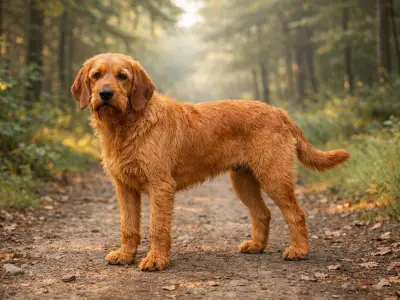
The rough coat is part of the breed’s rustic working identity, but it still needs routine care. Brushing helps limit tangles, debris, and dead hair, especially after time outdoors in brush or mud. Long ears, active feet, and the beard area also deserve regular checks, since field-loving hounds often bring part of the countryside home with them.
A good fit for active hound people
The Grand Basset Griffon Vendéen often suits owners who appreciate traditional scent hound traits: enthusiasm, voice, persistence, and a strong sense of purpose. It can be an engaging family dog in the right home, but usually fits best with people who accept some independence and can provide meaningful activity instead of expecting effortless off-switch behavior.
Practical answers on hunting ability, training, family life, housing, and owner fit
Grand Basset Griffon Vendéen Hunting FAQ
Is the Grand Basset Griffon Vendéen a good hunting dog for beginners?
The Grand Basset Griffon Vendéen can suit a beginner hunter, but usually not one looking for a very easy, highly obedient first dog. This breed was developed as a scent hound, so it often thinks with its nose first and may be independent when following game scent. That can be rewarding for people who enjoy traditional hound work, but it also means recall, handling, and patience matter more than with some more handler-focused breeds. A beginner who appreciates hound temperament, can train consistently, and is willing to work with natural scent drive may do well. Someone wanting instant responsiveness or very close-range control may find the breed more challenging.
What game is the Grand Basset Griffon Vendéen usually used for?
The Grand Basset Griffon Vendéen is generally associated with tracking and pursuing scent on the ground, especially in rough country where endurance and determination are useful. It has often been used on small to medium game, with hare and rabbit commonly mentioned, though actual use depends on local hunting traditions, laws, and individual lines. Some dogs may show stronger drive, better voice, or more staying power than others. For a hunter, the key point is that this is a nose-led hound built for scent work rather than a pointing or retriever role. Its strengths usually show best where steady trailing and persistence matter.
How hard is it to train a Grand Basset Griffon Vendéen off leash and for recall?
Off-leash reliability can be one of the harder parts of living with this breed. Many Grand Basset Griffon Vendéens are strongly motivated by scent, and once they lock onto an interesting trail, their priorities may shift quickly away from the handler. Recall training should start early, be heavily rewarded, and be practiced in controlled settings long before the dog is trusted in open areas. Even with good training, some individuals may never be reliably safe off leash in unfenced spaces with active scent. Owners usually do best when they respect the breed's hound instincts instead of assuming obedience alone will override them.
Can a Grand Basset Griffon Vendéen be a good family dog if it also hunts?
Often, yes. Many hunting hounds can also be pleasant family companions when they receive enough exercise, structure, and mental stimulation. The Grand Basset Griffon Vendéen is typically lively, social, and full of personality, which can make daily life enjoyable, but it is not usually a low-effort house dog. Families should be prepared for noise, scent-driven curiosity, and a dog that wants activity and engagement rather than a quiet decorative pet. In homes that enjoy walks, outdoor time, and consistent routines, a well-managed individual can fit nicely as both a working hound and an active family member.
Can this breed live in an apartment, or does it need a rural hunting home?
A rural home can be a natural fit, but it is not the only workable environment. The bigger issue is not the postcode but whether the dog gets enough exercise, sniffing opportunities, training, and sensible management. A Grand Basset Griffon Vendéen in an apartment may become noisy, restless, or destructive if its needs are underestimated, especially if left alone too much. A house with a secure yard helps, but a yard does not replace walks or scent work. This breed usually suits owners with an active routine better than people hoping the dog will simply entertain itself at home.
How much exercise and mental stimulation does a Grand Basset Griffon Vendéen need?
This is generally an energetic, work-inclined hound that needs more than a short walk around the block. Most individuals benefit from a mix of brisk walks, time to sniff and explore, training sessions, and some form of scent-based activity that gives the brain a job. Because this breed was developed to use its nose over distance, mental fatigue from tracking games or search exercises can be just as important as physical exercise. Needs vary by age, condition, and line, but owners should expect a dog that requires daily involvement. Underworked hounds often invent their own entertainment, and owners may not enjoy the result.
Who is the Grand Basset Griffon Vendéen best suited for, and who should probably choose another breed?
This breed is often best for people who genuinely like hounds: owners or hunters who value nose work, character, endurance, and a more independent style of dog. It can suit active households, country-minded owners, and hunters who want a traditional scent hound with persistence and personality. It is usually less ideal for people who want precise off-leash control, a very quiet dog, or a breed that lives to please in every situation. First-time owners can succeed, but usually only if they are realistic about training and management. If someone wants a highly biddable all-purpose dog, another breed may be easier to live with.