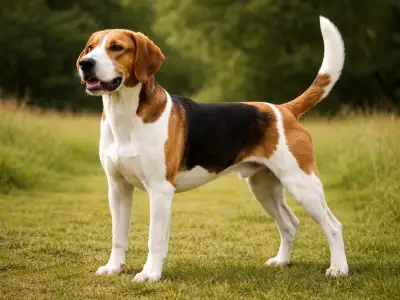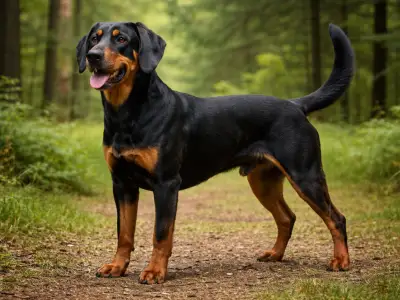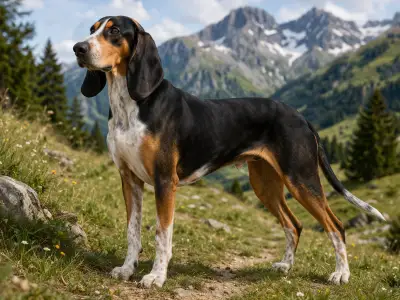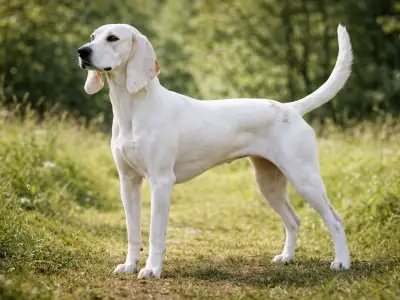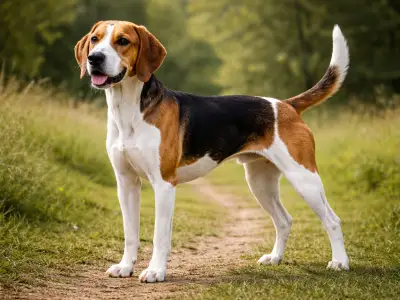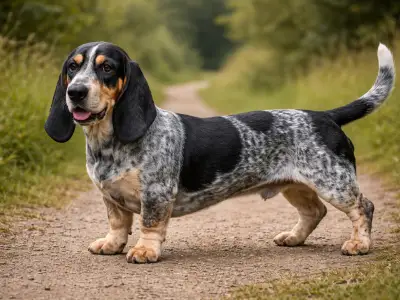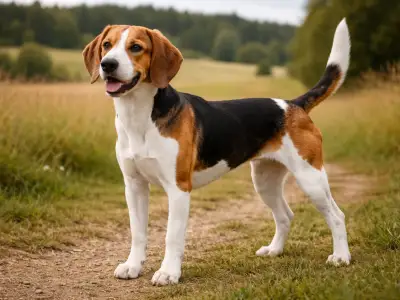
Grand Bleu de Gascogne
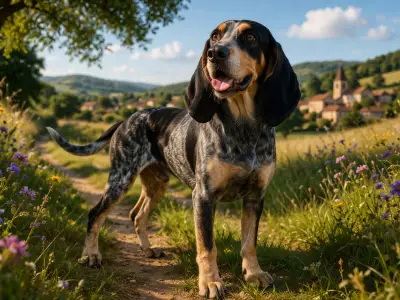
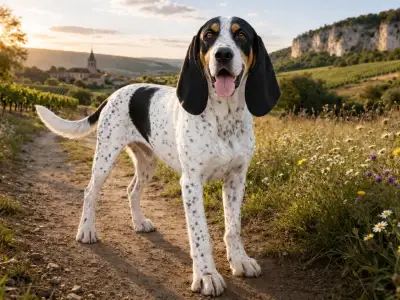
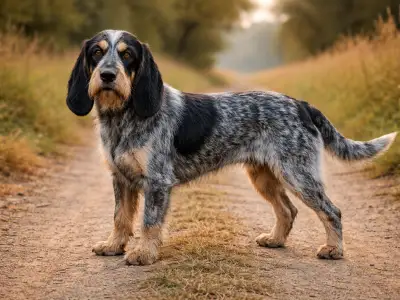
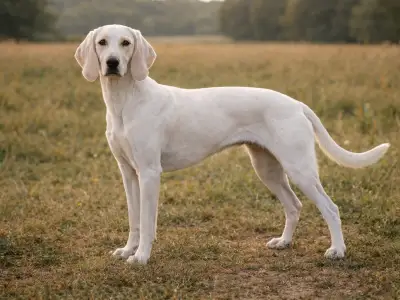
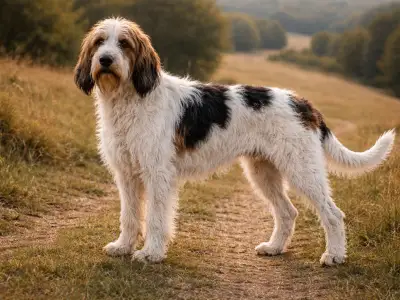
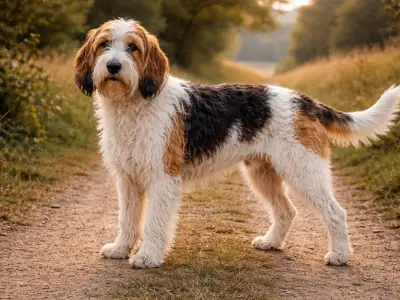
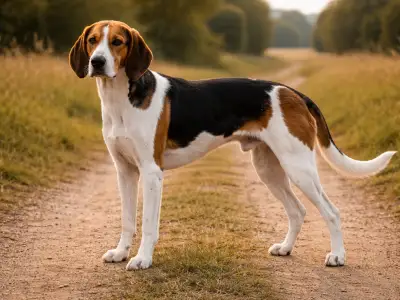
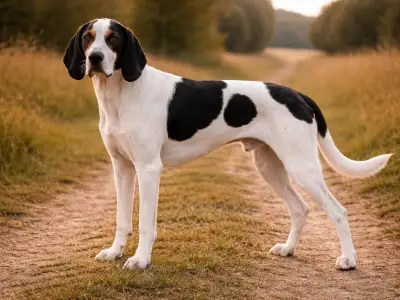
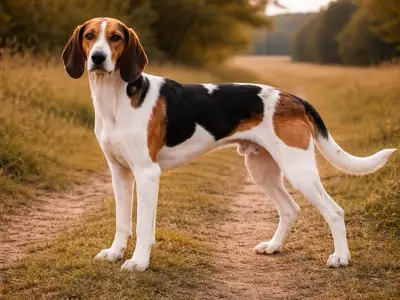
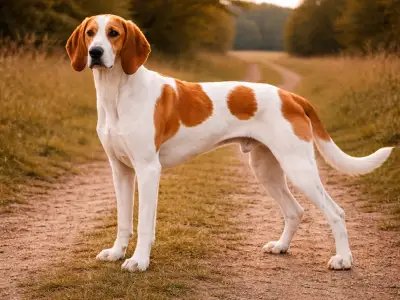
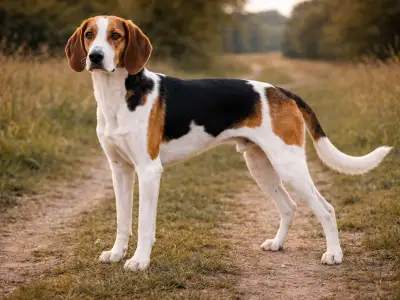
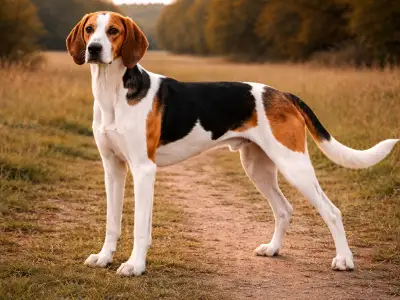
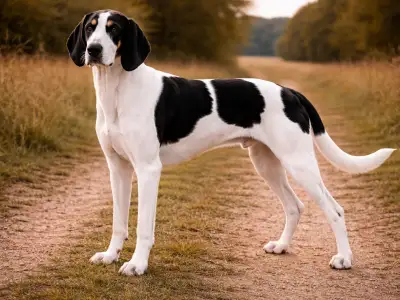
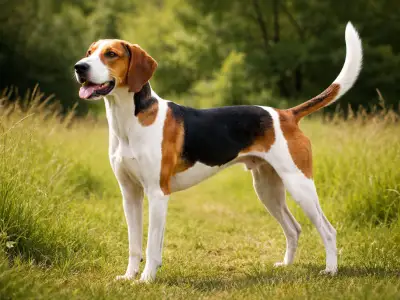
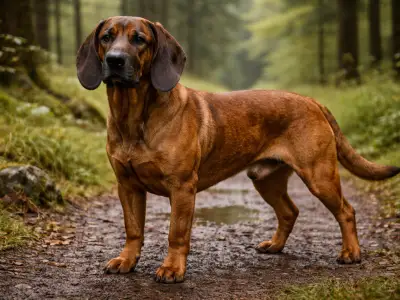
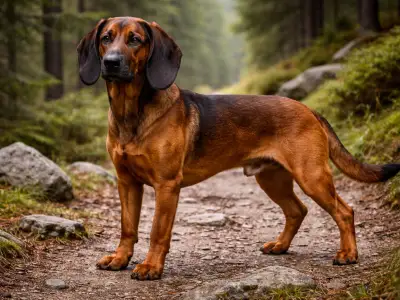
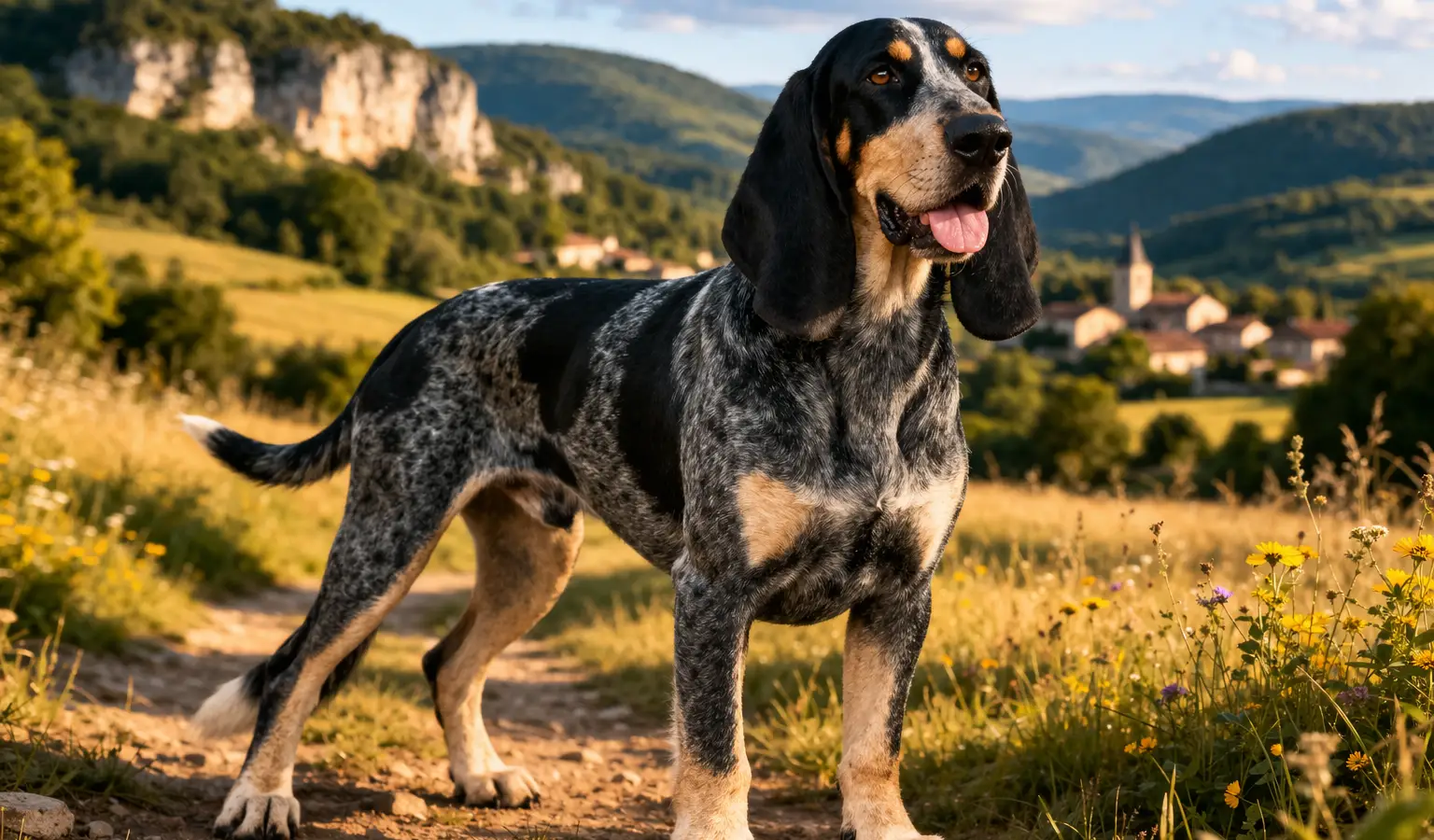
The Grand Bleu de Gascogne is a large French scenthound, powerful and renowned for an excellent nose and deep voice. Traditionally used for big-game hunting, it is persistent on the trail and very pack-oriented. It needs space, regular exercise and an experienced handler to match its working instincts.
Life expectancy
10 – 12 years
Price
900 – 1600 €
Monthly budget
80 €
Size
Large
Profile
Grand Bleu de Gascogne
Origin
France
Year of origin
1996
Developed by
French hunting packs
Size
Large
Coat type
Short coat
Owner profile
Active owner
Hypoallergenic
No
Litter size
7
Life expectancy
10 – 12 years
Price
900 – 1600 €
Female
- Height : 62 – 68 cm
- Weight : 30 – 35 kg
Male
- Height : 65 – 72 cm
- Weight : 35 – 40 kg
Temperament & abilities
Affectionate
3/5
Calm
3/5
Independent
4/5
Intelligence
4/5
Obedience
3/5
Hunting instinct
5/5
Energy level
4/5
Good with children
3/5
Dog-friendly
4/5
Friendly with strangers
3/5
Hunting profile
Stamina
5/5
Hunting drive
5/5
Independence
4/5
Trainability
3/5
Beginner-friendly
2/5
Family compatibility
3/5
Feather game
0/5
Fur game
5/5
Underground work
0/5
Water work
0/5
These indicators help compare breeds and choose the right one for your hunting style.
Game & abilities
Estimated ability level by game type.
Budget
Purchase price
900 – 1600 €
The price may vary depending on the breeder, bloodline, and region.
Average monthly cost
80 €
Estimated average: food, healthcare, accessories, and grooming.
A powerful scenthound best suited to traditional trailing work with experienced handling
Is the Grand Bleu de Gascogne a good hunting dog?
The Grand Bleu de Gascogne is widely regarded as a very capable hunting dog for scent-driven work, especially when the goal is to follow game over distance rather than rely on speed, close handling, or versatile gundog tasks. Its main strengths are nose, stamina, voice, and determination on a line. For the right hunter, this is a serious working hound; for the wrong home, its size, energy, and independence can be demanding.
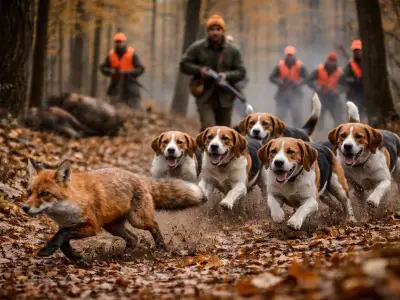
In the field, the breed is typically valued for a deep nose and a methodical hunting style. Rather than quartering tightly and constantly checking back, a Grand Bleu de Gascogne often works as a true scenthound, committed to the trail and capable of covering difficult ground with persistence. This can make it well suited to traditional pack or group hunting contexts and to hunters who want a dog that can stay on scent through varied terrain. The booming voice many hound enthusiasts appreciate is part of the package, but it is not ideal for every neighborhood or owner.
Handling is where many comparisons with other hunting breeds become clearer. This is not usually the easiest choice for someone wanting sharp off-lead control, quick recall under distraction, or a highly biddable all-purpose companion. The breed can be trainable, but often in a hound-specific way: steady, intelligent, and capable, yet strongly influenced by scent and self-direction. Early recall work, patient repetition, and realistic expectations matter. A Grand Bleu de Gascogne is generally better matched to an owner who enjoys managing a working hound than to one expecting spaniel-like responsiveness.
- Best fit: scent hunting, tracking-oriented work, experienced hound homes, rural settings
- Key strengths: nose, stamina, courage, persistence, ability to work challenging terrain
- Main demands: space, daily exercise, structured training, secure containment, tolerance for vocal behavior
- Less suited to: urban life, low-activity households, owners wanting easy recall or frequent retrieve work
In everyday life, the balance between field performance and family living depends heavily on outlet and management. A well-kept Grand Bleu de Gascogne may be calm at home, but it is rarely a low-maintenance dog. It tends to make the most sense for people who genuinely want a hunting hound first and a companion second, while still valuing a steady temperament in the home. If you are comparing hunting breeds, this one stands out more for endurance and scent commitment than for versatility, compact handling, or simple pet ownership.
Cold-nose tracking
The Grand Bleu de Gascogne is valued first for its nose. This is a classic scenthound built to follow old scent with patience rather than rush a line. In practical hunting, that means it can stay useful when conditions are difficult, game has moved on, or the track needs to be worked methodically instead of taken at speed.
Long-distance stamina
This breed was developed for demanding hound work, and its endurance is one of its clearest hunting strengths. A fit, well-conditioned Grand Bleu de Gascogne can cover ground for long periods without losing purpose. That staying power tends to suit hunters who value steady pursuit over explosive bursts and who hunt across large, open, or varied country.
Powerful trailing voice
Its deep, ringing voice is not just traditional character; it is a practical working asset. In the field, strong vocalization can help handlers follow the progress of the chase, especially in rough cover or at distance. For hunters who appreciate audible pack work, this is often one of the breed’s most distinctive and useful qualities.
Steady under pressure
Rather than hunting in a frantic or flashy style, the Grand Bleu de Gascogne is generally better known for concentration and composure. That steadiness can be valuable on difficult lines, where overexcitement causes mistakes. It often suits patient handlers who want a hound that settles into its work and keeps solving the scent problem step by step.
Strong pack hound instincts
This breed is traditionally associated with pack hunting, and many individuals show the cooperation and social working style that goes with it. In the right setup, that can make the Grand Bleu de Gascogne effective in organized hound work, where consistency, voice, and collective drive matter as much as individual brilliance. Solo handling may depend more on the dog’s upbringing and training.
Best for experienced scent-hound owners
Its hunting quality is real, but it is not always the easiest dog for a casual owner. The Grand Bleu de Gascogne tends to suit people who understand hound independence, vocal behavior, and the need for serious exercise. For hunters or active homes that enjoy traditional trailing breeds, those same traits can be major strengths rather than drawbacks.
Who the Grand Bleu de Gascogne suits best
The Grand Bleu de Gascogne usually suits an experienced hound owner, a hunter who values nose work and stamina, or a very active rural household that genuinely enjoys living with a large, vocal scent hound. This breed is often most at home with people who appreciate independent tracking behavior, can provide regular exercise beyond a quick walk, and do not expect instant obedience off scent. For hunting, it tends to fit handlers interested in trailing or pack-style hound work rather than fast, highly biddable all-purpose gundog tasks.
It is often a weaker match for first-time dog owners, people in close urban housing, or households wanting a quiet, easy off-switch companion. Its size, voice, persistence, and tendency to follow interesting smells can create friction if daily life is too sedentary or loosely managed. In the right hands, the Grand Bleu can be steady, affectionate, and deeply impressive in the field; in the wrong setup, it may feel too strong-minded, too noisy, or simply too much dog for the space and routine available.
How an old French pack hound shaped the breed’s voice, stamina, and working style
Origin and Development of the Grand Bleu de Gascogne
The Grand Bleu de Gascogne is an old French scenthound traditionally associated with the Gascony region in the southwest of France. It was developed as a large hunting hound for following cold scent over distance, especially in pack work, and is generally considered one of the historic hounds behind several later French hound types. As with many very old breeds, some details of its early development are difficult to verify with complete certainty, but the broad picture is clear: this is a dog shaped for endurance, nose power, and a steady, methodical hunting style rather than speed alone.
The breed is often linked to ancient large hounds of France and may also reflect the influence of older blue-mottled hound lines valued for trailing game across varied terrain. Over time, hunters selected dogs that could work cooperatively, carry a scent line with patience, and announce their progress with a deep, resonant voice that helped handlers follow the pack from a distance. That historical selection still helps explain the modern Grand Bleu de Gascogne: a dog that often appears serious, composed, and highly scent-driven, with a natural tendency to follow its nose and work independently once on game.
In practical terms, the breed’s history makes it especially understandable as a specialist rather than a general-purpose pet. It was bred for long hours outdoors, for difficult scent conditions, and for hunting larger game in a structured hound environment. That background can make the Grand Bleu de Gascogne appealing to hunters who value persistence, vocal tracking, and traditional pack-hound character. It can also mean the breed is less naturally suited to a sedentary household, off-leash freedom in unsecured areas, or owners expecting instant obedience from a dog bred to think through scent work on its own.
For modern families, this history matters because it predicts daily life fairly well. A well-kept Grand Bleu de Gascogne is often calm indoors once exercised, but it usually needs meaningful activity, patient training, and management around scent distractions. The breed tends to suit people who appreciate hound temperament: affectionate in a quiet way, not typically frantic, but persistent, strong-minded, and happiest when given room to move and a job that engages its nose. Its past as a French hunting hound is not just background information; it is the reason the breed still behaves the way it does today.
Old French hound roots
The Grand Bleu de Gascogne is one of the historic scenthounds of southwestern France, closely associated with the old Gascony hound tradition. It was developed for serious trailing work rather than speed alone, and its identity has long been tied to pack hunting, a deep voice, and the stamina needed to follow game over difficult country.
Bred to follow scent
This breed was selected above all for nose, endurance, and steadiness on a track. In the field, the Grand Bleu de Gascogne is generally valued for methodical scent work and the ability to stay committed once on a line. That makes it appealing to hunters who prefer a persistent hound over a flashy but less reliable worker.
Calm at home, driven outside
Many Grand Bleu de Gascognes show a sensible contrast between home life and hunting mode. Indoors, they can be gentle and fairly composed when their needs are met; outdoors, their scent drive often takes over quickly. Prospective owners should expect an independent streak, strong environmental focus, and a dog that may not be casually trustworthy off leash.
Best with space and purpose
This is usually not the easiest choice for compact urban living. The breed tends to do best with room to move, regular time outdoors, and a daily routine that includes real tracking, long walks, or structured scent work. Without enough physical exercise and mental engagement, a large scenthound can become noisy, frustrated, or difficult to settle.
Handling requires patience
The Grand Bleu de Gascogne is often more cooperative than eager to please in the typical pet-dog sense. Training usually works best with repetition, calm consistency, and rewards that matter to the dog. Harsh handling can reduce trust, while realistic expectations are important: recall, distraction control, and loose-lead work may take more effort than with highly handler-focused breeds.
Simple care, substantial needs
Coat care is fairly straightforward, but daily management goes beyond grooming. Owners should think about ear hygiene, weight control, secure fencing, and enough exercise for a powerful hound built to travel. In family life, the breed often suits people who appreciate a vocal, large, scent-led dog and who genuinely enjoy living with a working-hound temperament.
Practical answers on hunting ability, training, exercise, home life, and owner fit
Grand Bleu de Gascogne hunting and lifestyle FAQ
Is the Grand Bleu de Gascogne a good hunting dog for modern hunters?
The Grand Bleu de Gascogne is widely regarded as a serious scenthound with strong trailing instincts, stamina, and the voice many hunters value when following hounds in the field. It was developed for scent work rather than flashy obedience, so its strengths usually show best in tracking and pack-style hunting rather than highly technical stop-and-go handling. For modern hunters, it can be a strong fit if the priority is nose, persistence, and covering ground methodically. It may be less suited to someone who wants a highly versatile all-purpose gun dog or a breed that works very close at all times. As with any working line, individual quality and training make a major difference.
What kind of game and hunting style does a Grand Bleu de Gascogne suit best?
This breed is generally associated with scent-driven pursuit and longer, more deliberate work on a line rather than fast visual chasing alone. Traditionally, dogs of this type have been used on larger game in some regions, but suitability depends heavily on local laws, terrain, pack structure, and the specific dog's breeding. In practical terms, the Grand Bleu de Gascogne tends to suit hunters who appreciate a hound that uses its nose deeply, works with determination, and may vocalize clearly while on scent. It is often a better match for organized hound hunting than for a hunter who wants a compact dog working silently and tightly under the gun.
Are Grand Bleu de Gascognes easy to train, or are they stubborn?
They are usually trainable, but not typically easy in the way many people mean when they ask that question. A Grand Bleu de Gascogne often thinks like an independent scenthound: once odor takes over, handler influence can drop sharply unless recall and check-in habits were built carefully from a young age. Training tends to go best with repetition, calm consistency, and rewards the dog truly values, rather than heavy-handed pressure. Owners who enjoy structured hound training often do well with the breed, while people expecting instant obedience may find it frustrating. Early work on leash manners, recall, kennel routine, and controlled exposure to scent is especially important.
Can a Grand Bleu de Gascogne live as a family dog if it also hunts?
Many can live successfully as family dogs, especially in homes that understand hound temperament and provide enough exercise, routine, and mental outlet. In the house, a well-managed individual may be calm and affectionate, but this is not usually a low-maintenance breed that simply settles with a short walk. Its voice, size, endurance, and scent drive can shape daily life more than first-time owners expect. Around children, temperament depends on the individual dog and the household's management, but steady, supervised interaction is the sensible approach. Families tend to do best when they genuinely want an active hound, not just the idea of one.
Does a Grand Bleu de Gascogne need a big yard, and can it live in an apartment?
A large secure space helps, but the key issue is not just square footage; it is whether the dog gets enough real exercise, scent work, and supervision. This breed is not usually an ideal apartment dog because it can be vocal, powerful on leash, and restless if underworked. A yard is useful for management, but it does not replace long walks, tracking opportunities, or purposeful activity. Fencing matters because many scenthounds will follow odor with impressive commitment once engaged. In practice, rural or semi-rural homes often suit the breed better than dense urban living, though an experienced owner may manage it in the right setup.
How much exercise and mental stimulation does a Grand Bleu de Gascogne really need?
Most need more than a casual daily walk to stay settled and manageable. Along with physical exercise, they usually benefit from scent-based activity such as tracking games, long sniff walks, search exercises, and structured field work that lets them use the abilities they were bred for. A bored Grand Bleu de Gascogne may become noisy, hard to focus, or very determined to create its own entertainment. Many owners find that mental fatigue from nose work is just as valuable as raw mileage. The exact amount varies with age, condition, and line, but this is generally not a breed for a sedentary home.
Who is the Grand Bleu de Gascogne best suited for, and who should probably choose another breed?
This breed often suits committed hound people, hunters who appreciate traditional scent work, and active owners who are realistic about training, management, and noise. It can be a rewarding choice for someone who enjoys watching a dog work independently and does not need constant off-leash reliability in every setting. It is usually a harder fit for first-time owners, people wanting a highly biddable dog, or households with very limited time for exercise and handling. If your ideal companion is quiet, easy to recall, naturally close-working, and simple in urban life, another breed may be more practical. If you want a substantial scenthound with history, stamina, and real hunting character, this one may deserve a serious look.