Big game
Red deer
Cervus elaphus
Europe’s largest deer, iconic of forests and mountain ranges.
Type
Large mammal
Lifespan
12 years
Hunting season
Septembre à février selon quotas
Edible
Yes
Fact sheet
Red deer
Scientific name
Cervus elaphus
Type
Large mammal
Meat quality
Red and tasty meat
Edible
Yes
Lifespan
12 years
Gestation
290 days
Size
175-250 cm
Weight
100-250 kg
Diet
Herbivore: grasses, leaves, shoots, bark
Status
Huntable depending on local laws
Hunting season
Septembre à février selon quotas
Breeding season
7 / 8
Lifestyle and behaviour
Behaviour : Diurnal and crepuscular, ruts in autumn, lives in herds
Social structure : Herds; males often separate outside the rut
Migration : Seasonal and altitudinal movements
Habitat
- Forest
- Plains
Natural predators
- Wolf
Hunting methods
- Drive hunt
- Blinds
- Stalking
Health risks
- Intestinal parasites
- Brucellosis
Ecosystem role
- Seed dispersal
- Maintenance of clearings
Signs of presence
- Footprints
- Droppings
Introduction
General description
The red deer, Cervus elaphus, is one of the best-known large wild ungulates of Europe and in many regions the largest native deer species. Powerful yet elegant, it is strongly associated with extensive forests, mountain ranges, wooded farmland, and broad mosaics of cover and feeding areas. Adult stags, especially in autumn, are among the most iconic big game animals in Europe because of their size, branching antlers, and the spectacular rutting season.
Beyond its visual appeal, the red deer is an ecologically influential herbivore. By browsing shoots, grazing open ground, stripping bark in some situations, and moving seeds across the landscape, it helps shape vegetation structure and habitat dynamics. Its presence can benefit open patches and movement corridors, but high local densities may also create pressure on forest regeneration, crops, or sensitive plant communities.
In wildlife observation and hunting culture alike, red deer hold a central place. They are valued for their wariness, strong senses, seasonal behavior, and the way they use terrain, wind, and cover. Understanding red deer means reading habitat, food availability, breeding cycles, disturbance pressure, and seasonal movement rather than looking at the species as a static forest animal.
Morphology
Morphology
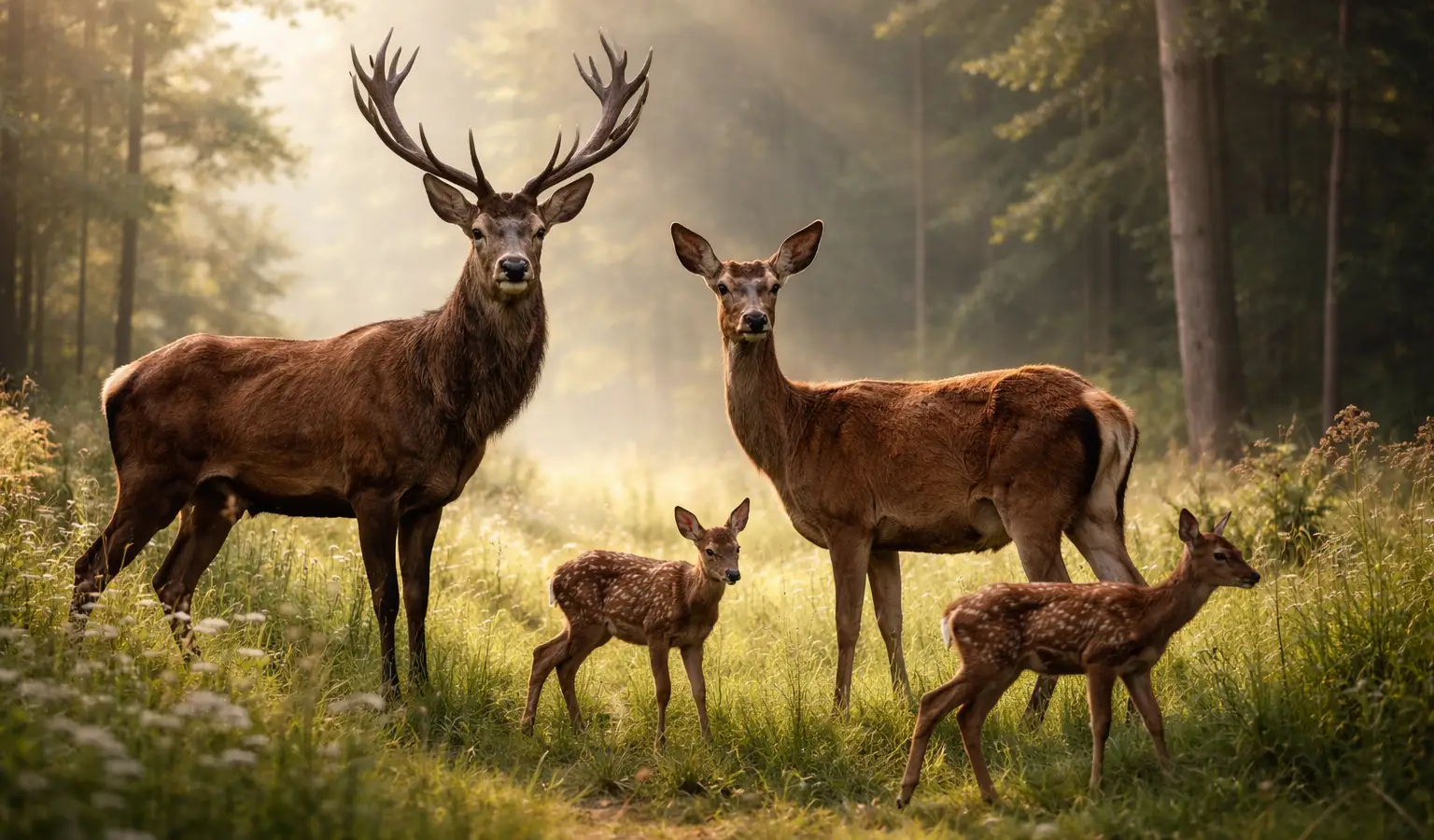
Red deer are large, long-legged deer with a deep chest, relatively long neck, and a robust but athletic frame. Adults typically measure about 175 to 250 cm in total length, and body weight commonly ranges from roughly 100 to 250 kg depending on sex, age, genetics, habitat quality, and region. Stags are much larger and heavier than hinds, with a heavier forequarters and thicker neck, especially during the rut.
The coat is usually reddish-brown to brown in warmer months and becomes greyer, duller, and denser in winter. The rump patch is pale buff and contrasts with the darker tail. Calves are born spotted, a camouflage pattern that fades as they grow. The head appears long, the ears are fairly large, and the muzzle is dark.
Antlers are present only in males and are shed and regrown annually. Mature stags develop multi-tined antlers whose size and shape vary with age, nutrition, genetics, and local population conditions. In the field, sexing is often straightforward in autumn and winter: stags look heavier in front and may carry antlers, while hinds are slimmer and antlerless. Tracks are larger and broader than those of roe deer, reflecting the red deer's greater body mass.
Habitat and distribution
Habitat
Red deer favor landscapes that combine secure daytime cover with reliable feeding grounds. Typical habitat includes mixed and conifer forests, broadleaf woodland, mountain forest, forest edges, heathland, highland pastures, plains with woodland patches, and agricultural mosaics near cover. They are highly adaptable, but they generally perform best where they can alternate between shelter, water, and productive forage.
In many areas, the species uses dense woodland for resting and security during periods of disturbance, then moves toward meadows, clearcuts, young plantations, natural openings, or cultivated fields to feed. In mountain systems, red deer often shift between valley forests, slopes, and higher grazing areas according to snow, heat, forage quality, and human pressure.
Habitat use can change greatly with season and management context. Where disturbance is frequent, red deer may become more nocturnal and stay longer in thick cover. Where landscapes are quieter and food is widely available, they may use open ground more confidently at dawn, dusk, and sometimes during the day.
Distribution
Cervus elaphus is widely distributed across Europe, with additional populations in parts of western and central Asia. Within Europe, red deer remain one of the most important large game species in forested and mountainous regions, but they also occur in lower-lying mixed landscapes where cover and feeding opportunities are suitable.
Its distribution is not perfectly uniform. Some populations are continuous across extensive habitat blocks, while others are more fragmented because of urbanization, transport infrastructure, intensive agriculture, or historical hunting pressure. In several countries, red deer have also been reintroduced, expanded naturally, or recolonized former range where habitat and management allow.
At the regional scale, abundance depends on climate, winter severity, habitat productivity, predation, legal harvest, and local management goals. Population density may therefore differ sharply between neighboring mountain valleys, forest massifs, or agricultural-forest mosaics.
Lifestyle
Lifestyle and behaviour
Diet
The red deer is a herbivore with a flexible feeding strategy. Its diet commonly includes grasses, sedges, herbs, leaves, buds, shoots, agricultural crops where accessible, and in some seasons bark, mast, and browse from shrubs and young trees. This broad diet helps the species occupy a wide range of habitats from productive plains to upland forest and mountain pasture.
Season strongly influences food choice. In spring and early summer, red deer often target fresh, protein-rich growth such as grasses, forbs, and new shoots. During summer they continue to exploit high-quality green forage. In autumn, they may use mast, broadleaf browse, and remaining herbaceous plants. In winter, especially under snow or in poor forage conditions, they rely more on woody browse, evergreen material in some regions, and whatever accessible vegetation remains.
Feeding pressure can become locally significant where deer densities are high or where winter concentrates animals into limited habitat. In such situations, browsing on tree regeneration and bark stripping may become important management concerns. Diet composition therefore reflects not only plant availability, but also competition, season, disturbance, and habitat quality.
Behaviour
Red deer are commonly described as diurnal and crepuscular, but their actual activity pattern is highly responsive to disturbance. In quiet areas they may feed openly at dawn, dusk, and even through parts of the day. In heavily used landscapes with frequent human presence, they often become more secretive and shift much of their feeding activity toward twilight and night.
They are alert, mobile, and strongly guided by scent, hearing, and visual detection of movement. When unsettled, red deer often pause to assess danger, use wind advantage, and move toward cover before committing to a full escape. Once pressured, they can travel quickly over long distances and use terrain features such as ridges, forest belts, ravines, and dense plantations to break contact.
The autumn rut is the most dramatic behavioral phase. Stags become more vocal, less tolerant of rivals, and more visible as they attempt to gather and defend groups of hinds. Outside the rut, red deer behavior is usually more discreet and energy-efficient, with predictable transitions between bedding areas, secure cover, and feeding sites.
Social structure
Red deer usually live in socially organized groups rather than as strictly solitary animals. Females form family-based groups made up of hinds, calves, and juveniles, with group size varying by season, habitat openness, disturbance, and local population density. These groups provide vigilance benefits and help structure traditional patterns of movement.
Adult males often live separately for much of the year, alone or in bachelor groups, especially outside the breeding season. As the rut approaches, mature stags shift behavior, become more territorial in a functional sense around harems or display areas, and compete intensely with one another through vocalization, posture, parallel walking, and sometimes direct fighting.
Social organization is fluid rather than fixed. Groups split and merge according to forage, weather, snow cover, hunting pressure, and breeding activity. In open landscapes, larger aggregations may form, while in dense forest the same population may appear more scattered and harder to observe.
Migration
Red deer may be resident, seasonally mobile, or partially migratory depending on landscape and climate. In mountain regions, altitudinal movements are especially common: animals may use higher ground and open grazing areas during the milder season, then descend into more sheltered forests and valleys as snow deepens and forage becomes less accessible.
Even where long-distance migration is absent, red deer often show regular seasonal shifts between feeding grounds, rutting areas, wintering habitat, and secure daytime cover. These movements may follow traditional routes and can be influenced by weather, crop availability, hunting pressure, and disturbance from recreation or forestry operations.
Young animals, particularly dispersing males, may travel away from their natal area and contribute to range expansion or genetic exchange between populations. Fences, roads, and fragmented habitat can disrupt these patterns and increase collision risk.
Reproduction
Reproduction
The breeding season of the red deer, known as the rut, generally occurs in autumn. During this period, stags advertise themselves with loud roars, patrol females, challenge rivals, and attempt to secure mating access to groups of hinds. Rut timing varies somewhat with latitude, altitude, weather, and local population dynamics, but early to mid-autumn is typical across much of the species' European range.
After a gestation of about 290 days, hinds usually give birth in late spring or early summer when vegetation quality is improving. A single calf is most common; twins are uncommon. For the first days of life, the calf often remains hidden in cover while the hind returns periodically to nurse it, a strategy that reduces detection by predators.
Maternal care is important, and calves remain closely associated with the hind through their first year. Reproductive success depends on female body condition, forage quality, winter severity, disturbance, and population density. Young stags do not usually dominate breeding until they are older and physically mature enough to compete effectively.
Field signs
Field signs
Red deer leave clear field signs when numbers are moderate to high and ground conditions allow reading. Footprints are large cloven prints, longer and broader than those of roe deer, usually with a more substantial impression from the animal's weight. On soft ground, dewclaws may register, especially when the deer is moving fast or descending slopes.
Droppings are typically dark, oval to cylindrical pellets, often deposited in clusters. Their shape can vary somewhat with diet and moisture content, becoming looser when animals feed on lush vegetation. Well-used trails may be visible between bedding cover and feeding areas, especially near forest edges, valley crossings, and access routes to meadows or crops.
Other signs include browsing on shoots, bark stripping on certain trees, hair caught on fences or rough bark, wallows and churned ground used by stags during the rut, strong musky odor near rutting areas, and resting sites in sheltered cover where vegetation is flattened. During the breeding season, roaring at dawn, dusk, or night can reveal the presence of mature stags even before they are seen.
Ecology and relationships
Ecological role
As a large grazing and browsing herbivore, the red deer plays a major role in ecosystem function. It influences plant succession, woodland structure, regeneration patterns, and the distribution of palatable species. Through selective feeding and repeated movement, it can help maintain openings, edges, and clearings that benefit some plants, insects, and birds.
Red deer also contribute to seed dispersal, both externally through seeds carried on fur and internally through ingestion and defecation. Their dung supports invertebrate communities and nutrient cycling. In areas where large carnivores such as the wolf are present, red deer are also an important prey species and part of broader predator-prey dynamics.
Its ecological role is therefore dual: beneficial and structuring at balanced density, but potentially damaging when local numbers exceed what habitat, forestry goals, or sensitive vegetation can absorb. Good management seeks to understand this balance rather than treating the species as simply positive or negative.
Human relationships
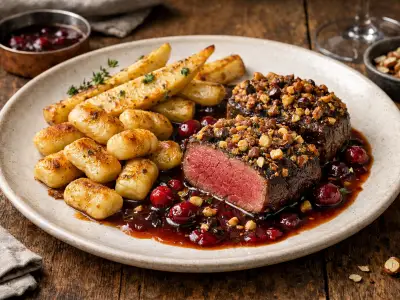
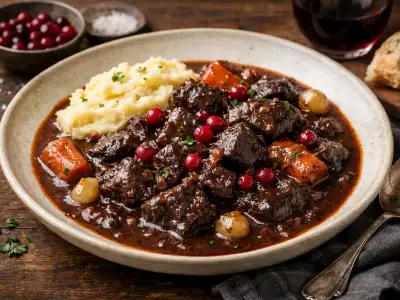
Red deer have long been connected with people through hunting, meat use, forestry, wildlife watching, and cultural symbolism. As a big game species, they are highly valued because they require careful observation, knowledge of terrain and wind, and an understanding of seasonal behavior. Venison from red deer is widely regarded as good table fare where legally harvested and properly handled.
At the same time, coexistence can be complex. In some regions red deer cause browsing damage in young forests, strip bark from trees, feed on crops, or contribute to vehicle collisions where movement corridors intersect roads. Farmers, foresters, hunters, conservationists, and wildlife agencies may therefore have different priorities regarding abundance and distribution.
For nature observers, the rut is one of the most impressive wildlife spectacles in Europe. However, repeated disturbance during breeding, winter concentration, or calving periods can alter deer behavior and reduce habitat security. Responsible observation and land use matter as much as population numbers.
Legal framework and management
Legal status
The red deer is generally a huntable big game species in many parts of its range, but legal status depends on national and local wildlife law. Seasons, quotas, sex and age classes, methods, transport rules, and carcass inspection requirements can vary significantly by jurisdiction. The available information here indicates a hunting season broadly running from September to February depending on quotas, but exact dates and conditions must always be checked locally.
Management frameworks often distinguish between stags, hinds, and calves in order to guide harvest structure and population control. In some areas, hunting plans are tied closely to forest impact, agricultural damage, conservation targets, or disease surveillance. Protected areas, private estates, and public land may also operate under different rules.
Because regulations change, the most reliable approach is to consult current official sources before any hunting activity, carcass transport, sale, or consumption. Health controls may be relevant where diseases such as brucellosis or notable parasite burdens occur.
Management tips
Effective red deer management begins with reading the landscape as a whole. Productive feeding areas, quiet bedding cover, water, travel corridors, and seasonal refuge zones should be considered together rather than in isolation. Repeated observations at dawn and dusk, track surveys on soft ground or snow, and attention to browsing pressure help build a more realistic picture of local deer use.
Where red deer are managed as game, balance is essential. Harvest plans generally work best when they reflect habitat carrying capacity, forest regeneration goals, sex ratio, age structure, and actual recruitment rather than focusing only on trophy stags. Excessive pressure in one part of the season may simply shift animals into inaccessible refuges or increase nocturnal behavior.
- Monitor trails, droppings, feeding damage, and rutting activity across seasons, not just during hunting periods.
- Protect movement corridors between forest cover and feeding areas where fragmentation is increasing.
- Adjust management cautiously in areas with crop damage, bark stripping, or poor tree regeneration.
- Reduce unnecessary disturbance in wintering zones, calving cover, and active rut sites.
- Stay alert to health issues such as intestinal parasites and brucellosis where surveillance is recommended.
For observers and hunters alike, wind direction, terrain screening, and timing matter more than speed. Red deer often tolerate distant, predictable activity better than close, erratic disturbance.
Fun facts
Fun facts
The red deer rut is famous for the deep roaring calls of stags, which can carry over long distances in calm conditions and are one of the classic sounds of autumn in many European landscapes.
A stag's antlers are grown and shed every year, making them one of the fastest-growing bone structures in the animal world. Their final form reflects age, nutrition, and genetics rather than age alone.
Although often thought of as a forest deer, red deer are highly adaptable and may use mountain grasslands, open plains, woodland edges, and agricultural mosaics if they can still find security cover.
In areas with strong seasonal traditions, local deer often follow remarkably consistent movement patterns between summer range, rutting ground, and winter refuge, showing how closely behavior is linked to landscape memory.