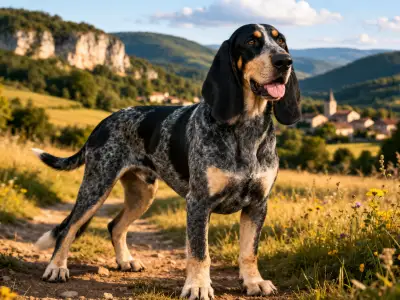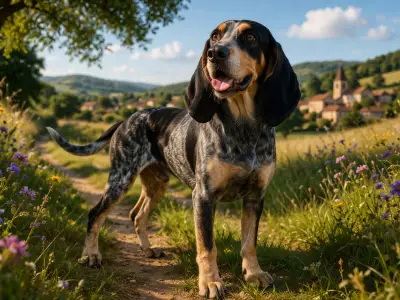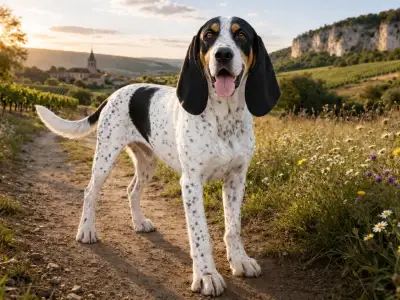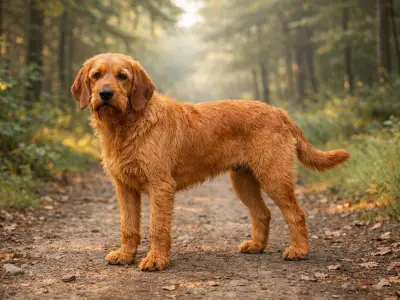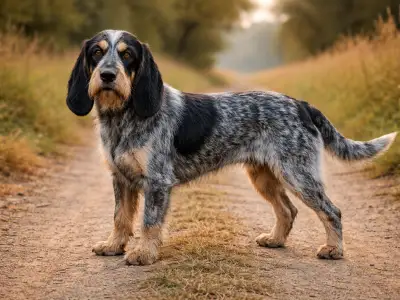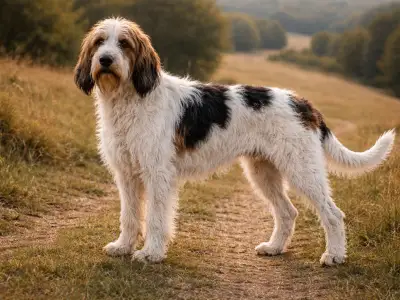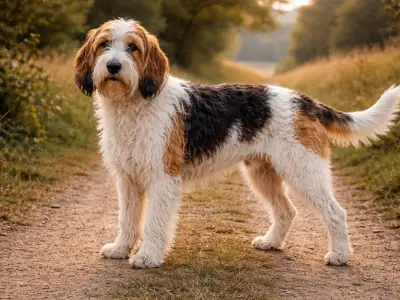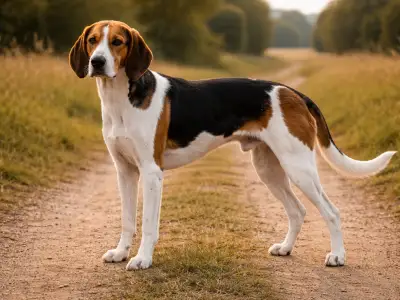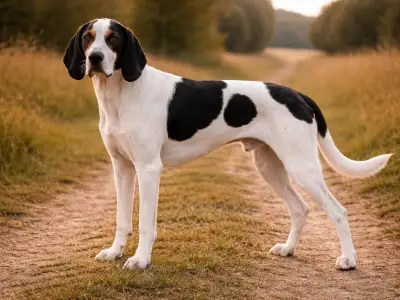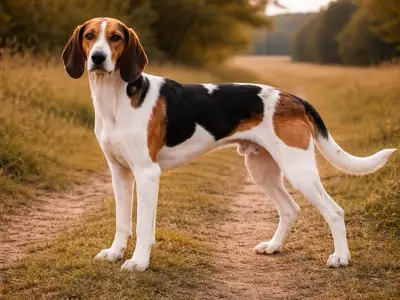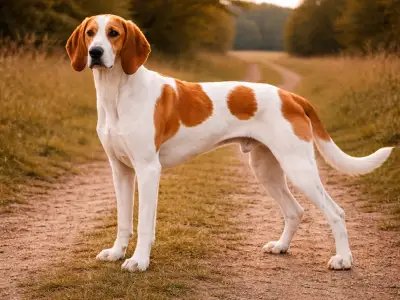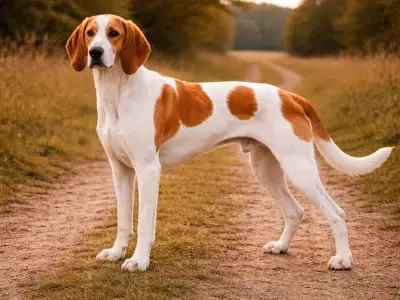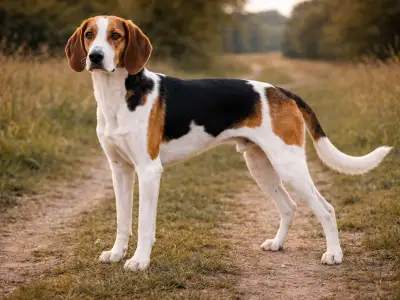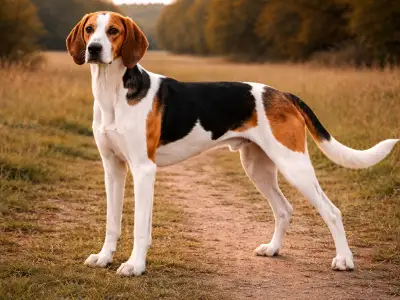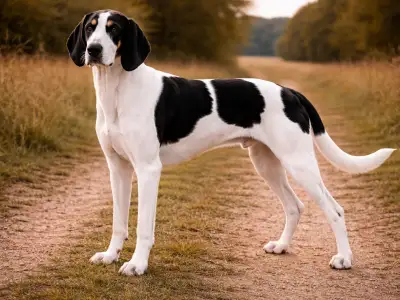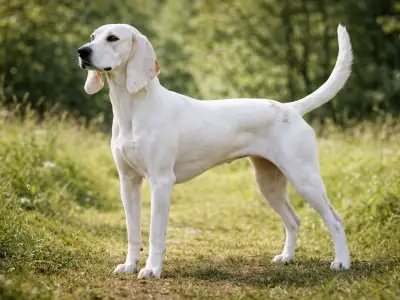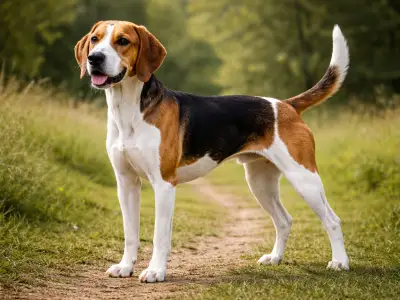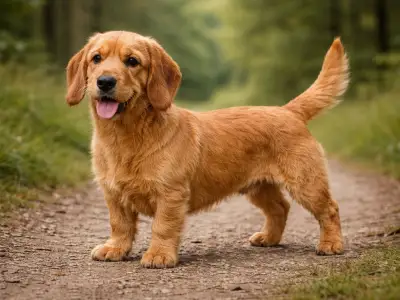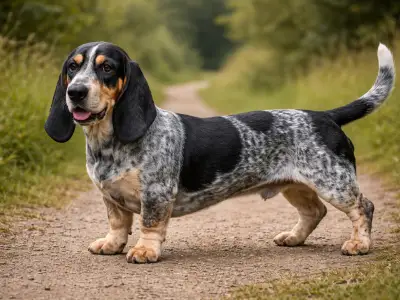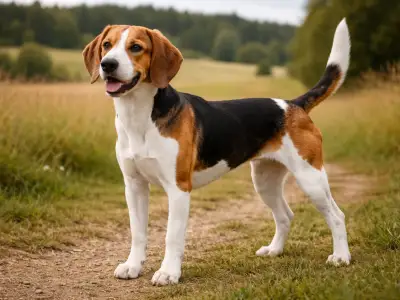
Petit Basset Griffon Vendéen
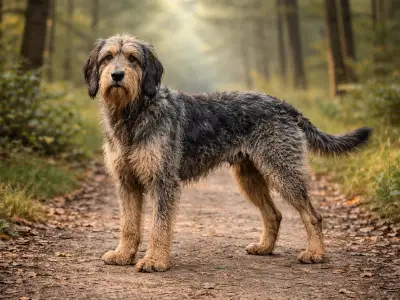
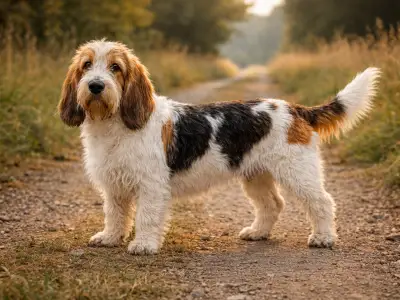
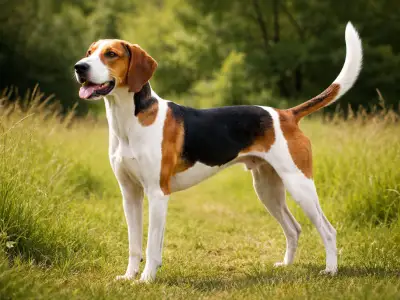
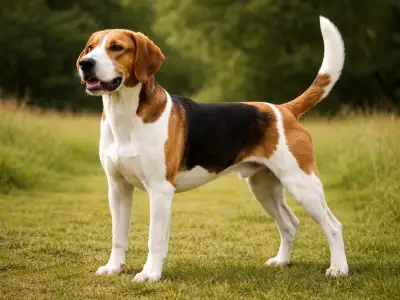
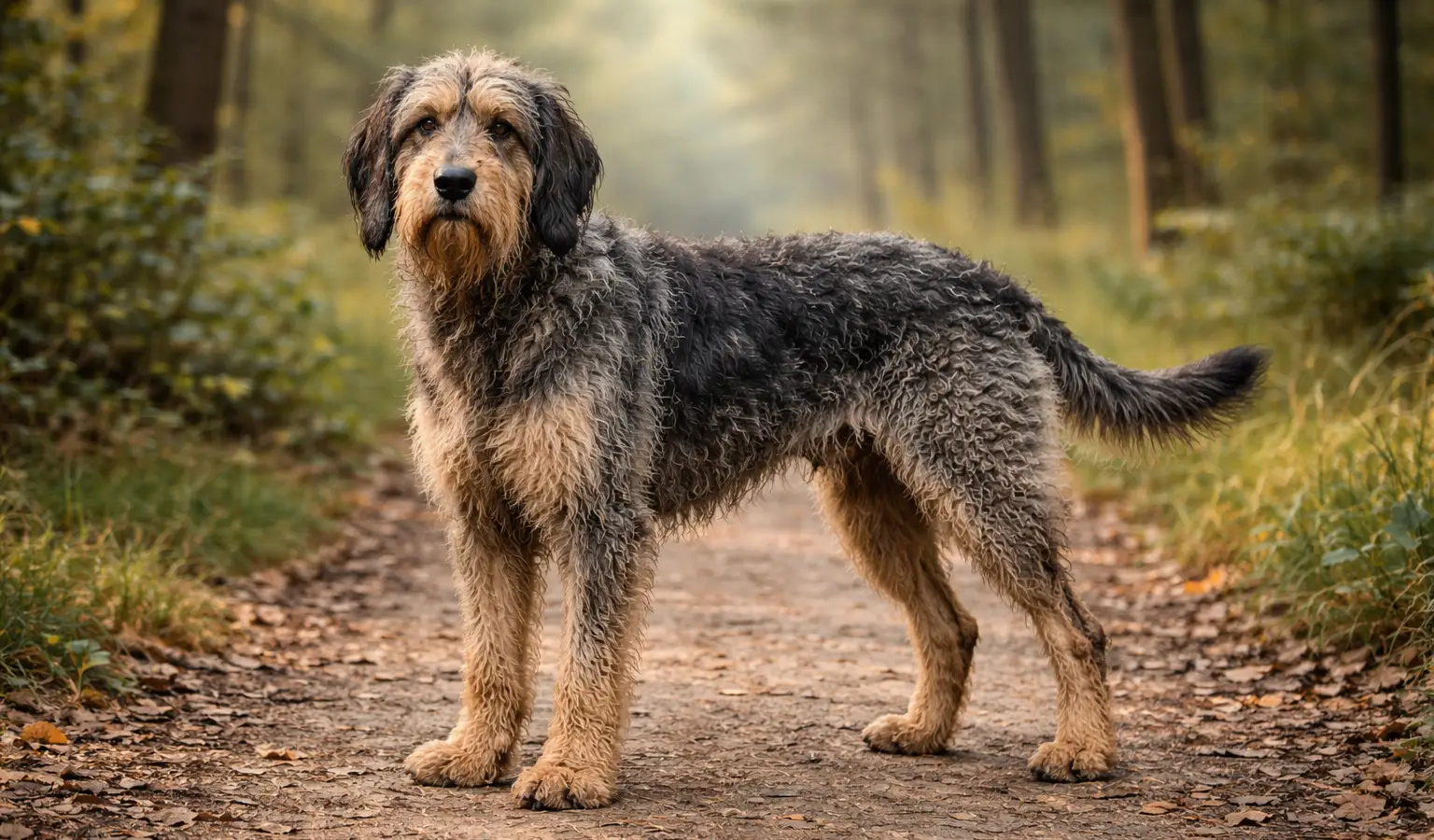
The Petit Basset Griffon Vendéen is a lively, cheerful small scenthound known for determination on the trail. Bred for rabbit hunting, it combines an excellent nose with high energy. Friendly and outgoing, it can be independent and vocal, so it benefits from consistent training, scent games and daily exercise.
Life expectancy
13 – 15 years
Price
900 – 1500 €
Monthly budget
65 €
Size
Small
Profile
Petit Basset Griffon Vendéen
Origin
France
Year of origin
1950
Developed by
Vendée hunters
Size
Small
Coat type
Wire coat
Owner profile
Active owner
Hypoallergenic
No
Litter size
5
Life expectancy
13 – 15 years
Price
900 – 1500 €
Female
- Height : 34 – 38 cm
- Weight : 13 – 18 kg
Male
- Height : 34 – 38 cm
- Weight : 14 – 20 kg
Temperament & abilities
Affectionate
5/5
Calm
2/5
Independent
4/5
Intelligence
4/5
Obedience
3/5
Hunting instinct
5/5
Energy level
5/5
Good with children
5/5
Dog-friendly
5/5
Friendly with strangers
5/5
Hunting profile
Stamina
4/5
Hunting drive
4/5
Independence
4/5
Trainability
3/5
Beginner-friendly
3/5
Family compatibility
4/5
Feather game
0/5
Fur game
4/5
Underground work
0/5
Water work
0/5
These indicators help compare breeds and choose the right one for your hunting style.
Game & abilities
Estimated ability level by game type.
Budget
Purchase price
900 – 1500 €
The price may vary depending on the breeder, bloodline, and region.
Average monthly cost
65 €
Estimated average: food, healthcare, accessories, and grooming.
A lively scent hound with drive, voice, and stamina, best suited to hunters who value nose work and character over tight off-lead precision.
Is the Petit Basset Griffon Vendéen a good hunting dog?
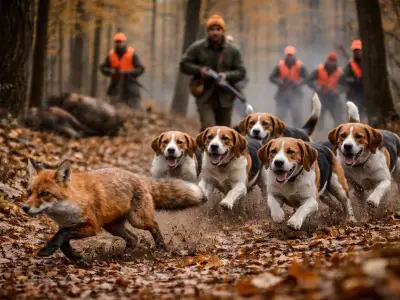
The Petit Basset Griffon Vendéen is, in the right hands, a very capable hunting dog. Bred as a small French scent hound, it is valued more for nose, persistence, and animated search than for polished handling at distance. For hunters asking whether Petit Basset Griffon Vendéen hunting ability is real, the answer is generally yes: this breed can be very effective on rabbit and other small game, especially where dense cover, rough ground, and long periods of active searching are part of the job.
Its working style is typically busy, determined, and scent-led. The PBGV tends to hunt with its nose down, using a lively search pattern and plenty of enthusiasm rather than the measured, highly handler-focused style seen in some other gundog breeds. It often shows courage in brambles and awkward terrain, and its stamina can be impressive for its size. That said, this is not usually the easiest choice for someone who wants a very sharp recall, instant response under distraction, or a naturally close-working dog. Like many scent hounds, once scent takes over, independence can become part of the package.
Training matters a great deal. A Petit Basset Griffon Vendéen can be trainable, but it usually benefits from patient repetition, consistent boundaries, and realistic expectations. Harsh handling rarely improves this breed. Early work on recall, check-ins, lead manners, and impulse control is especially important because the breed's temperament often combines sociability with determination. Some individuals may retrieve willingly, but retrieving is not the breed's central strength, so most owners should judge it first as a hunting hound rather than an all-purpose shooting companion.
- Best use cases: small game hunting, rabbit work, rough cover, mixed terrain, hunters who enjoy active scent hounds
- Main strengths: nose, stamina, cheerful drive, persistence, willingness to push through cover
- Main demands: recall training, vocal tendency, high daily activity needs, independent working style
- Less ideal for: owners wanting low-maintenance obedience or a calm dog without regular outlets
In everyday life, the balance between field performance and family life can be very good if the dog gets enough exercise, scent work, and structure. The breed is often charming, outgoing, and full of personality, but it is not usually a decorative low-energy companion. For a home that enjoys an active hound with real hunting instincts, the Petit Basset Griffon Vendéen can be a coherent and rewarding choice. For buyers comparing breeds, it makes most sense when practical hunting ability, character, and enthusiasm matter more than handler softness or effortless control.
Reliable scent hound nose
The Petit Basset Griffon Vendéen is valued first for scent work. It was developed to follow ground scent methodically, especially on rabbit and hare, and many individuals show strong commitment once they lock onto a line. For hunters, that often means a dog that can keep working in difficult scenting conditions rather than giving up quickly.
Persistent on moving game
One of its most useful hunting qualities is persistence. The breed often keeps pressure on running game for longer than many casual owners expect, which is part of its appeal in traditional small-game hunting. That same determination can be a challenge in daily life, because recall and off-lead control usually need serious, consistent training.
Built for rough cover
Its low, sturdy outline and harsh coat suit work in dense brush, hedgerows, and uneven country where a lighter-framed dog may lose confidence or rhythm. The Petit Basset Griffon Vendéen is not a speed specialist in the way some larger hounds are, but it is often effective where maneuverability, toughness, and willingness to push through cover matter more.
Clear voice on the line
Like many scent hounds, this breed is appreciated for using its voice while working. A good hunting voice can help handlers follow the chase, judge momentum, and understand whether the dog is actively moving game. For practical hunting use, that audible style is a real advantage, though it also means the breed is rarely the best fit for owners who want a quiet dog at home.
Independent but workable
The Petit Basset Griffon Vendéen tends to think for itself, which is useful when a hound must solve scent problems without constant direction. In hunting, that independence can be a strength. In training, it usually means the dog responds best to patient repetition, clear routines, and an owner who enjoys managing a true hound rather than expecting instant obedience.
Best suited to small-game hunting
This is a specialist-style scenthound rather than an all-purpose gun dog. It is generally better matched to tracking and pursuing hare or rabbit than to polished retrieving work or highly handler-focused tasks. For the right hunter, that clarity is a benefit: you get a compact, energetic hound bred to follow scent with enthusiasm and purpose.
Who the Petit Basset Griffon Vendéen suits best
The Petit Basset Griffon Vendéen tends to suit an active owner who genuinely enjoys living with a busy, cheerful scent hound rather than simply owning a dog that can hunt. In the field, it often fits hunters looking for a small to medium rabbit or hare hound with stamina, voice, and determination on scent. At home, it usually does best with people who can provide daily exercise, varied walks, training, and patient management of a nose that may at times override convenience. Families who like outgoing, playful dogs often enjoy the breed, especially when they understand that independence and persistence are part of the package.
Less suitable matches include very sedentary households, owners expecting instant off-leash reliability, or anyone wanting a highly biddable dog that checks in constantly. The PBGV can be charming and trainable, but many individuals still think like true scenthounds: they may follow odors, vocalize, and stay busy. It often suits people comfortable with secure fencing, consistent recall work, and a bit of comic stubbornness. For the right hunter or active home, that hound character is exactly the appeal; for a neat, quiet, low-maintenance lifestyle, it may be the wrong fit.
How a rough-coated French scenthound was shaped for practical hunting and why that still matters today
Origins and development of the Petit Basset Griffon Vendéen
The Petit Basset Griffon Vendéen comes from the Vendée region of western France, where hunters needed tough, energetic hounds able to follow scent over dense cover, thorny ground, and uneven terrain. The breed belongs to a wider family of Griffon Vendéen hounds, and its name describes its basic type: petit for the smaller variety, basset for a relatively low-set build, and griffon for the harsh, protective coat. While exact stages of early development are not always perfectly documented, the breed was broadly shaped as a practical rabbit and small-game scenthound that could work persistently on foot with hunters rather than simply look elegant in a kennel.
Its modern identity was refined over time from older Vendéen hound stock, with French breeders selecting for a dog that kept enough leg and agility to move freely through rough country while remaining compact enough for dense brush and slower-paced hunting behind the gun. That balance helps explain the breed today: the Petit Basset Griffon Vendéen is not a heavy, slow basset-type dog, but an active, busy hound with stamina, voice, and a strong nose. In hunting terms, it was valued for drive, determination, and the ability to stay on scent even when conditions became difficult.
History also sheds light on temperament. Because these dogs were developed to work in packs and stay engaged for long periods, many Petit Basset Griffon Vendéens are sociable, cheerful, and lively, but also independent-minded. They were not bred to wait passively for constant instruction, so training often goes best with consistency, repetition, and motivation rather than force. For modern owners, that usually means a charming companion with character, but also a dog that may follow its nose, use its voice, and need meaningful daily activity.
In practical terms, the breed’s background still points to the homes and handlers it tends to suit best:
- Hunters wanting a compact scenthound for rabbit or similar small game, especially in rough cover
- Active owners who enjoy long walks, scent games, and a dog with obvious working instincts
- Families who appreciate a friendly, entertaining hound and can manage energy, noise, and a degree of stubbornness
That combination of rustic French hunting history and lively pack-hound temperament is the key to understanding the breed today. The Petit Basset Griffon Vendéen can be an engaging family dog and an enthusiastic hunting companion, but it generally suits people who enjoy hounds as they are: energetic, scent-led, personable, and not always effortlessly obedient.
French rabbit hound roots
The Petit Basset Griffon Vendéen comes from the Vendée region of western France, where rough terrain, dense cover, and long hunting days shaped practical hounds. It was developed as a low-set, sturdy scenthound able to push through bramble and brush while keeping enough stamina to work methodically on foot with hunters.
Built for scent, not speed
This breed is not a sprinting sight hound or a dog bred for rigid precision. Its strength lies in following scent with persistence, voice, and confidence. In hunting conditions, a Petit Basset Griffon Vendéen often suits people who enjoy active, audible hound work and can accept that a strong nose may briefly outrank instant obedience.
Cheerful but strong-minded
One of the breed's most appealing traits is its upbeat, sociable nature. Many Petit Basset Griffon Vendéens are lively, funny, and affectionate, yet still independent enough to test boundaries. Training usually goes best with patience, repetition, and motivation rather than heavy pressure, especially when recall competes with an interesting scent trail.
Better with active owners
Despite its moderate size, this is rarely a low-maintenance companion. Most individuals need regular exercise, scent-based enrichment, and time outdoors to stay balanced. The breed often fits homes that enjoy walking, exploring, and structured activity. A very sedentary household may find the dog noisy, restless, or creatively mischievous without enough daily outlet.
Rugged coat, regular upkeep
The rough, tousled coat gives the breed its rustic expression and offers some protection in cover, but it is not care-free. Owners should expect routine brushing, attention to ears and feet, and periodic hand-stripping or tidy maintenance depending on coat texture and lifestyle. The good news is that the coat usually serves a practical purpose, not just appearance.
Best with secure space
Daily life with a Petit Basset Griffon Vendéen is easier when the environment is safely managed. A solid fence matters because scent hounds can become surprisingly determined once they pick up an interesting line. Many do well as family dogs when given company, activity, and consistency, but they are usually not ideal for people expecting an effortlessly biddable pet.
Practical answers about hunting ability, training, exercise, family life, and owner fit.
Petit Basset Griffon Vendéen Hunting and Daily Life FAQ
Is the Petit Basset Griffon Vendéen a good hunting dog for beginners?
The Petit Basset Griffon Vendéen can be a rewarding hunting companion, but it is not always the easiest starting point for a novice handler. It was developed as a small, sturdy scenthound with a strong nose, plenty of independence, and the drive to follow game scent with determination. Those same qualities can make the breed exciting in the field but sometimes challenging if the owner expects instant off-leash obedience or constant check-ins. A beginner who enjoys hound behavior, is willing to train consistently, and hunts in a structured, patient way may do well. Someone wanting a highly handler-focused dog may find another type easier.
What kind of game is a Petit Basset Griffon Vendéen usually used to hunt?
This breed is most commonly associated with hunting small game by scent, especially rabbits and hare, though actual use depends on country, local tradition, and individual lines. The Petit Basset Griffon Vendéen works as a low-to-the-ground hound with stamina, voice, and persistence, making it well suited to following scent over mixed terrain. It is generally valued more for nose, enthusiasm, and honest trailing than for speed alone. In practical terms, it tends to appeal to hunters who enjoy hearing a hound work and who want an active small scenthound rather than a wide-ranging specialist built for very fast pursuit.
Are Petit Basset Griffon Vendéens easy to train off leash and for recall?
Recall is often one of the bigger training challenges with this breed, especially once scent takes over. Like many scent hounds, the Petit Basset Griffon Vendéen may understand the cue well at home yet become much less responsive outdoors if it picks up an interesting trail. Reliable recall usually takes long-term repetition, careful reward timing, and realistic management rather than trust too early. Many owners use long lines for a substantial period and stay cautious in unfenced areas. The breed can learn well, but training often works best when it is upbeat, consistent, and respectful of the dog's independent hound nature.
Can a Petit Basset Griffon Vendéen be a good family dog if it also hunts?
In many homes, yes, this breed can balance hunting ability with cheerful family life, provided its exercise and mental needs are taken seriously. The Petit Basset Griffon Vendéen is often described as lively, sociable, and full of personality, which can make it pleasant to live with in an active household. It usually does best with families who enjoy outdoor time, can tolerate some noise, and understand that a working-minded hound may be curious, busy, and occasionally stubborn. Early boundaries matter, especially around jumping, stealing food, or following scents. With good structure, many individuals are affectionate and fun rather than intense all day indoors.
Can a Petit Basset Griffon Vendéen live in an apartment or city home?
It can adapt to smaller housing better than some larger hunting breeds, but apartment life is not automatically easy with this dog. The main issue is usually not size but activity level, scent drive, and vocal tendency, since many hounds use their voice freely when excited or frustrated. A city owner should expect daily walks with real purpose, regular sniffing opportunities, training sessions, and secure management around roads and distractions. Without enough outlet, the breed may become noisy, restless, or creative in unhelpful ways. A calm routine, good enrichment, and access to safe outdoor exercise make a big difference.
How much exercise does a Petit Basset Griffon Vendéen really need?
This is typically an energetic small hound, so most dogs need more than a quick walk around the block. A healthy adult often benefits from a mix of brisk walks, free movement in a secure area, scent games, and regular chances to use its nose in a meaningful way. Mental work matters almost as much as physical exercise because the breed was developed to track and problem-solve through scent. If you only provide physical exertion, some individuals still seem unsatisfied. Owners usually do best when they think in terms of daily activity plus hound-style enrichment, not exercise in the narrow sense alone.
Who is the Petit Basset Griffon Vendéen best suited for?
The breed often suits active owners who genuinely like hounds and do not expect the automatic compliance sometimes seen in more handler-focused dogs. It can be a strong fit for people interested in scent work, small-game hunting, long walks, and lively day-to-day companionship with some comic personality. It may be less suitable for very tidy households, highly sedentary homes, or owners who need silent behavior and instant recall in every setting. First-time owners can succeed, but usually only if they are realistic about independence, noise, and training time. In the right home, the Petit Basset Griffon Vendéen can be engaging, capable, and very enjoyable to live with.