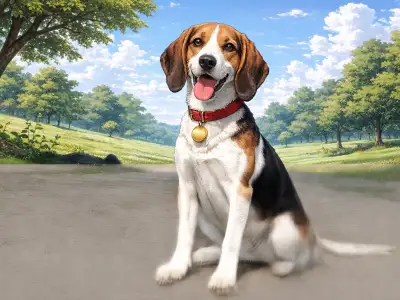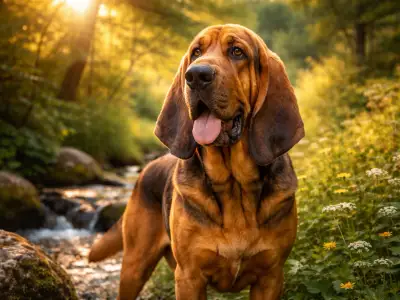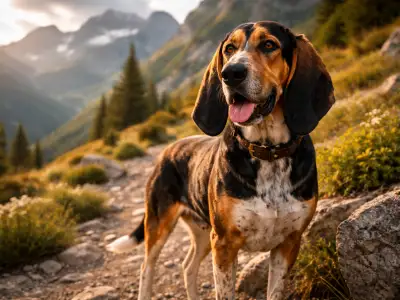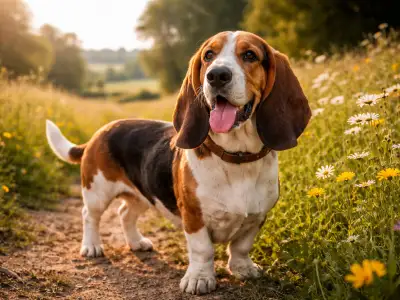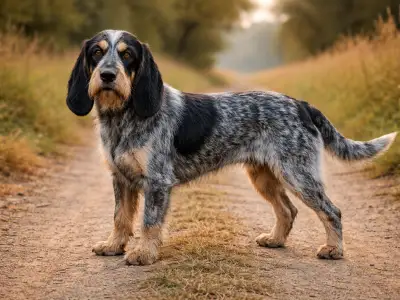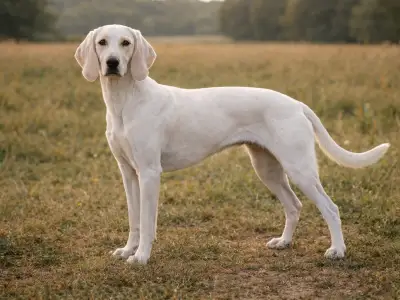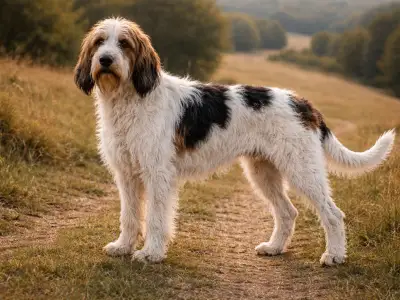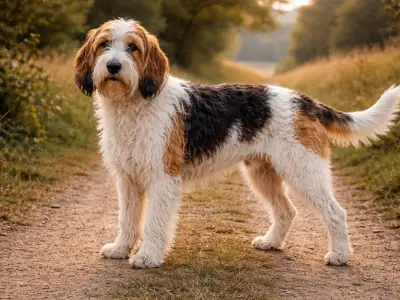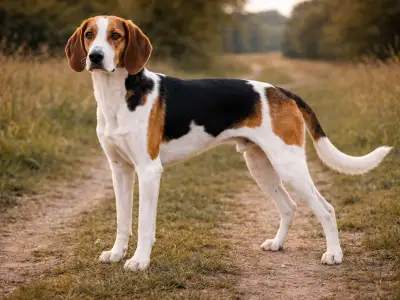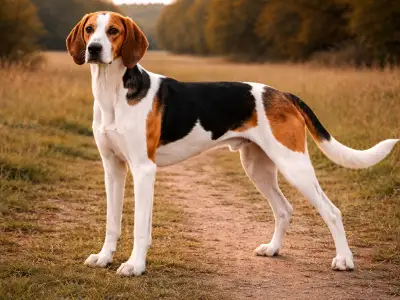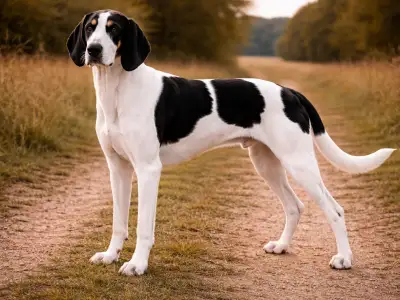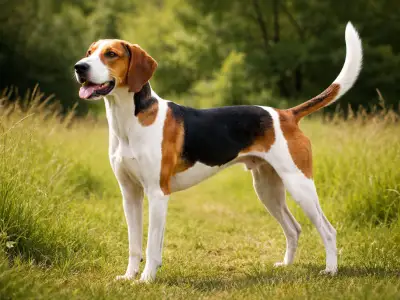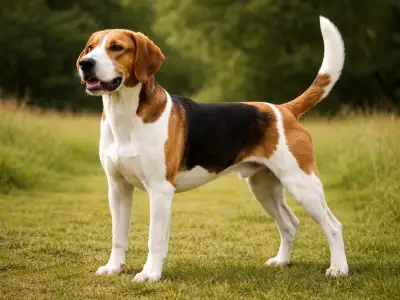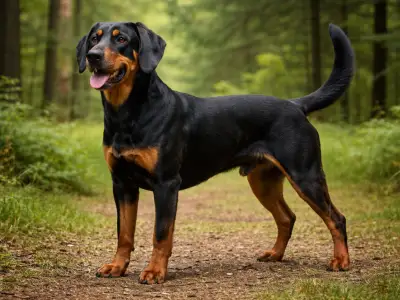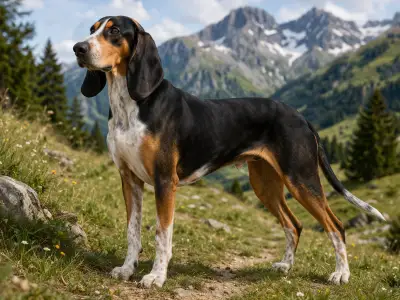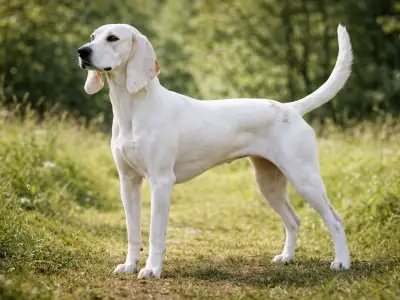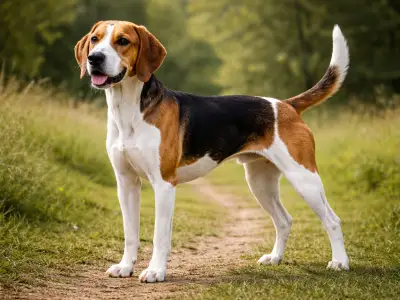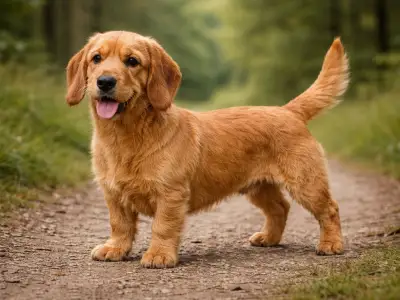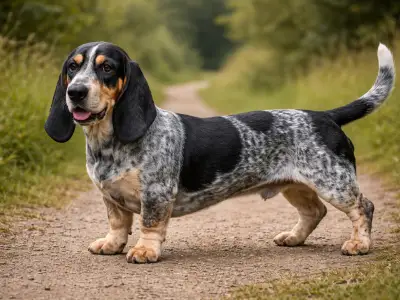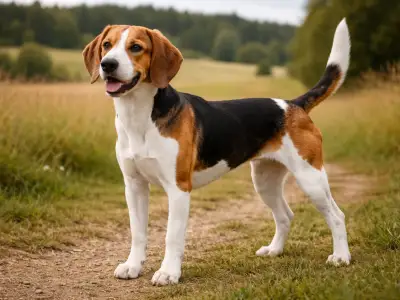
Anglo-French Hound
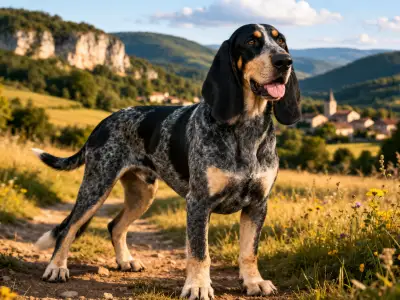
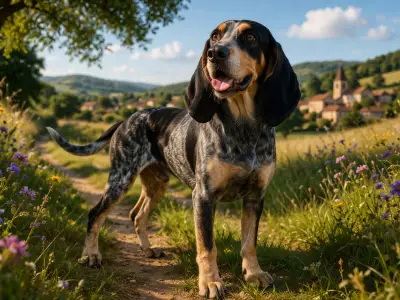
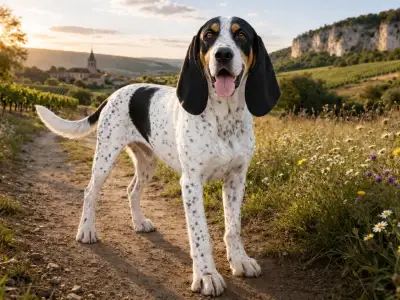
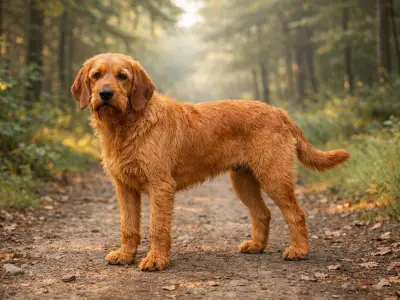
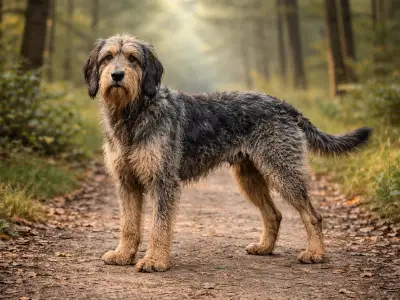
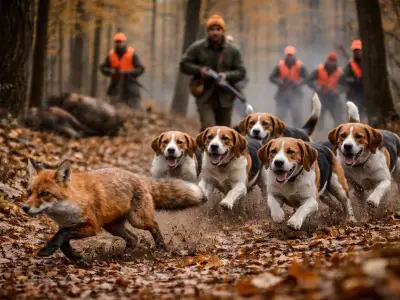
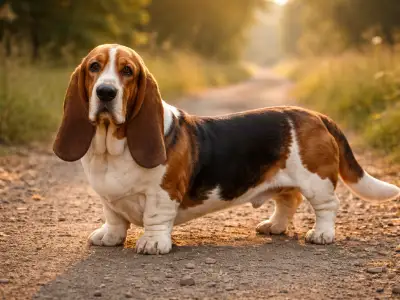
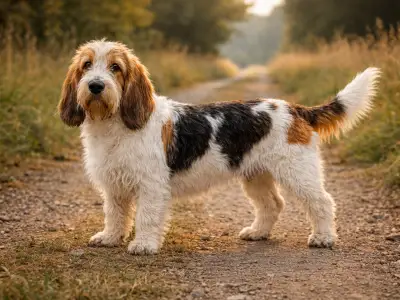
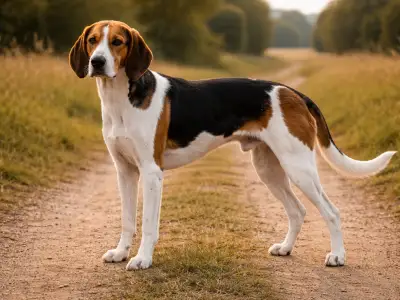
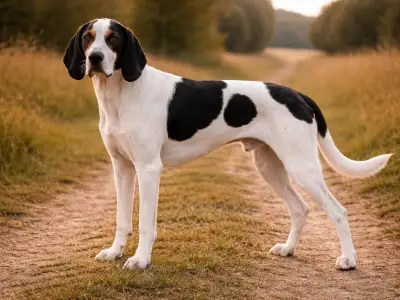
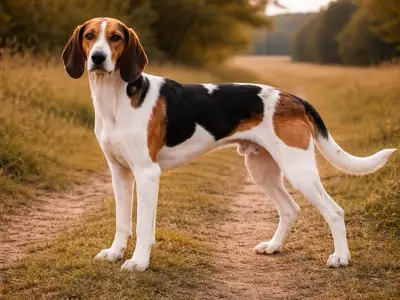
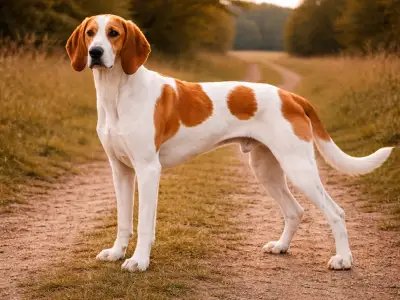
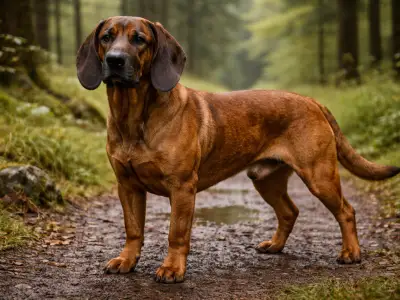
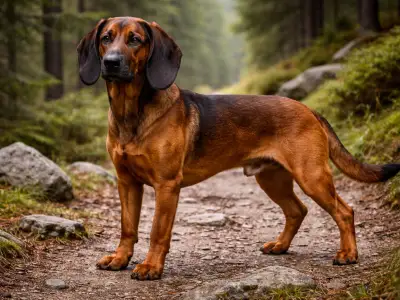
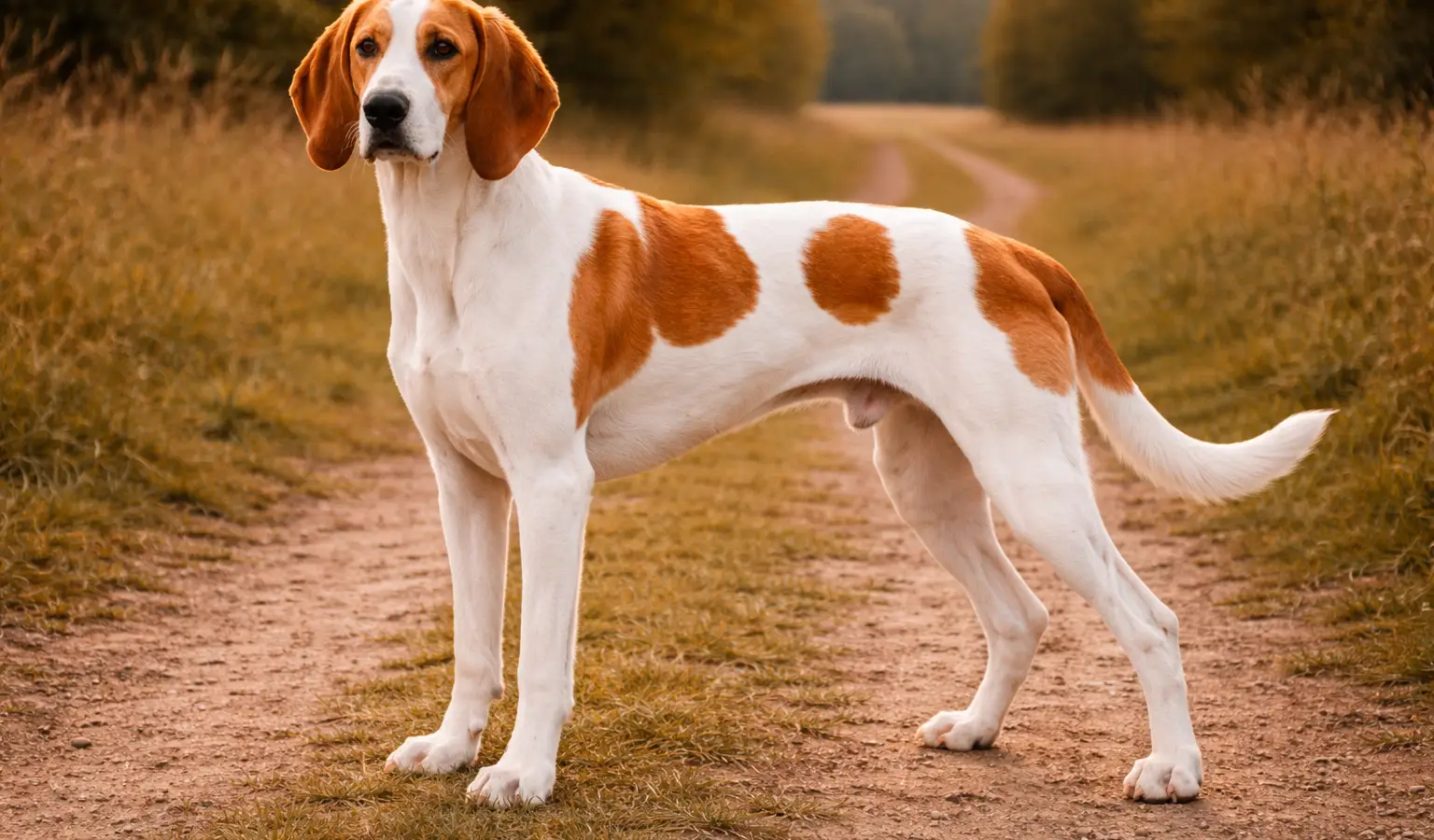
Anglo-French Hounds refer to a group of pack scenthounds developed from crosses between French and English hounds. Typically athletic, enduring and gifted with excellent noses, they are driven trail workers with strong hunting instincts. Very sociable with other dogs, they require plenty of exercise, space and consistent training, as prey drive and focus can be intense once they pick up a scent.
Life expectancy
10 – 13 years
Price
900 – 1600 €
Monthly budget
80 €
Size
Large
Profile
Anglo-French Hound
Origin
France
Year of origin
1900
Developed by
French and English hunters
Size
Large
Coat type
Short coat
Owner profile
Experienced owner
Hypoallergenic
No
Litter size
7
Life expectancy
10 – 13 years
Price
900 – 1600 €
Female
- Height : 58 – 64 cm
- Weight : 28 – 34 kg
Male
- Height : 60 – 68 cm
- Weight : 30 – 38 kg
Temperament & abilities
Affectionate
3/5
Calm
3/5
Independent
5/5
Intelligence
4/5
Obedience
2/5
Hunting instinct
5/5
Energy level
5/5
Good with children
3/5
Dog-friendly
4/5
Friendly with strangers
2/5
Hunting profile
Stamina
5/5
Hunting drive
5/5
Independence
4/5
Trainability
3/5
Beginner-friendly
2/5
Family compatibility
3/5
Feather game
0/5
Fur game
4/5
Underground work
0/5
Water work
0/5
These indicators help compare breeds and choose the right one for your hunting style.
Game & abilities
Estimated ability level by game type.
Budget
Purchase price
900 – 1600 €
The price may vary depending on the breeder, bloodline, and region.
Average monthly cost
80 €
Estimated average: food, healthcare, accessories, and grooming.
A pack-minded scent hound with stamina, nose, and serious working drive
Is the Anglo-French Hound a Good Hunting Dog?
The Anglo-French Hound is generally a very capable hunting dog for hunters who want a true scent hound built for following game over distance rather than a highly versatile all-round gun dog. Its main strengths are nose, stamina, determination, and a purposeful working style on scent. In practical terms, this breed tends to make the most sense for tracking and pursuing game in traditional hound work, especially where endurance, voice, and commitment on a line matter more than close handler focus or polished off-lead precision.
In the field, the Anglo-French Hound is typically valued for its ability to carry scent across varied terrain and keep working when conditions become physically demanding. It is not usually chosen for flashy handling or tight quartering close to the gun. Instead, its working style is more independent, forward, and hound-like, with a strong instinct to follow odor and stay engaged in the chase. That can be a major advantage for organized hunting, but it also means recall and day-to-day control often require more effort than with breeds bred to work in closer partnership with the handler.
Training demands are real. This is not usually the easiest breed for a novice who wants instant compliance, because scent drive can easily outrank obedience if foundations are weak. Consistent recall training, early socialization, calm kennel and home routines, and plenty of structured exercise are important. Many individuals respond best to patient, repetitive training rather than heavy-handed correction. A well-managed Anglo-French Hound can be cooperative, but most will still retain the independent temperament typical of scent hounds.
For everyday life, the key question is whether the owner can realistically match the dog's energy level and mental needs. This breed is often better suited to rural homes, experienced hound people, and households that understand vocal behavior, strong prey interest, and the need for regular work. It may be less coherent for apartment living, casual pet homes, or owners expecting a reliable retrieve or constant off-leash freedom. For the right person, though, the balance is attractive: a hardy hunting dog with courage, stamina, and authentic hound character, provided its field instincts are respected rather than fought.
Powerful trailing nose
The Anglo-French Hound is valued first for scent work. In suitable lines, it can follow older ground scent with steadiness and enough honesty to keep pressure on game without rushing every turn. For hunters who want a true scent hound rather than a flashy but inconsistent worker, that nose is often the breed’s biggest practical asset.
Built for long pursuits
This is a hound made for distance, not short bursts. Its hunting style generally suits long outings over varied terrain, where endurance matters as much as speed. That stamina can be a major advantage on hare, fox, deer, or boar work depending on the strain and local use, but it also means the breed usually needs serious exercise outside the season.
Strong pack coordination
One of the breed’s most useful field qualities is how naturally it tends to operate within a pack. Many Anglo-French Hounds work best when they can honor other dogs, keep the line moving, and contribute without constant handler intervention. For traditional mounted or foot hunting with multiple hounds, that cooperative style is often more valuable than flashy independence.
Drive on moving game
When game is up and running, this hound often shows the determination hunters look for in a pursuit dog. It is not just about finding scent, but about maintaining effort once the chase becomes physically demanding and mentally messy. Good individuals can stay engaged through changing conditions instead of losing focus as the track heats up or spreads out.
Clear, readable voice
As with many scenthounds, voice can be an important working feature. Anglo-French Hounds are often appreciated for giving useful tongue on scent, helping hunters read what is happening during a chase, especially in thick cover or broken country. That audible style is practical in the field, though it also means they are rarely the best fit for owners expecting a quiet suburban dog.
Best with experienced handling
The breed’s hunting strengths come with a clear condition: it usually shines most under handlers who understand hound behavior. Its nose, independence, and chase instinct can make it effective on game, but not especially easy for a novice wanting tight off-lead control. In the right hunting home, that self-directed working style is a strength; in the wrong one, it can feel challenging.
Who the Anglo-French Hound suits best
The Anglo-French Hound is usually a better fit for an experienced scent-hound owner, a serious hunter, or a very active rural household than for a casual pet home. This is a pack-oriented hunting dog developed to follow scent over distance, often with stamina, voice, and determination that can overwhelm owners expecting an easygoing companion. It tends to suit people who enjoy structured exercise, consistent handling, and life outdoors, especially those who appreciate hound behavior rather than trying to suppress it.
In practical terms, the breed often suits hunters working on foot or in organized hound settings, and active owners with secure space, time, and tolerance for a strong nose-led temperament. It is often less suitable for apartment living, low-activity households, first-time dog owners, or anyone wanting an off-leash dog with highly biddable recall. Common mismatches include homes that are away all day, expect quiet indoors, or cannot manage the breed's drive, vocal tendencies, and need for purposeful activity. With the right outlet and handling, though, it can be a capable working partner and a steady companion at home.
How French pack-hound tradition and English influence shaped the breed’s modern character
Origin and development of the Anglo-French Hound
The Anglo-French Hound, or Anglo-Francais, was developed in France by crossing established French scenthounds with English foxhound-type dogs to combine stamina, speed, and a powerful nose. The name refers less to a single ancient breed than to a purposeful hunting type refined for pack work, especially on large game. In practical terms, its history explains much of what owners and hunters still see today: a dog built to follow scent over distance, work cooperatively with other hounds, and stay driven in demanding terrain.
French hound breeding has long been regional and functional, with hunters selecting dogs for the quarry, landscape, and style of hunting they needed. English influence was introduced to add pace, endurance, and a more racy outline, while French lines contributed depth of nose, voice, and pack instinct. As with many old working hounds, exact historical details can vary by line and period, but the overall pattern is clear: this is a dog shaped more by field performance than by companion-dog fashion.
That working origin is important when judging the breed today. Anglo-French Hounds are generally energetic, scent-led, and most at ease when they have space, routine, and a job to do. Their cooperative nature can make them effective in a hunting pack, but it may also mean they are less naturally handler-focused than some versatile gundogs. Training often benefits from patience, repetition, and an understanding that scent can compete strongly with recall or off-lead control.
For modern life, the breed tends to suit people who genuinely appreciate hound behavior rather than those expecting an easy, low-maintenance family pet. Many individuals can live well in a home environment if their exercise and mental needs are met, but daily life usually goes best with room to move, secure containment, and owners comfortable with a vocal, active dog. For hunters, the breed’s background points to clear strengths in endurance, nose, and pack work; for non-hunters, the same history suggests a dog that can be rewarding, but usually not casual, to manage.
Built from French and English hound lines
The Anglo-French Hound developed from crosses between French pack hounds and English foxhound-type dogs, with selection aimed at preserving scenting skill, stamina, and a practical working frame. The name covers several related hunting hounds rather than a single highly uniform pet-bred type, which helps explain why individuals can vary somewhat in style, size, and intensity.
Selected for pack hunting
This is a scent hound shaped above all for coordinated work with other dogs. Traditionally, breeders valued nose, voice, endurance, and the ability to stay focused on game over distance. That background usually produces a dog that is social with other hounds, purposeful outdoors, and less naturally handler-focused than breeds developed mainly for close, constant human cooperation.
Driven, vocal, and scent-led
In the field, the Anglo-French Hound tends to rely on its nose first and can become very committed once it picks up a trail. Many also use their voice freely, which is normal in a working scenthound but can be challenging in suburban life. Daily handling often requires patience, secure boundaries, and realistic expectations about recall around strong scent distractions.
Best with space and serious exercise
This is usually not an easy breed for a sedentary home. Most Anglo-French Hounds do best when they have room to move, regular outdoor time, and structured physical and mental activity beyond a short walk. A rural setting, access to safe open areas, and an owner who understands high-energy hunting dogs generally suit them better than compact city living.
Manageable coat, demanding routine
Coat care is typically straightforward, with basic brushing and routine checks often being enough for day-to-day maintenance. The more important question is lifestyle management: exercise, scent-based enrichment, calm kennel or home habits, and consistent training. Without enough to do, some individuals may become noisy, restless, or difficult to settle, especially during adolescence and early adulthood.
A better match for experienced owners
For the right person, the Anglo-French Hound can be hardy, affectionate in a simple hound-like way, and deeply satisfying to work. It is usually a better fit for active hunters or experienced scent hound owners than for first-time dog keepers. Success often depends on accepting the breed’s instincts rather than trying to turn it into an easy off-lead companion dog.
Practical answers on hunting ability, training, exercise, housing, and family fit
Anglo-French Hound hunting and daily life FAQ
Is the Anglo-French Hound a good hunting dog for modern hunters?
The Anglo-French Hound was developed as a working scenthound, so hunting ability is central to the breed rather than a side trait. In the right hands, many individuals show strong nose work, stamina, pack sense, and a real willingness to follow game scent over distance. That said, suitability depends on the line, the type of quarry, local hunting style, and how the dog is started and handled. It often suits hunters who want an active, voicey hound with genuine drive, not someone looking for a quiet, low-maintenance companion that only hunts occasionally.
Are Anglo-French Hounds easy to train, or are they too independent?
They are usually trainable, but not in the same way as a highly handler-focused gundog or herding breed. Many Anglo-French Hounds are intelligent and capable, yet once scent takes over they can seem selective about listening, especially outdoors. Training tends to go best with repetition, calm consistency, clear routines, and plenty of reward for recall, lead manners, and impulse control from an early age. A novice owner can succeed, but only if they accept that hound training often means managing instincts rather than trying to erase them.
Can an Anglo-French Hound live as a family dog if it also comes from hunting lines?
Often yes, but it is rarely the easiest choice for a casual pet home. A well-bred, well-exercised Anglo-French Hound can be affectionate, social, and pleasant with people, especially when raised with steady boundaries and daily structure. The challenge is that hunting lines usually bring endurance, scent drive, and a need for meaningful activity, so family life works best when the dog still gets regular training, long exercise, and mental outlets. Homes that enjoy outdoor routines and can tolerate some hound voice generally cope far better than quiet households wanting a very settled indoor dog.
How much exercise does an Anglo-French Hound really need day to day?
This is generally not a breed for a couple of short walks around the block. Most Anglo-French Hounds need substantial daily movement along with chances to sniff, track, and use their brain, not just free running without purpose. In practical terms, owners should expect long walks, controlled conditioning, training sessions, and scent-based activities several times a week, with more needed for younger or highly driven dogs. Under-exercised hounds may become noisy, frustrated, restless, or hard to manage because their natural working energy has nowhere useful to go.
Is the Anglo-French Hound suitable for apartment living or a small home?
Usually it is not the most natural fit for apartment life, even if an individual dog is calm indoors. This breed type often combines athletic stamina, a strong nose, and a tendency to vocalize, which can be difficult to accommodate in tight spaces and densely populated areas. A rural or semi-rural setting with secure outdoor access is often easier, but space alone does not solve the problem if the dog lacks training and proper exercise. What matters most is whether the owner can provide daily management, controlled freedom, and enough activity to keep a working hound mentally satisfied.
Who is the Anglo-French Hound best suited to: experienced hunters, active families, or first-time owners?
The breed usually suits experienced hound people and committed hunters better than first-time dog owners. It can also work for a very active family that genuinely understands scent hounds and has time for training, supervision, and regular outdoor life. It is less suitable for owners who want strong off-lead reliability in busy areas, a dog that is easy to entertain with minimal effort, or a breed that naturally checks in every few seconds. The best match is often someone who appreciates independent working instincts and is willing to build daily life around them.
What are the biggest challenges of living with an Anglo-French Hound outside the hunting field?
The main challenges are usually recall, scent distraction, vocalization, and meeting the breed's exercise needs consistently. Many hounds are friendly enough in the home, but once outdoors they may become very focused on smells and less responsive than owners expect if training has not been built carefully. Some also struggle with boredom when left with too little to do, which can show up as pacing, howling, or persistent searching behavior. People who do best with the breed tend to think ahead about secure fencing, structured routines, and safe outlets for natural tracking instincts rather than relying on obedience alone.