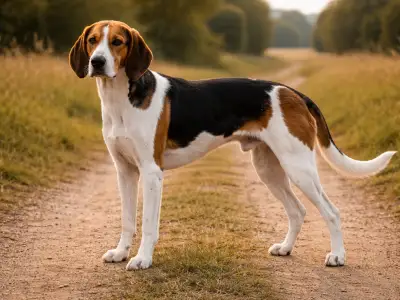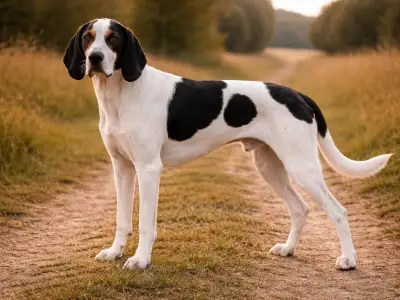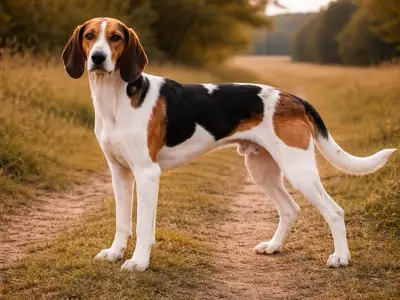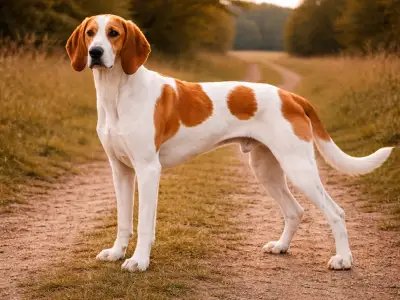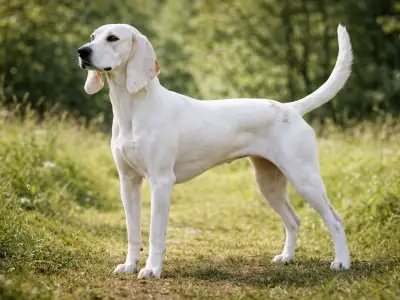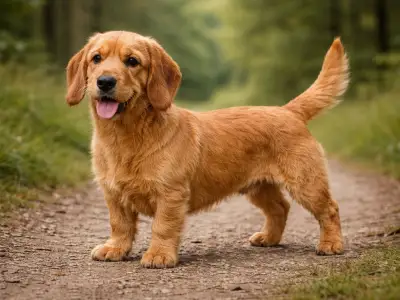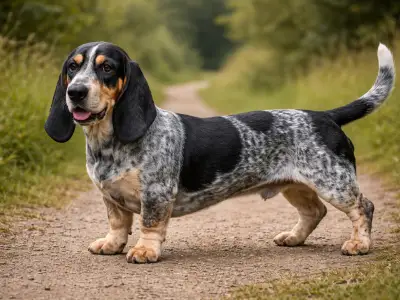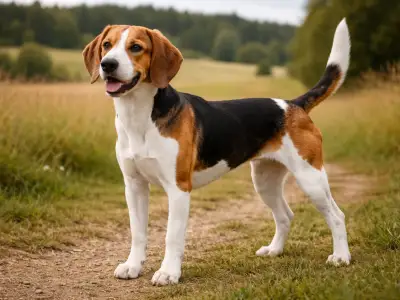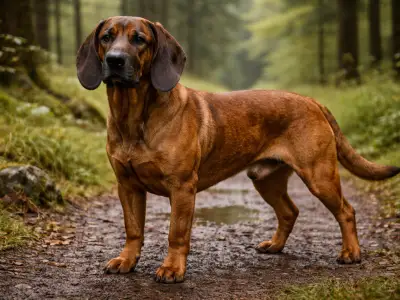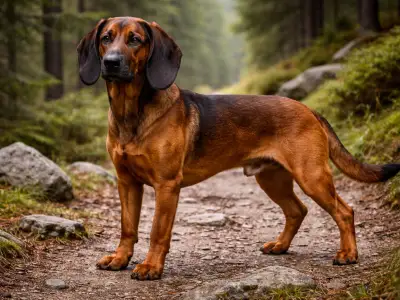
Harrier
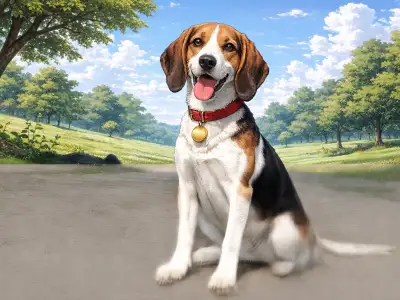
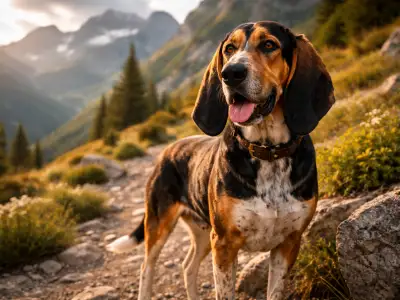
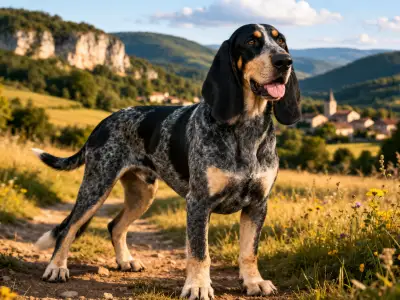
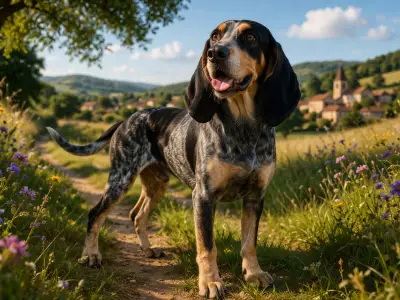
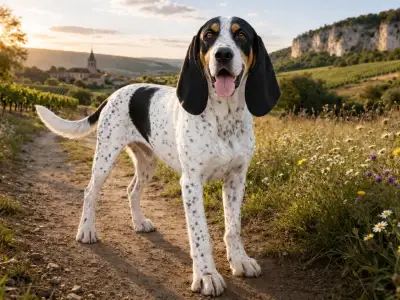
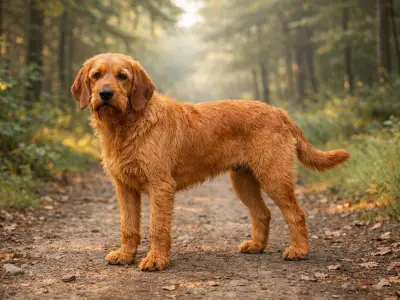
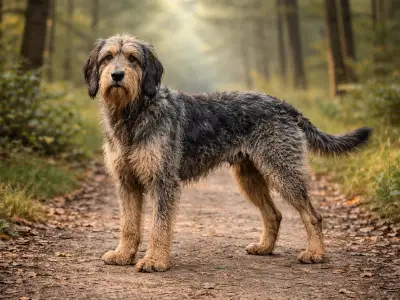
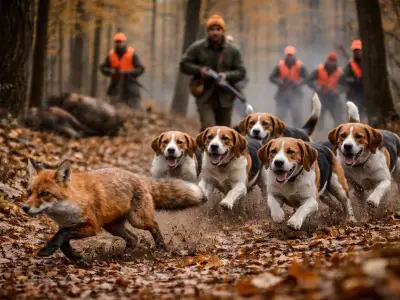
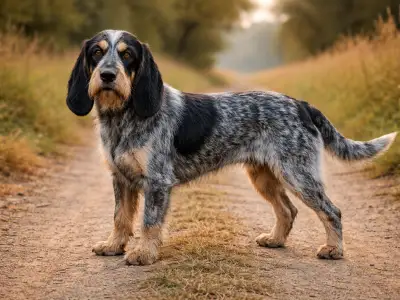
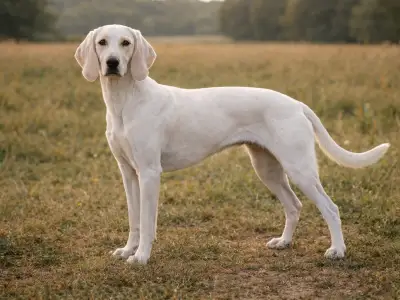
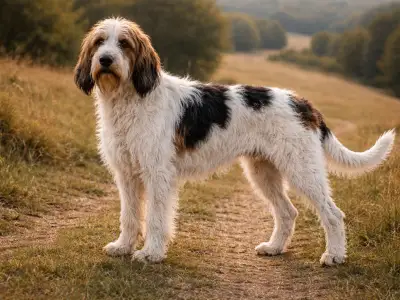
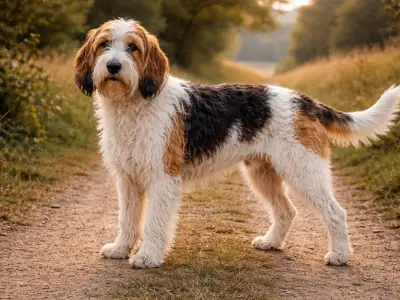
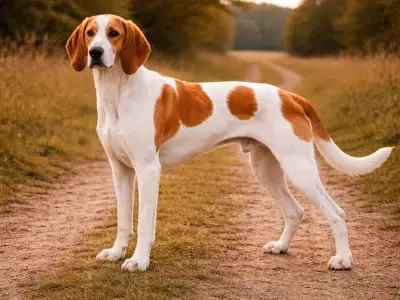
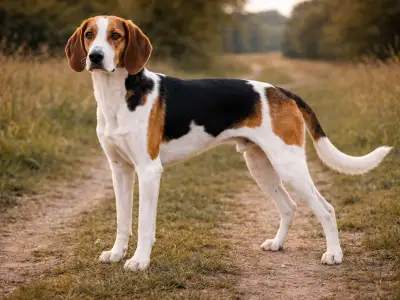
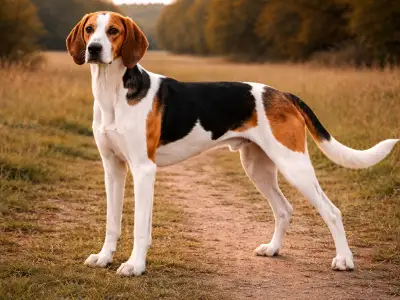
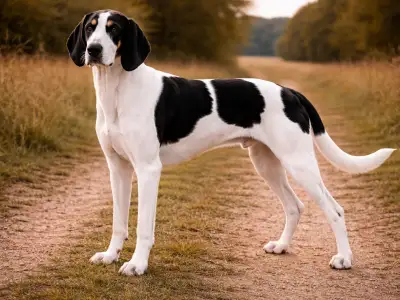
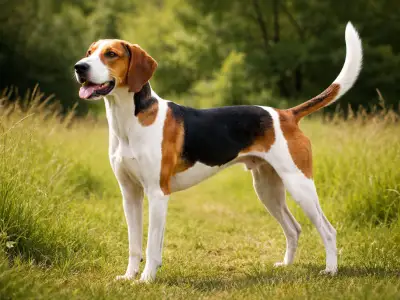
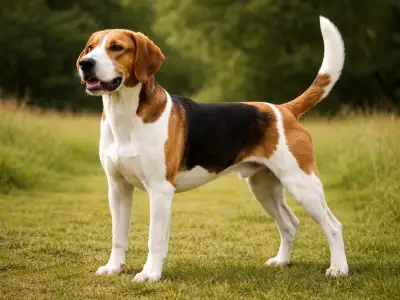
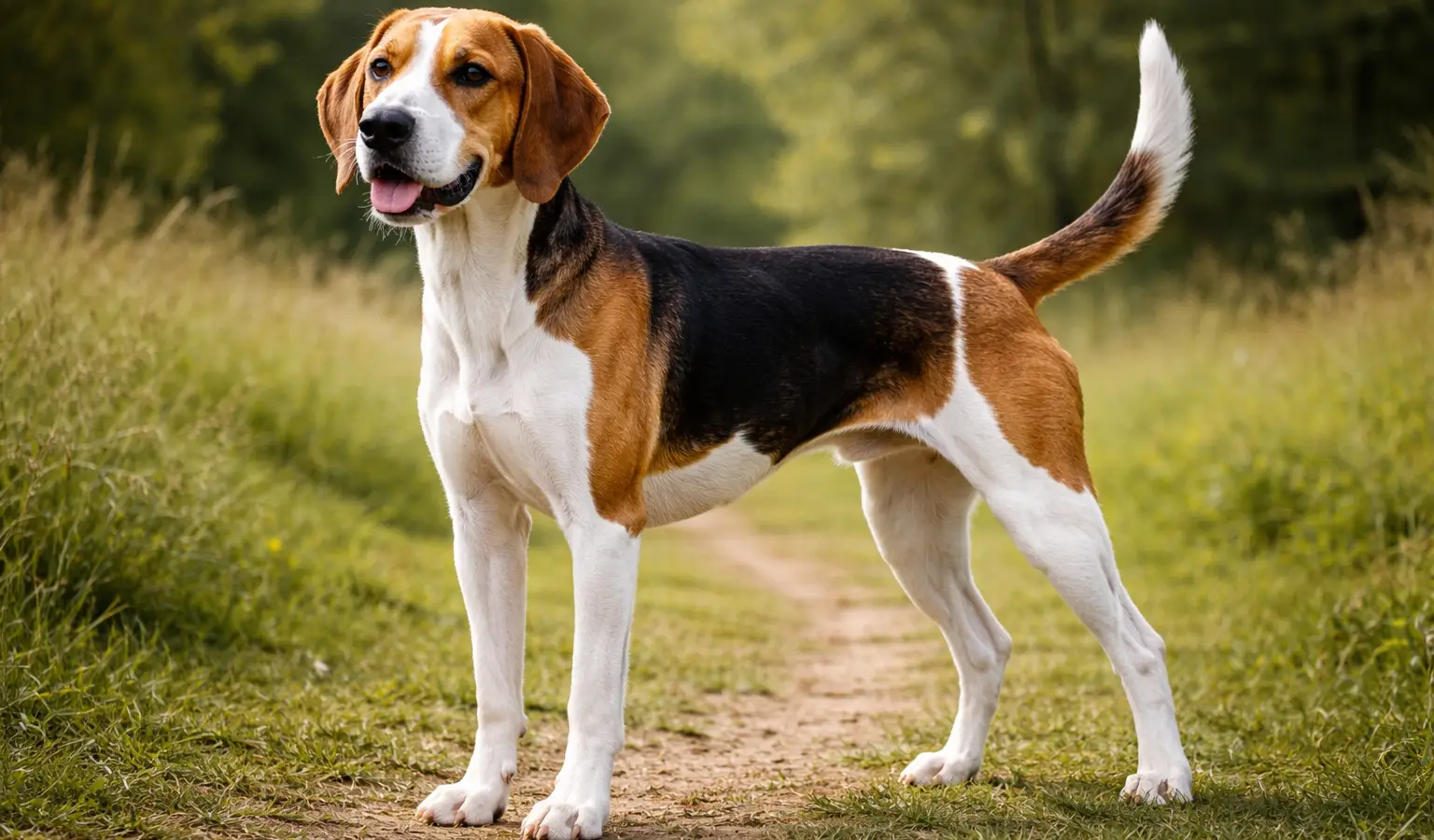
The Harrier is a medium-sized British scenthound, similar to a smaller Foxhound, historically used for hare hunting. Enduring, lively and equipped with an excellent nose, it enjoys pack work and can become highly focused when on scent. Friendly and cheerful, it needs plenty of daily exercise, scent games and consistent training to channel its energy and chase drive.
Life expectancy
12 – 14 years
Price
800 – 1400 €
Monthly budget
65 €
Size
Medium
Profile
Harrier
Origin
United Kingdom
Year of origin
1800
Developed by
English huntsmen
Size
Medium
Coat type
Short coat
Owner profile
Active owner
Hypoallergenic
No
Litter size
7
Life expectancy
12 – 14 years
Price
800 – 1400 €
Female
- Height : 48 – 53 cm
- Weight : 18 – 25 kg
Male
- Height : 50 – 56 cm
- Weight : 20 – 27 kg
Temperament & abilities
Affectionate
4/5
Calm
3/5
Independent
4/5
Intelligence
4/5
Obedience
3/5
Hunting instinct
5/5
Energy level
5/5
Good with children
4/5
Dog-friendly
5/5
Friendly with strangers
4/5
Hunting profile
Stamina
5/5
Hunting drive
4/5
Independence
4/5
Trainability
3/5
Beginner-friendly
3/5
Family compatibility
4/5
Feather game
0/5
Fur game
4/5
Underground work
0/5
Water work
0/5
These indicators help compare breeds and choose the right one for your hunting style.
Game & abilities
Estimated ability level by game type.
Budget
Purchase price
800 – 1400 €
The price may vary depending on the breeder, bloodline, and region.
Average monthly cost
65 €
Estimated average: food, healthcare, accessories, and grooming.
A steady scent hound with stamina, voice, and a practical nose for traditional trailing work
Is the Harrier a good hunting dog?
The Harrier is generally a good hunting dog for people who want a true scent hound rather than an all-purpose gun dog. Its strongest qualities are nose work, stamina, and the willingness to keep moving over ground for long periods while following scent. In practical terms, Harrier hunting ability makes the most sense in hare, rabbit, or similar trailing work where methodical searching, persistence, and pack-oriented hound behavior are valued more than close handler focus or fast, highly technical obedience.
In the field, the Harrier tends to work with a classic hound style: head and nose engaged, covering ground with purpose, and often showing more independence than many retriever or versatile breeds. That independence can be an advantage when the dog is asked to solve scent problems in changing terrain, but it also means handling is not always as easy or immediate as with more biddable breeds. Recall, steadiness around game scent, and responsiveness under distraction usually need patient, repetitive training. A Harrier may be trainable and cooperative, but it is rarely a breed chosen for precision handling first.
Its main strengths are endurance, determination, and a balanced temperament that can suit active owners outside hunting season as well. A well-kept Harrier often has the energy for long walks, tracking-style activities, and busy family life, but this is not a low-maintenance dog. Without enough physical work and scent-based outlets, some individuals may become noisy, restless, or overly driven by interesting smells. For that reason, the breed usually suits owners who genuinely enjoy giving a dog regular outdoor time rather than those who only want occasional exercise.
- Best use cases: scent hound work, trailing game, active rural homes, owners who enjoy long outings
- Less ideal for: highly controlled close work, very polished off-lead handling, sedentary households
- Key demands: recall training, consistent structure, secure spaces, and enough daily activity
For a hunter comparing breeds, the Harrier is most coherent as a traditional hunting hound with family-dog potential, not as a specialist retrieve dog or a breed built around constant handler contact. If you value nose, voice, courage, and stamina, it can be a compelling choice. If you want instant responsiveness, quiet indoor living, and easy off-switch energy, other hunting breeds may feel more convenient day to day.
Honest trailing nose
The Harrier is valued first as a scent hound, and its main hunting asset is a steady, workable nose rather than flashy speed alone. In practice, that means a dog that can stay on a line with patience, sort out older scent, and keep game moving in a controlled way, especially on hare- and fox-type quarry where persistence matters.
Built for long chases
One of the breed’s clearest strengths is stamina. A well-conditioned Harrier can cover ground for long periods without losing purpose, which is why the breed has long been associated with extended pursuit rather than quick, short-range work. For active hunters, this endurance is a real advantage, but it also means daily life usually requires substantial exercise and regular outlets for energy.
Strong pack sense
The Harrier often shows its best qualities when working with other hounds. Good pack sense helps it settle into a collective rhythm, follow the line without constant competition, and contribute to a consistent hunt. That makes the breed especially appealing to hunters who value traditional hound work, though solo handling can depend more heavily on individual breeding and training.
Useful hound voice
Like many scent hounds, the Harrier is appreciated for giving voice on the trail. A clear, regular cry can help handlers read progress, judge direction, and stay connected to the hunt when the dogs are working out of sight. For hunting use, that vocal style is a practical asset; in a suburban home, it can be a trait owners need to manage thoughtfully.
Steady, not overly sharp
The Harrier is generally more methodical than explosive, which can be a benefit in real field conditions. Instead of rushing every problem, many dogs work with a measured style that supports line control and concentration. This usually suits hunters who enjoy traditional scent hound performance and can live with a dog that may be independent-minded rather than instantly obedient at distance.
Best for scent-hound hunters
As a hunting dog, the Harrier tends to suit people who want a true running hound: active, vocal, scent-driven, and happiest with regular work. It is not usually the first choice for versatile pointing or retriever-style tasks, but for hunters drawn to trailing, pursuit, and classic hound character, the breed can be a very coherent fit.
Who the Harrier suits best
The Harrier usually suits a person who genuinely enjoys living with a scent hound rather than simply liking the idea of one. This breed often fits active hunters who value stamina, nose work, and a cheerful, workmanlike companion for rabbit or hare hunting, especially where methodical trailing matters more than flashy speed. Outside the field, the best match is an owner who can provide regular exercise, structured training, and outlets for tracking instincts. Many Harriers do well in busy, outdoorsy homes, but they are rarely the easiest choice for someone wanting a highly biddable, off-leash-oriented dog with little independent streak.
- Best for: active hunters, runners, hikers, and experienced hound owners who can manage scent-driven behavior.
- Usually less suitable for: very sedentary households, people away all day, or first-time owners expecting instant recall and effortless obedience.
- Common mismatch: a home with too little exercise, too little mental work, and too much frustration about sniffing, vocalizing, or following a trail.
If you want a friendly, energetic hunting dog and family companion, the Harrier can be a rewarding fit. If you want a low-maintenance pet that naturally stays close and switches off easily, another breed may be simpler to live with.
An English hunting hound developed for following hare over long distances
Harrier history: how the breed was shaped for scent, stamina, and pack work
The Harrier is generally understood to be an old British scent hound developed for hunting hare, with roots that likely go back several centuries. Exact details of its foundation are not perfectly documented, which is common with long-established working breeds, but most historians place its development in England as a practical pack hound for mounted or foot hunters who needed endurance, a reliable nose, and the ability to work cooperatively over varied ground. In simple terms, the Harrier was bred less for show and more for steady field usefulness, and that history still helps explain the breed’s energetic, sociable, nose-led character today.
Traditionally, Harriers sat in a useful middle ground between smaller hare hounds and heavier foxhounds. Breeders appear to have selected for a dog agile enough to follow quick, twisting game, yet substantial enough to cover country for hours without fading. That balance is important when assessing the modern Harrier: this is usually not a decorative companion that happens to enjoy walks, but a true scent hound type with stamina, momentum, and a strong instinct to follow odor. Many individuals retain the independent streak common in scenthounds, which can make training very achievable in skilled hands, but rarely automatic or mechanically obedient.
Because the breed was developed to work in packs, the Harrier often carries a social, open temperament with other dogs and a noticeable desire to keep moving with purpose. Pack breeding also helps explain why many Harriers are people-friendly without being especially clingy, and why they may struggle if their daily life is too sedentary or mentally thin. For hunters, that background points to a hound suited to scent-driven work, covering ground, and maintaining effort rather than explosive speed alone. For families, it suggests a cheerful and robust companion, but one that usually needs more exercise, structure, and scent outlets than casual owners first expect.
In modern life, the Harrier remains relatively uncommon in many places, and that matters for buyers. Lines may differ depending on whether breeders have prioritized traditional hunting ability, general athleticism, or companion qualities. Still, the breed’s historical pattern stays fairly consistent: a practical hare hound built for endurance, teamwork, and nose work. People drawn to the Harrier usually do best when they genuinely want an active scent hound, not simply a medium-sized family dog. Understanding that origin is the clearest way to understand the breed’s present-day strengths, including drive, resilience, and sociability, as well as its likely limitations in off-leash reliability, boredom tolerance, and ease of first-time handling.
Pack hound roots
The Harrier is an old British scenthound developed for trailing game over long distances, most often in organized packs. Its exact early history is not fully settled, but the breed is generally associated with hare hunting and practical field work rather than show-ring refinement. That background still shapes its stamina, nose, and social style with other dogs.
Built to follow scent
This is a dog that tends to work nose-down, methodically, and with real persistence once it picks up a trail. Compared with some faster sight-oriented hunters, the Harrier is prized more for steady tracking, endurance, and teamwork. For hunters, that often means a dependable scenthound; for families, it means recalls can be challenging when scent drive takes over.
Friendly but busy
Many Harriers come across as cheerful, sociable, and open with people, especially when well raised and well exercised. They are usually less suited to a quiet, sedentary household than to an active home that enjoys routine, outdoor time, and training. Their temperament often combines good humor with a noticeable independent streak typical of hunting hounds.
Exercise is not optional
A short walk rarely satisfies a Harrier. Most need substantial daily activity, chances to use their nose, and enough structure to prevent boredom. Useful outlets can include long hikes, scent games, controlled running in secure areas, and regular training sessions. Without enough physical and mental work, some individuals may become noisy, restless, or determined escape artists.
Training needs patience
Harriers can learn well, but they are not usually the most automatic breed to train for precise off-leash control. Their strong scent focus and hound independence often reward calm repetition, food motivation, and consistent rules more than harsh corrections. Owners who enjoy cooperative training and realistic expectations tend to do better than those looking for instant obedience.
Best for active homes
The Harrier often fits best with experienced or committed owners who appreciate scenthounds and can provide space, routine, and supervision. It may suit hunters, runners, or very active families better than apartment dwellers wanting a low-maintenance companion. Daily life is typically easier in a home that accepts some voice, plans for secure containment, and truly enjoys an energetic dog.
Practical answers on hunting ability, training, family fit, exercise, housing, and owner suitability.
Harrier hunting and daily life FAQ
Is a Harrier a good hunting dog for modern hunters?
The Harrier was developed as a scent hound, and many individuals still show the nose, stamina, and persistence that hunters value. This breed is often better suited to people who enjoy following hounds work methodically rather than expecting a highly handler-focused pointing or retriever style. In the field, a Harrier may be most comfortable tracking game by scent over varied ground, especially when given enough conditioning and regular exposure. Actual hunting quality can vary with bloodline, experience, and training, so it is wise to assess the individual dog rather than rely on breed reputation alone.
Are Harriers easy to train, or are they too independent?
Harriers are trainable, but they are not usually the kind of dog that works in constant eye contact with the handler. Like many scent hounds, they can become very focused on odor and may seem selective about listening when the environment is exciting. Training tends to go best with short, consistent sessions, clear rewards, and a strong recall program started early. A patient owner who respects the breed’s hound nature usually gets farther than someone expecting instant obedience or repetitive drill work.
Can a Harrier live as a family dog if it also hunts?
Many Harriers can combine hunting ability with family life when they receive enough exercise, structure, and companionship. They are often sociable dogs and may do well in active homes that enjoy long walks, outdoor time, and training games. The main challenge is not usually aggression but energy, vocal tendencies, and the strong nose that can pull their attention away from household routines. A Harrier that hunts regularly or gets meaningful scent work is often easier to live with than one expected to be calm without an outlet.
How much exercise does a Harrier really need day to day?
This is not a low-maintenance hound. Most Harriers need substantial daily activity, and a brief walk around the block is rarely enough for long-term balance. A good routine often includes brisk walking, running in safe areas, scent games, tracking-style enrichment, and training that makes the dog use its brain as well as its body. Young adults in particular may be quite energetic, and without enough work they can become noisy, restless, or determined to make their own entertainment.
Is a Harrier suitable for apartment living or a small home?
A Harrier can struggle in tight housing if its physical and mental needs are not met every day. Space alone is not the only issue, but this breed’s activity level, scent drive, and possible baying or hound voice can make apartment life harder than with a quieter, lower-energy dog. Some individuals adapt better than others, especially with experienced owners who provide serious exercise and routine. In general, a home with easy access to secure outdoor areas and room for regular activity is a more natural fit.
Do Harriers get along with children and other pets?
With proper socialization, many Harriers are friendly, cheerful dogs that can live well with children and other dogs. They often enjoy company, which is one reason some hounds settle best in households that are active and engaged rather than quiet and sedentary. The main caution is prey drive: smaller pets may trigger chasing behavior, especially if introductions are rushed or management is loose. As with any scent hound, supervision, training, and honest assessment of the individual dog matter more than assuming every Harrier will behave the same way.
What kind of owner is the Harrier best for?
The Harrier usually suits an owner who genuinely likes hounds and understands that enthusiasm, nose work, and independence come with the package. This breed often fits active people who want a robust outdoor companion and may also appreciate hunting, tracking, or long-distance exercise. It is less ideal for someone wanting a highly biddable off-leash dog with minimal vocalization and low daily demands. First-time owners can succeed, but usually only if they are realistic about training, secure containment, exercise, and the patience a working scent hound often requires.