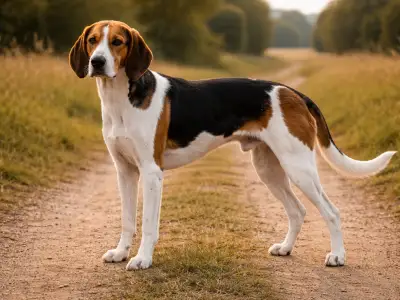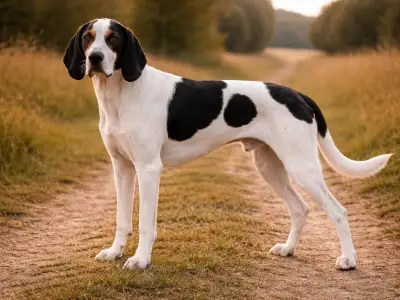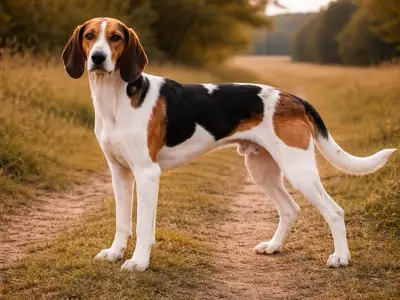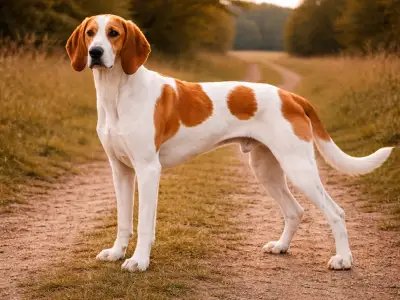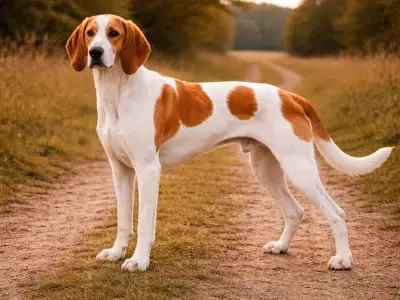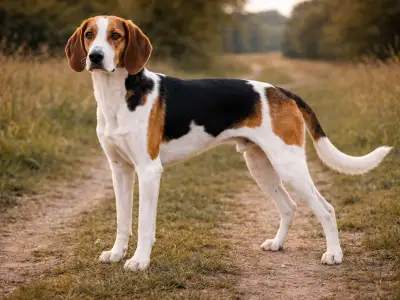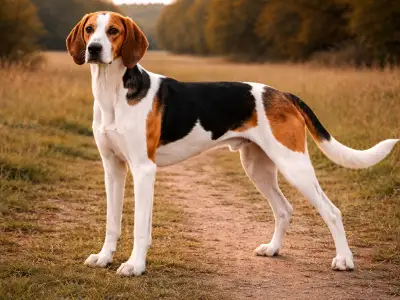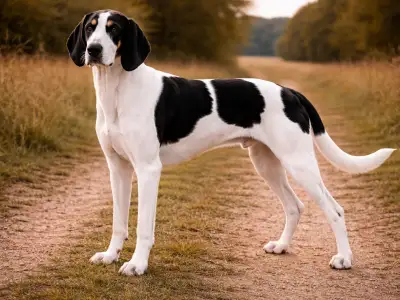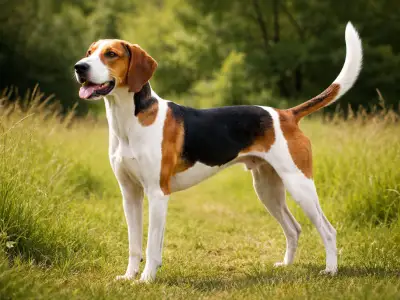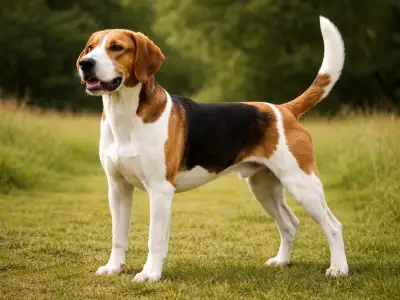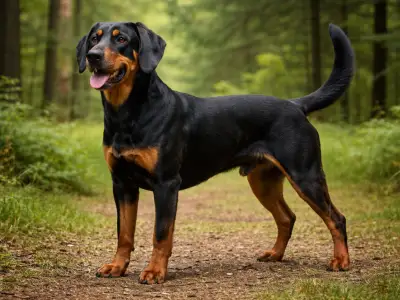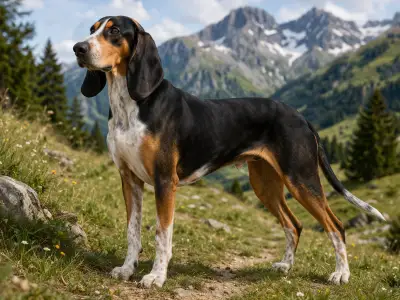
Basset Bleu de Gascogne
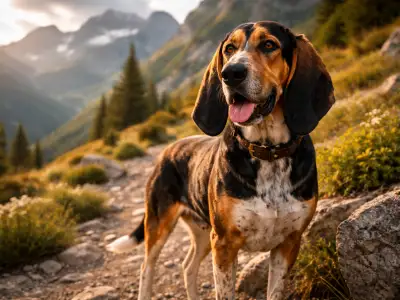
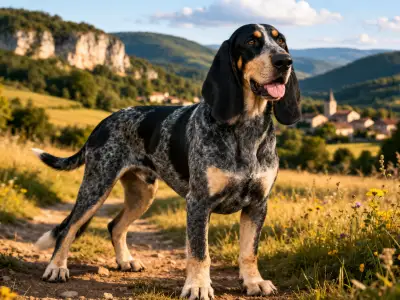
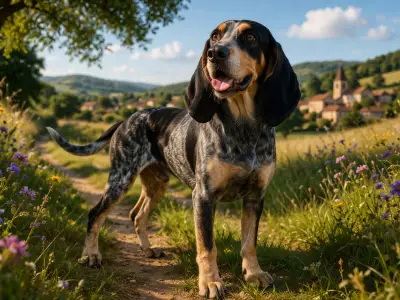
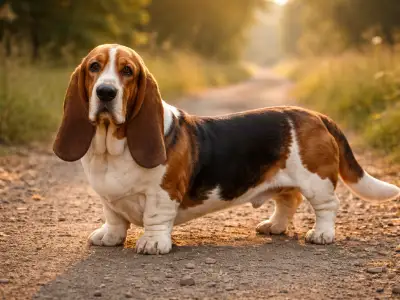
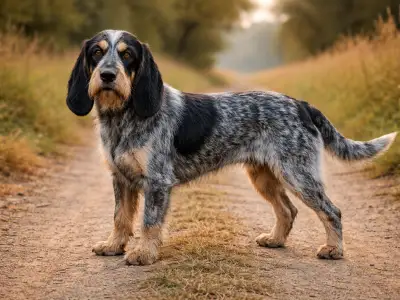
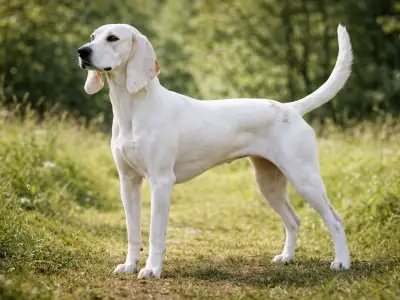
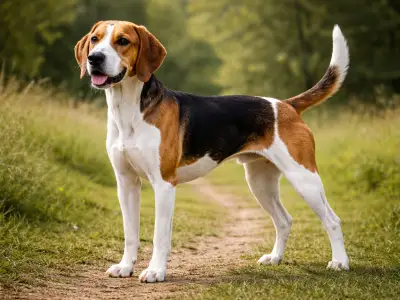
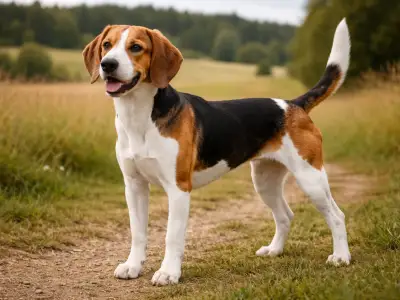
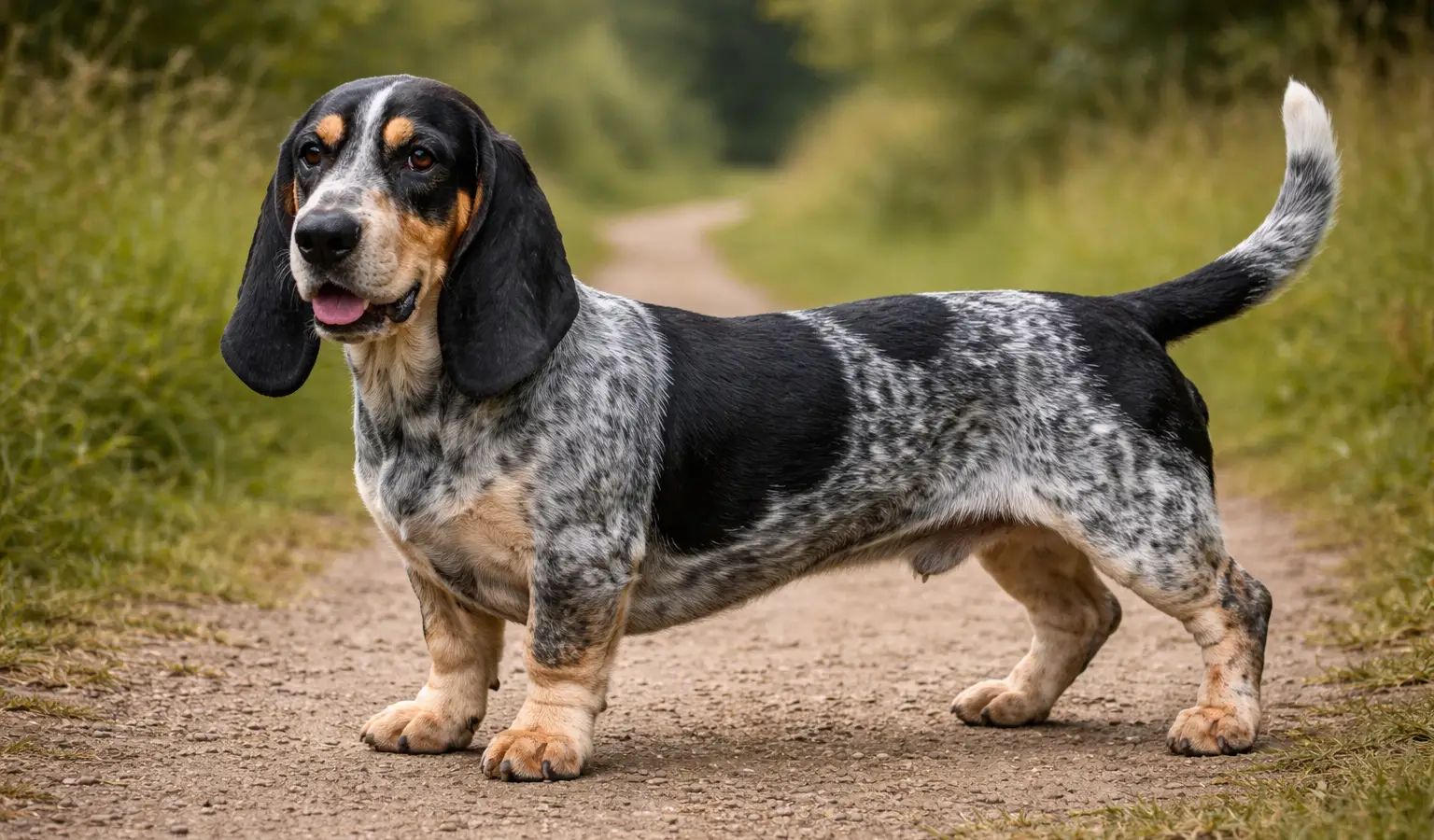
The Basset Bleu de Gascogne is a small French scenthound known for its blue-mottled coat and long ears. Despite its size, it is enduring, methodical on the trail and gifted with an excellent nose, often used for rabbit and hare hunting. Usually gentle and sociable, it is still a true hunting hound that needs regular exercise, scent activities and patient training—especially recall work.
Life expectancy
11 – 14 years
Price
900 – 1500 €
Monthly budget
65 €
Size
Small
Profile
Basset Bleu de Gascogne
Origin
France
Year of origin
1919
Developed by
French hunters (Gascogne region)
Size
Small
Coat type
Short coat
Owner profile
Calm owner
Hypoallergenic
No
Litter size
6
Life expectancy
11 – 14 years
Price
900 – 1500 €
Female
- Height : 34 – 38 cm
- Weight : 16 – 18 kg
Male
- Height : 34 – 38 cm
- Weight : 18 – 20 kg
Temperament & abilities
Affectionate
4/5
Calm
4/5
Independent
3/5
Intelligence
3/5
Obedience
3/5
Hunting instinct
5/5
Energy level
2/5
Good with children
4/5
Dog-friendly
4/5
Friendly with strangers
4/5
Hunting profile
Stamina
4/5
Hunting drive
4/5
Independence
3/5
Trainability
3/5
Beginner-friendly
3/5
Family compatibility
4/5
Feather game
0/5
Fur game
4/5
Underground work
0/5
Water work
0/5
These indicators help compare breeds and choose the right one for your hunting style.
Game & abilities
Estimated ability level by game type.
Budget
Purchase price
900 – 1500 €
The price may vary depending on the breeder, bloodline, and region.
Average monthly cost
65 €
Estimated average: food, healthcare, accessories, and grooming.
A capable small scenthound with a serious nose, steady voice, and a hunting style that suits patient handlers.
Is the Basset Bleu de Gascogne a Good Hunting Dog?
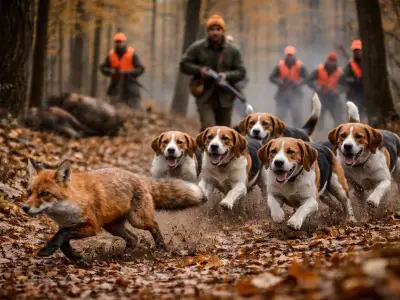
The Basset Bleu de Gascogne is generally a good hunting dog for hunters who want a true scenthound rather than a fast, highly handler-focused all-rounder. Its main strengths are nose, persistence, and the ability to work scent methodically at a manageable pace. In practical terms, this breed tends to make the most sense for trailing and driving game where careful scent work matters more than speed, especially on rabbit and similar quarry, though suitability can vary with line, country, and training.
In the field, the Basset Bleu de Gascogne usually works with a deliberate search pattern and plenty of determination. It is not built to cover ground like a larger hound, but its lower height can be an advantage in dense cover, rough hedgerows, and mixed terrain where a slower, more readable hound is useful. Many hunters appreciate the classic hound voice and the way the dog follows a line with patience rather than rushing. Courage is present in the sensible hound sense: this is typically a willing worker, but not a breed chosen for extreme power work or for handlers wanting speed and sharp turns at long range.
Handling is where expectations need to be realistic. Like many scent hounds, the Basset Bleu de Gascogne can be independent once it is on scent, and recall may be reliable only when heavily trained and carefully maintained. Trainability is often good in the context of fair, consistent hound training, but this is rarely a breed that works like a very biddable retriever or versatile pointing dog. It tends to respond best to repetition, clear routines, early exposure to the field, and a handler who understands that nose-led breeds often mature into their work rather than snapping into obedience overnight.
For everyday life, the balance is appealing for the right home. Energy level is moderate to fairly active rather than extreme, but this is still a working scenthound that needs regular exercise, scent outlets, and structure. Without enough activity, some individuals may become noisy, stubborn, or overly interested in following scent wherever it leads. As a family companion, it can be charming and affectionate, yet daily life is easiest for owners who accept hound traits: vocal tendencies, a strong nose, and a need for secure fencing.
- Best use cases: rabbit hunting, close-to-medium range scent work, slower hunting with easy-to-follow progress, dense cover, and hunters who enjoy traditional hound work.
- Less ideal for: people wanting tight off-lead control, a natural retrieve specialist, very high-speed work, or a highly versatile one-dog solution for every hunting task.
Cold-nose tracking
The Basset Bleu de Gascogne is valued first for its nose. It is typically a careful scent hound that can work older lines with patience rather than rushing the track. For hunters pursuing hare or rabbit in mixed terrain, that methodical scenting style can be a real advantage, especially when conditions are cool, damp, or otherwise difficult.
Clear trailing voice
Like many traditional French hounds, this breed is appreciated for giving tongue clearly on scent. A good voice helps the handler follow the progress of the chase without constant visual contact, which is useful in dense cover. In practical hunting, that audible communication often makes the dog easier to read than a quieter hound working out of sight.
Steady, not reckless
This is generally not a flashy, explosive hunter, and that can be a strength. The Basset Bleu de Gascogne often works in a measured, concentrated way, sticking to the line instead of overhunting. For handlers who prefer control, consistency, and fewer unnecessary wide casts, that calmer hunting rhythm may be easier to manage in everyday field use.
Built for long outings
Although low to the ground, the breed usually has solid endurance for prolonged work at its own pace. It is better thought of as a durable small-game hound than a short-burst specialist. On long walks, rough cover, and slower hunts where persistence matters more than speed, that stamina can be one of its most useful field qualities.
Strong small-game focus
The breed is most closely associated with hare and rabbit hunting, and that specialization matters. Its size, nose, and style suit hunters who want a compact scent hound for following ground scent in brushy country. It may be less appealing to people looking for a fast, highly versatile all-purpose gundog, but very relevant for traditional trailing work.
Works best with patient handling
Trainability is usually linked to hound temperament rather than instant obedience. The Basset Bleu de Gascogne can learn well with repetition, calm structure, and regular field exposure, but many individuals are independent on scent. It often suits owners who enjoy developing a tracking dog over time, not handlers expecting sharp, mechanical responses from day one.
Who the Basset Bleu de Gascogne suits best
The Basset Bleu de Gascogne tends to suit people who genuinely enjoy living with a scent hound rather than simply owning a rare French dog. For hunting, it is often a strong fit for the small-game enthusiast who values nose work, persistence, and a measured pace over outright speed. It can also suit active owners who like long walks, tracking games, and a dog with real field heritage. In family life, it usually fits best in a home that appreciates a vocal, scent-driven companion and can provide routine, patience, and regular outdoor time.
- Often a good match for: rabbit or hare hunters, rural or semi-rural homes, experienced hound owners, and families wanting an affectionate but purposeful dog.
- Potential mismatches: very tidy, noise-sensitive households; people expecting instant recall; owners with limited time for exercise and training; and homes where the dog will be bored indoors for long stretches.
- Best owner mindset: calm, consistent, and realistic about hound independence, with secure fencing and an interest in scent work or practical hunting use.
How an old French scent hound became a compact, methodical hunting companion
Origin and Development of the Basset Bleu de Gascogne
The Basset Bleu de Gascogne comes from southwestern France and is generally understood to be the low-set version of the larger Grand Bleu de Gascogne. Like many French hounds, its history is tied to regional hunting traditions rather than a single neatly documented founding moment, so some details are reconstructed from breed records and hunting use. What is clear is the direction of selection: breeders wanted a dog with the nose, voice, and persistence of a classic scenthound, but in a shorter-legged format better suited to slow, thorough work on foot.
That background helps explain the breed’s present-day style. The Basset Bleu de Gascogne was shaped to follow scent carefully rather than rush, to work game methodically, and to stay engaged over time. In practice, this usually means a hound with a strong tracking instinct, notable determination, and a tendency to think with its nose first. For hunters, that can be a real strength on rabbit, hare, and similar quarry, especially where patient line work matters more than speed. For family life, it often translates into a dog that is affectionate and companionable at home, but not especially casual about off-lead freedom once an interesting scent appears.
The breed’s development also points to its temperament. French pack-hound ancestry tends to favor sociability with other dogs, a good working voice, and a cooperative nature within a hunting routine. That does not always mean instant obedience in a pet setting. Many Basset Bleu de Gascognes respond best to calm, consistent handling and repetition, with training built around motivation rather than constant drilling. They are often manageable in size, but they are still very much working hounds in mindset.
For the right owner, that history is useful practical information, not just background. This breed often suits people who appreciate an old-style scenthound: steady, scent-driven, vocal to some degree, and happiest when given regular outlets for tracking and exploration. It may be less suitable for someone expecting a highly biddable, off-switch companion with minimal exercise and training needs. Its past as a purposeful hunting dog still shows in daily life, and that continuity is a large part of the breed’s appeal.
Old Gascony roots
The Basset Bleu de Gascogne comes from the old hound traditions of southwestern France, especially Gascony. It is generally considered a shorter-legged version of the Grand Bleu de Gascogne, developed to keep the strong nose and musical voice of French scent hounds in a more compact format suited to following game on foot.
Built for scent work
This is a scent hound first and foremost. The breed typically works with its nose down, tracing trails with patience rather than speed. In the field, that means methodical progress, audible tracking, and a steady style that can suit hunters who enjoy listening to a hound work rather than handling a fast, wide-ranging dog.
Gentle but hound-minded
At home, many Basset Bleu de Gascognes are affectionate, sociable, and easier to live with than their hunting background might suggest. Still, they often keep the independent streak common in scent hounds. Training usually goes best with calm repetition, food motivation, and realistic expectations rather than heavy pressure or constant drilling.
Best with space and routine
Although not an extreme athlete, this breed is rarely a good match for a very sedentary household. A secure yard, regular walks, and chances to sniff are important for balance. Country or semi-rural life often suits it well, especially where the dog can move, explore, and avoid long periods of boredom indoors.
Manageable care, regular upkeep
Coat care is usually straightforward, but overall maintenance should not be underestimated. Long ears, low stature, and an active outdoor routine mean owners often need to check for dirt, moisture, and minor scrapes after outings. Keeping the dog lean and well exercised also matters, as heavier hounds can become less comfortable and less agile.
Who this breed suits
The Basset Bleu de Gascogne can be a strong fit for people who appreciate traditional hounds, enjoy slow-paced tracking work, and do not expect instant obedience. It often suits patient owners and hunters who value nose, voice, and steady effort. It may be less suitable for those wanting an off-leash dog with highly responsive recall.
Practical answers for prospective owners, hunters, and families considering this French scent hound.
Basset Bleu de Gascogne FAQ: hunting, training, and daily life
Is the Basset Bleu de Gascogne a good hunting dog?
The Basset Bleu de Gascogne was developed as a scent hound, and many individuals still show strong tracking instinct, persistence on a trail, and a clear, carrying voice. It is generally better suited to methodical scent work than to fast, wide-ranging pursuit, so it often appeals to hunters who enjoy listening to hounds work and following a deliberate line. Its shorter legs can be an advantage in dense cover where a compact dog can keep pushing forward, but speed is not its main asset. As with any working breed, hunting quality varies with breeding, early exposure, conditioning, and handling.
What game is a Basset Bleu de Gascogne usually used for?
This breed is most often associated with hare, rabbit, and similar small game, where careful nose work and steady pursuit matter more than raw pace. In some contexts, scent hounds of this type may also be used on larger quarry, but that depends heavily on local tradition, bloodline, and the individual dog's drive and control. For most owners, it is safest to think of the Basset Bleu de Gascogne as a specialist in following scent rather than a highly versatile all-purpose hunting dog. If your main goal is practical field use, ask breeders and handlers what their dogs actively hunt rather than relying on breed reputation alone.
Is the Basset Bleu de Gascogne easy to train off leash and for recall?
Recall is often the biggest challenge with scent hounds, and the Basset Bleu de Gascogne is unlikely to be the exception. When a fresh scent pulls its attention away, obedience can become secondary, even in a dog that is affectionate and responsive at home. Training should focus on repetition, reward timing, and long-line work before expecting reliability in open areas. Many owners find that management is part of success, which may mean fenced exercise areas and realistic expectations rather than assuming this breed will behave like a close-working, handler-focused gundog.
Can a Basset Bleu de Gascogne live happily as a family dog if it does not hunt?
Many can adapt well to family life if their need for scent-based activity, exercise, and companionship is taken seriously. This is usually a sociable, expressive breed that enjoys being part of daily routines, but it may become noisy, frustrated, or stubborn if under-stimulated. Non-hunting homes often do best when they replace field work with tracking games, long walks, scent puzzles, and regular training sessions. A Basset Bleu de Gascogne may suit a family that likes outdoor time and accepts hound traits, but it is rarely an ideal match for people wanting a quiet, highly obedient, low-maintenance dog.
Is the Basset Bleu de Gascogne good with children and other dogs?
Well-raised individuals are often friendly and tolerant, and many hounds are comfortable in households with respectful children and other dogs. Their pack-dog heritage can make them quite dog-social, which is a real advantage for multi-dog homes. Even so, supervision matters because a solid, enthusiastic hound can knock over small children in excitement, and small household pets may trigger prey interest in some dogs. Early socialization, calm boundaries, and teaching children how to interact properly usually make a bigger difference than assuming the breed will manage family life automatically.
Can a Basset Bleu de Gascogne live in an apartment?
Apartment living is possible in some cases, but it is not automatically easy. The main issues are usually vocalization, scent-led frustration, and the fact that this breed needs more than brief lead walks around the block. A calm adult with a consistent routine, enough outdoor time, and opportunities to sniff and explore may cope better than a young, under-exercised dog. Prospective owners in close quarters should think carefully about noise tolerance, access to secure walking areas, and whether they truly enjoy living with a hound personality rather than simply admiring the breed's look.
What kind of owner is the Basset Bleu de Gascogne best for?
This breed usually suits people who appreciate scent hounds for what they are: independent, nose-driven, vocal, affectionate, and not always eager to obey instantly. It can be a good fit for hunters, experienced hound owners, or active households that enjoy long walks and scent-based enrichment. It is generally less suitable for owners seeking precision obedience, frequent off-leash freedom, or a dog that easily switches off with minimal exercise. The happiest match is often someone patient, practical, and slightly amused by hound stubbornness rather than frustrated by it.