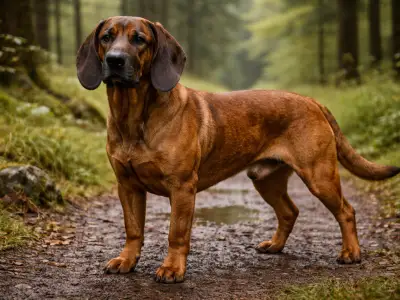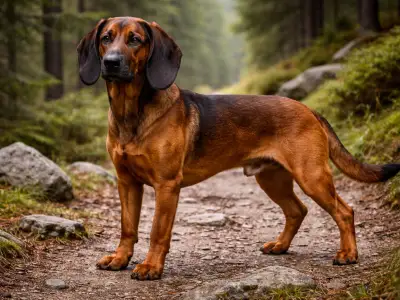
Small Anglo-French Hound
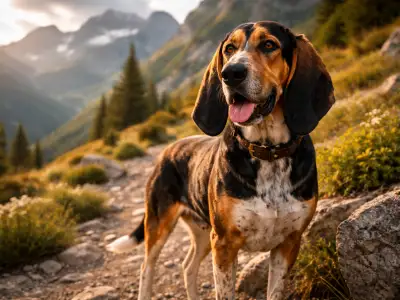
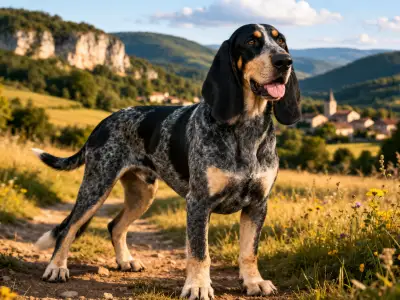
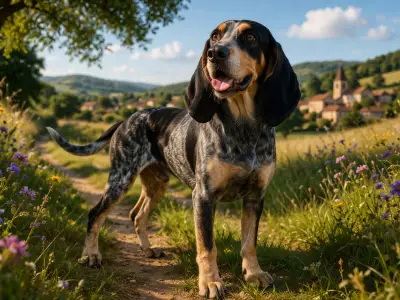
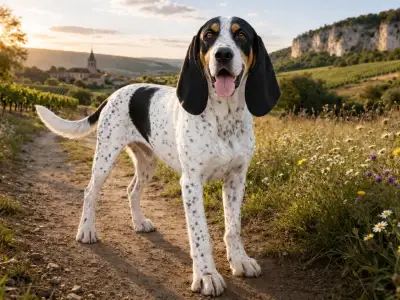
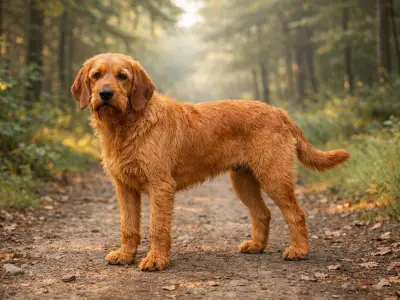
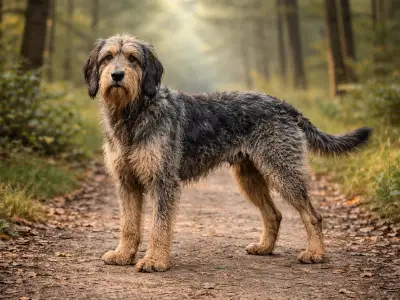
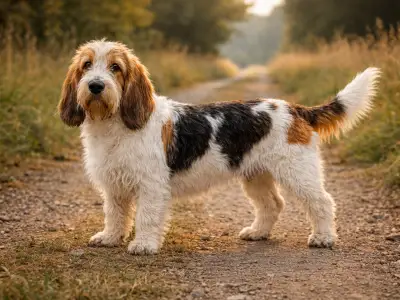
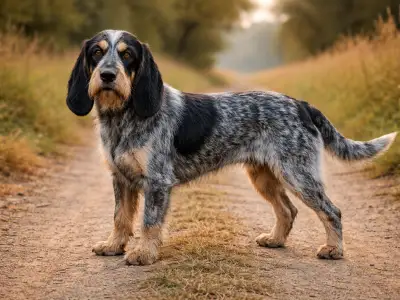
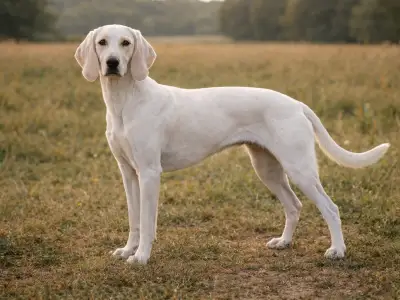
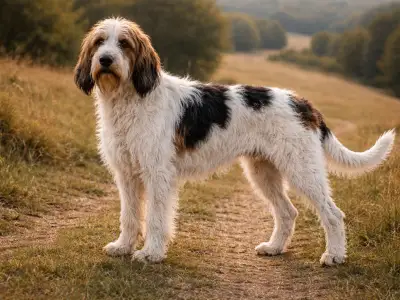
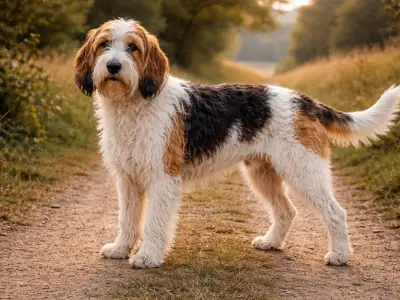
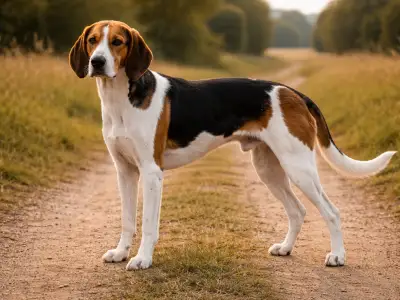
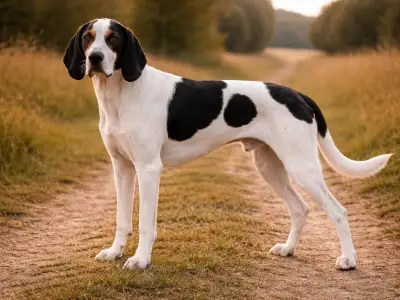
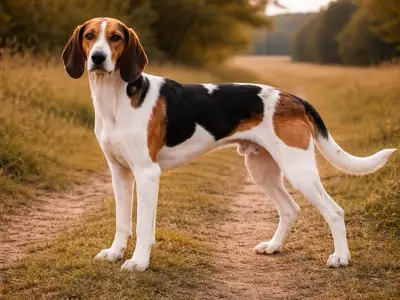
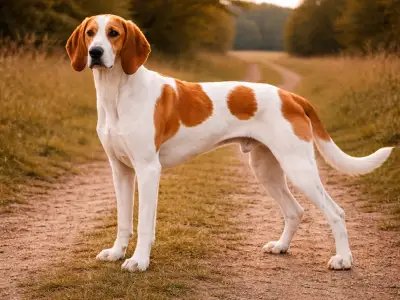
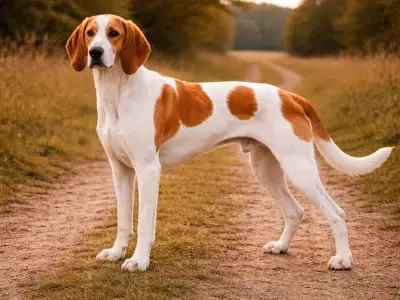
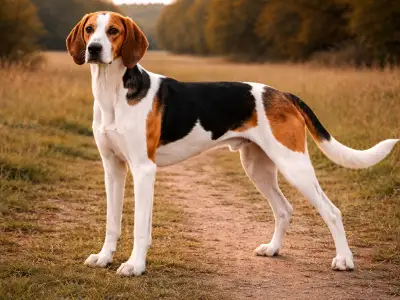
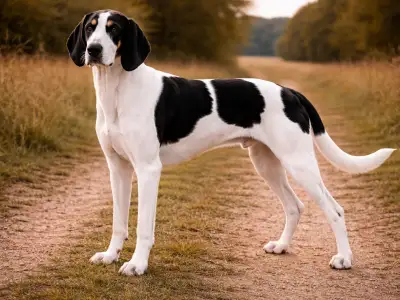
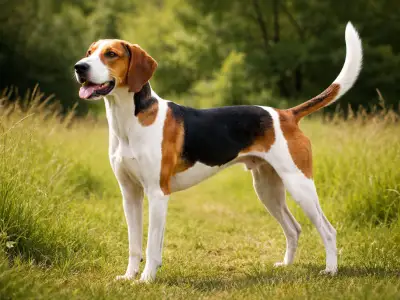
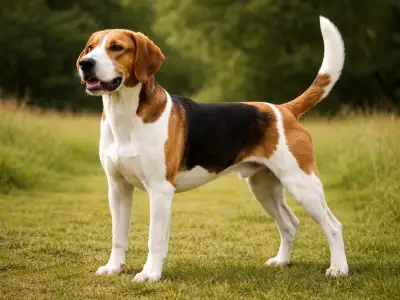
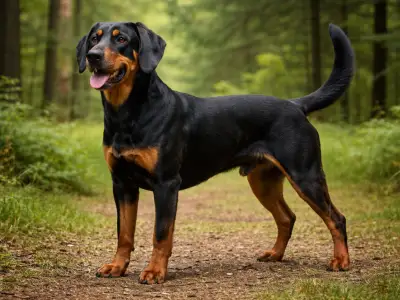
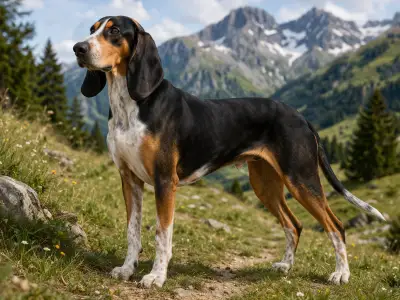
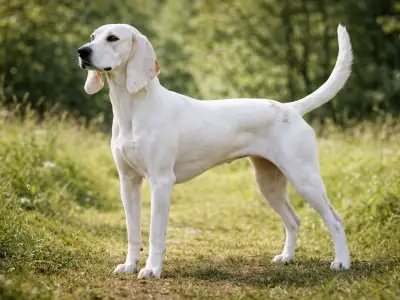
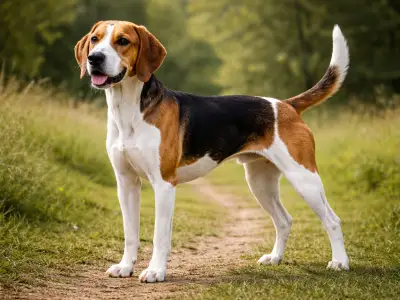
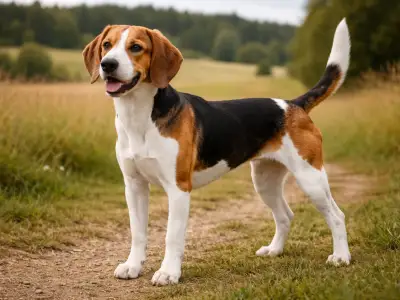
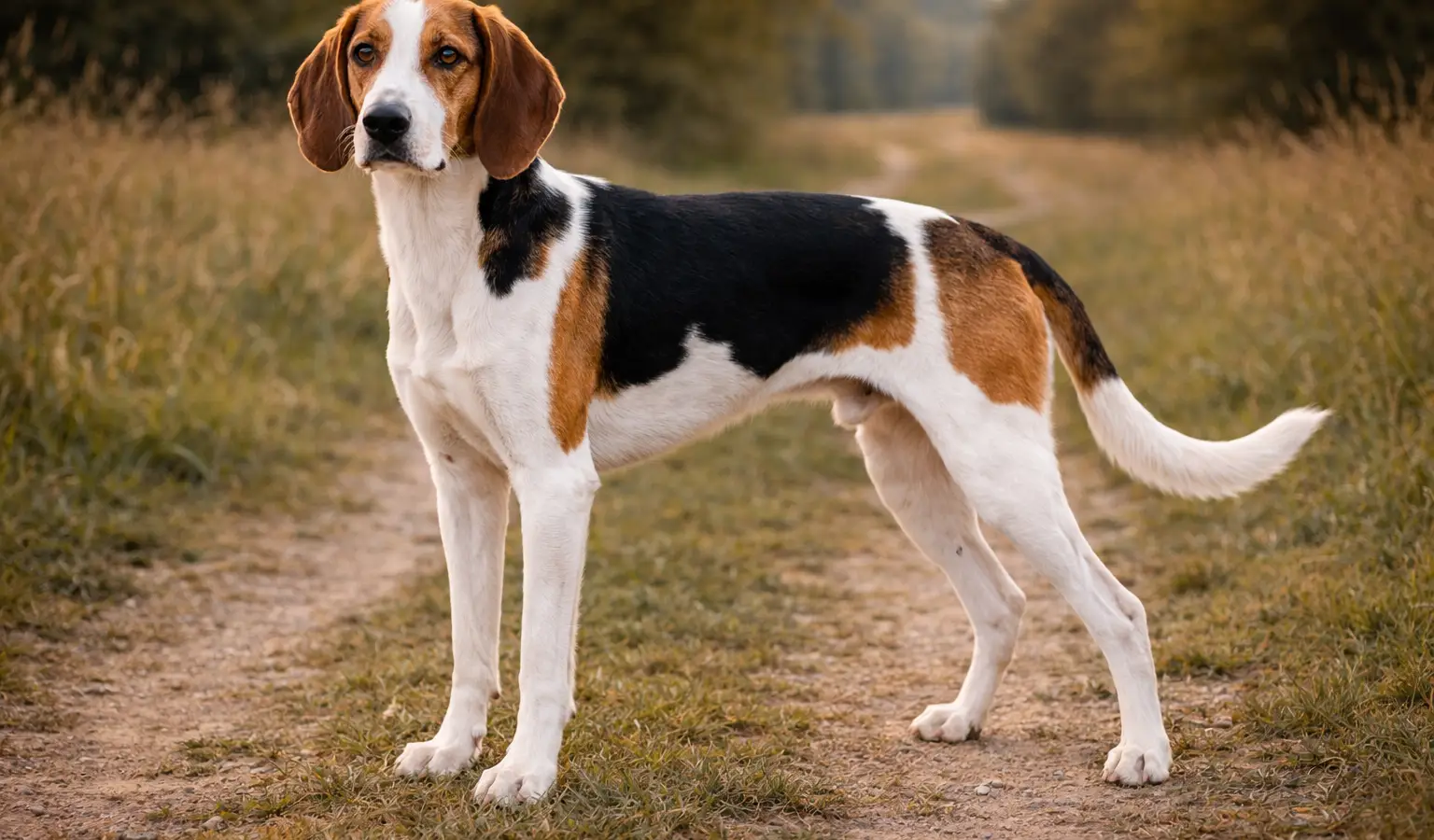
The Small Anglo-French Hound is a pack scenthound developed from French and English lines for small game hunting. Lively, enduring and equipped with an excellent nose, it works efficiently in a pack and stays highly motivated on the trail. Very social with other dogs, it needs plenty of daily exercise, recall training and an active lifestyle suited to a hunting dog.
Life expectancy
11 – 14 years
Price
800 – 1400 €
Monthly budget
70 €
Size
Medium
Profile
Small Anglo-French Hound
Origin
France
Year of origin
1900
Developed by
French hunters
Size
Medium
Coat type
Short coat
Owner profile
Experienced owner
Hypoallergenic
No
Litter size
6
Life expectancy
11 – 14 years
Price
800 – 1400 €
Female
- Height : 48 – 56 cm
- Weight : 18 – 24 kg
Male
- Height : 50 – 58 cm
- Weight : 20 – 26 kg
Temperament & abilities
Affectionate
3/5
Calm
3/5
Independent
4/5
Intelligence
4/5
Obedience
3/5
Hunting instinct
5/5
Energy level
5/5
Good with children
3/5
Dog-friendly
4/5
Friendly with strangers
2/5
Hunting profile
Stamina
4/5
Hunting drive
4/5
Independence
4/5
Trainability
3/5
Beginner-friendly
2/5
Family compatibility
3/5
Feather game
0/5
Fur game
4/5
Underground work
0/5
Water work
0/5
These indicators help compare breeds and choose the right one for your hunting style.
Game & abilities
Estimated ability level by game type.
Budget
Purchase price
800 – 1400 €
The price may vary depending on the breeder, bloodline, and region.
Average monthly cost
70 €
Estimated average: food, healthcare, accessories, and grooming.
A lively pack hound with drive, nose, and stamina, but not the easiest fit for every household.
Is the Small Anglo-French Hound a Good Hunting Dog?
The Small Anglo-French Hound is, above all, a genuine hunting dog, and in the right hands it can be a very capable one. Bred for scent work and pursuit rather than close, highly handler-focused cooperation, it is typically best suited to hunters who want a driven scenthound with endurance, voice, and determination on game. For Small Anglo-French Hound hunting, the key strengths are usually nose, stamina, and the ability to work energetically over varied ground. The trade-off is that this breed is not generally chosen for precision obedience, easy off-lead management, or a quiet, low-maintenance pet lifestyle.
In the field, the breed often shows the classic scenthound working style: head down, following scent with persistence, covering country steadily, and staying mentally locked onto the track. It is usually more coherent as a specialist hunting dog for pursuing game by scent than as a versatile all-round gundog. Prospective owners should not expect a natural retriever, and recall can be challenging once the dog is engaged on a line of scent. That independence is part of its value in hunting, but it also means training must be realistic, consistent, and started early.
Its energy level is high, especially in active young dogs, and daily life needs to reflect that. A Small Anglo-French Hound that gets too little exercise, scent work, or structured outlet may become noisy, restless, or difficult to live with. This is often a breed that makes more sense in a rural setting than in a city apartment, and it tends to fit better with owners who appreciate hound temperament rather than expecting constant attentiveness. Social living with other dogs may suit many individuals well, particularly given its pack-hound background, though temperament still varies with breeding and upbringing.
- Best use cases: scent-led hunting, pack or multi-dog environments, active rural homes, owners who value stamina and hunting drive.
- Main strengths: nose, courage on game, persistence, terrain coverage, and physical endurance.
- Main limitations: recall under distraction, independent handling, limited retrieve emphasis, and a demanding exercise profile.
For someone comparing hunting breeds, this dog is most coherent for traditional hound work rather than mixed family-and-occasional-hunt expectations. It can be rewarding for experienced hound people who want authentic working style and can manage the training demands, noise level, and exercise needs. For households wanting a highly biddable companion that transitions easily between field and suburban family life, another breed may be easier to handle day to day.
Reliable trailing nose
The Small Anglo-French Hound is valued first as a scent hound, with the kind of nose that can stay engaged on moving game over varied ground. In practical hunting, that means a dog often better suited to methodical pursuit than flashy, independent improvisation. For handlers who want consistent line work, this is one of the breed’s most useful assets.
Built for pack hunting
This breed is traditionally associated with hunting in a pack, and that background shows in the way many individuals work alongside other hounds. Good pack cooperation can make it easier to maintain rhythm, pressure, and direction during a chase. It often suits hunters who prefer organized group hunting rather than a highly solitary, one-dog style.
Clear, useful voice
A strong giving voice is a practical advantage in scent hounds, and the Small Anglo-French Hound is appreciated for being audible on the line. For the hunter, that voice helps track the progress of the pack through cover and broken terrain. It is less about noise for its own sake and more about readable, functional communication during work.
Endurance over rough ground
The breed generally brings the stamina needed for sustained pursuit, especially in the kind of mixed countryside where a chase may last longer than expected. Rather than explosive speed alone, its strength is often steady effort over time. That endurance can be especially valuable for hunters who need a hound to stay effective after the first burst of action fades.
Game-focused specialization
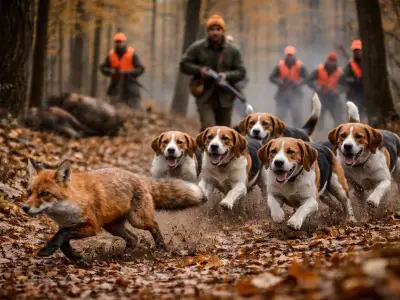
As its French name suggests, the Small Anglo-French Hound is linked to petite vénerie, or the pursuit of smaller game rather than the largest quarry. That specialization matters: it tends to appeal to hunters looking for a practical scenthound for hare, fox, or similar work, not a general-purpose retriever or a dog meant to do every task in the field.
Best with experienced handling
One of the breed’s real hunting strengths is that, in capable hands, its natural drive can be channeled into disciplined work. It is usually not praised for soft, eager-to-please obedience in the way some gun dogs are. Instead, it tends to shine with handlers who understand hounds, value consistency, and can shape instinct without fighting against it.
Who the Small Anglo-French Hound suits best
The Small Anglo-French Hound tends to suit a hunter or very active owner who genuinely enjoys living with a driven scent hound, not just an athletic pet. It is usually a better match for people who can offer frequent exercise, scent-led activities, calm but consistent training, and secure space, especially if the dog comes from strong working lines. In a hunting context, it often fits handlers who appreciate a pack-oriented hound with stamina, voice, and determination on scent rather than a highly handler-focused, all-purpose family dog.
For daily life, this breed is often easier in a rural or semi-rural home than in a quiet apartment with limited outlets. It may live well with an experienced active household, but it is less suitable for owners wanting easy off-leash reliability, low noise, minimal exercise, or a dog that is content with short walks. Common mismatches include first-time owners drawn to the breed's elegant look, very sedentary households, and families expecting a naturally biddable companion. The best fit is usually someone who respects hound instincts and can manage energy, independence, and a strong nose without frustration.
How a practical French pack hound was shaped for speed, nose, and manageable game
Origins and development of the Small Anglo-French Hound
The Small Anglo-French Hound, or Anglo-français de petite vénerie, was developed in France as a hunting scenthound built for practical work rather than show-ring uniformity. Despite the word “small” in its name, it is not a toy or compact companion breed; “petite vénerie” refers more to the hunting of smaller game, especially hare, fox, and sometimes roe deer depending on local practice. The breed appears to have emerged from careful crosses between French hounds and English Foxhound-type blood, with breeders aiming to combine the nose, voice, and game sense of traditional French packs with more drive, pace, and stamina.
That background helps explain the breed’s modern character. The Small Anglo-French Hound tends to be energetic, purposeful, and highly motivated by scent, with a working style shaped by cooperation in a pack. In the field, these dogs are generally valued for covering ground efficiently, speaking clearly on a line, and keeping pressure on game without losing the track too easily. At home, that same heritage often shows up as a dog that is sociable with other dogs, active, and not especially content with a purely sedentary life. It can be affectionate and even-tempered, but it was not originally selected to be a low-demand household pet.
Its development was also influenced by the realities of French hunting culture, where regional packs were often bred for usefulness first. Because of that, exact historical pathways may vary somewhat between lines, and older sources do not always agree on every cross behind the breed. What is reasonably clear is that breeders sought a medium-format hunting hound with enough speed for lively pursuit, enough nose for difficult scenting conditions, and enough toughness to work repeatedly over varied terrain. This practical selection tends to produce a dog that learns routines well but may be less interested in repetitive obedience than in following scent.
For today’s owner or hunter, the breed’s history is the key to understanding daily life with it. This is usually a better fit for people who appreciate hound behavior rather than trying to suppress it. Common traits linked to its background include:
- High exercise needs and real enjoyment of long, active outings
- Strong scent drive, which can make recall more challenging without steady training
- Pack-oriented social behavior, often making it easier with other dogs than some more independent breeds
- A clear working temperament, meaning it often thrives when given tracking, hunting, or scent-based activities
In other words, the Small Anglo-French Hound was shaped as a functional scenthound for hunters who needed endurance, cooperation, and reliable pursuit. That history still matters: it often suits active, experienced handlers best, especially those who enjoy hounds, outdoor life, and a dog whose instincts are still close to its original purpose.
Built from French and English hound roots
The Small Anglo-French Hound was developed in France by blending French scenthound qualities with selected English hound influence. Despite the word small in its name, this is not a toy or apartment breed; the term refers more to the game and hunting format than to a tiny body. It remains a practical, athletic pack hound shaped for field use.
Selected for small-game hunting
This breed is closely associated with petite vénerie, the traditional pursuit of smaller quarry such as hare, rabbit, and sometimes fox, depending on local practice. Selection focused on nose, stamina, and the ability to work in company rather than on exaggerated looks. For hunters, that usually means a dog bred to follow scent seriously and keep moving over varied terrain.
Pack-minded and scent-driven
Like many scenthounds, the Small Anglo-French Hound tends to be social with other dogs yet strongly drawn by odors once outside. Its temperament is often described as lively, determined, and less handler-focused than some versatile gundog breeds. That can make daily life pleasant in the right home, but recalls, off-leash freedom, and impulse control usually require patient, consistent training.
Best with space and purpose
This is rarely the easiest choice for a sedentary household. Most individuals do best with room to move, regular outdoor time, and a routine that gives them a job, whether hunting, tracking, or long structured exercise. A small urban lifestyle may feel limiting unless the owner is exceptionally committed to meeting both the dog’s physical needs and scent-work instincts.
Straightforward care, serious exercise
Coat care is usually simple, but overall maintenance should not be underestimated because energy and endurance are central to the breed. Owners typically need to think beyond a short walk around the block. Useful basics include regular conditioning, ear checks after outdoor work, and attention to weight, nails, and recovery after long days in rough ground.
A better fit for experienced hound people
The Small Anglo-French Hound often suits hunters and active owners who appreciate independent hound behavior rather than expecting constant obedience or close contact at all times. In family life, many can be affectionate and even-tempered, but they are usually easiest to live with when their instincts are understood. People wanting a highly biddable, low-drive companion may prefer a different type of dog.
Practical answers on hunting use, training, home life, exercise, and owner fit
Small Anglo-French Hound hunting and family life FAQ
Is the Small Anglo-French Hound a good hunting dog for most people?
The Small Anglo-French Hound was developed as a working scenthound, so it generally makes the most sense for people who truly want an active hunting companion rather than a mainly decorative pet. It is typically valued for nose work, stamina, drive, and willingness to follow a scent trail over varied ground. That said, it is often better suited to handlers who understand hounds and can manage independence, vocalizing, and strong prey interest. For a hunter wanting a traditional pack-oriented scent hound, it can be a very relevant breed. For a casual owner with limited time, space, and training interest, it may feel demanding.
What kind of game and hunting style does the Small Anglo-French Hound usually suit?
This breed is generally associated with small-game hunting and scent-driven work, often in a style that emphasizes tracking and pursuit rather than close, constant handler focus. Depending on line and local hunting tradition, individuals may be used on hare, fox, or similar game, but exact suitability can vary. Many hounds of this type are more comfortable working with other dogs than operating as highly handler-dependent solo specialists. Hunters who like organized scent work, steady pursuit, and a dog that uses its nose with commitment may appreciate the breed. People seeking a versatile pointing dog or a quiet all-purpose retriever should usually look elsewhere.
Are Small Anglo-French Hounds easy to train, or are they stubborn?
They are often trainable in the sense that they can learn routines, recall foundations, kennel manners, and hunting patterns, but they are not usually the easiest breed for people who expect instant obedience. Like many scent hounds, they can become deeply committed to an interesting trail and temporarily less responsive when their nose takes over. Training tends to go best with calm repetition, clear rules, early recall work, and regular exposure to real-world distractions. Harsh handling may reduce cooperation without improving reliability. A patient owner who understands hound motivation will usually get better results than someone who trains as if the dog were a highly biddable shepherd or retriever.
Can a Small Anglo-French Hound live as a family dog if it is not used for hunting?
It can in some homes, but only if the family is realistic about exercise, supervision, and the breed's natural instincts. This is not typically a low-maintenance house dog, and many individuals need substantial daily activity plus scent games, tracking outlets, or other structured work to stay balanced. With enough physical exercise and mental engagement, some can be affectionate and pleasant at home, but boredom may lead to noise, roaming attempts, or destructive habits. Homes with very small pets may need extra caution because prey drive can be strong. Families who enjoy outdoor routines and can manage an energetic hound often have a better experience than sedentary households.
Does the Small Anglo-French Hound do well in an apartment or small home?
In most cases, this breed is not an ideal apartment dog unless the owner is exceptionally committed and the individual dog has a suitable temperament. Scent hounds often need more than short walks, and they may also be vocal, especially when excited, frustrated, or following interesting smells. A small home is more workable if the dog gets serious outdoor time every day and has secure management, because wandering after scent can be a real issue. Access to a safely fenced area helps, but a yard alone is not enough. The breed generally fits better in homes where movement, training, and outdoor activity are part of daily life.
How much exercise does a Small Anglo-French Hound need each day?
Most dogs of this type need a clearly active lifestyle, not just a brief outing around the block. A good baseline often includes a long walk or run, additional free movement in a secure area, and mentally engaging scent-based activities such as tracking games or search work. Hunting days or structured field work may satisfy a large part of that need, but non-hunting homes usually have to replace it deliberately. Young adults in particular may have notable stamina and persistence. Owners who enjoy regular outdoor exercise tend to find the breed far easier to live with than people looking for a calm, low-energy companion.
Who is the Small Anglo-French Hound best suited for, and who should probably choose another breed?
This breed often suits active hunters, experienced hound owners, and people who genuinely enjoy managing a dog with drive, voice, and independence. It can also fit some rural or semi-rural homes where secure space, regular training, and long outings are realistic. It is usually less suitable for first-time owners who want easy off-leash reliability, very quiet indoor behavior, or a dog that lives happily on minimal exercise. People with very limited time may struggle, even if they admire the breed's working heritage. In practical terms, it tends to reward owners who appreciate traditional scenthound behavior rather than trying to train those instincts away.