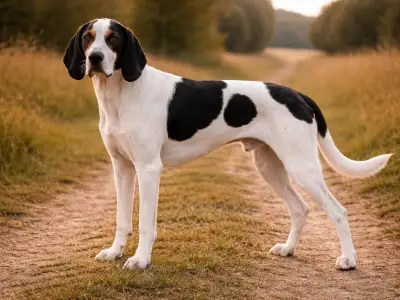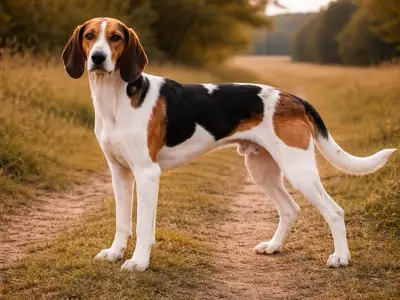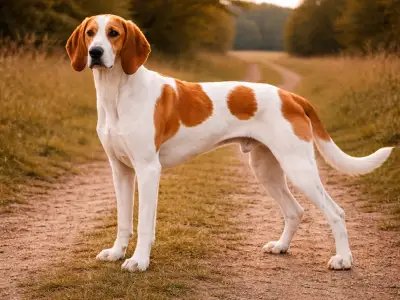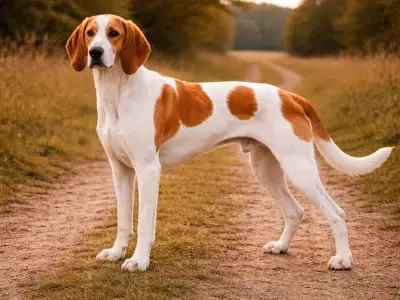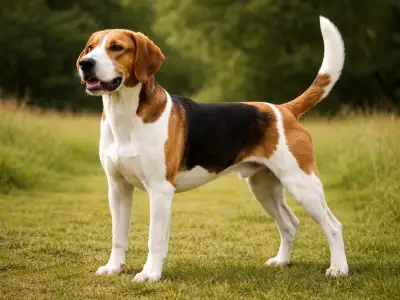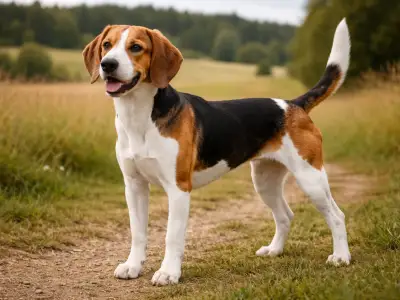
Billy
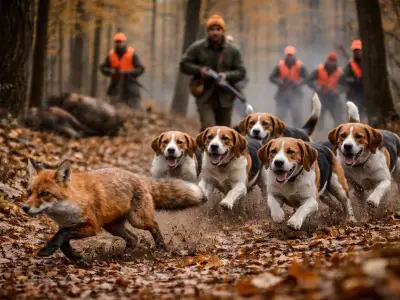
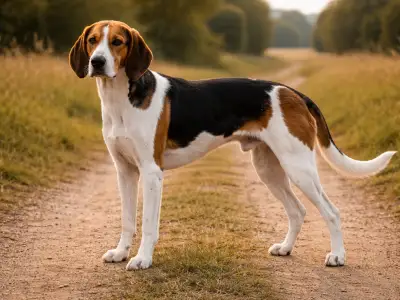
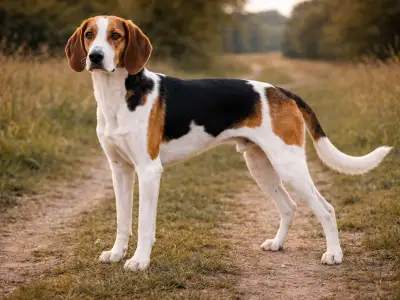
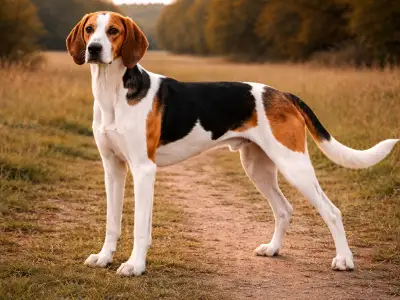
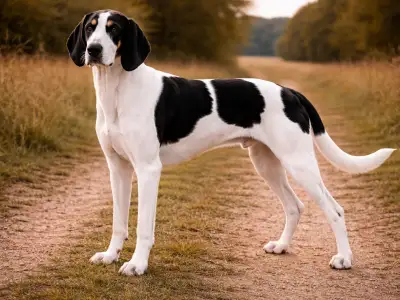
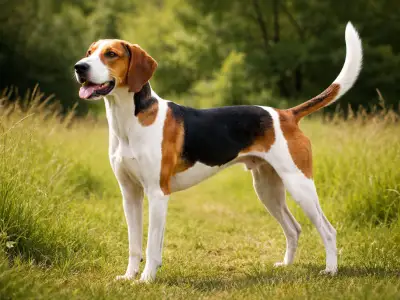
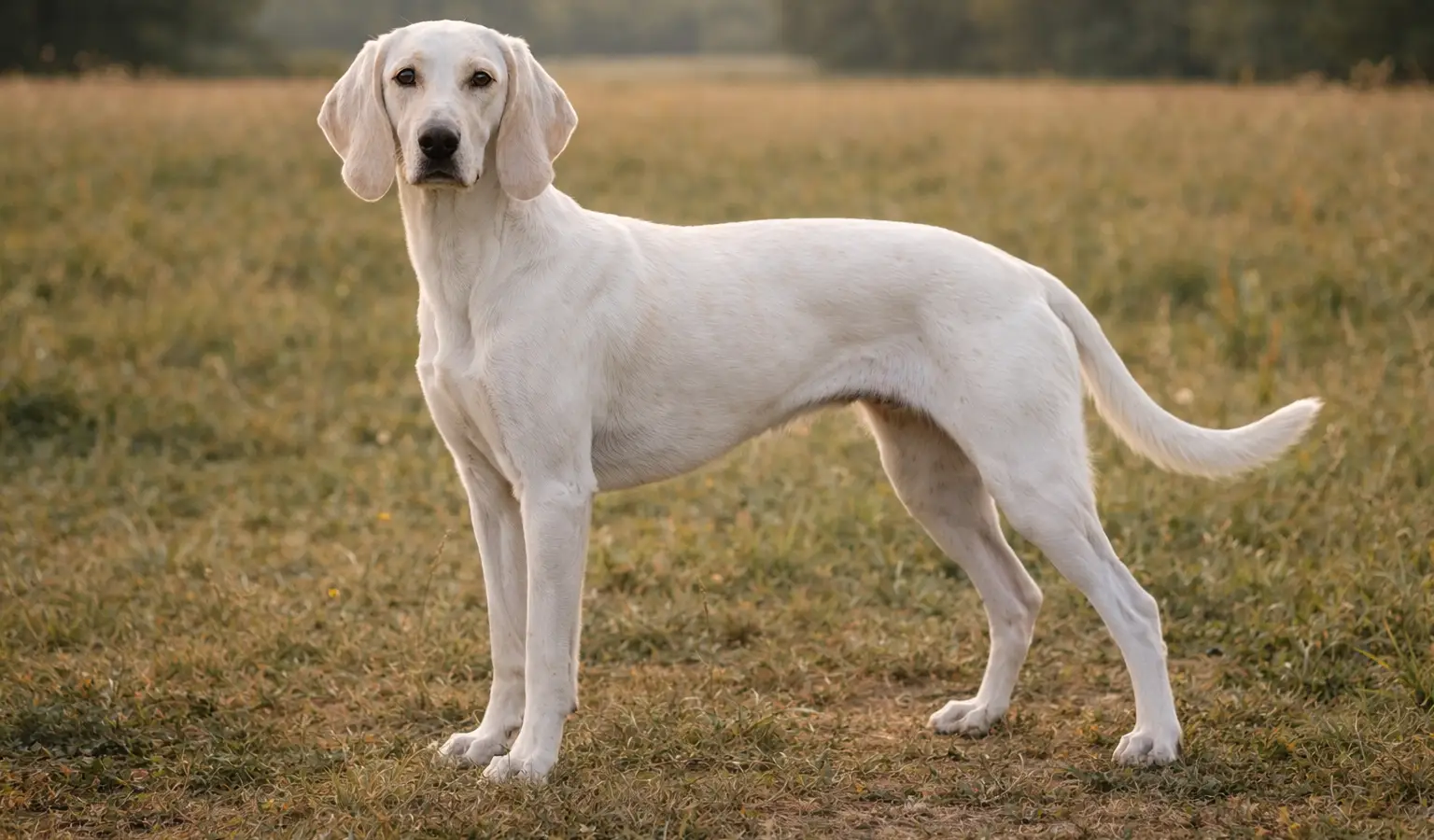
The Billy is a large French scenthound, elegant, fast and enduring, developed for pack hunting. Known for a very good nose and clear voice, it can cover long distances and work steadily on the trail. Gentle and sociable away from the hunt, it remains athletic and needs space, daily exercise and consistent training.
Life expectancy
11 – 13 years
Price
1000 – 1700 €
Monthly budget
80 €
Size
Large
Profile
Billy
Origin
France
Year of origin
1886
Developed by
Gaston Hublot
Size
Large
Coat type
Short coat
Owner profile
Active owner
Hypoallergenic
No
Litter size
7
Life expectancy
11 – 13 years
Price
1000 – 1700 €
Female
- Height : 60 – 65 cm
- Weight : 28 – 32 kg
Male
- Height : 60 – 70 cm
- Weight : 30 – 35 kg
Temperament & abilities
Affectionate
3/5
Calm
3/5
Independent
4/5
Intelligence
4/5
Obedience
3/5
Hunting instinct
5/5
Energy level
5/5
Good with children
3/5
Dog-friendly
4/5
Friendly with strangers
3/5
Hunting profile
Stamina
5/5
Hunting drive
5/5
Independence
4/5
Trainability
3/5
Beginner-friendly
2/5
Family compatibility
3/5
Feather game
0/5
Fur game
4/5
Underground work
0/5
Water work
0/5
These indicators help compare breeds and choose the right one for your hunting style.
Game & abilities
Estimated ability level by game type.
Budget
Purchase price
1000 – 1700 €
The price may vary depending on the breeder, bloodline, and region.
Average monthly cost
80 €
Estimated average: food, healthcare, accessories, and grooming.
A fast, energetic scent hound best suited to hunters who want range, stamina, and a true pack-hound style.
Is the Billy a Good Hunting Dog?
The Billy is first and foremost a hunting dog, and in the right hands it can be very effective for scent work over large areas. Traditionally associated with hunting by scent rather than close, versatile gun-dog tasks, the Billy is valued for its nose, speed, endurance, and ability to keep working with determination. For a hunter asking whether Billy hunting ability is real and practical, the short answer is yes: this breed makes the most sense for active hound work where tracking, ranging, and sustained pursuit matter more than close handling or a polished retrieve.
In the field, the Billy tends to suit open country or ground where it can move freely and use its natural search pattern. It is generally described as a lively, athletic scent hound with plenty of stamina, which means it can cover ground efficiently and stay engaged for long outings. Its courage and drive may be appreciated in demanding hunting situations, but that same enthusiasm can make it less straightforward for people who want a very biddable, tightly controlled dog. This is not usually the type of breed chosen for highly compact work at heel or for owners who expect instant, effortless recall once scent excitement takes over.
Handling and training matter a great deal with a Billy. Like many scent hounds, it may be independent in its working style, especially when following odor, so trainability should be viewed in practical terms rather than in obedience-ring terms. Early recall work, consistency, and enough real outlet for its energy are important. The breed is often more coherent for experienced hound owners than for first-time handlers, particularly if the dog will live as a companion as well as a working hunter.
- Best fit: active hunters who want a genuine scent hound with range and stamina
- Main strengths: nose, forward drive, endurance, and a purposeful hunting style
- Main limits: can be demanding to manage, not typically ideal for close control or casual pet homes
- Daily-life reality: needs substantial exercise, structure, and space to stay balanced
As a family dog, the Billy can be easier to live with when its working instincts are respected rather than suppressed. A well-managed individual may be pleasant and steady at home, but this breed is usually a better match for rural life, large outdoor access, and owners who understand hound temperament. For someone comparing several breeds, the Billy is most coherent as a serious hunting dog with family potential second, not as a purely decorative companion that happens to enjoy the occasional walk.
Far-reaching nose
The Billy is valued first as a scent hound, and its main asset is usually its ability to carry and sort out a line over open country. In suitable bloodlines, the nose can be both wide-ranging and practical, helping the dog stay productive on moving game rather than working every meter too slowly.
Fast ground coverage
This is not a heavy, plodding hound. The Billy is generally built to travel with speed and rhythm, which makes it useful for hunters covering large areas or following game across varied terrain. That same pace means it tends to suit handlers who can manage an energetic dog and give it room to work properly.
Strong pack instinct
The breed has long been associated with pack hunting, and that background still shapes its field strengths. Many Billys are most convincing when working with other hounds, where their drive, voice, and forward movement contribute to a coordinated chase. For hunters wanting a solo specialist, individual temperament and training matter even more.
Endurance over long outings
A well-conditioned Billy often shows the stamina needed for extended hunts rather than only short bursts of effort. This endurance is one of the breed’s practical advantages in active hunting homes. It also means daily life is easier with owners who can meet high exercise needs, because an underworked Billy may become restless or difficult to settle.
Best for driven scent work
The Billy’s hunting value is usually clearest in traditional scent-hound tasks, especially pursuit of game by nose, not in broad all-purpose gundog work. It is not typically the first choice for retrieving-focused hunting. Owners looking for a specialist tracker and chaser may find that focus appealing, while those wanting versatility should weigh that limitation carefully.
Who the Billy suits best
The Billy tends to suit hunters and active owners who genuinely enjoy living with a fast, driven scent hound. It is usually a better fit for people who value endurance, voice, and independent nose work than for those wanting a highly biddable, low-maintenance companion. In practical terms, this breed often makes the most sense for someone with regular access to land, time for long outings, and enough handling experience to guide a dog that may stay focused on scent once it switches on.
For hunting, the Billy is generally best matched to those interested in traditional hound work and who appreciate a dog built for covering ground rather than close, constant check-ins. At home, it can suit an energetic household that accepts daily exercise as a necessity, not a bonus. It is often less suitable for apartment living, very quiet neighborhoods sensitive to hound vocalization, first-time owners expecting easy recall, or families wanting a calm dog with modest exercise needs. The common mismatch is simple: people are drawn to the elegant look, but underestimate the breed's drive, stamina, and need for purposeful activity.
How a French pack hound’s history still shapes its work, temperament, and daily needs
Origin and development of the Billy
The Billy is a French scenthound developed for pack hunting, most often associated with the Poitou region and with the work of breeding a fast, elegant hound for pursuing large game by scent. The breed is generally linked to crossings among older French hounds, and while some historical details vary by source, the overall picture is consistent: the Billy was selected to work efficiently in open country, cover ground with stamina, and follow scent with determination rather than to function as a close-hand, highly handler-dependent dog.
That origin helps explain the Billy’s present-day style. This is typically a dog bred to hunt in a group, use its nose with confidence, and keep moving with purpose once on a line. Compared with some heavier or slower hounds, the Billy has often been valued for a more racy outline, reach, and drive. In practical terms, that can mean a dog with serious exercise needs, a strong hunting instinct, and a temperament that may feel independent to owners expecting instant obedience. It is usually best suited to people who understand hound behavior and can provide consistent training without trying to suppress the dog’s natural working traits.
The breed’s historical use also shaped its social profile. Because pack hounds were expected to live and work alongside other dogs, many Billys are described as sociable with their own kind, though individual temperament, early socialization, and management still matter. At the same time, generations of selection for scent pursuit can make recall, off-leash reliability, and distraction control more challenging than in breeds created primarily for close cooperation. For hunters, that independence can be an asset in the right setting; for pet homes, it means daily life tends to go best with space, routine, and meaningful physical outlets.
Today, the Billy remains a relatively specialized breed rather than a general-purpose family dog. Its history points to a hound that may suit experienced handlers, active rural homes, and hunters who appreciate endurance, voice, and scenting commitment. For a quieter urban lifestyle or for owners wanting a highly biddable companion, the breed can be a demanding match. Understanding where the Billy comes from makes its modern character much easier to read: athletic, nose-led, pack-oriented, and at its best when given work or a lifestyle that respects those roots.
French hunting roots
The Billy is a French scenthound associated with organized pack hunting and a tradition of pursuing game by nose over wide ground. It is generally linked to central-western France and was shaped more for efficient field work than for ornamental appeal, which helps explain its athletic outline, strong voice, and practical temperament.
Built for pack work
This breed was selected to work in a group, following scent with rhythm and persistence rather than hunting as an all-purpose family pet. In practice, that often means a Billy tends to be sociable with other dogs, keen to move forward on a track, and most comfortable with clear handling from someone who understands hound behavior.
Fast, driven tracker
A Billy is typically admired for covering ground well, carrying scent over distance, and keeping momentum in open country. For hunters, that can be a real strength. For everyday owners, it also means recall may be inconsistent when interesting scent is present, and off-lead freedom usually depends on training, environment, and the individual dog’s level of focus.
Even but independent
At home, the breed often appears steady and good-natured, but it is not usually the easiest choice for people expecting constant eagerness to please. Like many scent hounds, the Billy may be cooperative without being highly biddable, so training tends to work best when it is calm, consistent, and reinforced with routine rather than repetition alone.
Needs room and purpose
This is not a breed that usually thrives on a brief walk and long hours of inactivity. A Billy generally does best with substantial daily exercise, chances to use its nose, and enough space to move without frustration. Rural or semi-rural living is often a better fit than a small urban setup, especially for a young, energetic dog.
Simple coat, serious upkeep
Coat care is straightforward because the hair is short and relatively easy to maintain, but overall management is more demanding than grooming suggests. The real workload is exercise, handling, and secure containment. Prospective owners should think less about brushing time and more about whether they can provide structure, stamina outlets, and reliable fencing.
Practical answers about hunting ability, training, exercise, home life, and who this scent hound suits best.
Billy hunting and ownership FAQ
Is the Billy a good hunting dog for modern hunters?
The Billy was developed as a French scenthound, and its main strength is following scent with stamina, drive, and a strong nose. For hunters who value pack-style hound work, voice on trail, and determined tracking over close handler focus, it can be a very capable choice. In modern use, suitability depends a lot on the individual dog, local hunting style, and how much training is put into recall, control, and steady exposure to game. It is usually a better fit for people who genuinely want a working hound than for someone simply looking for a low-maintenance pet that can also hunt occasionally.
Are Billy dogs easy to train, or are they stubborn?
A Billy can be trainable, but it is not typically the easiest breed for a first-time owner who expects instant obedience. Like many scent hounds, it may become highly independent once it picks up an interesting trail, so training has to be consistent, patient, and worth the dog's attention. Short, clear sessions, reliable rewards, and regular work on recall, leash manners, and settling are usually more productive than repetitive drilling. Many handlers find that the breed responds best when training respects its hound nature instead of trying to make it behave like a highly biddable herding breed.
Can a Billy live as a family dog if it is not used for hunting?
Some Billy dogs can live successfully as family companions, but this is usually easiest in very active homes that understand hound behavior. Without enough exercise, scent work, and structure, the breed may become noisy, restless, or hard to manage indoors. Families should think beyond walks and consider whether they can provide daily outlets such as tracking games, long hikes, controlled running, and training that engages the nose. A Billy is generally more likely to thrive with owners who enjoy an outdoorsy routine than with households looking for a calm, highly adaptable couch dog.
Do Billy dogs do well with children and other pets?
With children, a well-raised Billy may be friendly and steady, especially in homes where interactions are supervised and the dog gets enough physical and mental activity. As with many larger hounds, good manners matter because enthusiasm, movement, and excitement can lead to bumping or pulling if training is incomplete. Around other dogs, the breed often does reasonably well, particularly when socialized early, as pack hound backgrounds can support dog-to-dog tolerance. Small pets are a more cautious subject, since scent hounds can have a strong prey drive, so introductions and management should never be casual.
Can a Billy live in an apartment, or does it need a big property?
A Billy is usually better suited to a home with space, secure outdoor access, and a lifestyle built around regular exercise. Apartment living is not impossible in every case, but it can be challenging because this is an active hound with stamina, a strong nose, and the potential to be vocal. The bigger issue is not square footage alone, but whether the owner can provide enough daily movement, sniffing time, training, and control around distractions. A fenced yard helps, but it does not replace structured activity, and any outdoor area should be secure because scent-driven dogs may wander if they catch an interesting trail.
How much exercise does a Billy really need each day?
Most Billy dogs need more than a couple of short walks to stay balanced. A realistic routine often includes a long walk or run, additional free movement in a safe area, and some form of scent-based mental work, since nose use can tire a hound in a productive way. Young adults and working-line individuals may need particularly substantial outlets, while age, fitness, and temperament can change the exact amount. Owners who enjoy hiking, tracking, or regular outdoor activity usually find the breed easier to live with than people who prefer a mostly indoor, low-effort routine.
Who is the Billy best suited for, and who should probably choose another breed?
The Billy usually suits experienced or well-prepared owners who appreciate hound behavior, enjoy active days outside, and can live with some independence in training. It can make sense for hunters, rural owners, or serious dog people who want an athletic scent hound and are willing to invest in recall work, management, and daily exercise. It is often a harder match for first-time owners, people living very sedentary lifestyles, or anyone expecting easy off-leash reliability in stimulating environments. If your priorities are sharp obedience, low noise, and effortless adaptability to compact urban life, another breed may fit better.