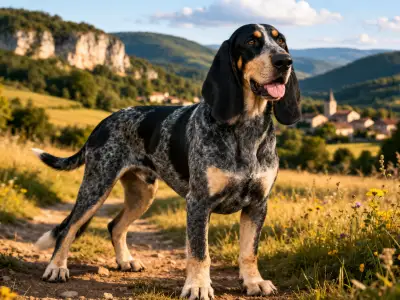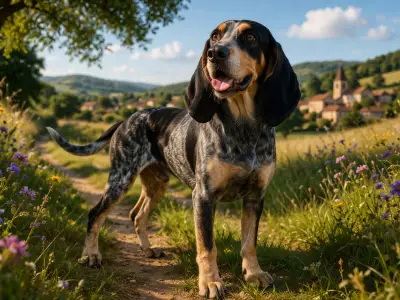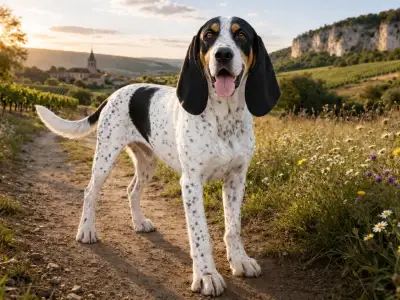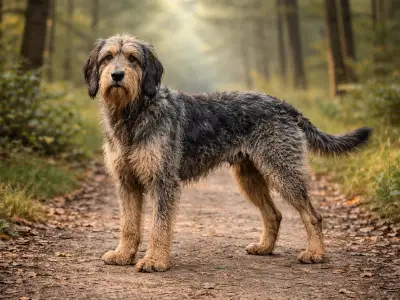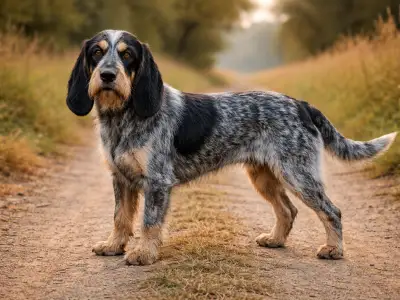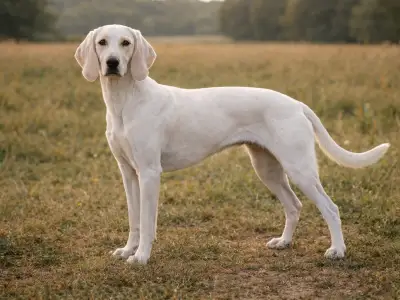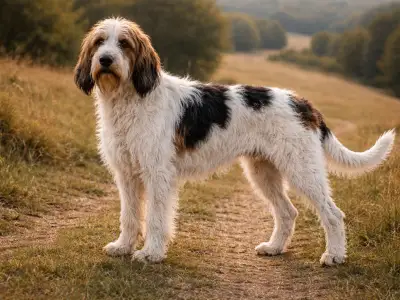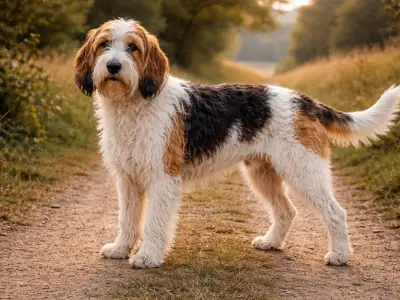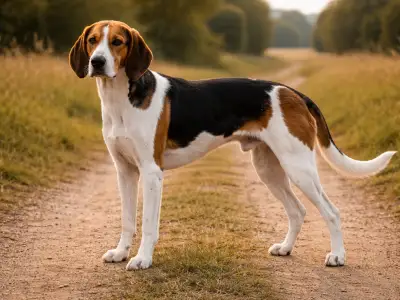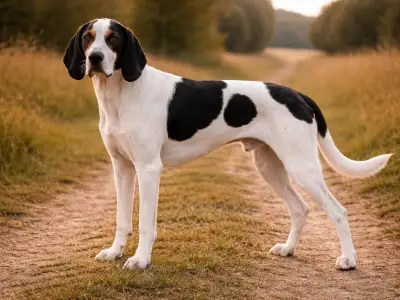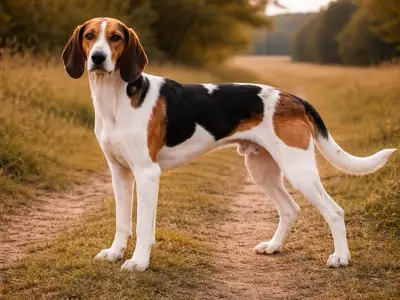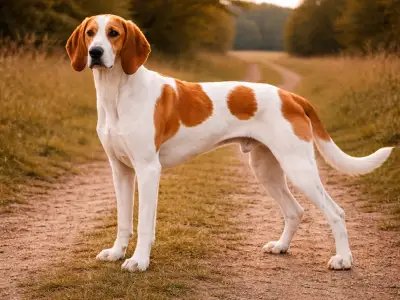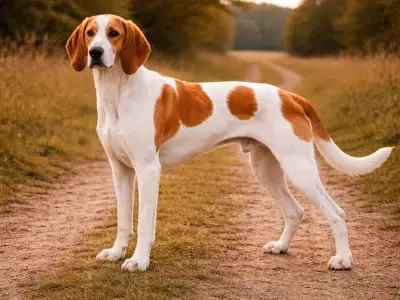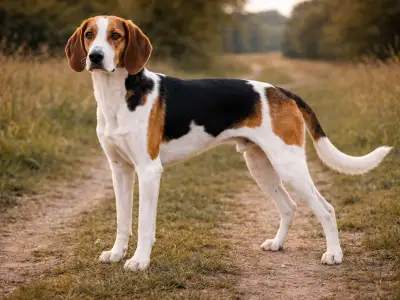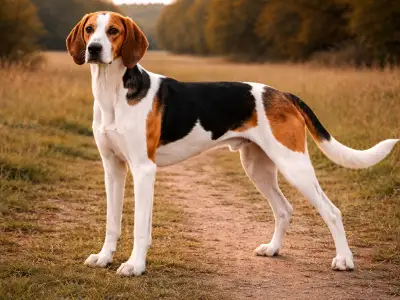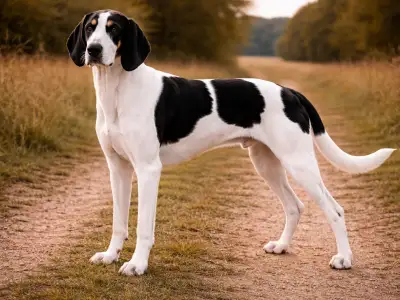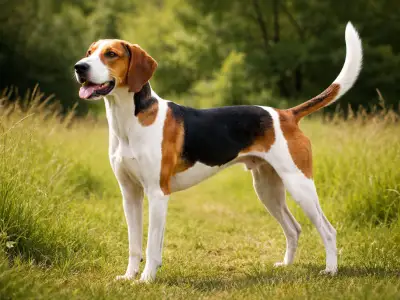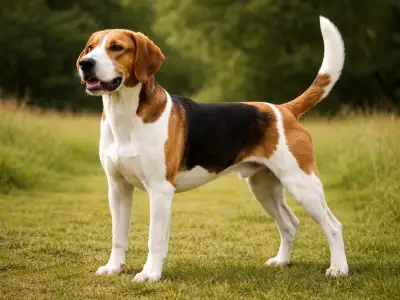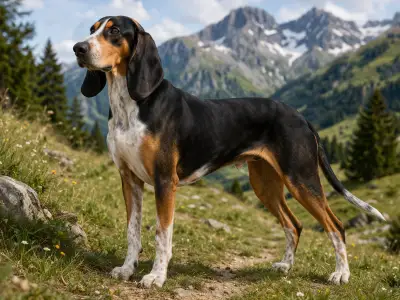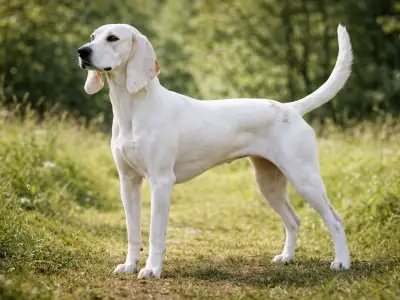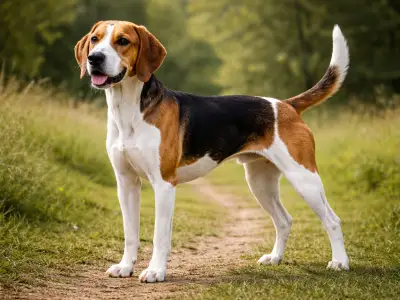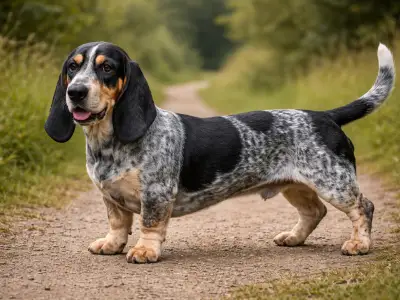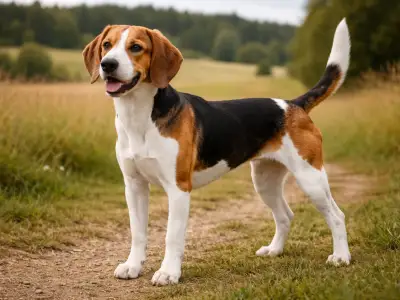
Slovak Hound
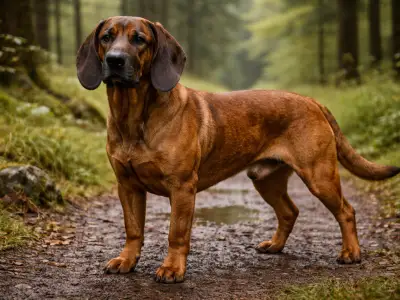
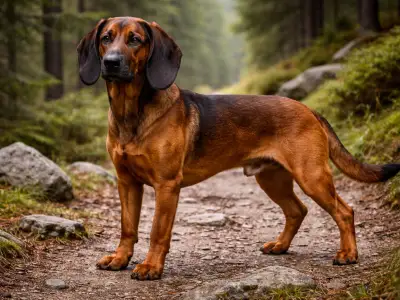
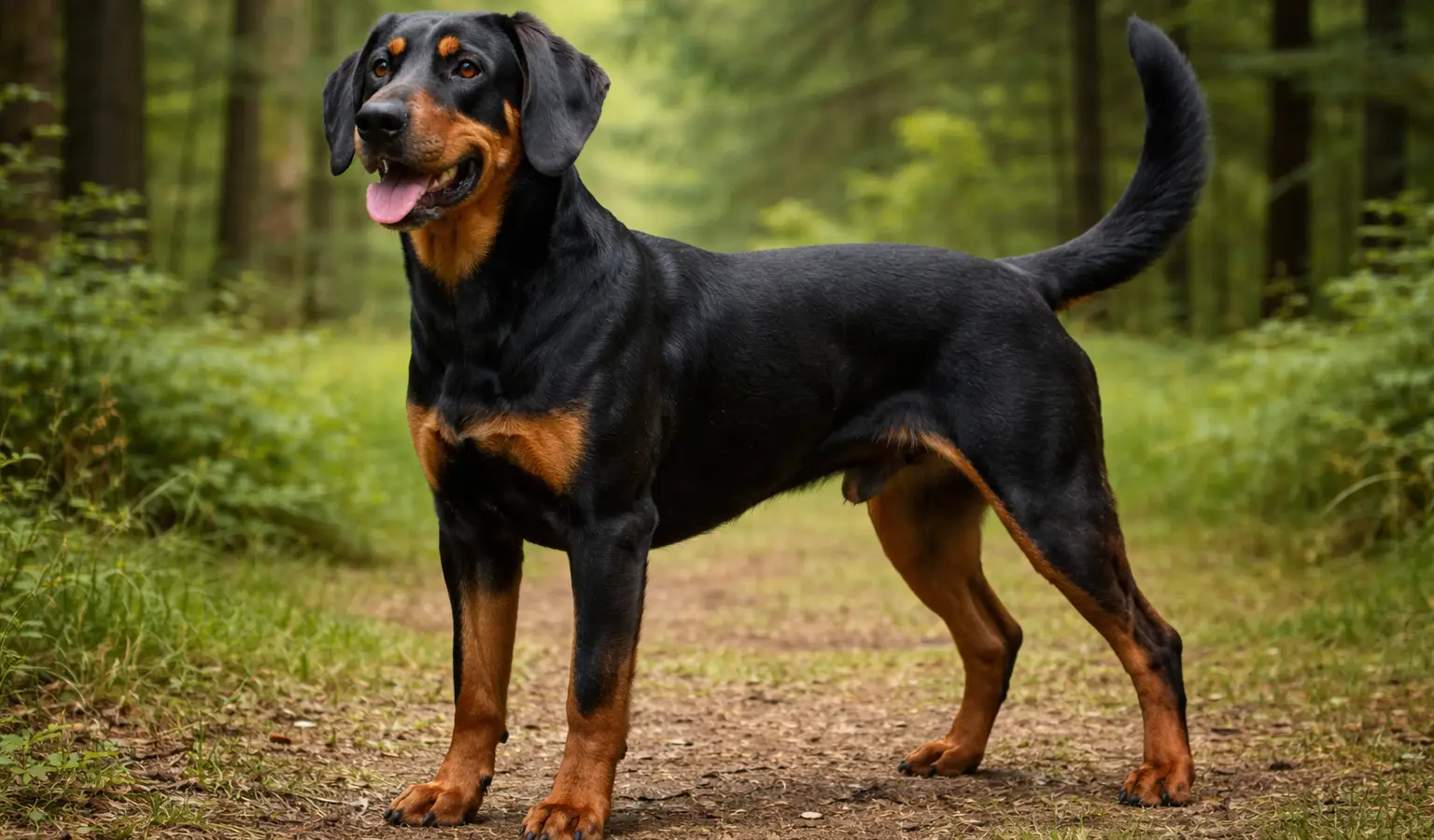
The Slovak Hound (Slovenský kopov) is a tough, enduring and courageous hunting dog, traditionally used for boar hunting in woodland. Gifted with an excellent nose and strong persistence, it can become intensely focused once it is on a track. Loyal to its handler yet fairly independent, it needs consistent rules, careful socialization and plenty of daily activity to stay balanced.
Life expectancy
12 – 15 years
Price
800 – 1300 €
Monthly budget
65 €
Size
Medium
Profile
Slovak Hound
Origin
Slovakia
Year of origin
1963
Developed by
Slovak hunters
Size
Medium
Coat type
Short coat
Owner profile
Active owner
Hypoallergenic
No
Litter size
6
Life expectancy
12 – 15 years
Price
800 – 1300 €
Female
- Height : 45 – 50 cm
- Weight : 18 – 22 kg
Male
- Height : 47 – 55 cm
- Weight : 20 – 25 kg
Temperament & abilities
Affectionate
3/5
Calm
3/5
Independent
4/5
Intelligence
4/5
Obedience
3/5
Hunting instinct
5/5
Energy level
4/5
Good with children
3/5
Dog-friendly
3/5
Friendly with strangers
2/5
Hunting profile
Stamina
4/5
Hunting drive
5/5
Independence
4/5
Trainability
3/5
Beginner-friendly
2/5
Family compatibility
3/5
Feather game
0/5
Fur game
4/5
Underground work
0/5
Water work
0/5
These indicators help compare breeds and choose the right one for your hunting style.
Game & abilities
Estimated ability level by game type.
Budget
Purchase price
800 – 1300 €
The price may vary depending on the breeder, bloodline, and region.
Average monthly cost
65 €
Estimated average: food, healthcare, accessories, and grooming.
A driven scent hound with courage, voice, and stamina, but not a low-maintenance companion
Is the Slovak Hound a Good Hunting Dog?
The Slovak Hound is generally considered a very capable hunting dog, especially for hunters who want a determined scent hound with a strong nose, good stamina, and the courage to work challenging game and difficult terrain. In practical terms, Slovak Hound hunting ability is most coherent in tracking and pursuing scent with persistence rather than in highly versatile all-round gundog work. It is a breed that tends to make sense for active handlers who value a serious working style, clear purpose, and a dog that is comfortable covering ground.
In the field, the breed is usually appreciated for its nose, endurance, and purposeful search pattern. It is often described as bold and energetic, with enough hardness for rough country and demanding conditions. That said, handling can be more independent than with breeds selected for close cooperation at all times. A Slovak Hound may work with real commitment on scent, which is a strength for hunting, but it also means recall, steadiness, and day-to-day obedience usually require patient training and repetition. This is not typically the easiest choice for someone wanting instant compliance off game or a casual weekend dog.
Its best use cases are usually those where scenting, pursuit, and stamina matter more than delicate handling or polished retrieving. For a hunter comparing several breeds, the Slovak Hound tends to suit people who want a true hound temperament rather than a softer, more handler-dependent dog.
- Strengths: strong nose, determination, courage, voice, stamina, confidence in rough terrain
- Limitations: can be strong-willed, may range wider than some owners prefer, recall can need serious work, retrieve is not usually the main selling point
- Best fit: active hunting homes, experienced or committed handlers, rural settings, people who enjoy training and managing a high-drive dog
In everyday life, the balance between field performance and family life depends heavily on exercise, structure, and outlet. A well-managed Slovak Hound can be steady and pleasant at home, but its energy level and working instincts are not easy to ignore. Without regular physical activity, scent work, and consistent boundaries, the breed may become noisy, restless, or difficult to occupy. For the right owner, it can be an authentic, hard-working hunting companion with character; for a low-activity household or first-time hound owner, it may feel more demanding than expected.
Cold Nose Tracking
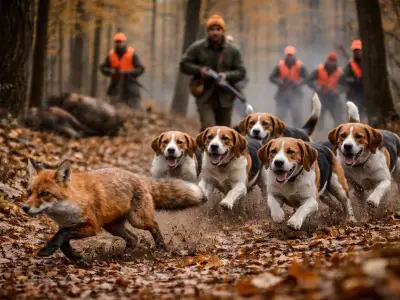
The Slovak Hound is valued first for scent work. In suitable lines, it can follow older ground scent with real determination, making it useful when game has passed through broken woodland or steep country well before the hunter arrives. This is the kind of hound that works methodically rather than rushing, which can be a major advantage on difficult trails.
Bold on Wild Boar
This breed is especially associated with boar hunting, where nerve and judgment matter as much as drive. A good Slovak Hound is expected to stay engaged, pressure game intelligently, and avoid folding under noise or rough terrain. That said, courage should be paired with control; inexperienced handlers may find its intensity better suited to serious hunting homes.
Strong Voice in Cover
One practical strength is its clear, carrying voice while on scent or when pressing game. In dense forest, that audible tracking style helps hunters follow the action without always seeing the dog. For traditional hound work, this is more than character: it improves coordination, situational awareness, and the handler’s ability to judge whether the dog is working confidently or losing the line.
Built for Long Hunts
The Slovak Hound is not a short-burst specialist. It is generally appreciated for stamina, foot toughness, and the ability to keep working over uneven ground for extended periods. Hunters in hilly or wooded regions often value this endurance highly. In daily life, the same trait means the breed usually needs far more than casual walks to stay settled and satisfied.
Focused, Independent Worker
Like many scent hounds, the Slovak Hound can think for itself once it is on game, and that independence is useful in real hunting conditions. It tends to stay committed to the task instead of constantly checking back for direction. The trade-off is obvious: recall and off-game control usually require patient training, consistency, and a handler who understands hound mentality.
Best for Driven Game Hunting
Its strongest reputation is not as a general-purpose gundog but as a specialized scenthound for tracking and driving game, especially in forested terrain. For hunters wanting a dog for boar, deer tracking in some contexts, or traditional hound work, that specialization can be a real asset. For households wanting frequent off-leash flexibility and easygoing versatility, it may be less straightforward.
Who the Slovak Hound suits best
The Slovak Hound tends to suit a hunter or outdoors-focused owner who wants a tough, driven scent hound with real stamina and a clear working mindset. It is often a better fit for someone who appreciates independent problem-solving than for a person expecting constant off-lead closeness or easygoing obedience. In daily life, this breed usually does best with regular tracking work, long active outings, and firm, consistent handling. A rural or semi-rural home is often easier than a quiet urban routine, especially if exercise and mental work would otherwise be limited.
It is less suitable for first-time owners looking for a low-maintenance family dog, for very sedentary households, or for people who want a naturally biddable dog that ignores scent trails on cue. The best matches are typically experienced hound owners, wild boar or driven-game hunters depending on local practice, and active homes that can manage a vocal, energetic dog with a strong nose. With the right structure, many Slovak Hounds can live well as family companions, but they are usually happiest when their hunting instincts are understood rather than suppressed.
How the breed’s history shaped its voice, stamina, and hunting style
Origins and development of the Slovak Hound
The Slovak Hound, also known as the Slovensky Kopov, was developed in the forested and mountainous regions of what is now Slovakia as a hard-working scenthound for demanding game work. While some early ancestry is not documented with complete certainty, the breed is generally understood to have been shaped over many generations by practical hunting needs rather than show fashion. Hunters valued a dog that could follow scent with determination, work in rough country, and give clear voice on track, especially when pursuing wild boar and other game in difficult terrain.
That functional origin still explains much of the breed today. The Slovak Hound tends to be focused, driven, and notably persistent once on a scent. Its compact, athletic build and weather-resistant coat reflect a dog expected to spend long hours outdoors in uneven ground, often in cold, wet, or wooded conditions. The breed’s reputation for courage and staying power likely comes from this selection for serious field use, but it also means many individuals are not naturally low-key house dogs unless their exercise and mental work needs are taken seriously.
Historically, breeders and hunters appear to have prioritized a fairly specific package of qualities: scenting ability, endurance, a strong hunting voice, and enough independence to work efficiently without constant direction. That background helps explain both the breed’s strengths and its limitations in modern homes.
- Strengths: stamina, determination, strong nose, confidence in cover, and a purposeful working style.
- Possible challenges: high prey drive, selective recall if undertrained, vocal tendencies, and a need for regular activity beyond short walks.
- Best suited to: active owners, hunters, and handlers who appreciate hound temperament and can offer structure, outlet, and patient training.
As a result, the Slovak Hound often suits people who want a genuine working-type scenthound rather than a purely decorative companion. With thoughtful handling, it can live well as a family dog, but its history suggests it is happiest when given meaningful exercise, scent-based tasks, and clear routines. For hunters, that heritage remains the breed’s main appeal; for non-hunters, it is the key factor to understand before bringing one home.
A mountain hunting hound
The Slovak Hound, also known as the Slovak Kopov, developed in the wooded, hilly regions of present-day Slovakia. It was shaped as a durable scent hound for difficult terrain, where stamina, a strong nose, and a clear voice mattered more than appearance alone. That background still helps explain why the breed is typically serious, driven, and happiest when it has a real job to do.
Selected for game tracking
This breed has long been valued for tracking and pursuing game by scent, especially in demanding hunting conditions. Depending on the line and local tradition, individuals may be expected to work independently at some distance from the handler, then signal their progress with voice. For hunters, that often means a dog with purpose and persistence; for pet homes, it means instincts that need thoughtful channeling.
Focused, bold, and reserved
In daily life, the Slovak Hound is often described as loyal to its people but less openly social than many companion breeds. It can be steady and affectionate at home while staying watchful with strangers and highly intent once on a scent. This is not usually a casual, easygoing dog for everyone; it tends to suit owners who appreciate structure, consistency, and a working-dog mindset.
Needs space and purpose
A Slovak Hound usually does best in an active home with regular outdoor access, meaningful exercise, and time to use its nose. A short walk around the block rarely matches the breed's natural drive. Many dogs of this type settle better when their routine includes tracking games, long hikes, and training that engages both body and brain rather than physical exercise alone.
Train with clarity
Trainability is often better understood as cooperation than obedience in the retriever sense. The breed can learn well, but independent scent hound instincts may make it selective when a trail becomes more interesting than the handler. Clear boundaries, repetition, and reward-based training usually help most. Early recall work and controlled exposure to wildlife are especially important if the dog will also live as a family companion.
Practical care, high output
Coat care is generally straightforward, which makes the Slovak Hound relatively low-maintenance in grooming terms. The bigger commitment is daily output: exercise, handling, and mental engagement. Prospective owners should think less about brushing time and more about whether they can live with a vocal, energetic scent hound that may follow its nose with great determination. That question often matters more than the breed's size or appearance.
Practical answers for hunters, active owners, and families considering this scent hound.
Slovak Hound FAQ: hunting, training, and daily life
Is the Slovak Hound a good hunting dog for modern hunters?
The Slovak Hound is generally regarded as a serious working scent hound, valued for stamina, nose, and determination in difficult terrain. It tends to suit hunters who want a dog that can follow game scent with focus rather than one bred mainly for close, casual companionship in the field. In practice, success depends a lot on the individual dog, breeding, early exposure, and how consistently the dog is handled. For a hunter who appreciates hound work, voice on track, and independent problem-solving, it can be a very functional breed. For someone wanting a highly biddable, constantly handler-focused gundog style, it may feel more self-directed.
How easy is a Slovak Hound to train if you are not an experienced hound owner?
This is usually not the easiest first hound for a novice, especially if the owner underestimates scent drive and independence. Many Slovak Hounds learn routines and field work well, but they often respond best to calm, consistent training that respects their instincts rather than trying to suppress them. Recall, leash manners, and attention around fresh scent can take more time than with softer, more handler-dependent breeds. A beginner can succeed, but it helps to enjoy structured training, secure management, and patient repetition. Clear boundaries, early socialization, and plenty of meaningful activity matter more here than harsh correction.
Can a Slovak Hound live as a family dog, or is it only suitable for hunting homes?
A Slovak Hound can live as a family dog, but it is usually a better fit for active households that understand what a working scent hound is like day to day. Well-managed individuals may be affectionate, loyal, and steady at home once their physical and mental needs are met. The main challenge is not lack of affection but the combination of energy, scent fixation, and a strong need for purposeful outlets. Families who enjoy hiking, training, tracking games, and consistent routines often do better than those looking for an easygoing low-maintenance pet. Homes that expect the dog to entertain itself or settle without exercise may struggle.
How much exercise does a Slovak Hound really need outside the hunting season?
This breed usually needs more than a couple of short walks, especially during young adulthood. Daily life tends to go better with a mix of steady physical exercise, sniffing opportunities, and mentally demanding work such as tracking, search games, or structured training sessions. Many owners find that free running is not always realistic in open areas because scent hounds can range far when they pick up a trail. Secure spaces, long-line work, hiking, and regular jobs help keep the dog manageable and more settled indoors. If the dog gets enough movement but no chance to use its nose, it may still seem restless.
Is the Slovak Hound good with children and other pets?
With children, many individuals can do well when raised and managed thoughtfully, especially in homes that teach respectful interaction on both sides. As with most energetic working dogs, supervision matters because excitement, noise, and fast movement can raise arousal. With other dogs, compatibility often depends on socialization and the individual temperament, but many hounds live successfully with canine company. Small pets can be more complicated because prey drive and scent interest may be strong. Early introductions help, yet multi-pet homes should stay realistic rather than assuming every Slovak Hound will be naturally safe with cats, rabbits, or poultry.
Can a Slovak Hound live in an apartment, or does it need a rural home?
A rural setting often makes management easier, but countryside living alone does not solve the breed's needs. A Slovak Hound can sometimes live in an apartment if the owner is exceptionally committed to daily exercise, scent work, noise management, and structured routines, though it is not the simplest apartment breed. Because this is a vocal hound by nature, shared-wall housing may be challenging in some individuals. Access to secure outdoor areas is helpful, but what matters most is whether the dog gets enough purposeful activity and clear boundaries. For many owners, a house with safely fenced space is the more practical option.
Who is the Slovak Hound best suited for, and who should probably choose another breed?
This breed tends to suit hunters, experienced hound owners, and very active people who genuinely enjoy working with an independent scent-driven dog. It often fits owners who value endurance, nose work, and a dog with real field purpose, even if training takes patience and management is not effortless. It is usually a poorer match for people wanting an off-leash park companion, a low-exercise family pet, or a dog that is highly obedient in every setting from an early age. First-time owners are not automatically excluded, but they should be realistic about time, structure, and secure handling. When the lifestyle matches the breed, daily life tends to be much more harmonious.