Porcelaine
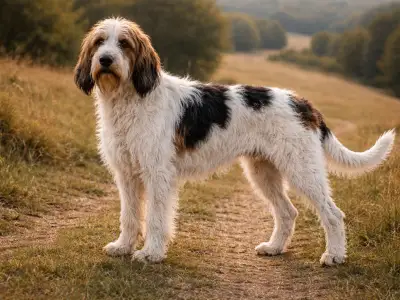
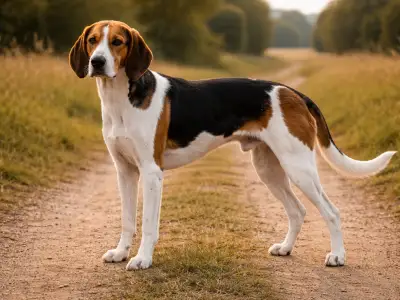
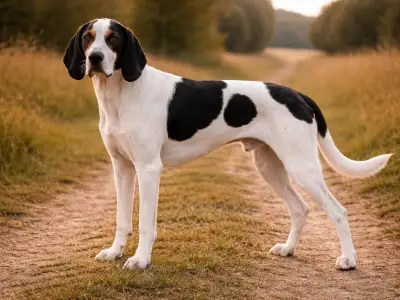
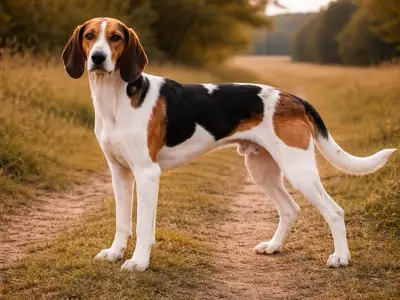
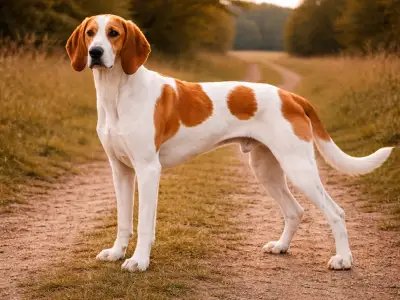
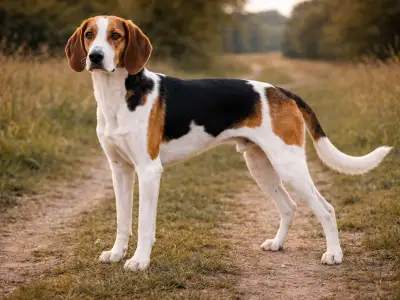
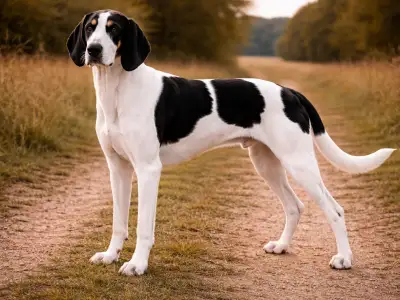
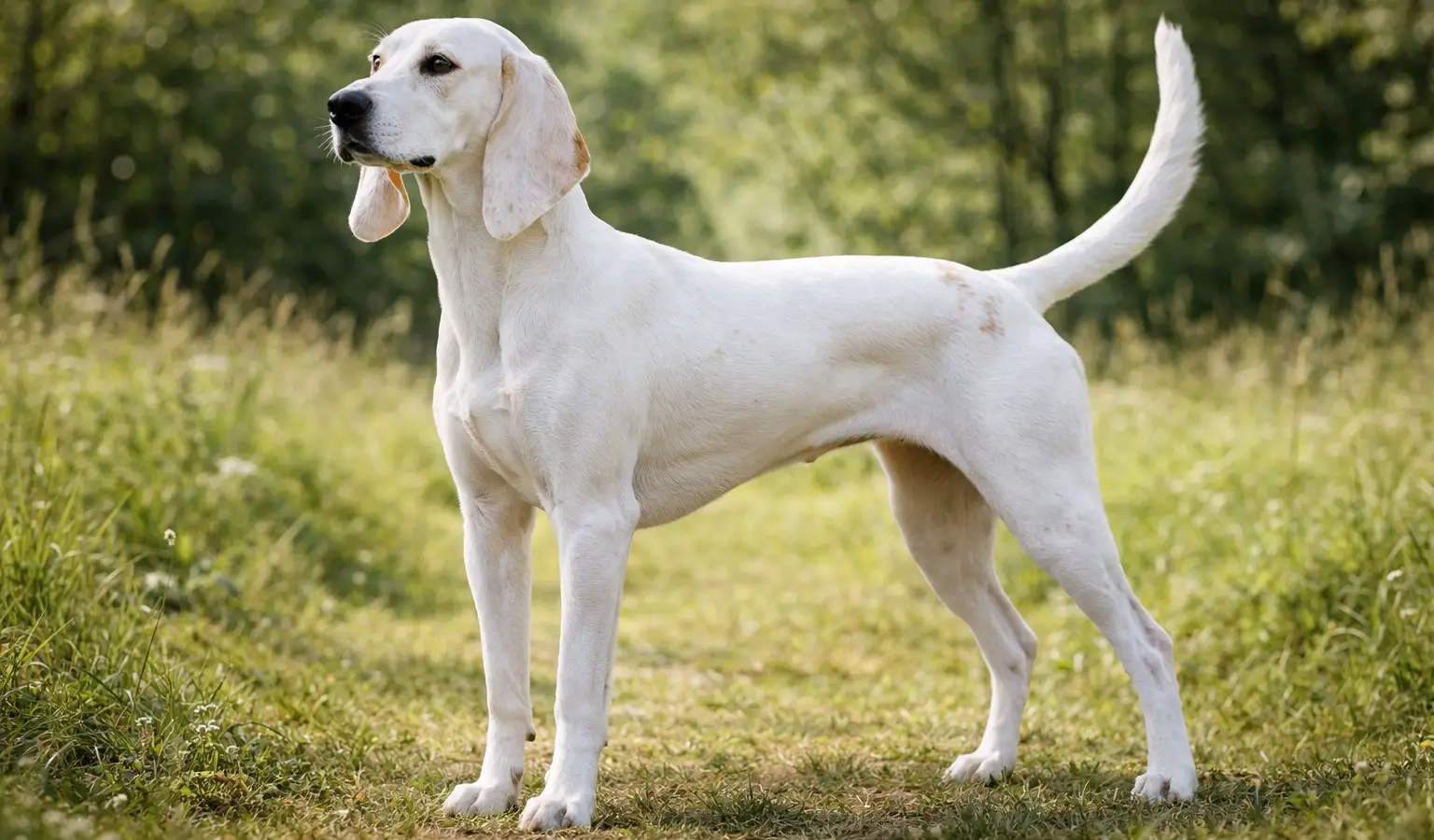
The Porcelaine is an elegant French scenthound, famed for its fine white coat often marked with light orange spots, which inspired the breed name. Fast, enduring and blessed with an excellent nose, it is used for hunting (commonly hare) and enjoys pack work. Gentle and social at home, it still needs substantial daily exercise, scent activities and consistent boundaries to manage its strong chase instincts.
Life expectancy
11 – 13 years
Price
900 – 1500 €
Monthly budget
70 €
Size
Medium
Profile
Porcelaine
Origin
France
Year of origin
1840
Developed by
French hunters
Size
Medium
Coat type
Short coat
Owner profile
Active owner
Hypoallergenic
No
Litter size
6
Life expectancy
11 – 13 years
Price
900 – 1500 €
Female
- Height : 53 – 56 cm
- Weight : 22 – 26 kg
Male
- Height : 55 – 58 cm
- Weight : 25 – 28 kg
Temperament & abilities
Affectionate
4/5
Calm
3/5
Independent
4/5
Intelligence
4/5
Obedience
3/5
Hunting instinct
5/5
Energy level
4/5
Good with children
4/5
Dog-friendly
4/5
Friendly with strangers
4/5
Hunting profile
Stamina
5/5
Hunting drive
5/5
Independence
4/5
Trainability
3/5
Beginner-friendly
3/5
Family compatibility
4/5
Feather game
0/5
Fur game
5/5
Underground work
0/5
Water work
0/5
These indicators help compare breeds and choose the right one for your hunting style.
Game & abilities
Estimated ability level by game type.
Budget
Purchase price
900 – 1500 €
The price may vary depending on the breeder, bloodline, and region.
Average monthly cost
70 €
Estimated average: food, healthcare, accessories, and grooming.
A refined scent hound with stamina, voice, and purpose
Is the Porcelaine a good hunting dog?
The Porcelaine is generally considered a capable hunting dog for hunters who want a classic scent hound rather than an all-purpose gundog. Its main strengths lie in nose work, forward drive, and the ability to pursue game with persistence over ground that asks for endurance. In practical terms, Porcelaine hunting ability makes the most sense for hare, deer, and other tracking or trailing work where scenting skill and stamina matter more than close handling or versatile retrieve work.
In the field, the breed is usually described as an elegant but serious worker: active, willing to range, and built to keep moving. A good Porcelaine often works with an efficient search pattern shaped by scent conditions, terrain, and training, rather than by constant attention to the handler. That can be a real advantage for hunters who appreciate an independent hound with a natural voice and determination on a line. At the same time, it means this is not always the easiest choice for someone who wants a highly biddable, close-working dog with instant recall under heavy distraction.
Training demands are moderate to high in the sense that hound instincts need direction, not suppression. Recall, check-ins, and calm everyday handling should be taught early and practiced consistently, especially if the dog is expected to live as a family companion outside hunting season. The Porcelaine temperament is often affectionate and pleasant at home, but field motivation can be strong, so off-lead reliability may depend heavily on the individual dog, bloodline, and the quality of training.
- Best fit: hunters wanting a true scent hound for trailing, pursuit, and covering ground with energy.
- Less ideal for: owners seeking a low-maintenance pet, a natural retriever, or a dog that hunts in very close partnership at all times.
- Daily life: regular exercise, scent work, and structured outlets are important; without them, this active hound may become restless.
For comparison shoppers, the Porcelaine suits people who admire traditional hound work and can live with some independence, voice, and athletic energy. It can balance field performance and family life quite well in the right home, but that balance usually comes easiest for owners who genuinely enjoy training, outdoor time, and the realities of living with a purpose-bred scent hound.
Accurate trailing nose
The Porcelaine is generally valued for a fine scenting nose that can sort and carry a line with care rather than rushing blindly. In practical hunting, that often means steadier work on rabbit, hare, or similar game, especially when a hunter wants a hound that keeps contact with the track instead of relying only on speed.
Clear, useful voice
One of the breed’s classic assets is its musical hound voice. For hunters, that is more than tradition: a clear cry can help follow the chase through cover and judge whether the dog is working confidently or struggling on a turn. For people who enjoy audible hound work, this is a real field advantage.
Endurance for long outings
The Porcelaine was developed as a working scent hound, and many individuals show the stamina needed for extended days over uneven ground. This staying power suits hunters who cover country at a steady pace rather than those wanting short, explosive action. Outside the hunting season, that same engine usually calls for regular exercise and purposeful activity.
Composed line control
Compared with hotter, more impulsive hounds, the Porcelaine often appeals to handlers who like methodical work on the scent line. It can be a good match for hunters who value concentration, tracking rhythm, and fewer wasted movements in cover. That said, reliability still depends heavily on breeding, early exposure, and consistent handling.
Strong pack hound instincts
This breed has long been associated with traditional pack hunting, and many Porcelaines are most convincing when they can work in company with other hounds. That tendency can be a strength for organized hunts where cooperation matters. It may be less ideal for someone seeking a highly independent, solo-working dog with strong retriever-style versatility.
Best suited to scent-hound game
The Porcelaine is usually at its best in the role it was shaped for: pursuing game by nose with persistence and voice. It is a more specialized hunting dog than an all-purpose gundog, which helps the right owner and narrows the wrong one. Hunters wanting classic trailing hound qualities often see the appeal immediately.
Who the Porcelaine suits best
The Porcelaine tends to suit a hunter or highly active owner who genuinely enjoys living with a driven scent hound rather than simply admiring one. This breed is often a better match for people who appreciate long walks, tracking-style work, and a dog that follows scent with purpose. In hunting homes, it is likely to appeal most to those wanting a quick, elegant hound with stamina, voice, and a strong nose, especially where regular field use and steady recall training are realistic parts of life.
It is usually less suitable for very sedentary households, owners expecting easy off-lead freedom in unfenced areas, or first-time handlers who want instant compliance. A Porcelaine may also frustrate people who dislike hound vocalization or who cannot provide daily outlets for energy and scent-driven instincts. The best fit is often a home that is calm indoors but active every day, with secure space, patient training, and realistic expectations about independence.
How the breed’s history shaped its style in the field and at home
Origins and development of the Porcelaine
The Porcelaine is generally described as one of the oldest French scent hounds, developed for hunting by nose over varied country rather than for brute force or show-ring exaggeration. Its roots are usually linked to eastern France, especially the Franche-Comte region near the Swiss border, where white hounds were valued for their clear voice, elegant outline, and ability to work game with method and stamina. As with many old hound breeds, the exact early recipe is not fully documented, but the Porcelaine appears to have been shaped by practical pack-hunting needs above all else.
Historically, these dogs were used on hare and other running game, and that background still helps explain the breed today. A Porcelaine tends to be a scent-led hound first: persistent on a line, musical in voice, athletic without being heavy, and often more refined in style than some larger, rougher pack hounds. Breeders selected for endurance, nose, and cooperation in the hunt, which is why many modern Porcelaines still show a strong desire to follow scent, cover ground efficiently, and work with other dogs rather than constantly looking to the handler for direction.
That heritage brings both strengths and limitations for modern owners. In the right hands, the breed can be an enjoyable hunting companion for people who appreciate a hound that works with enthusiasm, rhythm, and honesty on scent. In everyday life, though, the same history can show up as independence, a tendency to become absorbed in smells, and a need for regular exercise that goes beyond a short walk. The Porcelaine is often described as gentle and sociable, but it is usually best suited to owners who understand hound behavior and can provide patient recall training, secure space, and a lifestyle that gives the dog a real outlet.
The breed’s development also helps explain its balanced appearance and temperament. Unlike breeds heavily reshaped for fashion, the Porcelaine has remained closely tied to function, which contributes to its clean build, fluid movement, and purposeful working style. For hunters, that can mean a capable scent hound with elegance and drive; for non-hunting homes, it can mean a charming but active dog that thrives most when daily life includes tracking games, long walks, and calm, consistent handling. In short, the Porcelaine’s past is still very visible in the dog you live with today.
French hunting roots
The Porcelaine is generally regarded as an old French scenthound, valued for its refined outline, white coat, and clear, musical voice in the field. Its history is tied to traditional hare and small-game hunting, where endurance, nose work, and coordinated pack movement mattered more than speed alone. That background still shapes the breed’s identity today.
Built to follow scent
This breed is first and foremost a scent hound, so its working style tends to revolve around tracking methodically rather than checking in constantly with the handler. Many Porcelaines show persistence on a line, good stamina, and a steady pace over varied ground. For hunters, that can be a real strength; for pet owners, it means recall training usually needs patience and realism.
Gentle but not soft
At home, the Porcelaine often comes across as pleasant, sociable, and fairly even-tempered, especially when well exercised. That said, it is not simply a decorative hound. It can be independent, scent-driven, and absorbed by outdoor stimuli, so training is usually most successful with calm repetition, consistent rules, and enough daily activity to prevent frustration.
Best with space and routine
Daily life with a Porcelaine is usually easier in a home that offers secure outdoor access, regular walks, and time for scent-based enrichment. It may adapt to quieter family living, but it is rarely a low-output dog. Owners who enjoy long outings, structured routines, and practical training tend to cope better than people looking for an effortless companion.
Low-fuss coat, active body
The coat is one of the breed’s simpler points: short, fine, and generally easy to maintain with routine brushing and basic cleanliness after fieldwork. The bigger management issue is not grooming but physical and mental use. A Porcelaine that lacks exercise, scent work, or purposeful outings may become restless, vocal, or too focused on following every interesting smell.
Who it suits best
The Porcelaine often suits people who genuinely like hounds and understand what comes with them: independence, drive, and a nose that can outweigh convenience. It may be a strong match for hunters, active rural owners, or experienced dog keepers who want an elegant working breed. First-time owners can find it rewarding, but usually only with realistic expectations and consistent handling.
Practical answers about hunting ability, training, exercise, home life, and owner fit
Porcelaine hunting and daily life FAQ
Is the Porcelaine a good hunting dog for modern hunters?
The Porcelaine is generally regarded as a capable scent hound with a strong nose, plenty of drive, and the stamina needed for long outings. It is traditionally associated with hunting by scent rather than close, highly handler-focused work, so it tends to suit hunters who appreciate a hound that can work independently while still staying part of a pack or organized hunt. In practice, success depends a lot on bloodline, early exposure, and consistent field training. For the right hunter, especially one looking for a musical, energetic running hound, the breed can be a very appealing choice.
What game is a Porcelaine usually used for, and how does it hunt?
The breed is most often linked with hare and other game pursued by scent, and in some contexts it may also be used on larger game depending on local tradition, terrain, and legal hunting practice. A Porcelaine usually hunts with its nose down, following scent with determination rather than relying on sight alone. Many people are drawn to the breed for its classic hound style: covering ground efficiently, voicing on trail, and showing persistence once it has a line to follow. That said, individual dogs can vary in range, speed, and pack manners, so matching the dog to the intended type of hunting matters.
Are Porcelaines easy to train, or are they stubborn like other scent hounds?
Porcelaines are often intelligent and willing, but they can also show the independent mindset common in scent hounds. This does not necessarily mean they are difficult dogs, but it does mean training usually works best when it is clear, consistent, and genuinely motivating. Recall can be a challenge once a dog is absorbed in scent, so long-line work, repetition in varied environments, and careful management around game are especially important. Owners who expect instant off-leash obedience may be frustrated, while those who understand hound behavior often find the breed very workable.
Can a Porcelaine live as a family dog if it also comes from hunting lines?
Many Porcelaines can settle well into family life if they receive enough exercise, structure, and mental engagement. At home, a well-managed dog may be affectionate, social, and easier to live with than its field intensity might suggest, but this balance usually does not happen on its own. A hunting-bred Porcelaine still tends to need outlets for scenting, movement, and routine, so a short walk and backyard time are rarely enough. Families who enjoy active weekends, training games, and regular outdoor time are usually better matched than households looking for a low-maintenance pet.
Is the Porcelaine suitable for apartment living, or does it need rural space?
A Porcelaine can be easier to manage in a spacious rural setting, especially where regular scent work and long exercise sessions are realistic. Apartment life is not impossible in every case, but it is usually more demanding because this is an active hound with a strong interest in tracking and movement. Noise can also be a consideration, since some scent hounds are vocal when excited, frustrated, or following scent. The key question is less the size of the home than whether the owner can provide substantial daily exercise, training, and controlled outlets for natural hunting instincts.
How much exercise does a Porcelaine really need day to day?
Most Porcelaines need more than a basic pet-dog routine. A brisk daily walk is a starting point, but many individuals also benefit from longer outings, tracking games, structured training, and safe opportunities to use their nose. Without enough physical and mental work, some dogs may become noisy, restless, or harder to handle. This breed is usually a better fit for people who enjoy regular outdoor activity and can make exercise part of the daily schedule rather than an occasional extra.
Who is the Porcelaine best suited for: first-time owners, hunters, or experienced hound people?
The Porcelaine is often best suited to active owners who appreciate hound behavior and do not expect the constant handler focus seen in some other working breeds. Hunters, rural owners, and people with previous experience of scent hounds may find the breed especially rewarding because they are often more prepared for its independence, voice, and exercise needs. A committed first-time owner could still succeed, but usually only with realistic expectations, a secure setup, and serious attention to recall and daily management. In general, the breed tends to fit people who want a true hound rather than a highly biddable all-purpose dog.