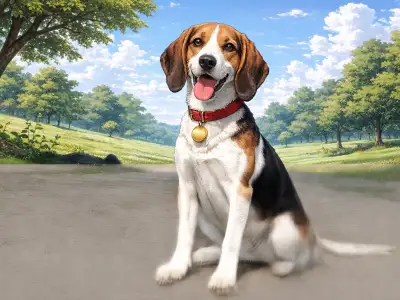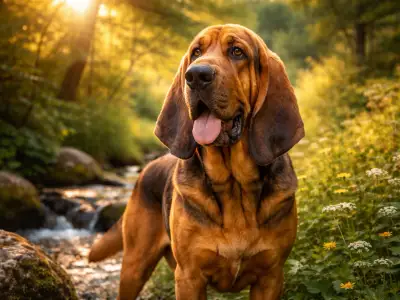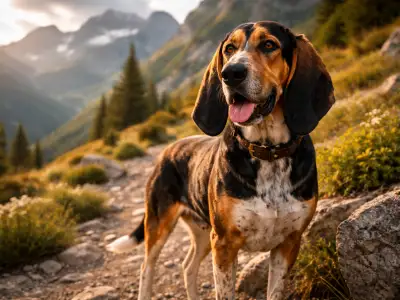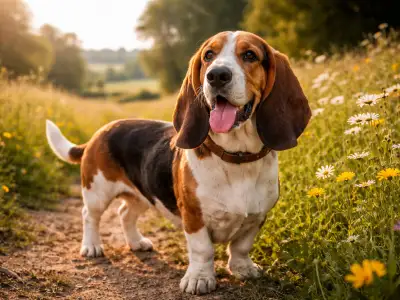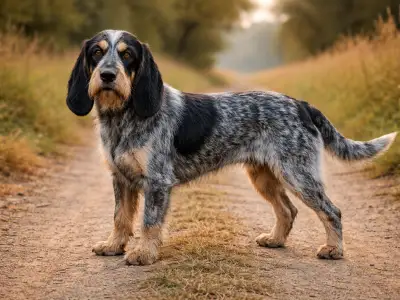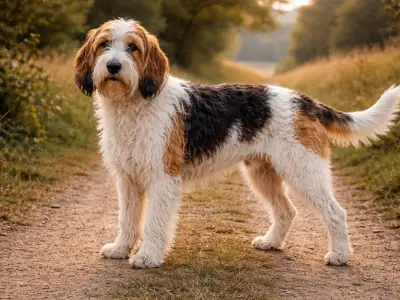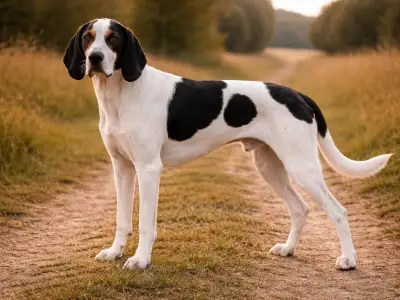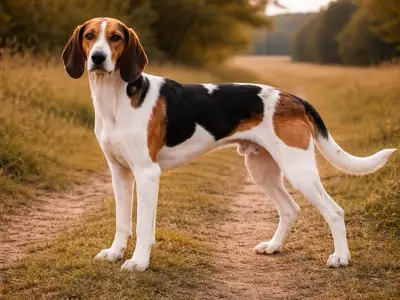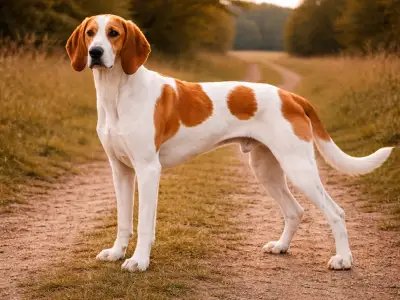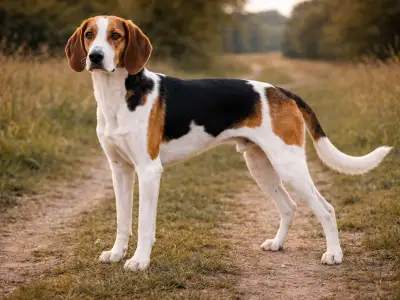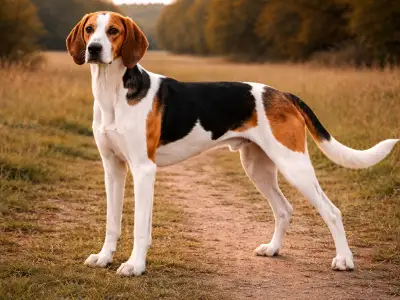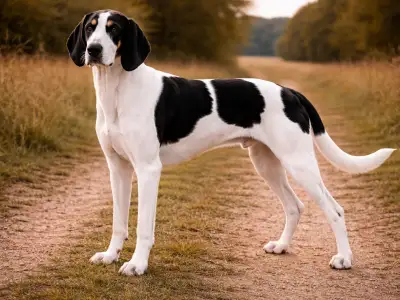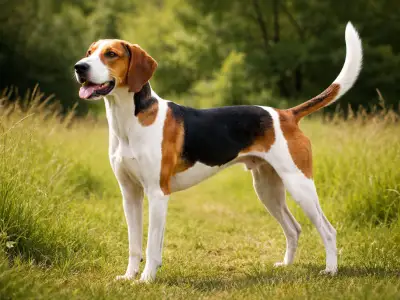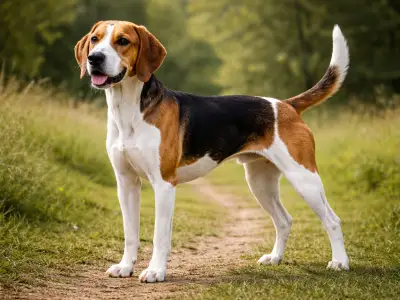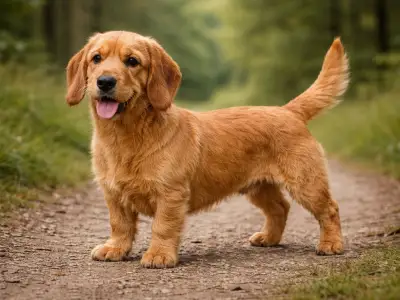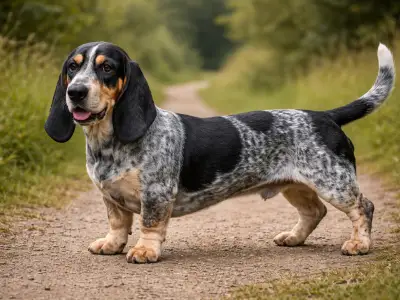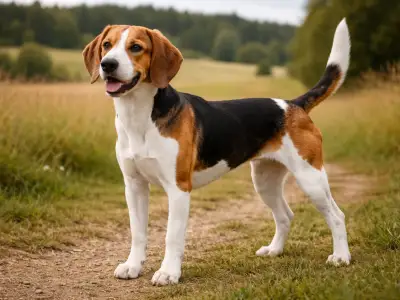
Grand Griffon Vendéen
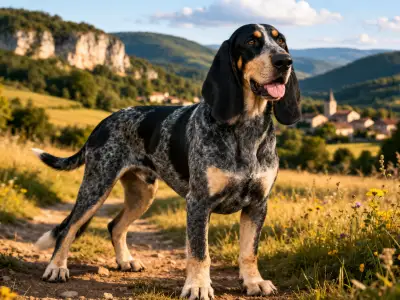
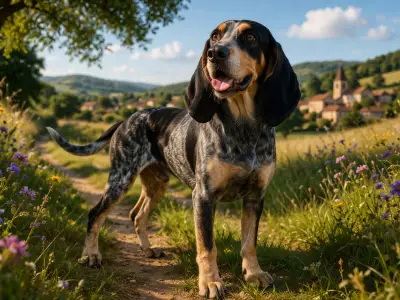
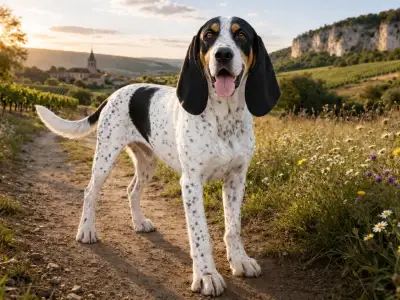
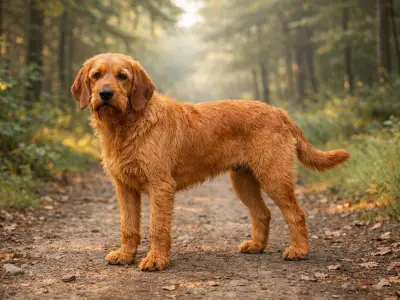
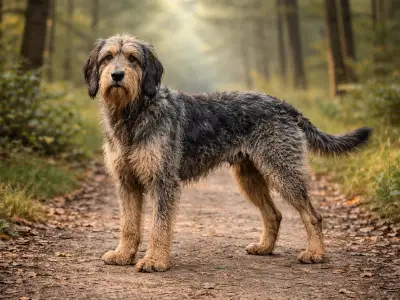
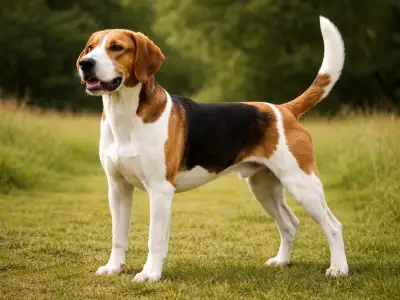
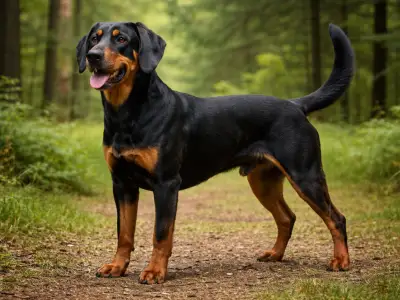
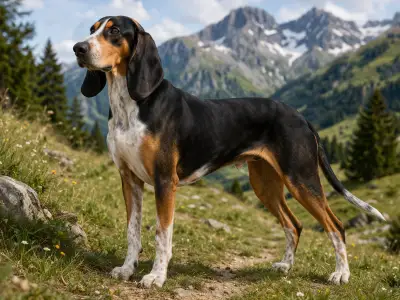
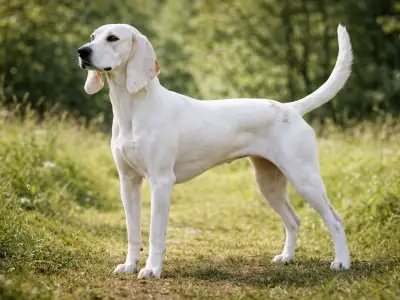
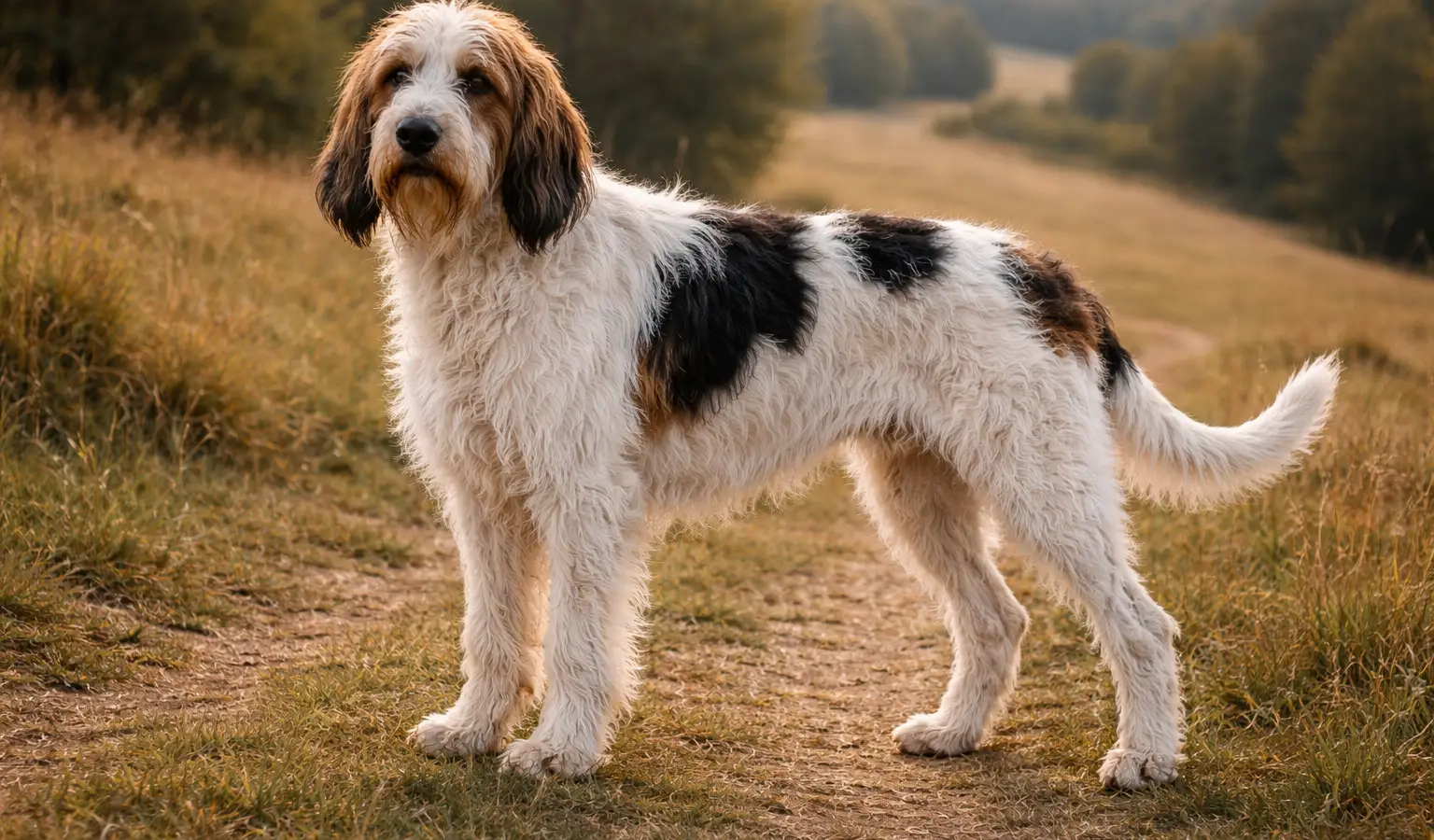
The Grand Griffon Vendéen is a large French scenthound, powerful, hardy and highly determined on the trail. Its harsh coat offers protection in rough terrain, and its nose makes it a strong hunting dog for big game. Social in a pack, it still needs consistent training, plenty of space and substantial daily exercise to stay balanced.
Life expectancy
10 – 13 years
Price
1000 – 1600 €
Monthly budget
80 €
Size
Large
Profile
Grand Griffon Vendéen
Origin
France
Year of origin
1800
Developed by
Vendée hunters
Size
Large
Coat type
Wire coat
Owner profile
Active owner
Hypoallergenic
No
Litter size
7
Life expectancy
10 – 13 years
Price
1000 – 1600 €
Female
- Height : 60 – 65 cm
- Weight : 28 – 32 kg
Male
- Height : 62 – 68 cm
- Weight : 30 – 35 kg
Temperament & abilities
Affectionate
3/5
Calm
3/5
Independent
4/5
Intelligence
4/5
Obedience
3/5
Hunting instinct
5/5
Energy level
4/5
Good with children
3/5
Dog-friendly
4/5
Friendly with strangers
3/5
Hunting profile
Stamina
5/5
Hunting drive
5/5
Independence
4/5
Trainability
3/5
Beginner-friendly
2/5
Family compatibility
3/5
Feather game
0/5
Fur game
4/5
Underground work
0/5
Water work
0/5
These indicators help compare breeds and choose the right one for your hunting style.
Game & abilities
Estimated ability level by game type.
Budget
Purchase price
1000 – 1600 €
The price may vary depending on the breeder, bloodline, and region.
Average monthly cost
80 €
Estimated average: food, healthcare, accessories, and grooming.
A powerful scenthound with stamina, voice, and determination, but not a low-maintenance choice
Is the Grand Griffon Vendéen a Good Hunting Dog?
The Grand Griffon Vendéen is widely considered a capable hunting dog for hunters who want a large, hard-driving scenthound with plenty of nose, stamina, and courage. It was developed for demanding scent work rather than close, highly controllable gun-dog tasks, so its strengths usually show best in game pursuit across difficult country. For the right handler, it can be an impressive working hound; for someone wanting easy recall, soft energy, or very simple day-to-day management, it may feel like a lot of dog.
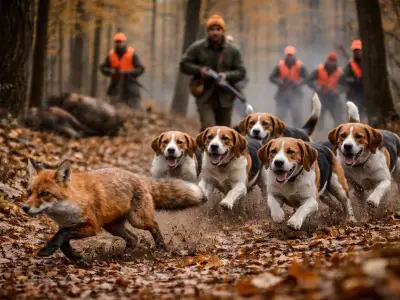
In the field, this breed tends to suit traditional hound work where persistence, voice, and the ability to stay on scent matter more than instant responsiveness. A Grand Griffon Vendéen often works with independence, covering ground with purpose and using its nose confidently in varied terrain. That can make it useful in rough cover and longer hunts, but it also means handling is not always as straightforward as with breeds selected for close cooperation. Recall and off-lead reliability usually require serious training, and even then, the strength of scent drive can override obedience in some individuals.
Its temperament combines enthusiasm, toughness, and a fairly high energy level. This is not usually the best fit for a casual pet home that only offers short walks and occasional play. Daily life is easier when the dog has room to move, regular structured exercise, and owners who understand hound behavior, including vocalization, independence, and the tendency to follow its nose. Training is certainly possible, but it tends to respond best to consistent, patient work rather than repetitive drilling or heavy-handed handling.
- Best suited for: experienced hound owners, active hunters, and homes that enjoy long outings and purposeful exercise
- Main strengths: scenting ability, stamina, drive, resilience, and determination in demanding terrain
- Main limitations: independent working style, variable recall, strong prey drive, and a level of energy that can be challenging in sedentary homes
- Less coherent use cases: close-working retriever roles, highly polished off-lead companion work, or urban lifestyles with limited outlet for natural instincts
As a hunting breed, the Grand Griffon Vendéen makes the most sense for people who genuinely want a scenthound and are ready for what that means in practice. It is not just about whether the breed can hunt well; it is about whether the owner wants a dog with this kind of working style. Compared with more biddable hunting breeds, it may demand more patience and management, but for the right person, its field ability and big, authentic hound character are exactly the point.
Powerful cold nose
The Grand Griffon Vendéen is valued first for scent work. As a large French scenthound, it is generally expected to follow older ground scent with determination, even when conditions are damp, windy, or confusing. For hunters who prioritize tracking continuity over raw speed, that steady nose can be one of the breed’s most practical strengths.
Built for rough country
This is a hound associated with hard terrain rather than easy footing. Its size, coat, and traditional use suggest a dog that can push through bramble, heavy cover, and uneven ground with less hesitation than many softer dogs. That makes it especially relevant for hunters working wild, challenging landscapes where lighter-framed hounds may fade sooner.
Endurance over long hunts
Stamina is a major working asset in the Grand Griffon Vendéen. It was developed for sustained pursuit, not brief bursts, so it often suits hunters who stay out for long tracking sessions or full hunting days. Daily life matters here too: the same endurance that helps in the field usually means this breed needs serious exercise and purposeful activity at home.
Bold on demanding game
The breed has a reputation for courage and commitment when game becomes difficult to move. In the right line and with proper handling, that can translate into a hound that keeps pressure on challenging scent and does not give up easily in thorny cover. For some owners, this boldness is a benefit in the field but requires thoughtful control and training.
Strong pack-hunting instinct
Like many traditional French scenthounds, the Grand Griffon Vendéen is often most convincing when worked as part of a pack or at least in company with other hounds. It tends to suit hunters who appreciate cooperative pursuit, vocal communication, and shared drive on a line. For solo handlers, that pack-minded nature can sometimes make recall and independence more challenging.
Expressive trailing voice
A clear hound voice is not just a romantic detail; it can be a real hunting advantage. The Grand Griffon Vendéen is known for being vocal on scent, helping hunters follow the progress of a trail through cover or at distance. That trait is useful in the field, though prospective owners should remember it can also mean a dog that is noticeably louder in everyday life.
Who the Grand Griffon Vendéen suits best
The Grand Griffon Vendéen tends to suit a hunter or very active owner who genuinely enjoys living with a strong-willed scent hound rather than trying to turn one into an easy suburban pet. This is typically a better match for people who value stamina, voice, nose, and determination in rough country, and who can provide regular field work, long outings, and patient training. In the right hands, it can be a rewarding companion for big-game or traditional scenthound enthusiasts, especially where independent hunting style is appreciated rather than constantly suppressed.
It is usually less suitable for first-time dog owners, highly house-proud households, or families wanting an off-switch by default. Its size, coat, scent-drive, and tendency to follow its nose can make daily management more demanding than many people expect. A small home with limited exercise, inconsistent recall work, or very sedentary routines is often a poor fit. It may work in family life with space, structure, and realistic expectations, but it generally fits best with people who understand hounds, accept some noise and mess, and want a dog to do things with rather than simply live around.
How a rough-coated French scenthound’s history shaped its voice, stamina, and hunting style
Origins and Development of the Grand Griffon Vendéen
The Grand Griffon Vendéen comes from western France, especially the Vendée region, where hunters needed hardy scenthounds able to work difficult ground, thick cover, and variable game. It is generally understood as one of the old Vendéen hound types, developed over time for endurance, nose, and the kind of bold, independent hunting style required in challenging terrain. As with many long-established French hunting breeds, some early details are not perfectly documented, but the broad picture is clear: this is a traditional large rough-coated scenthound shaped far more by practical field use than by fashion.
Historically, the breed was associated with hunting larger game and with pack work, which helps explain several present-day traits. The Grand Griffon Vendéen tends to be persistent on scent, animated, vocal, and willing to work at a distance from the handler when following a line. That independence is not a flaw in context; it is part of the breed’s original purpose. For modern owners, though, it also means training usually requires patience, repetition, and realistic expectations. This is not typically a dog bred to watch every human gesture for direction in the way some gundogs or herding breeds might.
The rough coat, substantial frame, and energetic movement reflect a dog expected to cope with bramble, weather, and long hours outdoors. In hunting terms, the breed’s history points to stamina, scenting determination, and confidence rather than extreme speed or close, highly controlled handling. In daily life, that background often translates into a dog that benefits from serious exercise, varied scent-based activity, and enough space to move and decompress. Many individuals can be affectionate and companionable at home, but they are usually best suited to people who genuinely enjoy living with an active hound rather than trying to turn one into a low-key house dog.
Its historical development still matters when judging suitability today:
- For hunters: often most appealing to those who value nose, voice, and perseverance over tight off-lead precision.
- For families: generally more suitable for experienced, active homes than for very sedentary households.
- For training: early recall work, consistent boundaries, and scent outlets are especially important.
- For handling: the breed may suit owners who appreciate hound independence and can manage a strong hunting drive calmly and consistently.
Seen in that light, the Grand Griffon Vendéen is best understood as a serious old French scenthound whose temperament and working style remain closely tied to its origins. Its history helps explain both its appeal and its challenges: a characterful, durable hunting dog for people who want authenticity, stamina, and hound instinct, and who are prepared to live with the independence that comes with them.
Old French hound roots
The Grand Griffon Vendéen comes from France’s Vendée region, where rough-coated scenthounds were developed for demanding terrain and long days in the field. It is generally regarded as one of the older Vendéen hound types, shaped for stamina, nose work, and persistence rather than for a polished companion-dog role.
Bred to follow scent
This breed was selected first and foremost as a hunting hound. A Grand Griffon Vendéen typically works with its nose down, covering ground steadily and staying engaged with a trail for long stretches. That heritage helps explain both its appeal to traditional hunters and its challenges in everyday obedience, especially when interesting scents compete for attention.
Independent but sociable
Like many pack-oriented scenthounds, the Grand Griffon Vendéen often combines a friendly, open nature with a strong independent streak. Many individuals are good-natured with people and other dogs, but they are not usually the sort of breed that lives only to please. Training tends to go best with patience, consistency, and realistic expectations.
Needs space and purpose
This is not an easy fit for a sedentary household. The breed usually does best with room to move, regular outdoor time, and meaningful activity that uses both body and nose. Country living or a rural-style routine often suits it better than a compact urban lifestyle, especially if barking and scent-driven wandering would be a problem.
Coat and upkeep
The harsh, rustic coat gives the breed its unmistakable outline, but it also brings some maintenance. Regular brushing helps limit tangles, field debris, and neglected undercoat, while the ears, feet, and furnishings deserve routine attention after outdoor work. Care is manageable, though it is not as low-maintenance as a smooth-coated hound.
Best for experienced owners
The Grand Griffon Vendéen generally suits people who appreciate hound behavior rather than trying to suppress it. It can be rewarding for active owners, hunters, or very committed scent-hound enthusiasts, but it may feel demanding for first-time dog owners. Daily life usually goes better when exercise, secure boundaries, and structured training are all taken seriously.
Practical answers on hunting ability, training, family life, exercise, housing, and owner fit
Grand Griffon Vendéen hunting and lifestyle FAQ
Is the Grand Griffon Vendéen a good hunting dog for modern hunters?
The Grand Griffon Vendéen was developed as a scenthound, and its main strengths usually revolve around nose, stamina, and determination in difficult country. It is often better suited to hunters who enjoy following a hound that works independently rather than expecting constant close handling like a highly handler-focused gundog. In practical terms, this breed may appeal most to people hunting over rough ground who value persistence and a dog that can stay engaged on scent for long periods. The exact style can vary by line and training, but this is generally not a casual weekend pet that simply happens to hunt well without serious work.
How easy is a Grand Griffon Vendéen to train for recall and off-lead control?
Recall can be one of the more challenging parts of living with a strong scenthound, especially once the dog is excited by fresh scent. Many individuals are intelligent and capable learners, but they may not show the same instant compliance as breeds selected for close cooperative work. Reliable off-lead freedom usually requires early training, repetition, and realistic management, including long lines and careful exposure to distractions. Even with good training, some owners find that recall in high-scent environments remains a work in progress rather than something to take for granted.
Can a Grand Griffon Vendéen be a family dog if it also comes from hunting lines?
It can, provided the household genuinely understands what living with an active working hound is like. Many hunting-bred dogs can be affectionate, sociable, and enjoyable in the home, but they typically need more than basic walks and a backyard to stay settled. Families usually do best when they like outdoor routines, training, and structured activity, and when they are comfortable with a dog that may be vocal, scent-driven, and not always instantly obedient. Homes expecting an easygoing, low-maintenance companion may find the breed more demanding than expected.
Does the Grand Griffon Vendéen do well in an apartment or small home?
A small home is not automatically impossible, but success depends far more on exercise, enrichment, and noise tolerance than on square footage alone. This breed is generally active and can become restless if its physical and mental needs are not met, and as a hound it may also use its voice more than neighbors appreciate. A rural or semi-rural setting often suits it better, especially if the owner can provide regular long outings and controlled freedom in safe areas. For many urban apartment households, there are usually easier breeds to manage day to day.
How much exercise does a Grand Griffon Vendéen need when it is not actively hunting?
This is usually not a breed that stays balanced on a quick walk around the block. Most adults need substantial daily movement along with chances to use their nose, explore varied terrain, and engage in training or scent-based games. Long walks, hiking, tracking-style activities, and structured enrichment are often more useful than repetitive fetch in a small yard. The exact amount will depend on age, condition, and individual temperament, but owners should expect a genuinely active dog rather than a part-time exercise companion.
Is the Grand Griffon Vendéen a good choice for first-time dog owners?
For most first-time owners, this breed is likely to be challenging unless they are unusually prepared and committed to hound-type behavior. Its scent drive, independence, exercise needs, and potential vocal nature can be a lot to handle for someone still learning everyday dog management. A first-time owner who enjoys training, has access to experienced guidance, and wants a true working-style hound may do well, but this is rarely the easiest beginner dog. In many cases, it suits experienced active owners or hunters better than people seeking a highly biddable household pet.
What kind of owner is the best match for a Grand Griffon Vendéen?
The best match is usually someone who genuinely appreciates hounds and does not mistake independence for stubbornness or lack of intelligence. This breed tends to fit owners who enjoy long outdoor days, patient training, and a dog with strong natural instincts rather than polished, effortless obedience. It may suit hunters, rural households, and very active people who can offer structure, secure containment, and regular scent-led activity. It is often a poorer match for highly tidy homes, sedentary routines, or owners who want an off-switch without first meeting the dog's working needs.