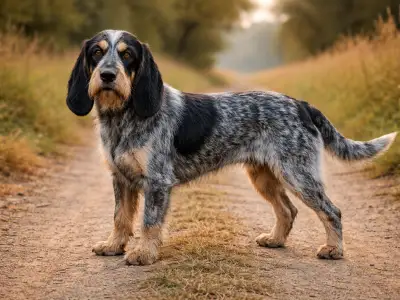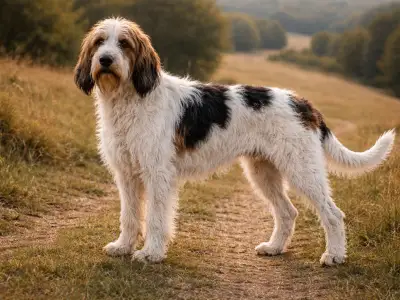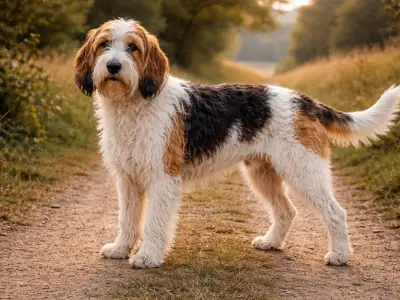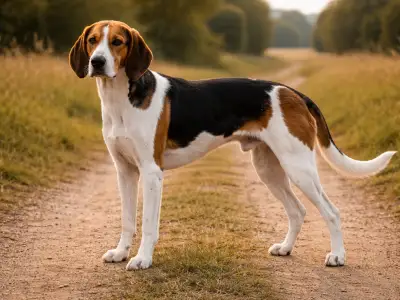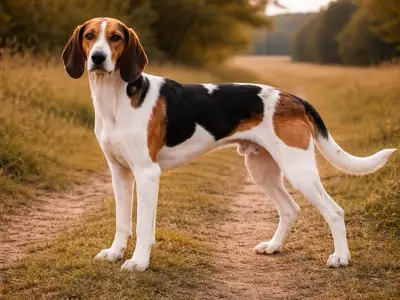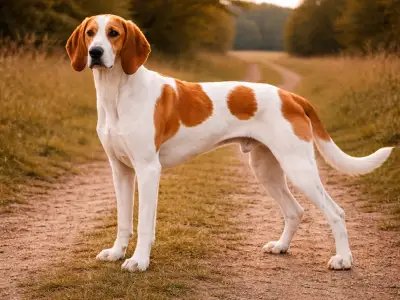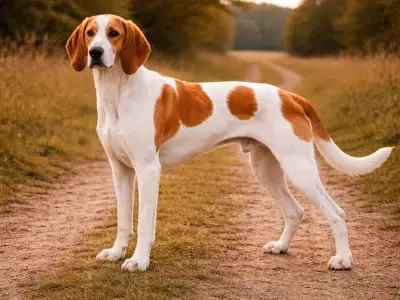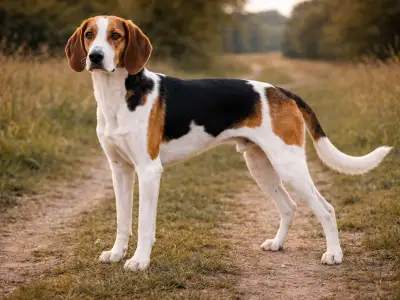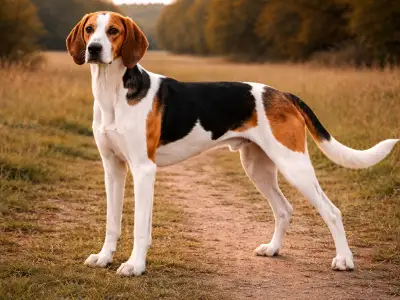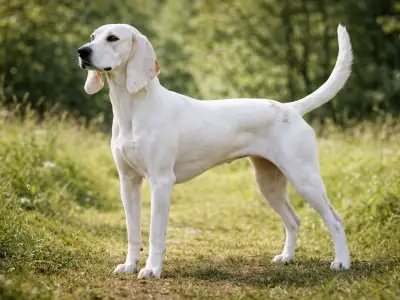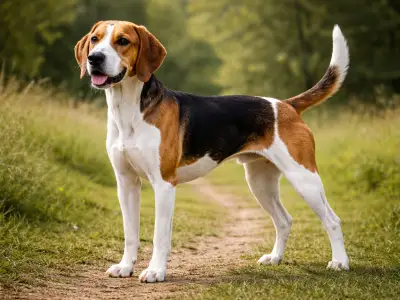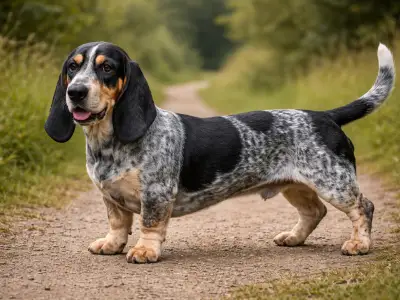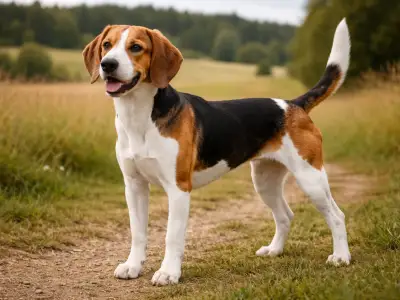
Basset Fauve de Bretagne
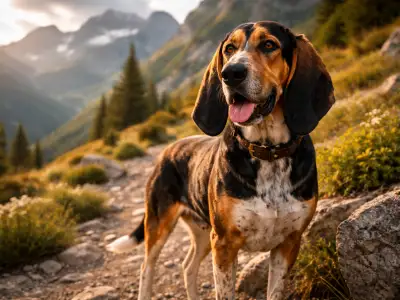
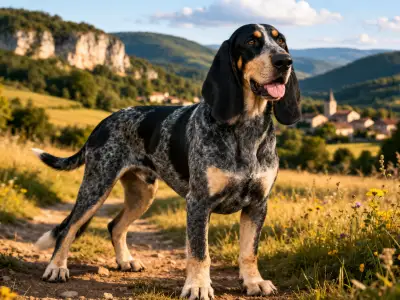
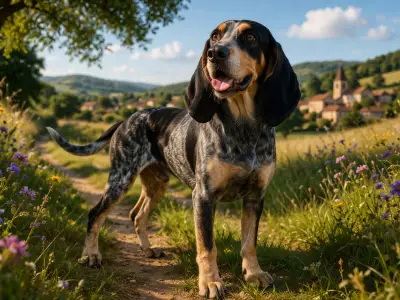
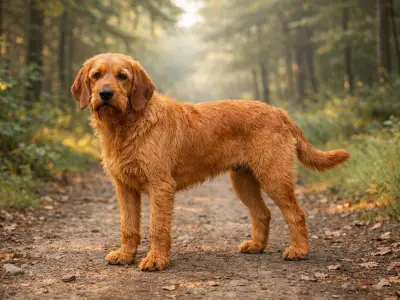
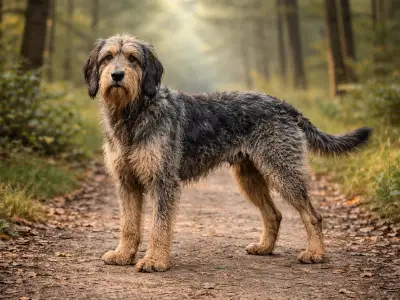
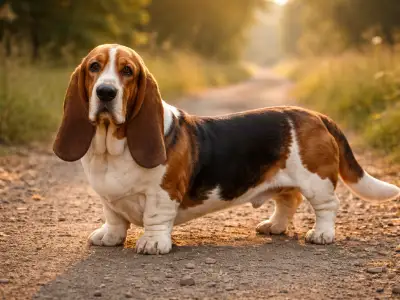
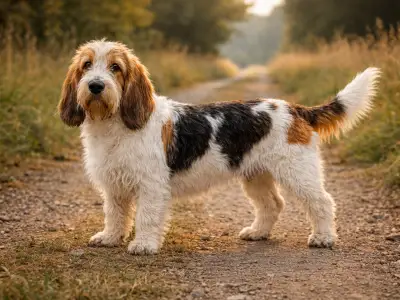
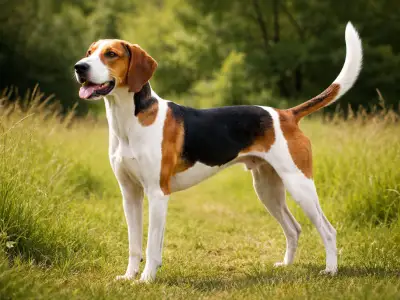
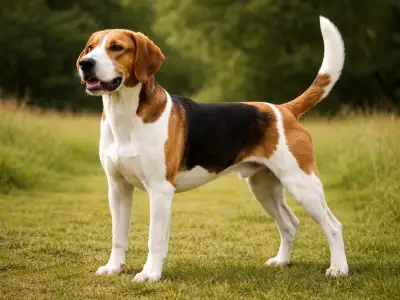
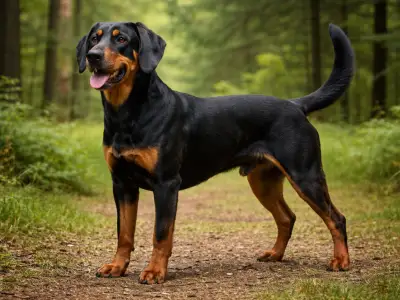
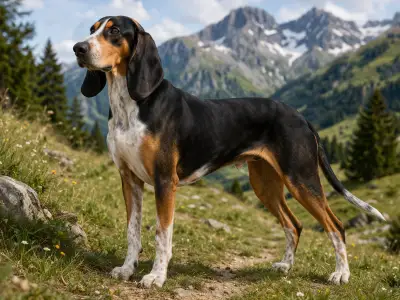
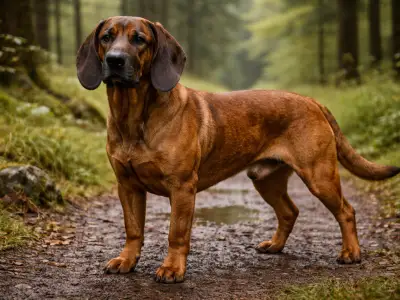
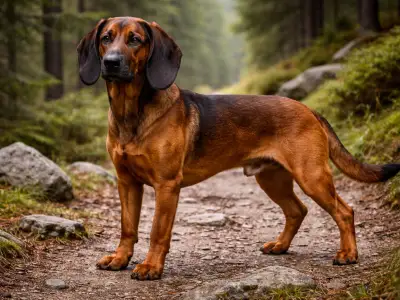
The Basset Fauve de Bretagne is a small French scenthound, lively, bold and surprisingly enduring for its size. Recognized by its fawn coat and harsh hair, it is valued for hunting (rabbit and hare) thanks to an excellent nose and strong determination. Affectionate and cheerful, it can be stubborn, so it benefits from consistent training, regular exercise and scent-based activities.
Life expectancy
11 – 14 years
Price
900 – 1500 €
Monthly budget
60 €
Size
Small
Profile
Basset Fauve de Bretagne
Origin
France
Year of origin
2003
Developed by
French hunting breeders
Size
Small
Coat type
Wire coat
Owner profile
Active owner
Hypoallergenic
No
Litter size
5
Life expectancy
11 – 14 years
Price
900 – 1500 €
Female
- Height : 32 – 38 cm
- Weight : 14 – 15 kg
Male
- Height : 32 – 38 cm
- Weight : 14 – 16 kg
Temperament & abilities
Affectionate
4/5
Calm
3/5
Independent
3/5
Intelligence
4/5
Obedience
3/5
Hunting instinct
5/5
Energy level
5/5
Good with children
4/5
Dog-friendly
4/5
Friendly with strangers
4/5
Hunting profile
Stamina
4/5
Hunting drive
4/5
Independence
3/5
Trainability
3/5
Beginner-friendly
4/5
Family compatibility
5/5
Feather game
0/5
Fur game
4/5
Underground work
0/5
Water work
0/5
These indicators help compare breeds and choose the right one for your hunting style.
Game & abilities
Estimated ability level by game type.
Budget
Purchase price
900 – 1500 €
The price may vary depending on the breeder, bloodline, and region.
Average monthly cost
60 €
Estimated average: food, healthcare, accessories, and grooming.
A compact scenthound with real drive, strong nose work, and a practical balance between field use and home life
Is the Basset Fauve de Bretagne a Good Hunting Dog?
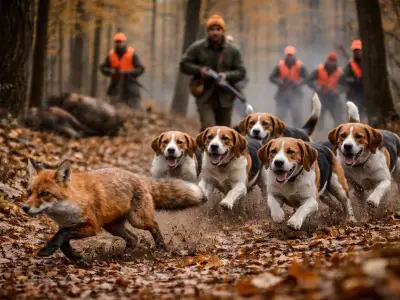
The Basset Fauve de Bretagne is generally a very capable hunting dog for hunters who want an active, determined small scenthound rather than a wide-ranging specialist. It was developed for scent work and typically shows the key qualities people look for in a hunting hound: a willing nose, honest enthusiasm on a line, notable courage for its size, and enough stamina to work rough country for a meaningful stretch. In practical terms, it is often most coherent as a rabbit, hare, and small-game hunting dog, though some lines may also be used on larger quarry depending on local tradition, terrain, and handling expectations.
Its hunting style is usually more about persistence than speed. The Basset Fauve de Bretagne tends to work close enough to remain useful in tighter cover, hedgerows, brush, and broken ground, which can make it attractive to hunters who do not want an overly expansive hound. The nose is often one of its strongest assets, and many individuals show a lively, purposeful search pattern with good determination once game is scented. That said, this is still a scenthound: if the dog is strongly engaged on scent, recall can require real training, and day-to-day handling is often easier when the dog has been started early and consistently.
In temperament, the breed often combines cheerful companionship with a genuine working edge. That balance is part of its appeal. A Basset Fauve de Bretagne can fit family life better than some larger or harder-driving hunting breeds, but it is not a decorative house dog. It usually needs regular exercise, structured outlets for its nose, and training that respects both its intelligence and its hound independence. Harsh handling tends to be less productive than patient repetition, clear boundaries, and plenty of practice around distractions.
For a hunter comparing breeds, the Basset Fauve de Bretagne often makes the most sense in a few specific use cases:
- Small-game hunting: often well suited to rabbit and hare work where nose, voice, and persistence matter more than outright pace.
- Dense or mixed terrain: useful in cover where a compact, brave dog can push through without needing huge range.
- Dual-purpose home and field life: appealing for owners who want a real hunting dog that can also live closely with the family, provided its energy is managed properly.
Its limitations are equally important to understand. It is not usually the first choice for someone wanting extreme range, a highly mechanical obedience profile, or a low-maintenance pet. Trainability is often good in a practical sense, but not always in the eager-to-please retriever style. For the right owner, though, the breed offers a persuasive mix of scenting ability, manageable size, field courage, and everyday livability.
Strong tracking nose
The Basset Fauve de Bretagne is prized first for scenting ability. It is typically a close-working scenthound that can stay engaged on a line with real purpose, which helps on rabbit, hare, and similar game. For hunters who value a dog that hunts with its nose rather than racing blindly, this is one of the breed’s clearest field assets.
Bold in thick cover
This breed often shows more grit than its size suggests. Many Basset Fauves push through bramble, rough hedgerows, and dense undergrowth with determination, making them useful where game holds tight. That courage is a practical advantage for hunters who work difficult ground and need a dog willing to stay busy in messy terrain.
Compact but hard-going
Although low to the ground, the breed is generally energetic and durable in the field. A well-conditioned Basset Fauve de Bretagne can keep hunting at a steady pace for long outings, especially when developed gradually. It suits people who want a small hound with genuine stamina rather than a purely ornamental companion.
Useful hunting voice
Like many scent hounds, the Basset Fauve de Bretagne may give tongue clearly enough for the handler to follow the action without always seeing the dog. That can be especially helpful in woodland, scrub, or broken country. For some hunters, this audible contact is part of the breed’s appeal and makes tracking the chase easier.
Versatile small-game hound
The breed is most closely associated with small-game hunting, but its practical value often comes from adaptability rather than narrow specialization. Depending on the individual dog, line, and training, it may handle varied scenting situations and mixed terrain well. That flexibility appeals to hunters who want one compact scenthound for different outings instead of a highly specialized setup.
Manageable for attentive handlers
The Basset Fauve de Bretagne is usually keen, busy, and independent enough to hunt honestly, yet still more manageable than some larger hounds when training is consistent. It tends to suit handlers who enjoy active dogs and regular field work. Reliable recall and control still require effort, especially around fresh scent and moving game.
Who the Basset Fauve de Bretagne suits best
The Basset Fauve de Bretagne tends to suit hunters and active owners who want a compact scenthound with real drive, a practical size, and a cheerful but busy temperament. It often fits people who enjoy regular walks, scent games, and structured training rather than a purely decorative companion. In hunting homes, it is usually best matched with handlers who appreciate nose-led work, steady field time, and a dog that may show independence when following scent. For family life, it can work well in households that like lively, sturdy dogs and can provide daily activity, consistent rules, and patient recall training.
Less suitable profiles include very sedentary owners, people expecting effortless off-leash reliability, or households wanting a quiet, low-maintenance dog. This breed may also be a mismatch for those bothered by hound voice, muddy outings, or a dog that notices every interesting smell. In the right home, the Basset Fauve de Bretagne is often an engaging hunting companion and active family dog, but it usually does best with people who enjoy managing energy, channeling instincts, and living with a true small hound rather than a simple pet.
How an old Breton hunting dog shaped the breed’s modern character
Origin and development of the Basset Fauve de Bretagne
The Basset Fauve de Bretagne comes from Brittany in western France and is generally understood to descend from the larger Grand Fauve de Bretagne, an old rough-coated scenthound once used on demanding game. As hunting practices changed and many hunters needed a more compact dog that could work dense cover on foot, shorter-legged hounds were selected and stabilized over time. That history helps explain the breed today: it is still very much a scent-driven hunting dog, but in a handier, more manageable format for varied terrain and closer work.
Like many older French hound breeds, the exact timeline is not perfectly documented in every detail, but the broad development is fairly clear. Breeders and hunters valued dogs that could push through thorny cover, keep contact through voice and scent, and show determination without needing the size of a big pack hound. The Basset Fauve de Bretagne was shaped less for elegance than for usefulness, which is still obvious in its practical build, weather-resistant coat, and energetic, purposeful way of moving.
That functional background strongly influences present-day temperament. Many Basset Fauve de Bretagne dogs are lively, bold, and sociable, with a cheerful nature that makes them appealing beyond the hunting field. At the same time, they often retain a real hound mind: independent on scent, persistent, and sometimes selective in training if motivation is weak or handling is inconsistent. For hunters, that can be a strength, because initiative and nose matter. For family life, it means this breed usually does best with owners who enjoy active daily routines and understand that a small scenthound is not necessarily an easy lap dog.
In practical terms, the breed often suits people who want a compact hunting companion with genuine working roots, or an active household that appreciates a dog with drive, voice, and personality. Its history suggests several enduring traits:
- Strong scenting instinct and enthusiasm in cover
- Good stamina for its size and a busy, energetic style
- Independent thinking, which can complicate recall and off-lead management
- Social, companionable character when well raised and given enough activity
In short, the Basset Fauve de Bretagne was not developed as a decorative small hound, but as a practical French hunting dog adapted to real terrain and real work. That heritage remains central to understanding the breed. People who enjoy its history usually find that its modern temperament makes more sense: merry and affectionate at home, but often still driven, vocal, and businesslike once a scent trail appears.
A compact hound from Brittany
The Basset Fauve de Bretagne comes from western France, where small, determined scent hounds were valued for working dense cover and rough ground. It is generally understood to descend from the larger Griffon Fauve de Bretagne, with selection favoring a lower, more manageable dog that could stay close to the hunter while still showing drive and courage on game.
Built for nose-first hunting
This breed is best known as a scent hound that hunts with its nose down, good persistence, and a lively, forward style. In the field, many individuals show enthusiasm on rabbit, hare, and similar quarry, though performance can vary with bloodline and training. Its shorter legs do not make it slow-minded; they often help it work methodically through cover while remaining easier to follow than faster hounds.
Cheerful but not soft
At home, the Basset Fauve de Bretagne is often described as upbeat, sociable, and full of character. That pleasant nature should not be mistaken for automatic obedience. Like many hunting dogs, it may be independent when following scent and can test consistency if training is unclear. It tends to suit owners who enjoy an engaged, busy dog rather than one that is naturally calm and undemanding.
Daily life needs real activity
This is not just a small rustic dog for occasional walks. Most Basset Fauve de Bretagne dogs do best with regular exercise, scent-based games, and time outdoors that lets them use their nose and brain. A secure garden can help, but it does not replace daily work or purposeful outings. Without enough activity, some dogs may become noisy, restless, or overly interested in following every scent trail.
Simple coat, practical care
The rough coat is fairly practical for a working hound and usually easier to live with than a highly groomed show coat. Routine brushing helps remove dead hair and debris, especially after walks in scrub or bramble. Owners should also pay attention to ears, nails, and general cleanliness after field work. Care is not usually complicated, but regular maintenance matters if the dog lives an active outdoor life.
Best for active hands-on owners
The breed often suits hunters and active households looking for a hardy, compact scenthound with personality and working instinct. It can also fit family life when exercise, boundaries, and supervision are taken seriously. It is usually a better match for people who appreciate hound behavior, including scent distraction and vocal expression, than for owners wanting an easy off-switch or highly handler-dependent dog.
Practical answers about hunting ability, trainability, home life, exercise, and the kind of owner this breed suits best.
Basset Fauve de Bretagne hunting and family life FAQ
Is the Basset Fauve de Bretagne a good hunting dog for today’s hunter?
For many hunters, the Basset Fauve de Bretagne remains a very practical small scenthound. It is generally valued for its nose, determination on scent, and manageable size in thick cover where larger hounds may be harder to handle. Depending on line and training, it may suit rabbit, hare, fox, or boar work in some regions, but local practice and individual ability matter a great deal. It often appeals to hunters who want a serious working dog without the sheer scale, voice, or kennel management demands of bigger packs. As with any hunting breed, results depend heavily on breeding, early exposure, and consistent field experience.
How easy is a Basset Fauve de Bretagne to train for recall and hunting work?
Training is usually very possible, but few scenthounds are naturally effortless off lead once scent takes over. The Basset Fauve de Bretagne often learns quickly when sessions are clear, repeated, and rewarding, yet it may also show the independent mind typical of scent-driven hunting dogs. Recall should be built carefully from puppyhood and maintained for life rather than assumed to be finished. Hunters and active pet owners usually do best with short, regular sessions, strong reinforcement, and controlled exposure to game scents. A harsh approach can reduce cooperation, while fair structure and patience tend to get better long-term reliability.
Can a Basset Fauve de Bretagne live as a family dog if it also comes from hunting lines?
Often yes, provided its daily needs are taken seriously. Many hunting-bred hounds can be affectionate, cheerful, and pleasant at home when they get enough exercise, scent work, and routine, and the Basset Fauve de Bretagne is often appreciated for that balance. The main mistake is expecting a working-type dog to switch itself off with only a quick walk around the block. In a family setting, it usually does best with predictable rules, regular outdoor time, and some outlet for nose work. Strong field instincts do not automatically prevent good home manners, but they do require management and training.
Is the Basset Fauve de Bretagne good with children and other pets?
With children, this breed is often described as lively, sturdy, and companionable, especially when raised with them and handled respectfully. As with any dog, supervision matters, particularly with younger children who may be noisy or physically rough. With other dogs, many individuals do quite well because hounds have often been expected to work or live around other dogs, though temperament still varies. Small pets can be more complicated because prey drive may be strong, especially with unfamiliar animals that move quickly. Careful introductions, realistic expectations, and secure management are more important than assuming instinct will disappear in the home.
Can a Basset Fauve de Bretagne live in an apartment, or does it need a country home?
This breed does not necessarily need a rural property, but apartment life is only realistic if the owner is very committed. A Basset Fauve de Bretagne usually needs more than basic toilet walks; it benefits from regular exercise, sniffing opportunities, and enough stimulation to prevent boredom-related noise or mischief. Its hound voice may also be a consideration in close housing, particularly if it becomes frustrated or follows outdoor scents. A secure yard is helpful but not a substitute for engagement. Many do best with owners who enjoy daily outings and can accept that this is an active scent hound rather than a low-maintenance small dog.
How much exercise and mental stimulation does a Basset Fauve de Bretagne really need?
Most need a meaningful amount of daily activity, though not every individual has the same engine. A couple of short lead walks is often too little for a fit adult, especially one from active working lines. This breed usually benefits from brisk walks, safe exploring, tracking-style games, and chances to use its nose in a structured way. Mental work matters because scent hounds are not just physically energetic; they are often mentally engaged by odor, trails, and problem-solving. When exercise and enrichment are too limited, owners may see pulling, vocalizing, wandering attention, or home frustration.
Who is the Basset Fauve de Bretagne best suited for, and who may struggle with it?
This breed often suits people who genuinely enjoy hounds: owners who like outdoor routines, can train patiently, and do not expect instant obedience in every setting. It may be a strong match for active families, hobby scent-work enthusiasts, and hunters wanting a compact, driven dog with real field heritage. It may be less suitable for very sedentary homes, perfectionists who want highly handler-focused behavior, or anyone planning frequent off-lead freedom in unfenced areas without serious recall training. First-time owners can succeed, but usually only if they are realistic about prey drive, voice, and the daily commitment needed to keep a scent hound satisfied.