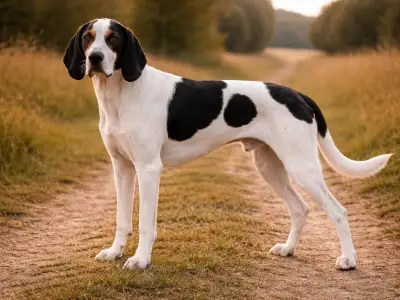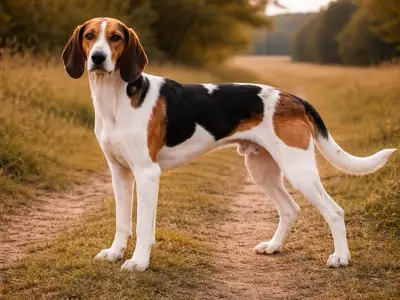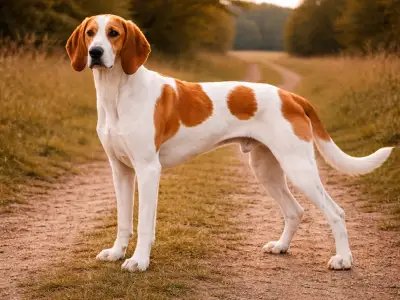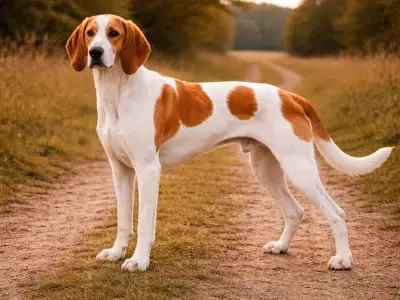
Poitevin
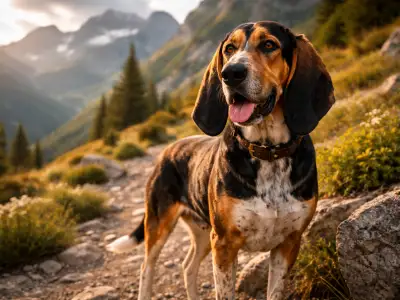
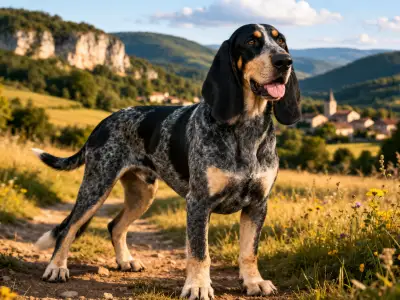
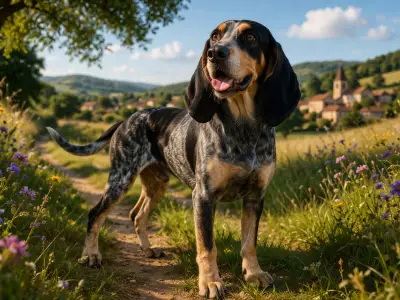
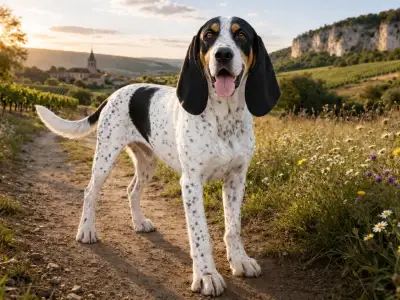
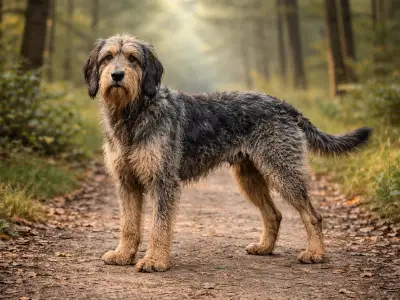
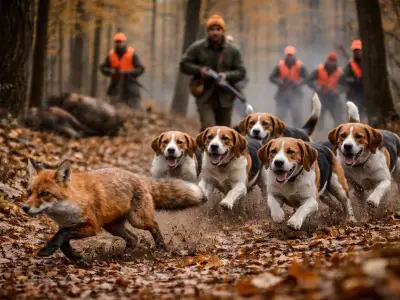
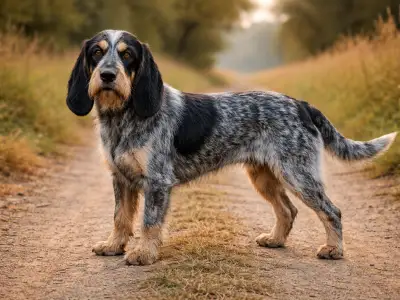
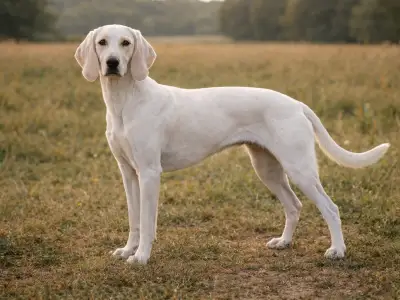
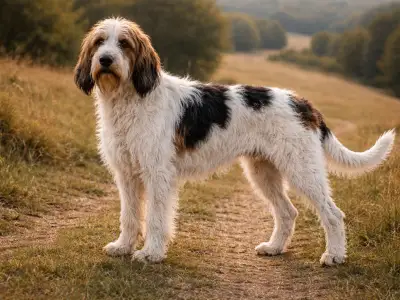
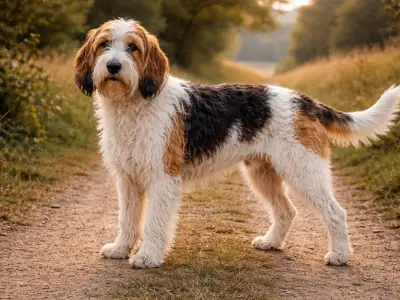
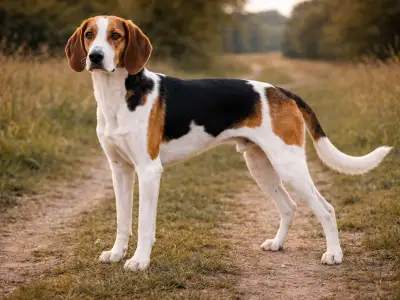
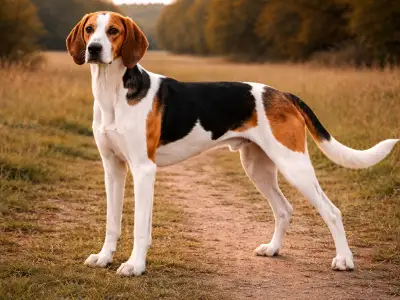
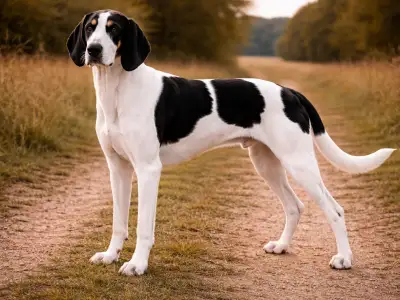
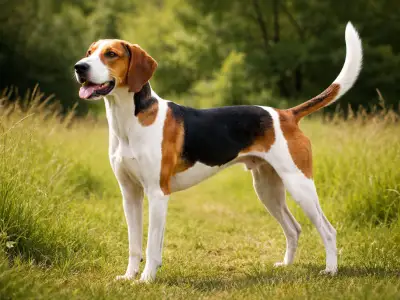
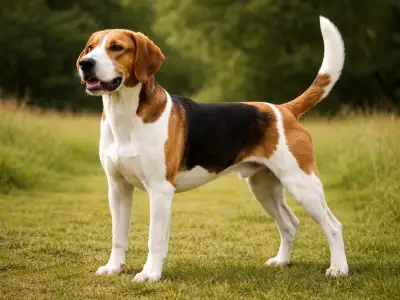
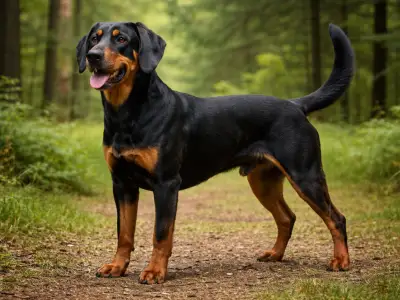
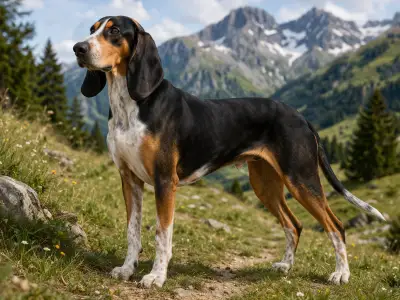
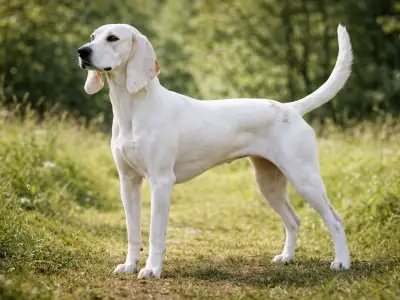
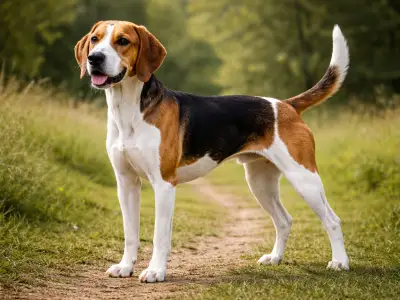
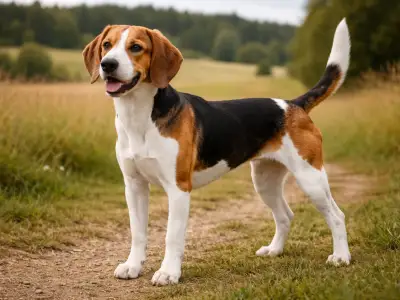
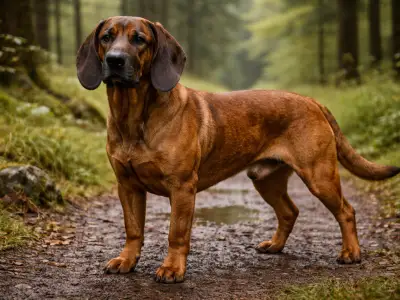
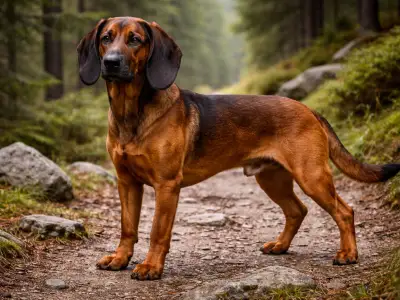
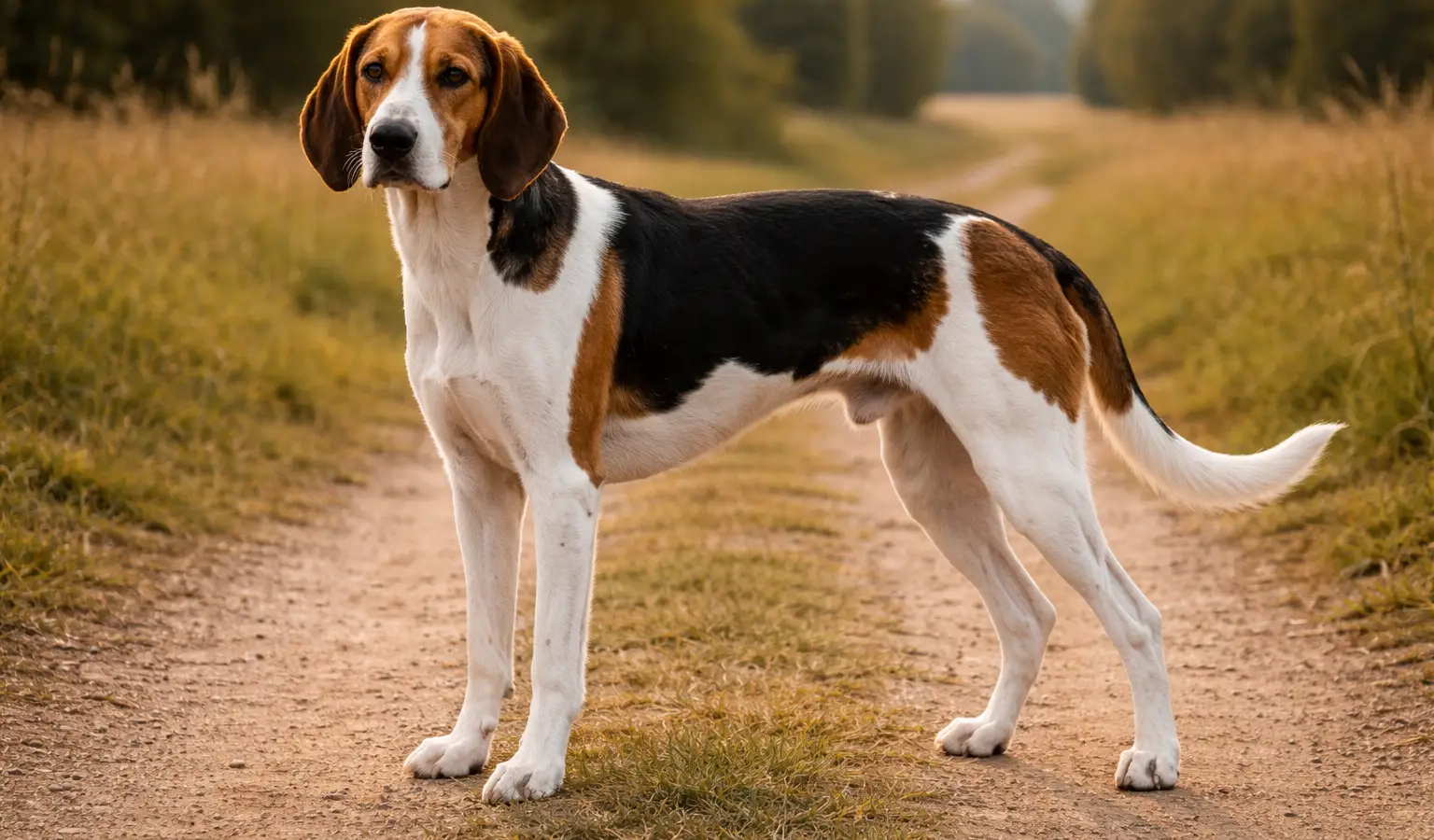
The Poitevin is a large French scenthound, fast, elegant and highly enduring, developed for pack hunting. Known for a good nose, a clear voice and the ability to keep a strong pace over long distances, it thrives with an active lifestyle. Social with other dogs, it needs space, substantial daily exercise and consistent handling.
Life expectancy
10 – 13 years
Price
1000 – 1700 €
Monthly budget
80 €
Size
Large
Profile
Poitevin
Origin
France
Year of origin
1700
Developed by
French aristocracy
Size
Large
Coat type
Short coat
Owner profile
Experienced owner
Hypoallergenic
No
Litter size
7
Life expectancy
10 – 13 years
Price
1000 – 1700 €
Female
- Height : 60 – 65 cm
- Weight : 28 – 32 kg
Male
- Height : 62 – 70 cm
- Weight : 30 – 35 kg
Temperament & abilities
Affectionate
3/5
Calm
3/5
Independent
5/5
Intelligence
4/5
Obedience
2/5
Hunting instinct
5/5
Energy level
5/5
Good with children
3/5
Dog-friendly
4/5
Friendly with strangers
2/5
Hunting profile
Stamina
5/5
Hunting drive
5/5
Independence
4/5
Trainability
3/5
Beginner-friendly
2/5
Family compatibility
3/5
Feather game
0/5
Fur game
4/5
Underground work
0/5
Water work
0/5
These indicators help compare breeds and choose the right one for your hunting style.
Game & abilities
Estimated ability level by game type.
Budget
Purchase price
1000 – 1700 €
The price may vary depending on the breeder, bloodline, and region.
Average monthly cost
80 €
Estimated average: food, healthcare, accessories, and grooming.
A fast, hard-driving scent hound best suited to hunters who want range, stamina, and a true pack hound mindset.
Is the Poitevin a good hunting dog?
The Poitevin is widely considered a very capable hunting dog for traditional scent-hound work, especially where speed, stamina, and drive matter more than close handling. This is a powerful running hound with a serious nose, an energetic search pattern, and the kind of determination that can be valuable on difficult scent lines over large areas. For the right hunter, the Poitevin can be impressive in the field. For the average pet owner or for someone wanting a highly biddable all-purpose gun dog, it is often a demanding choice.
In practical hunting terms, the Poitevin tends to make the most sense in pursuit work where endurance and forward momentum are essential. It is generally associated with hunting by scent rather than with retrieving tasks, and it is usually appreciated for its ability to cover ground, stay committed, and work with intensity in varied terrain. Courage and persistence are part of the breed's reputation, but handling can be less straightforward than with softer, closer-working breeds. Many individuals are more focused on the track than on frequent check-ins with the handler.
That working style shapes training expectations. A Poitevin is not usually the easiest option for a novice hunter who needs quick off-leash reliability, polished recall, or a dog that naturally hunts in close partnership. Training matters, but so do bloodline, early exposure, and consistent structure. This breed often responds best to experienced handling, clear routines, and enough real work to channel its energy. Without that outlet, the same stamina and independence that help in the field can make daily life more challenging.
As a companion, the balance is mixed. The Poitevin can live well in an active home, but it is rarely a low-maintenance family dog. It typically needs substantial exercise, secure space, and owners who understand hound behavior, vocal tendencies, and scent-driven decision-making. It is usually most coherent for people who genuinely hunt, train regularly, or want a traditional scenthound for purposeful work rather than a casual weekend pet.
- Best fit: experienced hunters wanting a fast, durable scent hound for pursuit work over larger ground
- Main strengths: nose, stamina, drive, courage, and commitment on scent
- Main limits: recall can be challenging, retrieve is not a primary strength, and everyday management may be demanding
- Less suitable for: novice handlers, small sedentary households, or owners wanting a highly versatile gun dog
Built for running game
The Poitevin is widely valued as a pursuit hound for fast-moving game, especially where the hunt depends on maintaining pressure over distance rather than making a quick close find. Its style generally suits open country and larger hunting grounds better than tight, slow, highly methodical work in heavy cover.
Endurance over long chases
One of the breed’s clearest strengths is stamina. A well-conditioned Poitevin can keep working for extended periods, which matters when scent lines are old, the terrain is demanding, or the chase stretches on. This is not usually a hound for casual, low-output outings; it tends to suit active hunters who appreciate sustained effort.
Free-moving nose
The Poitevin is a scenthound first, using its nose while moving with purpose rather than creeping through ground at a slow pace. In practice, that can make it effective on drifting scent and changing lines during a chase. Handlers usually get the best results when they trust the dog’s nose and avoid overhandling every decision.
Strong pack cooperation
This breed is traditionally associated with pack hunting, and many Poitevins show their best qualities when working with other hounds. Good cooperation, shared drive, and a tendency to stay engaged in collective pursuit can be major advantages in the right setup. For hunters wanting a highly independent solo dog, the fit may be less obvious.
Brave, forward style
The Poitevin often appeals to hunters who like a bold, energetic hound that pushes on rather than hesitating when the pace rises. That forward attitude can be useful on challenging game and rough country, but it also means training, recall, and control matter. This is usually a breed for confident handling rather than inconsistent direction.
Best with experienced handlers
Its hunting value is real, but the Poitevin is not always the easiest match for a novice owner seeking a laid-back companion that occasionally hunts. High energy, pack instincts, and a strong drive to follow scent often require structured exercise, patient training, and access to real work. It tends to suit serious hound people best.
Who the Poitevin Suits Best
The Poitevin tends to suit a hunter or very active owner who genuinely wants a fast, driven scent hound rather than a relaxed all-purpose family dog. This breed is usually a better match for people who understand pack-hound instincts, can provide serious daily exercise, and do not expect close, constant off-leash attentiveness. In the right hands, a Poitevin can appeal to hunters looking for endurance, nose work, and a dog that is comfortable working over distance, especially in a structured hunting environment.
For everyday life, the best home is often rural or semi-rural, with space, secure containment, and owners who enjoy managing a vocal, energetic dog with a strong independent streak. It may be less suitable for first-time dog owners, low-activity households, apartment living, or anyone wanting an easy off-switch and highly biddable obedience. Families can do well with a well-raised Poitevin, but the fit is strongest when the household accepts hound traits: stamina, determination, scent-led focus, and a need for purposeful outlets rather than casual exercise alone.
How a French pack hound’s history still shapes its temperament and hunting style today
Origins and development of the Poitevin
The Poitevin is a French scent hound developed in the Poitou region, where hunters needed a fast, enduring pack dog able to pursue large game over difficult ground. Its history is tied especially to wolf hunting, and that background helps explain the breed’s modern profile: athletic, scent-driven, vocal, and most at ease when given room to work. While historical sources can vary in detail, the Poitevin is generally understood to have been shaped through careful selection for stamina, pace, nose, and the ability to function efficiently within a pack rather than as a highly handler-focused companion.
Early development appears to have involved French hound stock refined over time to produce a lighter, elegant but tough running hound. The goal was not simply a dog that could smell game, but one that could carry a trail with drive, cover country quickly, and keep working for long hours. That practical selection still shows in the breed today. A Poitevin is often admired for its speed and reach in the field, but those same qualities can make daily life more demanding for owners who expect an easygoing pet content with short walks and limited stimulation.
The breed’s pack-hunting heritage is central to understanding temperament. Many Poitevins tend to be more natural in a kennel or multi-dog working environment than in a highly urban household. They are often social with other dogs, independent in their decision-making, and strongly motivated by scent. For hunters, that can be a real strength: the dog is built to persist, follow odor honestly, and contribute to coordinated pack work. For family life, it can mean training requires patience, repetition, and realistic expectations. Recall, off-leash reliability, and impulse control may depend heavily on individual lines, early education, and how much opportunity the dog has to channel its instincts appropriately.
Today, the Poitevin remains best understood as a specialist hound rather than a general-purpose companion. Its history points clearly toward the type of home and hunting use that suits it best: experienced handlers, plenty of space, regular physical work, and people who appreciate a driven scent hound for what it is. In the right setting, the breed’s heritage can be an advantage rather than a challenge; in the wrong one, the same independence, voice, and energy that make it effective in the field may feel difficult to manage.
French hunting roots
The Poitevin is a French scenthound traditionally associated with hare, deer, and other game pursued over distance. It was developed for speed, stamina, and a ringing voice in the field rather than for a sedentary companion role. That origin still matters today: most Poitevins make the most sense with owners who appreciate an active, purpose-bred hound.
Built for the pack
This breed was selected to work with other hounds, following scent and covering ground efficiently. Many Poitevins therefore show strong pack instincts, independence, and a tendency to focus more on the trail than on constant handler eye contact. For hunters, that can be a strength; for pet homes, it means recall and off-leash reliability often require patient, realistic training.
Energetic but not frantic
A well-bred Poitevin is often described as hardy, driven, and athletic rather than nervous. At home, individuals may be calmer than their field style suggests, but they are rarely low-energy dogs. They usually do best with substantial daily exercise, regular scent-based activity, and room to move, especially once adolescence brings more confidence and endurance.
Best for experienced handlers
The Poitevin is not typically the easiest first dog. Like many scent hounds, it may be affectionate without being highly biddable in the way some retrievers or herding breeds are. Training often works best when it is consistent, fair, and rewarding, with special attention to leash manners, recall foundations, and managing distractions created by strong scent interest.
Space and routine matter
This is usually a poor match for cramped, inactive living unless the owner is exceptionally committed to exercise and structure. A rural or semi-rural setting often suits the Poitevin better, especially where noise, movement, and hound vocalization are less likely to create friction. Secure fencing is important, because an interesting scent can outweigh good intentions very quickly.
Straightforward care, high daily needs
Coat care is generally simple, but the breed’s real maintenance lies in lifestyle. Most Poitevins need more than a short walk around the block. Useful outlets can include long hikes, controlled running, tracking games, and structured hunting work where legal and appropriate. Families considering this breed should think in terms of time, space, and management, not just grooming effort.
Practical answers for hunters, active owners, and families considering this French scenthound
Poitevin Hunting and Daily Life FAQ
Is the Poitevin a good hunting dog for modern hunters?
The Poitevin was developed as a running scenthound, and it is generally valued for stamina, drive, and the ability to work over large areas. It tends to suit hunters who want a fast, energetic hound that can follow scent with determination rather than a close-working, highly handler-focused dog. In practice, it is usually a better fit for experienced hound people and organized pack or team hunting than for someone wanting an easy first hunting companion. How successful a given dog will be depends a lot on breeding, early exposure, handling, and the type of game and terrain involved.
How easy is a Poitevin to train for hunting and everyday obedience?
A Poitevin can learn well, but it is not typically the easiest breed for people expecting instant compliance. Like many scent hounds, it may be strongly motivated by odor, movement, and the excitement of the chase, which can make recall and off-lead reliability more difficult outside controlled work. Training usually goes best with calm repetition, clear rules, and regular field experience rather than heavy correction. Owners often do best when they separate goals: build hunting skills thoughtfully, while also teaching practical home behaviors such as leash manners, settling, crate comfort, and coming when called in low-distraction settings.
Can a Poitevin live happily as a family dog if it is not used for hunting?
Some Poitevins can adapt to active pet homes, but this is rarely a low-maintenance family breed. The main issue is not affection but intensity: this is a dog that often wants serious physical exercise, scent work, and structure, not just a few neighborhood walks. In a home that enjoys long outings, training games, and consistent routine, a Poitevin may be pleasant and social, especially if well raised from an early age. In a quieter household with limited time, limited space, and little interest in scent-based activity, frustration and nuisance behaviors are more likely.
Are Poitevins good with children and other dogs?
With children, the breed may do well in the right home, especially when the dog is socialized early and daily life is well managed. Because Poitevins are often energetic, athletic, and excitable outdoors, they are usually a better match for families with dog-savvy older children than for homes expecting a calm, highly tolerant couch dog. Many hounds of this type are quite comfortable with other dogs, particularly if they have been raised in social environments, but individual temperament still matters. Around smaller household pets, caution is sensible because prey drive can be strong, and safe coexistence should never be assumed without careful introduction and supervision.
Does a Poitevin need a large property, or can it live in a house or apartment?
The Poitevin usually does best in a home with secure outdoor space and easy access to regular exercise, but the key issue is not simply yard size. A large garden does not replace structured activity, training, and opportunities to use the nose, while a smaller home can work better if the owner is genuinely committed to long daily outings and management. Apartment life is often challenging because this breed may be vocal, restless, and difficult to satisfy without substantial exercise. Most people will find the Poitevin more practical in a rural or semi-rural setting than in a busy urban routine.
How much exercise does a Poitevin need each day?
This is generally a high-energy scenthound, so exercise needs are usually well above average. Many individuals need more than a short walk morning and evening; they tend to benefit from longer outings, steady conditioning, and mentally engaging activities such as tracking games or controlled scent work. A Poitevin that is physically fit but mentally underused may still seem unsettled, so enrichment matters as much as mileage. Prospective owners should think in terms of an active lifestyle several days a week, not occasional weekend exercise.
Who is the Poitevin best suited for, and who should probably choose another breed?
The Poitevin is usually best suited to experienced hound owners, active country homes, and hunters who appreciate independence, endurance, and strong scenting instinct. It often works best with people who enjoy training in realistic settings and accept that a scenthound may not behave like a highly biddable retriever or shepherd. First-time owners, very busy families, and people wanting an easy off-lead companion in parks may find the breed demanding. If your ideal dog is calm, adaptable, and simple to manage in suburban life, another breed will often be a more comfortable fit.