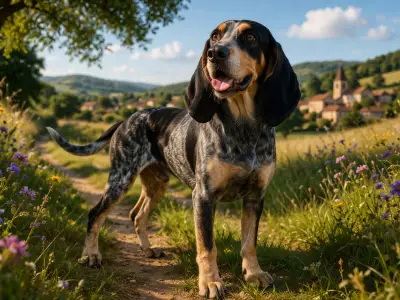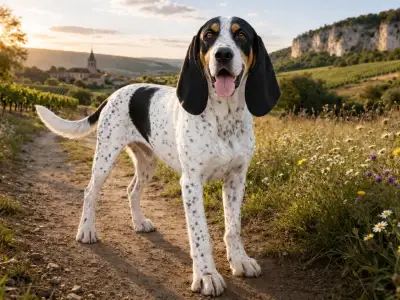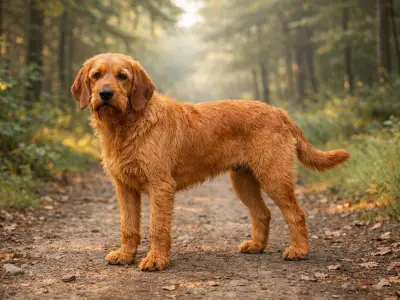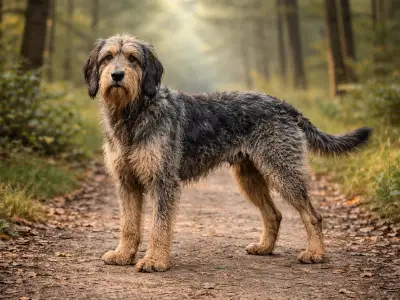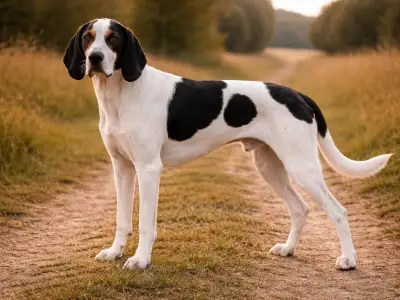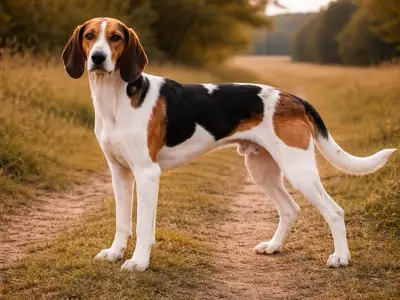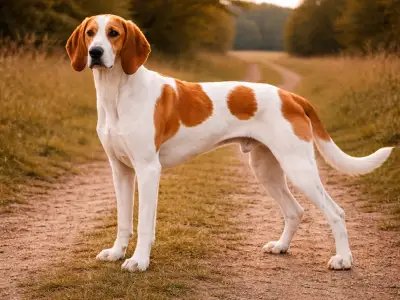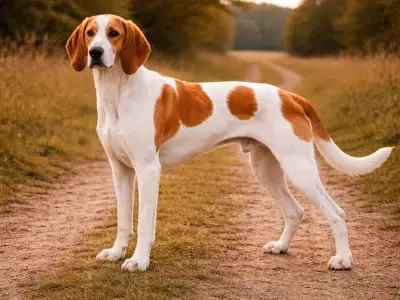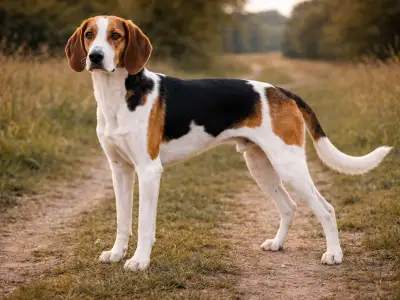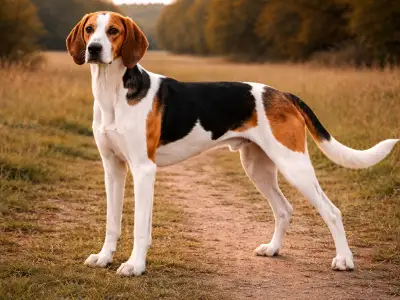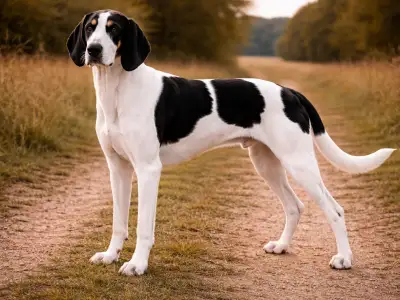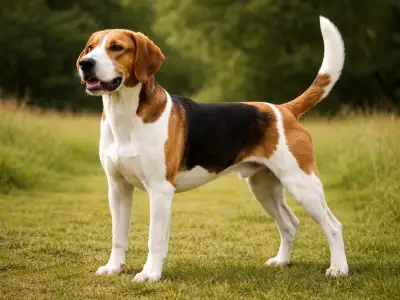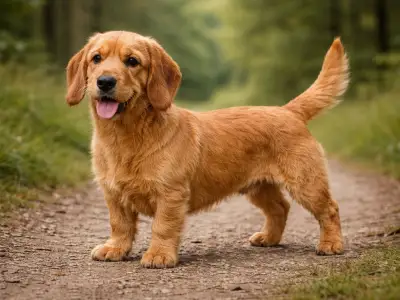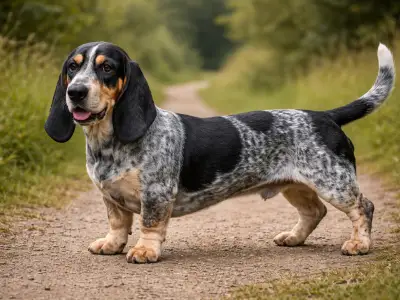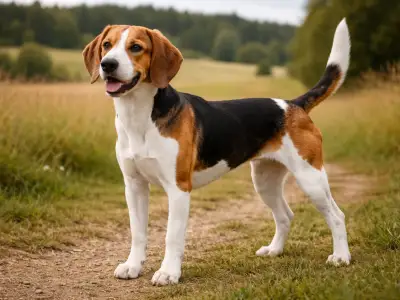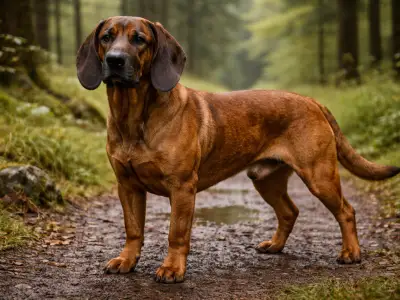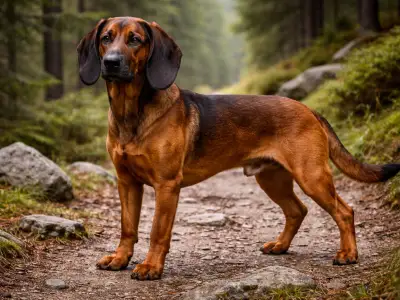
American Foxhound
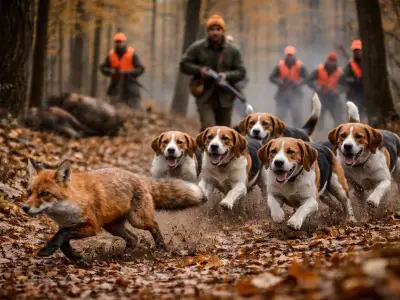
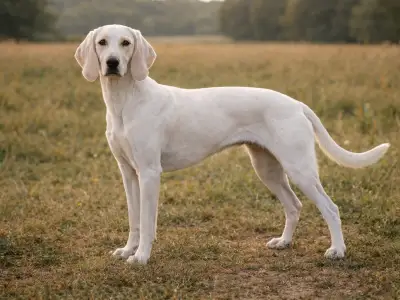
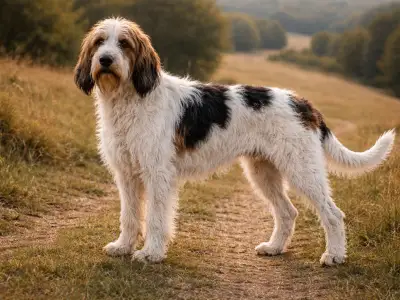
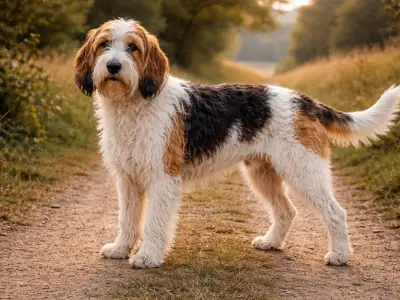
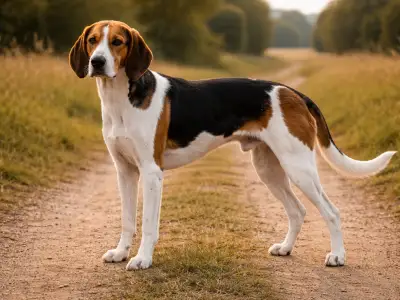
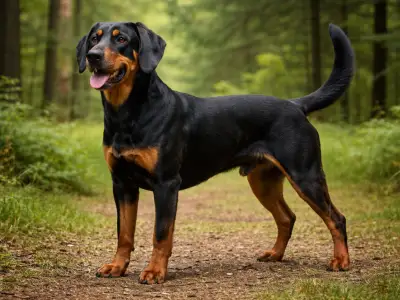
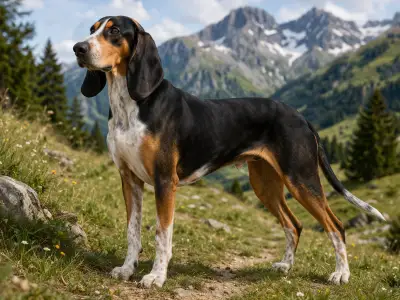
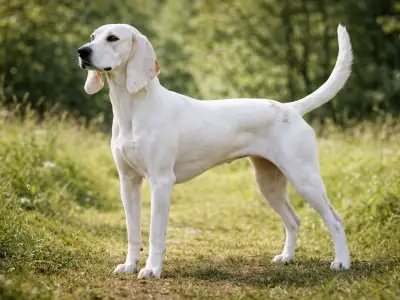
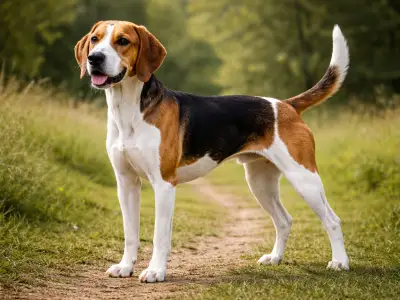
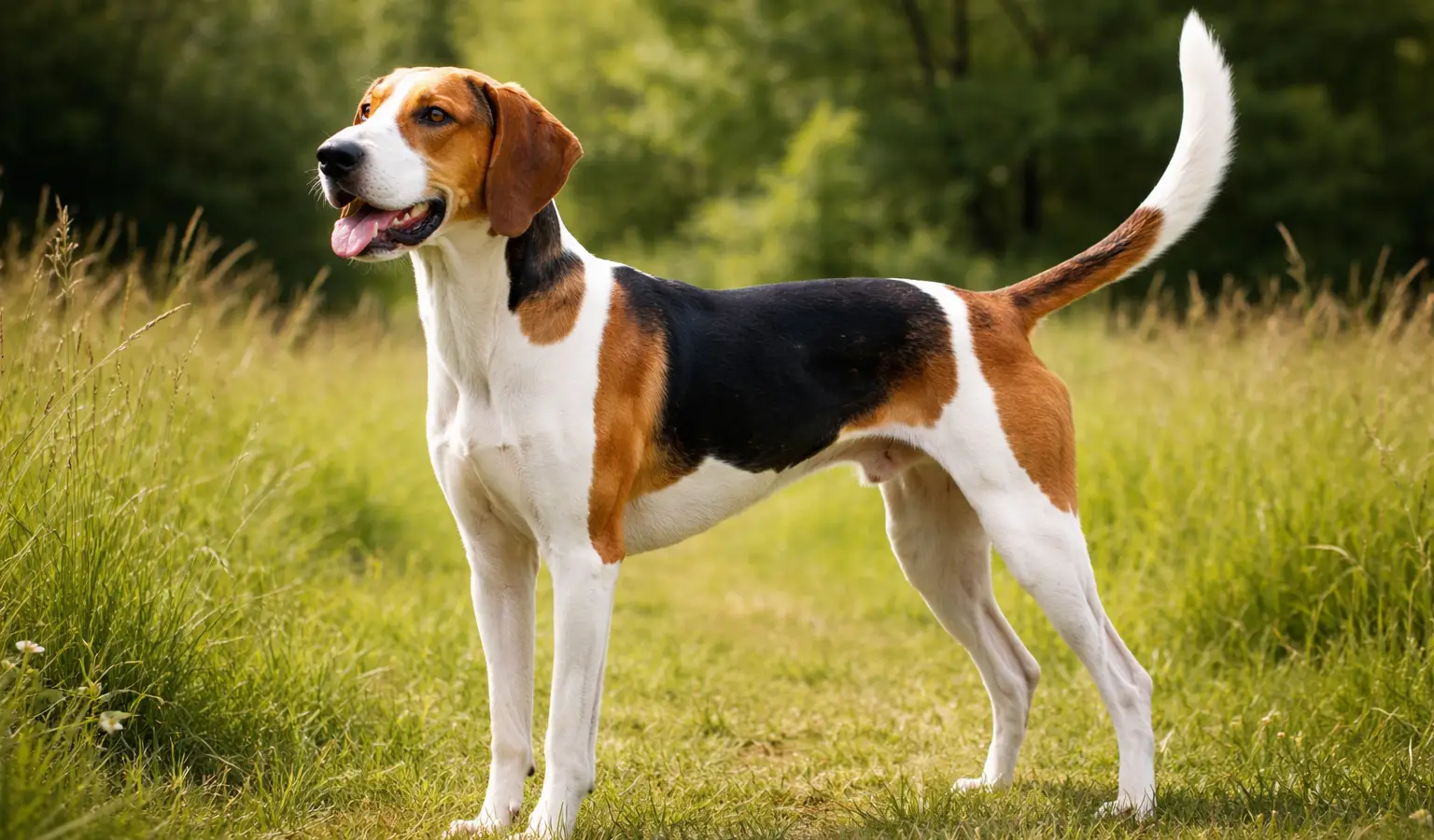
The American Foxhound is a tall, athletic and enduring scenthound developed in the United States for fox hunting and pack work. It has an excellent nose, strong stamina and the classic hound voice. Social with other dogs, it needs substantial daily exercise, plenty of space and consistent training, as its chase drive can be intense when it is on scent.
Life expectancy
11 – 13 years
Price
700 – 1300 €
Monthly budget
75 €
Size
Large
Profile
American Foxhound
Origin
United States
Year of origin
1700
Developed by
American settlers
Size
Large
Coat type
Short coat
Owner profile
Experienced owner
Hypoallergenic
No
Litter size
7
Life expectancy
11 – 13 years
Price
700 – 1300 €
Female
- Height : 53 – 61 cm
- Weight : 25 – 30 kg
Male
- Height : 56 – 64 cm
- Weight : 30 – 34 kg
Temperament & abilities
Affectionate
3/5
Calm
3/5
Independent
4/5
Intelligence
4/5
Obedience
3/5
Hunting instinct
5/5
Energy level
5/5
Good with children
3/5
Dog-friendly
5/5
Friendly with strangers
3/5
Hunting profile
Stamina
5/5
Hunting drive
5/5
Independence
4/5
Trainability
2/5
Beginner-friendly
1/5
Family compatibility
3/5
Feather game
0/5
Fur game
4/5
Underground work
0/5
Water work
0/5
These indicators help compare breeds and choose the right one for your hunting style.
Game & abilities
Estimated ability level by game type.
Budget
Purchase price
700 – 1300 €
The price may vary depending on the breeder, bloodline, and region.
Average monthly cost
75 €
Estimated average: food, healthcare, accessories, and grooming.
A driven scent hound with major stamina, a wide hunting style, and real demands in handling and daily exercise
American Foxhound hunting ability and everyday reality
The American Foxhound is a genuinely capable hunting dog, especially for scent-driven pursuit over large areas. Bred as a fast, enduring hound, it is at its best when asked to follow game by nose with persistence rather than work in close partnership like a versatile gun dog. For hunters asking whether the American Foxhound is good for hunting, the short answer is yes, but mainly in the kind of work that suits a classic scent hound: covering ground, staying on a line, and keeping going for a long time.
Its main strengths are nose, stamina, and efficiency over difficult country. Many American Foxhounds show a flowing, independent search pattern and enough athleticism to handle long outings in rolling terrain, open country, and mixed cover. This is not usually a breed chosen for tight, highly handler-focused work, precise close-range quartering, or natural retrieving. Its courage and drive can be very useful in the field, but the same qualities mean it may hunt for itself if training and management are not solid. Recall, responsiveness at distance, and calm transitions back into everyday life often take more work than with more biddable breeds.
- Best use cases: scent hunting, pursuit work, and hunters who value endurance and a true hound style
- Key strengths: nose, stamina, speed, determination, and ability to keep working over time
- Main limitations: independent handling, variable off-lead reliability, and limited suitability for retrieve-based tasks
Training demands are real. The American Foxhound temperament often combines friendliness with a strong instinct to follow scent, so early recall work, patient repetition, and careful exposure to the environments it will hunt in are important. It tends to suit owners who understand hounds and can live with a dog that may be affectionate at home yet mentally switched on outdoors. A novice owner can find the breed challenging if they expect instant compliance or low daily maintenance.
In everyday life, the balance between field performance and family living depends heavily on exercise, structure, and space. A well-managed American Foxhound can be pleasant, social, and fairly easygoing indoors once properly exercised, but without enough physical outlet and scent-based stimulation it may become noisy, restless, or hard to settle. For the right hunter, especially one comparing scent hounds for endurance work, it is a coherent and authentic choice. For someone wanting a highly versatile, close-handling dog for mixed hunting and easy suburban life, another breed may fit better.
Cold-nose trailing
The American Foxhound is valued first for scenting ability. Many lines can work older ground scent with patience, sorting out a drifting line rather than rushing and losing it. That makes the breed especially relevant for fox hunting, trailing in variable weather, and long hunts where a sharp nose matters more than flashy speed alone.
All-day endurance
This is a hound built for distance. A good American Foxhound can cover rough country for hours with an efficient, ground-eating gait, which is one of the breed’s clearest advantages in open terrain. For hunters, that stamina supports long pursuit; for owners, it also means daily life is easier when the dog gets serious, regular exercise.
Strong pack sense
American Foxhounds were developed to work with other hounds, and many still show a natural ease in pack hunting. They often slot into group movement well, honor other dogs on a line, and keep pressure on game without constant micromanagement. That can be a major strength for organized hunts, though solo handling may require more deliberate training.
Line honesty over guesswork
A useful American Foxhound tends to stay committed to scent rather than freelancing too much. In practical hunting terms, that often means steadier tracking, fewer reckless swings, and better rhythm when a line gets difficult. This kind of concentration is especially appreciated by handlers who prefer a hound that works methodically instead of chasing excitement at every distraction.
Big-country range
The breed is often most convincing where there is room to move. American Foxhounds can cover large expanses efficiently, making them better suited to open land, rolling ground, and hunts that unfold over distance than to tight, highly controlled work close to the gun. For some hunters that reach is a strength; for others, it can feel like too much dog.
Independent but workable
Training an American Foxhound is usually less about creating obedience-machine precision and more about channeling instinct. Many are intelligent and capable of learning routines, but they were bred to think on a track and may not be as instantly handler-focused as some versatile gundogs. They often suit people who respect hound independence and can train with patience and consistency.
Who the American Foxhound suits best
The American Foxhound tends to suit a hunter or outdoors-focused owner who genuinely wants a scent hound, not just a sporty pet. This breed is usually a better fit for people who enjoy long outings, can offer regular space to move, and understand that following scent may matter more to the dog than instant obedience. In hunting homes, it often makes the most sense with owners interested in trailing or pack-style hound work, where endurance, nose, and drive are valued.
As a family dog, it can work in an active household with a secure yard, a steady routine, and realistic expectations about training. Many American Foxhounds are gentle at home, but they are not always ideal for first-time dog owners, apartment living, or families wanting an easy off-leash companion. Common mismatches include very sedentary households, owners sensitive to baying, and people expecting close, handler-focused responsiveness like a retriever or herding breed. In the right setting, this is a durable, athletic dog; in the wrong one, boredom, roaming, and frustration can become everyday issues.
Colonial hound roots, practical selection, and the working style they still influence today
How the American Foxhound Was Shaped
The American Foxhound developed in the American colonies from imported English hunting hounds, then gradually took on a lighter, faster, more enduring type suited to local terrain and a distinct style of fox hunting. Historical accounts often mention influential breeding programs in Virginia and Maryland, and George Washington is frequently linked to the breed’s early development, though exact bloodline details are not always fully documented by modern standards. What is clear is the purpose behind the dog: breeders wanted a scent hound that could trail with stamina, cover ground efficiently, and work in a pack over long distances.
Compared with some heavier European hounds, the American Foxhound was shaped for speed, reach, and an easy, ground-covering gait. That history still helps explain the breed today. Many American Foxhounds are athletic, independent-minded, and strongly driven by scent rather than by constant handler focus. In practical terms, this often means a dog that can be impressive in the field, especially when allowed to use its nose and move freely, but less naturally eager for repetitive obedience work than some gun dogs or more handler-oriented breeds.
The breed’s traditional use in mounted and pack hunting also influenced its temperament. American Foxhounds were expected to work cooperatively with other hounds, stay on task, and keep going for hours. That can translate into a generally social dog with other dogs, but also one with notable energy and a tendency to follow scent wherever it leads. For hunters, that heritage is a strength: the breed is valued for endurance, voice, and persistence on a trail. For family life, it can be a limitation if the home cannot offer secure space, regular exercise, and patient training around recall.
Understanding this background helps potential owners make a realistic choice. The American Foxhound usually suits people who appreciate hound behavior rather than trying to suppress it. It can fit active homes and traditional scent-hound hunting contexts especially well, but it is rarely the easiest option for owners wanting an intensely biddable, highly train-focused companion. Its history is the key to its modern character: a capable, long-ranging hunting dog with stamina, independence, and a temperament shaped more by pursuit than by close control.
Built for the fox hunt
The American Foxhound developed in the United States from early English hound stock, later shaped for the long, demanding pursuit of fox over varied ground. Breeders generally favored stamina, nose, and a clear carrying voice more than heaviness or close handler focus, which helps explain the breed’s athletic but somewhat independent character today.
A nose-led working style
This is a classic scent hound that tends to solve problems through its nose before anything else. In the field, many American Foxhounds are happiest moving out, following a line, and working with rhythm rather than waiting for constant direction. For hunters, that can be a strength; for pet owners, it often means recall and off-lead reliability need patient, structured training.
Gentle, but not clingy
Many American Foxhounds are friendly, even-tempered, and socially easy with people and other dogs, especially if well raised and properly exercised. At the same time, they are not always the highly biddable, handler-focused type some families expect. They often suit owners who appreciate a sweet hound temperament without needing constant emotional dependency or instant obedience.
Space matters
Although the breed can be calm indoors after real exercise, daily life is usually easier in a home with room to move and secure outdoor access. A small apartment can be challenging unless the dog receives substantial physical activity and scent-based outlets. Because many individuals will follow interesting scent trails, safe containment is often more important than people first assume.
Exercise is not optional
The American Foxhound is not typically a low-maintenance companion. It often needs meaningful daily exercise, regular opportunities to use its nose, and a routine that prevents boredom. Useful outlets may include long walks, controlled running, tracking-style games, and field work where appropriate. Without enough activity, some hounds may become noisy, restless, or harder to manage at home.
Simple coat, serious commitment
Coat care is usually straightforward, with a short coat that does not demand complex grooming. The bigger commitment is management: training around distractions, planning enough exercise, and living with a loud hound voice that may not suit close neighbors. This breed often fits active owners or hunters who value endurance and nose work more than polished, highly responsive obedience.
Practical answers on hunting ability, training, exercise, home life, and owner fit
American Foxhound hunting and daily life FAQ
Is the American Foxhound a good hunting dog for modern hunters?
The American Foxhound was developed as a scent hound, and many individuals still show the stamina, nose, and voice that make the breed useful in the field. It is often better suited to hunters who value trailing ability, endurance, and working over larger ground than those looking for close, highly handler-focused work. In practice, suitability depends a lot on bloodline, early exposure, and how the dog has been started. For hunters pursuing game with hounds or wanting a traditional trailing dog, it can be a strong fit; for people expecting the biddability of a retriever or versatile pointing breed, it may feel more independent.
Are American Foxhounds easy to train, or are they too independent?
Most American Foxhounds are trainable, but they are not usually the easiest choice for first-time trainers who want instant obedience. Like many scent hounds, they can become very focused on odor, which means recalls, off-leash reliability, and consistent response under distraction often take patient repetition. They usually do best with calm, clear routines, short productive sessions, and rewards that matter to the individual dog. Heavy-handed handling can reduce cooperation, while fair structure and regular field exposure tend to produce better results.
Can an American Foxhound live as a family dog if it is not used for hunting?
An American Foxhound can live as a companion, but this usually works best in an active home that genuinely enjoys daily exercise and structured outlets for scenting behavior. Many are friendly, gentle, and social in the house once their needs are met, yet they may become noisy, restless, or hard to live with if underworked. This is not typically a low-maintenance pet for someone who wants a short walk around the block and little else. Families who like hiking, running, scent games, and routine are more likely to enjoy the breed than very sedentary households.
How much exercise does an American Foxhound really need every day?
This breed usually needs more than basic pet-dog exercise, especially in adolescence and early adulthood. A brief leash walk is rarely enough on its own; most American Foxhounds do better with a mix of brisk movement, scent work, and time to use their brain as well as their body. Depending on the individual, that may mean longer walks, controlled running, tracking games, or regular field outings several times a week. When their exercise needs are met, many settle better indoors and are easier to manage.
Is the American Foxhound suitable for apartment living or a small yard?
Apartment living is possible in a narrow sense, but it is often not the easiest setup for this breed. American Foxhounds are active, can be vocal, and may become frustrated if they do not have enough room, routine, and outdoor time. A small yard helps less than people assume if the dog is otherwise bored, because this breed generally needs purposeful activity rather than just access to space. They tend to fit better in homes where owners can provide substantial daily exercise, secure management, and tolerance for hound-style baying or howling.
Do American Foxhounds get along with children and other dogs?
Many American Foxhounds are quite social with other dogs, which makes sense given their history as pack-oriented hounds. With children, they are often pleasant and good-natured, but success still depends on the dog's temperament, energy level, and the way interactions are supervised. Young, enthusiastic hounds can be boisterous, so households with very small children usually do best with clear boundaries and training from the start. Around smaller pets, caution is sensible, as some individuals may show a strong chase instinct outdoors or around fast-moving animals.
Who is the American Foxhound best suited for, and who should probably choose another breed?
The American Foxhound often suits hunters, experienced hound people, and active owners who appreciate an independent dog with strong scenting instincts and plenty of endurance. It can also fit rural or semi-rural homes where noise is less of an issue and where regular outdoor activity is realistic, not aspirational. People who want a highly obedient off-leash companion, a naturally protective dog, or a low-energy family pet may find the breed frustrating. In many cases, the right owner is someone who enjoys the hound mindset rather than trying to train it out of the dog.