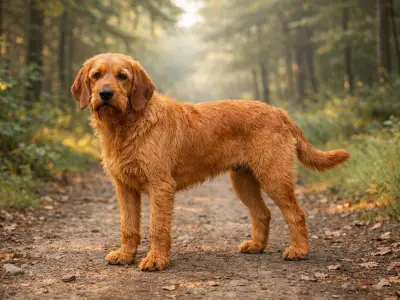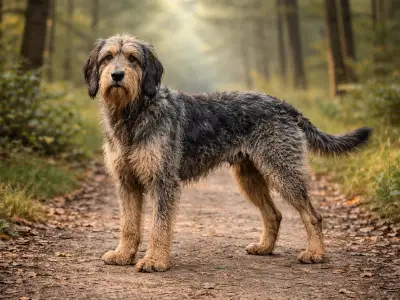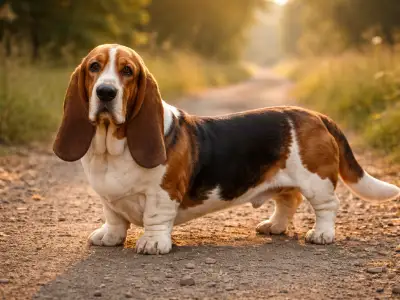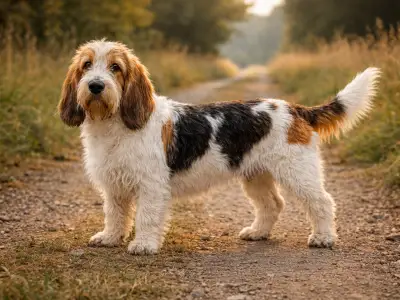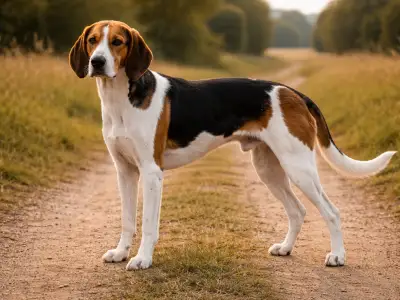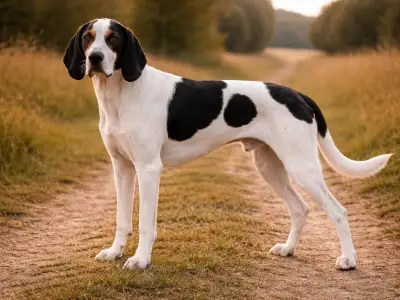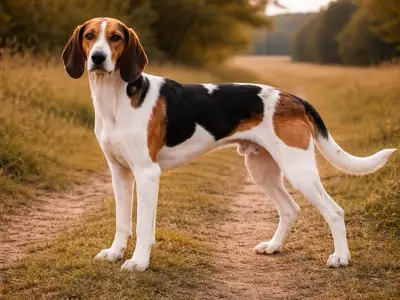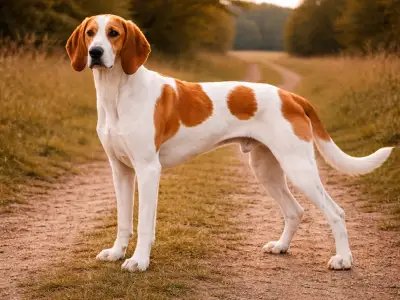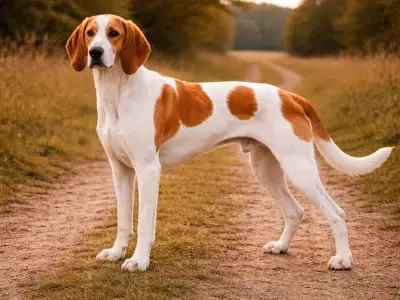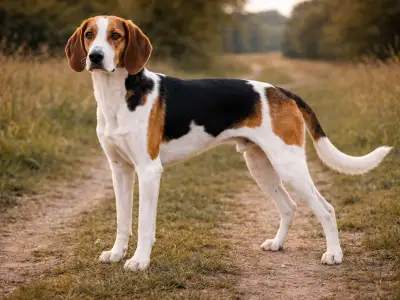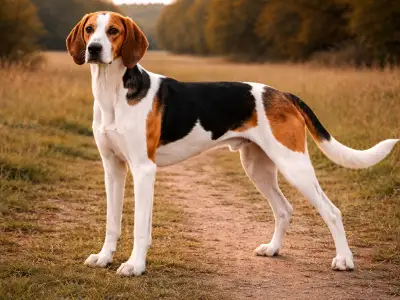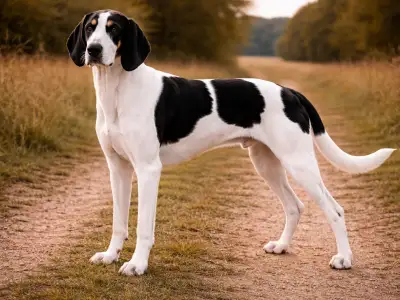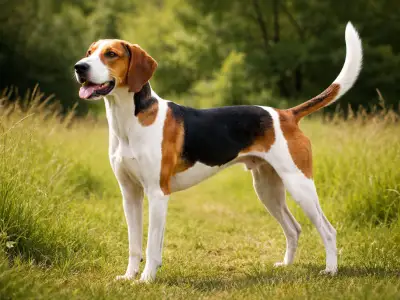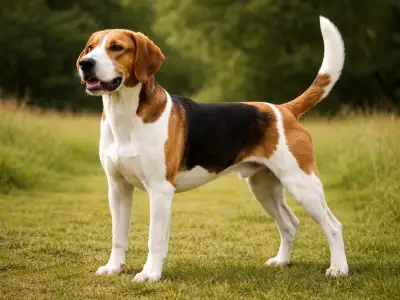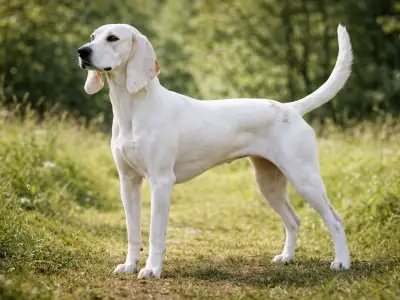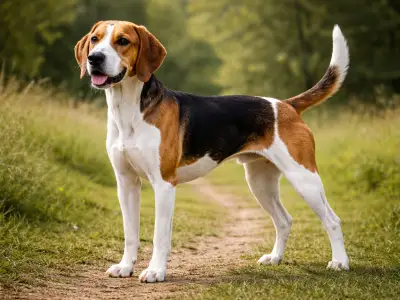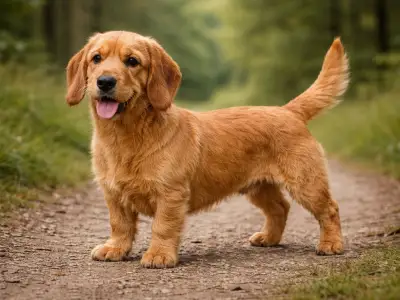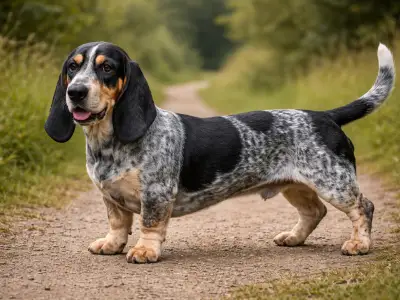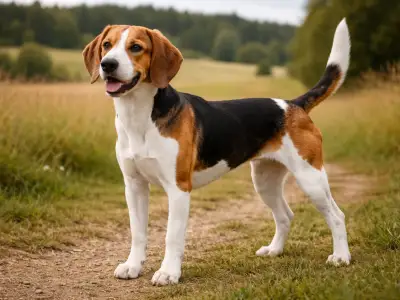
Artois Hound
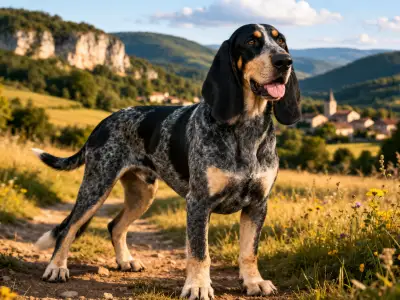
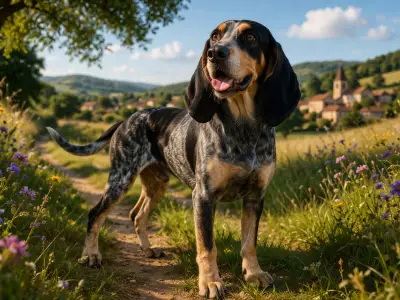
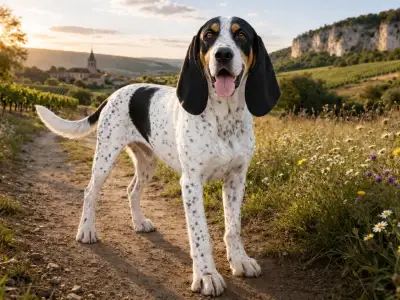
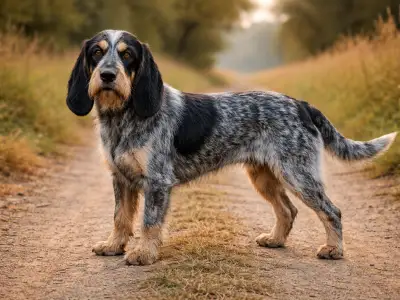
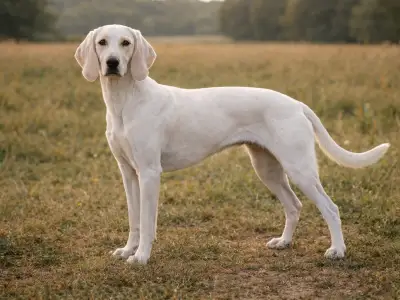
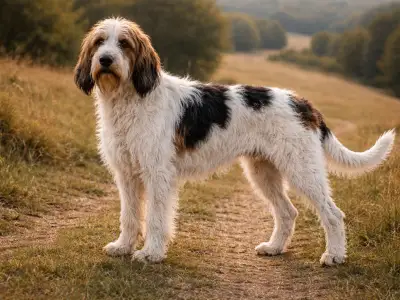
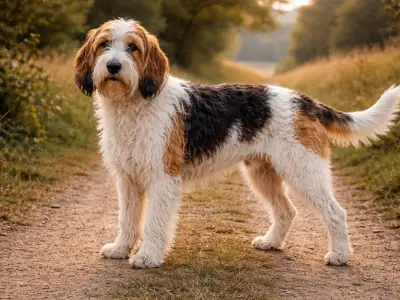
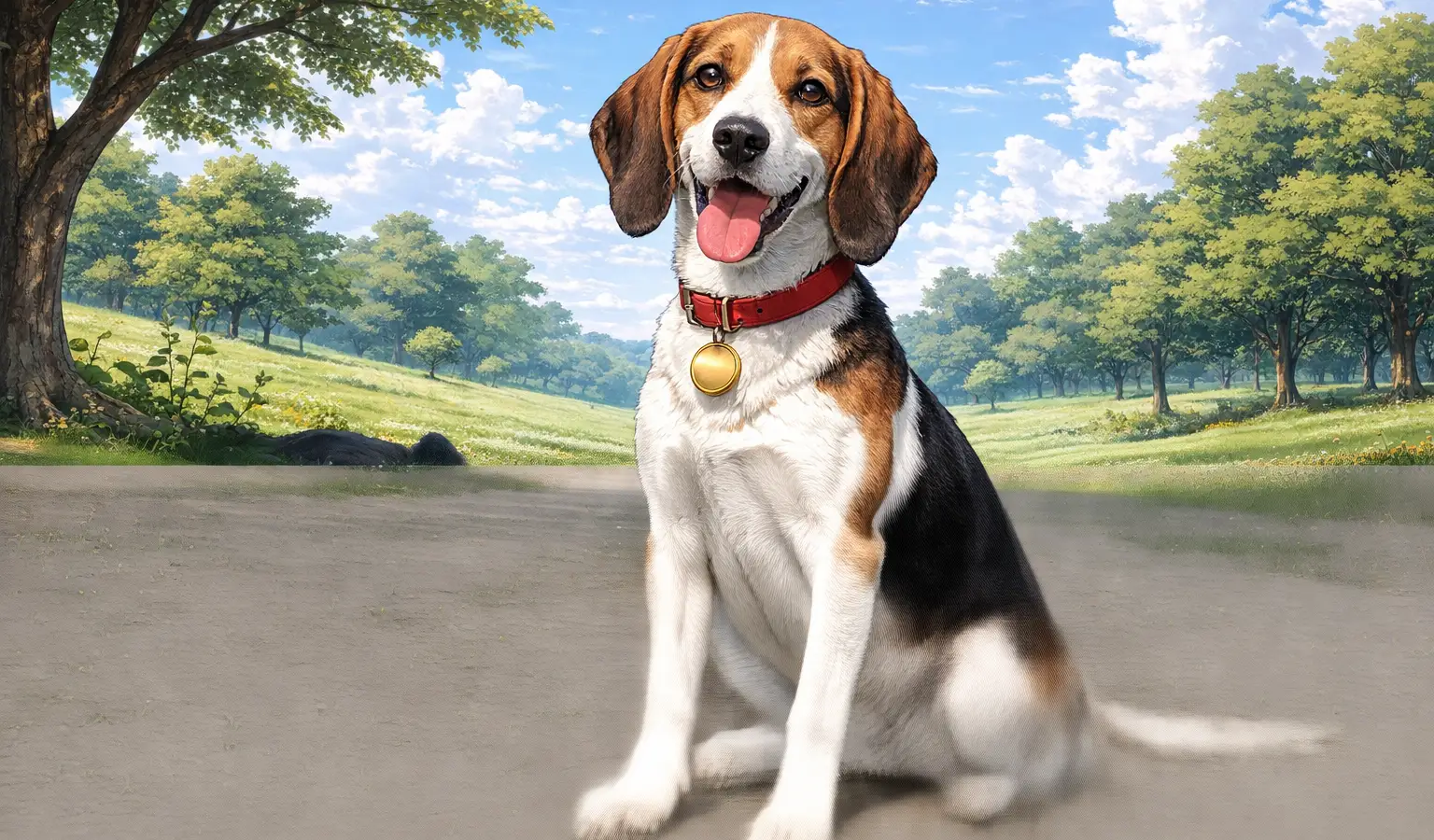
The Artois Hound is a hardy French scenthound traditionally used for hare and big-game hunting. Renowned for its nose, voice and perseverance, it works steadily on the trail and fits well in a pack. Active and balanced, it needs regular exercise, clear training and enough space to thrive.
Life expectancy
10 – 13 years
Price
700 – 1200 €
Monthly budget
65 €
Size
Medium
Profile
Artois Hound
Origin
France
Year of origin
1600
Developed by
French hunters
Size
Medium
Coat type
Short coat
Owner profile
Active owner
Hypoallergenic
No
Litter size
6
Life expectancy
10 – 13 years
Price
700 – 1200 €
Female
- Height : 53 – 56 cm
- Weight : 25 – 28 kg
Male
- Height : 55 – 58 cm
- Weight : 28 – 30 kg
Temperament & abilities
Affectionate
3/5
Calm
3/5
Independent
4/5
Intelligence
3/5
Obedience
3/5
Hunting instinct
5/5
Energy level
4/5
Good with children
3/5
Dog-friendly
4/5
Friendly with strangers
3/5
Hunting profile
Stamina
4/5
Hunting drive
4/5
Independence
4/5
Trainability
3/5
Beginner-friendly
2/5
Family compatibility
3/5
Feather game
0/5
Fur game
4/5
Underground work
0/5
Water work
0/5
These indicators help compare breeds and choose the right one for your hunting style.
Game & abilities
Estimated ability level by game type.
Budget
Purchase price
700 – 1200 €
The price may vary depending on the breeder, bloodline, and region.
Average monthly cost
65 €
Estimated average: food, healthcare, accessories, and grooming.
A traditional scent hound with drive, nose, and stamina, but not a low-effort companion
Is the Artois Hound a good hunting dog?
The Artois Hound is generally considered a capable hunting dog for hunters who want a true scent hound rather than an all-purpose gundog. Bred to follow game with determination, it is typically valued for nose, persistence, and an honest working style on scent. In practical terms, Artois Hound hunting ability makes the most sense in tracking and pursuing game over varied ground, especially where a dog needs to stay engaged on a line without constant help from the handler. It is less about flashy versatility and more about steady hound work.
In the field, the breed is usually described as energetic, hardy, and willing to cover ground. Its search pattern tends to reflect hound instincts: nose-led, methodical enough to hold scent, but active enough to make progress in broken terrain. That can be a real strength for hunters who appreciate a dog that hunts with purpose and stamina. The trade-off is handling. Like many scent hounds, the Artois Hound may be more independent than highly handler-focused breeds, so recall, direction changes, and off-game control often require patient training and consistent repetition rather than casual obedience work.
For coherent use cases, the breed suits people who genuinely want hound work and understand the difference between trainable and easily managed. It can be a strong choice for hunters looking for drive, courage, and endurance in a dog that can stay on task outdoors, but it may be less ideal for someone expecting polished close-range handling, effortless retrieve work, or a naturally biddable house dog. Early education, regular exposure, and enough physical outlet matter a great deal if you want the dog to be reliable both in the field and at home.
- Strengths: nose, persistence on scent, stamina, courage, and a genuine hunting temperament
- Demands: regular exercise, structured recall training, secure management, and owners who accept some hound independence
- Best fit: active hunters or country owners who want a scent hound for real work, not just the look of one
- Less ideal for: low-activity homes, novice handlers wanting instant obedience, or people needing a natural retriever
In everyday life, the balance between field performance and family life depends heavily on outlet and expectations. A well-managed Artois Hound can be pleasant and affectionate, but it is usually easier to live with when its energy level, nose, and working instincts are taken seriously. For someone comparing hunting breeds, this is a dog to choose for authentic hound abilities and outdoor use, not because it will automatically adapt to a sedentary routine.
Cold-nose tracking
The Artois Hound is valued as a scenthound first, and its main asset is typically its ability to work a trail with patience and method. On rabbit or hare, it may be able to sort older scent from fresher disturbance better than flashier, less disciplined dogs, especially when hunting conditions are damp, broken, or tricky underfoot.
Steady pursuit over speed
Rather than relying on explosive pace alone, this breed is generally appreciated for keeping pressure on game over time. That matters in real hunting, where line control and persistence often count more than brief bursts of speed. For hunters who prefer a hound that works honestly and keeps the chase organized, this can be a very practical strength.
Clear hunting voice
A good Artois Hound is often noted for giving tongue in a way that helps the hunter follow the action without seeing the dog. A readable voice can make it easier to judge direction, rhythm, and possible checks on the line. In dense cover or rolling country, that audible communication is a genuine field advantage, not just a charming breed trait.
Useful in a pack
This is a breed traditionally associated with cooperative hound work, and many individuals tend to function best when their social instincts are channeled properly. In practical terms, that can mean cleaner pack dynamics, less pointless freelancing, and more coherent pressure on game. Hunters who like structured small-pack hunting may find that temperament especially useful.
Brave in rough cover
The Artois Hound usually shows enough determination to enter thorny cover, hedgerows, and other awkward ground where game likes to hold. That willingness is important for hunters who need a dog that will stay engaged when scent gets difficult or terrain turns uncomfortable. It is not a reckless specialist, but it often brings honest grit to everyday hunting situations.
Best for scent-hound handlers
This breed can suit hunters who enjoy listening to hounds work, reading a chase, and allowing a dog to solve scent problems instead of demanding constant close handling. It is less about instant obedience at every second and more about managed independence. In the right hands, that mindset can be a strength; for highly control-focused owners, it may feel slower to direct.
Who the Artois Hound Suits Best
The Artois Hound tends to suit people who genuinely enjoy living with a driven scent hound: active hunters, rural owners, and households that can give the dog regular outlet for nose work, long walks, and structured training. It is often a better fit for someone who appreciates independent thinking and hound voice than for an owner expecting instant off-leash reliability or a highly biddable companion. In hunting homes, it may appeal most to those who value stamina, determination on scent, and a traditional rabbit or hare hound type.
It is usually less suitable for very sedentary households, first-time owners wanting an effortless dog, or city homes where noise, confinement, and limited exercise can become a poor match. Families can do well with this breed when daily life is active and management is sensible, but the Artois Hound may be frustrating for people who dislike following instincts, strong scent interest, or the need for patient recall training. In practical terms, it fits best with owners who want a working-style hound to live with, not just the look of one.
How an old French scenthound was shaped by rabbit and hare hunting
Origins and Development of the Artois Hound
The Artois Hound, or Chien d'Artois, is an old French scenthound whose roots are generally linked to the historic hunting dogs of northern France, especially the Artois region. It was developed as a practical pack and gun-hunting dog, valued less for showy appearance than for its ability to follow scent accurately over difficult ground. While some details of its earliest history are not perfectly documented, the breed is widely understood to descend from older hound types used by French hunters for hare, rabbit, and other small game.
Over time, selection seems to have favored a dog that could combine a fine nose with enough speed, drive, and stamina to work efficiently without becoming chaotic. That balance still helps explain the Artois Hound today: it is typically described as energetic and purposeful, but not purely frantic. Its classic use in scent work and pursuit also helps account for the breed's independent streak. Like many scenthounds, it was bred to make decisions on a trail, which can make training perfectly possible but rarely automatic. Owners usually do best when they work with the dog's instincts rather than against them.
The breed went through periods of decline, especially as hunting fashions changed and other hound types became more prominent. Careful preservation and re-establishment by dedicated French enthusiasts helped maintain the Artois Hound as a functional hunting breed rather than allowing it to drift entirely into a companion role. That history matters for modern buyers: this is generally a dog that still makes the most sense in homes that appreciate scent-driven behavior, regular outdoor work, and a fairly active routine.
In practical terms, the Artois Hound's background points to a dog best suited to people who enjoy a traditional scenthound temperament. Strengths often include determination on a track, good endurance, and a sociable nature with dogs when properly raised. Potential limitations are just as important to understand:
- it may be more motivated by scent than by constant handler focus
- recall can be challenging if game scent is present
- daily life is usually easier with secure space, structured exercise, and patient training
For hunters, that heritage can be a real asset; for pet homes, it means the breed is usually happiest when given meaningful outlets for nose work and movement. Its history is not just background information; it is a practical guide to the kind of handling, environment, and expectations that tend to suit the Artois Hound best.
Old French hunting roots
The Artois Hound is generally described as an old French scent hound developed for tracking and pursuing game by nose. Its history is tied to regional pack hunting, especially hare and similar quarry, and the breed is often valued for combining stamina, voice, and a fairly balanced, functional build rather than extreme specialization.
Bred to follow scent
This is a dog shaped by scent work first. The Chien d'Artois typically works with its head engaged in the trail, showing persistence and a steady rhythm instead of explosive speed alone. For hunters, that often means a hound that can stay useful on challenging lines, but one that may also become very absorbed in smells during everyday walks.
Sociable but not soft
Many Artois Hounds are described as friendly, lively, and comfortable around other dogs, which reflects their pack-hound background. That does not automatically make them easy for every home. They can be independent in temperament, sometimes selective in their attention, and usually respond best to calm, consistent handling rather than heavy-handed correction.
Needs room and purpose
This breed tends to suit active owners better than sedentary households. A short outing rarely matches the needs of a working scent hound. Most individuals are more manageable when they get regular movement, chances to use the nose, and a predictable routine. Rural or semi-rural living often fits more naturally than a very confined urban lifestyle.
Practical care profile
Coat care is usually straightforward, which is one of the easier parts of daily life with this breed. The bigger maintenance question is functional care: keeping ears clean, monitoring body condition in an active dog, and providing enough exercise and mental engagement. For many owners, time and structure matter more than grooming skill.
Best for scent-hound people
The Artois Hound often makes the most sense for hunters or experienced dog owners who genuinely enjoy hound behavior. It may be a good match for someone who wants a traditional scenthound with drive, voice, and endurance. It is usually less suitable for people expecting instant recall, low energy, or an especially biddable companion in all settings.
Practical answers for hunters, active owners, and families considering this traditional scent hound.
Artois Hound Hunting and Daily Life FAQ
Is the Artois Hound a good hunting dog for modern hunters?
The Artois Hound is generally considered a capable hunting scenthound, especially for owners who value nose work, stamina, and traditional hound style. It was developed for tracking and pursuing game by scent, so it often appeals to hunters who want a dog that works methodically rather than one bred for fast, close handler focus. In practice, suitability depends a lot on the individual dog, the line it comes from, and the kind of game and terrain involved. For a hunter who enjoys listening to a hound work and can provide steady training, it can be a very rewarding breed.
What kind of hunting is the Artois Hound best suited for?
This breed is usually associated with scent-driven hunting where persistence, nose quality, and the ability to follow a trail matter more than flashy speed. It may suit hunters working varied countryside, woodland edges, and rougher ground where a determined hound can keep pressure on a scent line. The exact fit can vary, but the Artois Hound is often best appreciated by people who want a classical pack-hound type rather than an all-purpose gun dog. If your hunting style requires frequent off-leash independence balanced with reliable recall under distraction, training quality will be especially important.
Are Artois Hounds easy to train, or are they stubborn?
Most Artois Hounds are better described as independent than eager-to-please in the way many herding or retriever breeds are. They can learn well, but their strong nose and natural interest in following scent can make them seem selective when distractions are high. Training usually goes best with calm repetition, clear rules, and plenty of real-world practice rather than harsh correction or constant drilling. Owners often do best when they prioritize recall, leash manners, waiting at gates, and cooperative handling from an early age.
Can an Artois Hound be a good family dog if it also hunts?
An Artois Hound can be a pleasant family companion in the right home, especially if its exercise and mental needs are taken seriously. Many scenthounds are affectionate, social, and easier to live with indoors once they have had enough activity, but that does not automatically make them easy dogs for every household. Their voice, prey drive, and need for structured outlets can be challenging around very busy homes or small pets. Families who enjoy outdoor routines and understand hound behavior are often in a much better position than people expecting a low-maintenance pet.
Can an Artois Hound live in an apartment, or does it need a rural home?
A rural setting is often the more natural fit, but an Artois Hound does not automatically need a farm or large estate to live well. What matters most is whether the dog gets enough daily movement, scent-based enrichment, and sensible management of noise and frustration. Apartment life can be difficult if the dog is underexercised, easily vocal, or frequently left alone, because scenthounds may express boredom with baying or restlessness. A secure outdoor area, regular long walks, and opportunities to use its nose make a major difference, whatever the address.
How much exercise does an Artois Hound need when it is not actively hunting?
This is usually not a breed that stays content with a short walk around the block. On non-hunting days, most individuals benefit from substantial daily exercise plus opportunities to sniff, track, and problem-solve, because mental fatigue matters almost as much as physical effort for a working hound. Long walks, controlled trail work, scent games, and steady outdoor time are often more useful than repetitive ball throwing. Owners who cannot consistently provide a meaningful outlet may find the breed harder to live with than its calm moments indoors first suggest.
Who is the Artois Hound best for, and who should probably choose another breed?
The Artois Hound tends to suit people who genuinely like hounds: patient handlers, active owners, and hunters who respect independent working behavior. It often makes more sense for someone who wants a scent hound with purpose than for a first-time owner looking for instant obedience or easy off-leash reliability in busy public spaces. It may be a poor match for very sedentary households, people sensitive to hound vocalization, or anyone hoping to leave a dog alone for long stretches without consequence. In the right hands, though, it can be a serious working companion and a steady, companionable dog at home.