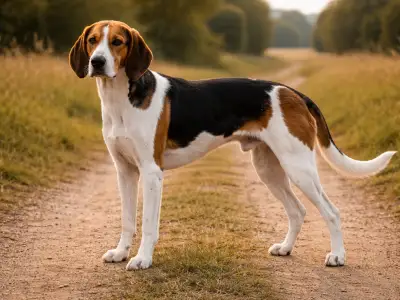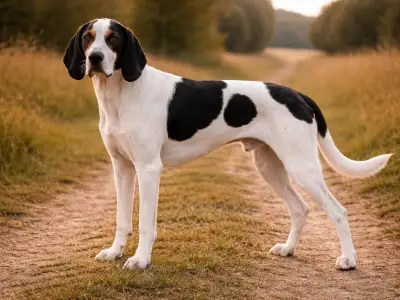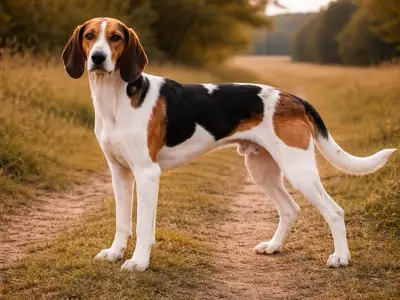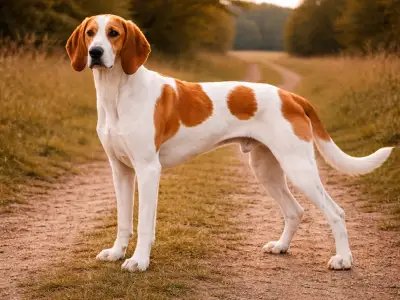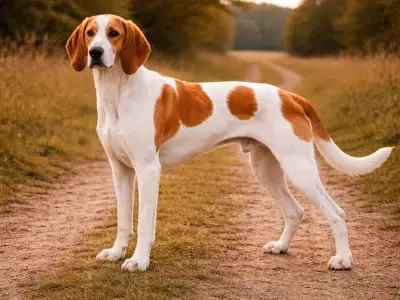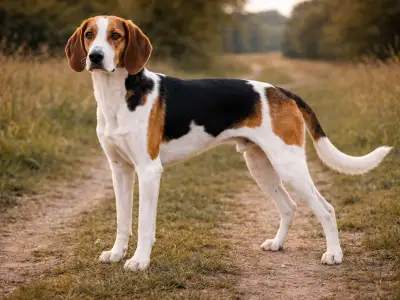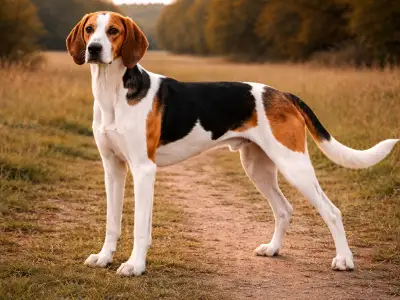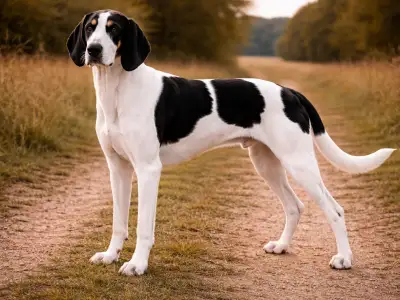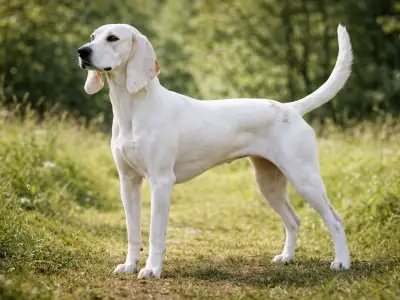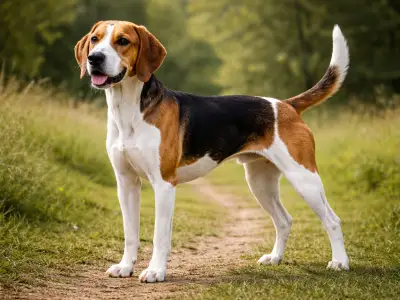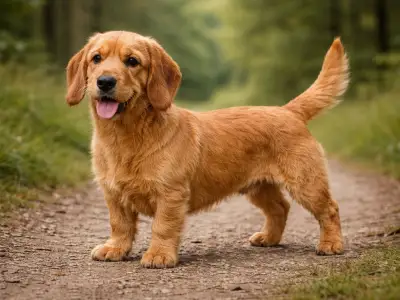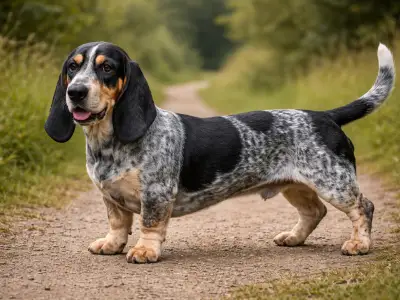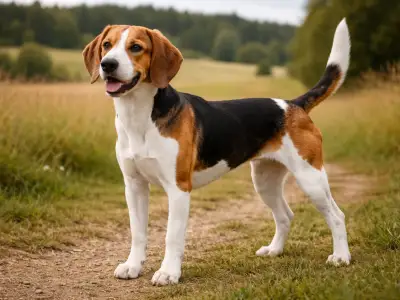
Griffon Nivernais
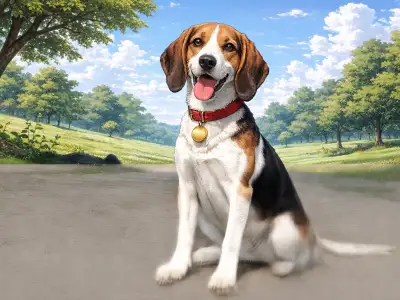
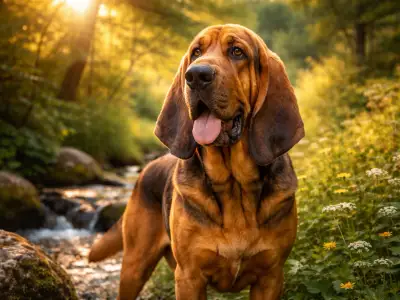
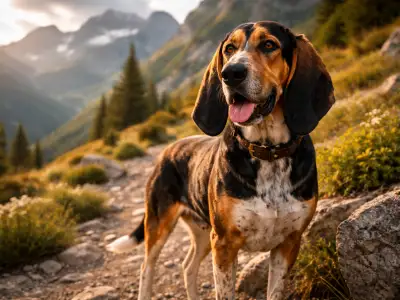
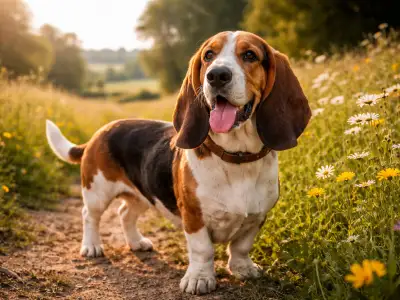
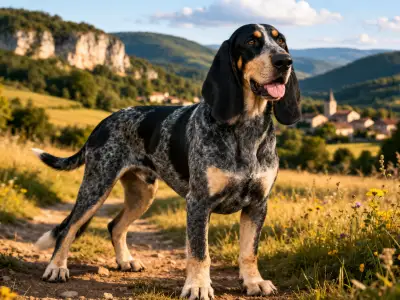
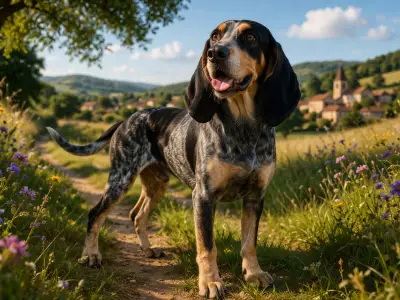
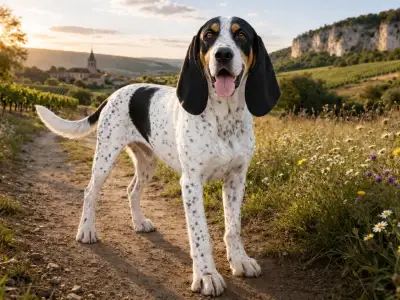
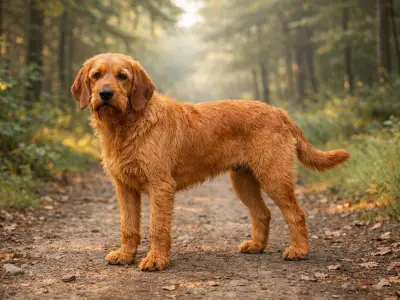
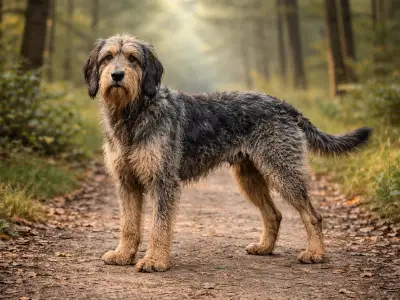
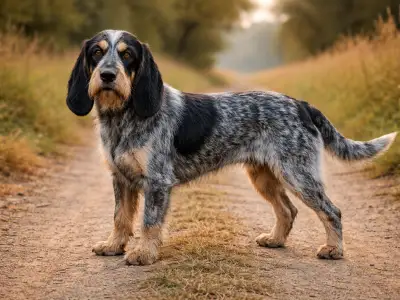
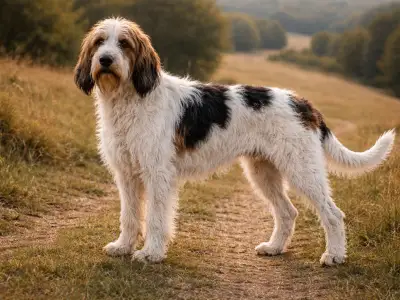
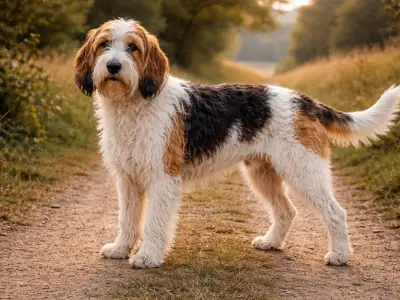
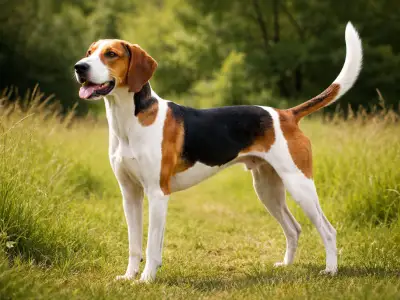
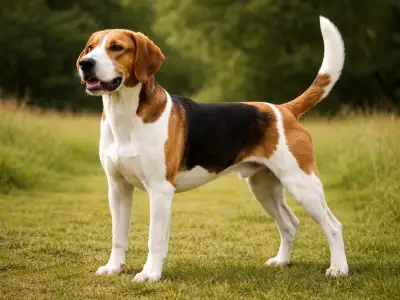
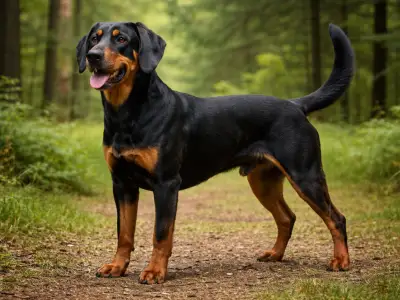
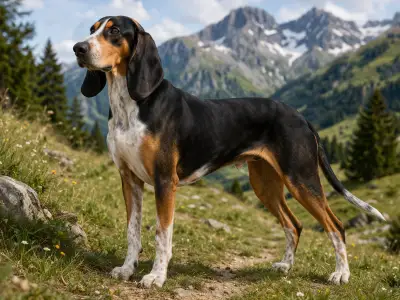
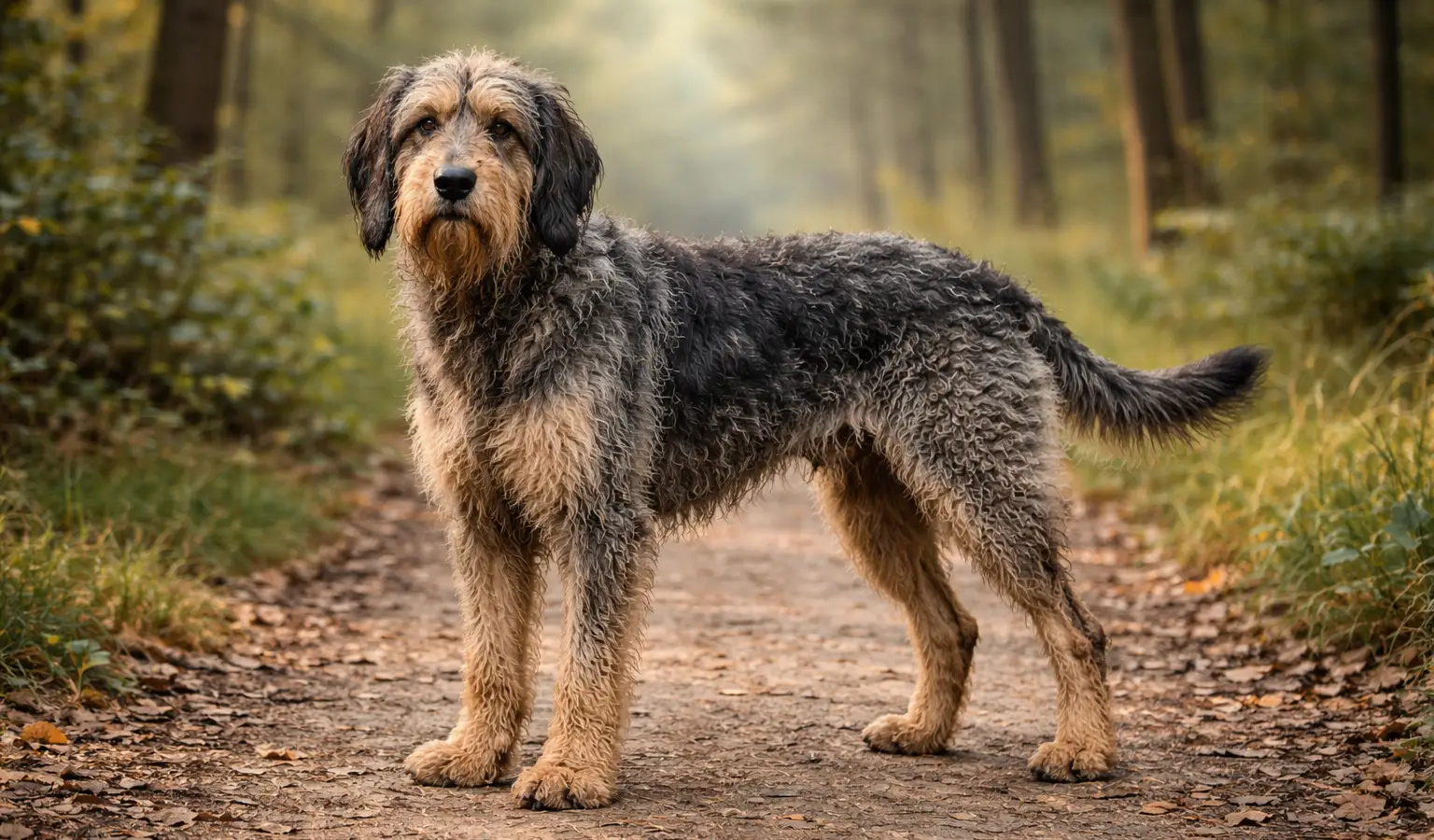
The Griffon Nivernais is a hardy French scenthound with a harsh coat and lively expression. Traditionally used for big-game hunting, it is tough and persistent on the trail and often works in a pack. Loyal to its people, it needs regular exercise, socialization and fair, consistent training.
Life expectancy
11 – 13 years
Price
900 – 1500 €
Monthly budget
70 €
Size
Medium
Profile
Griffon Nivernais
Origin
France
Year of origin
2004
Developed by
French hunters (reconstructed type)
Size
Medium
Coat type
Wire coat
Owner profile
Experienced owner
Hypoallergenic
No
Litter size
6
Life expectancy
11 – 13 years
Price
900 – 1500 €
Female
- Height : 53 – 60 cm
- Weight : 18 – 22 kg
Male
- Height : 55 – 62 cm
- Weight : 20 – 25 kg
Temperament & abilities
Affectionate
3/5
Calm
3/5
Independent
4/5
Intelligence
4/5
Obedience
3/5
Hunting instinct
5/5
Energy level
4/5
Good with children
3/5
Dog-friendly
3/5
Friendly with strangers
2/5
Hunting profile
Stamina
5/5
Hunting drive
5/5
Independence
5/5
Trainability
2/5
Beginner-friendly
1/5
Family compatibility
3/5
Feather game
0/5
Fur game
4/5
Underground work
0/5
Water work
0/5
These indicators help compare breeds and choose the right one for your hunting style.
Game & abilities
Estimated ability level by game type.
Budget
Purchase price
900 – 1500 €
The price may vary depending on the breeder, bloodline, and region.
Average monthly cost
70 €
Estimated average: food, healthcare, accessories, and grooming.
A rugged scent hound with stamina, voice, and determination, but not the easiest fit for every hunter or household.
Is the Griffon Nivernais a good hunting dog?
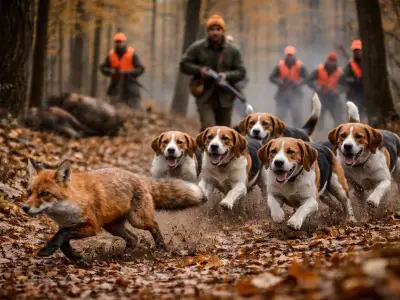
The Griffon Nivernais is generally a very capable hunting dog for hunters who want a hardy, game-focused scent hound with persistence, nose, and the toughness to work difficult cover. It is best understood as a traditional scenthound rather than an all-purpose gun dog: its strengths usually lie in tracking, pursuing, and working game with independence and drive, especially in rough country, rather than in close handling or polished versatility. For the right owner, Griffon Nivernais hunting ability can be impressive; for the wrong one, its energy, voice, and self-directed style can feel demanding.
In the field, the breed is valued for endurance, courage, and a search pattern that often reflects hound logic more than handler preference. A good Griffon Nivernais tends to use its nose continuously, stay committed to scent, and keep working when terrain gets thick, wet, or tiring. That makes it a coherent choice for hunters who need a determined trailing and pursuing dog in challenging ground. It is less naturally suited to people who want a highly biddable dog that checks in constantly, works at very close range, or takes repetitive direction with retriever-like precision.
Handling is where expectations matter. The Griffon Nivernais temperament in work often combines honesty, grit, and enthusiasm with a degree of independence. Recall and off-game control may require consistent early training, and even then, results can depend on the individual dog, bloodline, and hunting exposure. This is not usually the easiest breed for a novice trainer who wants fast obedience progress. Fair, steady training and lots of practical field experience tend to matter more than drilling. Harsh handling is unlikely to improve a hound that is already strongly motivated by scent.
- Best fit: hunters wanting a durable scenthound for tracking and pursuing game in rough terrain.
- Main strengths: nose, stamina, determination, weather resistance, and willingness to keep working.
- Main demands: daily exercise, structured training, secure containment, and realistic expectations about independence and voice.
In everyday life, the same qualities that support field performance shape the breed's needs at home. Most Griffon Nivernais dogs do best with active owners, regular outlets for scent work, and enough space and routine to prevent frustration. They can be affectionate and deeply engaging companions, but they are rarely low-maintenance house dogs. For someone comparing hunting breeds, this is a practical choice when you prioritize working style, stamina, and hound character over easy handling and plug-and-play trainability.
Cold nose on old scent
The Griffon Nivernais is valued first as a scent hound, and its strongest asset is often its ability to stay interested in older, more difficult lines. That matters in real hunting, where game may have passed well before the dogs are cast. A dog with this kind of nose can keep a hunt moving when fresher sign is limited.
Built for rough country
This is a hardy hound traditionally associated with demanding terrain, thorny cover, and long days out. Its rustic coat and tough outlook suit dense brush better than many smoother-coated dogs. For hunters working woodland, scrub, or uneven ground, that resilience is a practical advantage rather than just a breed stereotype.
Brave on challenging game
The breed has a reputation for determination and courage, especially when pursuing difficult quarry such as wild boar in some hunting traditions. That does not mean every individual is equally bold, but the type is generally appreciated for staying engaged under pressure. It tends to suit hunters who want grit without losing the hound style of work.
Steady, lasting stamina
Endurance is one of the Griffon Nivernais's most useful field qualities. Rather than relying on explosive speed alone, it is better known for maintaining effort over time, which is critical in trailing and driving game across large areas. This makes it especially relevant for hunters who value persistence and consistency over short bursts of intensity.
Honest pack worker
Like many traditional French scent hounds, the Griffon Nivernais is often most convincing when worked in a pack or alongside other dogs. It usually brings cooperation, drive, and enough independence to follow scent without becoming uselessly scattered. For hunters who prefer structured hound work, that balance can be more important than flashy obedience.
Best for experienced hound handling
Its hunting instinct is a strength, but it also shapes how the breed must be managed. A Griffon Nivernais is generally better matched to owners who understand scent hounds, recall limitations on game scent, and the need for patient, repetitive training. In skilled hands, that strong focus becomes an asset; in casual homes, it can be hard to channel well.
Who the Griffon Nivernais suits best
The Griffon Nivernais tends to suit a practical, active owner who genuinely enjoys living with a working scent hound rather than simply admiring the look of one. It is often a good match for hunters who value nose, stamina, determination, and a dog willing to push through rough cover. Outside hunting, it usually fits best with people who can offer long walks, tracking-style games, and consistent handling. This is not typically a low-effort companion breed: many individuals are independent, easily distracted by scent, and more responsive to patient, steady training than repetitive drilling.
In family life, the breed may work well in a rural or semi-rural home with space, routine, and realistic expectations. It is generally less suitable for very sedentary households, owners wanting instant off-lead reliability, or first-time dog keepers looking for a highly biddable dog. Apartment living can be difficult if exercise, scent work, and noise management are limited. Common mismatches include owners who underestimate hound persistence, dislike muddy outdoor life, or expect the dog to switch off without enough physical and mental outlet.
How an old French rough-coated hound shaped the breed’s modern character
Origins and development of the Griffon Nivernais
The Griffon Nivernais is an old French scent hound traditionally associated with the Nivernais region, and its history helps explain much of what owners and hunters see today. The breed is generally described as descending from ancient rough-coated hounds once used on demanding game in difficult country. Exact historical continuity can be hard to prove in every detail, but the broad picture is clear: this is a dog shaped for nose-led work, stamina, and persistence rather than for polished, highly biddable companion-dog manners.
Over time, the Griffon Nivernais appears to have been selected for hunting in rough cover, often on challenging terrain where toughness and determination mattered. French hunters valued a hound that could hold a line of scent, work with initiative, and keep going in bad weather or dense vegetation. That selective pressure likely contributed to the breed’s hardy outline, wiry coat, and somewhat independent working style. Even today, many Griffon Nivernais dogs tend to show a strong prey drive, a serious approach to scent, and the kind of endurance that suits long days outdoors more than a sedentary household routine.
The breed’s development also helps explain its temperament in daily life. A Griffon Nivernais is often affectionate with its people, but it is not usually the easiest choice for someone wanting instant off-lead reliability or a highly handler-focused dog. Like many scenthounds, it may follow its nose with real conviction. Training can be very worthwhile, but it usually works best with patience, repetition, and consistent structure rather than force. Owners who enjoy active walks, tracking-style activities, and a dog with character often appreciate the breed far more than those expecting effortless obedience.
In practical terms, the Griffon Nivernais still makes the most sense for people who understand traditional hunting hounds or who can offer a similar outlet in modern life. Its history points to several enduring traits:
- Strong scenting instinct: often central to how the dog explores and works.
- Physical and mental stamina: usually better suited to active homes and regular outdoor time.
- Independence: useful in hunting, but sometimes challenging for novice handlers.
- Rustic toughness: a breed type developed for practical use rather than refinement alone.
That background makes the Griffon Nivernais especially appealing to hunters seeking a traditional French hound, or to experienced owners who value authenticity, resilience, and a nose-driven dog with real purpose. Its past does not guarantee identical behavior in every individual, but it gives a reliable guide to the breed’s present-day style: energetic, determined, and most at ease when life includes meaningful work.
Old French roots
The Griffon Nivernais is generally described as an old French rough-coated scent hound, linked to historic hound types from the Nivernais region. Its modern survival appears to owe much to breeders and hunters who valued a hardy dog able to work difficult country with persistence, voice, and a strong nose.
Built for rough going
This breed was selected for practical field use rather than elegance. The wiry coat, solid frame, and active, ground-covering movement suit bramble, woodland, and uneven terrain. In hunting terms, the Griffon Nivernais is appreciated for stamina and determination, but it may be less suitable for owners wanting a calm, low-output companion.
Independent hound mind
Like many scent hounds, the Griffon Nivernais often combines affection with a notable streak of independence. It can bond well with its people, yet once a scent takes over, handler focus may drop sharply. Training usually benefits from patience, repetition, and consistent rules rather than heavy-handed methods or unrealistic expectations of instant obedience.
Best with active handlers
Daily life with this breed tends to suit people who genuinely enjoy movement, outdoor time, and hound management. A secure space, regular exercise, and meaningful scent work are often important. Many individuals may find purely sedentary family life frustrating, especially if they receive short walks but little chance to use nose, voice, and stamina.
Straightforward but not low-maintenance
The coat is often easier to live with than a soft, heavily furnished coat, but it still needs routine care. Regular brushing helps remove dead hair and debris picked up outdoors, and the ears and feet deserve attention after work or long walks. The bigger management issue is usually exercise and mental occupation, not cosmetic grooming.
Who it suits
The Griffon Nivernais tends to fit experienced hound owners, active rural households, or hunters looking for a rugged French scenthound with character. It may be a challenging first dog in suburban settings, especially for people expecting easy recall or low noise. In the right hands, though, its toughness and working spirit can be very rewarding.
Practical answers about hunting ability, training, exercise, home life, and owner fit
Griffon Nivernais hunting and lifestyle FAQ
Is the Griffon Nivernais a good hunting dog for modern hunters?
The Griffon Nivernais is generally regarded as a capable scenthound for hunters who value nose work, persistence, and a rugged dog that can handle difficult ground. It is typically better suited to hunters who enjoy following a hound's work rather than expecting constant close handling like they might from some pointing or retriever breeds. In the field, many individuals show determination and stamina, but style and control can vary with breeding and training. It often suits people who want a traditional hunting dog with real drive, not just a pet that occasionally joins an outing.
What game is the Griffon Nivernais usually best suited for?
This breed is most often associated with scent-driven hunting and can be a sensible match for hunters pursuing hare, fox, wild boar, or similar game, depending on local practice and the individual dog's background. Its strengths usually center on tracking scent over rough country rather than making flashy, highly visible casts. Because working lines can differ, it is wise to ask breeders and handlers what game their dogs are actually used on. A Griffon Nivernais from proven hunting stock is often a more realistic choice for field use than one chosen only for appearance.
Are Griffon Nivernais easy to train, or are they stubborn?
The Griffon Nivernais is often trainable, but it is not usually the easiest breed for owners who want instant obedience. Like many scenthounds, it may become deeply absorbed in odor and can seem selective in its responses once its nose takes over. Training tends to go best with calm repetition, clear rules, recall work started early, and enough mental and physical outlet to prevent frustration. Harsh handling often brings little benefit, while patient, consistent work usually produces a more cooperative dog.
Can a Griffon Nivernais live as a family dog if it also hunts?
Many Griffon Nivernais can live successfully as both hunting dogs and family companions, especially when they receive structure, exercise, and regular contact with their people. At home, they are often more settled than their field energy might suggest, but that balance usually depends on whether their daily needs are met. Families should still expect a dog with hound instincts, a strong nose, and a tendency to follow scent if management is loose. It is often a better fit for active households that enjoy outdoor time than for homes wanting a low-maintenance, highly biddable companion.
Does the Griffon Nivernais need a large property, or can it live in a regular home?
A large rural property can be helpful, but it is not automatically required if the dog receives enough exercise, training, and supervised outdoor time. What matters more than square footage is whether the owner can provide long walks, scent-based activity, and secure management, because a hound that catches an interesting trail may wander. Apartment life may be possible for some individuals, but it is rarely the most natural setup for a hard-working, energetic scent hound. Many owners will find that a house with a well-fenced yard is the more practical option.
How much exercise does a Griffon Nivernais really need when it is not hunting?
This is not usually a breed that stays content with a brief walk around the block. On non-hunting days, most individuals benefit from a substantial routine that includes brisk walks, free movement in a secure area, and activities that let them use their nose. Scent games, tracking exercises, and varied routes often help more than repetitive physical exercise alone. If under-exercised or under-stimulated, a Griffon Nivernais may become noisy, restless, or difficult to manage indoors.
Who is the Griffon Nivernais best suited for, and who should think twice?
The breed usually suits active owners, hunters, and experienced dog people who appreciate hound behavior and can live with independence, scent focus, and a dog that may not work like a classic obedience breed. It can be a strong match for someone who enjoys country living, fieldwork, long outings, and practical training rather than polished precision. First-time owners may find it challenging if they underestimate the exercise, recall training, and management this type of dog often needs. People wanting an easy off-leash pet, a highly handler-focused dog, or a very quiet home companion may want to consider a different breed.