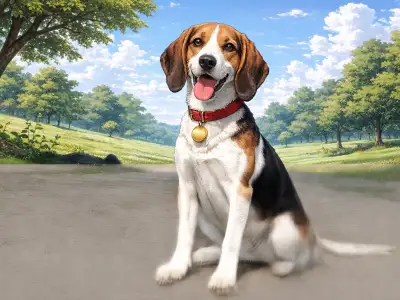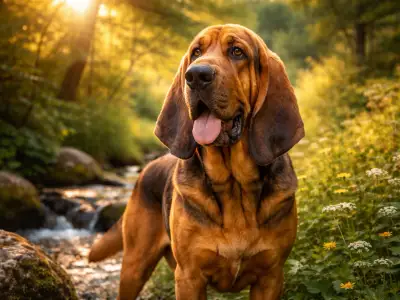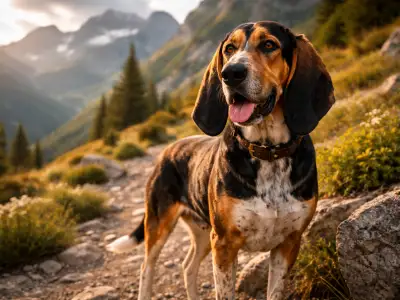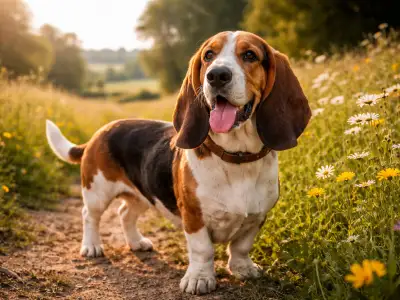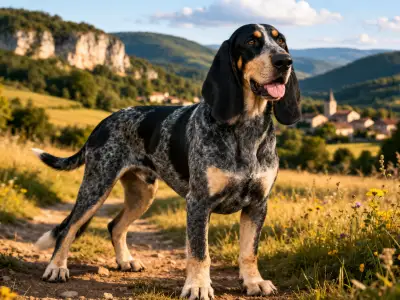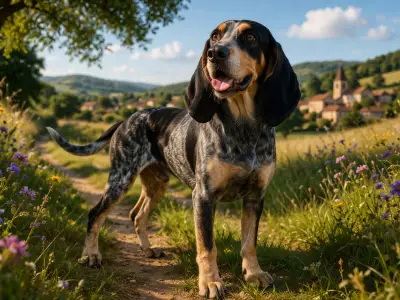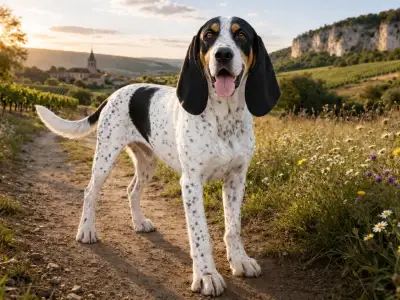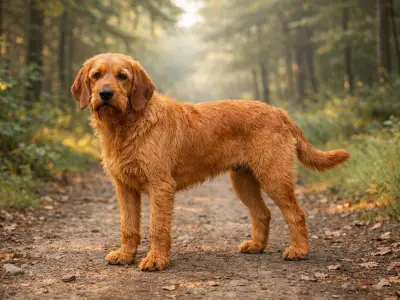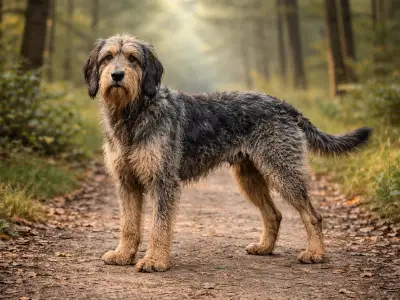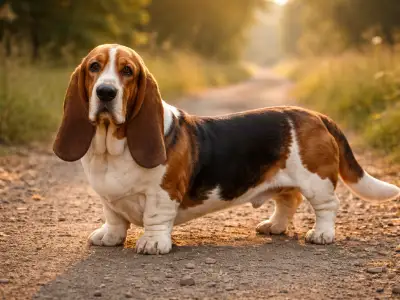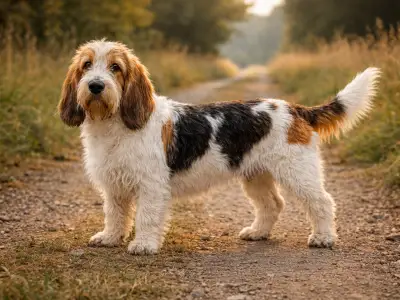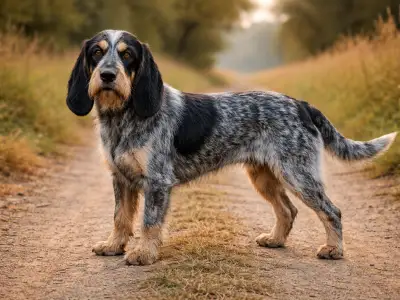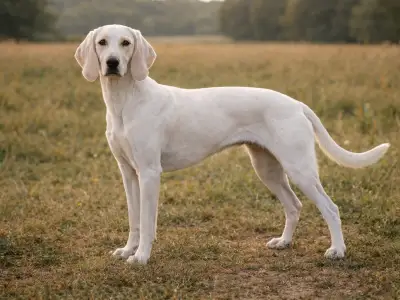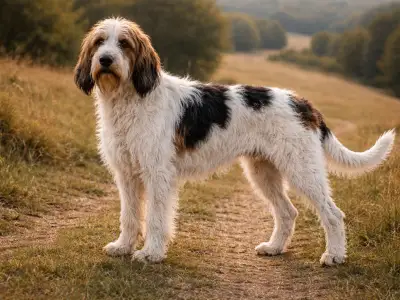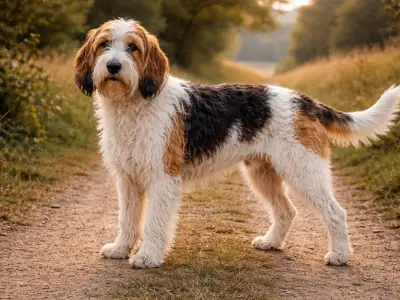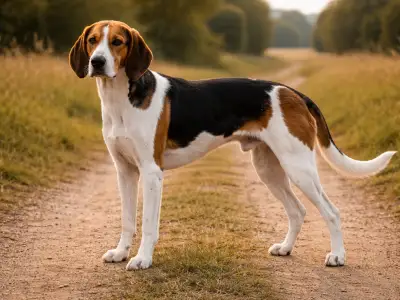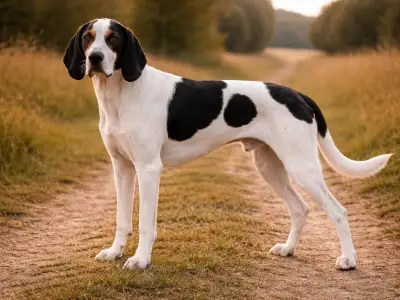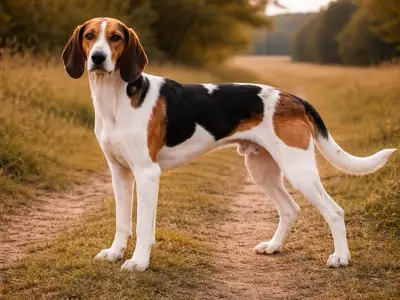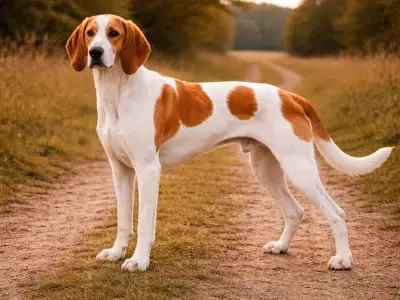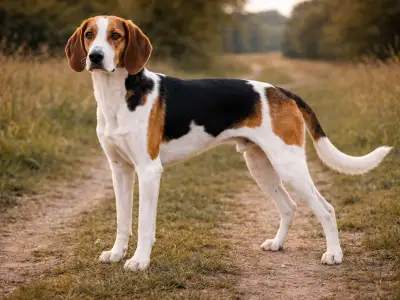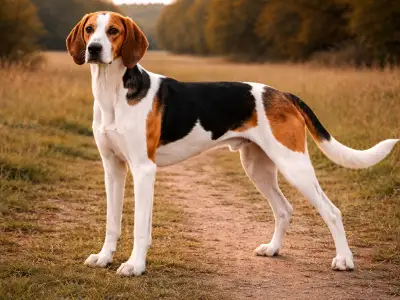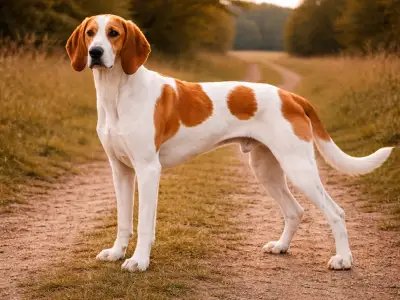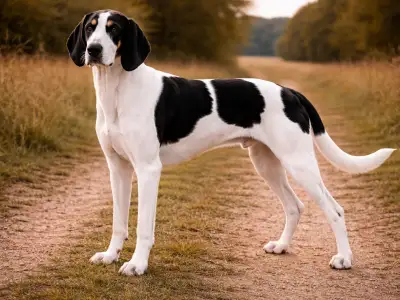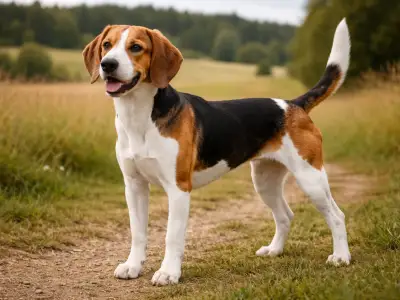
French White and Orange Hound
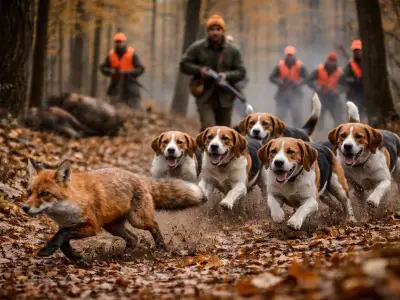
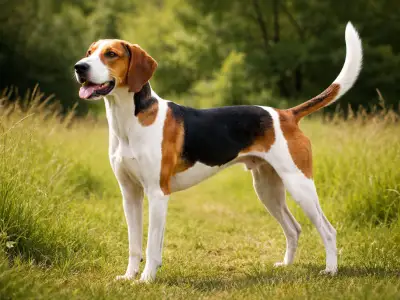
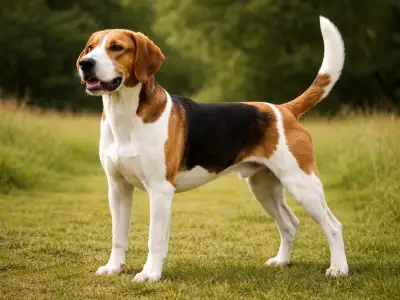
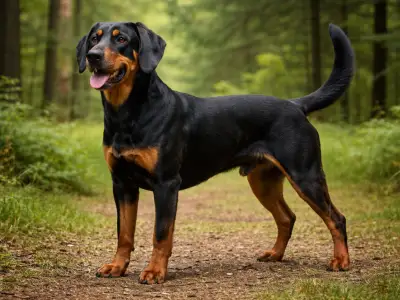
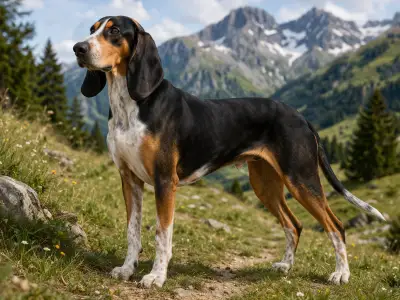
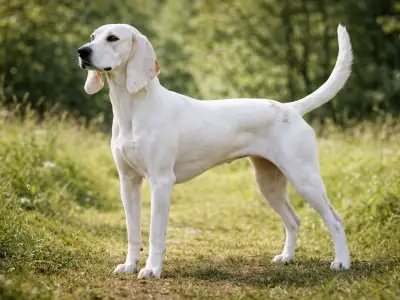
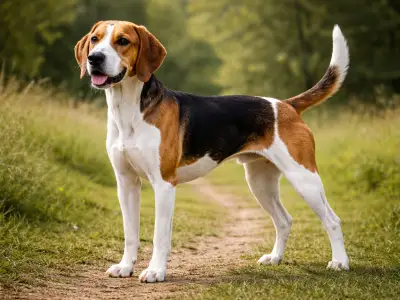
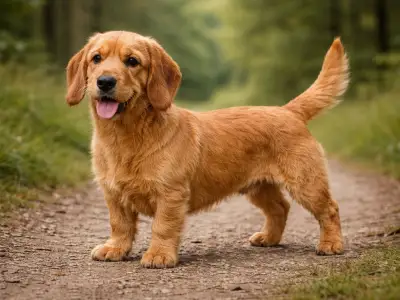
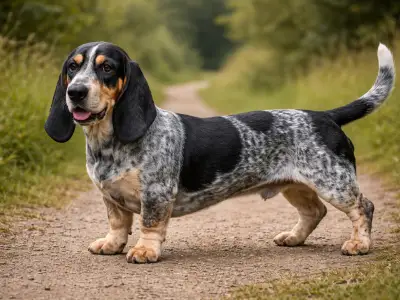
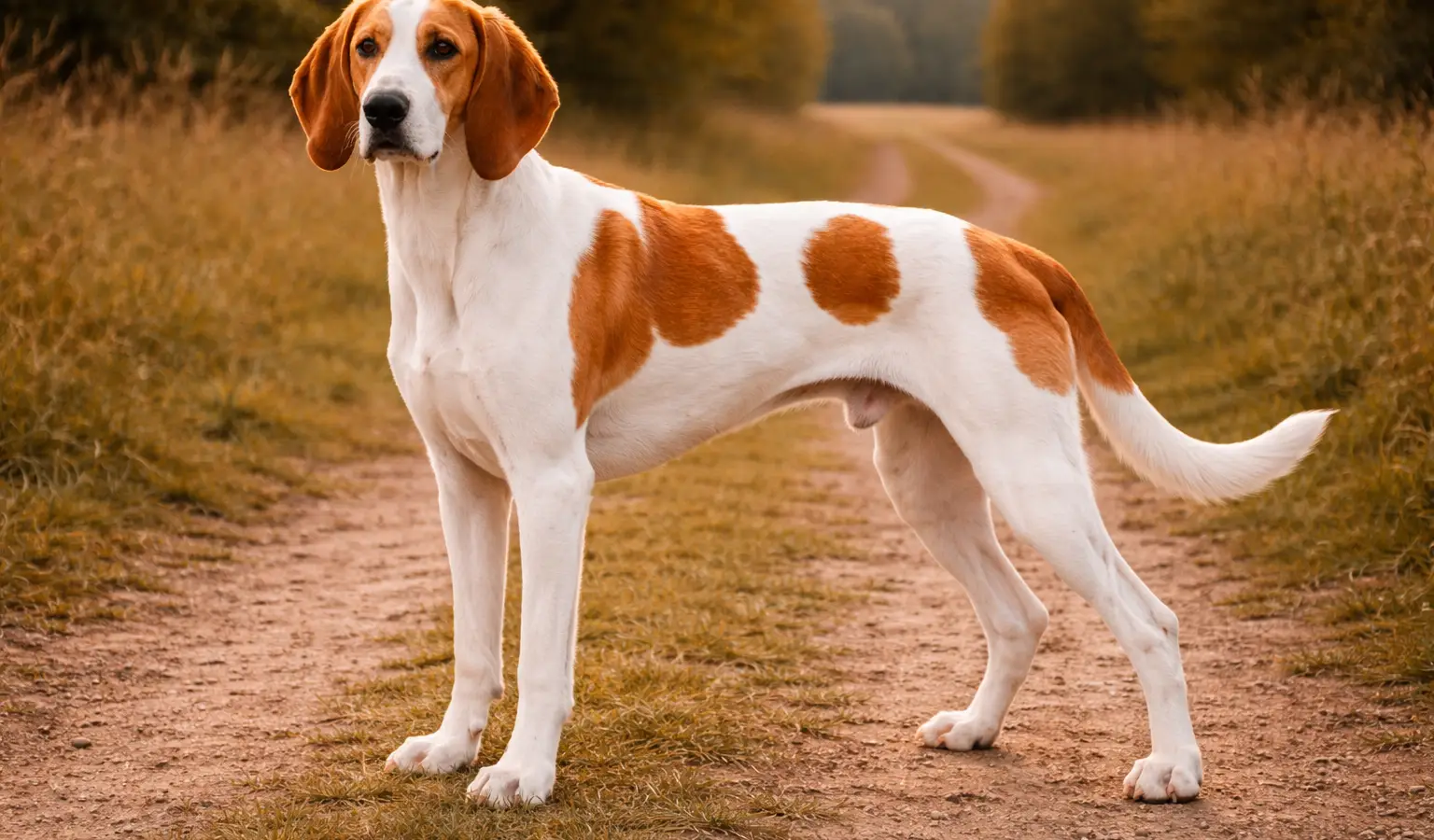
The French White and Orange Hound is a large French scenthound developed for pack hunting. Enduring, athletic and gifted with an excellent nose, it is valued for steady trail work and strong pack sociability. It thrives with an active routine, long outings, plenty of space and consistent training suited to a hunting-type dog.
Life expectancy
10 – 12 years
Price
900 – 1600 €
Monthly budget
80 €
Size
Large
Profile
French White and Orange Hound
Origin
France
Year of origin
1957
Developed by
French pack hunters
Size
Large
Coat type
Short coat
Owner profile
Experienced owner
Hypoallergenic
No
Litter size
8
Life expectancy
10 – 12 years
Price
900 – 1600 €
Female
- Height : 60 – 65 cm
- Weight : 28 – 32 kg
Male
- Height : 62 – 70 cm
- Weight : 30 – 36 kg
Temperament & abilities
Affectionate
3/5
Calm
3/5
Independent
5/5
Intelligence
4/5
Obedience
2/5
Hunting instinct
5/5
Energy level
5/5
Good with children
3/5
Dog-friendly
4/5
Friendly with strangers
2/5
Hunting profile
Stamina
5/5
Hunting drive
5/5
Independence
4/5
Trainability
3/5
Beginner-friendly
2/5
Family compatibility
3/5
Feather game
0/5
Fur game
4/5
Underground work
0/5
Water work
0/5
These indicators help compare breeds and choose the right one for your hunting style.
Game & abilities
Estimated ability level by game type.
Budget
Purchase price
900 – 1600 €
The price may vary depending on the breeder, bloodline, and region.
Average monthly cost
80 €
Estimated average: food, healthcare, accessories, and grooming.
Strong nose, stamina, and purpose-built field work, with real demands in training and daily management
A capable pack hound for scent-driven hunting
The French White and Orange Hound is generally a very good hunting dog for hunters who want a true scent hound rather than an all-round gundog. Bred for pursuing game by nose, it is typically valued for its drive on scent, endurance in the field, and ability to work with other hounds over varied country. In practical terms, this breed makes the most sense for traditional scent hunting, especially where a steady search, honest voice, and sustained chase matter more than close handler focus or polished versatility.
Its main strengths usually come from classic hound qualities: a capable nose, a forward hunting attitude, and the stamina to stay effective for long outings. Many French White and Orange Hounds work in a fairly independent style, following scent with commitment once they have game moving. That can be a real advantage for hunters who want a dog that covers ground and keeps pressure on the line, but it also means handling is not always as easy as with more biddable, handler-oriented breeds. Recall, off-lead control, and responsiveness often require patient, consistent work, especially around fresh scent and high excitement.
For that reason, this is not usually the easiest hunting dog for beginners. Trainability is often good in the sense that the breed can learn its job well, but training is rarely about minute-by-minute precision. It is more about channeling natural instincts, building reliable routines, and teaching the dog when to switch from independent work to cooperation. Daily life reflects that same balance: a French White and Orange Hound can be pleasant at home when properly exercised, but without enough physical outlet, scent work, and structure, it may become noisy, restless, or difficult to manage.
The most coherent use cases are hunters who appreciate traditional hound work and owners who genuinely enjoy active dogs with a strong nose and a purposeful temperament. It is less suited to people looking for a close-working retriever type, a highly versatile shooting companion, or a low-maintenance family pet. As a comparison breed, it tends to appeal more to those who value search, chase, and stamina than to those prioritizing easy handling, natural retrieve, or compact urban living.
Cold-nose tracking ability
This French scenthound is valued first for its nose. In the field, it is generally appreciated for following older scent with patience rather than rushing and overrunning the line. That makes it especially relevant for hunters who want a dog that can work methodically on hare or similar game and keep the track understandable even in difficult scenting conditions.
Built for long chases
The French White and Orange Hound is typically a stamina dog rather than a short-burst specialist. It was developed for sustained work, and many individuals can cover ground for long periods when properly conditioned. For hunting use, this endurance is a real advantage on extended days, but it also means the breed usually needs far more exercise and outlet than a casual pet home expects.
Useful pack hound instincts
One of the breed's practical strengths is its tendency to work coherently with other hounds. In traditional hunting settings, that pack-minded character can help maintain rhythm, pressure, and overall order during the chase. For the handler, this often means a dog that shines most in a team of hounds rather than as an all-purpose solo hunting companion.
Clear voice on scent
Like many French scenthounds, this breed is often appreciated for giving tongue clearly while working. A good voice helps hunters follow the progress of the chase, read changes in pace, and understand when the dog is truly engaged with game. In practical terms, that can make the hunt easier to interpret, though it also means the breed is not especially discreet in everyday life.
Focused rather than highly biddable
Its hunting concentration can be a strength in the field: once committed to scent, the dog may work with impressive determination. The trade-off is that recall and off-switch are not always effortless, especially around game. This breed often suits handlers who understand hound independence and are willing to invest in steady training instead of expecting instant obedience.
Best suited to scent-hunting specialists
The French White and Orange Hound is not usually chosen for broad utility work such as versatile pointing or frequent retrieving. Its real value lies in traditional scent hound work, especially for hunters who want a purposeful, game-driven dog with classic pack-hound qualities. In other words, it tends to suit dedicated hound people more than households seeking a flexible do-everything gun dog.
Who the French White and Orange Hound suits best
The French White and Orange Hound tends to suit hunters who want a purpose-bred scenthound with stamina, nose, and the drive to work in the field rather than a casual pet that adapts easily to a quiet routine. It is often a better fit for active owners with space, regular outdoor time, and realistic expectations about hound independence, voice, and exercise needs. In hunting homes, it may appeal most to people who enjoy traditional trailing and pack-hound style work and who value persistence over instant off-leash responsiveness.
It is usually less suitable for sedentary households, first-time dog owners looking for easy obedience, or people living very close to neighbors if frequent baying would be a problem. Daily life is often smoother with secure space, consistent training, and enough activity to prevent frustration. Families can do well with this breed when they appreciate a lively working dog, but common mismatches include owners wanting a highly biddable companion, a low-maintenance house dog, or a breed that is content with short walks and little mental work.
How its history shaped its nose, voice, and hunting style
Origin and development of the French White and Orange Hound
The French White and Orange Hound was developed in France as a pack scenthound for pursuing game by scent over varied terrain. Like several French hound breeds, its history is tied to regional hunting traditions and to older lines of white-coated French hounds, although the exact mix of ancestors is not always described with complete certainty in modern sources. What is clear is the breeding goal: a fast, active, durable hound with a clear voice, a good nose, and the ability to work cooperatively in a pack rather than as a highly independent catch dog.
That origin still explains much of the breed’s present-day character. The French White and Orange Hound was selected less for ornamental uniformity than for field usefulness, especially stamina, scenting ability, and the drive to stay on line during a hunt. In practice, this often produces a dog that is energetic, purposeful, and most comfortable when it has room to move and a job that engages its nose. Owners drawn to the breed’s elegant outline should also understand that it typically thinks like a working hound first: affectionate in the right home, but not usually bred to be a sedentary companion.
Historically, French pack hounds were expected to be manageable in a group, which helps explain why this breed may show a sociable, kennel-friendly nature with other dogs when properly raised. At the same time, scenthound independence remains part of the package. Training is usually possible and worthwhile, but it tends to work best with consistency, repetition, and realistic expectations rather than constant drilling. A responsive recall and calm house manners often require more effort than they might in a strongly handler-focused breed.
For hunters, the breed’s development points to a hound suited to following scent with determination and covering ground efficiently. For non-hunting homes, the same history is a useful warning sign as much as a selling point. This is often a better fit for active owners who appreciate hound behavior, can provide regular exercise and scent-based outlets, and do not expect instant obedience. In the right setting, its historical purpose translates into a capable, keen-nosed, enthusiastic dog; in the wrong one, that same drive can feel restless, loud, or hard to channel.
French pack-hound roots
The French White and Orange Hound is one of the classic French scenthounds developed for organized pack hunting. It appears to descend from older French hound lines selected for stamina, nose work, and a clear, efficient way of moving over varied terrain. Its identity is tied more to function than fashion, which helps explain its practical build and workmanlike character.
Built to follow scent
This breed was shaped to pursue game by nose rather than by sight, often over long distances and at a steady pace. In hunting terms, that usually means endurance, persistence, and a strong desire to stay on a trail once engaged. For owners, it also means recall can be challenging if training is light or the dog is exercised in scent-rich areas.
Sociable, but very hound-like
Many French White and Orange Hounds are amiable with people and generally comfortable around other dogs, especially if raised in social settings. That said, they remain independent-minded scenthounds, not constantly handler-focused pets. They often respond best to calm, consistent training, clear routines, and enough daily activity to keep frustration and noisy restlessness under control.
Needs room and real exercise
This is usually not an ideal breed for a sedentary household or a cramped urban routine. It tends to suit owners who can provide long walks, tracking-style games, and safe spaces for active movement. A secure area matters, because an interesting scent can easily outweigh obedience in the moment, especially in young or lightly trained dogs.
Simple coat, demanding routine
Coat care is typically straightforward thanks to the short hair, but overall management is not especially low-effort. The real workload comes from exercise, mental engagement, and regular handling. Like many active hunting dogs with long ears, individuals may also benefit from routine checks after field outings, muddy walks, or time in dense cover.
Best for practical owners
The French White and Orange Hound often suits people who appreciate working-dog behavior and can live with a strong nose, a clear voice, and a certain level of independence. It may be a rewarding companion for hunters or very active rural owners, but it is less likely to suit someone looking for a highly biddable, low-energy family dog.
Practical questions about the French White and Orange Hound before choosing it for the field or the home
Hunting and everyday life FAQ
Is the French White and Orange Hound a good hunting dog for modern hunters?
The French White and Orange Hound is generally valued as a serious scenthound rather than a casual all-purpose pet that also happens to hunt. It was developed for trailing game by scent, and many individuals show the stamina, nose, and pack-oriented style hunters look for in traditional hound work. In practice, suitability depends a lot on bloodline, early exposure, and the kind of quarry and terrain involved. It often makes most sense for hunters who appreciate a methodical scent dog and who enjoy handling hounds, rather than someone wanting a highly versatile pointing or retriever-type dog.
What kind of game and hunting style does the French White and Orange Hound suit best?
This breed is usually associated with scent-driven hunting, where endurance, voice, and the ability to follow a line over distance matter more than close-control precision. Depending on breeding and local tradition, it may be used on larger game or in organized hound work, especially where teamwork between dogs is part of the hunting culture. It is less likely to be the right choice for someone seeking a compact, multipurpose gundog for mixed shooting days. Owners interested in this breed should think in terms of hound hunting, nose work, and sustained effort in the field rather than quick, highly handler-focused work at short range.
Are French White and Orange Hounds easy to train, or are they stubborn?
Like many scenthounds, they are often trainable but not especially eager to obey in the way some shepherds or gundogs are. Once a scent becomes important, independence can rise quickly, so recall and basic control need steady practice from an early age. Harsh methods tend to be counterproductive with hounds, while calm repetition, consistency, and rewards usually work better. A good owner accepts that training may be less about flashy precision and more about building reliable routines, field manners, and workable cooperation around strong natural instincts.
Can a French White and Orange Hound live as a family dog if it also hunts?
It can, provided the household understands what living with an active pack hound really means. Many scent hounds are affectionate and sociable with their people, but they are not usually low-maintenance house dogs that settle happily with only a short walk. Daily life is easier when the dog has clear structure, enough exercise, and outlets for scenting and movement. Families who enjoy the outdoors and do not mind a vocal, energetic, and sometimes single-minded dog may do well, while very quiet homes or first-time owners may find the breed demanding.
How much exercise does a French White and Orange Hound need when it is not hunting?
This is not a breed that stays balanced on minimal exercise. Beyond regular walks, it usually benefits from long outings, scent-based games, tracking-style activities, and enough space to move at a natural pace. Mental work matters too, because a bored hound may become noisy, restless, or determined to follow interesting smells on its own terms. Even outside hunting season, most individuals will do best with a genuinely active routine rather than a purely suburban lifestyle built around brief leash walks.
Is the French White and Orange Hound suitable for apartment living or a small home?
In most cases, this breed is a difficult fit for apartment life unless the owner is exceptionally committed and experienced. Scent hounds often need more room, more daily exercise, and more tolerance for vocal expression than close neighbors may appreciate. A small home is not impossible if the dog gets substantial outdoor activity and careful management, but it is rarely the easiest setup. A rural or semi-rural environment, secure outdoor space, and regular opportunities to work its nose usually suit this breed far better.
Who is the French White and Orange Hound best suited to: first-time owners, active families, or experienced hunters?
This breed usually fits experienced hunters or very active owners with a real understanding of hound behavior better than first-time dog owners. The right person appreciates independence, can manage scent-driven distractions, and is realistic about exercise, training time, and containment. Active families may enjoy the breed if they want a robust outdoor companion and are comfortable with a dog that can be energetic, vocal, and sometimes headstrong. For people wanting easy off-leash reliability, low exercise needs, or highly biddable obedience, another breed is often the simpler choice.